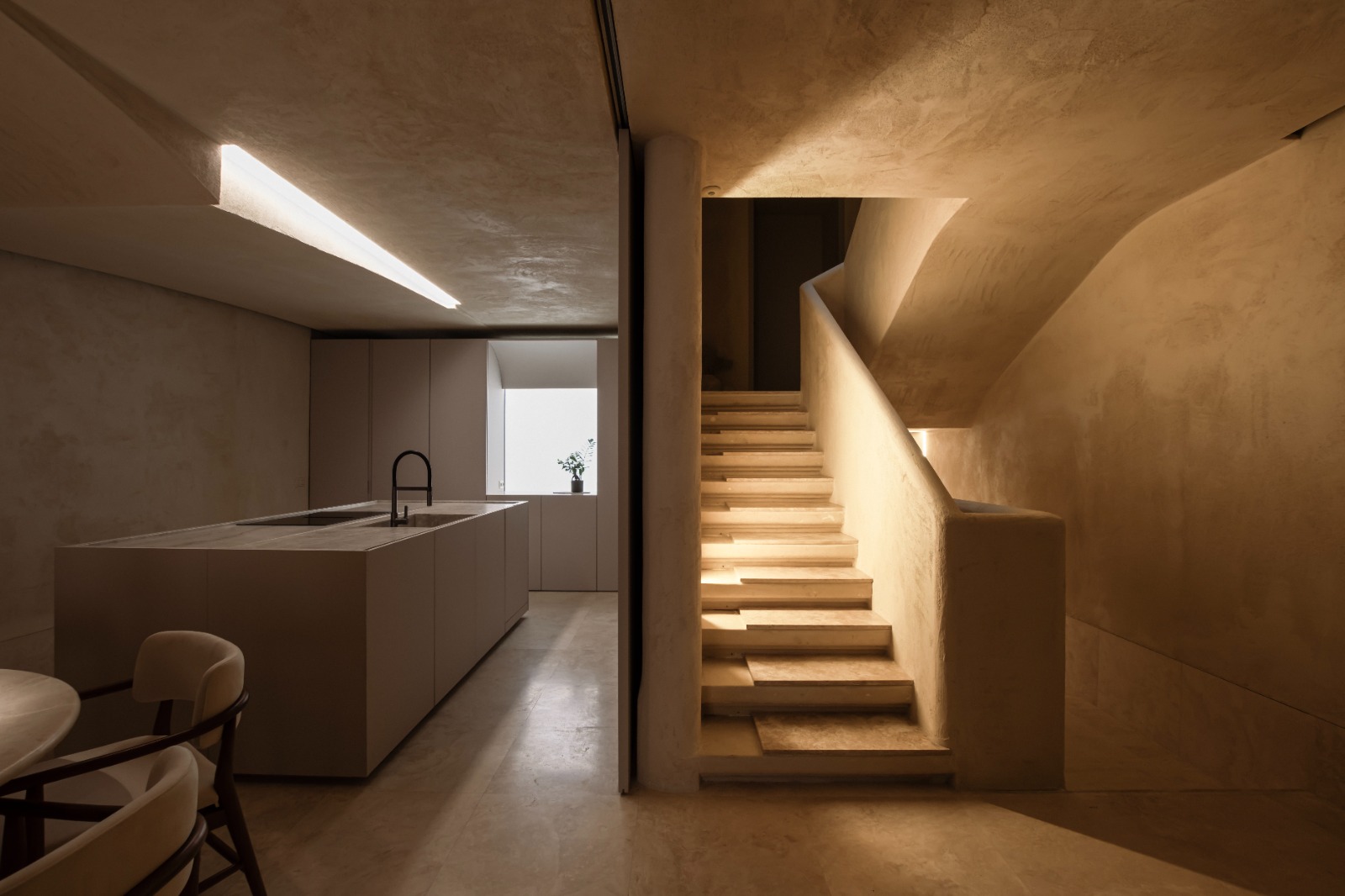
Located among an assortment of traditional buildings in the town of Rabat, Malta, is a “contemporary reimagining of conventional architectural norms” – a house that goes by the name Twentyfour, designed by studio 3DM Architecture.
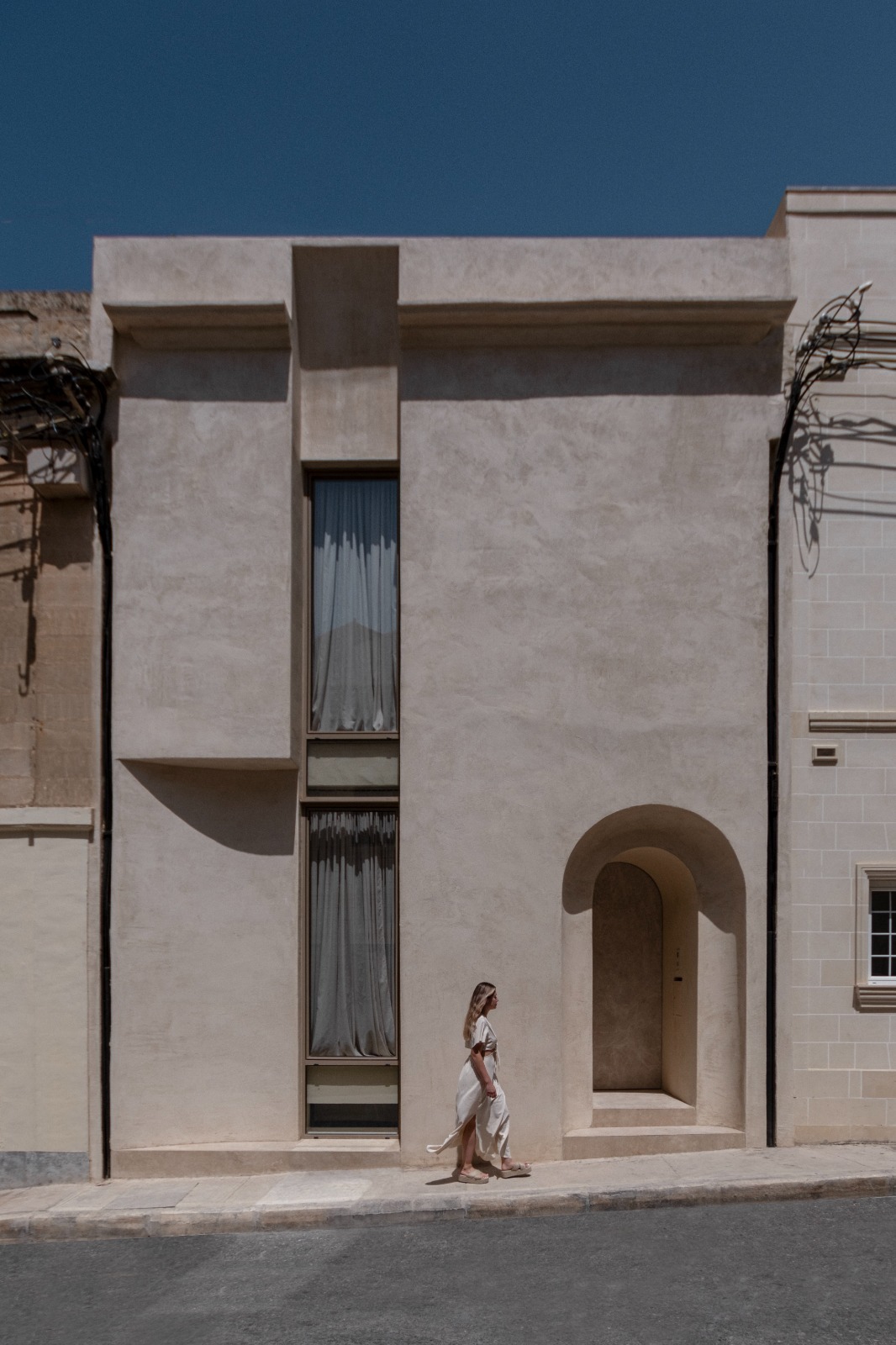
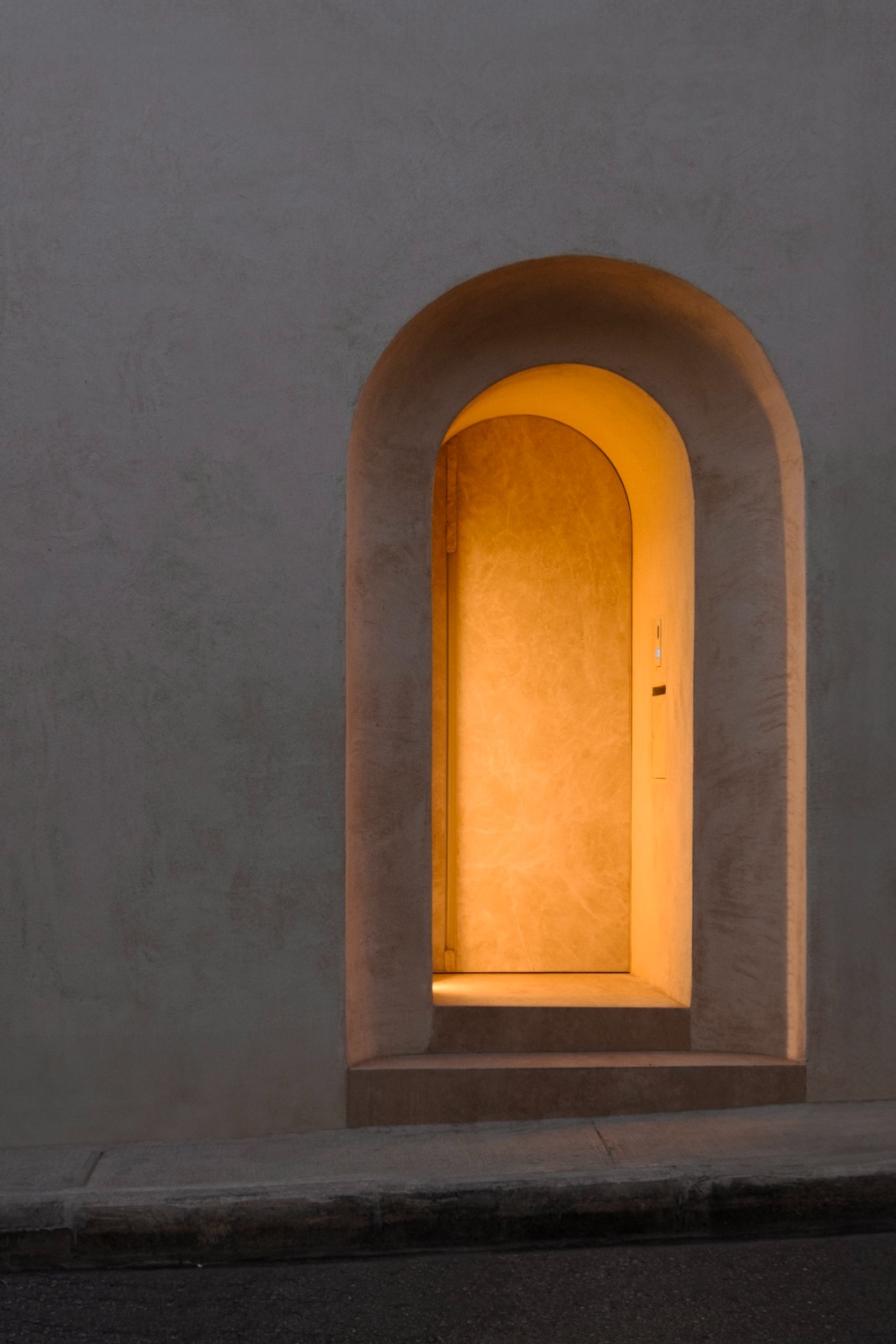
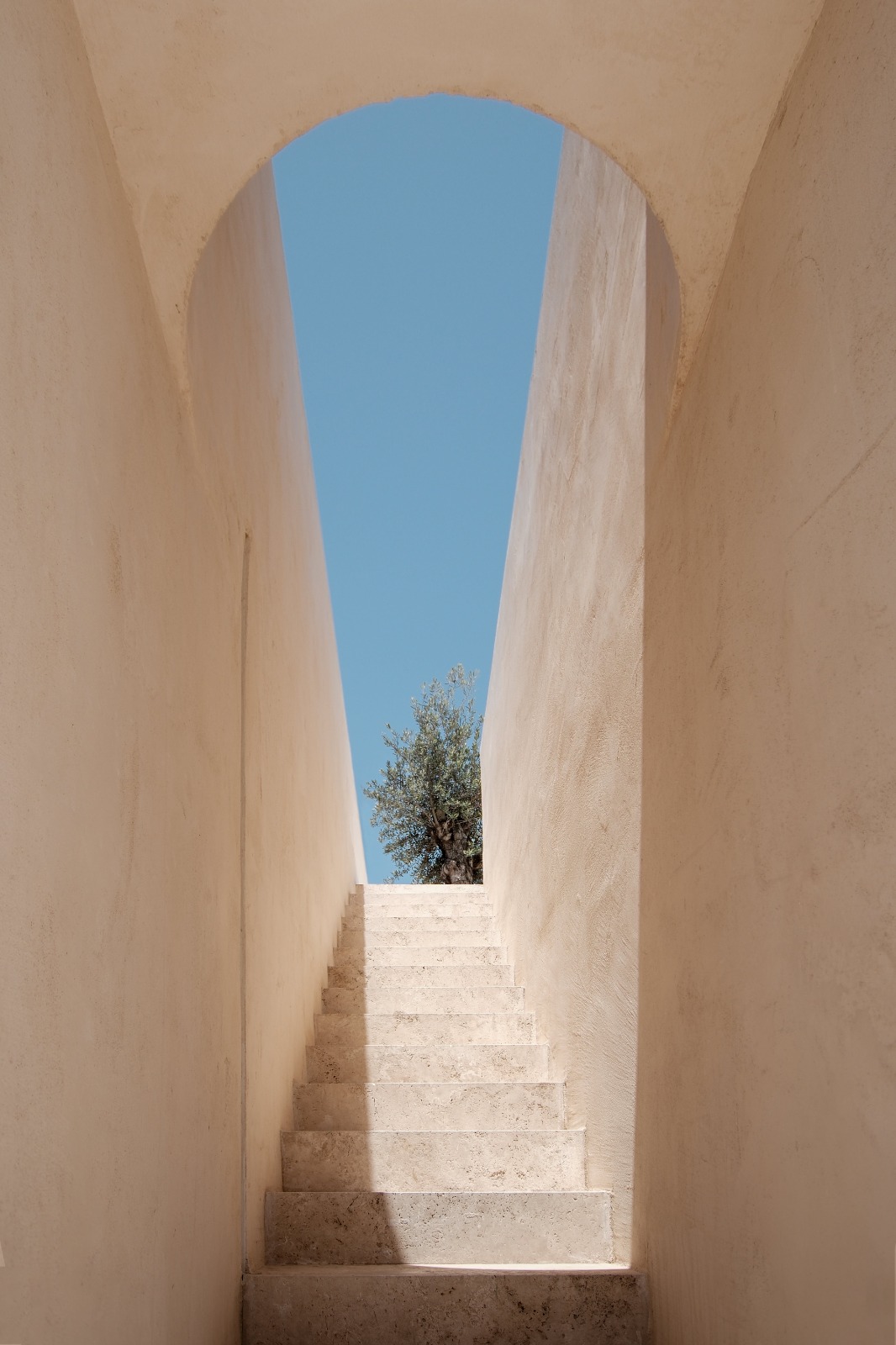
From the outside, the facade’s neutral surface and arched doorway is a hint of what awaits inside – a monochromatic space defined by its lack of colour and minimalist design that allows for the building’s architecture to take centre stage.
Maurizio Ascione, project architect and co-founder of 3DM Architecture, says the building integrates with its surroundings “by adhering to the timeless aesthetics of Maltese architecture while infusing a contemporary sensibility. This synthesis between traditional Maltese architecture and a modern aesthetic is not confined to the exterior; it permeates every aspect of the residence.”
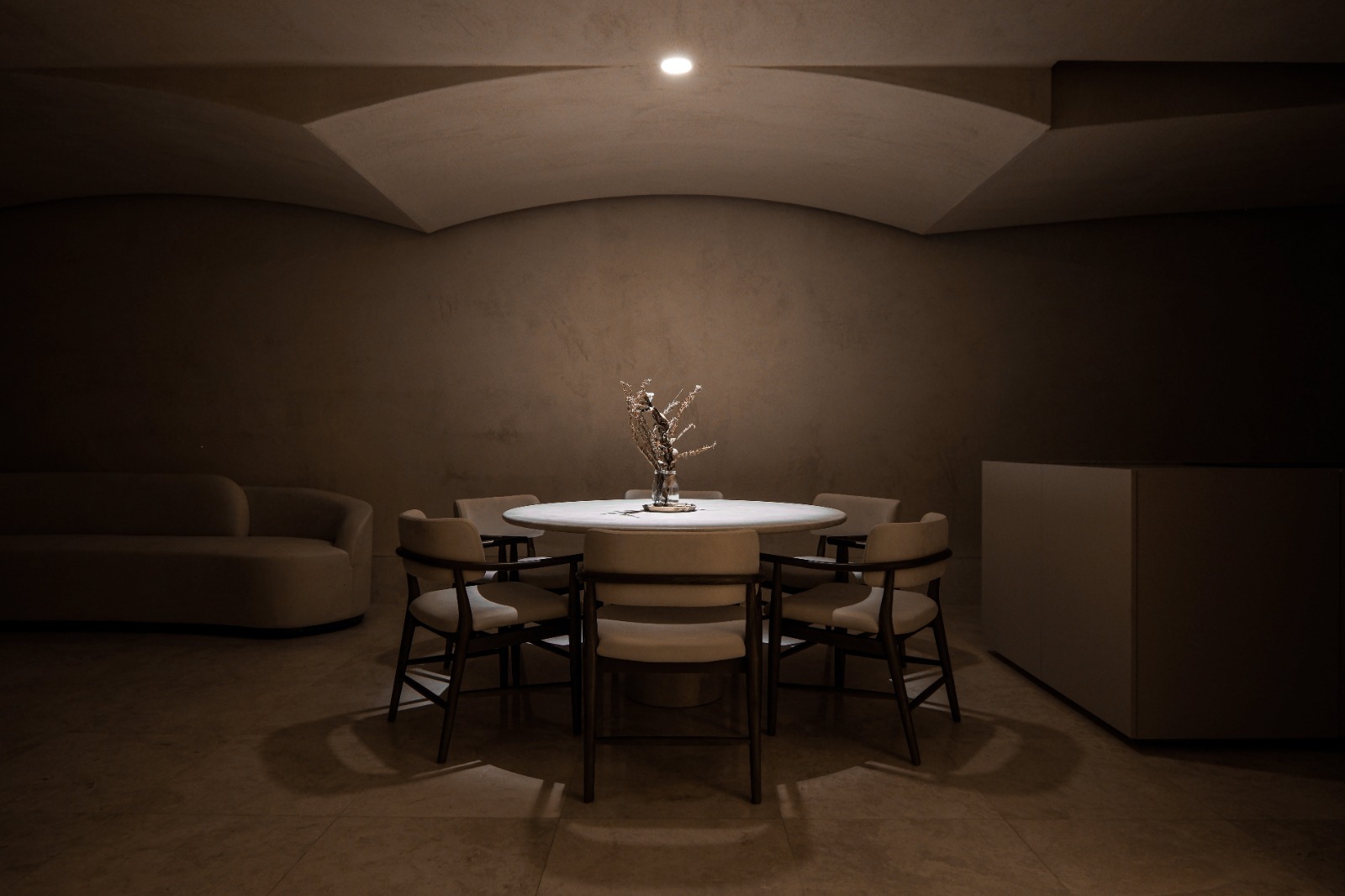
Described by the architect as a house that represents a departure from the conventional and a “singular structure that dares to be different”, Twentyfour embraces the minimalistic design approach, stripping it from the décor of traditional elements typically associated with traditional terraced houses.
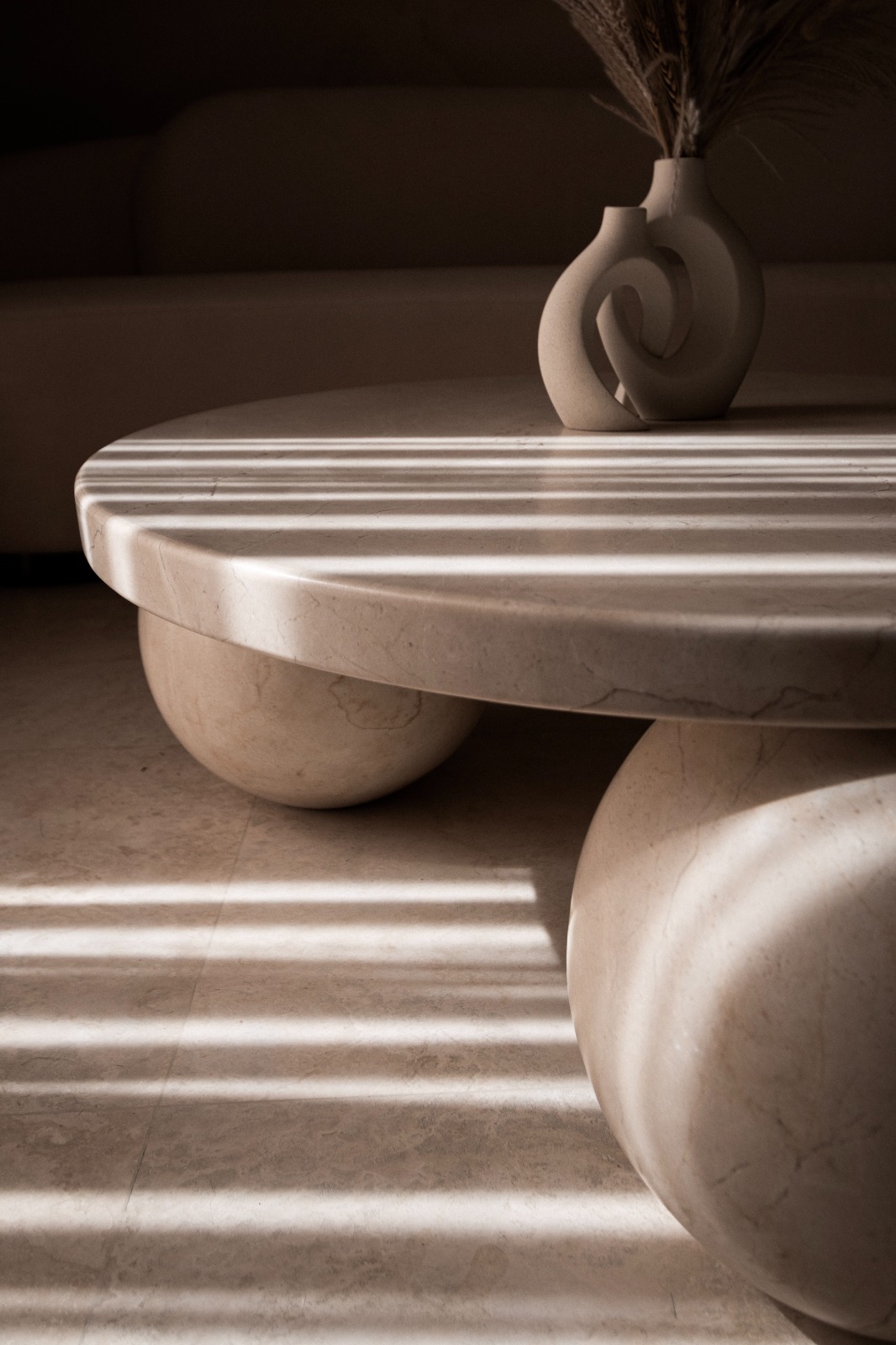
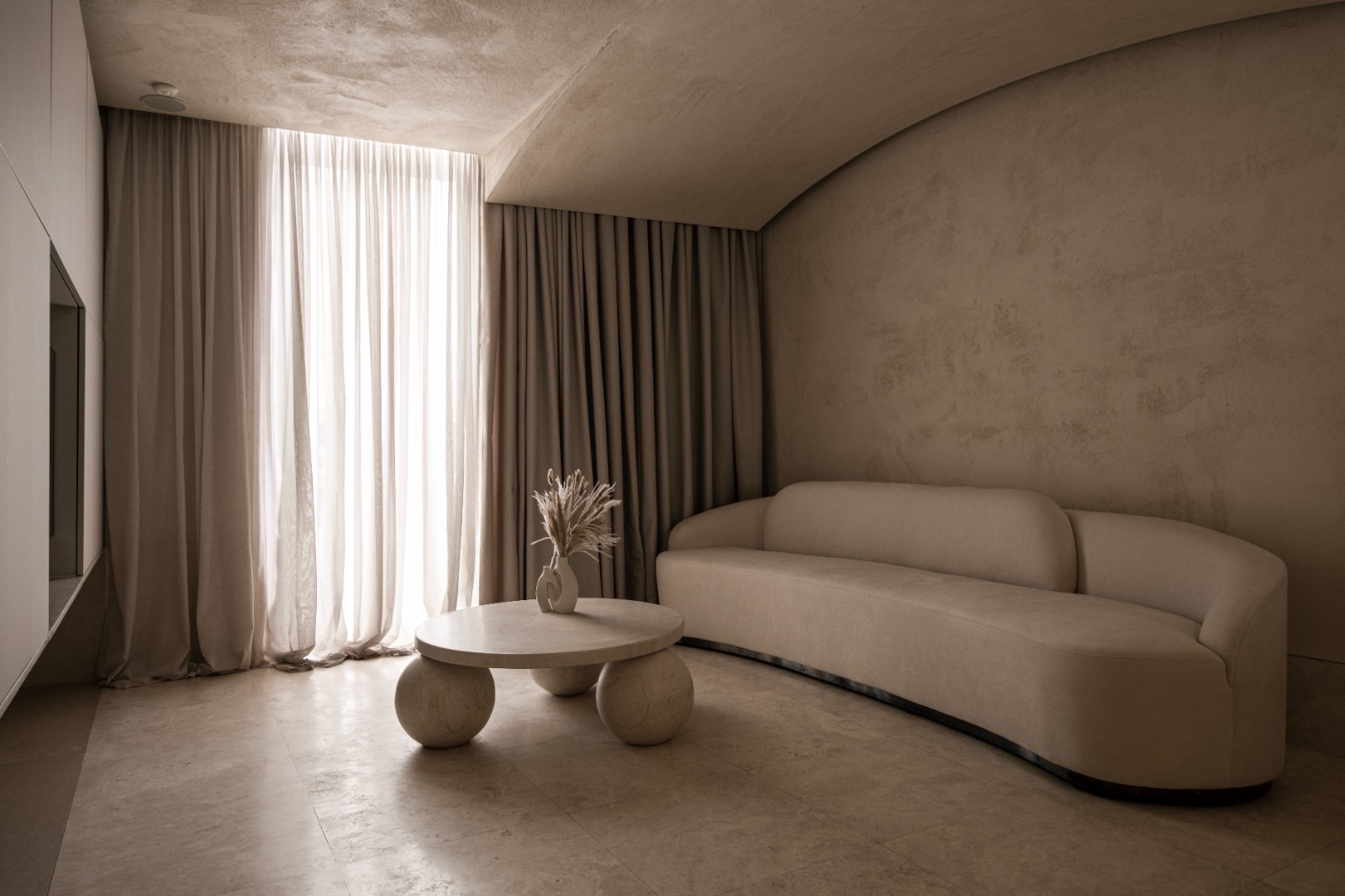
“Meticulous attention to detail was dedicated to the selection of colour and curvature. Colour was deliberately removed from the palette, and a monochromatic scheme was adopted that follows the natural hues of local stone.”
The interior curvilinear design drew inspiration from the traditional archway of the main door. Maurizio explains that these elements played a pivotal role in shaping the identity of the house, creating an ambiance that is both subdued and inviting. “The incorporation of curves in the design not only adds visual interest but also serves to hierarchise the various spaces within the house.”
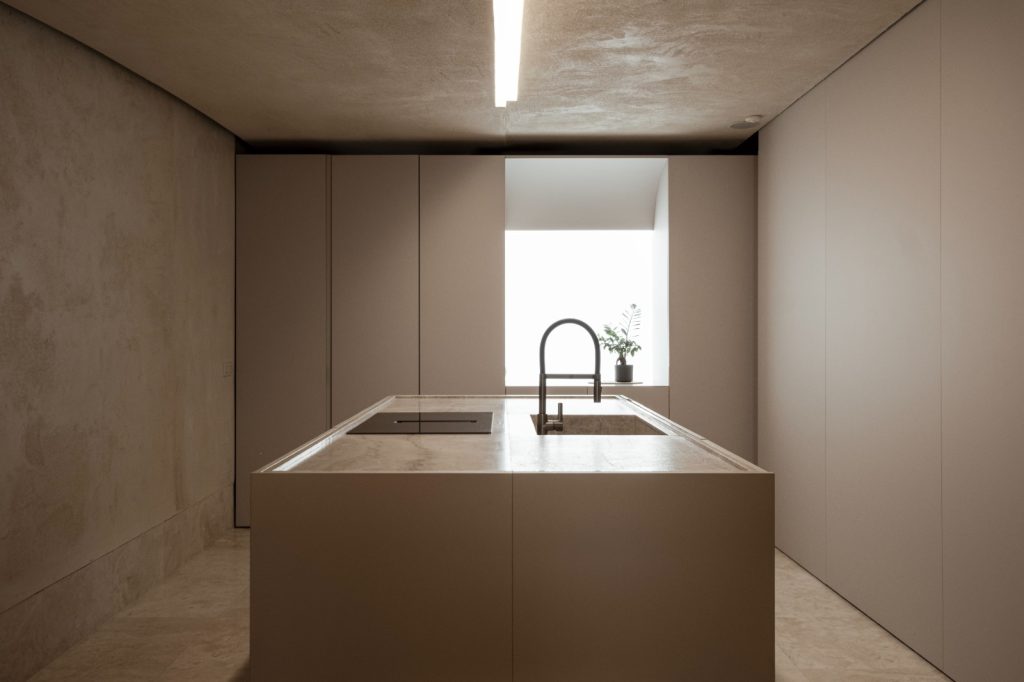
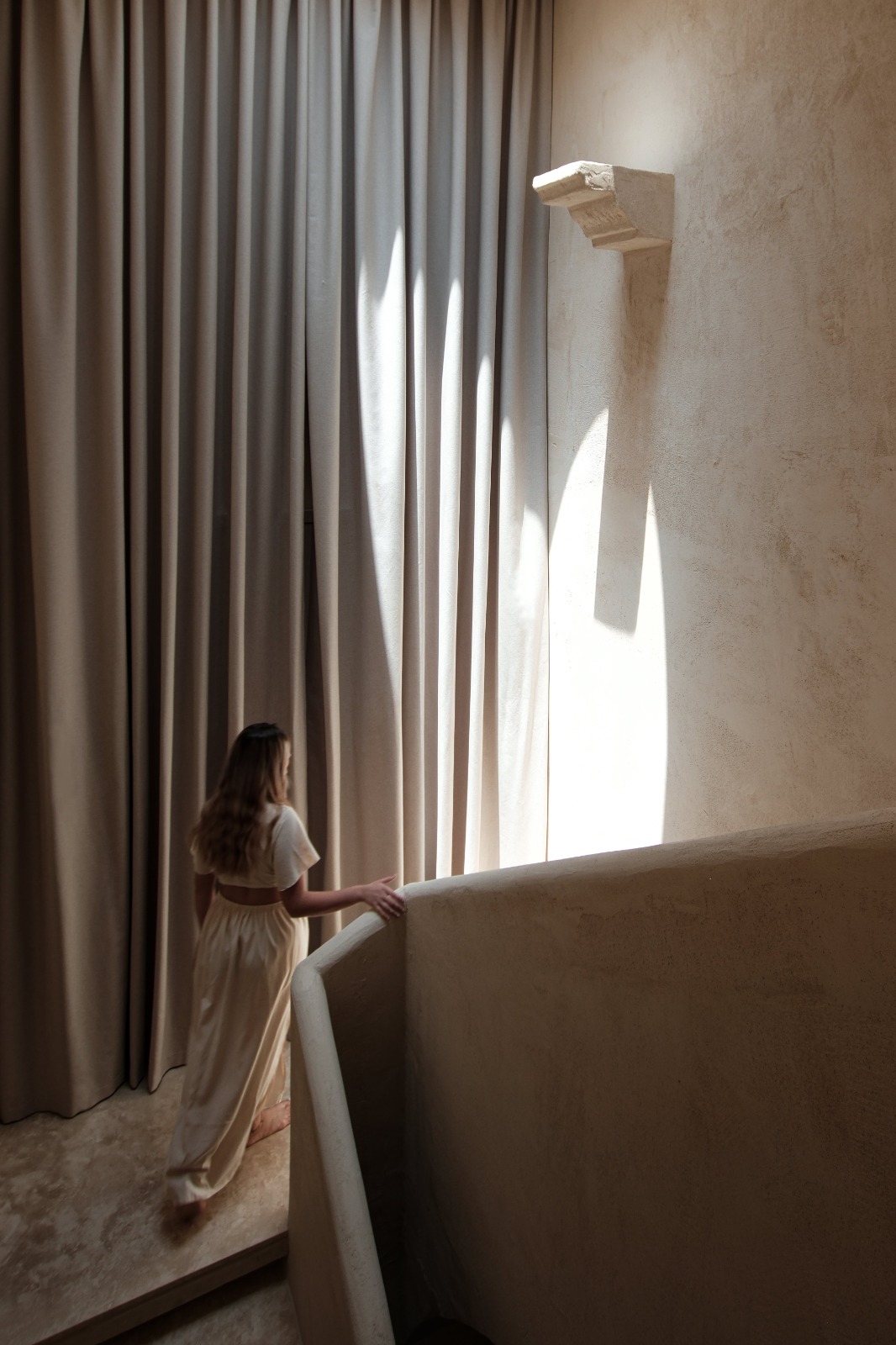
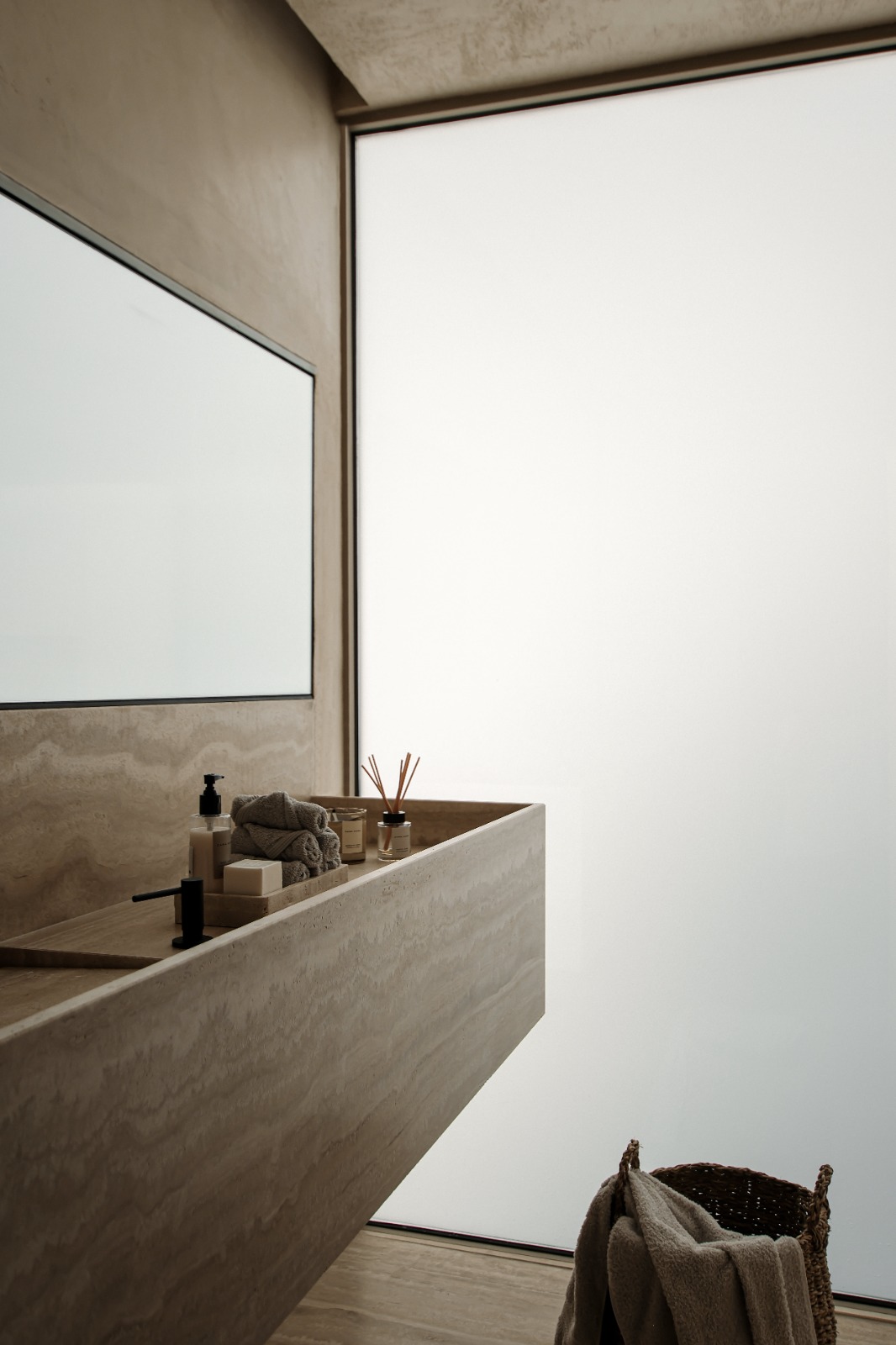
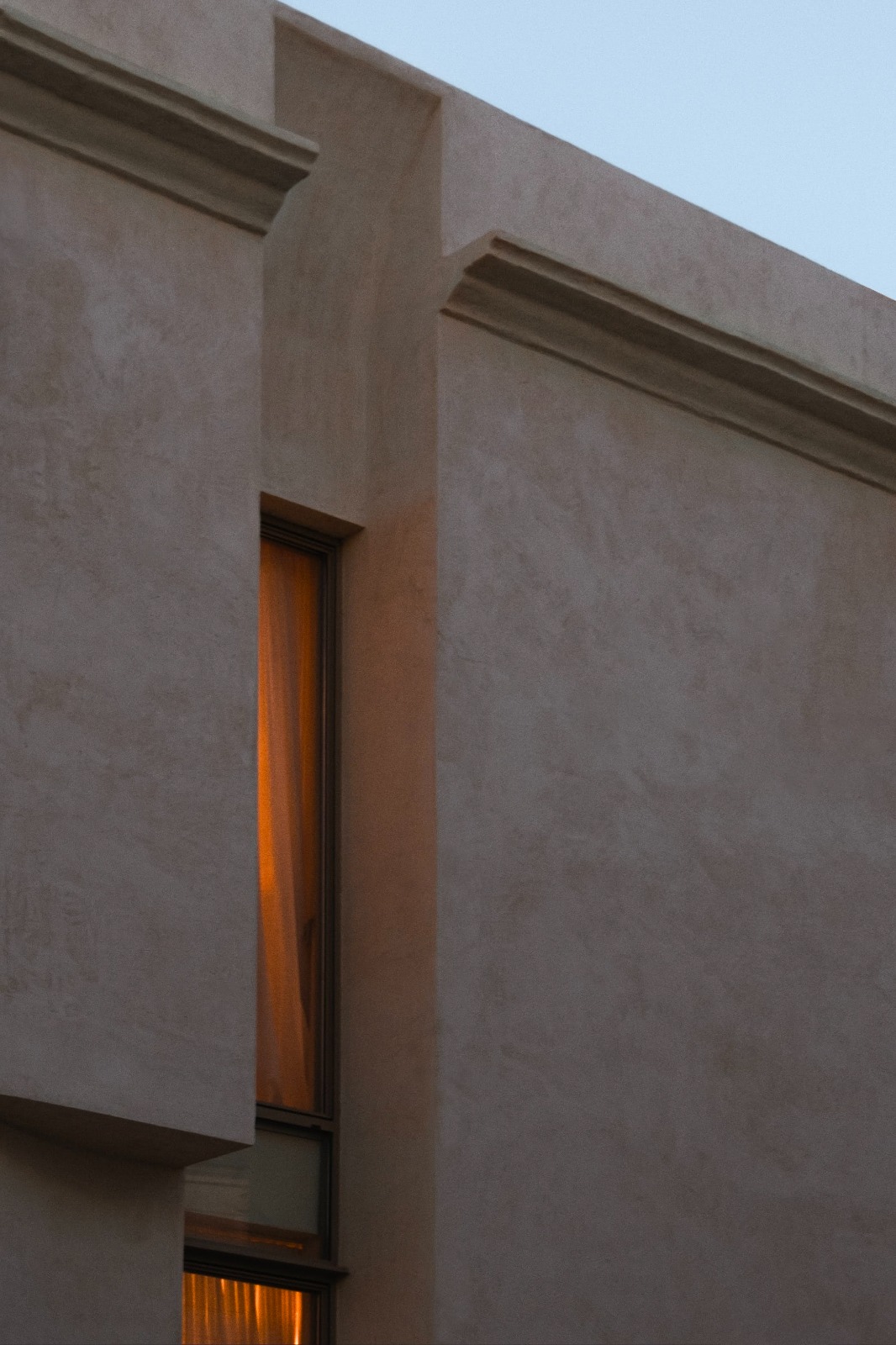
The single-colour palette and texture contrasts throughout the home are accentuated by natural light that floods through the tall, vertical windows visible from the façade, suffusing the space with a cosy, inviting feel. “This enchanting relation between natural light, monochromatic tones, and varied textures emphasises the seamless merger of tradition and modernity that characterises the residence.”
Divided over five floors, the house was planned to cater for the family’s needs and varied requirements. The ground floor acts as the communal nucleus, housing the kitchen, living and dining spaces, all of which were faithfully designed in line with the determined colour scheme.
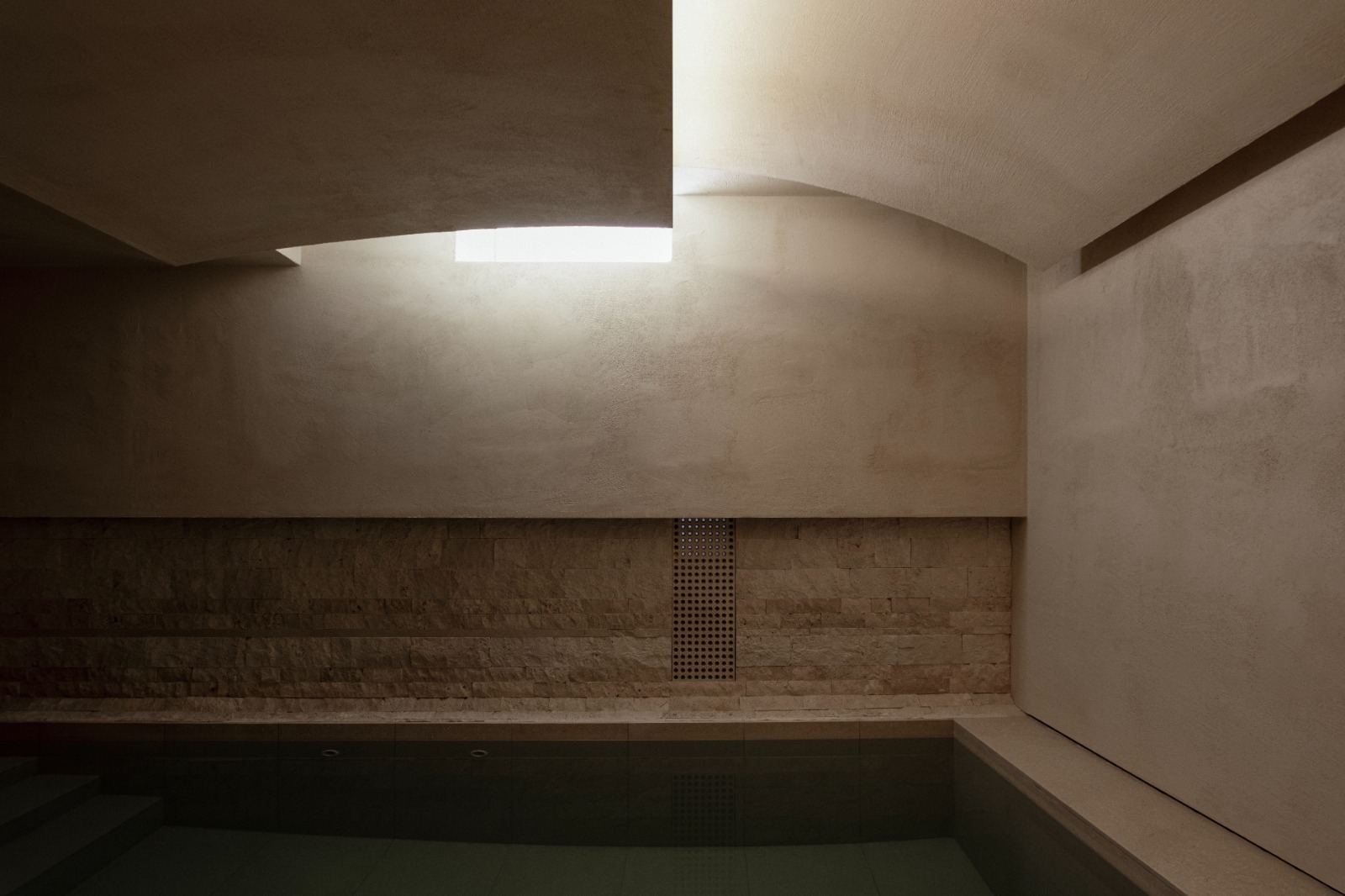
“The lower level is purposefully designed for the family’s well-being. It’s a tranquil environment that includes an indoor pool, creating a serene and unified space where the family can gather,” says Maurizio. “A testament to the timeless allure of minimalism, Twentyfour illuminates how architectural design can harmonise the past and the future, the traditional and the contemporary.”
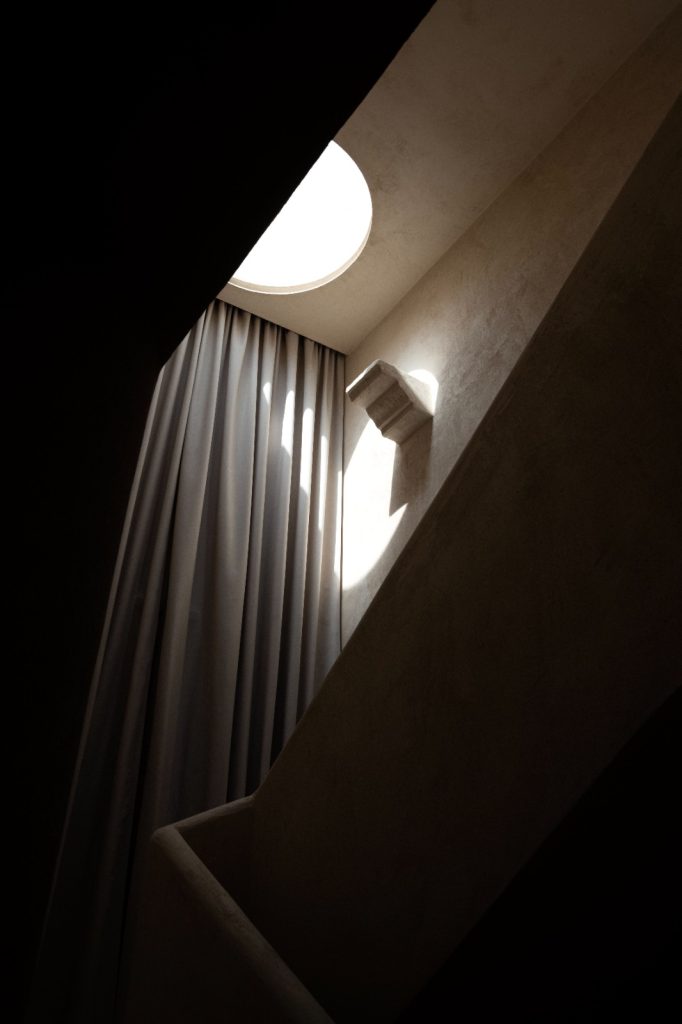
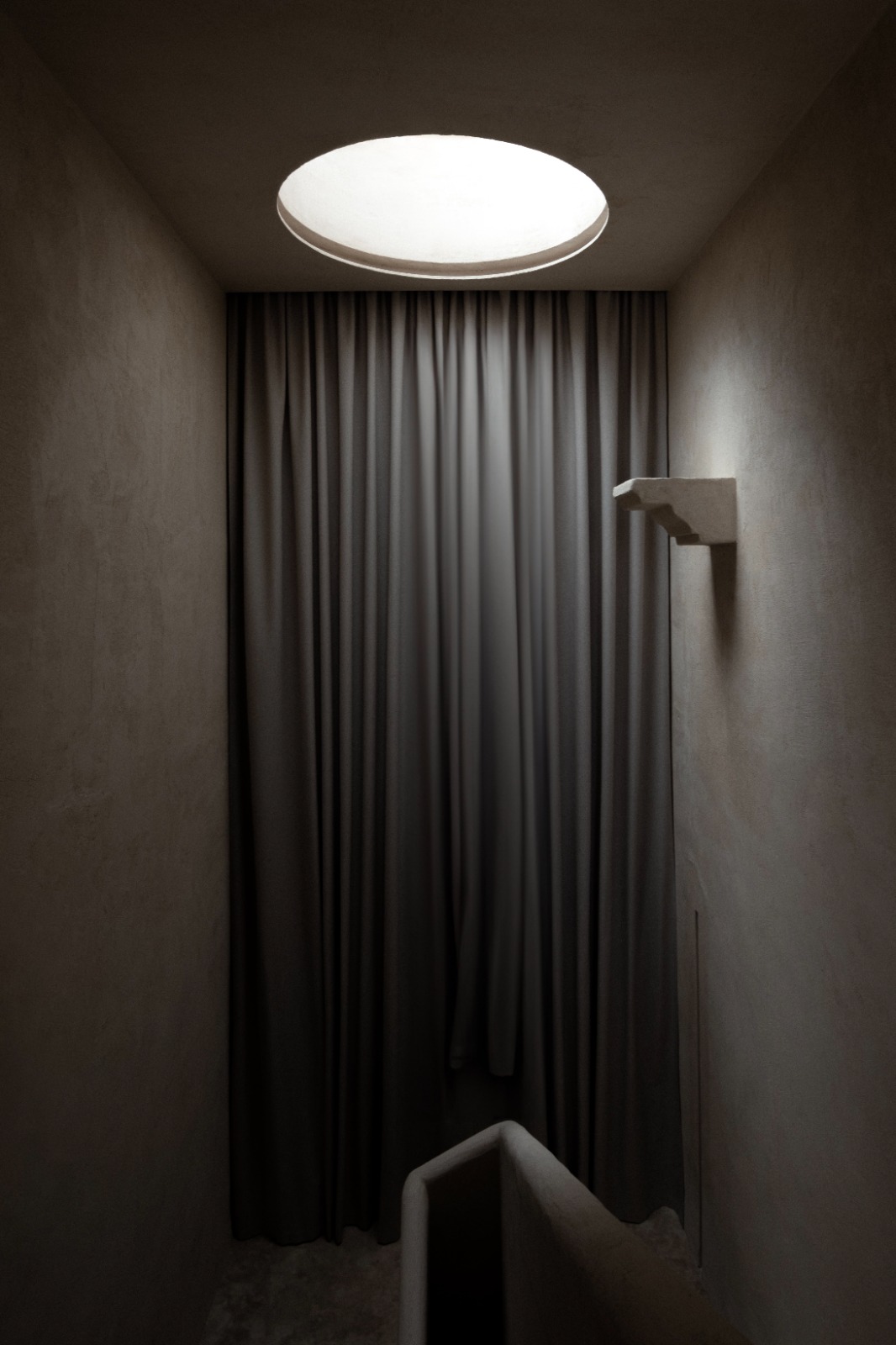
From the living area, a traditional staircase provides access to the other levels, which itself culminates beneath a skylight, bringing in natural light while also serving as a focal point of the house’s design through a thoughtful interplay of light and shadow.
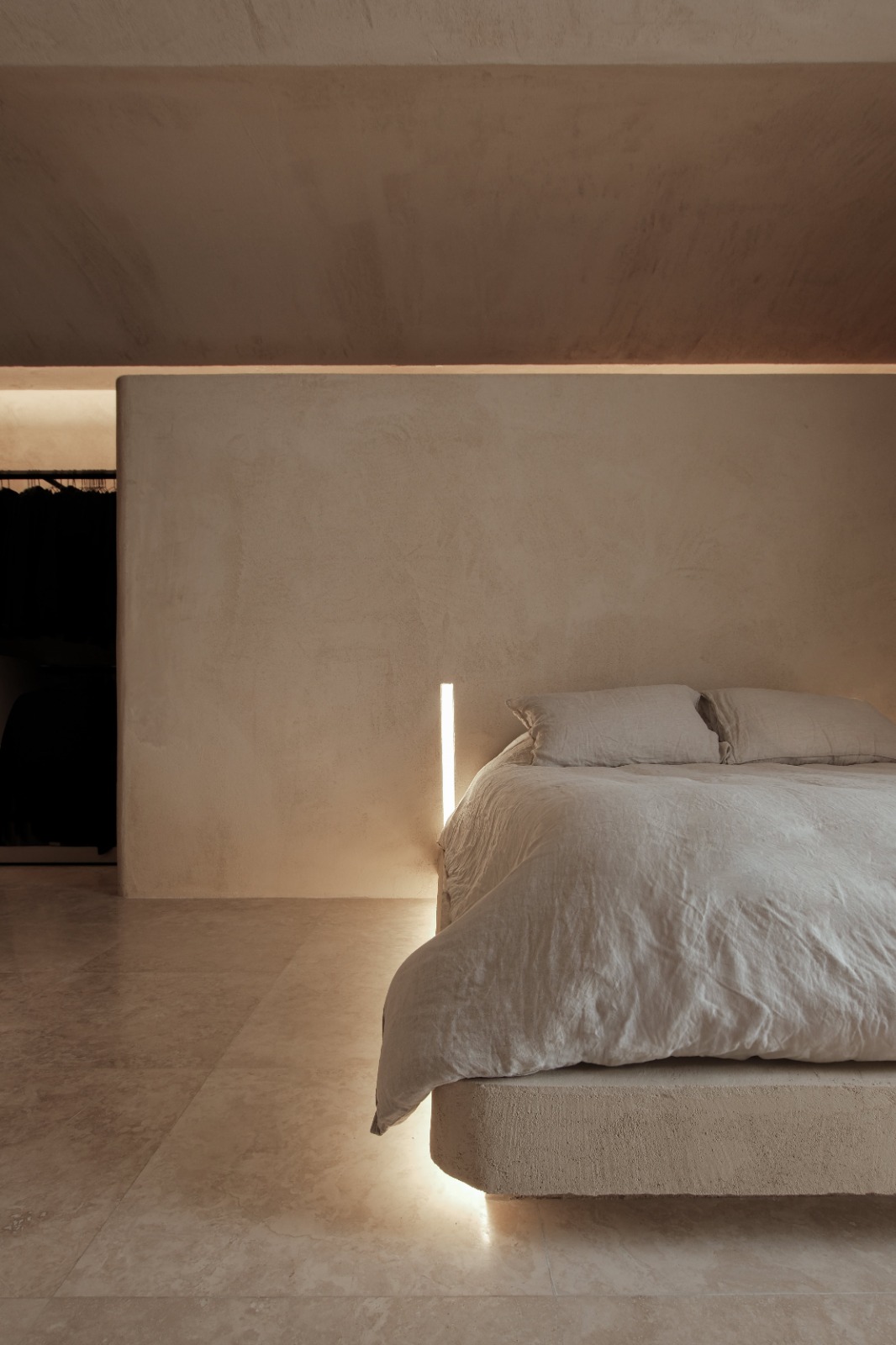
The family’s sleeping quarters are located on the first floor, where the overarching design language emerges again through curvatures on the ceiling, the prevalence of a single colour and contrasting textures.
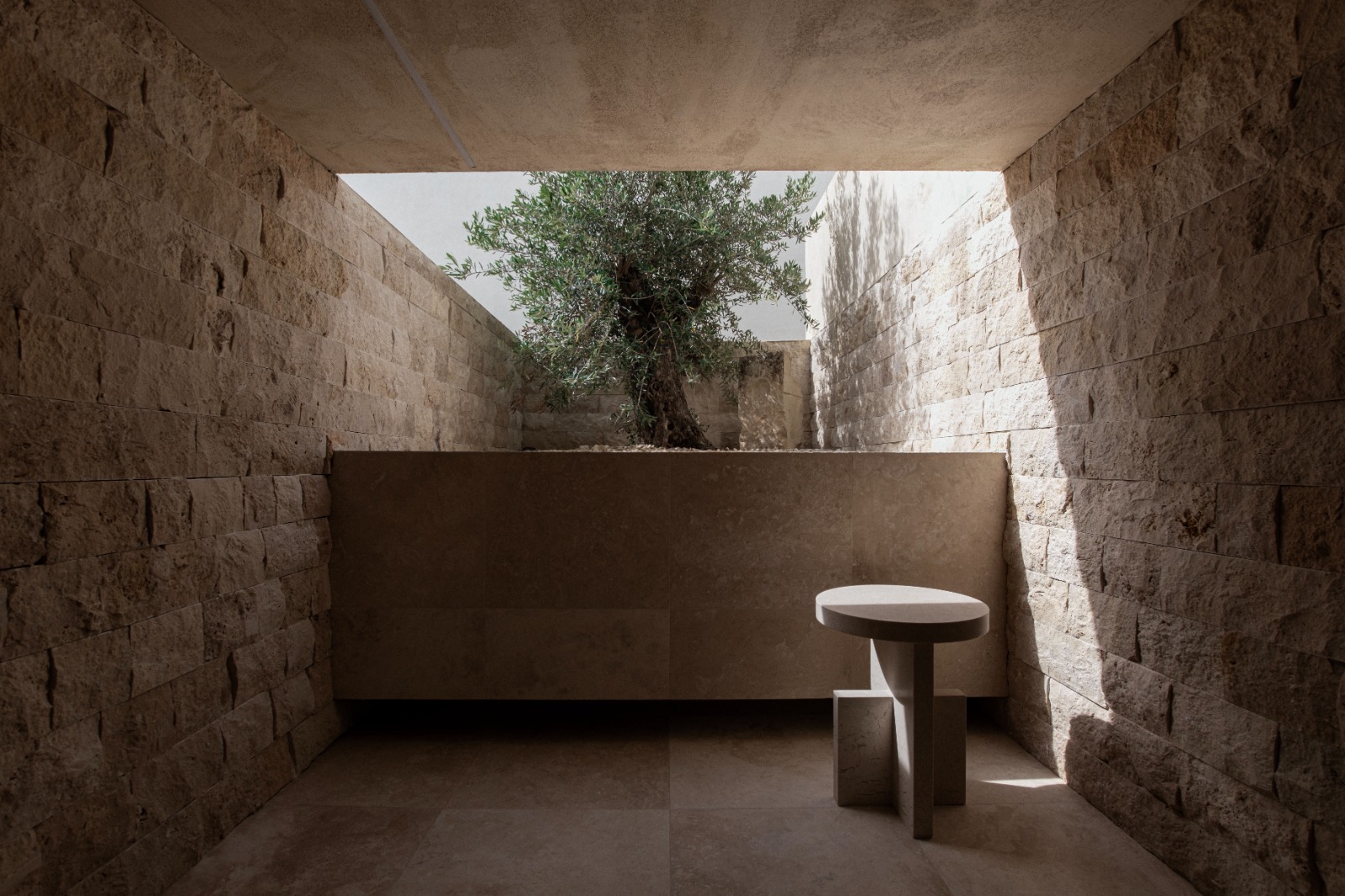
Up on the second floor, a versatile space is revealed, which includes an art studio that provides access to a spacious terrace, connected by external stairs to the rooftop. This outdoor space provides a panoramic view of the surroundings, inviting the family to absorb the beauty of Rabat from above.
“Embodied in pure architectural elements, it becomes a living case study, showcasing the evolution of terraced housing, and thus creating an architectural identity that speaks of its time,” says Maurizio. “By melding tradition with innovation, the project epitomises contemporary living and lays a foundation for future architectural exploration.”
Photography: Matthew Farrugia
If you enjoyed reading this article, you might also be interested in: The monochromatic room – why colour drenching is becoming an interior favourite