Following the milestone announcement of a unified Premju Galizia 2026 – bringing the Kamra Tal-Periti (KTP) and the Planning Authority (PA) under a shared awards programme – the discourse naturally shifts from institutional alignment to tangible outcomes.
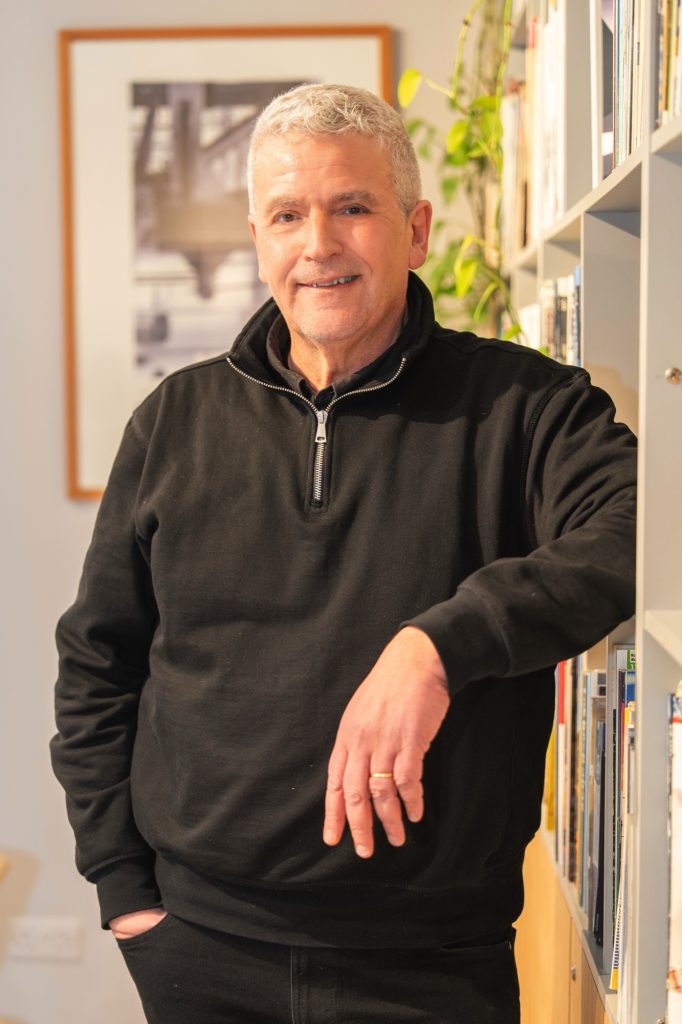
David Felice / Photo by Bernard Polidano
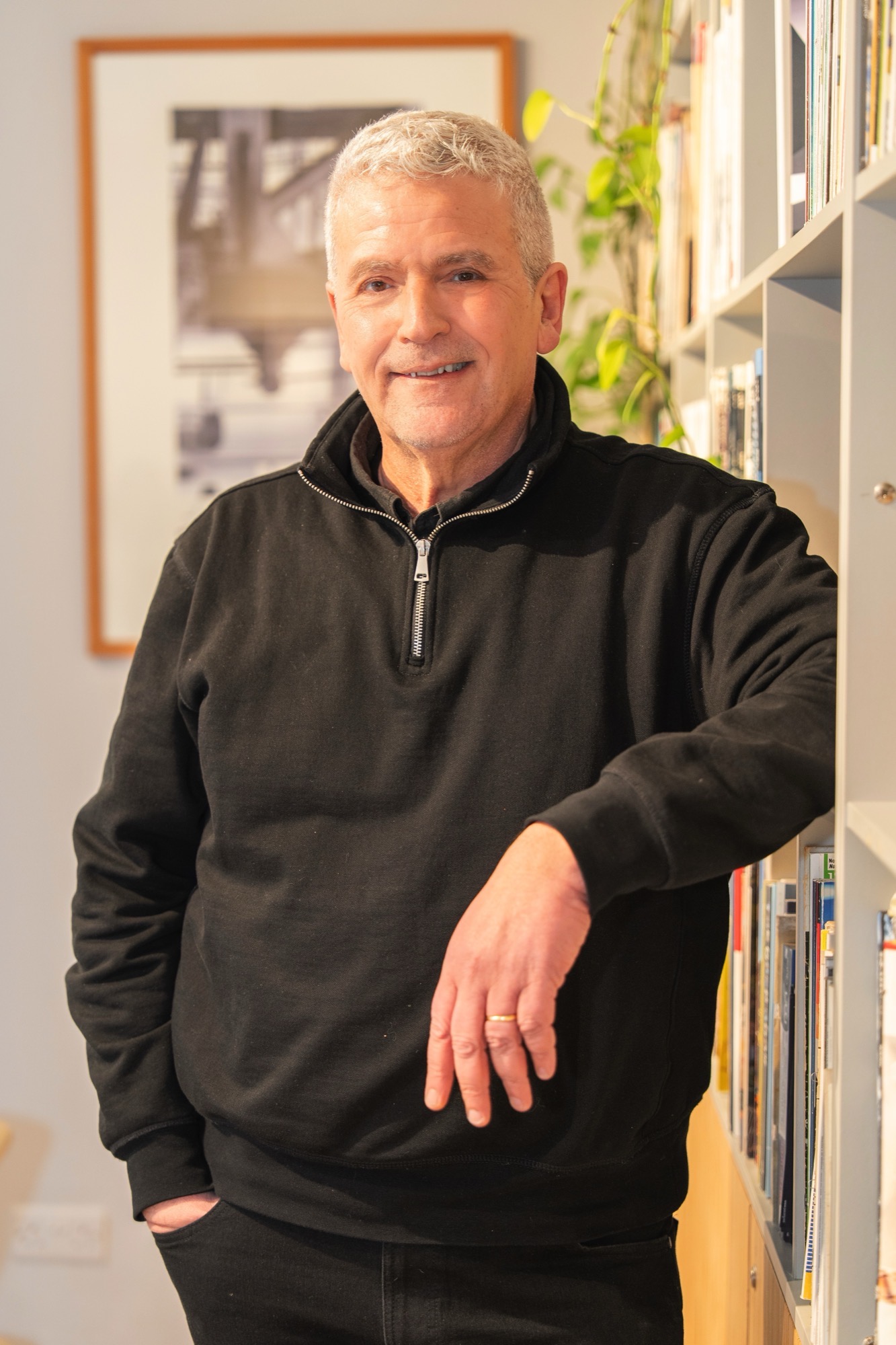
Alexandra Manche / Photo by Naomi Schembri
To understand the practical realities of Malta’s built environment, we spoke with two Periti at distinct stages of their practice: David Felice, Managing Partner of AP Valletta and recipient of the 2024 Premju Galizia Lifetime Achievement Award, and Alexandra Manché, Founder of emerging practice Amanche and 2025 Premju Galizia finalist.
Context over nostalgia
The evolution of Maltese architecture relies less on inherited nostalgia and far more on understanding contextual processes. David notes that the historic qualities we admire – “the depth of reveal, the measured relationship between building and street, the use of a soft local stone that ages rather than degrades” – are fundamentally structural, climatic, and social.
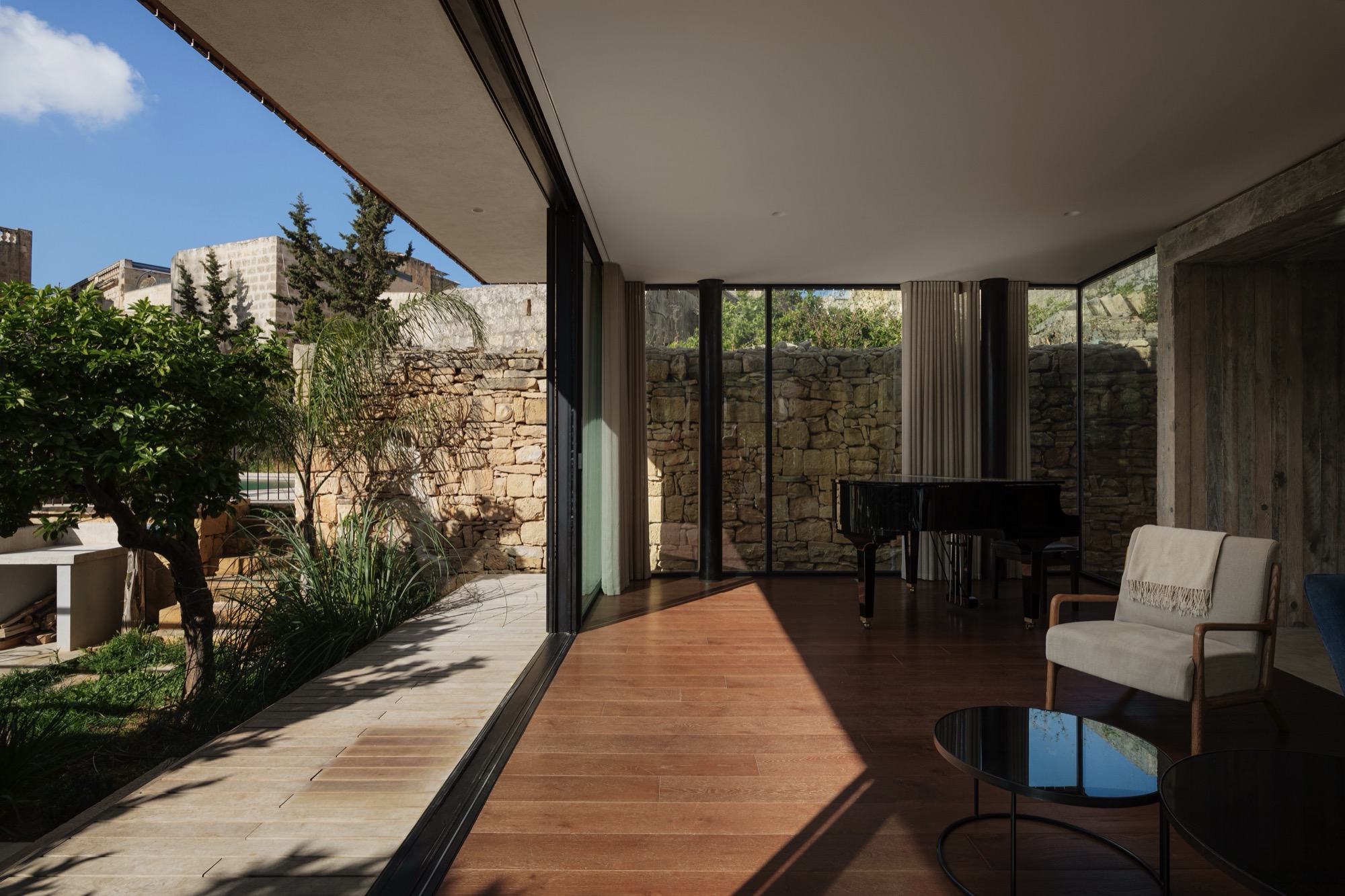
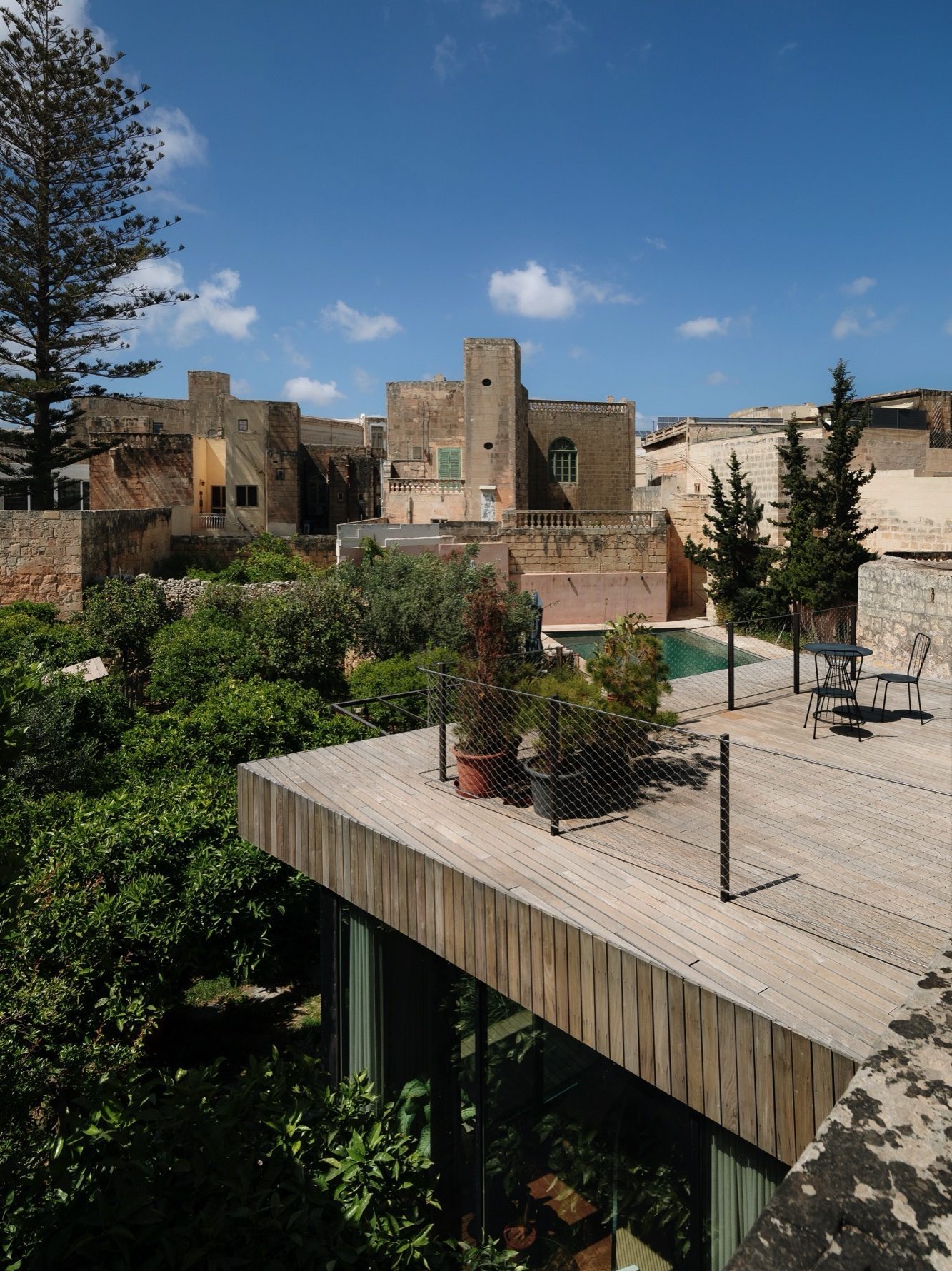
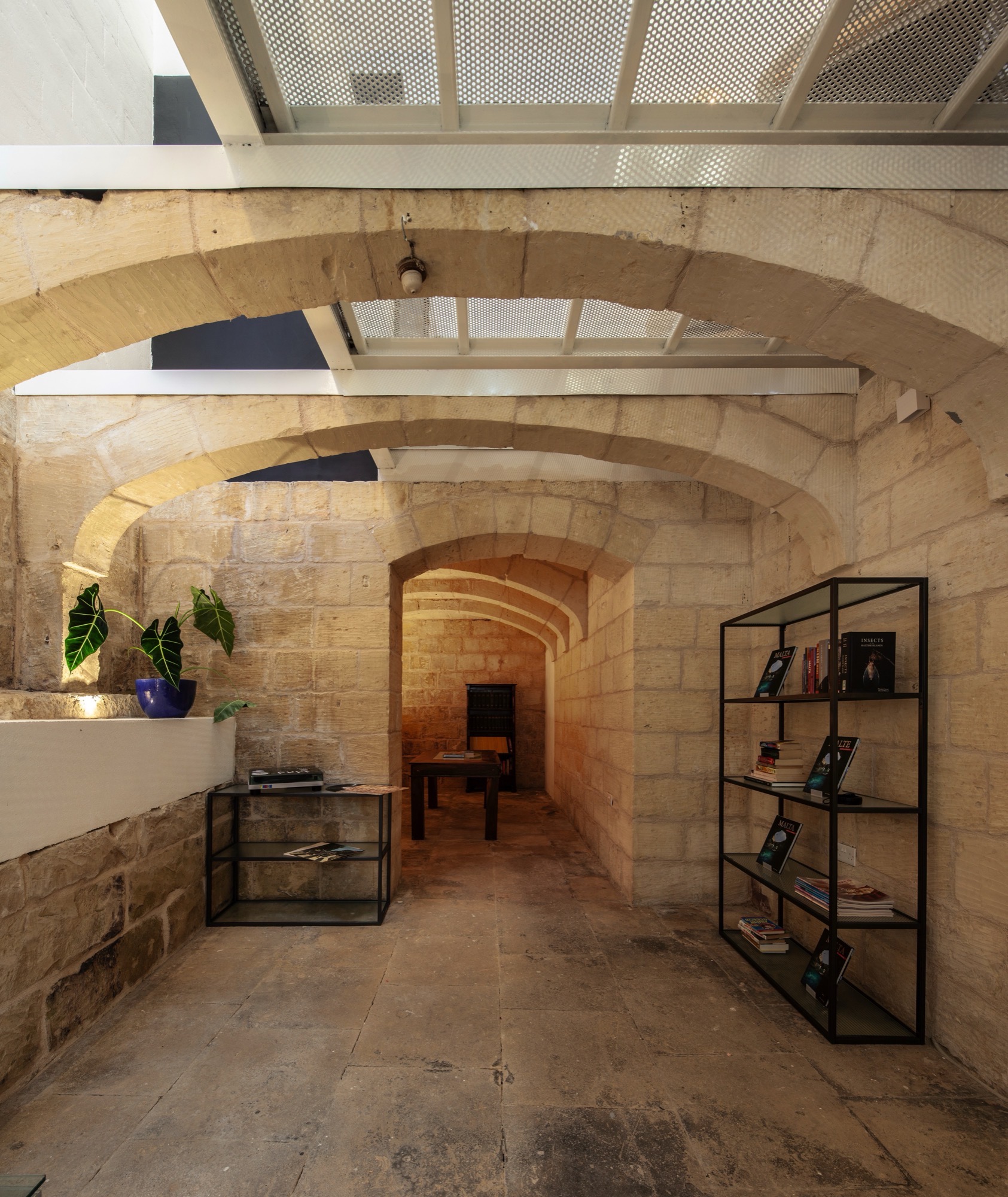
Dar iċ-Ċitru by Valentino Architects illustrates the power of precise, minimal interventions within a traditional house of character in Ħaż-Żebbuġ / Photo by Ramon Portelli
Over-legislating or forcing a specific national “look” merely yields poor imitations. Instead, contemporary design must tackle the island’s core constraints: “scarcity of land and water, an abundance of light and heat, and a density that has historically been civilised rather than merely tolerated.”
However, commercial and regulatory realities exert a level of pressure that, as Alexandra points out, actively erodes architecture as an art form. This results in a starkly divided output which ranges from “rampant development at the expense of our landscape and skyline” to “thoughtful attempts to rehabilitate existing buildings and adapt them for contemporary life.”
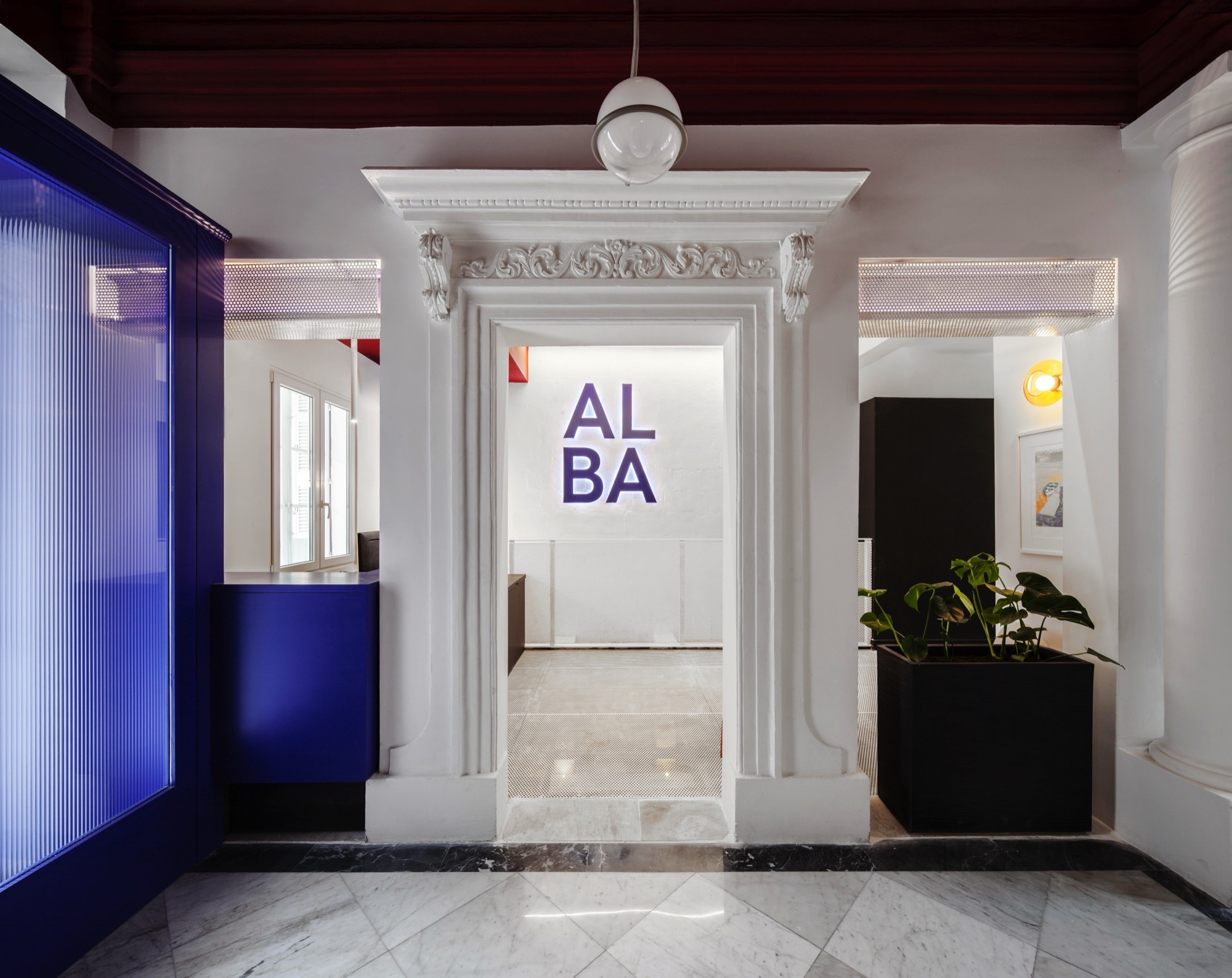
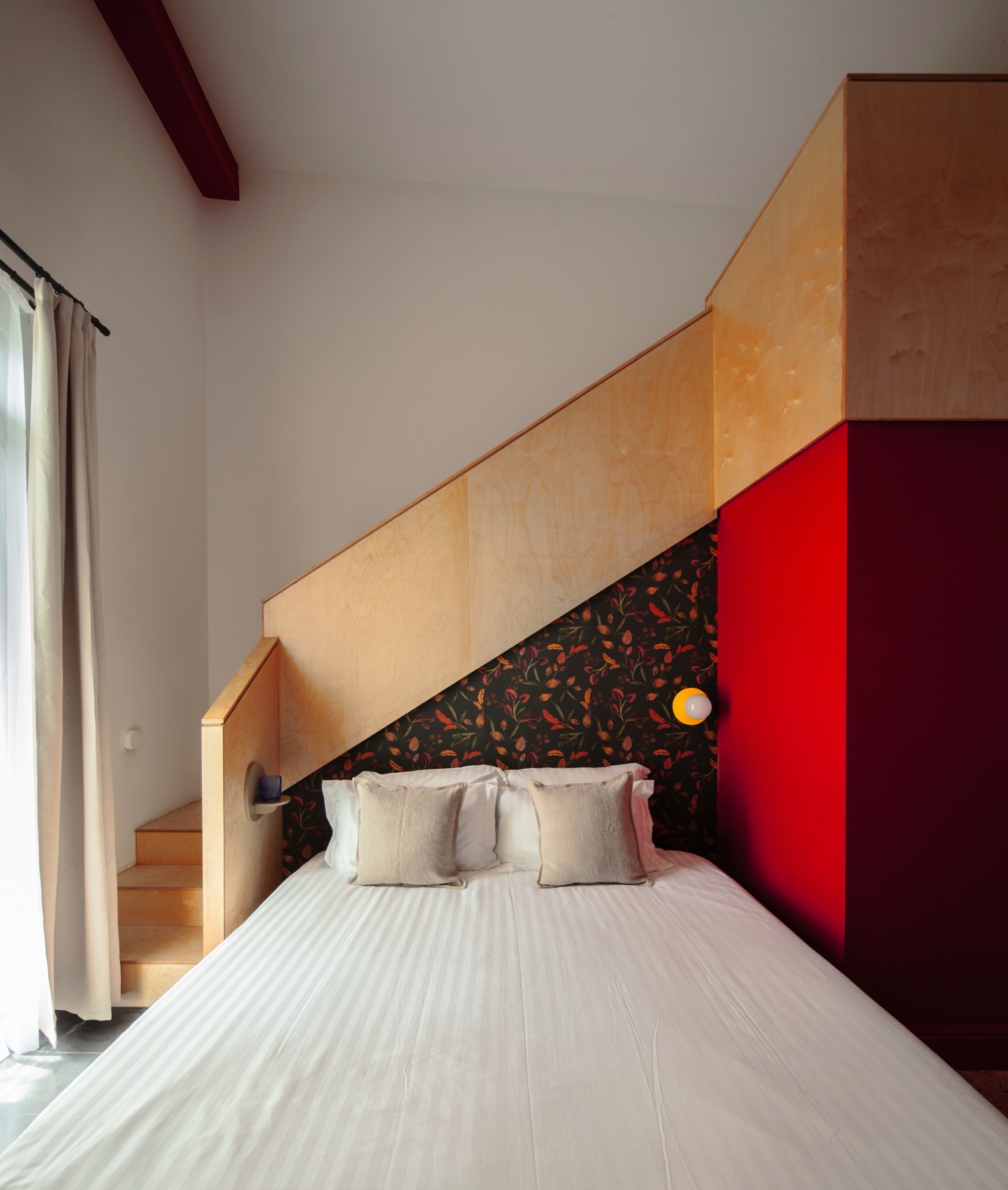
Alba by Amanche demonstrates how a traditional townhouse can be reimagined as a vibrant boutique guesthouse without stripping its character / Photo by Julian Vassallo
Therefore, Alexandra suggests, “it would be dangerous to suggest that there is one set of defining features or philosophies representative of Maltese architecture today.” Her studio’s philosophy is to “bring joy and colour” into the lives of clients, but that bold sense of purpose feels missing in the air: “You create architecture, and increasingly, much of the island has stopped creating.”
Reusing places and ideas
Both Periti see retrofitting existing structures as an essential path forward, though each highlights distinct operational hurdles. While Malta handles high-profile historic monuments exceptionally well, David stresses that we often fail the ordinary townhouse or mid-century block.
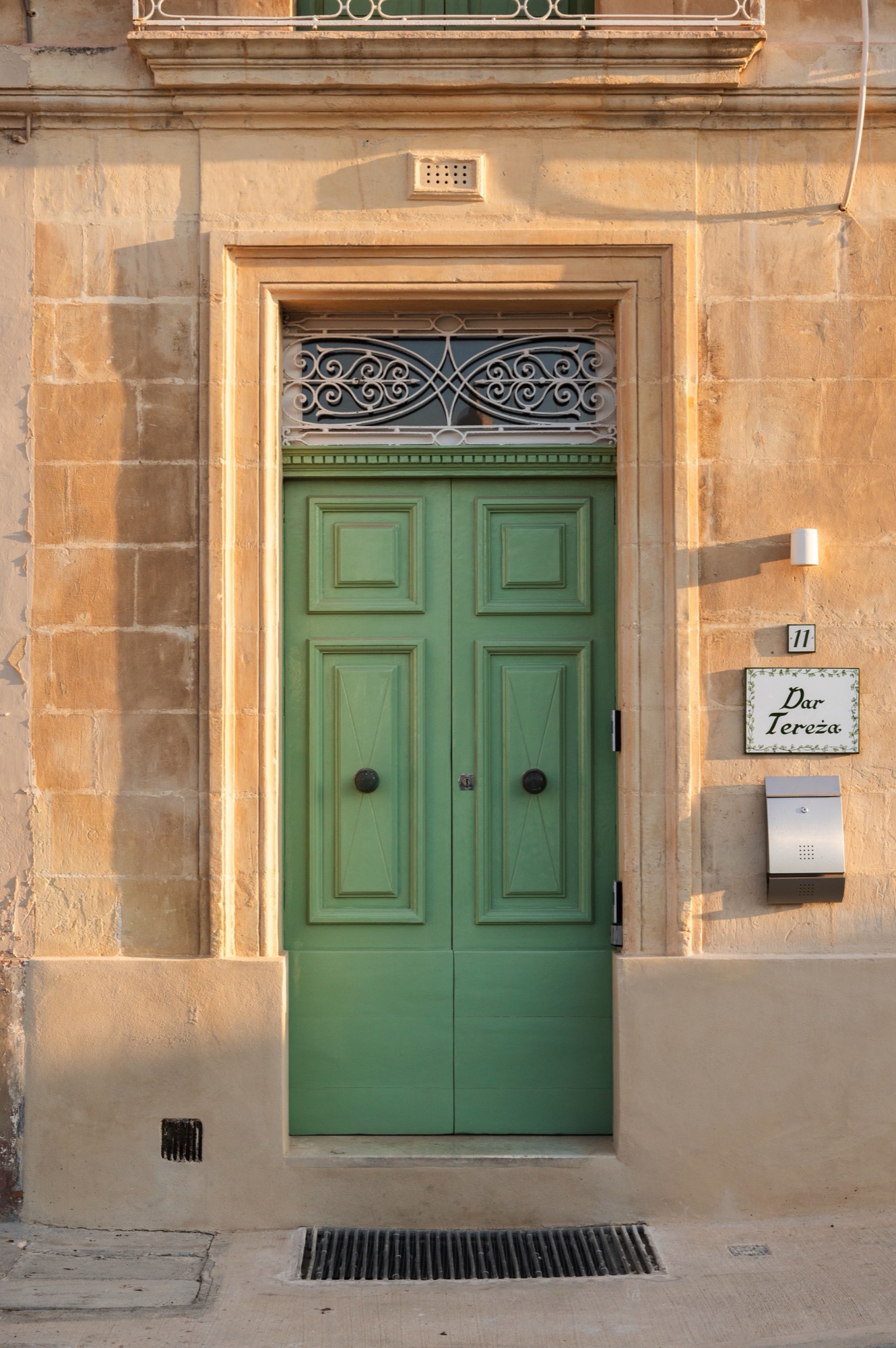
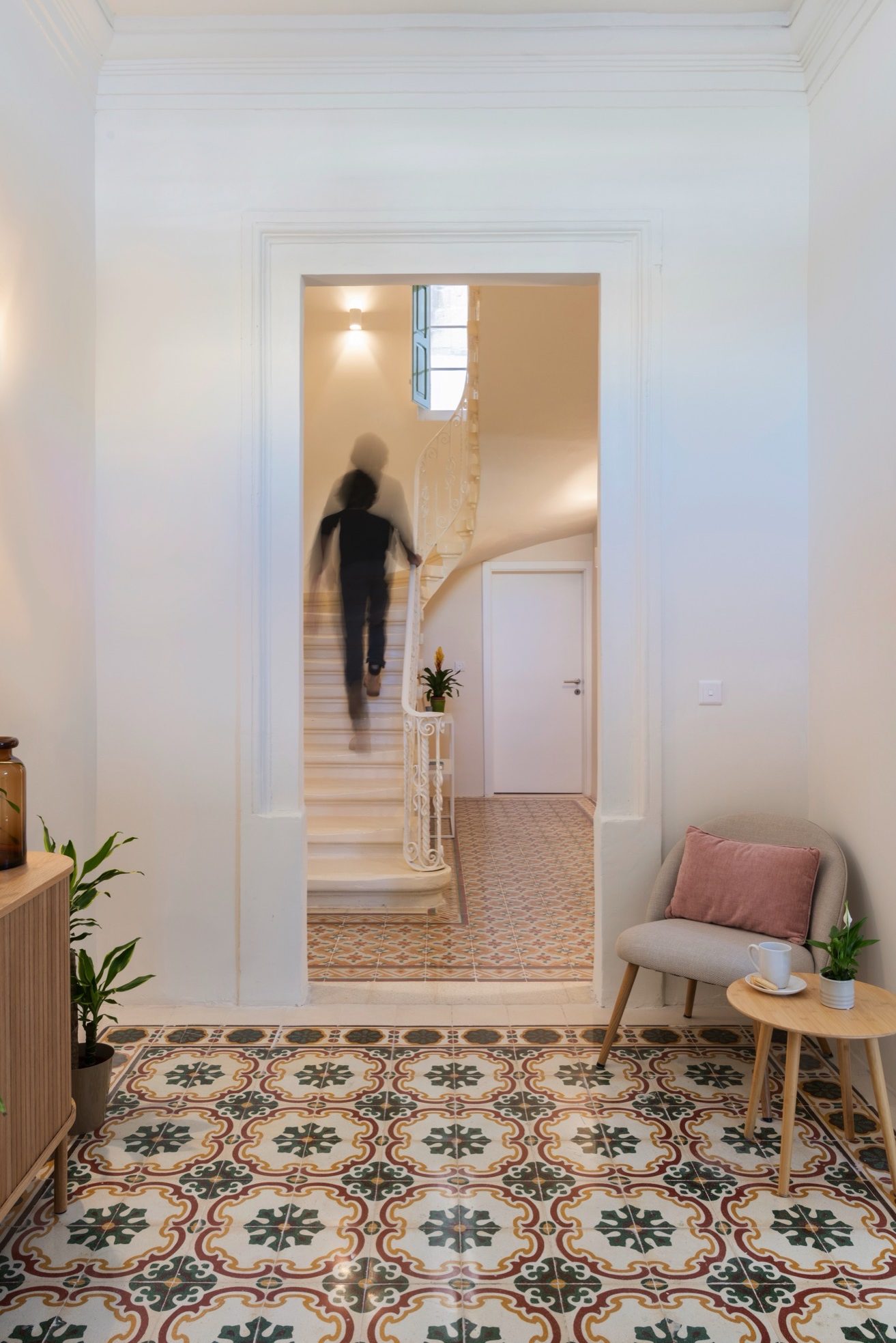
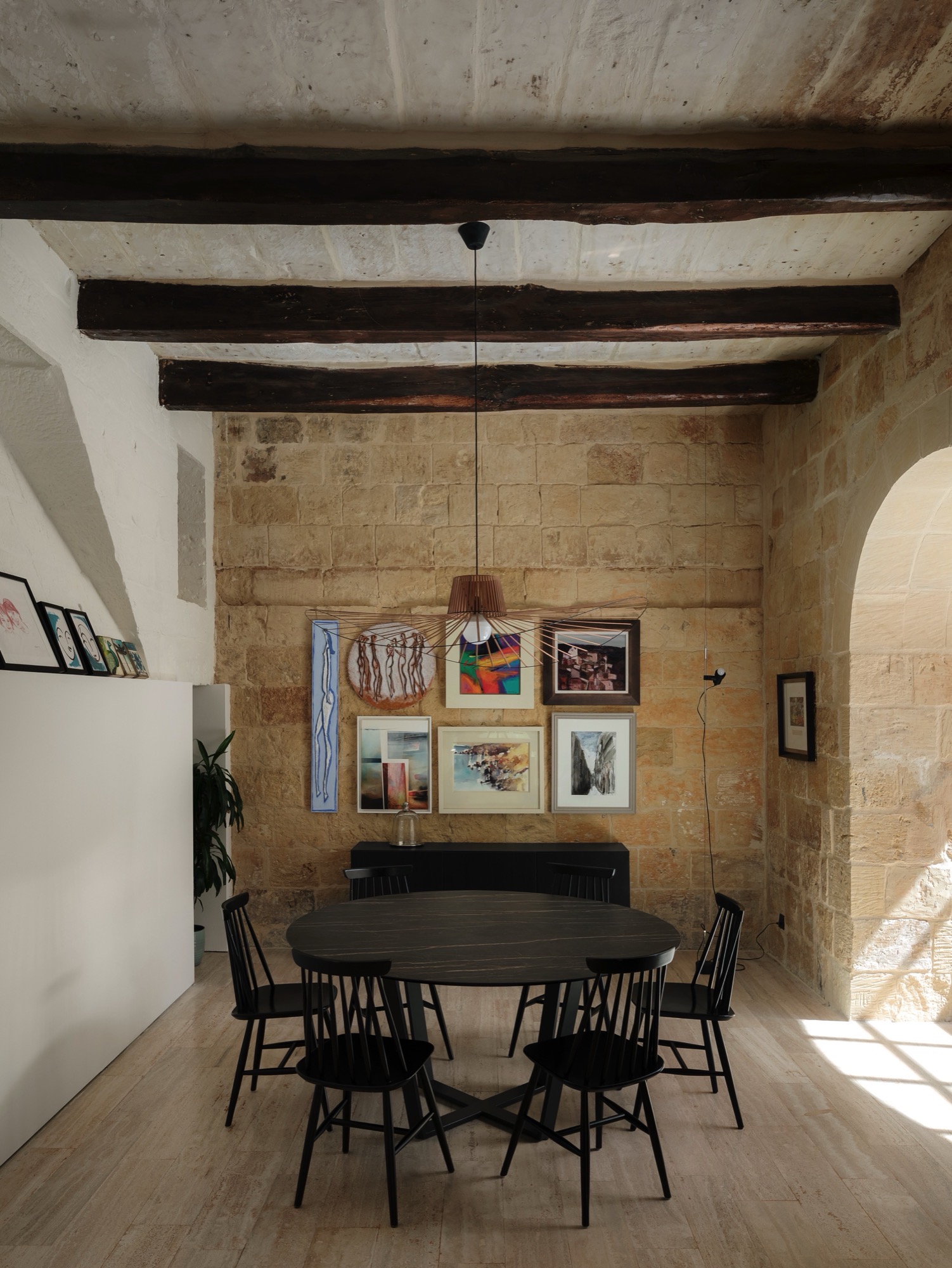
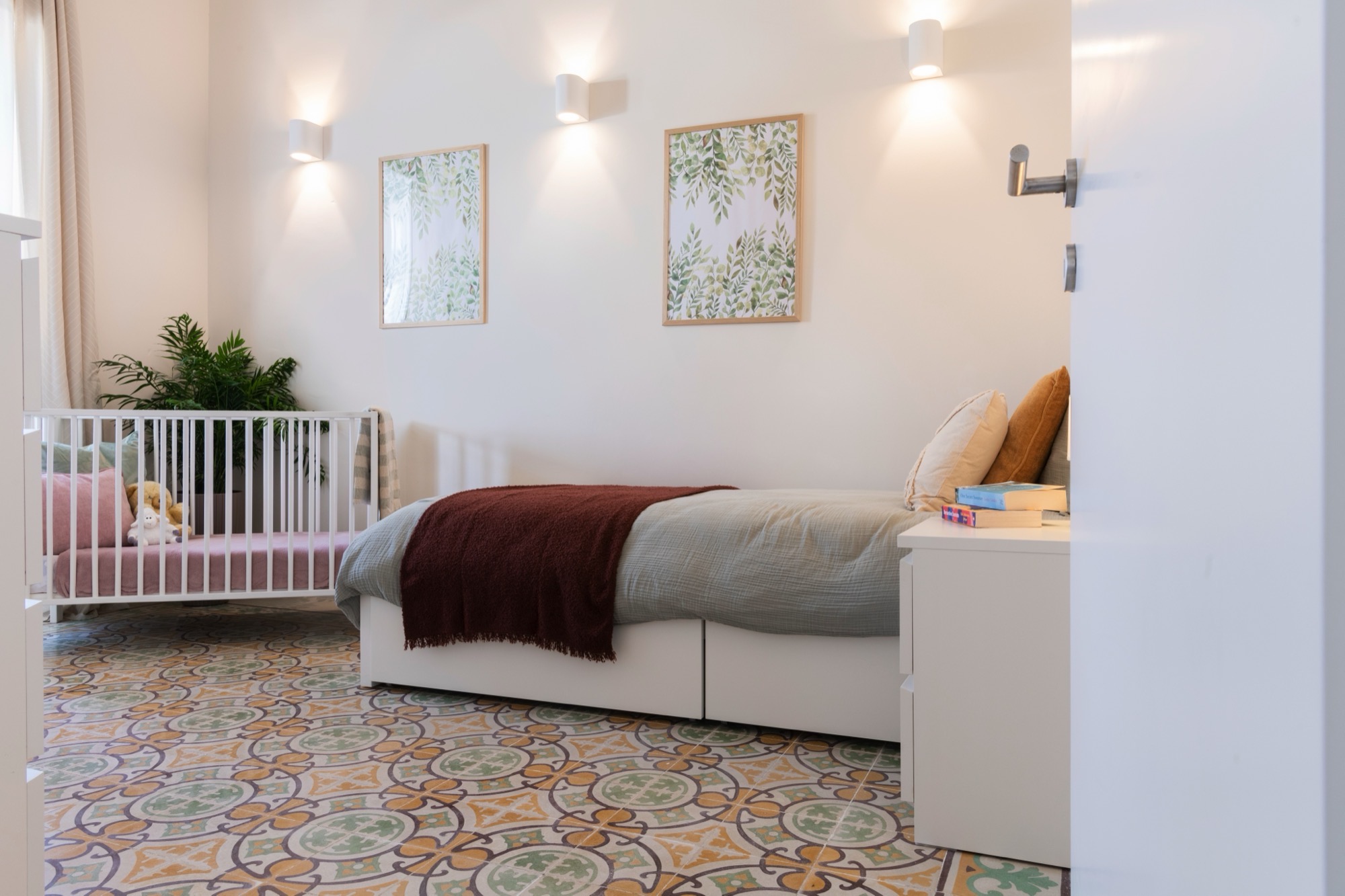
Extending adaptive reuse into the public realm, Dar Tereża by LOCAL OFFICE for Architecture highlights the social dimension of this approach – a success that also earned the project a nomination for the EUmies award.
Photos by Sean Mallia
Because “the carbon embodied in an existing structure is already spent, and demolition throws it away twice over,” he advocates for a national strategy covering vacant stock, as this “would do more for the quality of our environment than any number of individual policies.”
The concept itself is far from a novel invention. “A palazzo has typically been a residence, an office, a school and a store in succession, and absorbed each change without losing its characteristics. Our historic stock has been practising adaptive reuse for several hundred years. We simply stopped noticing.”
Designed around an existing citrus garden, Dar iċ-Ċitru integrates modern living requirements into a historic layout, prioritising sustainability, comfort, daylighting, and spatial continuity.
Photos by Ramon Portelli
Vanishing crafts and execution realities
Alexandra adds that while client motivation for conservation is growing, execution is hampered by vanishing trades and heavy paperwork. Finding “craftsmen who take genuine pride in that work is becoming increasingly difficult,” she explains, pointing out that successful reuse relies on a construction industry and regulator capable of supporting design decisions through to completion.
Alba balances the preservation of original fabric – such as stone walls and spatial proportions – with bold contemporary interventions, proving that adaptive reuse can introduce fresh energy into historic urban cores.
Photos by Julian Vassallo
“We recently discussed using reconstituted stone on a project, for example, and the supplier advised us to have it installed by a tiler rather than a mason to achieve the required quality of finish. That tells you something about how much the construction industry itself is changing.”
Setting the benchmark
Translating these individual success stories into widespread industry standards relies on meaningful cross-sector alignment. As David points out, an awards platform provides vital “neutral ground”, establishing demonstrated standards that carry institutional weight.
Developed as a supportive housing facility, the design team behind Dar Tereża rehabilitated existing building stock to provide dignified living environments for vulnerable residents, underlining how retrofitting can be a key driver for public well-being. / Photo by Sean Mallia
But its power is equally educational and aspirational: by making quality legible and public, it inspires everyone involved.
As Alexandra emphasises, “there cannot be enough exposure of good architecture in Malta” – and in highlighting what is possible, Premju Galizia encourages the entire sector to elevate quality, integrity, and standards across the built environment.
Visit Premjugalizia.org for information, timelines and submission guidance.
Main image: Dar Tereża, Bormla, designed by LOCAL OFFICE for Architecture & winner of the Community Impact Award Premju Galizia 2024 / Photo by Sean Mallia
Design Dispatch is a space for architecture and design buffs to delve into our coverage of current and upcoming design, product and interior trends, as well as the inspirational work of Malta’s architects and designers, from marvellous homes to striking public projects.