For the better part of a year, jewellery historian and sculptor Francesca Balzan and art and dress historian Caroline Tonna – who formerly and consecutively curated the 13th-century Palazzo Falson in Mdina – were granted privileged access to private, State and Church costume collections for an exhibition that centres on a single premise: displaying beauty.
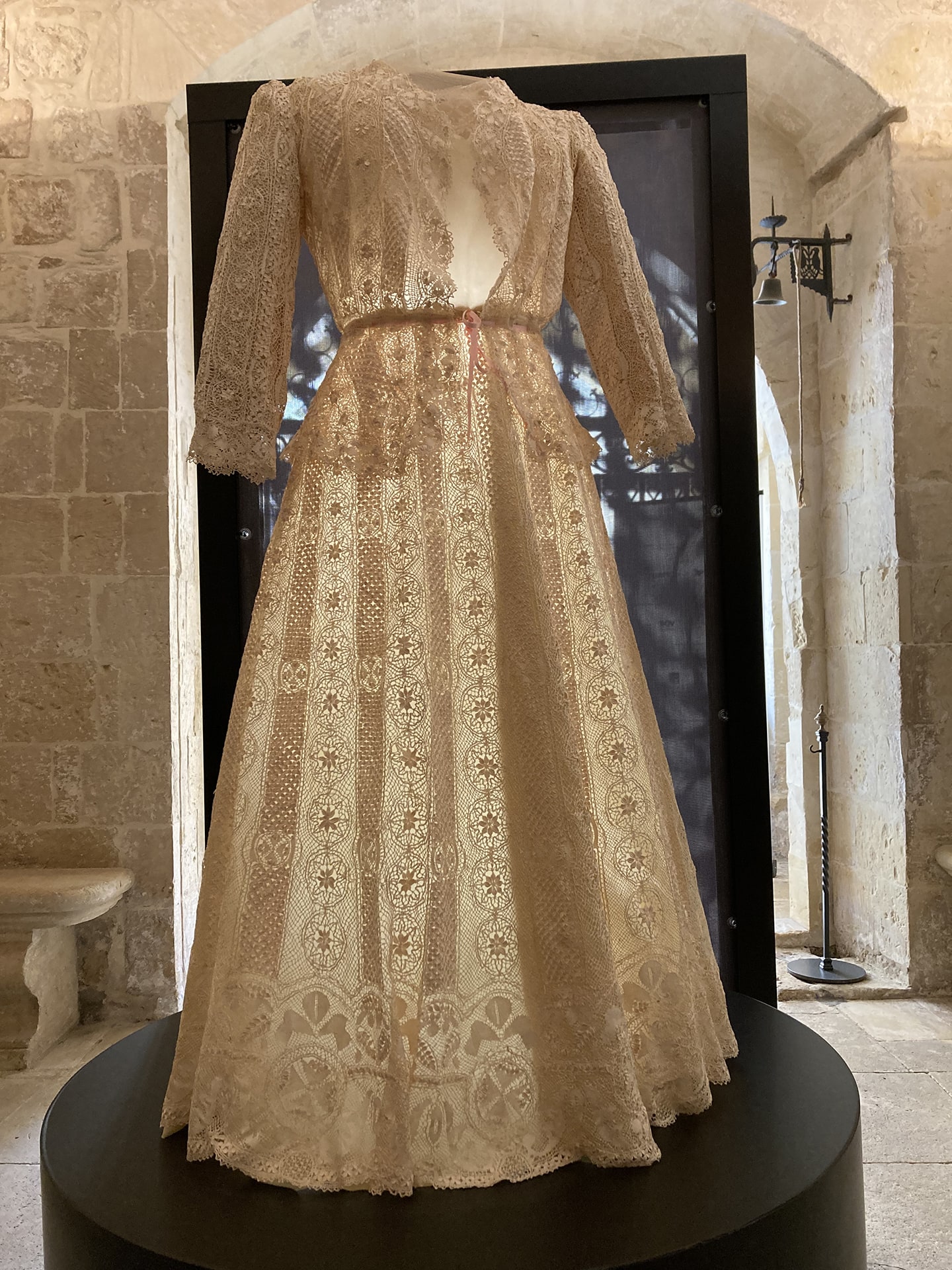
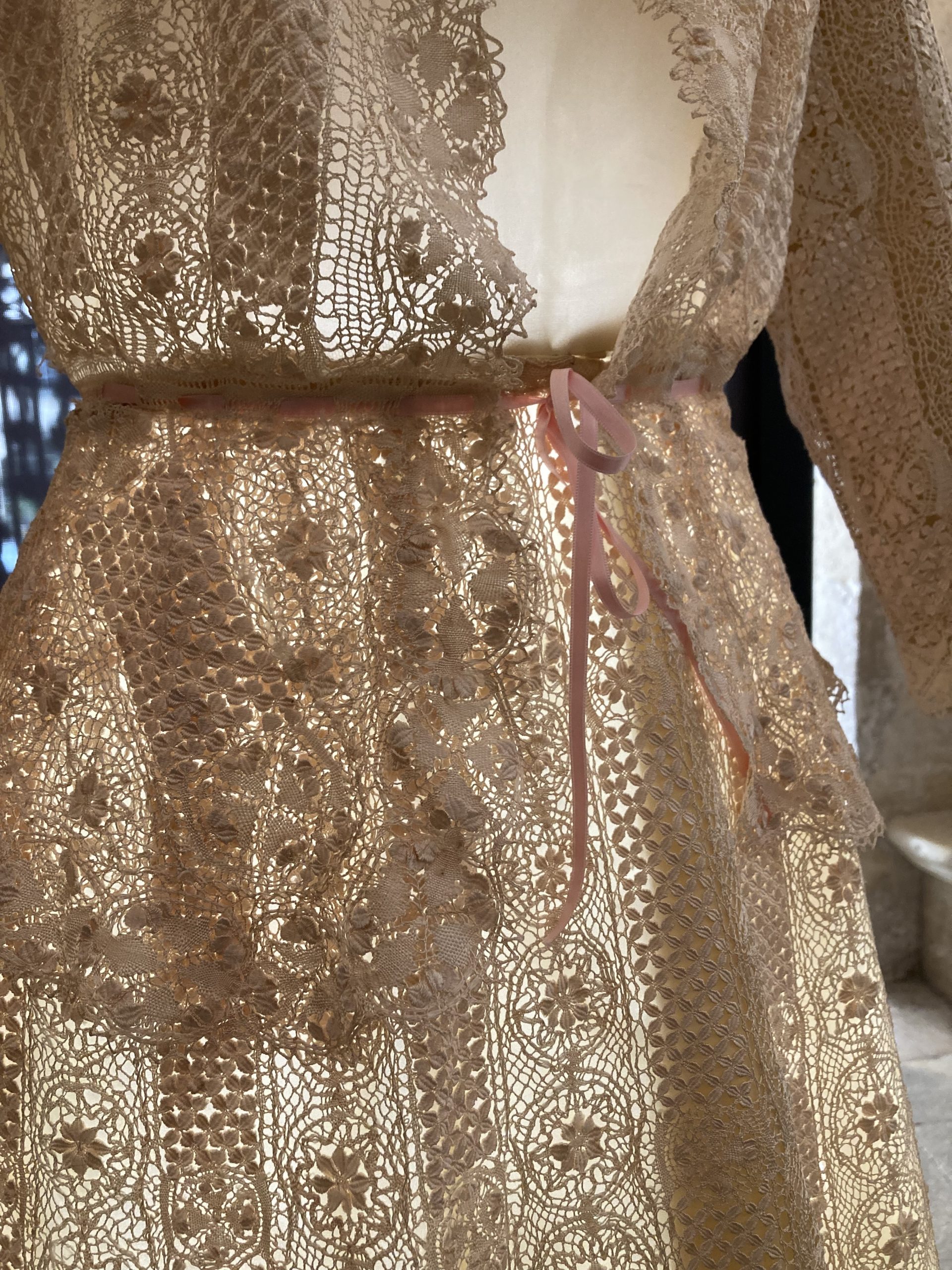
“Caroline and I were approached by the CEO and creative director of Fondazzjoni Patrimonju Malti, Michael Lowell, to take on the role of artistic directors of a costume exhibition with a difference – and a completely free hand,” says Francesca, as we arrive in front of a mannequin exquisitely dressed in a cream-coloured 20th-century two-piece garment, an example of Edwardian fashion from the Casa Rocca Piccola Collection, made up of intricate Maltese lace.

This is the first of 12 installations set up throughout the palazzo, each one presented as contemporary art, but using antique objects, most of which have never been seen before by the public. In this rare find of a matching skirt and jacket, delicate Maltese cross and star motifs set on trellis ground form an intricate pattern. The skirt alone is made up of eight long vertical panels with over 50 inserts of alternating patterns.
To do the handwork justice, Caroline and Francesca chose to light the mannequin from within, which required creating an underdress made from Perspex to serve as a protective layer between the lace fabric, and the custom mannequin and light.
This whimsical introduction to ‘Curious Beauty: An Alternative Costume Exhibition’, sets the tone for what visitors should expect: an imaginative display of stunning period costumes that delight, surprise, and – as the artistic directors intended – ignite sparks of joy.
Passing through the courtyard of Palazzo Falson, it’s hard to miss the monumental structure created by expert lacemaker Annamaria Gatt, based on the star motif seen on the aforementioned dress, using 350 metres of rope instead of thread.
“She used lacemaking techniques to create the design, but with white rope instead of fine thread that is able to withstand the elements. It was a challenging task – the rope lengths were meticulously measured and pre-calculated to ensure no knots would crop up half way through. Here, the lace adorns the building, instead of a body,” they explain.

As you move through the rooms, which are remarkable canvases in and of themselves, the displays draw you in to take a closer look – whether it’s the back of a rich bodice that formed part of an 18th century dress replete with embroidered details, or a playful display of gloves from various eras that mimic women in animated conversations against the soundscape of lively chatter, reminiscent of the parties hosted by the palazzo’s last owner, Olof Gollcher, in the 1950s.
Up the stairs towards the first floor, a delightful display of hats floats above the stairwell – feathered creations from the 1920s hang alongside vibrant ‘50s designs, presented in a way that mimics a colourful crowd of people, while allowing visitors a glimpse of the maker’s mark when viewed from below, many of which were retailed exclusively in hat shops while a few were made by Maltese milliners.
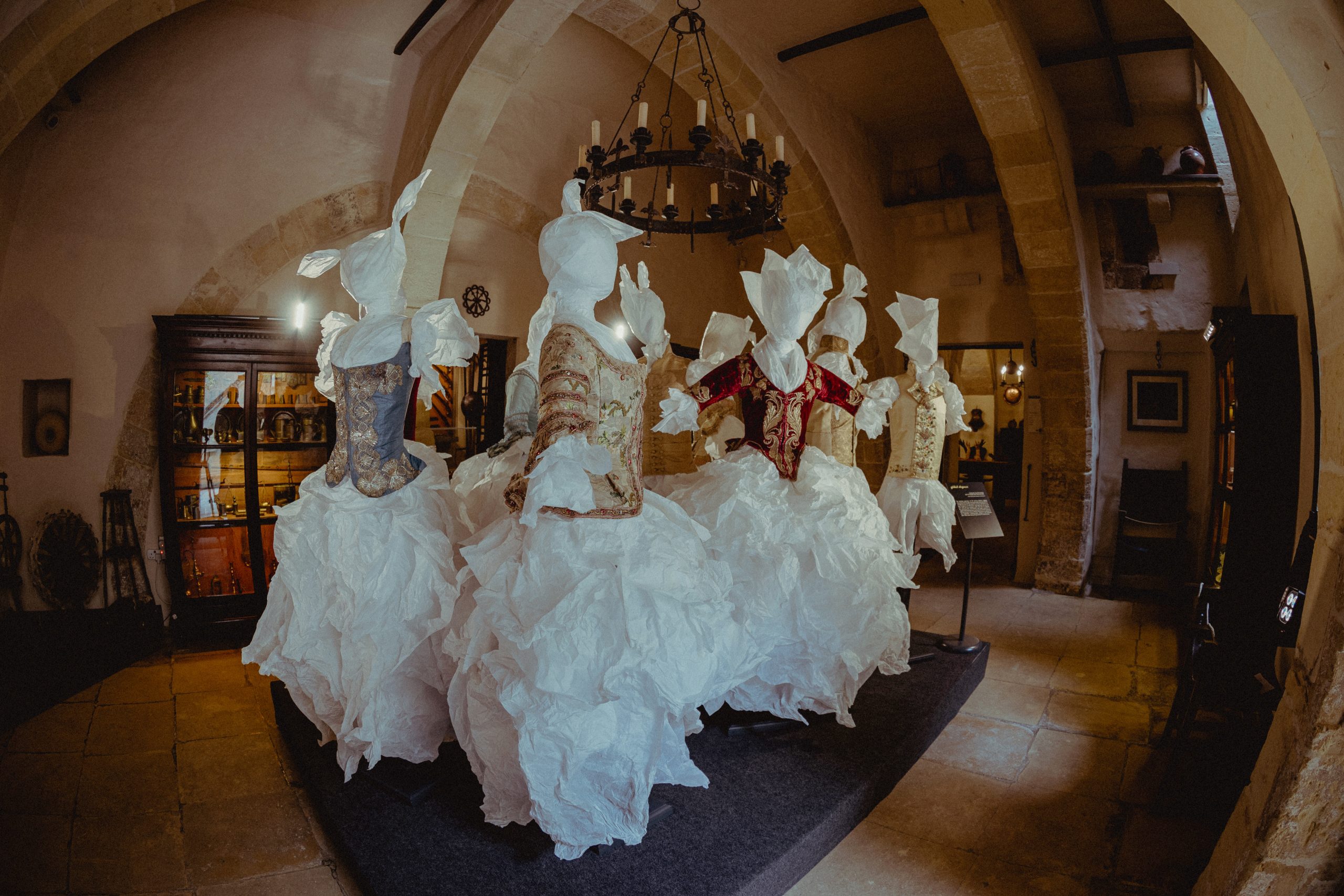

Walking through the rooms on this floor, fine garments, epoch wigs created by Marcelle Genovese and intricate pieces of ganutell, designed and handmade by Anna Balzan, further enhance the opulence of 18th- and 19th-century fashion worn by affluent Maltese families.
In a separate room that can only be seen from behind a glass door, a collection of stomachers – a triangular insert used on the fronts of women’s bodices – is humorously presented on an elaborate dinner table, as though literally served on silver platters.
This sense of humour and conviviality is present in each of the 12 displays, all of which the artistic directors went to great lengths to set up in a way that is creative, as well as environmentally conscious.
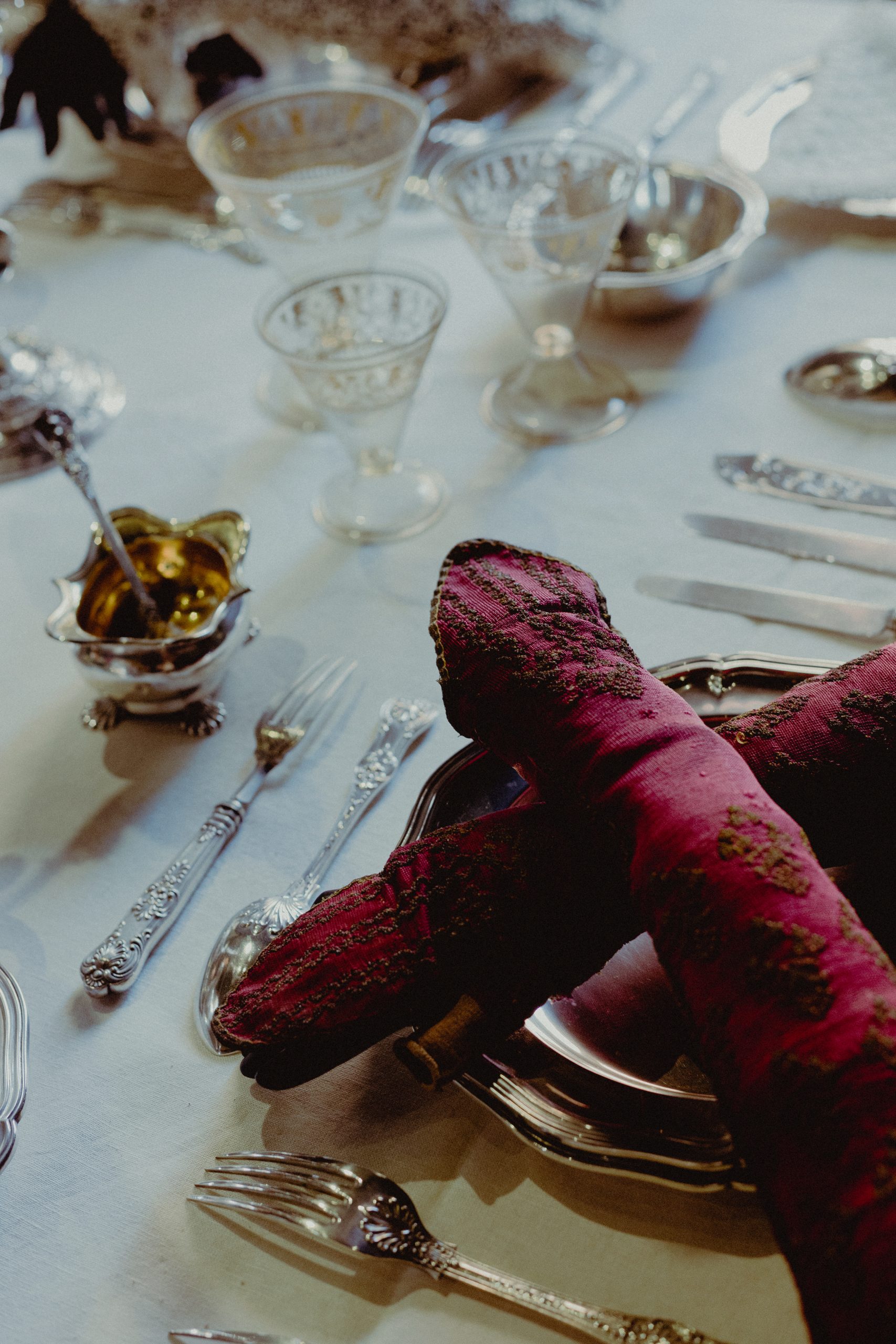
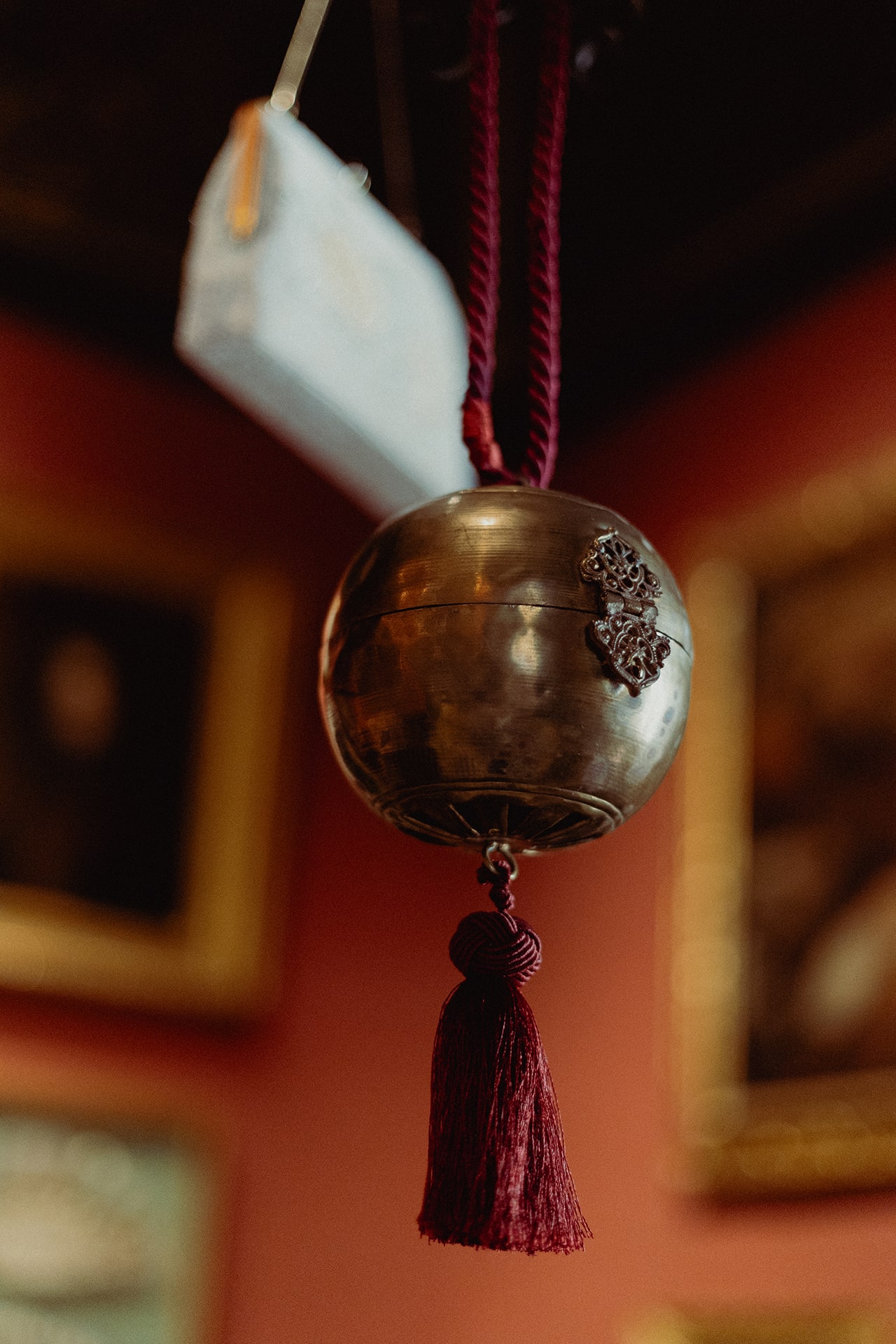
They opted to reuse and recycle mannequins, display heads and hands, even altering and trimming mannequins they had in storage to accommodate garments with miniscule waists, and using soft conservators’ paper – propped up with sturdy recycled printers’ paper – to sculpt skirts for the bodices on display that were missing a lower half.
Each installation – from the collection of spectacles supported by Francesca’s idiosyncratic nose sculptures, to the treasure box of shoes lit up in a narrow stairwell, and even the corsets that celebrate diverse and feminine forms – is presented to provoke a smile, a conversation and, at times, a gasp at the artistry and, indeed beauty, that pervaded the fashion of bygone eras.
“We wanted to capture the spirit and reflect the joie de vivre of the last person who lived here, Olof Gollcher, who was an artist and collector of objets d’art and historical items, and who lived in this house up until his death in 1962,” Francesca and Caroline explain. “So our approach was to be whimsical, a bit mysterious, and alternative.”
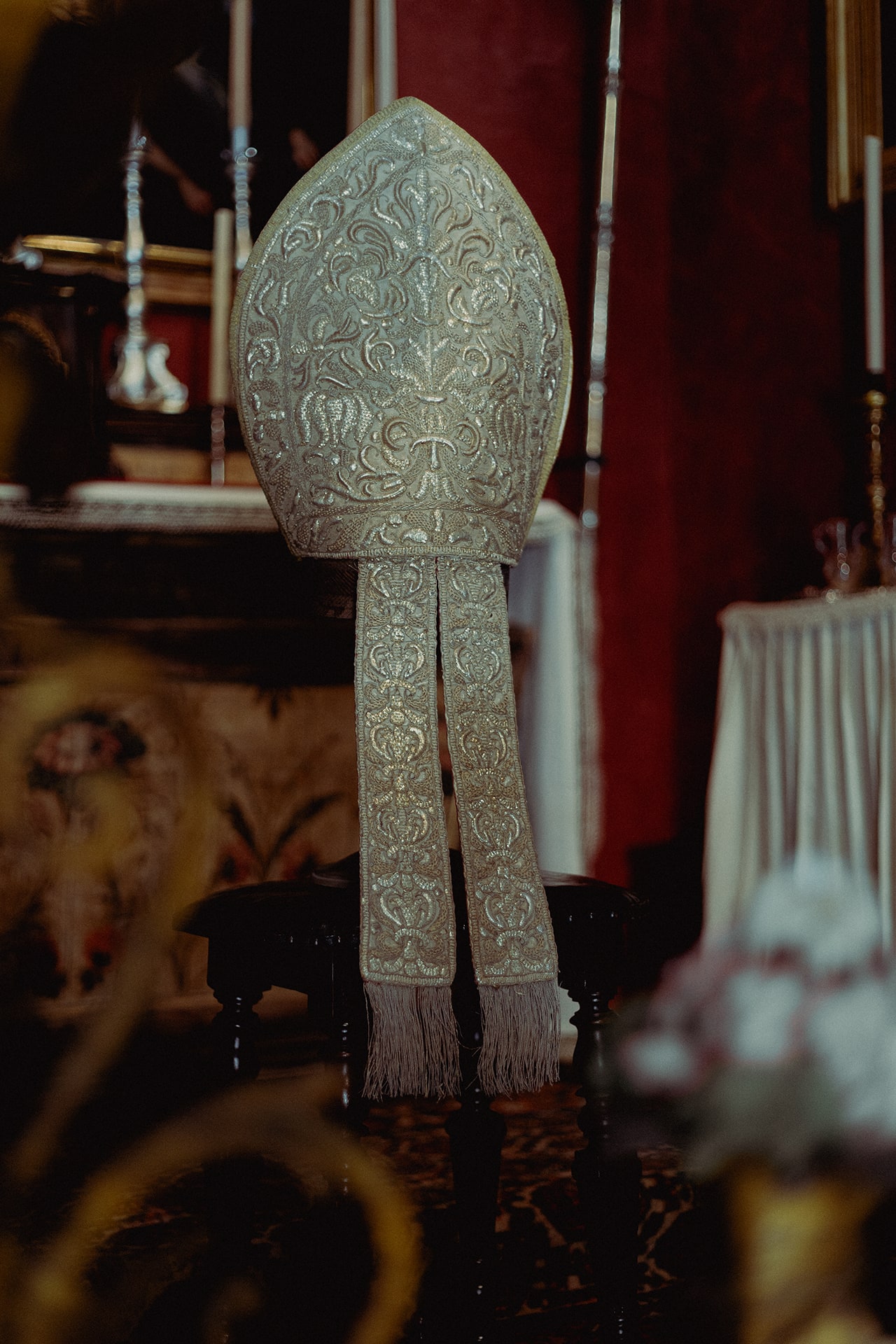
Loaned from Heritage Malta, Cathedrals of Malta and Gozo, and various private collections, the costumes and accessories are presented in dialogue with the museum’s permanent collection, making ‘Curious Beauty’ a unique exhibition that brings together antique artefacts and contemporary art in a beautiful and historical setting.
The exhibition is open to visitors until 16th June 2024. For more information, visit www.patrimonju.org.
Main photo: Lisa Attard
If you enjoyed this article, you might also be interested in: Candy, curiosity, creativity – Explore these must-see exhibitions on throughout May