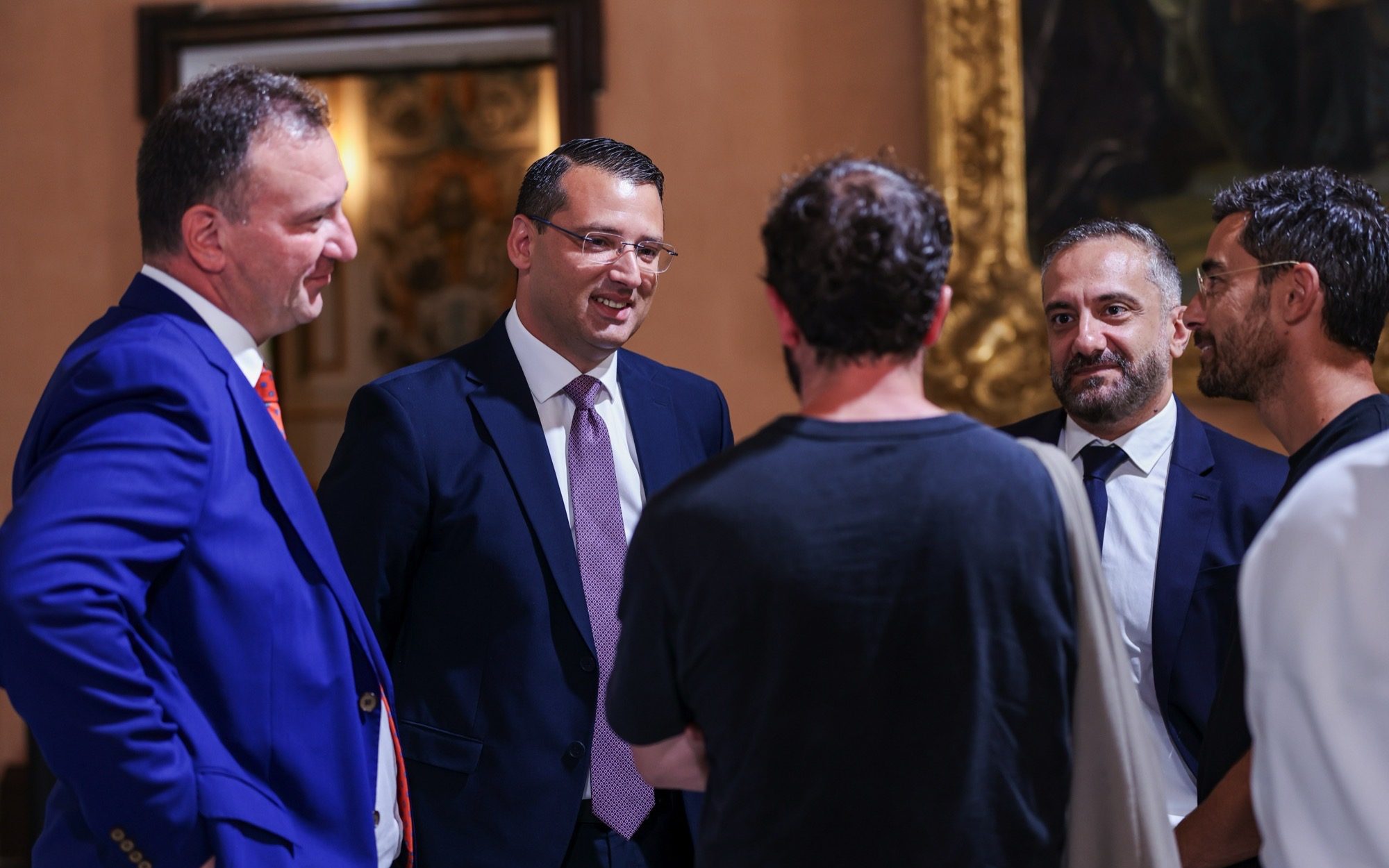
A maturing design culture is marked not just by individual architectural achievements, but by the strength of the collective vision shaping the public discourse. The current chapter of Malta’s built environment reflects a pivotal evolution: for the first time ever, the prestigious Premju Galizia is being organised jointly by the Kamra tal-Periti (KTP) and the Planning Authority (PA), having been the KTP’s standalone awards programme since its inaugural edition in 2018.
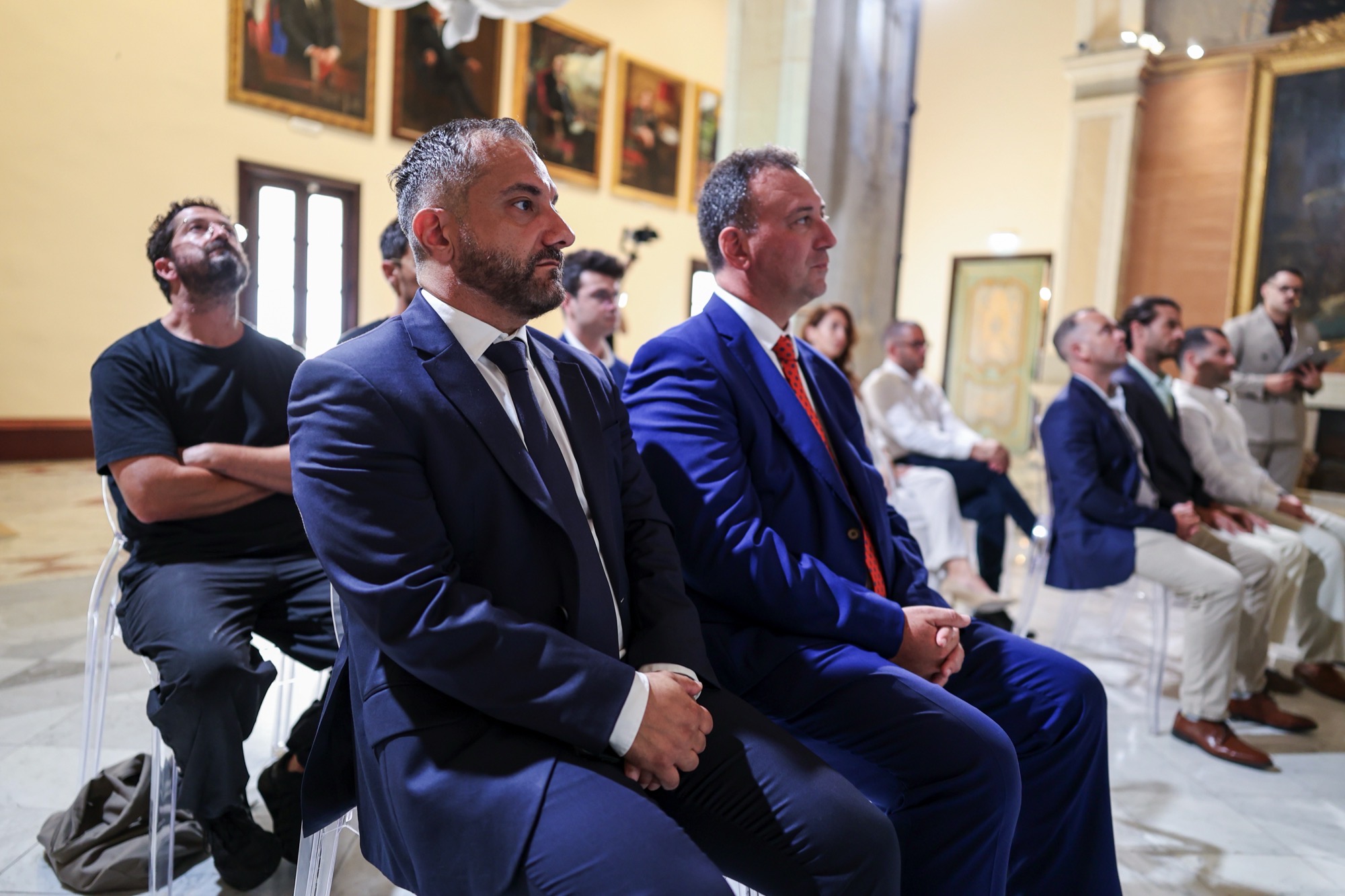
In a conscious effort to move past a historical us-and-them dynamic, this move allows both entities to embrace a shared responsibility to set clear benchmarks, nurture high-quality development, and inspire the local design industry.
Reflecting Malta’s national architecture policy
The initiative is directly tied to a broader institutional shift across the Maltese Islands. Alongside the co-organisation of the awards, KTP and the PA are actively collaborating on the development and adoption of Malta’s first-ever national architecture policy.
As KTP President André Pizzuto highlights, this unified front stems from their complementary roles as regulators of architectural services and development. Bringing both bodies together ensures that Malta’s built environment “reaches the qualitative standards necessary for sustainable growth and improved well-being”.
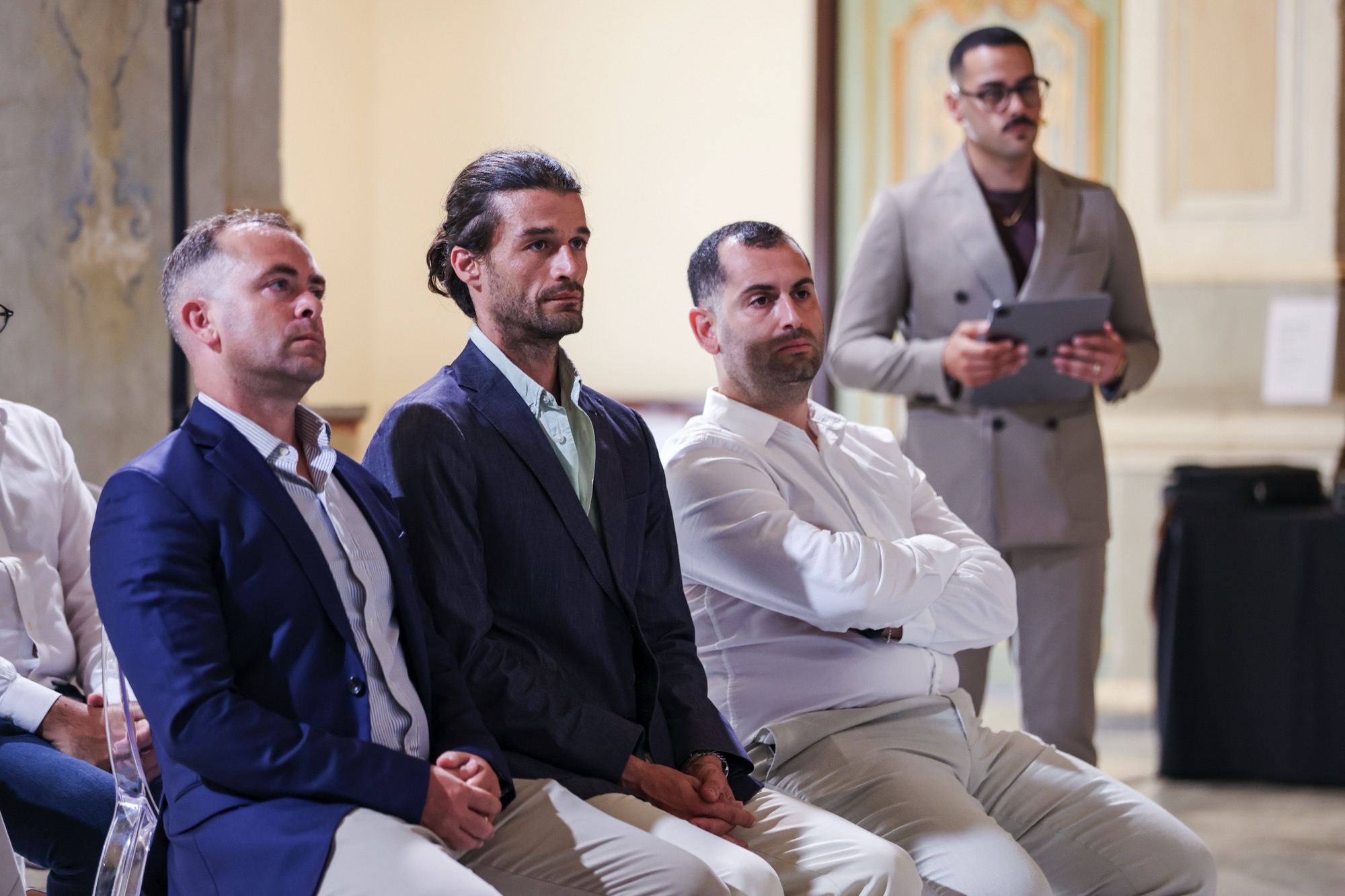
From the PA’s perspective, the awards act as a natural companion to statutory regulatory frameworks. Executive Chairman Johann Buttigieg notes that while policy establishes the necessary structure, awards serve to celebrate tangible outcomes.
By presenting Premju Galizia as a joint venture, both bodies send a clear message that quality architecture is a “shared national priority,” celebrating work that demonstrates “innovation, sustainability, respect for context and positive social impact”.
Role models for professionals and developers
A consolidated platform of this kind gives winning projects a simultaneous stamp of approval from both industry peers and regulators.
According to André, “this award is not merely a token gesture, but it is a statement about the direction we wish our country’s built environment to take”. With the backing of the Planning Authority, the scheme effectively stands as “Malta’s national architecture awards, broadening the exposure and recognition of Malta’s most outstanding projects and the teams behind them”.
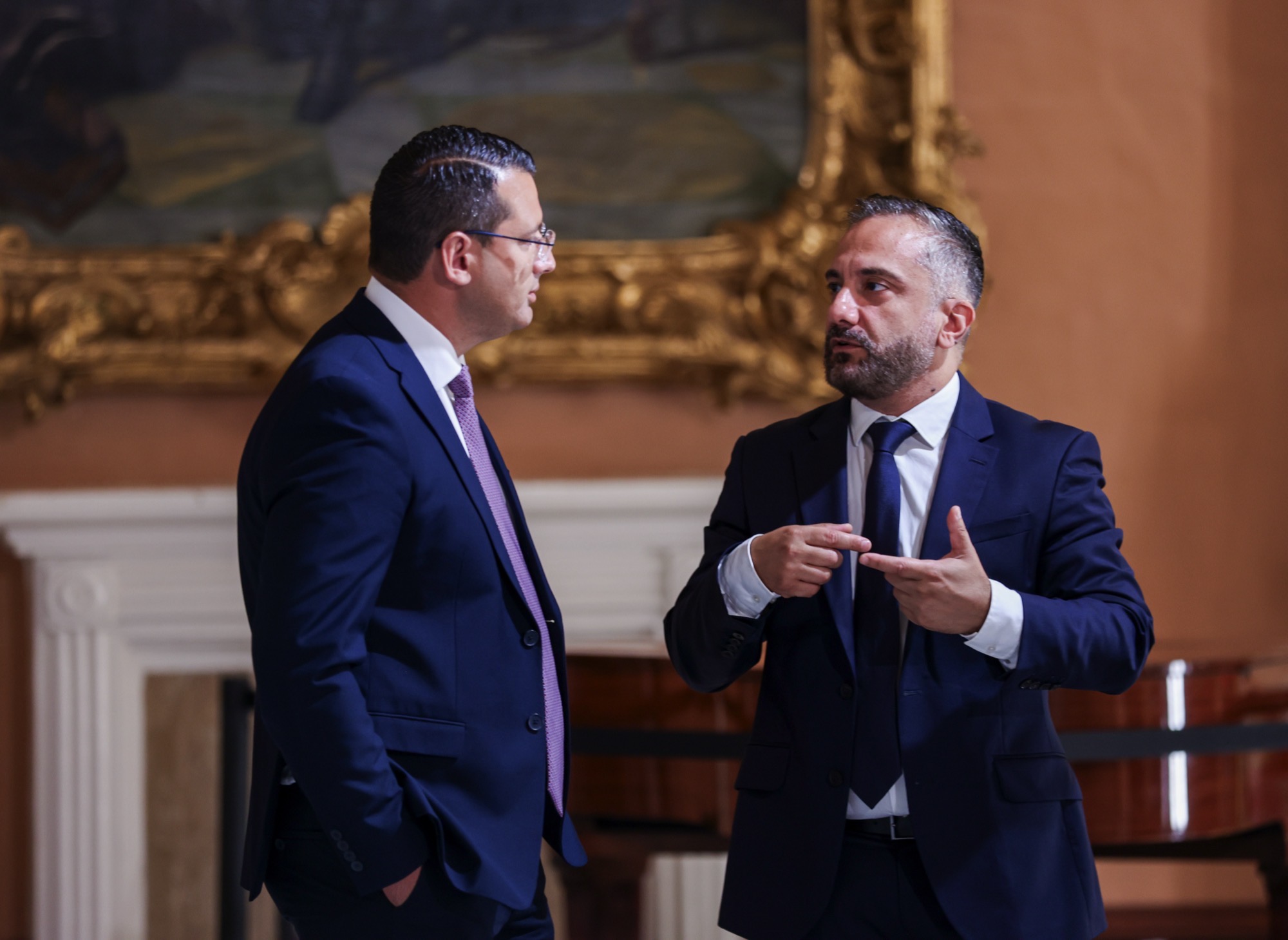
This shared platform also aims to reframe professional aspirations across the sector. Johann points out that by showcasing design excellence across varying scales and disciplines, the awards encourage practitioners to “think beyond compliance”.
Concretely, this entails a focus on design quality, environmental responsibility, innovation and the long-term value that projects create for communities. “Ultimately, the greatest impact is not simply recognising the best work of today, but encouraging even better work tomorrow.”
The Emanuele Luigi Galizia legacy
The awards derive their name from 19th-century figure Emanuele Luigi Galizia – an architect and civil engineer who also served as Superintendent of Public Works. Galizia’s career mirrored the exact synergy this joint initiative champions: marrying creative architectural practice with public service.
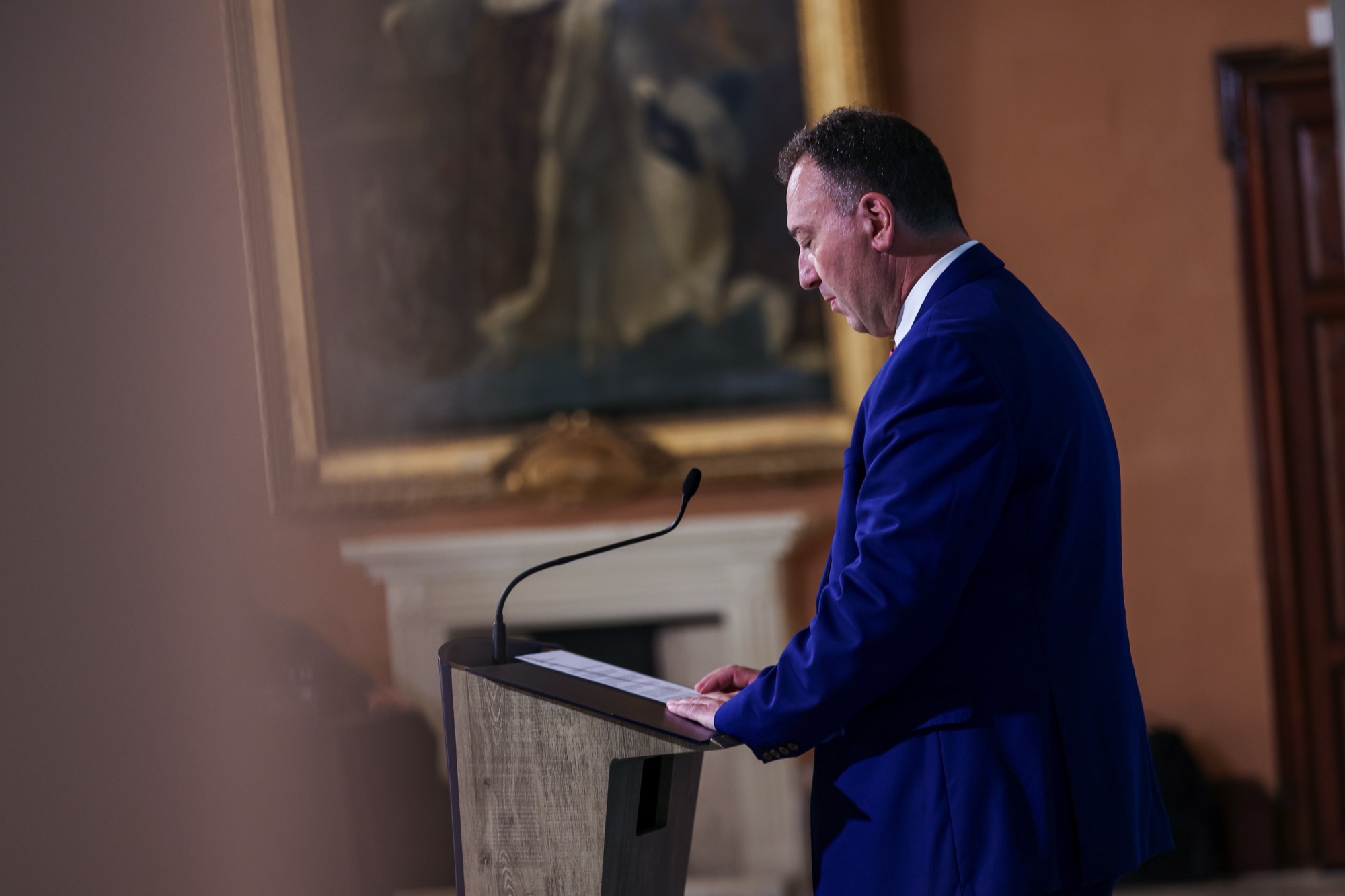
André explains that building synergies with both the public and private sectors has been a cornerstone of KTP’s ongoing strategy. “It is my firm belief that a well-planned and well-designed country requires everyone’s buy-in.”
Establishing a strong, constructive relationship with the PA is essential because the authority holds a “very strong influence on the outcomes of architectural projects”. Engaging openly allows both sides to ensure a positive future for Malta’s built environment and public quality of life.
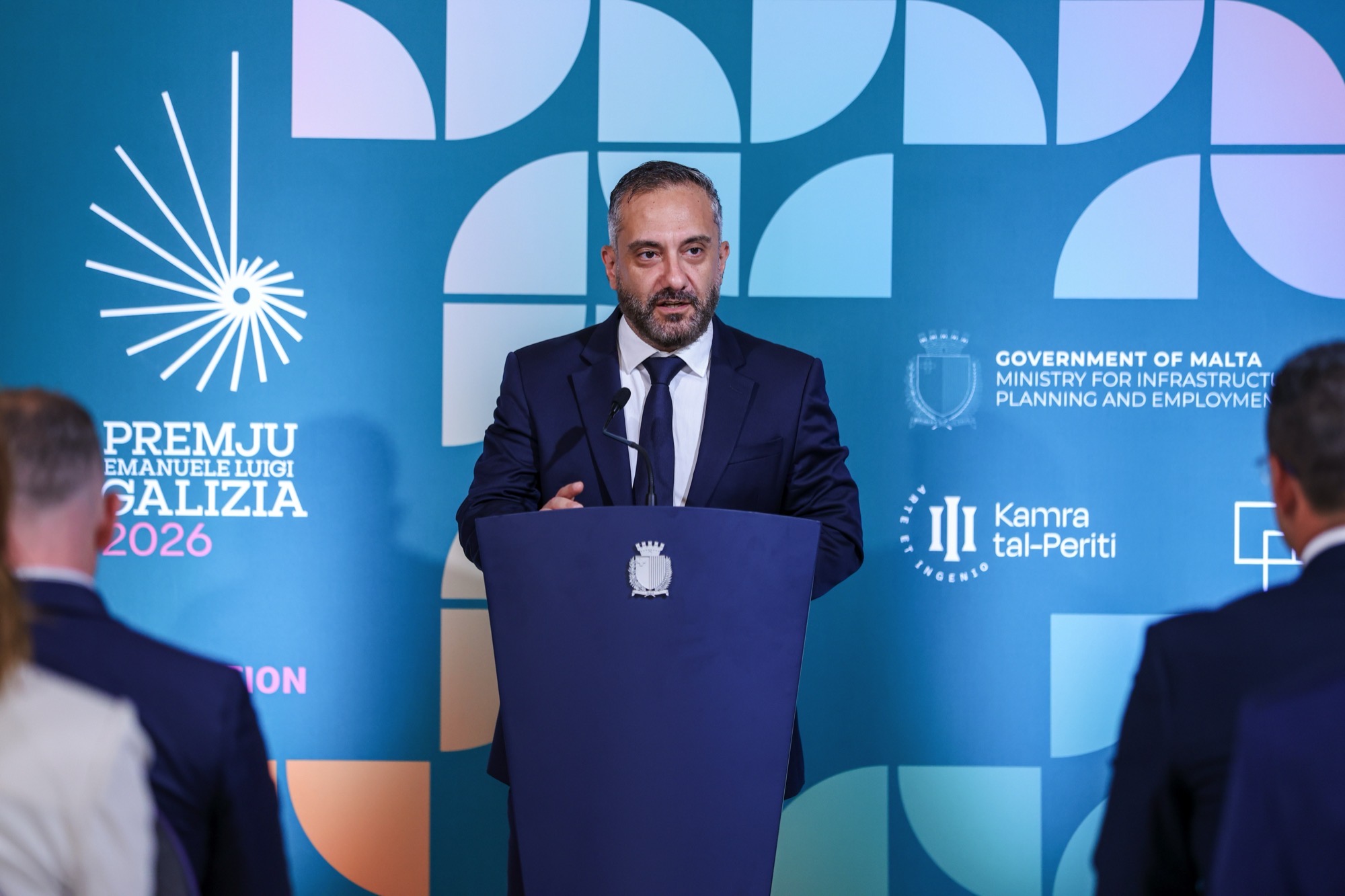
Reflecting on Galizia’s legacy, Johann emphasises that architecture has always had a duty to serve “both individual clients and society as a whole”. In the face of contemporary challenges – ranging from climate change and rapid urbanisation to heritage conservation – achieving better spaces requires “closer collaboration between regulators, professionals, policymakers and communities than ever before”.
A shared learning curve
While the PA is predominantly known for its regulatory function, co-organising Premju Galizia allows the authority to actively champion the design qualities it seeks to foster.
As Johann points out, “good regulation is not only about setting standards; it is about creating the conditions that enable high-quality outcomes”. Highlighting projects that successfully blend planning objectives with design excellence reinforces the principle that “regulation and creativity are complementary rather than competing forces”.
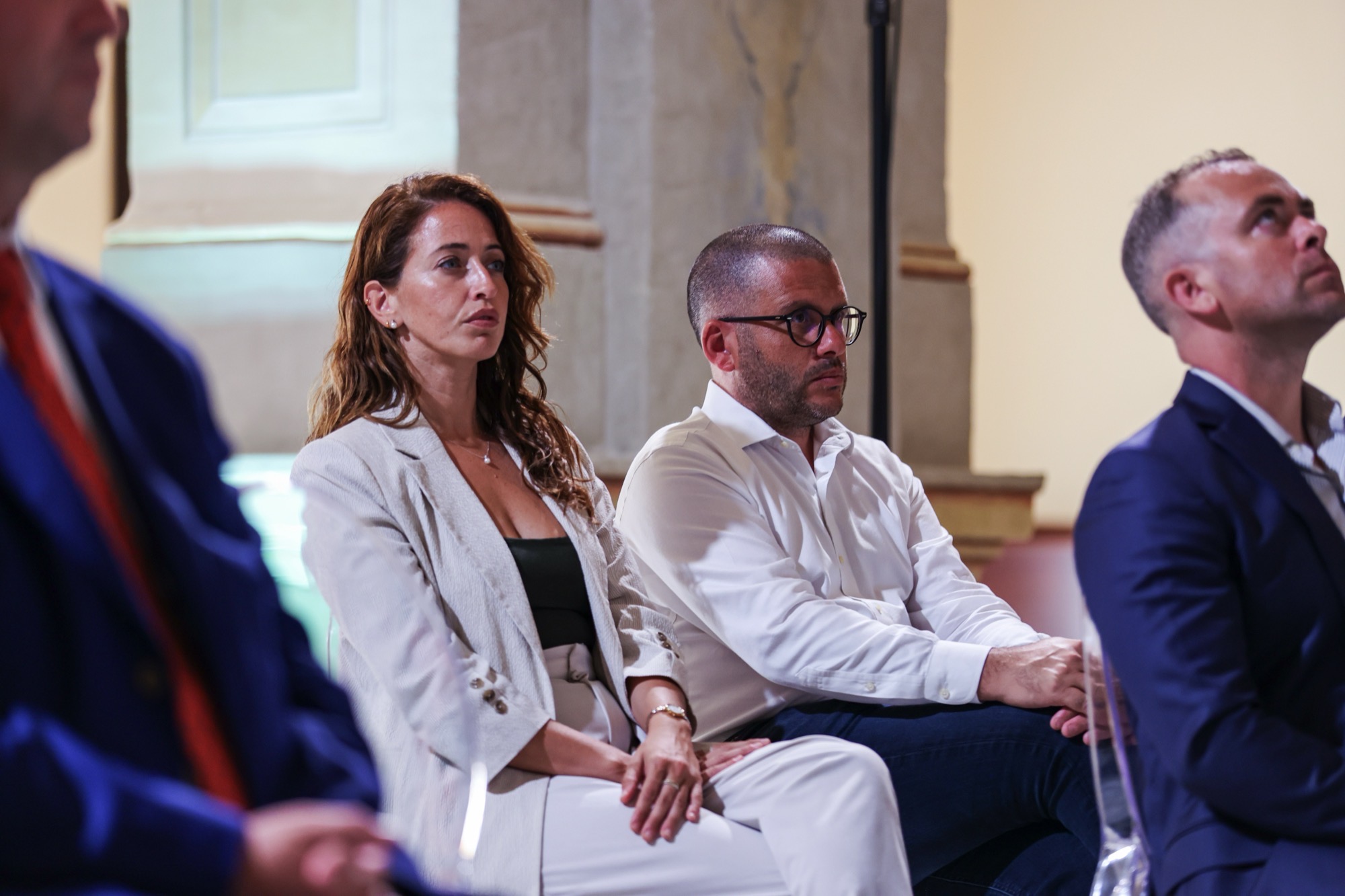
Navigating two distinct institutional cultures naturally entails a learning curve for everyone involved. As André acknowledges, KTP and the PA are two organisations with widely different organisational backgrounds, but “this year’s edition of Premju Galizia serves as the first opportunity for the KTP and PA to work jointly on a common project”.
Crucially, this partnership operates as a two-way street, of which Johann is mindful: “While the Planning Authority establishes the planning framework within which development takes place, the projects submitted demonstrate how those frameworks are interpreted in practice and where further opportunities may exist to encourage even better outcomes.”
As Johann observes, this creates a genuinely symbiotic feedback loop where real-world practice informs future policy-making. Indeed, in André’s words, “the successful organisation of Premju Galizia today will hopefully lead to the successful development of a quality-built environment in the future”.
Visit Premjugalizia.org for information, timelines and submission guidance.
Photography courtesy of the Planning Authority