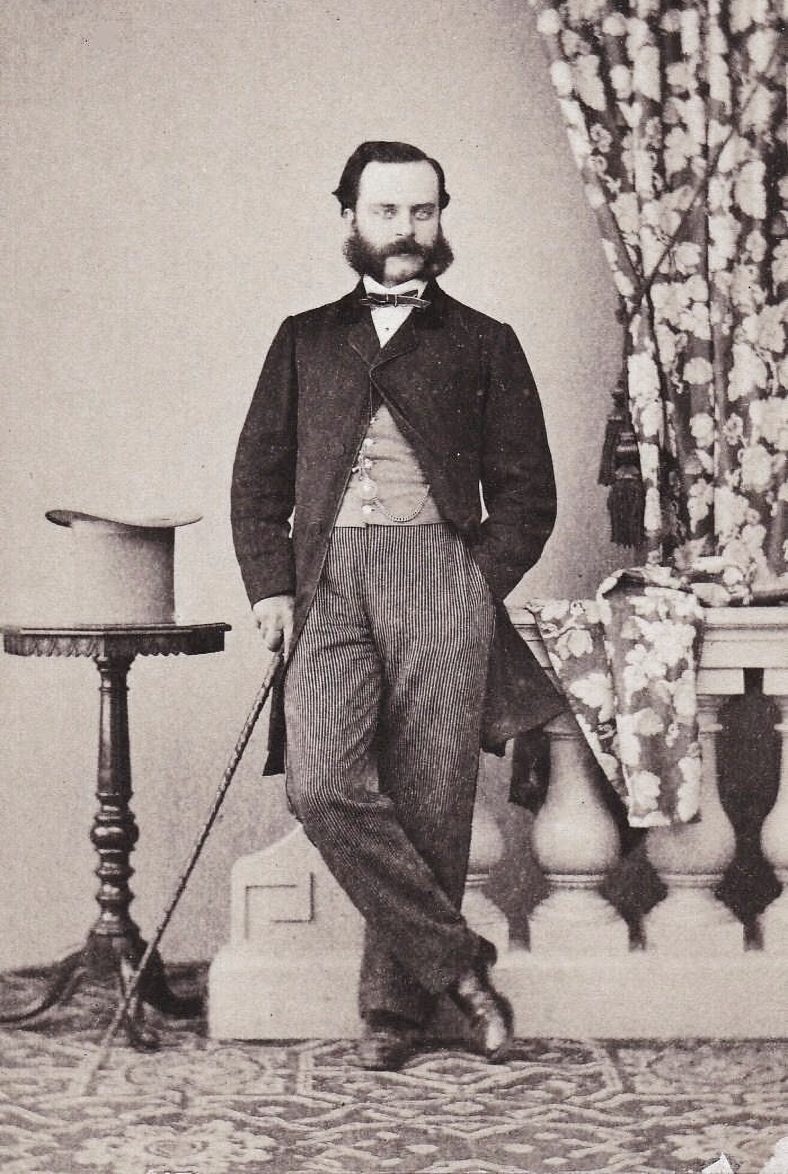
Emanuele Luigi Galizia (1830-1907) is widely regarded as one of the most prolific and significant architects and civil engineers of 19th century Malta.
His fame not only stems from his capabilities as an architect, but from the number, scale and variety of works he created in his lifetime, which, coupled with his expertise in civil engineering and the many senior public service roles he held, made him the first archetype of what the title of Perit means to the profession today.
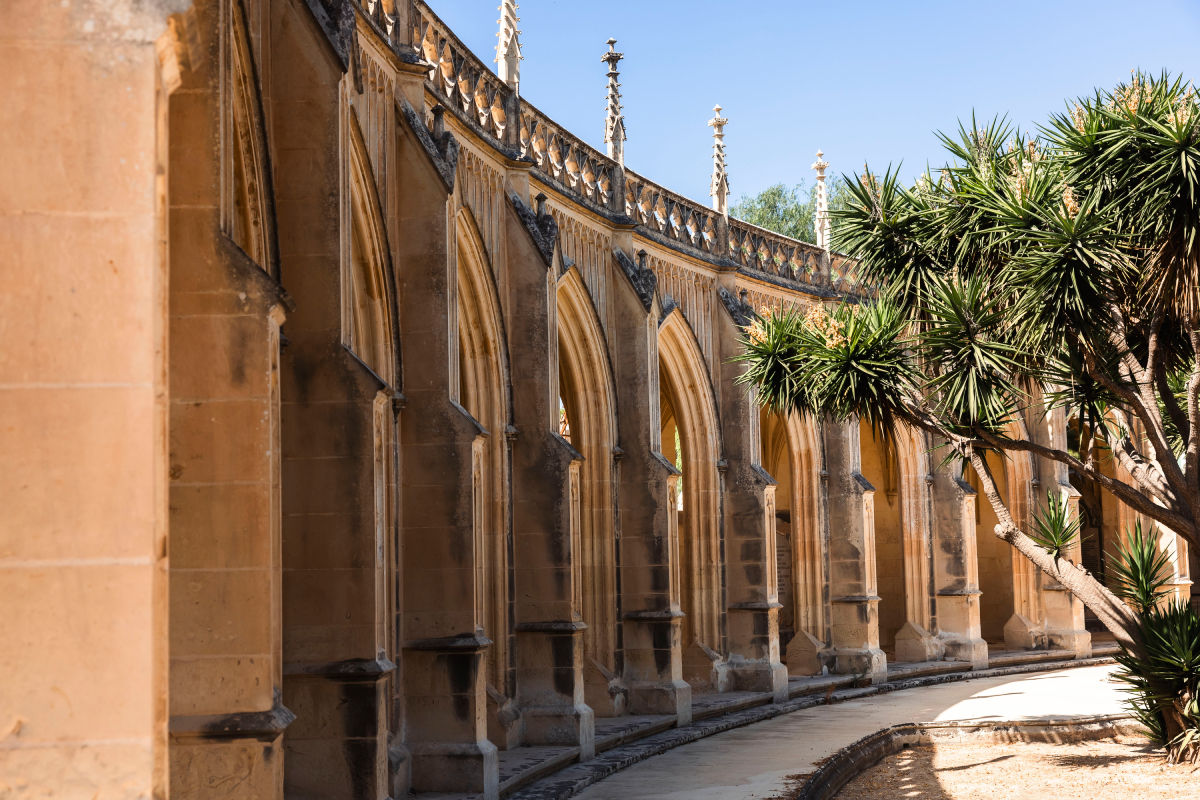
As the name chosen for the Kamra tal-Periti’s annual awards programme – where this year, a week-long series of events will precede the anticipated gala night at Villa Bighi on 25th October – DesignDispatch takes a deeper dive into Galizia’s history, renown and enduring legacy with contributions from his very own great-great grandson, Robert Galea Naudi and Premju Galizia’s artistic director from studio I+A, Joeaby Vassallo.
A broad architectural footprint
At the age of 15, Galizia began his career as an apprentice in the Public Works Department under William Lamb Arrowsmith, where he gained experience in land surveying, drafting and construction.
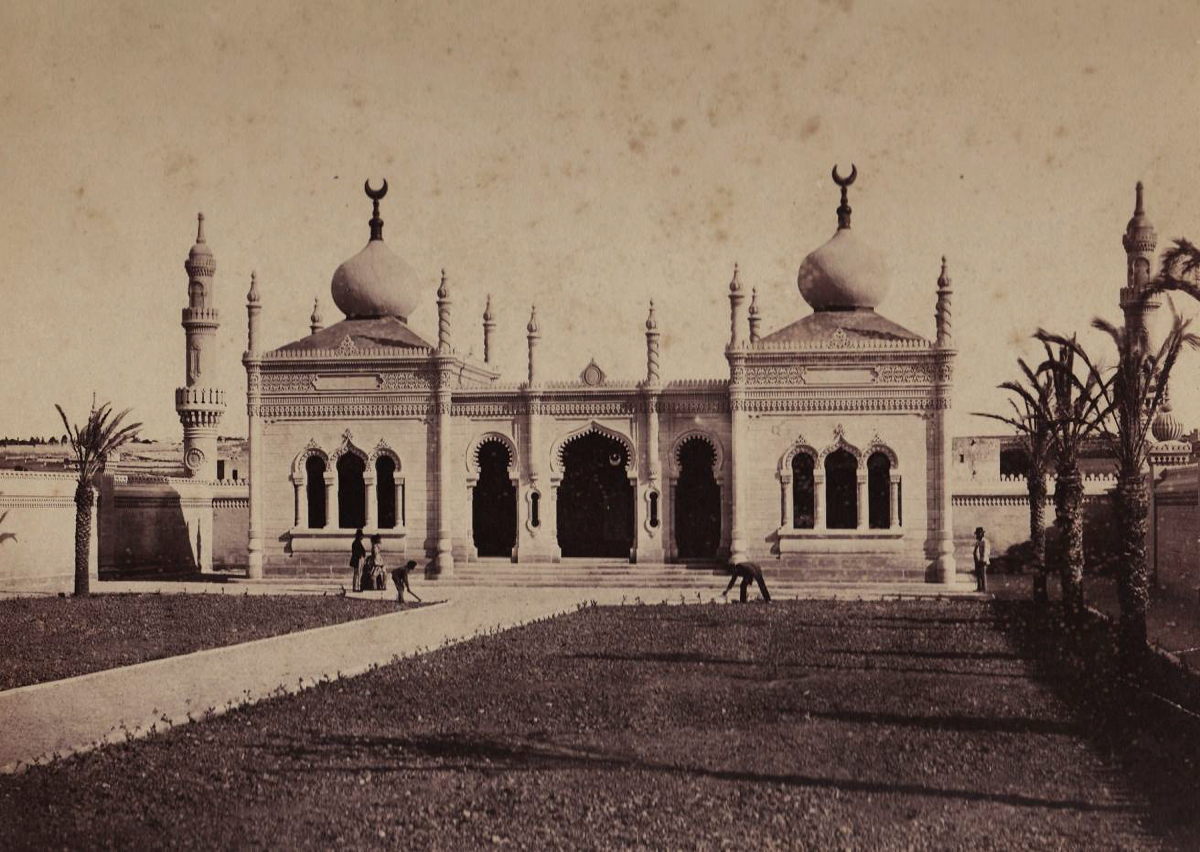
He rose rapidly within the colonial administration, and early responsibilities included managing the construction of Ta’ Braxia Cemetery in Gwardamanġa (designed by the English architect John Loughborough Pearson). By age 29, he was appointed Chief Perito.
“His strong command of technical and administrative processes positioned him for continued advancement,” Robert and Joeaby note. “Galizia was also diplomatic in his work, managing potential disputes between the colonial government and local representatives, together with potential religious clashes.”
Eventually appointed Superintendent of Public Works, Galizia was responsible for all major civil and infrastructural works across the islands, bridging the worlds of architecture and civil engineering into one role.
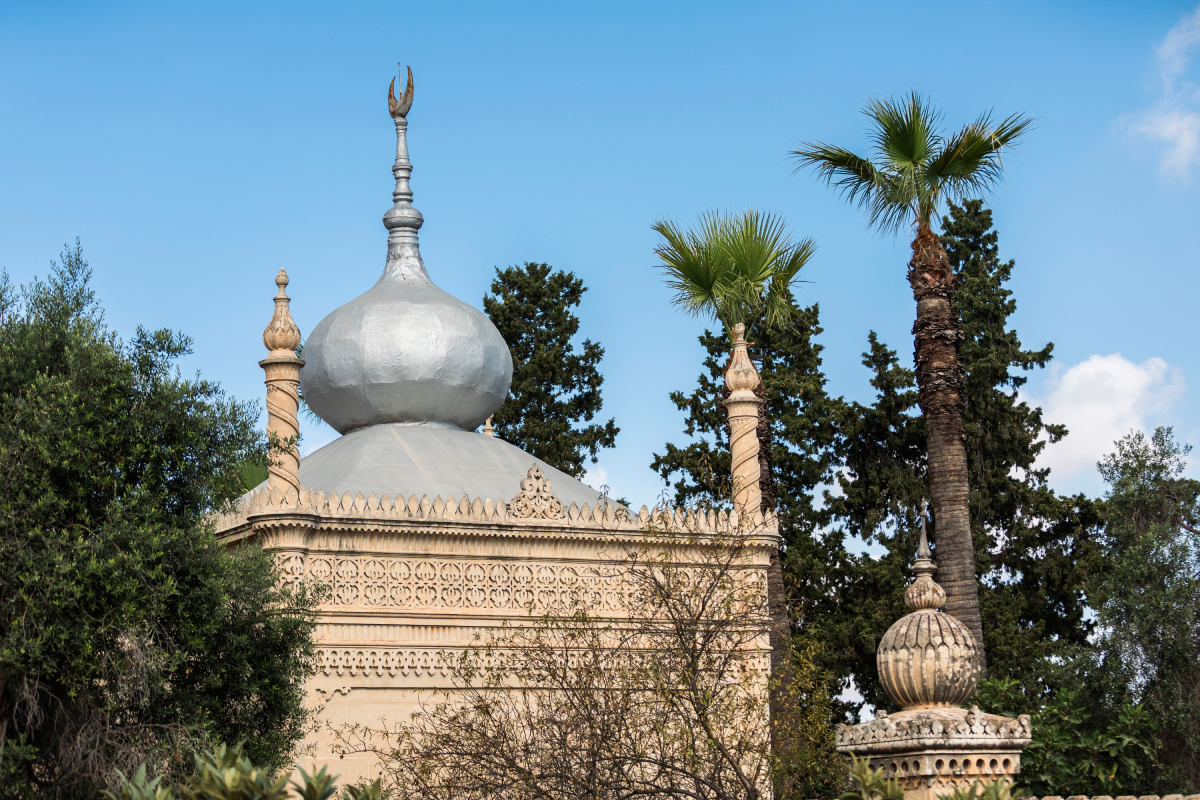
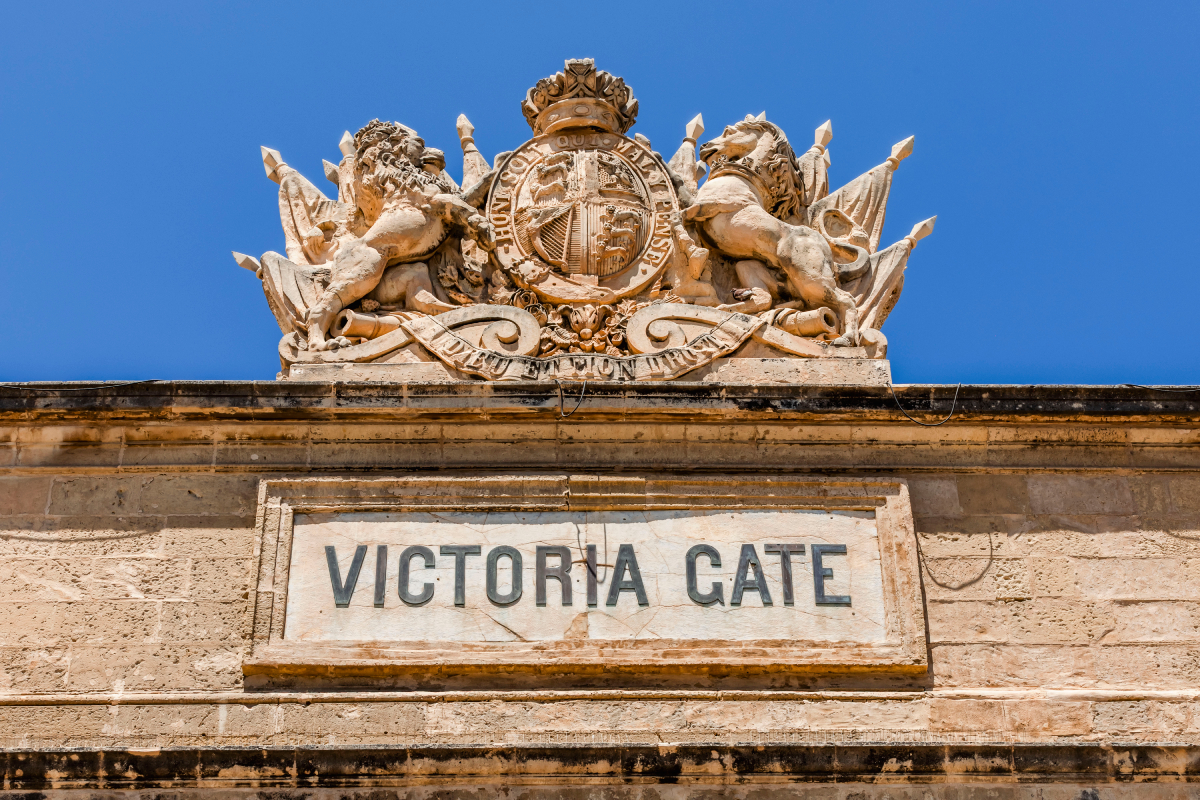
His projects include the Addolorata cemetery and chapel, the Ottoman Military cemetery, Victoria Gate, churches and villas, to name but a few. These alone span several styles, including Gothic Revival, Moorish and Neo-Classical, demonstrating his diversity and capability.
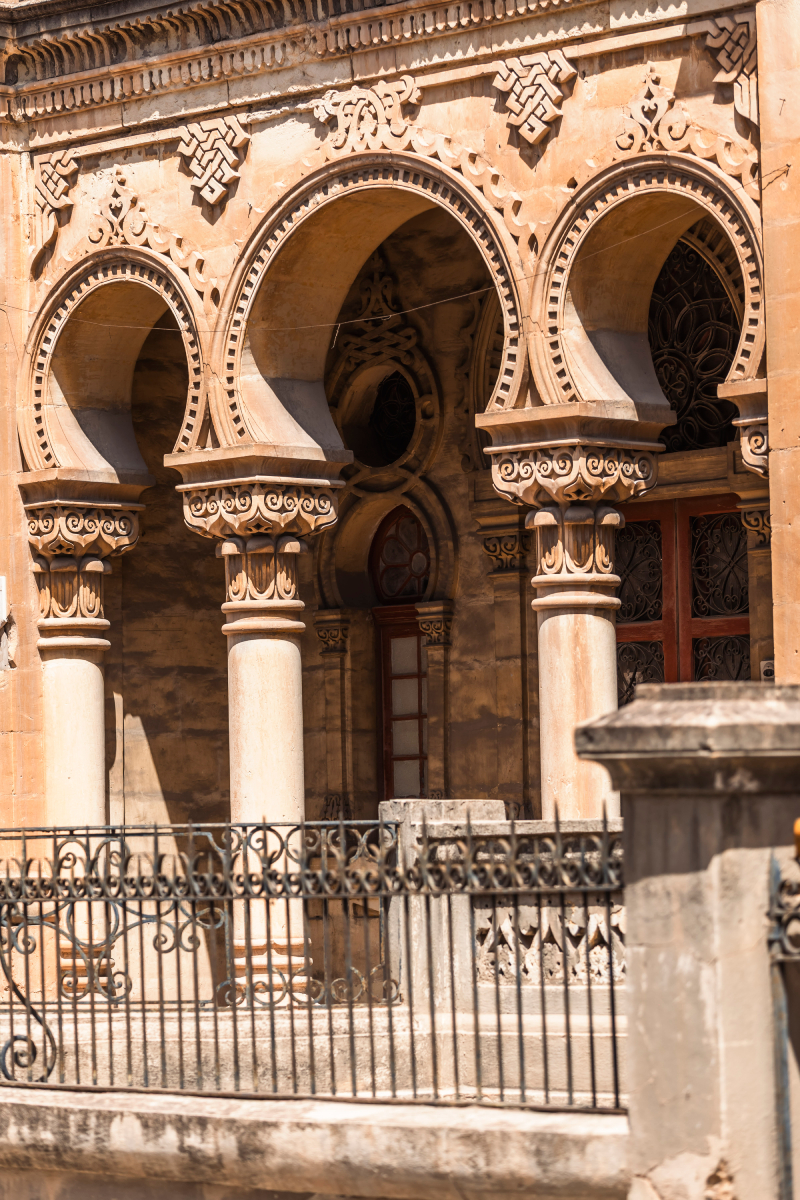
“The architectural style used reflected the project type and location, confirming his architectural prowess by not being limited in his competence,” they explain.
Remarkable expertise
By the mid-19th century, Galizia had established an architectural direction, giving rise to a clear vision for one of his most prolific projects: the Addolorata Cemetery.
“The mid-19th century extramural burial movement was a sanitary and social reform effort driven by concerns of overcrowded, unsanitary urban churchyards and the public health risks posed by decaying bodies.”

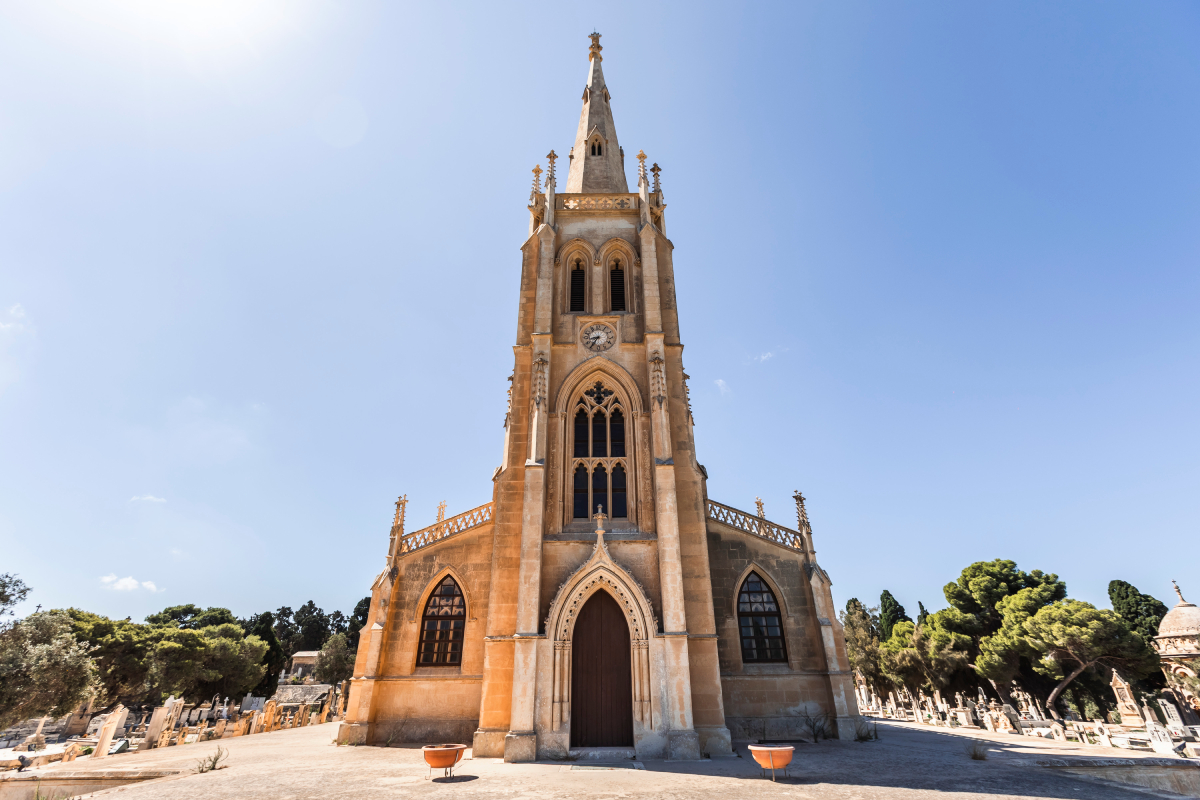
“Before starting the Addolorata Cemetery, Galizia toured major European cemeteries, including those in Paris, Genoa, Naples and the UK. His design for the Addolorata integrated these influences, particularly from those in Paris.”
The project featured a Gothic Revival style that appeased both the ecclesiastical and colonial authorities. It was also consistent with the simultaneous development of the Magnificent Seven – the network of Victorian-era cemeteries in London – and featured a symmetrical and terrain-driven layout that became a defining feature of his approach.
His use of the Gothic Revival style is also evident in the Lourdes Chapel in Gozo, but the project type and context often dictated his choice of architectural style, which he was capable of adapting. A visit to Spain is likely to have influenced the Moorish design style he adopted for his personal summer house, The Alhambra in Sliema.
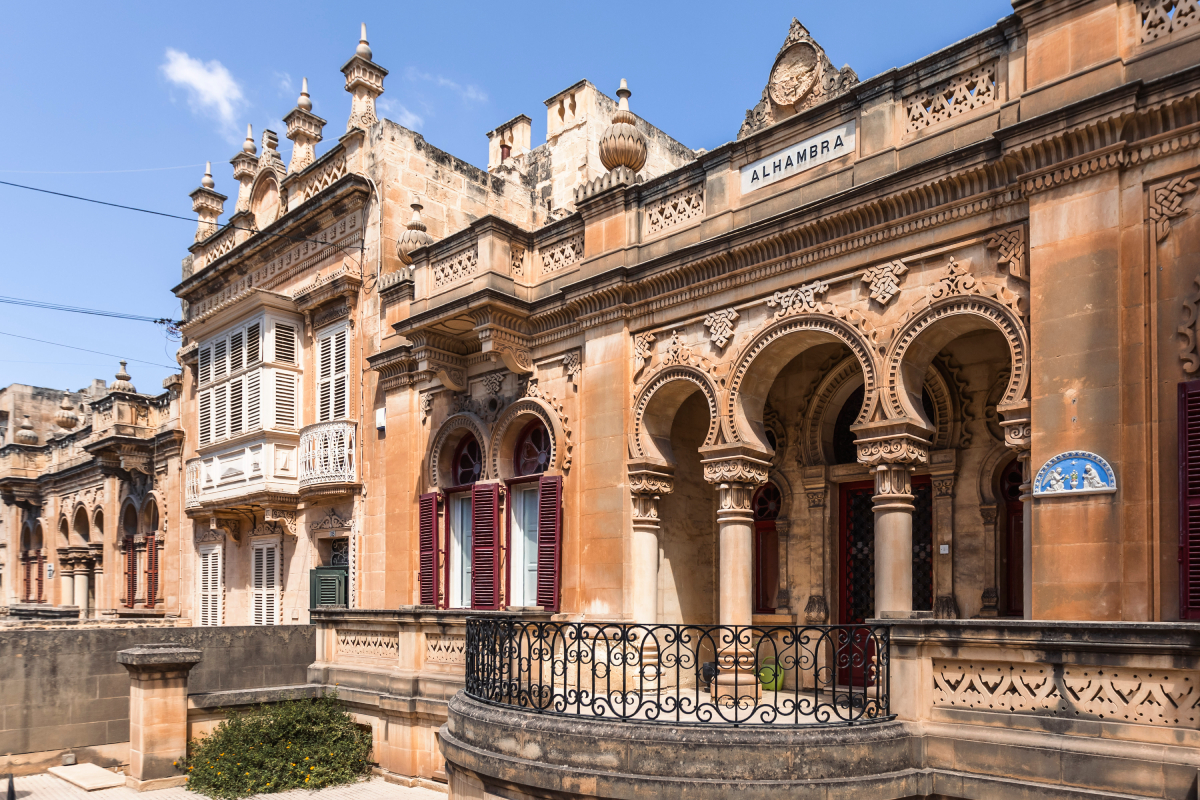
“His exposure to European architecture during his 1860 study tour likely also informed his skills for integrating design movements within the local scenario. His design of the Ottoman Muslim Cemetery was obviously influenced by the culture of the project’s founder, the Ottoman Empire, which earned him recognition from the same Empire, suggesting stylistic and diplomatic sensitivity to the cultural context of each commission.”
His impact today
Beyond the wealth of built projects he left behind, Galizia’s legacy and accomplishments also add weight to the significance and responsibilities of the profession of Perit today. “He reflects the full scope of the role: design, both architectural and engineering, regulation, public works, infrastructure and legacy,” says Joeaby.
“His multidisciplinary contribution, civic architecture, and ability to work across styles and communities remain relevant in the profession’s current emphasis on responsibility and systems thinking.”
Despite this, Premju Galizia is not nostalgic – the awards are a challenge aiming to reframe the man not as a commemorated relic but as a working model.
“The question it poses is not what Galizia did, but what are we doing now, prompting future generations to uphold high professional standards within a changing built environment. Ultimately, the awards ask all Periti: What would Galizia do?”
Architecture photography by Jean Marc Zerafa for Kamra tal-Periti / Main photo and pen set of Emanuele Luigi Galizia as well as archival images from the Francis Galea-Naudi photo archive and collection, with access provided by Robert Galea-Naudi B.Sc (Hons) M.Sc MRTPI