There’s little doubt that, since opening its doors in November 2024, the Malta International Contemporary Art Space (MICAS) has opened a world of possibility and potential for the island’s contemporary art community – as well as for the international community to experience all that this island has to offer.
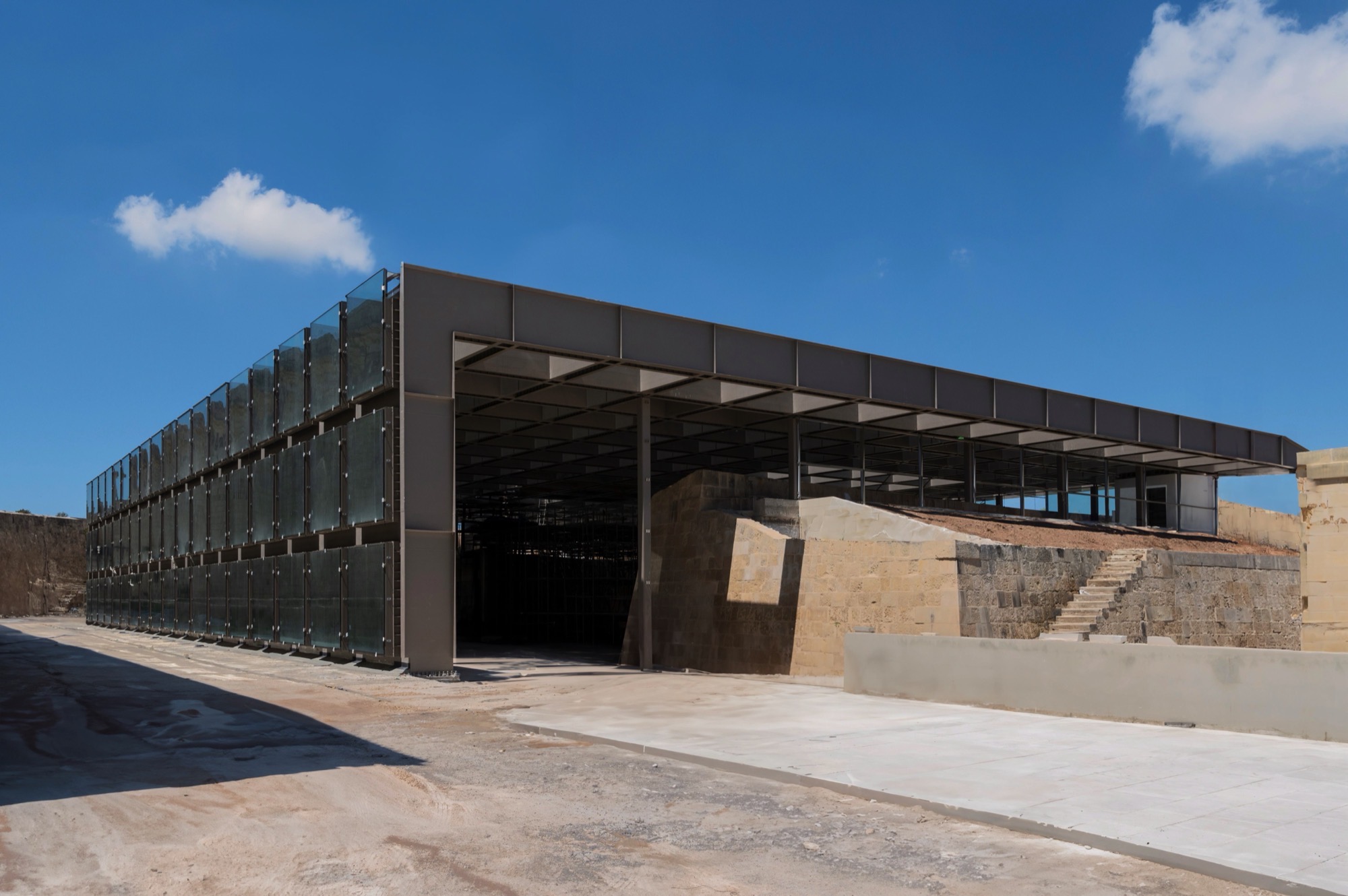
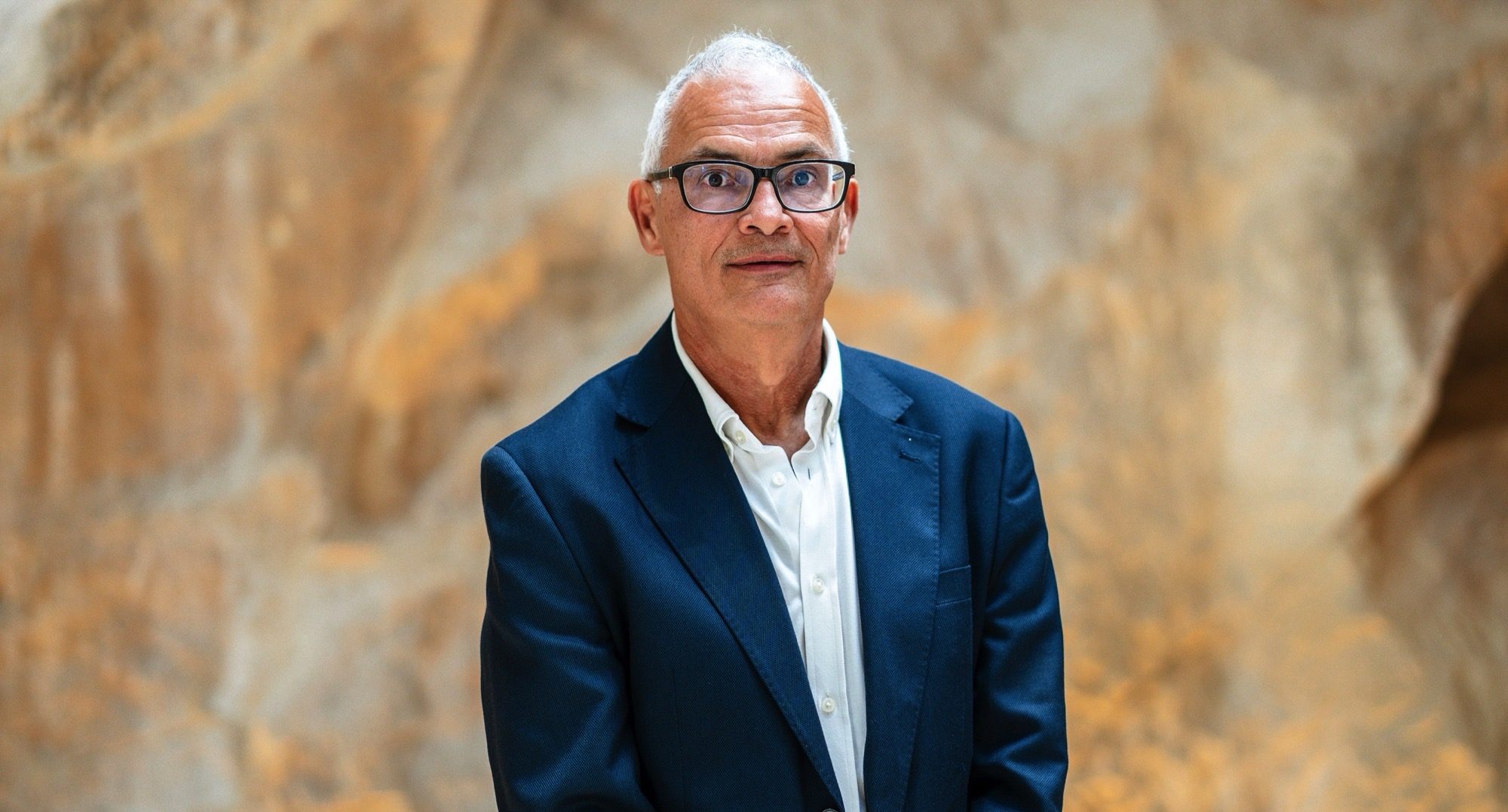
But the sense of wonder this space elicits begins to surface before even setting food inside. Walking along the Floriana lines – the fortification system into which MICAS is now incorporated – offers a glimpse of the architectural grandeur that lies ahead, one that Norbert Gatt, restoration architect and Director General of the Restoration and Preservation Department within the Ministry for Culture, identified as being perfectly suited for a project of this kind.
A tapestry of time
The draw towards this specific location among several other unused or unrestored historic sites in Malta for the housing of a contemporary art space is summed up by the architect in one word: “opportunity”.
“This was an abandoned site at the back of our offices which we used to deposit material brought in from other sites. It was a site which was known to us, but not to many other people, especially this spot we are in,” he notes, referring to the lower levels of the four-storey structure that brings you close to the large, skewed Barbara Arch, a striking design attributed to Maltese architect Giovanni Barbara. “It was there for the taking.”
The suggestion was put forward to the MICAS team, and the challenge was taken up. “From there on, we never looked back,” says Norbert, who points towards the magnificent history of the site, which was built – along with the rest of the Floriana Lines – as a defensive addition to Valletta.
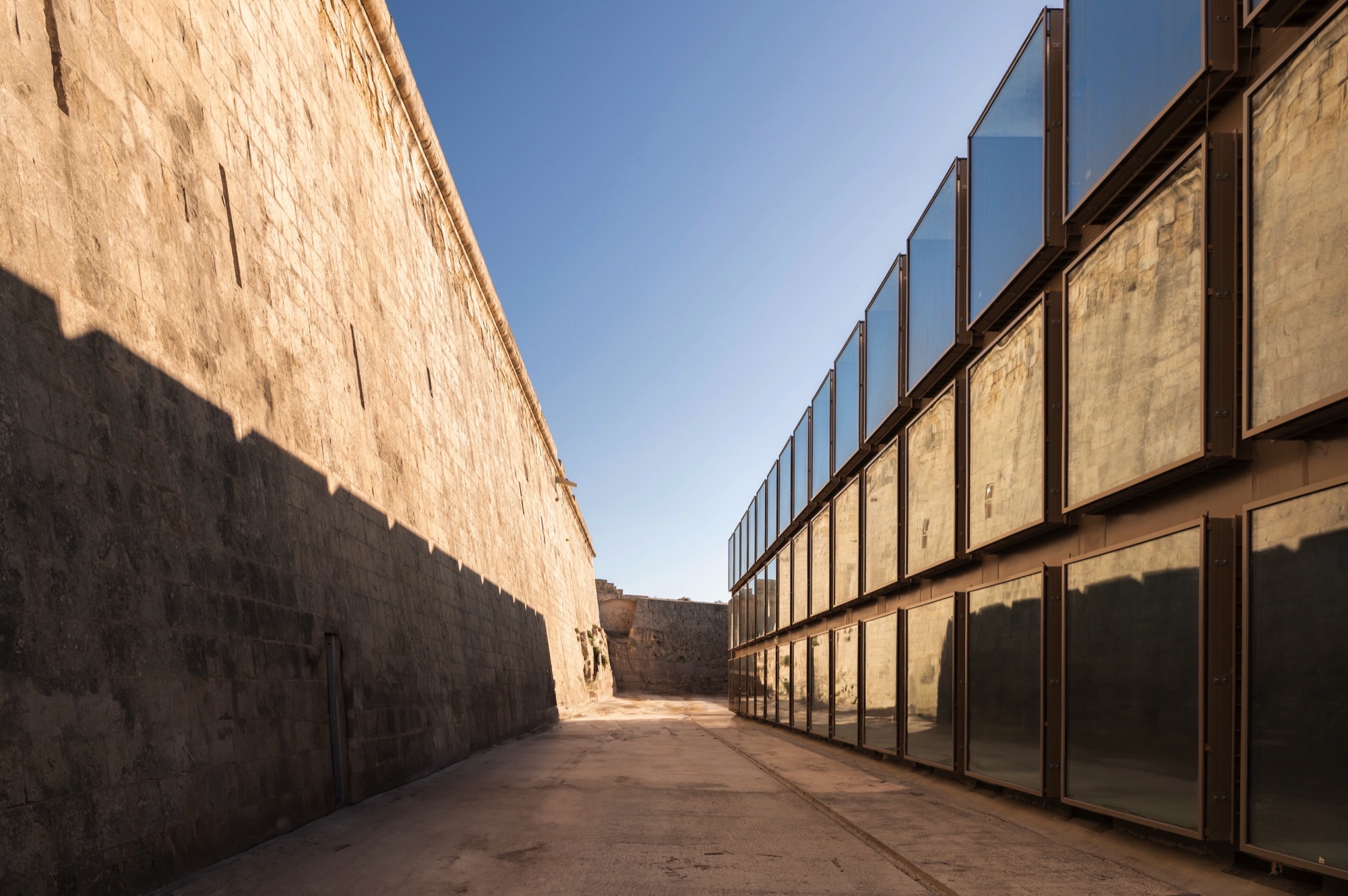
“Between the design and the construction it took over 100 years to build the lines, with several architects involved, beginning with Pietro Paolo Floriani. The site was also adapted over time to accommodate changes and developments in warfare,” says Norbert.
“Centuries later, it offered itself perfectly well for a contemporary art museum, which requires large floor to ceiling heights. The original fortifications remained exactly as they were – what was required was a roofing-over system.”

An iconic roof
The project brief required that the historical space remains intact and the building envelope encapsulates the internal set-up established for MICAS, with a chief requirement being flexibility and dexterity to accommodate diverse exhibition displays.
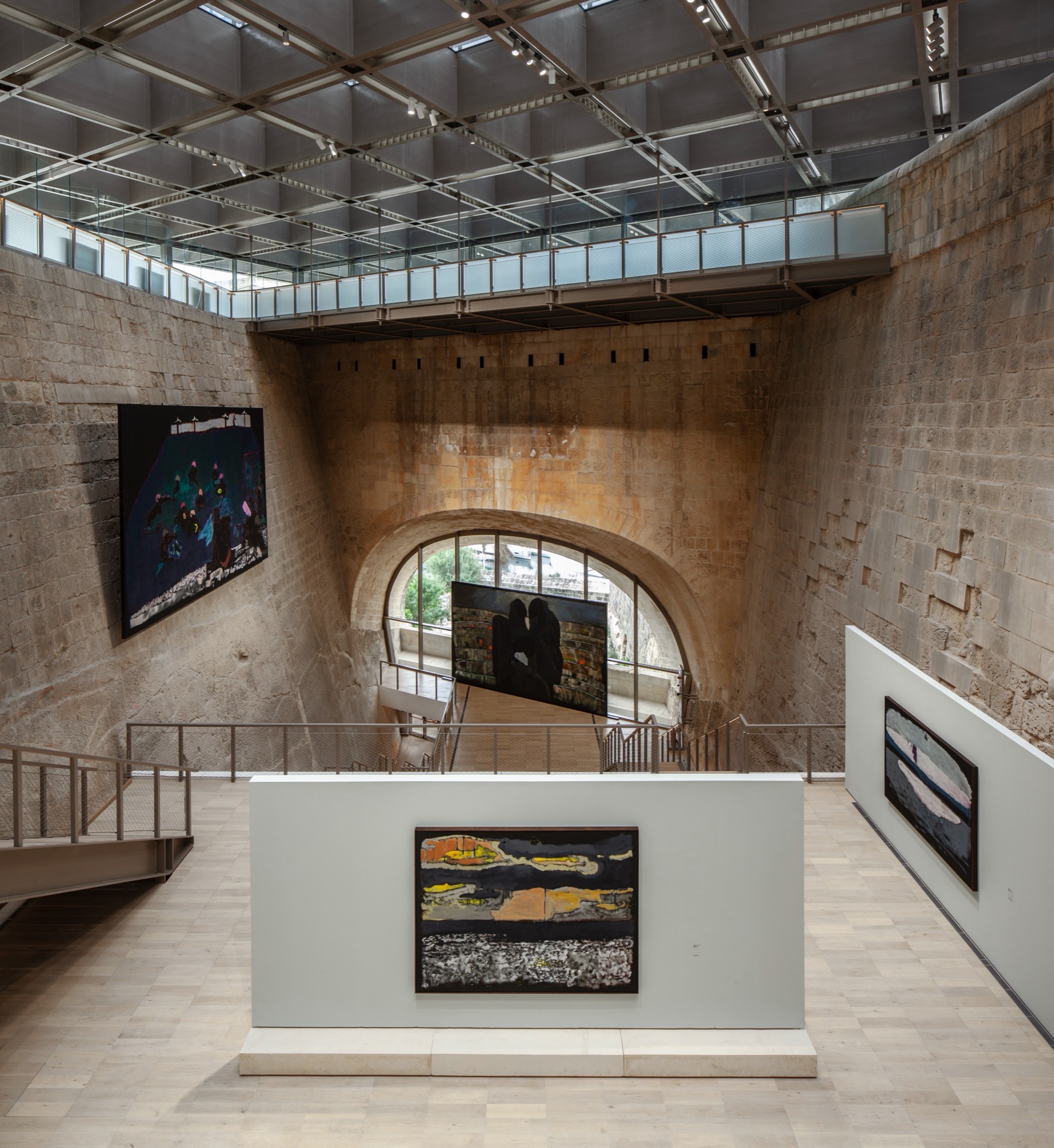
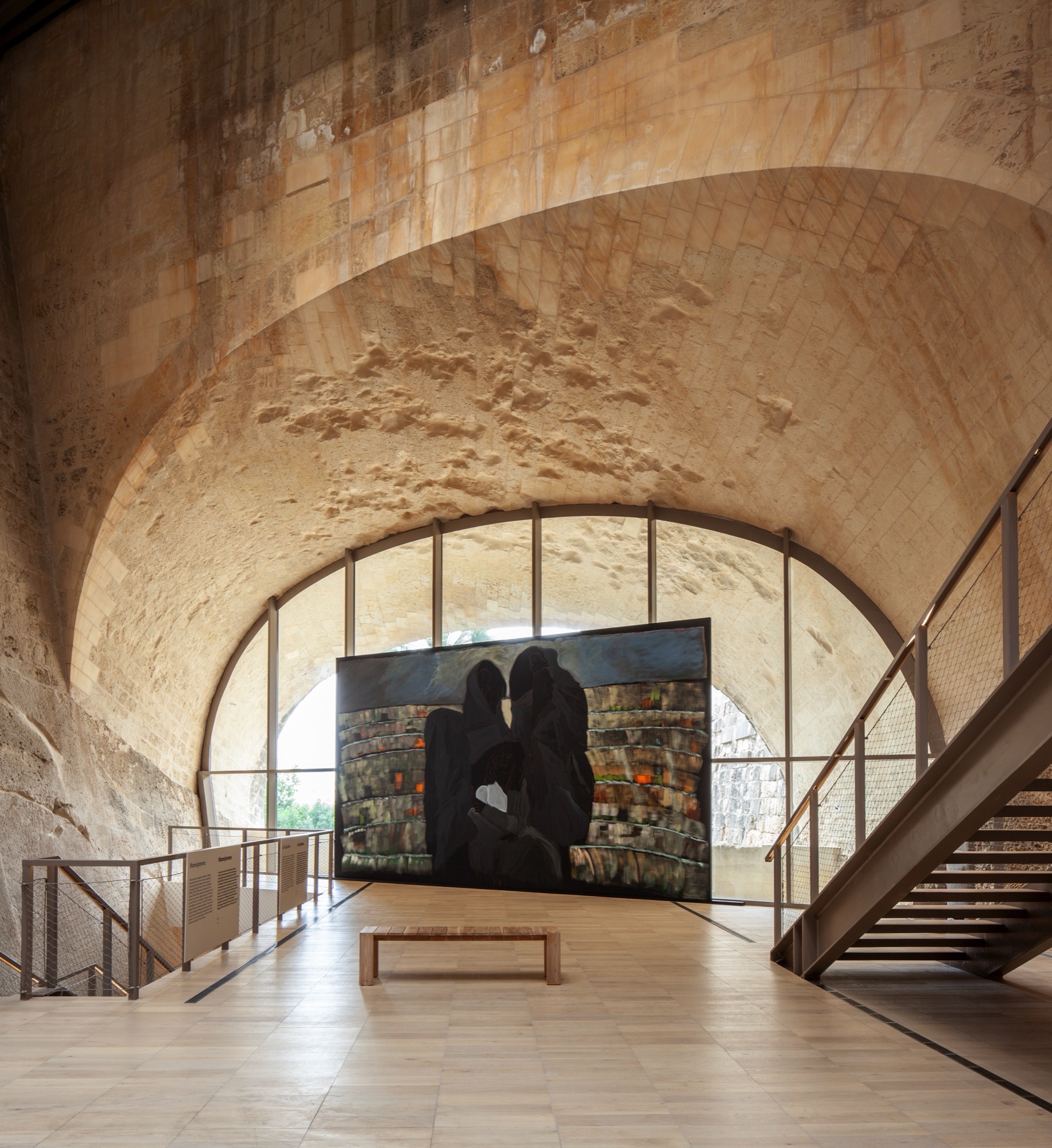
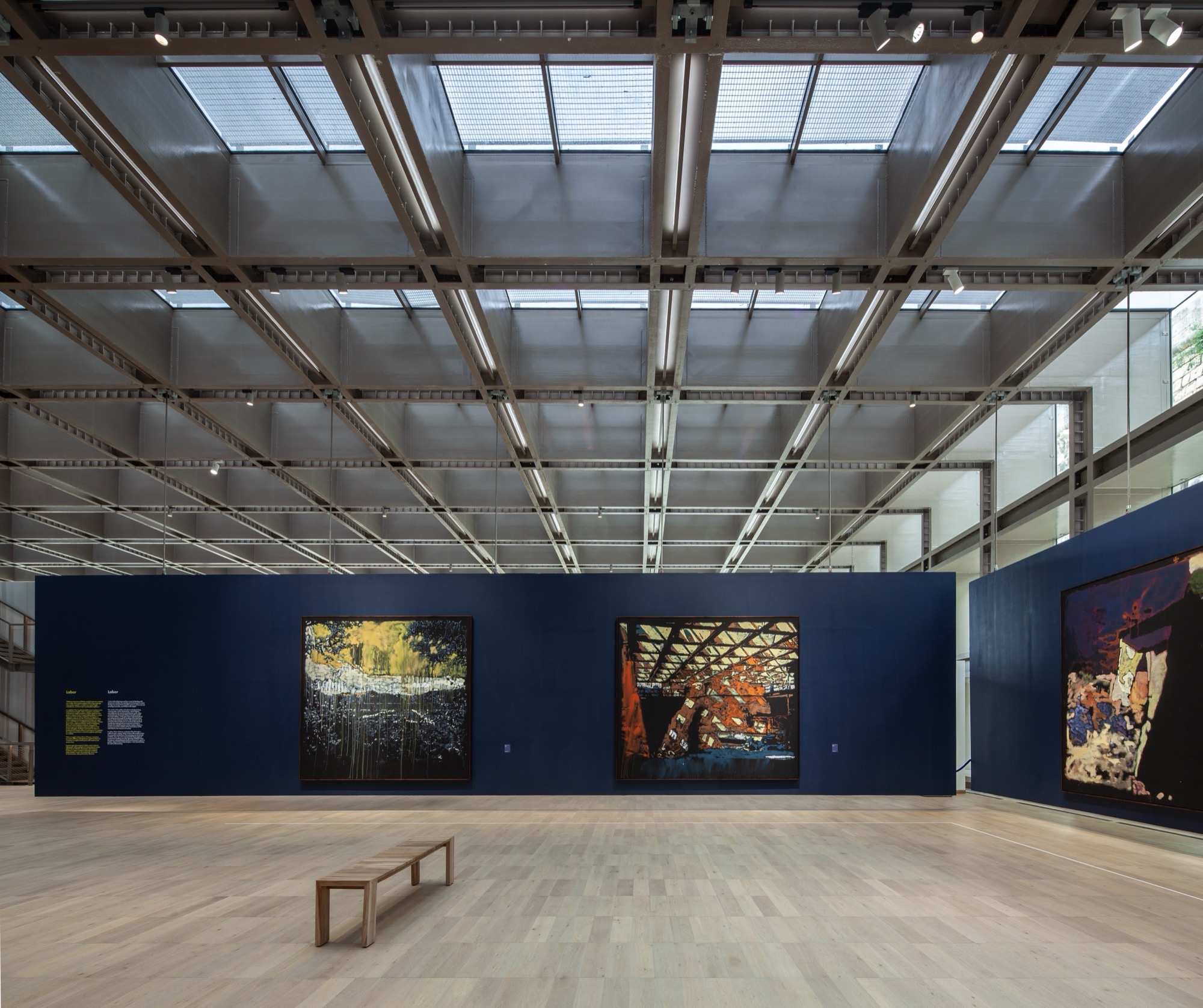
“With that brief, IPO Studio, the architectural and structural team that won the tendering competition, came up with this brilliant solution of a 50-by-50-meter steel structure with a gridiron design inspired by Valletta’s street plan. It was all constructed and welded on site and gives the space the dexterity it requires,” says Norbert. “It also sits beautifully on the building and creates the right atmosphere for the contents of the contemporary art space to be shown in the best possible manner.”
With a 30-year-career in architecture restoration, and Director General since 2023, Norbert has seen more than a few remarkable buildings brought back to their former glory. The interventions carried out by his office to restore Mdina’s fortifications is high up on the list – not only for the national value of the preservation work itself, but also the fulfilment of seeing the subject of his thesis during his studies in Rome come to fruition.
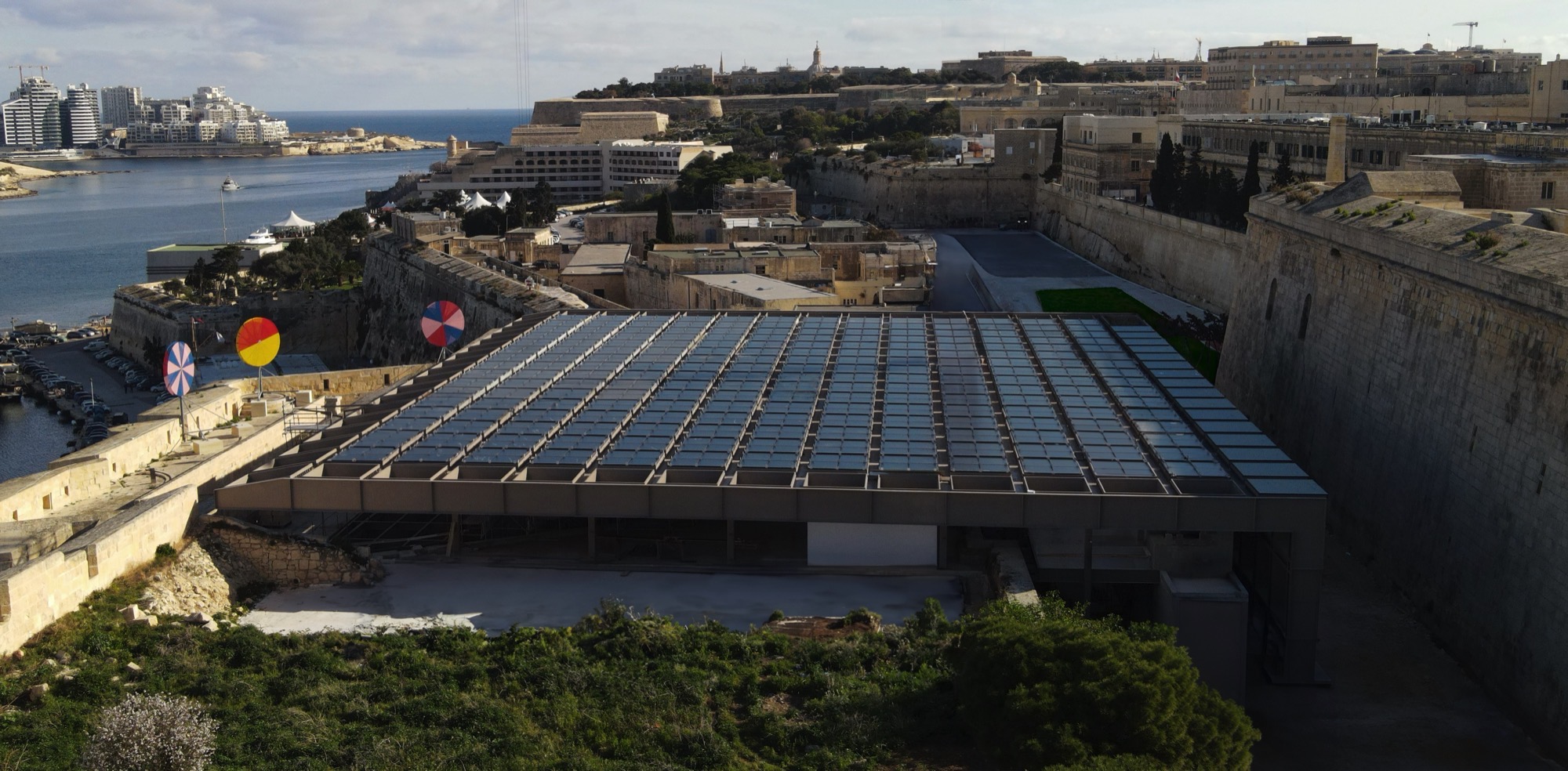
Today, the completion of MICAS is up there as another high-calibre accomplishment. “The journey was anything but simple. Through the project life, we experienced the Covid pandemic, steel shortages due to the ongoing war in Ukraine, and many more,” says Norbert. “Nevertheless, seeing the project completed with the efforts of so many people is without doubt a feather in the cap of all involved.”
A look around the space, currently displaying the captivating work of American artist Reggie Burrows-Hodges, also demonstrates the work and ambition of MICAS’ management to make full use of this majestic fort.
“Seeing the place bustling with activity, with school children every day, with visitors and the artists themselves gives a lot of pleasure and satisfaction. So being part of this journey with many other people has been truly rewarding.”
Portrait by Jake Bellizzi
Watch this episode of StudioTalks