At the end of Wied Il-Pwales, meaning ‘marsh’ in Latin, in St Paul’s Bay lies the Simar Nature Reserve which, until the 1980s, was a neglected swathe of land damaged by human activity and earmarked for development. When conservation organisation BirdLife Malta stepped in with a proposal to turn it into a reserve, a transformation of the site ensued.
A network of pools, canals and islands were created to welcome and accommodate migrating birds, hundreds of trees were planted, and the site was restored into the thriving wetland sanctuary it is today.
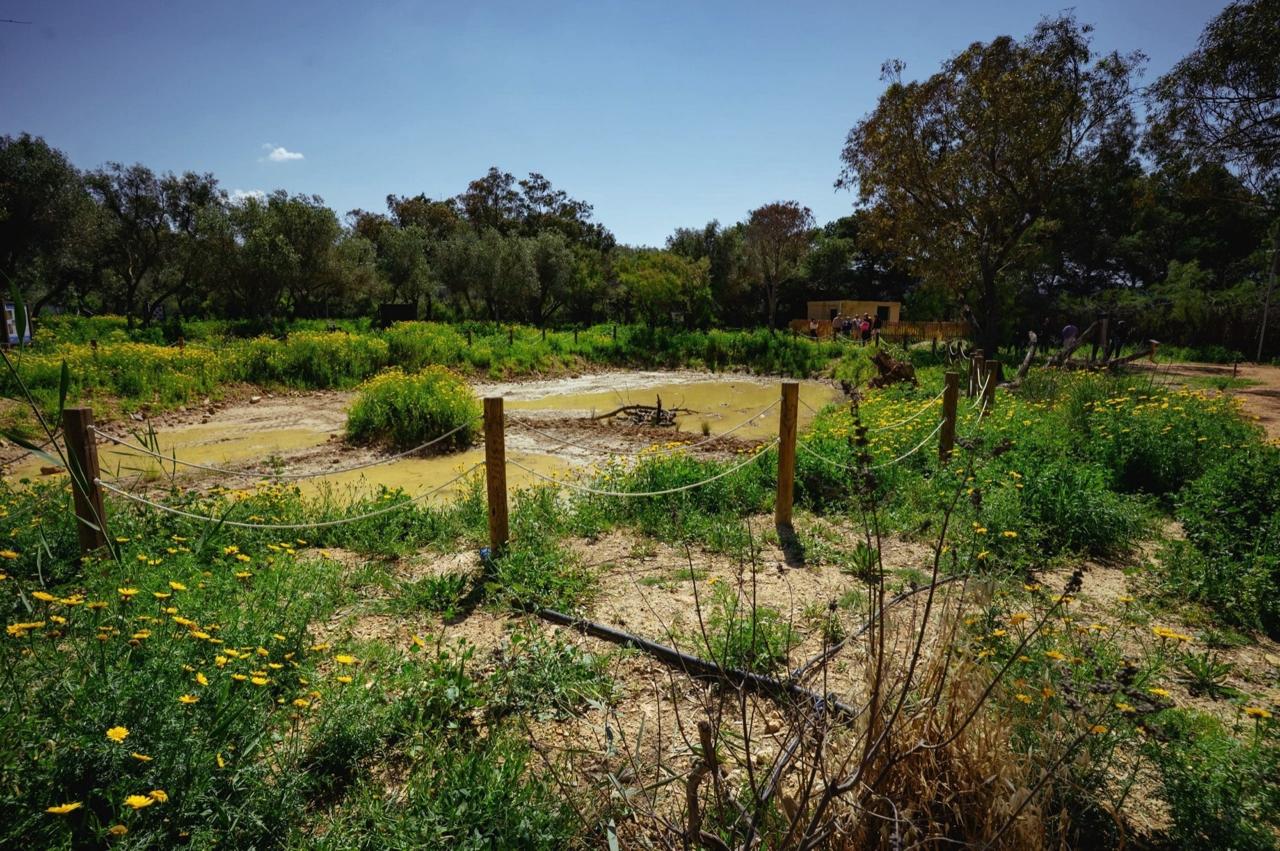
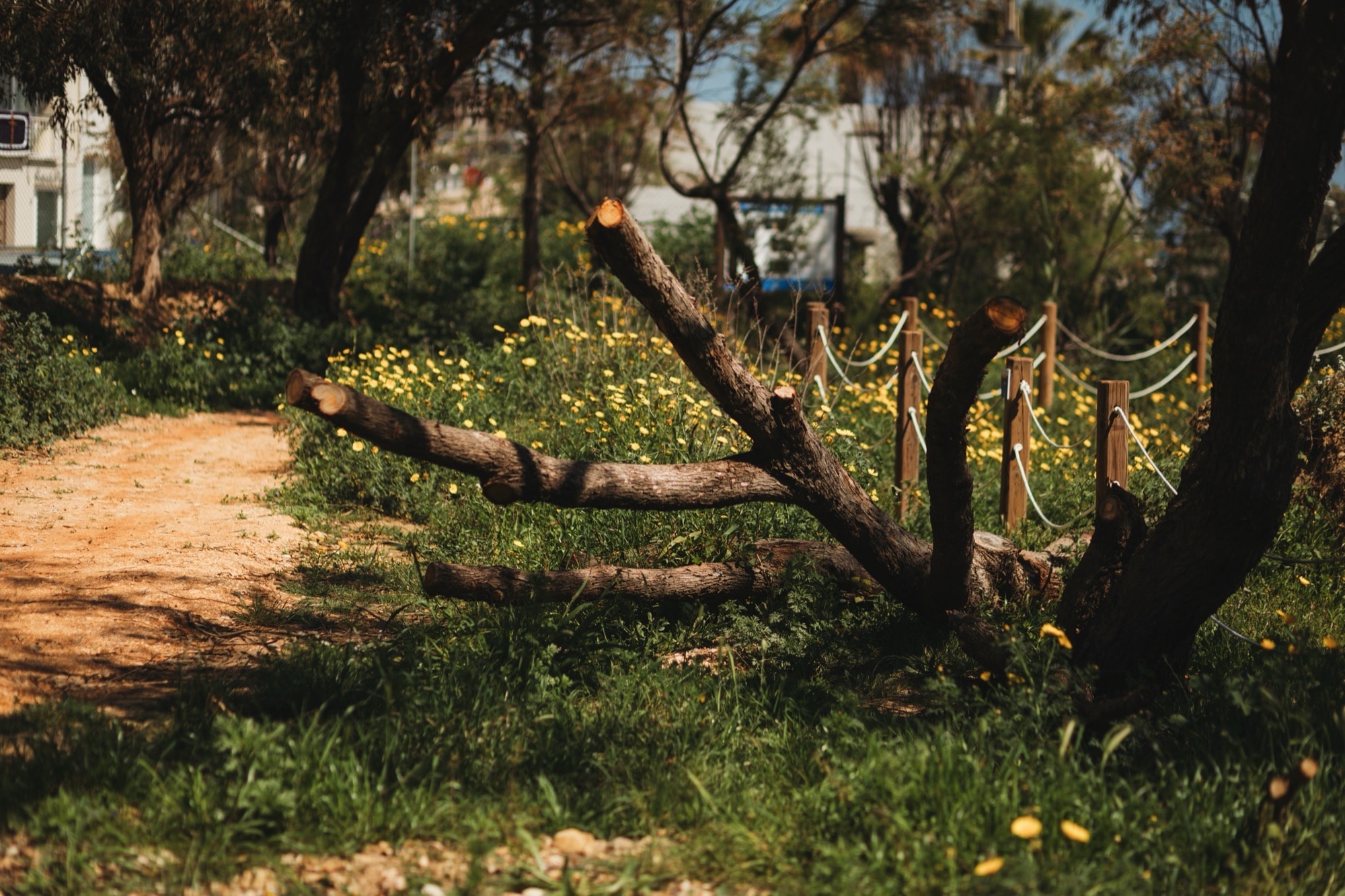
Adjacent to it, however, a site of approximately 4,000 square metres was suffering a similar fate to the reserve. For years, it was abandoned and affected by illegal dumping, but has recently been transformed by Project Green, a government entity tasked with creating and regenerating parks, gardens and sustainable green infrastructure across Malta and Gozo.
“The area was redesigned in a way that respects the environment, while also ensuring safety and providing the best possible experience for visitors. The interventions have also enhanced the value of the nearby nature reserve, which forms part of Natura 2000,” the team notes.
A haven for birds
With its position along a major migratory route between Europe and Africa, Simar Nature Reserve is a crucial resting and feeding site for migrating birds during spring and autumn migration, as well as for the residents of this freshwater and brackish wetland ecosystem.
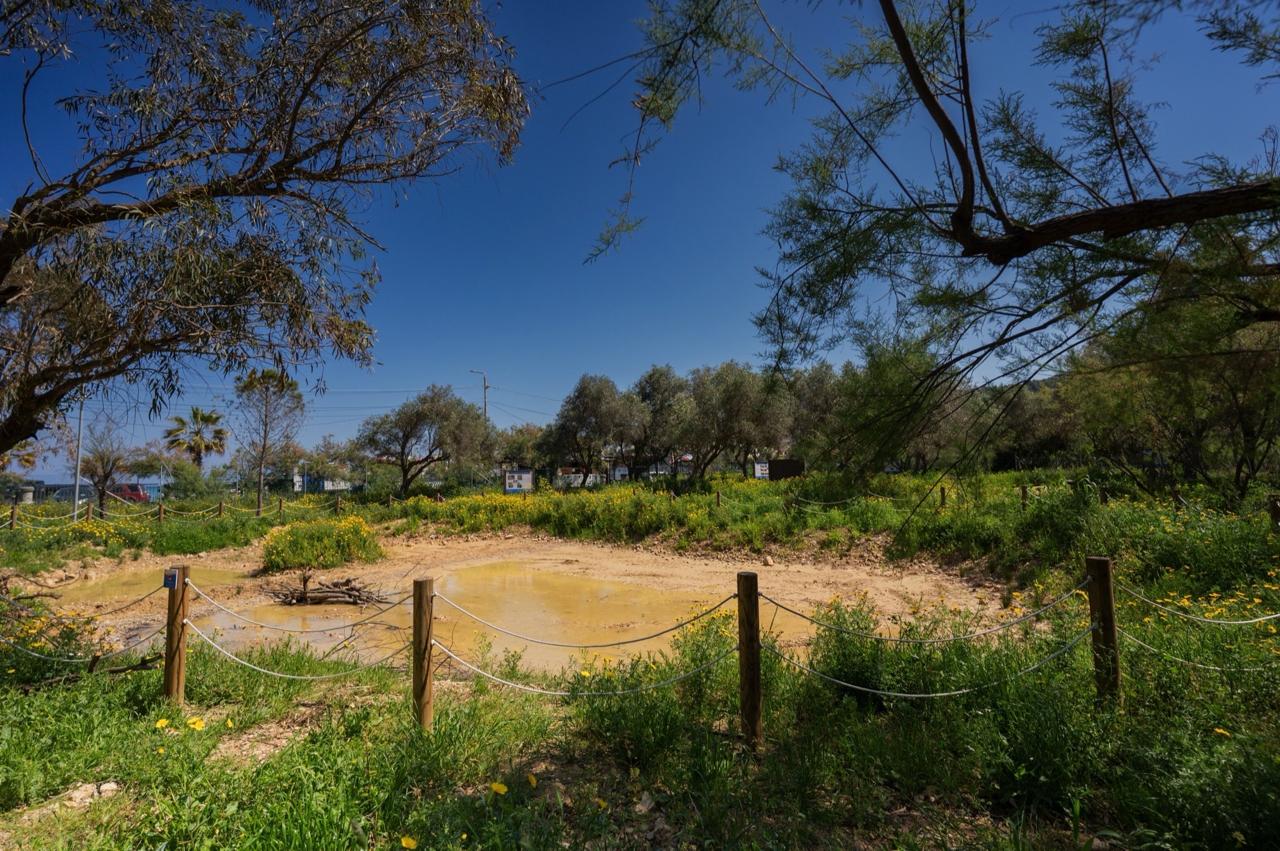
Spanning across five hectares, it is a key site that has attracted more than 200 bird species over the years, including heron, kingfisher, marsh harrier and various species of duck.
“The site provides a habitat not only for birds but also for native plants, insects, amphibians, and reptiles, contributing to Malta’s biodiversity,” the Project Green team notes, adding that Simar forms part of the wider Natura 2000 network, the European Union’s largest coordinated network of protected areas aimed at safeguarding threatened species and habitats.
Beyond its significance for the natural world, the reserve also plays an educational role and welcomes students, families and visitors to its grounds, encouraging learning about wetland conservation, biodiversity and sustainable environmental management.


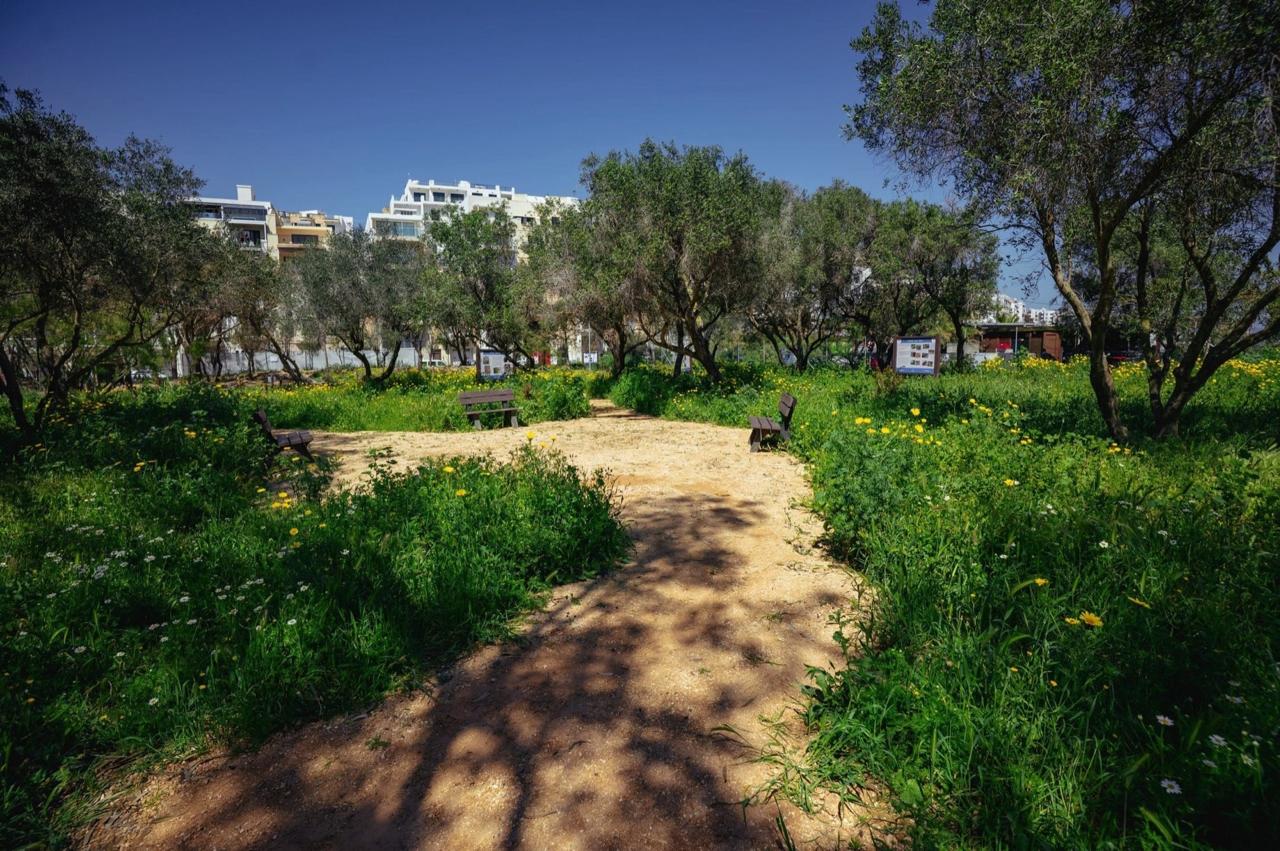
“Wetlands such as Simar help improve water quality, support biodiversity, and contribute to climate resilience by acting as natural water retention areas,” the team adds. “The newly regenerated area adjacent to the reserve creates a more welcoming and accessible space for visitors to appreciate nature responsibly.”
A natural extension
Within the newly regenerated park, safety, accessibility and sustainability were given priority, including the installation of CCTV systems and the construction of walls, gates and fences to prevent further illegal dumping.
Pathways and ramps were constructed, designed to allow water to pass through, while educational and information panels were also placed around the area, highlighting trails and key points, site rules, the cultural and ecological history of Simar, information about habitats and species protected under EU directives, as well as messages that promote animal protection.
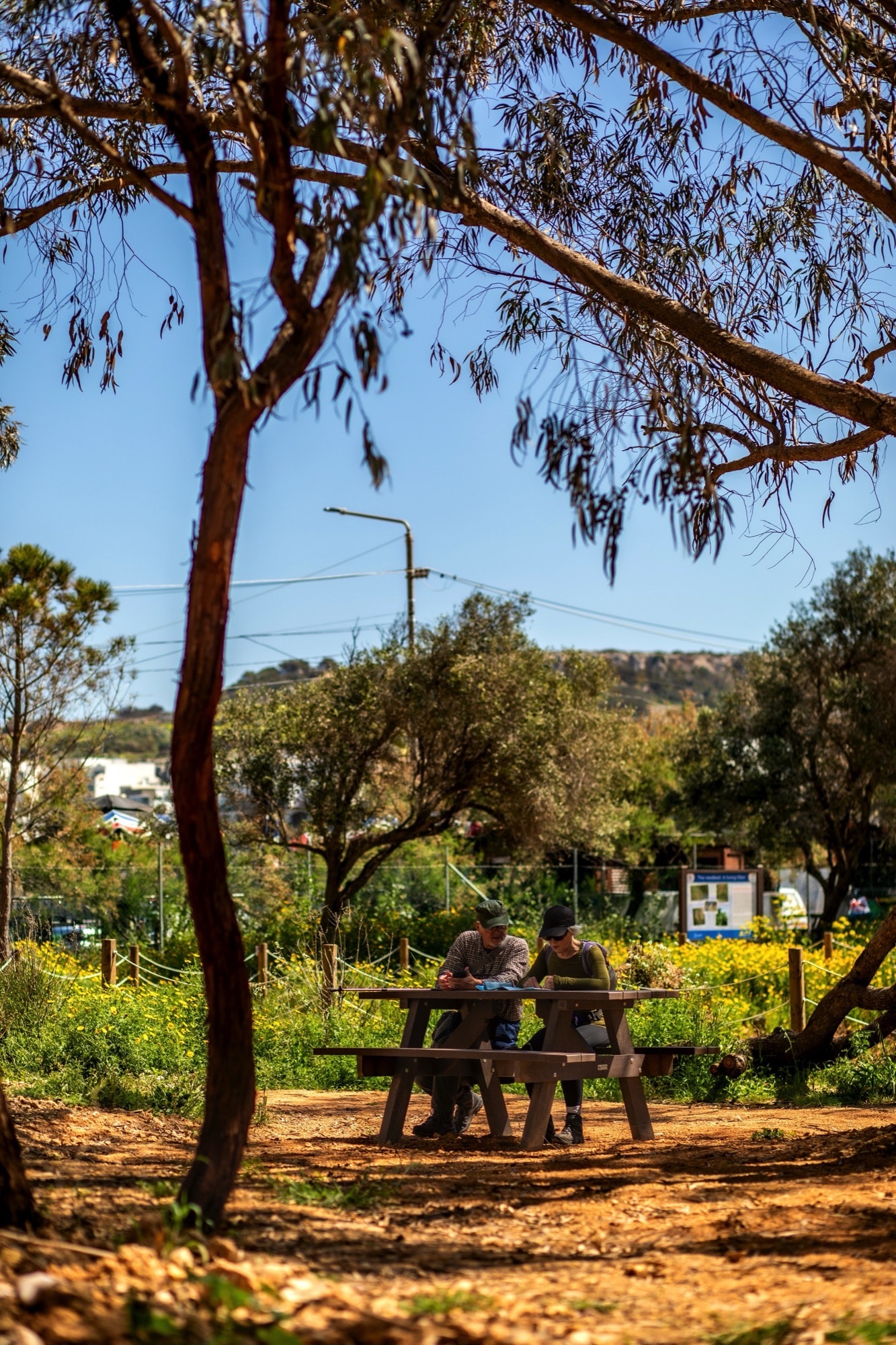
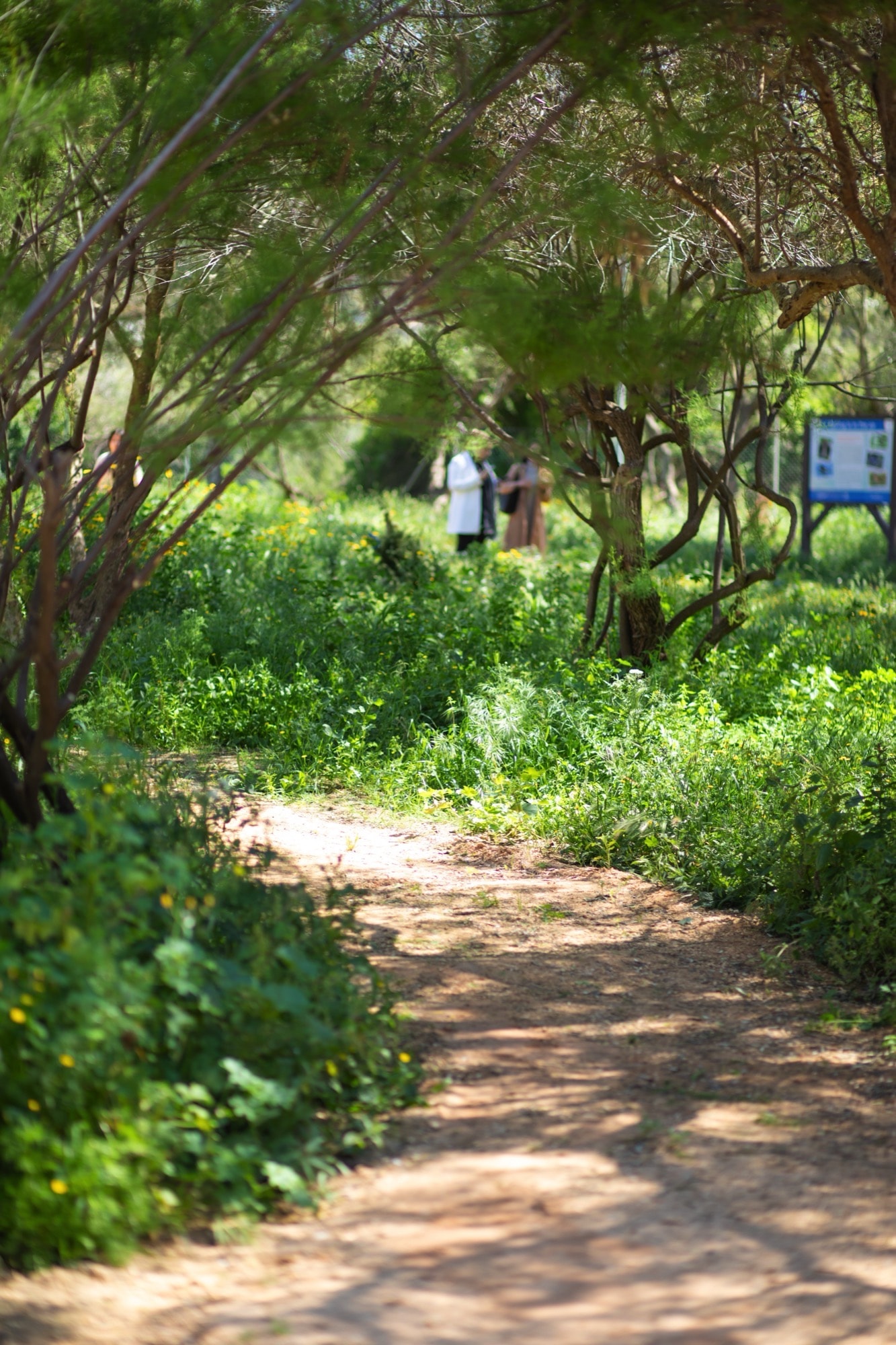
The site has been repopulated with native plants that align with the reserve’s ecosystem and fitted with a sustainable irrigation system. In line with Natura 2000 rules, no lighting was installed at the park to respect its sensitive biodiversity.
“Furniture made from recycled materials was installed, including picnic benches, seating, and recycling bins. The improved site, which encompasses around 4,000 square metres, can now be reached by around 700 residents living nearby.”
Photography: Project Green