The enchanting fish displays within the Malta National Aquarium in Qawra may be its greatest draw, but its architecture, specifically its domed roof and attractive public amenities as part of the extension to the promenade are a part of its crowd-pulling appeal.
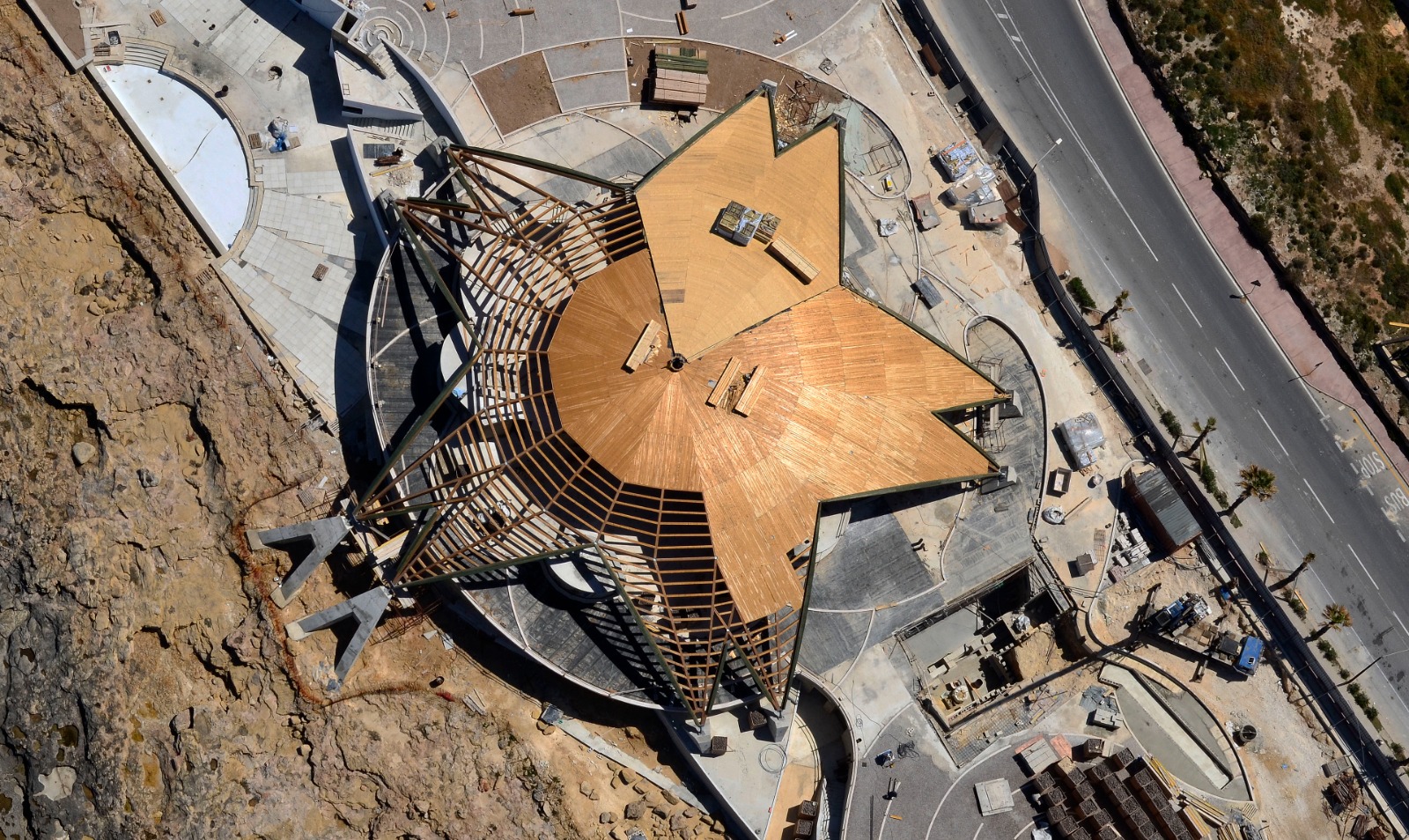
Since its inauguration in 2013 and equally so today, the aquarium has commanded attention for its broad, star-shaped timber dome. On the outside, it appears as if a starfish was swept ashore, while on the inside, where the aquarium’s restaurant is housed, the dome conjures the feeling of dining aboard a ship.

Commercial designer Mark Pace, who is also the Director of sales and marketing at the Aquarium, says its design was driven by a desire to infuse a distinctive and exclusive element into the overall project, which is a joint partnership between the Malta Tourism Authority on behalf of the Government and a private partner.
“The objectives behind this design were multifaceted. First and foremost, it aimed to serve as an enticing draw for tourists visiting Malta, enhancing the overall appeal and marketability of the Qawra/St Paul’s Bay/Bugibba tourism zone,” says Mark, while simultaneously expanding public amenity space by establishing a new public garden as an extension of the existing promenade.
This design also prioritised the enhancement of public access to the foreshore, to make the coastal environment more accessible to residents and visitors alike. “Moreover, it was intended to showcase and celebrate the natural features of the coastal environment, thereby fostering a deeper appreciation for the region’s unique ecological attributes.”
Innovation in construction
The wooden dome structure sourced from sustainable forests and its outer layer crafted from a waterproof canvas material represented a departure from conventional construction practices.
“The wooden dome structure stands out as a testament to the project’s commitment to sustainability, while the waterproof canvas was chosen for its exceptional water-resistant properties. This innovative selection ensures the dome’s resilience to the elements, offering both functionality and an intriguing departure from established norms in Maltese construction,” says Mark.
“Together, these materials not only contributed to the project’s uniqueness but also exemplify its forward-thinking approach by embracing sustainable and specialised materials not commonly seen in the local construction landscape.”


Curved Gulam beams, which consist of glued laminated timber, were chosen for the dome’s structure for their ability to be used for longer spans and form structurally complex shapes. The beams are held together with steel nodes that support a secondary structure, as seen from the inside, made up of smaller Gulam beams.
The complexity and intricacy of the Aquarium’s dome remains a stand-out part of this project, which Mark describes as “the centrepiece of our endeavour”.
“The dome structure holds a unique allure. Its remarkable design and construction have not only become a defining architectural feature but also a source of wonder and admiration. Crafted with precision and innovation, the dome stands as a testament to our commitment to excellence and creativity.”

Complementing this architectural marvel are the internal fish installations, he adds, which serve as a window into the aquatic world and aim to foster a deep appreciation for the wonders of the sea.
“Together, the dome structure and the internal fish installations form the heart and soul of our project. Their combined appeal embodies our dedication to creating a truly exceptional and memorable destination.”
Photos: Malta National Aquarium
If you enjoyed this article, you might also be interested in: Artist recreates iconic architecture from around the world using more than 250,000 LEGO bricks