The Royal Botanic Gardens, known as Kew Gardens, in south-west London announced the introduction of a new Carbon Garden to its grounds, along with an extended orangery terrace which is set to improve visitor experience while focusing on climate change challenges.
The new garden will house a fungi-shaped pavilion, a structure designed by Mizzi Studio, led by founding architect Jonathan Mizzi who describes this project as “an honour” to be a part of.

The garden, which is set to open in July 2025, comprises the pavilion, a rain garden and a visual feast of colourful plants designed to tell “the story of carbon”, highlighting the profound connections between plants and climate change, as well as the crucial role of carbon in the ecosystem.
Imagined as a centrepiece of the garden that appears to sprout out of the ground, the pavilion is inspired by the symbiotic relationship between the plant and fungal kingdoms. It will be constructed out of low-carbon, natural materials, including stone and a natural fibre composite inspired by the pitcher plant.
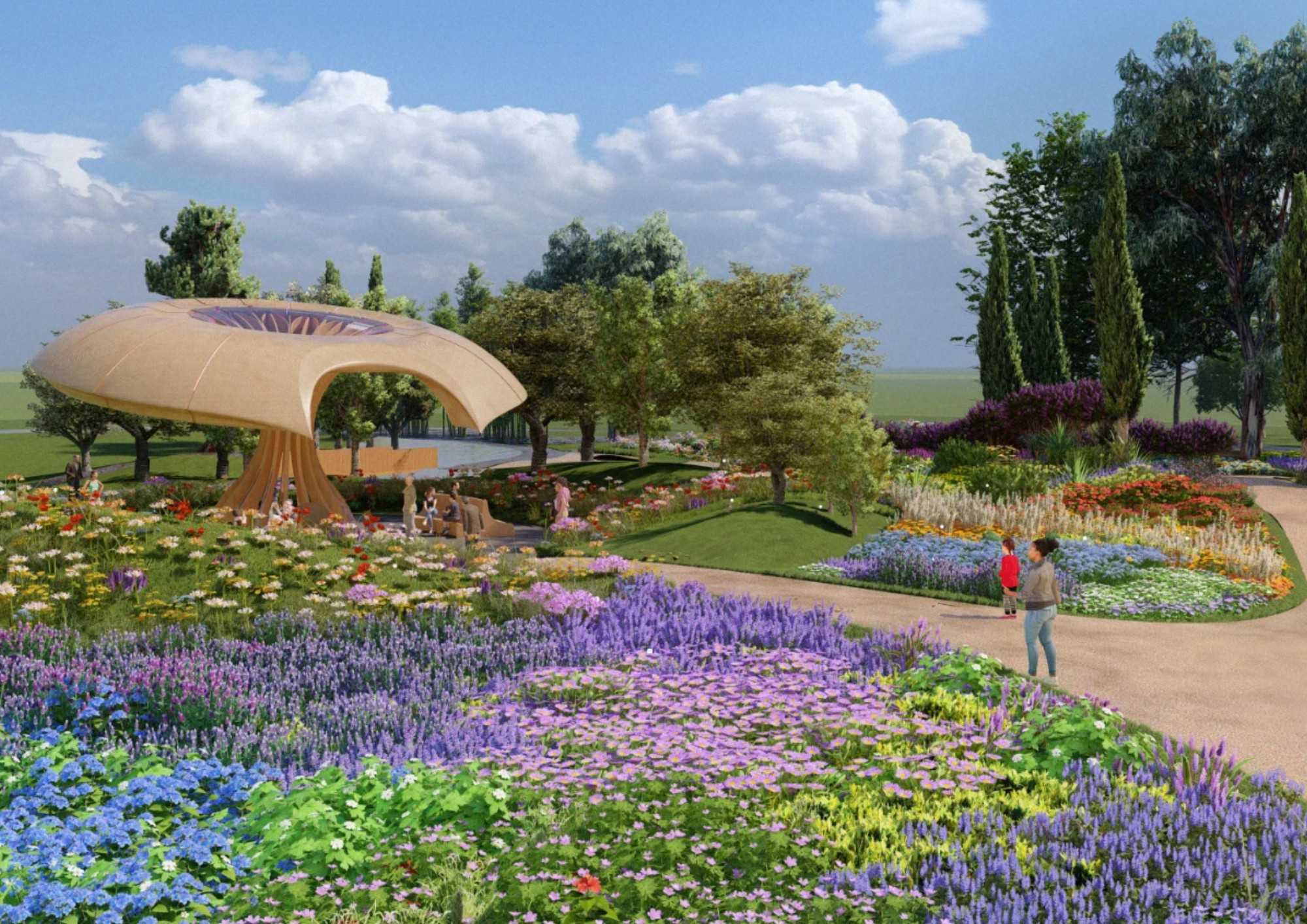


The space will also provide shelter for school or community visitors, while the pavilion’s forward-tilting canopy will direct rainwater into a dedicated rain garden.
This project marks a return to the Kew Gardens for architect Mizzi, who designed the wonderous Family Kitchen restaurant in 2021.
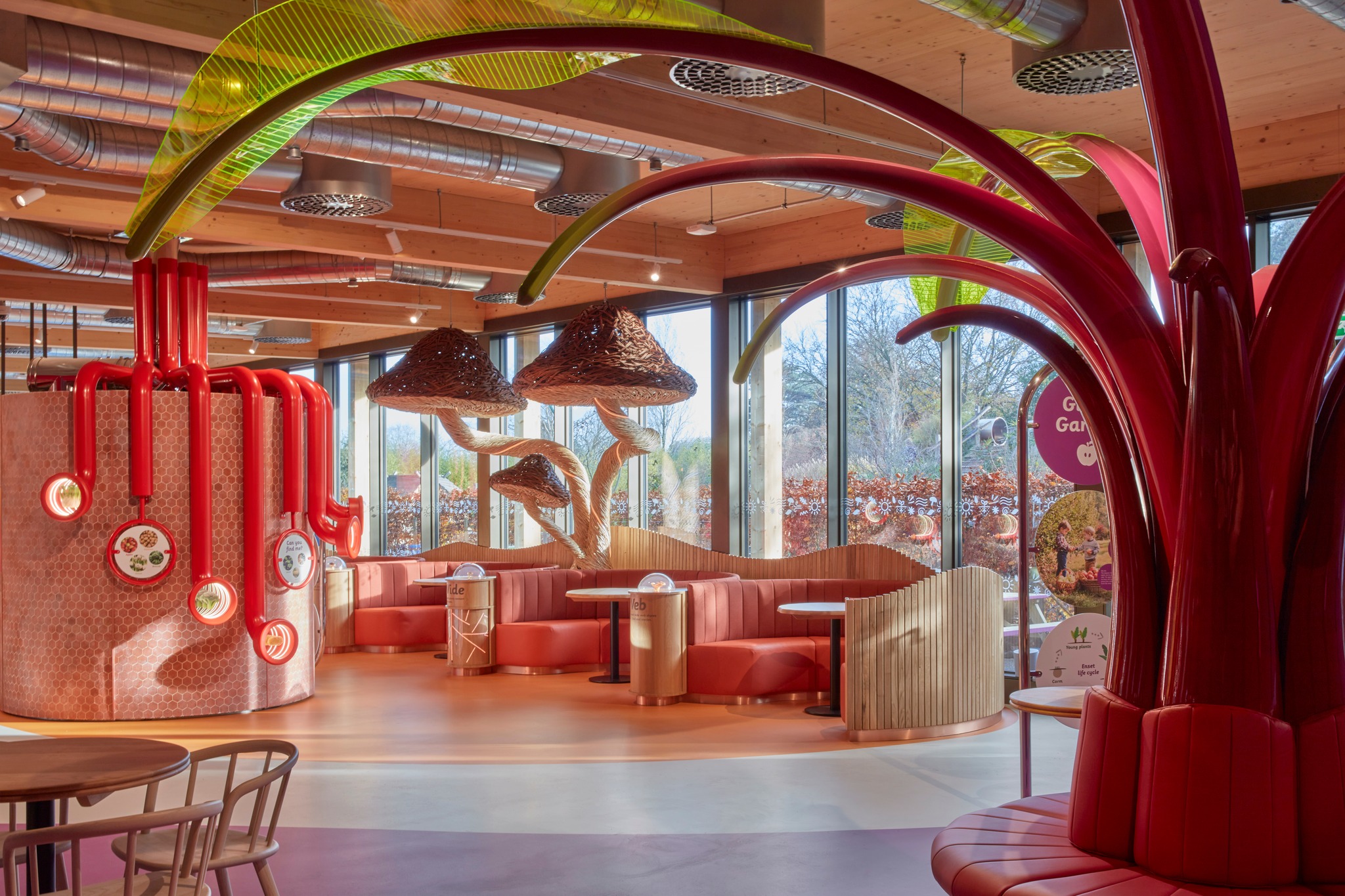
Commenting on the project, he shared “We hope it sparks a sense of wonder and urgency – proving that harmony with nature isn’t just possible; it’s essential to our survival,” while adding that this approach is also critical for Malta, “where rising temperatures and urban heat stress demand urgent action.”
Images via Mizzi Studio
If you enjoyed this article, you might be interested in: Buckingham Palace welcomes visitors to its newly-restored east wing for the first time in 175 years