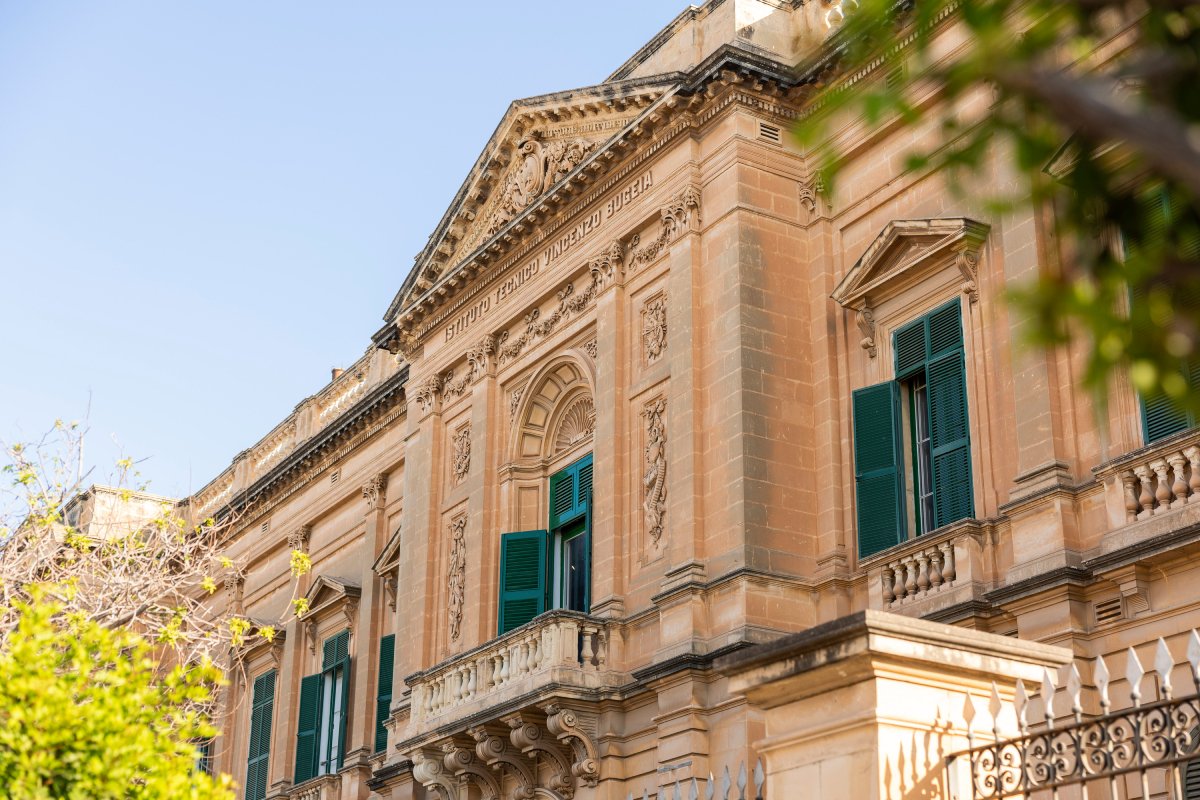
Named after the Maltese businessman and philanthropist who founded it, the Vincenzo Bugeja Technical Institute in Santa Venera is a landmark of this town, along with its elder sister some 500m away, the Conservatorio Vincenzo Bugeja.
Commissioned in the 19th century, both of these sprawling buildings were conceived with one aim: to serve underprivileged children in Maltese society at the time and prepare them for the world that existed beyond their gates.
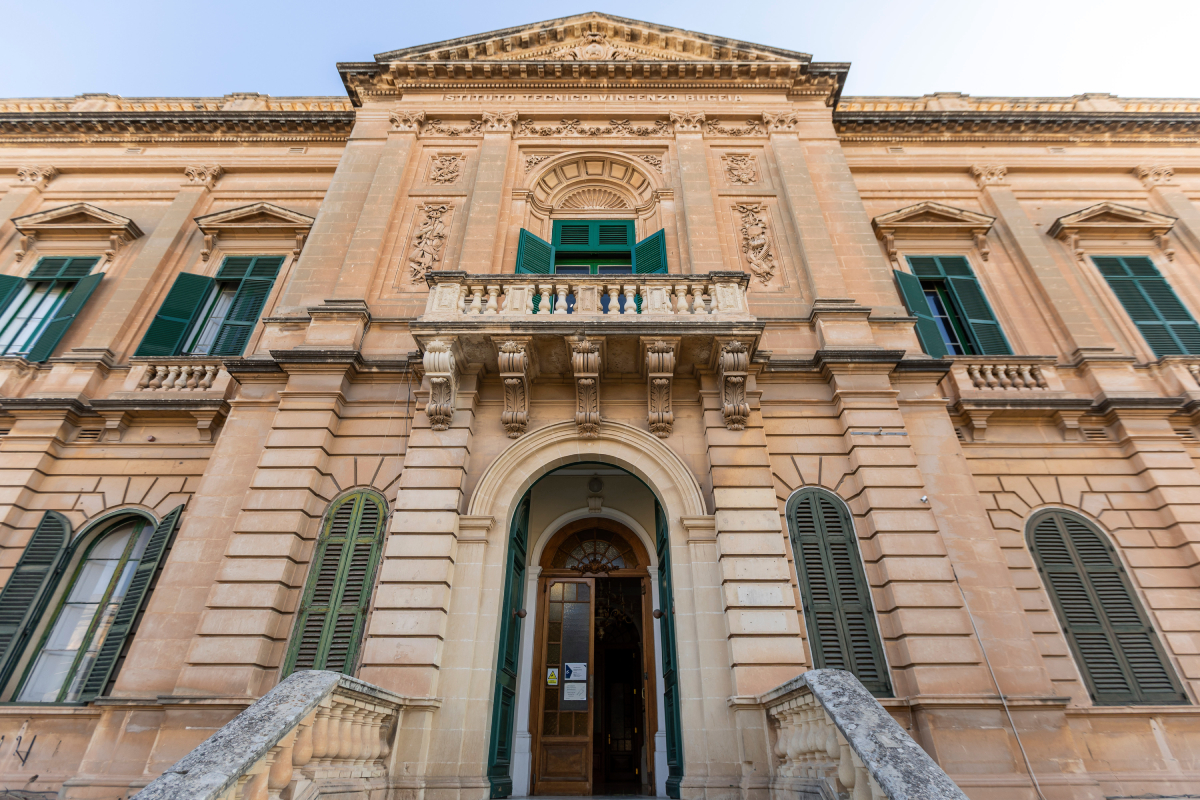
They are both located along St. Joseph High Road, but while the Technical Institute served as a trade school for boys, the Conservatorio functioned as an institute for girls. Both buildings are scheduled Grade 2 by the Planning Authority.
A Classical style
Inaugurated on 1st November 1914, the Technical Institute marks a collaboration between two eminent figures of 19th century Malta: architect Emanuele Luigi Galizia and Marchese Vincenzo Bugeja himself.
Andrew Mamo, Chairman of Conservatorio Vincenzo Bugeja Foundation, notes that not much is known about the design and construction of the Institute, however, its French classical style is said to have followed that of the Louvre in Paris.
“The building follows the form of a triangle measuring circa 5000m² with facades on two streets – one on St. Joseph High Street and the other on Braille Street. It has a footprint of circa 1,245m²,” says Andrew. Built in the early 20th century, it spans three floors with a large open space at the back that today is used as a car park.
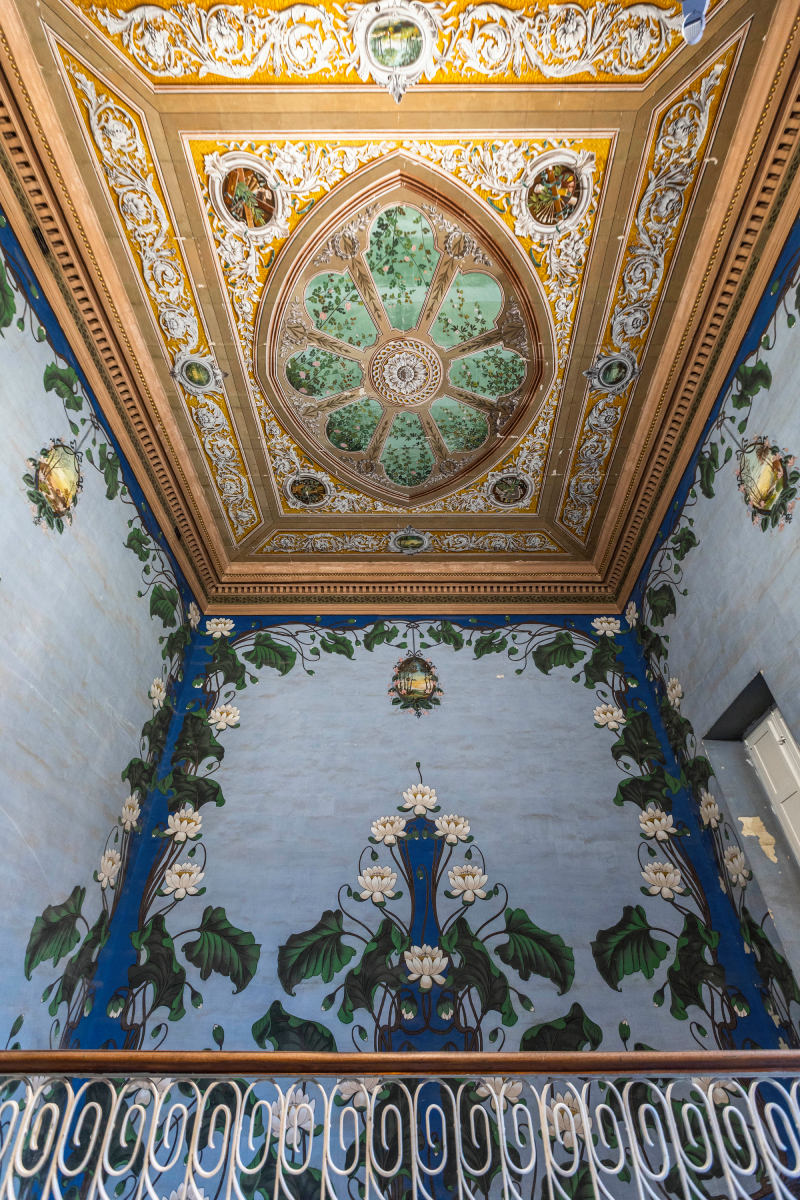
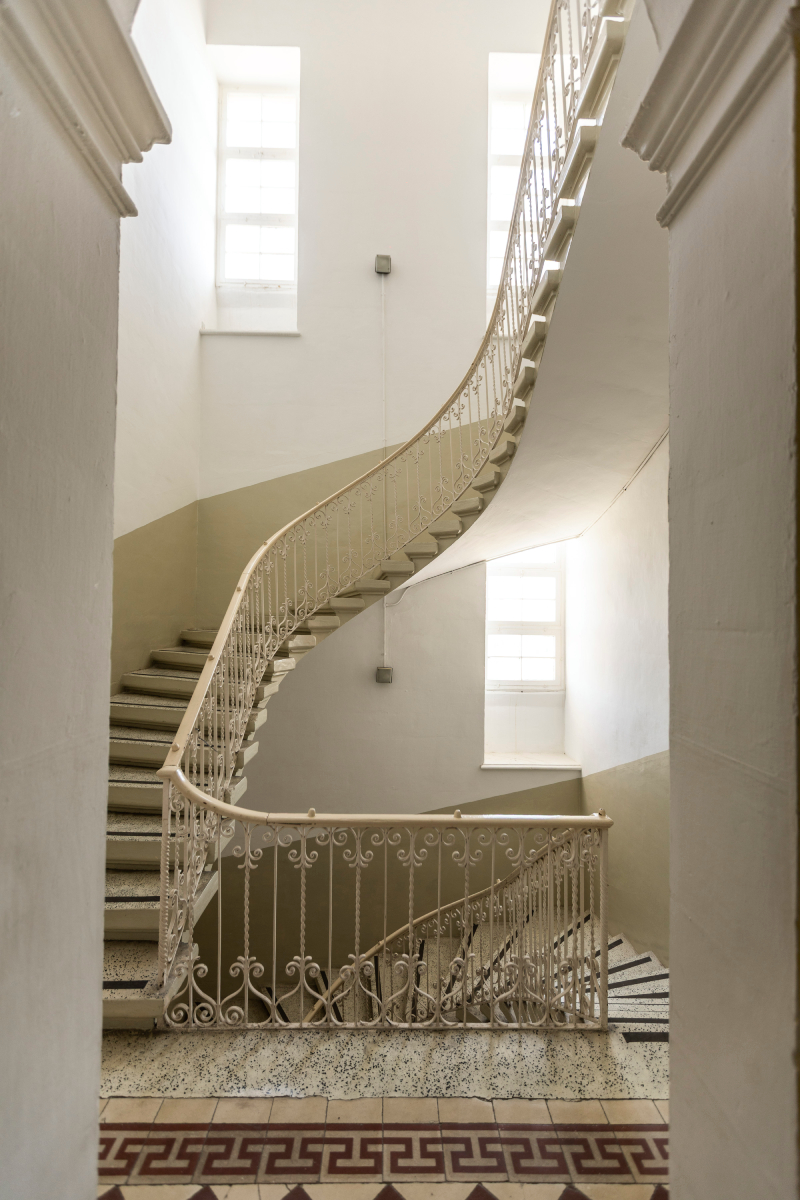
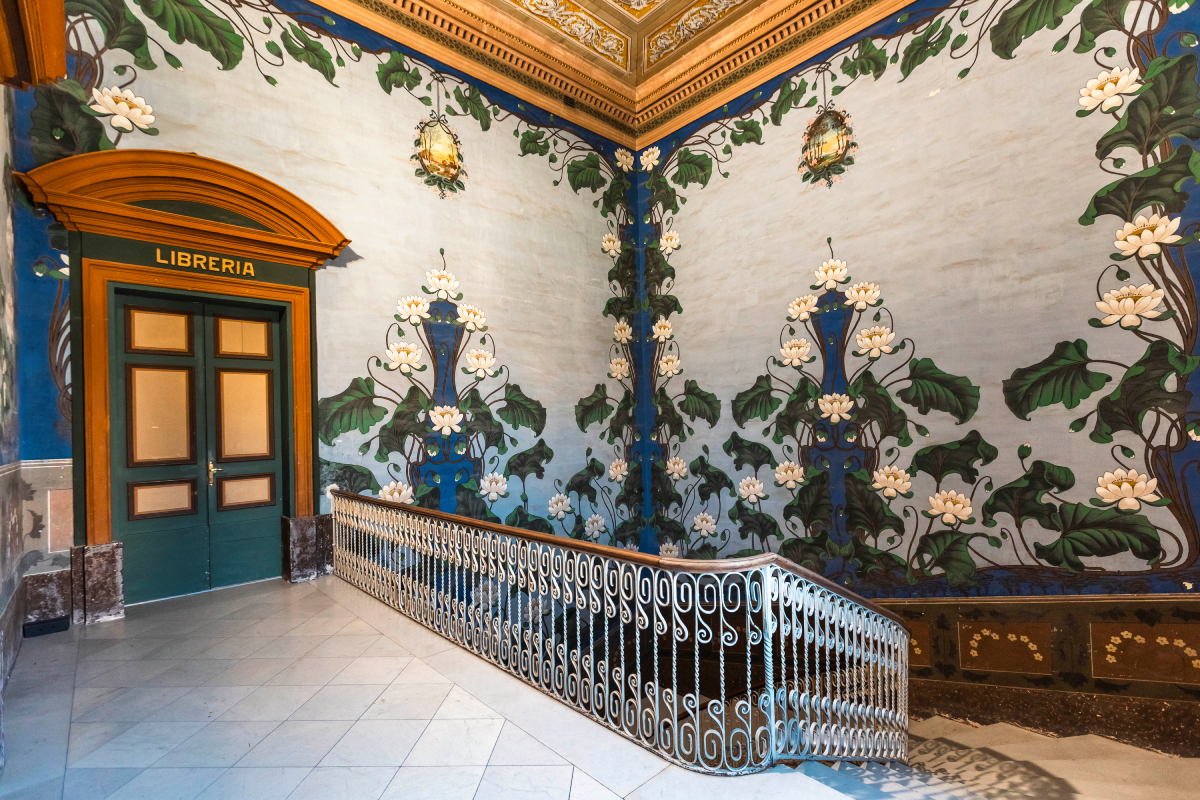
“Upon entry, one is greeted by a grand reception hall. To the right, an ornately frescoed main staircase can be found that provides access to the first floor. Beyond this is a second hall that gives access to the majority of the property’s interior via a ring corridor,” he describes.
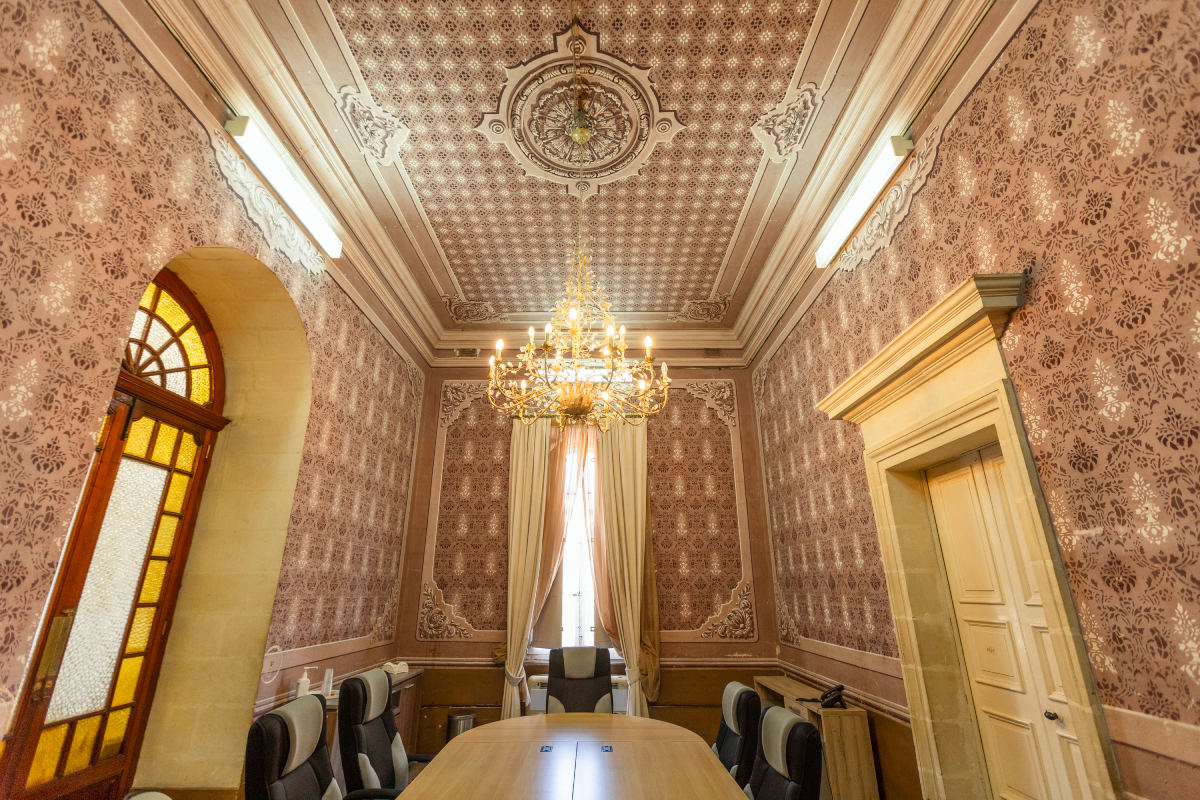
“Opposite the main reception is a large conference room. The facade found on St. Joseph High Street features around 13 windows on each floor. Two secondary staircases can be found along with six additional offices and four internal courtyards. On the upper level, there was once a library containing approximately 700 books related to the trades the boys were meant to learn.”
Built to serve
The building boasts a robust design, yet its functional purpose didn’t diminish its aesthetic.
“What is particular in terms of the building being Galizia’s work is that whereas in numerous other projects one can observe strong Neo-Gothic and Ottoman references (Addolorata Cemetery, Turkish Cemetery and Villa Alhambra), the Istituto is in a contrasting Neo-Classical style,” the Chairman notes. “This demonstrates the versatility of Galizia’s ability to work in different styles.”


“Furthermore, we are not fully aware, and maybe we will never be, of the extent of Galizia’s and Bugeja’s relationship. The project of Istituto is at least a brick-and-mortar memoir of the collaboration of these two great gentlemen that helped define Victorian Malta.”
A remarkable history
The building – which was completed after Bugeja’s death in 1890 – went on to serve several other functions throughout the 20th century. It was set up as a military hospital during WWI and then a school for minor delinquent boys. In World War II, part of the building was again used as an emergency hospital while, for several years now, it is being used by the Social Care Standards Authority.
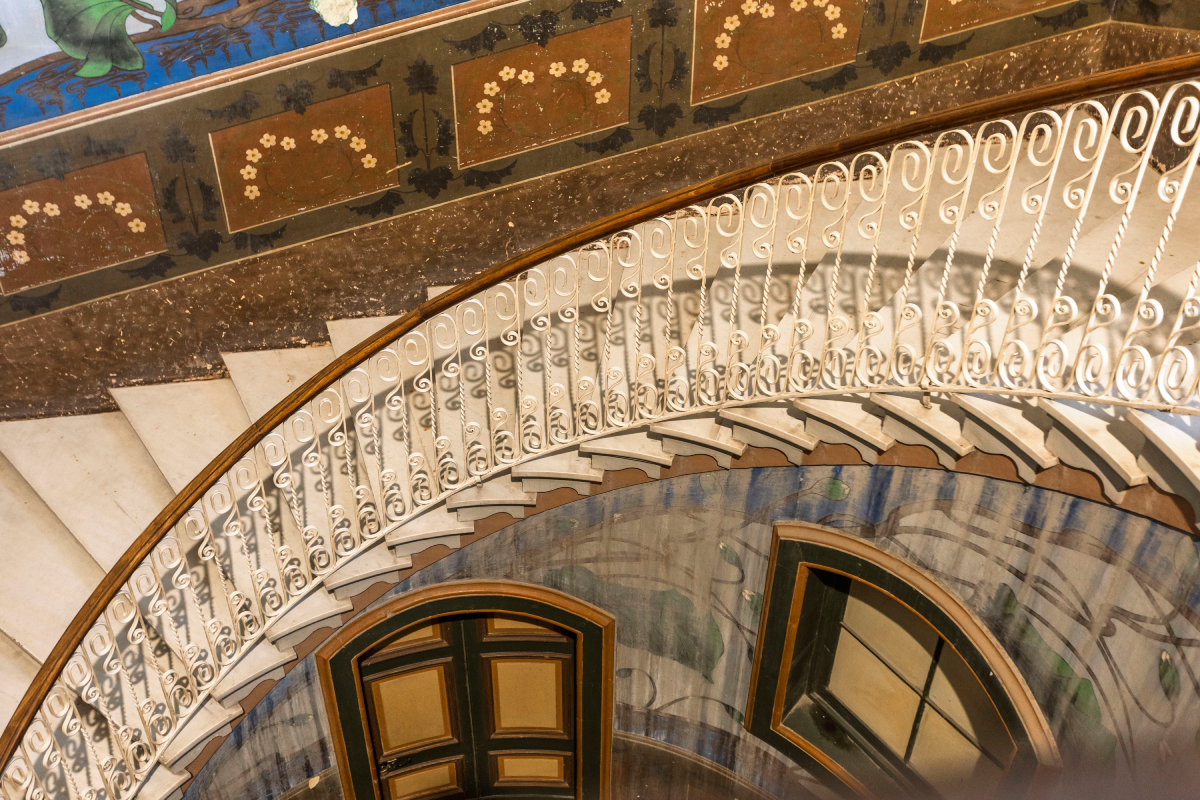
Inside, the Institute doesn’t fail to amuse. The main staircase remains a source of wonder for anyone who visits, where its frescoed walls and ceiling bring an unexpected air of grandeur.
Embellished in the Art Nouveau style, the decorative foliage and floral motifs are believed to have been painted by Paul Galea (1883-1940), a decorator from Rabat whose work is also preserved in private houses, clubs and churches.
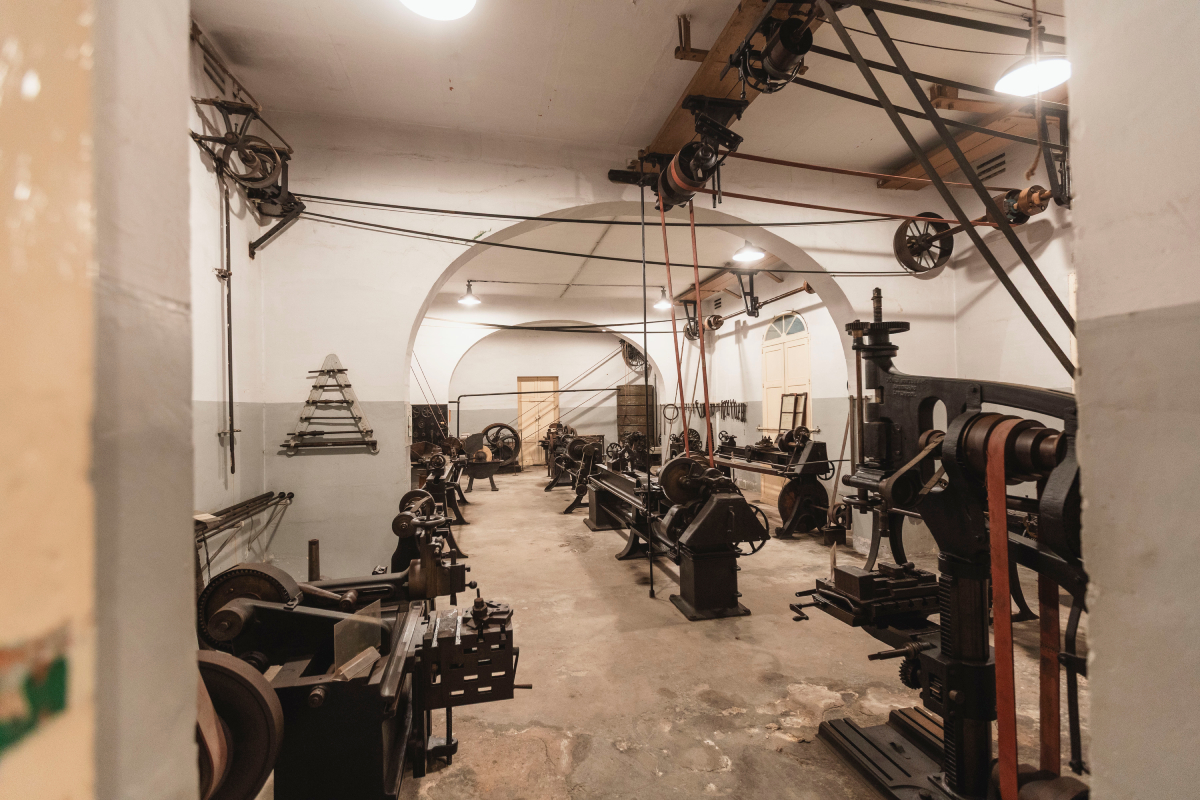
The workshops, located in the basement and established as early as 1903, are also well-preserved. Intended to train young boys in woodworking and metalworking in a system of apprenticeships, they have been cared for by the Vincenzo Bugeja Foundation for decades, who recently handed the baton over to the Malta Industrial Heritage Association (MIHA).
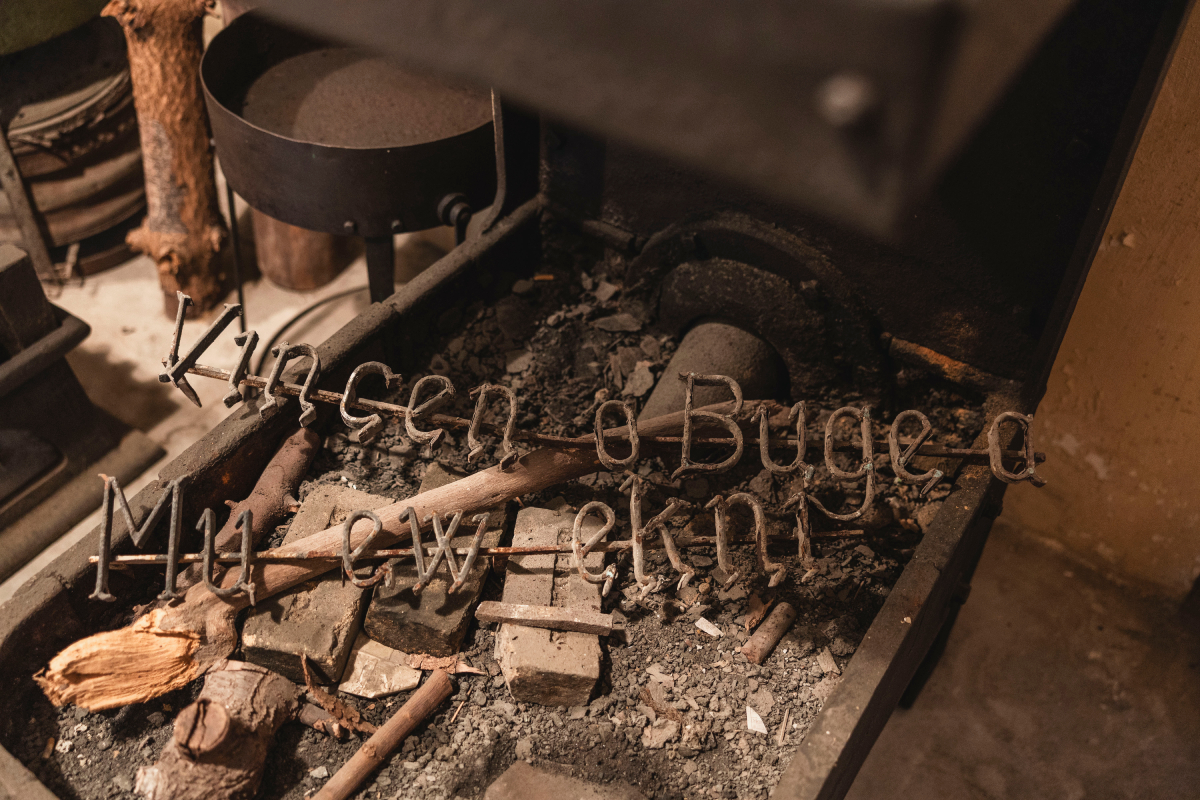
“Among the museum’s main highlights are the steam engines, which remarkably are still in working condition. In every era, the Conservatorio Vincenzo Bugeja has responded to society’s needs with compassion and vision,” says Andrew. “With MIHA’s support and with the strength of our partnerships, we will continue to honour that legacy and to plant seeds of hope for generations to come.”
Photography: Jean Marc Zerafa for Kamra tal-Periti