Located within the square of the quaint and quiet village of Ghaxaq, the recently inaugurated Palazzo Castagna boutique hotel has set a new landmark in the south of Malta, and a picturesque one at that.
The palazzo – which is believed to have been first occupied in 1755 by newlyweds Angelo Castagna and Theresa Mangion and eventually their four children Salvu, Maria, Margerita, and Filippu – cuts an imposing figure in the village square with its revived stone walls and blue apertures, a theme that continues beyond the front door and permeates most of the common spaces of this high-end boutique hotel.

Directors and owners Rudolph and Alison Spiteri Sacco tell DesignDispatch how they purchased the palace back in 2019. Works began in 2021 after all permits were acquired, following which it took one and a half years to complete the restoration and fit-out of the palazzo into a boutique accommodation.
“The place was built in the 1700s, around the same time that the church was being built. The features are in line with the era of the Knights of St John’s rule in Malta, when palaces were built in the centre of villages. The influence of the church is very prominent in the building as well; it has its own private chapel that was built in honour of Santa Maria,” they share.

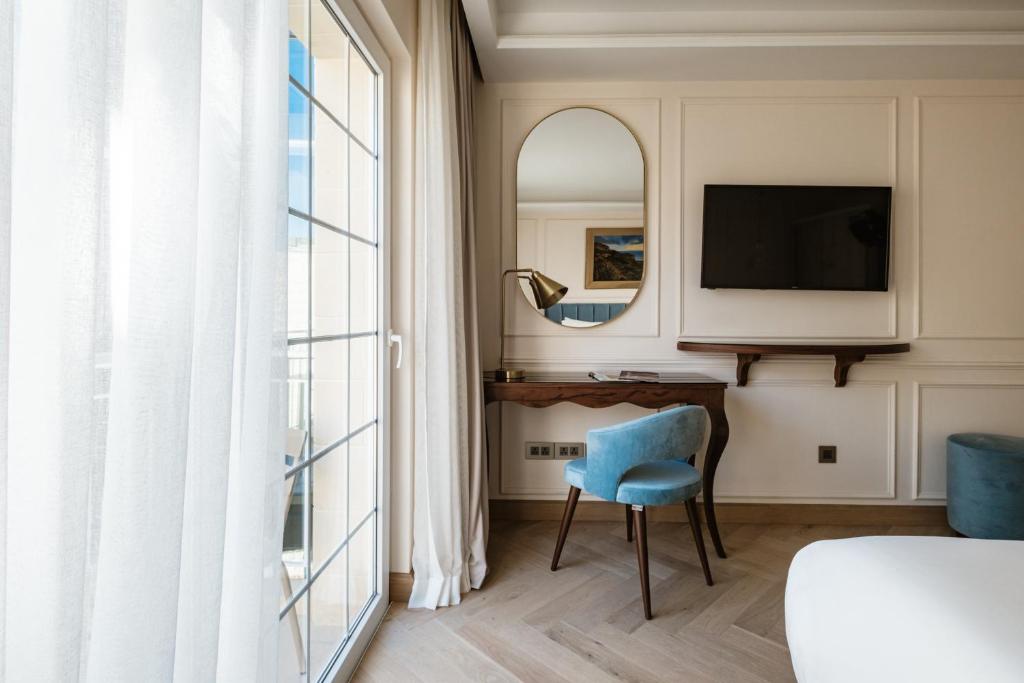
Explaining their design direction for the historical property, Rudolph and Alison say the rooms, which benefit from ample natural light, adopted a contemporary aesthetic with cool tones, wood flooring and neutral finishes “to blend with the Maltese stone that is so prominent in the common parts of the hotel.”

“In the common areas, a rich royal blue was used to create a feeling of aristocracy that the palace deserves”, while original 18th century frescoes that adorn the former chapel and Sala Nobile – the latter now converted into a restaurant – were painstakingly analysed and restored, and traced back to their origins with the help of an appointed expert.

History and charming artistic and architectural details can be felt throughout the common spaces; be it inside the main restaurant, at the elegant Café Castagna, in the outdoor tea garden adorned with a water fountain, and on the rooftop, where guests can avail of a picturesque pool and bar area.

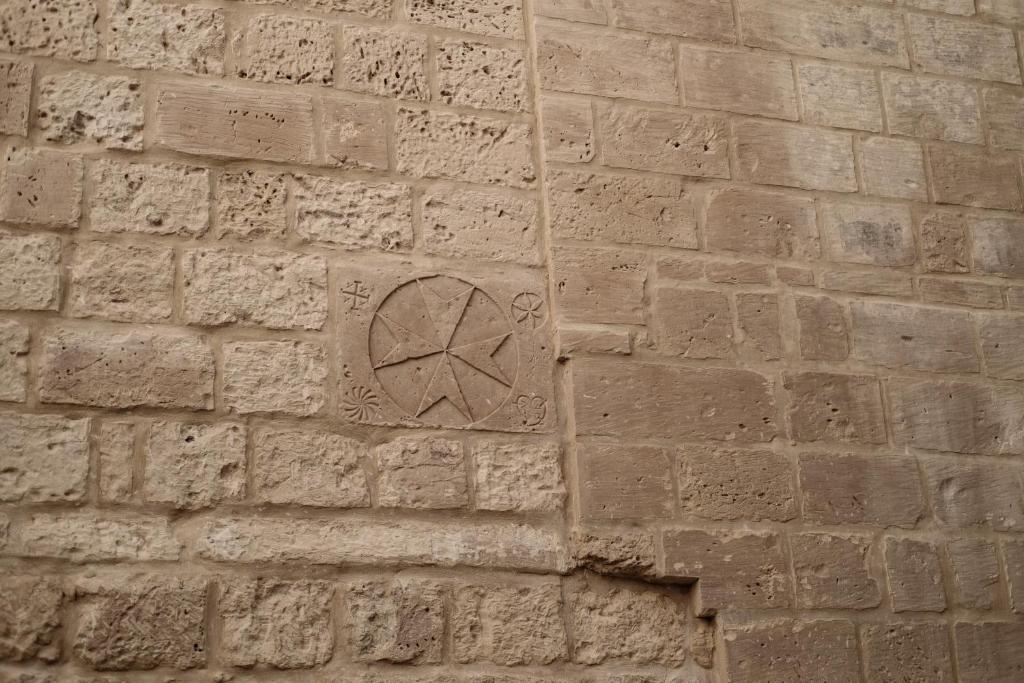
A historically significant discovery made during renovation works is even on display for all to see. “We found and learned that a cross symbol on the garden walls which we assumed belong to the Knights was in fact the signature of the builder who built the house in the 1700s.”
Rudolph and Alison, who brought a wealth of turnkey contracting experience to this project, went to great lengths to deliver an end result – along with a team of Italian designers – that respects the original fabric and storied past of the building which culminated with the legacy of the youngest Castagna sibling, Filippu (born in 1766) who went on to become the last governor of Gozo and a key figure in the revolution against the Knights and later during the French occupation.

“The history of the place is remarkable, and knowing we were working towards preserving history that would have otherwise been lost in time – and that the son of the original owners of the house would help change the course of Maltese history – fills one with a pride that cannot be described.”
Photography: Palazzo Castagna