In the ever-changing and evolving world of interior design, the start of a new year is accompanied by anticipation and excitement from the design world and enthusiasts alike on new developments that will define the industry in the year ahead – and 2025 appears to be no exception. DesignDispatch spoke to Sara Brincat, Carlo Schembri and Martina Fenech Adami for their top predictions that will shape the next 12 months.
Sara Brincat – Head of interior design, Form.Draw
“My prediction for 2025 is more emphasis on sustainability as a state of mind through furniture and furnishings, focusing on products manufactured using durable or recycled materials coupled with timeless design. The creations of the top furniture craftsmen of the 20th Century are still present in almost every magazine in one form or another, and still continue to prove their relevance in today’s design,” says Sara, who leads the interior design department at Draw studio.
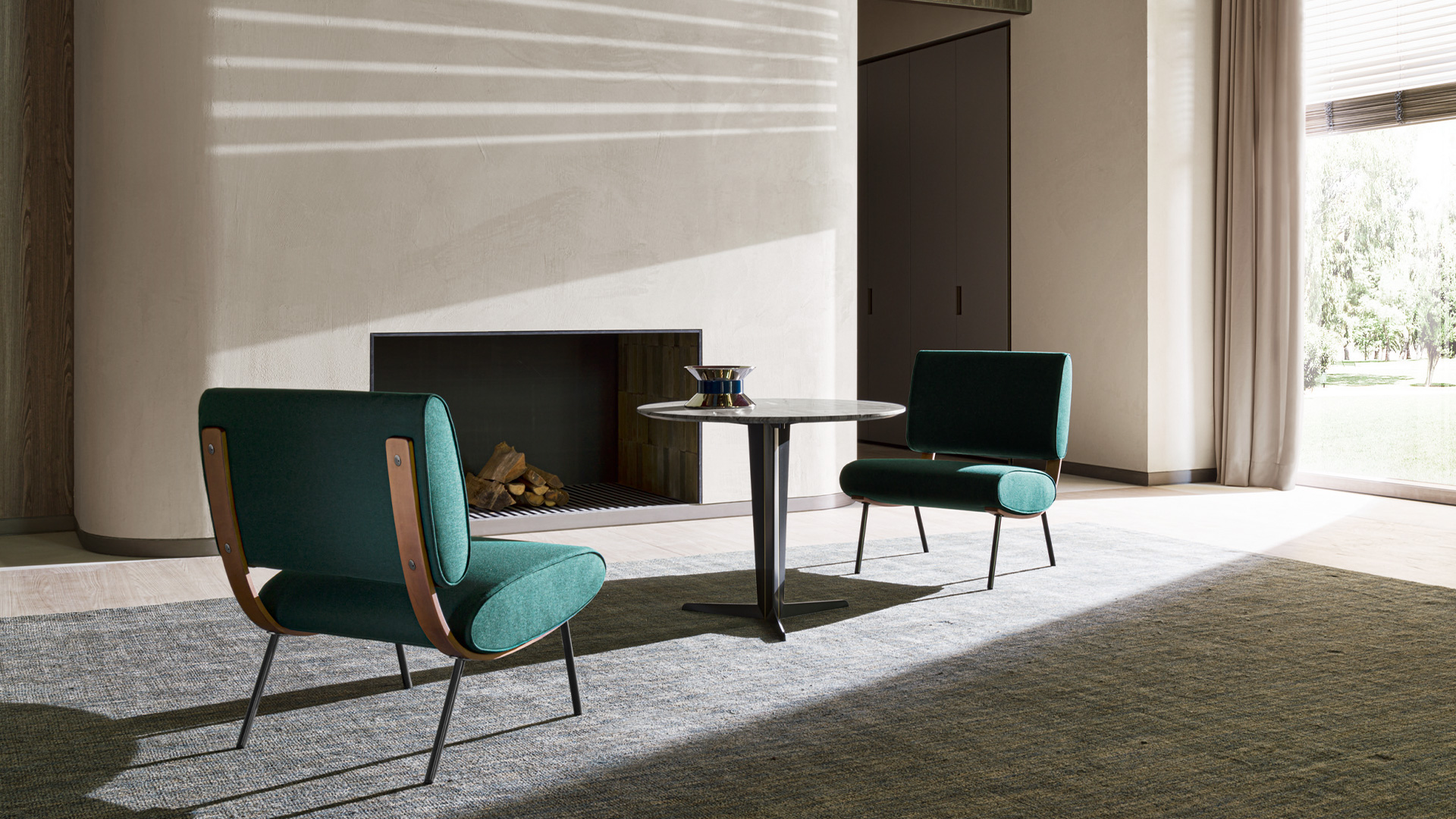
Her favourite example of this is Molteni&C’s iconic round lounge chair by Gio Ponti, which although designed in the 1950s, flaunts an ageless, modern shape. “It compliments every space, especially as it allows you to configure the finishes throughout, to blend in or stand out, giving your stamp onto the piece,” she adds.
“Taken from one of the most famous advertisement campaigns, ‘You never really own a Patek Philippe, you merely look after it for the next generation’, highlights this perfectly.”
Carlo Schembri – Artistic director & designer
With a design practice in the local and international scene spanning more than 25 years, Carlo has witnessed countless changes within the industry, and this year, he anticipates sustainability, locality, and personalised storytelling to be major players.
“The intention is to always adapt global trends to our unique style in Malta. These include biophilic design; the integration of natural elements such as limestone, sustainable woods and local cement tiles; earthy colour palettes featuring sun-kissed yellows and oranges, Mediterranean blues, and rock fauna neutrals; as well as a focus on artisanal and handmade designs,” says Carlo.
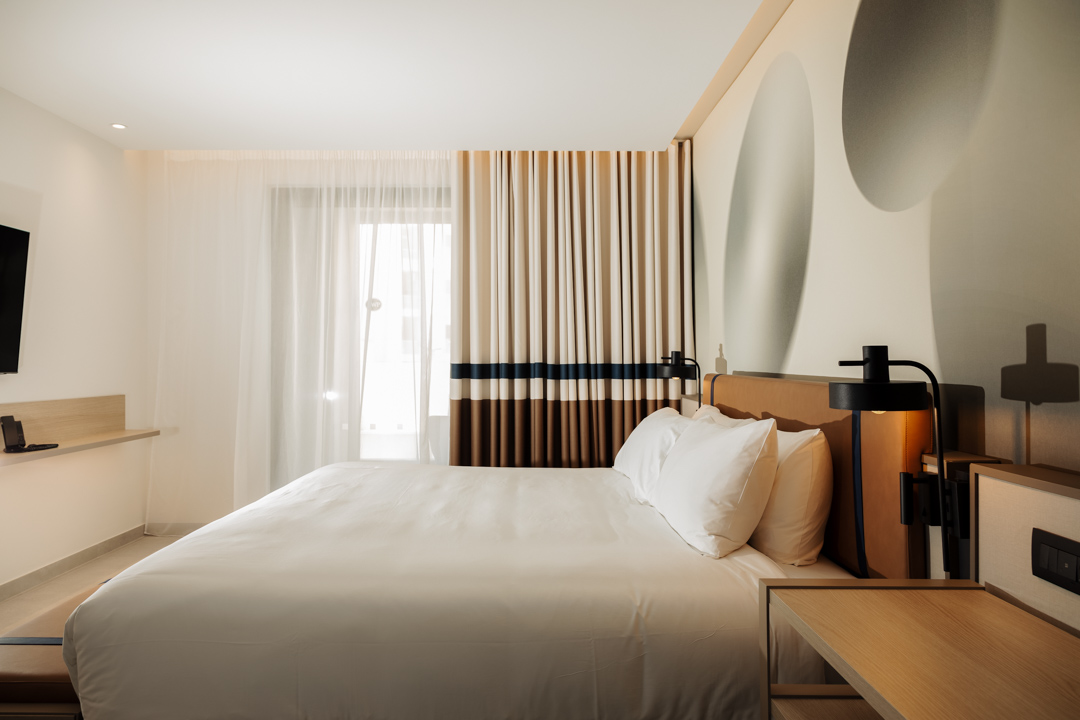
The designer – who led a studio in Milan between 2007 and 2015 and today collaborates with &Bold Studio for a seamless implementation of the design process from the start to the completion of a project – highlights the importance of local craftsmanship by collaborating with Maltese artisans for bespoke furniture, lighting, or ceramics, as well as handwoven textiles or traditional Maltese patterns interpreted in modern ways.
“The focus on locally-sourced, eco-friendly materials minimises environmental impact, translating into a sustainable design approach,” says Carlo. “In addition, I believe we’ll continue seeing a simplification of spaces with clean lines and uncluttered layouts, emphasising natural light and airflow – a sort of Mediterranean Minimalism that results in cosy, functional designs with open-plan layouts that connect indoor and outdoor spaces.”


Carlo emphasises that designing for health and wellness inside our homes is at the centre of this – ultimately personalising spaces that blend contemporary design with cultural narratives, weaving in references to Malta’s history and traditions, and using bold accent pieces, such as artwork or sculpture, inspired by local landmarks.
Martina Fenech Adami – Founder, Studio NiCHE
Martina’s love for colour is evident in many of her projects – and colour washing is a trend she believes, and hopes, we’ll be seeing more of.
“Colour washing is an emerging interior design trend that involves using a single colour in varying tones across walls, ceilings, and sometimes even trims to create a soft, immersive environment,” she explains. “Unlike monochromatic schemes that may use stark, separate shades, colour washing uses a blend of hues from the same colour family, subtly layered or brushed on to add texture, depth, and warmth.”
The technique gives a room a cozy, cocoon-like feel, she explains, making spaces feel simultaneously expansive and intimate. Used predominantly with muted colours, particularly earthy tones like terracotta, sage, or clay, colour washing is especially effective for creating a calm, harmonious atmosphere that feels equally modern and timeless.

“The trend leans into the natural and handmade aesthetics, often using mineral-based or limewash paints, which enhance the effect by adding a subtle, organic texture,” says Martina. “Sensorial deign is another trend we should be seeing more of. It emphasises multi-sensory experiences to enhance well-being and mindfulness in the home.”
The NiCHE founder explains that this approach goes beyond visual appeal, incorporating textures, scents, and sounds to create spaces that evoke comfort and tranquillity. “Expect to see materials such as textured plaster, soft woods, and stone finishes paired with soothing colours, ranging from deep greens and muted blues to warm neutrals.”
“Lighting will be softer and layered to create a calming ambiance, while natural aromas from essential oil diffusers or indoor herb gardens add to the sensorial depth. The goal is to create immersive, sanctuary-like spaces that promote relaxation and wellness, reflecting a more holistic approach to living environments.”
Main photo: Ramon Portelli
If you enjoyed this article, you might also be interested in: How colour and creative use of space give personality to this Cospicua studio apartment