Renowned for her lively and curious characters etched from clay, artist and art historian Francesca Balzan is days away from presenting a new collection of sculptures that marks a distinctive mood in both tone and message.
Through this translucent collection created from 3D printed porcelain, Francesca takes a stand against the unrelenting nature of digital technology and the culture of perfection that it perpetuates, confronting whether man, in the end, really does have the upper hand against machine.
The research question might be hefty, but the starting point for Incunabula 1474-2025 stemmed from a place of joy for the artist: the National Library in Valletta. Presented with the idea of hosting an exhibition there by curator Justine Balzan Demajo, Francesca accepted without hesitation.
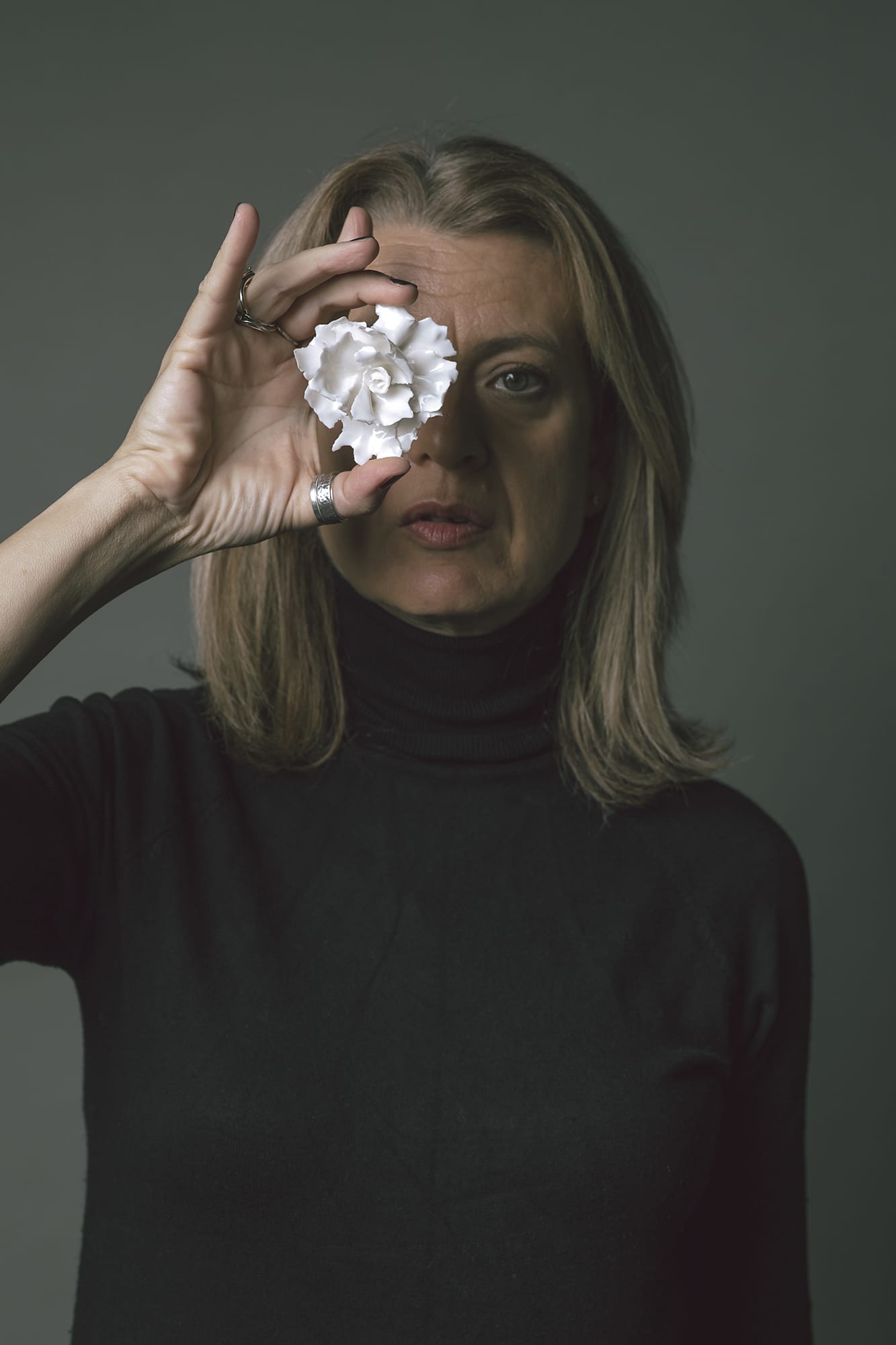
“I love the space and it means a great deal to me. I had spent many years researching there as an art historian, and I was tickled by the idea of returning as an artist,” she tells DesignDispatch.
The making of Incunabula
Revisiting and reinterpreting the past is a recurring element of her art. “Many times, my artworks start with a deep dive into archives and libraries or into the reserve collections of museums. I am drawn to unearth facts and objects and give them new life through my art.”
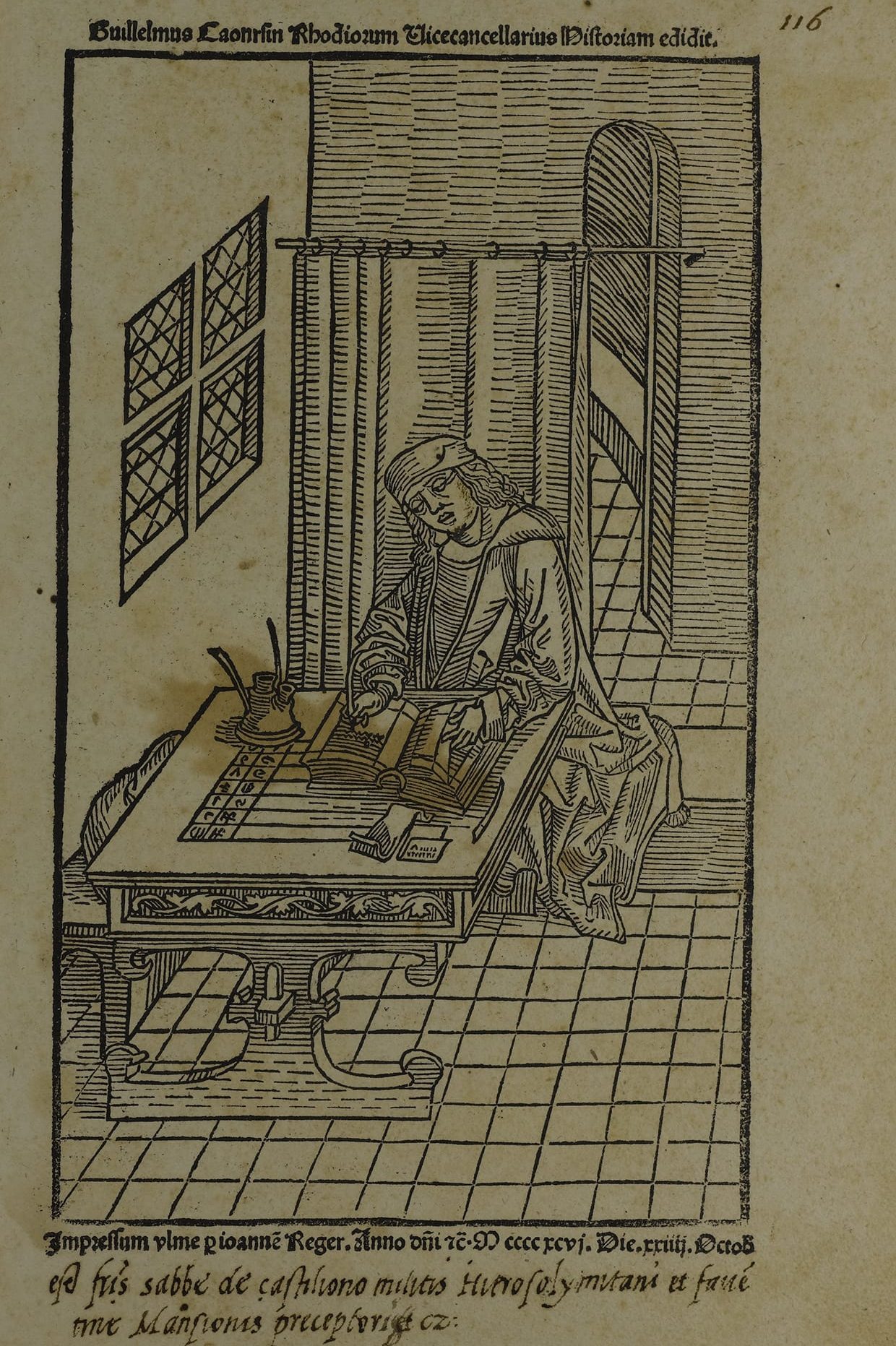
The collection that did exactly that was the library’s Incunabula, which refers to the earliest books printed in Europe between 1450 and 1500, upon the introduction of printing technology.
“The Latin word ‘incunabulum’ implies ‘in its infancy’, as was printing at the time. It struck me that 3D printing today is itself still in this early, incunabula phase and I wanted to pose the question: will the invention of 3D printing have the same impact that the technology of printing had in 15th century Europe?”
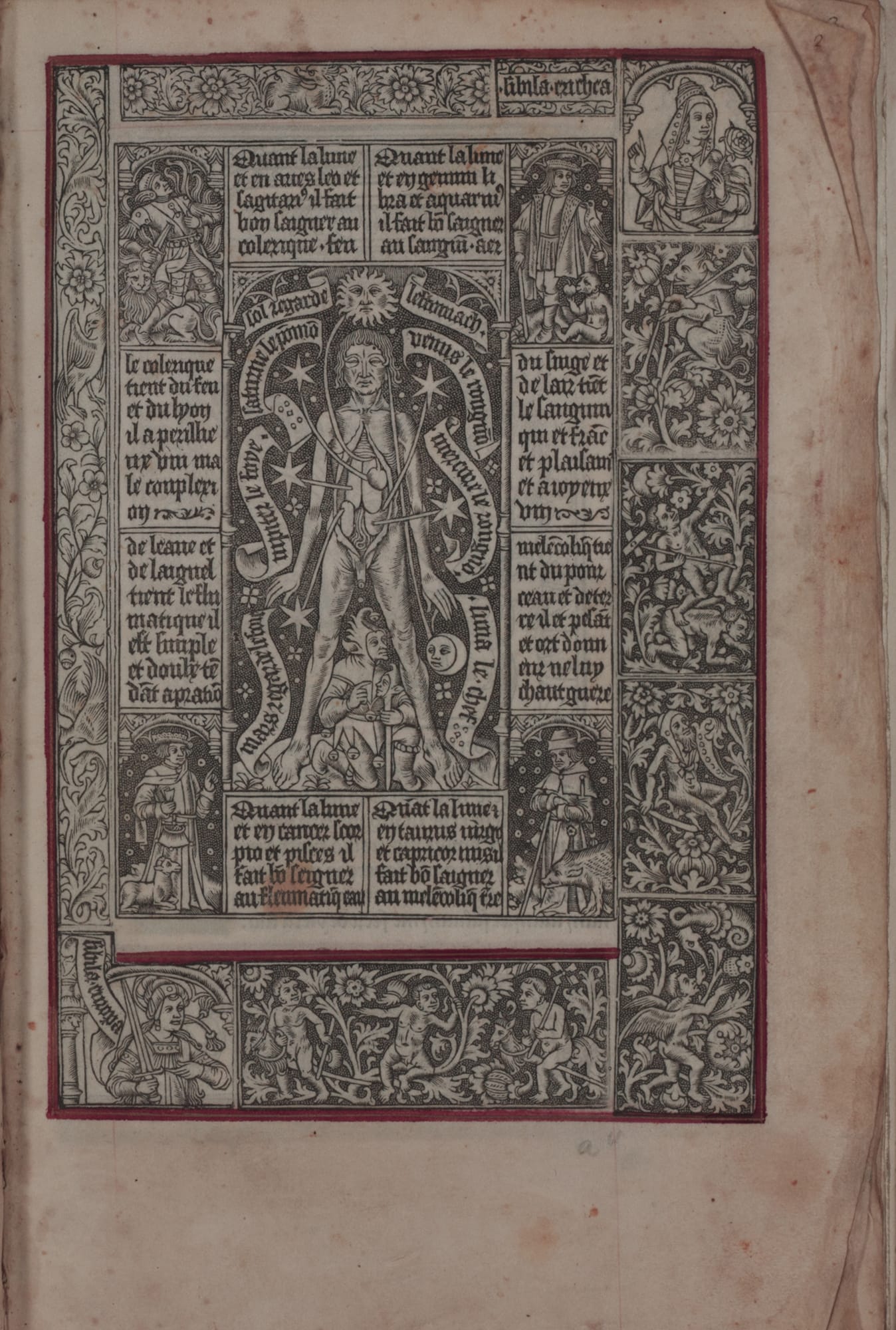
This is not the first time Francesca is experimenting with 3D printing. Just as she had done in ‘Serendipitous Encounters’ in 2021, a project in which she was invited to collaborate with Perit Matthew Catania of Ambitious.mt, where she intervened and disrupted the 3D printing process, she teamed up with him once again to hand-alter objects that he produces through his 3D printer.
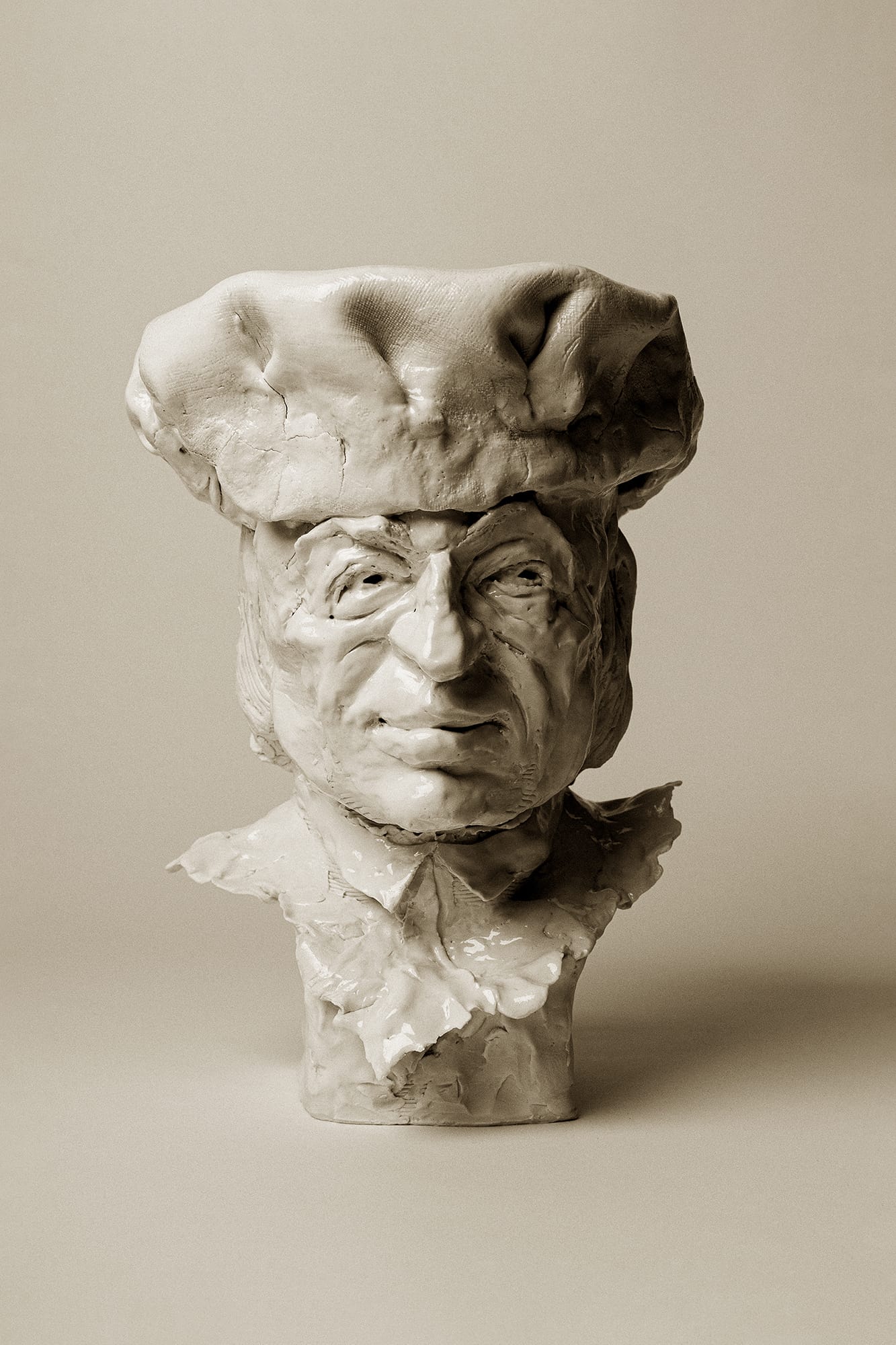
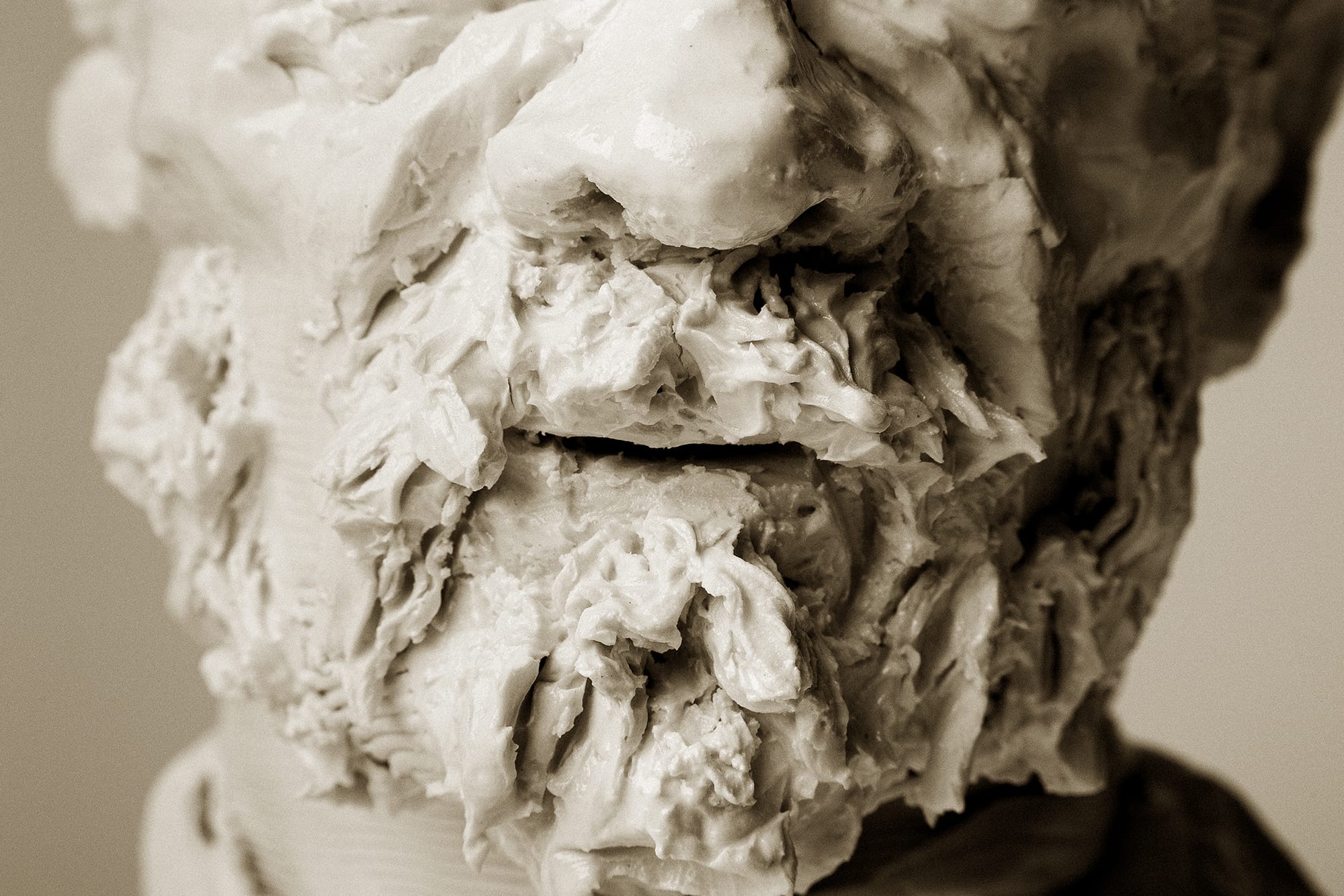
“For this project, Matthew printed generic stylised heads that we designed together, in wet porcelain clay which I then painstakingly assembled, altered, and transformed in an act of resistance against the perceived seamlessness of the digital,” says Francesca.
“I transformed the print by overwriting it, layering over the underlying shape and sometimes hacking away at it. I treated the print as a generic skull that needs flesh added to it to build up an individualised image.”

The message and the medium
The artist’s clay figures are instantly recognisable – quirky, relatable and humorous, whether it’s a serious-looking man with a bow tie and specs or a cheeky woman with a cigarette hanging from her mouth. She brings faces and characters, both real and fictional ones, to life.
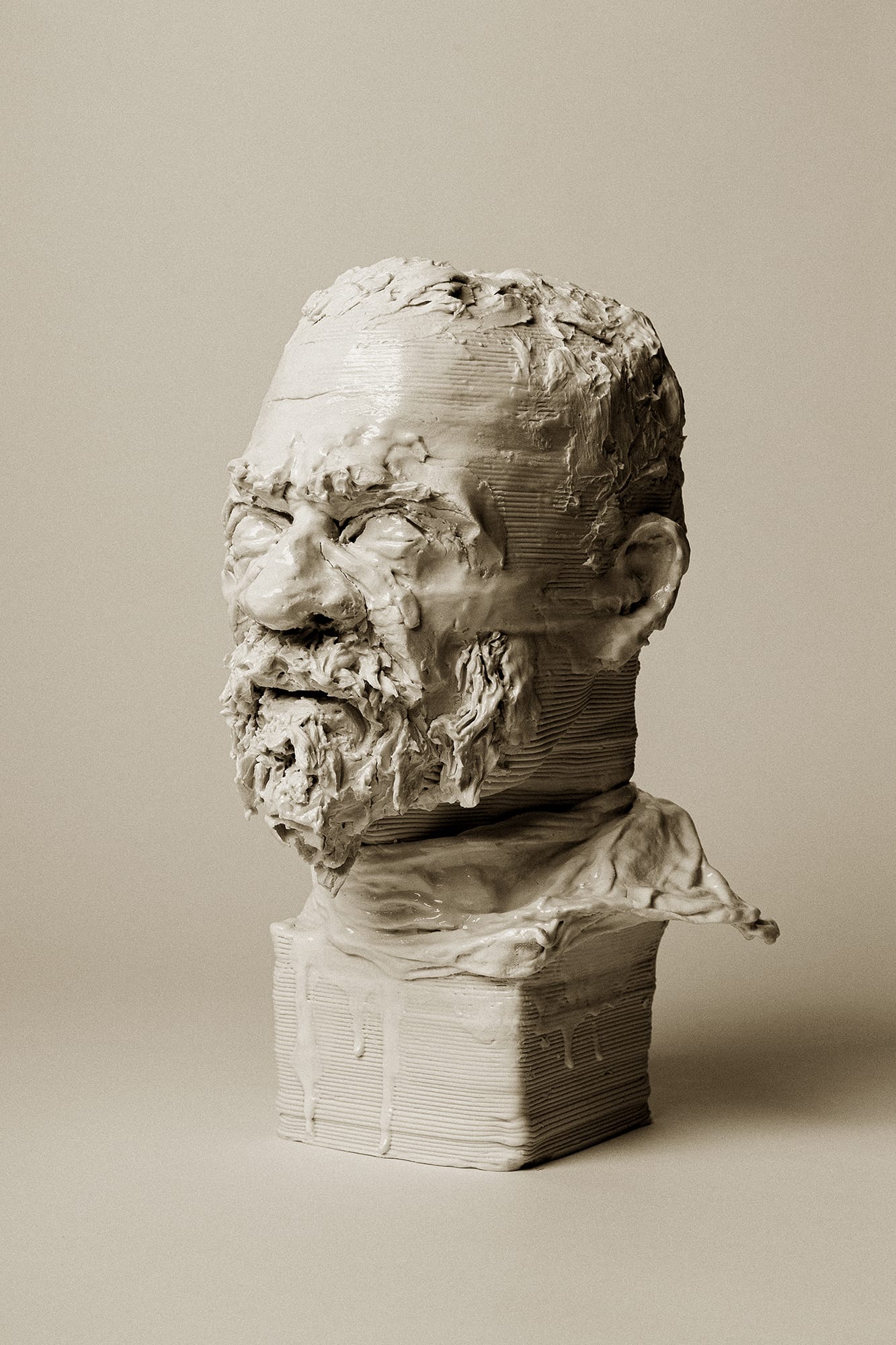
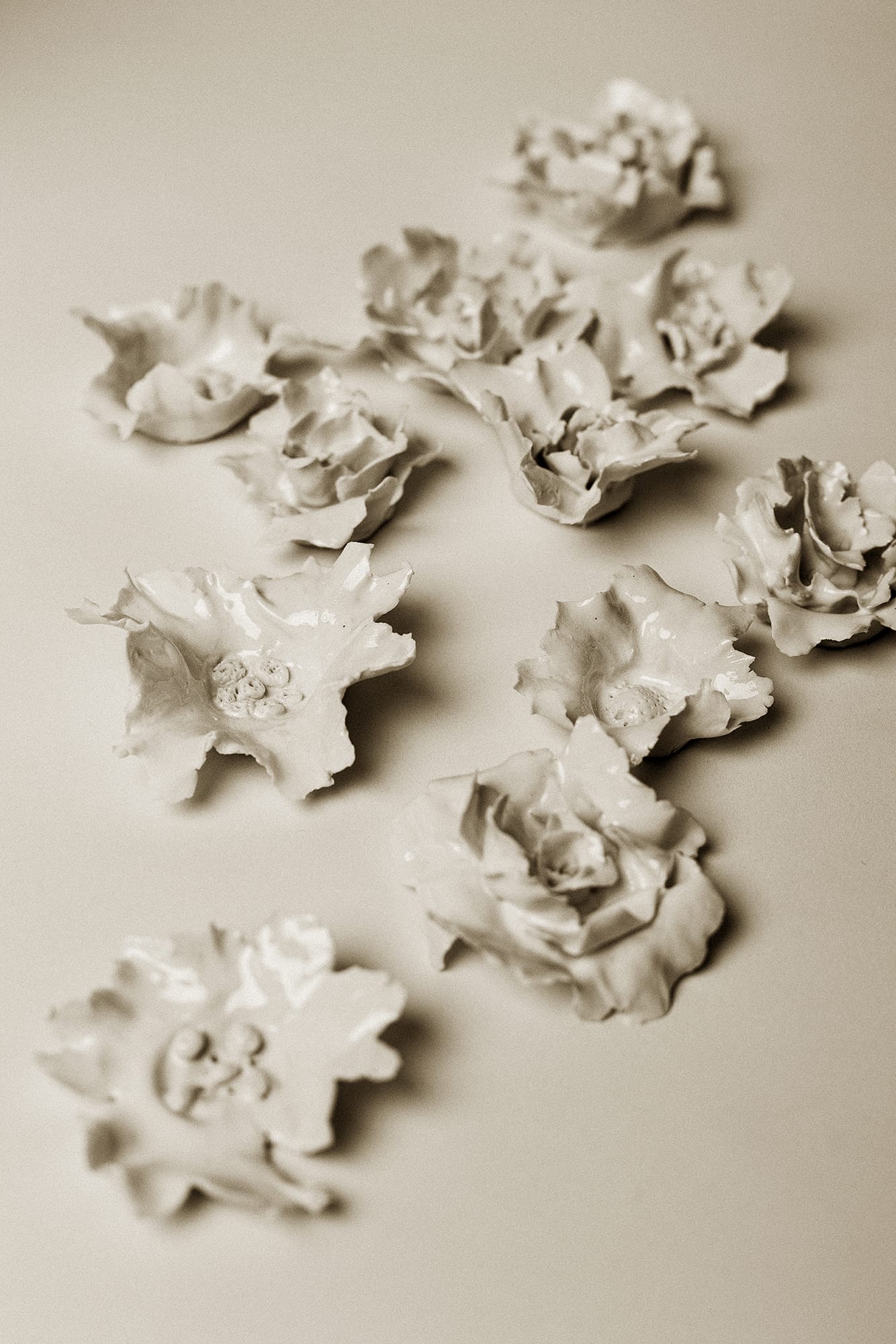
By positioning the National Library’s incunabula collection as the central focus of this exhibition, she fished out characters – whether authors, publishers, previous owners of these books or persons who handled them – and researched ancient and more modern sources such as paintings, coins, sculpture and book illustration to put a face to these names.
“Once I had some images to work on, I was able to flesh out these faces by hand modelling them in porcelain. It was not so much about appropriating established images but about reimagining them and their stories and giving them visages that matched my imaginings of them,” says Francesca.
Known for her love for working with clay, the artist’s decision to use porcelain this time was both a practical one – it could be printed – and a personal challenge.
“When my curator, Justine Balzan Demajo, suggested that I should work exclusively in porcelain for this exhibition, I immediately agreed to do so. Porcelain is considered a more precious and refined clay and has a long history in which it was always valued above other clay bodies. This is due to its pure white colour, translucency when fired, and its beauty that lends itself well to sculpture.”
However, working in porcelain is far from easy. It tends to flop when still wet and doesn’t permit the rough handling that more robust clays allow. “Nonetheless, it is a beautiful medium to work with and I feel that I learnt a lot working obsessively in porcelain over the last year. It intimidates me less, and delights me more.”
The joy of collaboration
Throughout the past year of preparations, Francesca notes the greatest highlight was working with her team. Justine studied the incunabula with the artist, therefore shaping the exhibition as its curator from a position of knowledge and understanding, aided by the helpful staff at the National Library.
The technical skills of Perit Matthew Catania were invaluable for expertly operating the 3D printer, while the photography and catalogue design of Lisa Attard, and video thought-piece by Hannah Dowling completed the team’s creative skills.
“At a late stage we involved metal artist David Mifsud to frame the porcelain high relief cameos that form part of the exhibition. He hand-made each frame and metal fixture to our specifications with the sensitivity and creativity of an artist,” says Francesca.
In the end, Francesca hopes visitors will weigh in on the underlying theme, both a confrontation and reflection on how developments in AI and digital technology are gradually taking over the functions of a human.
“By overwriting what was conceived digitally I am making the point that man still holds the upper hand. But just. And perhaps for not much longer.”
Main photo and artwork photography by Lisa Attard
Incunabula 1474-2025 runs from 14th November until 12th December 2025 at the National Library, Valletta. Open daily, closed Sundays and public holidays.