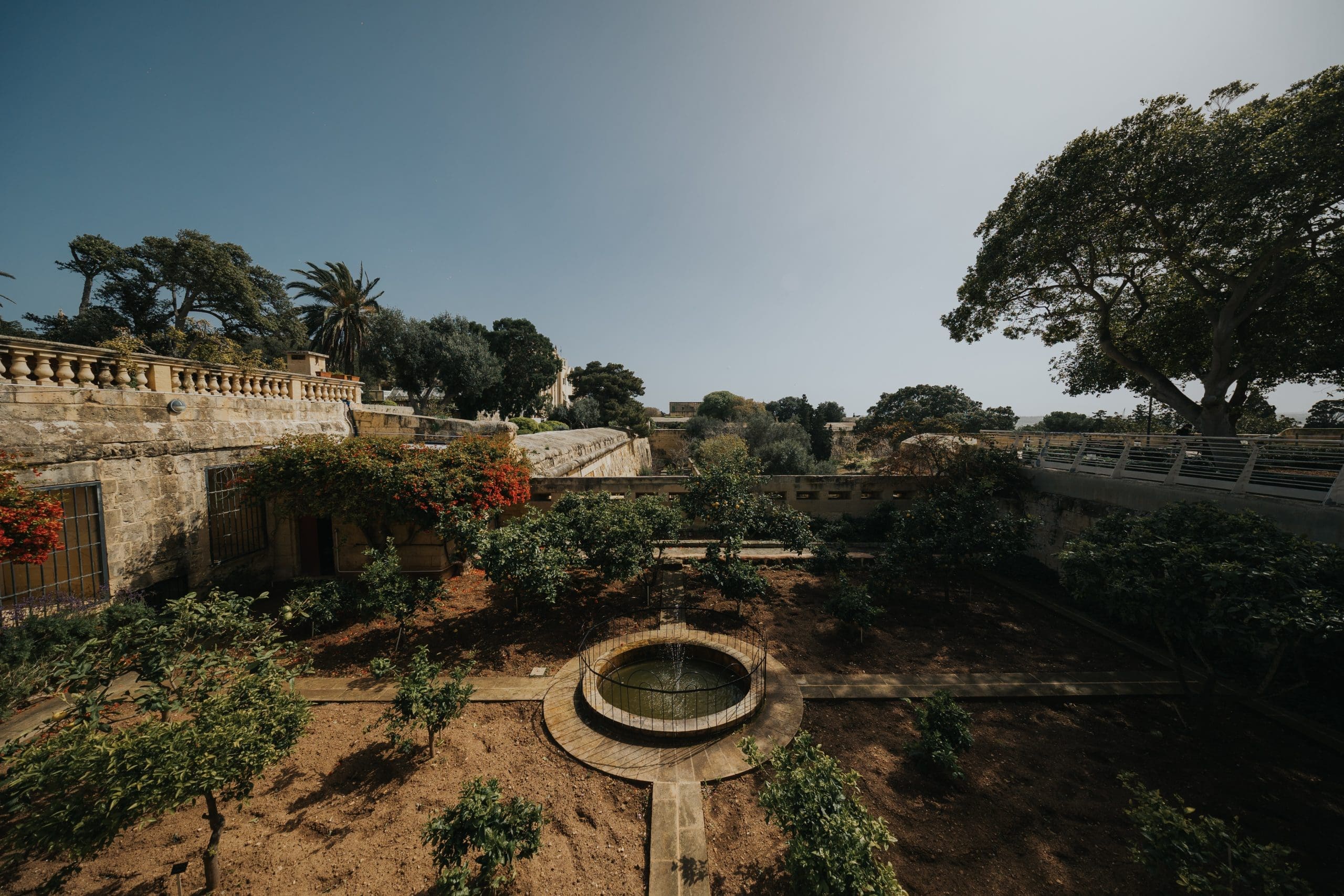
Malta’s public gardens are held with a certain reverence among locals – and with good reason. Perhaps it stems from their intrinsic connection to nature which we greatly crave, or the significance they hold within towns and villages as sites of historical and community value, serving as custodians of tradition and culture for generations.
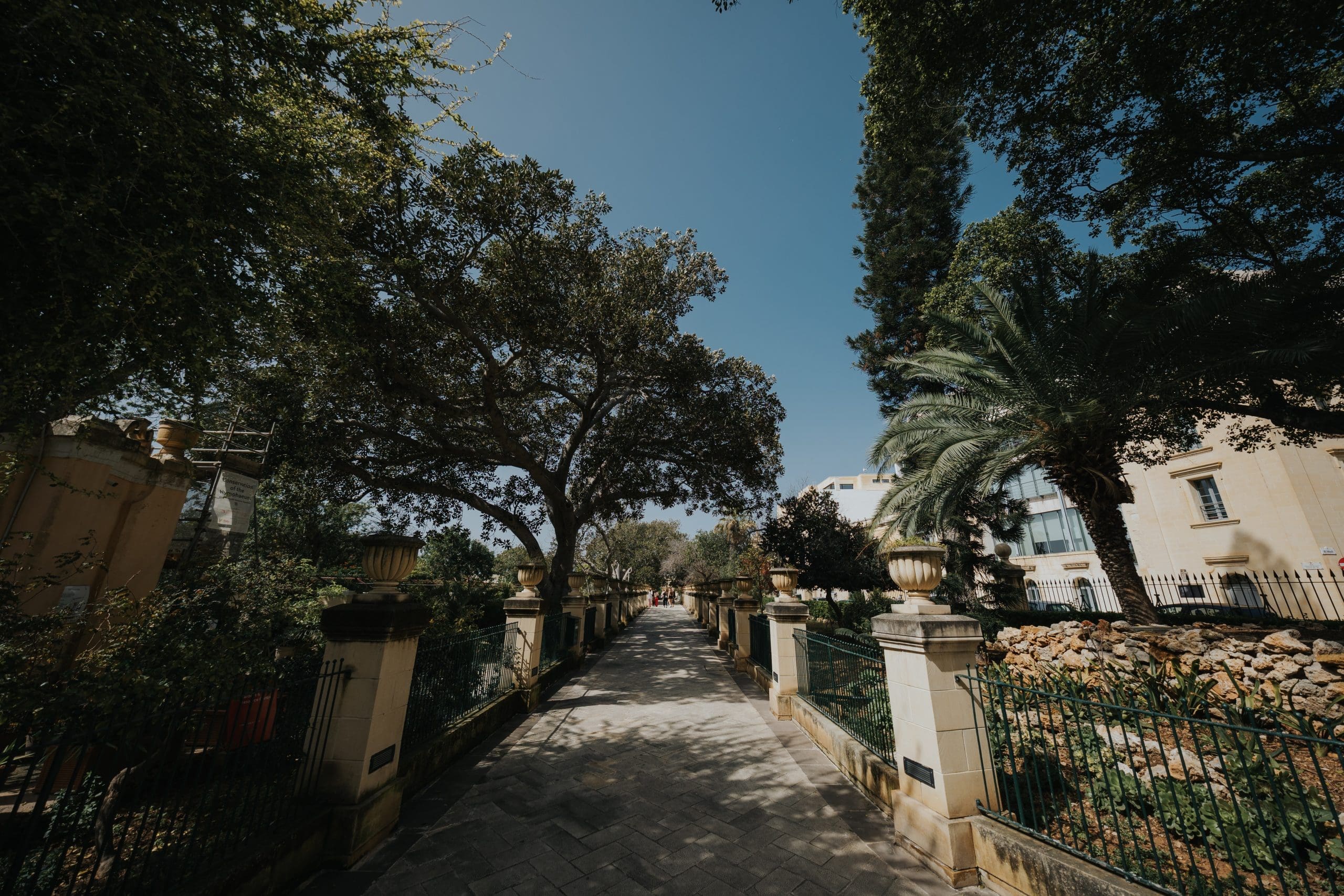
So are Floriana’s Argotti Gardens and Żejtun’s Ġnien l-Għannejja Żwieten, two green lungs in urban towns with rich histories of their own that are set to host Festgħana this year, organised by Festivals Malta – an annual event that has enshrined itself in the local cultural calendar for over two decades.
We caught up with Prof. Toni Sant, Artistic Director of Festgħana who takes us through this year’s programme, the enduring and evolving għana, and the significance and historic ties between the locations and the traditions they’ll be celebrating.
‘Things that don't evolve tend to die’
This year’s Festgħana builds on the legacy of Għanafest and Ritmu Roots Festival but, in the Artistic Director’s words, “things that don’t evolve tend to die” – and evolve it has. This year’s edition embraces the influxes in the għana scene in recent years – most notably that it was inscribed on UNESCO’s representative list of intangible cultural heritage (ICH) in 2020.
“This gives us an opportunity to celebrate għana even more holistically than ever before,” says Toni. “Two ways we’re doing this in the first edition of Festgħana is to only invite performers, other than those from the local scene, who perform genres similar to għana from their own countries, that are also inscribed on UNESCO’s intangible cultural heritage list.”
These include Gusle from Serbia on Friday 21st May and Sutartinės from Lithuania on Saturday 22nd. The other is to extend the local celebration of intangible cultural heritage to include the ftira – “so much so that the final day of the festival has also been designated as Festa Ftira, in collaboration with the Culture Directorate.”
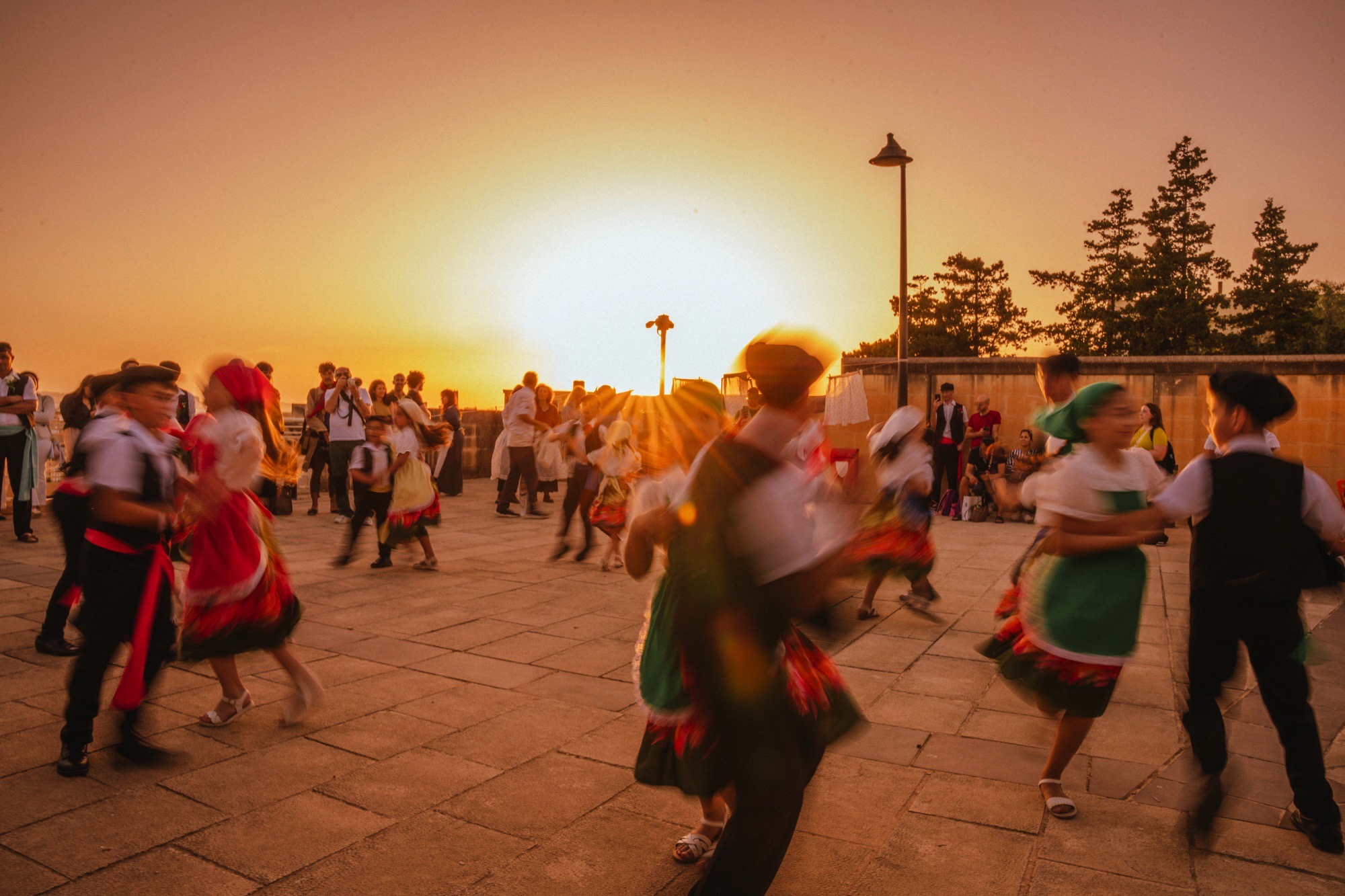
Music in the gardens
Alongside the music and the local and international talent at the festival, the venues too play a crucial role in contributing to the cultural storytelling that is at the very heart of the festival. Argotti Gardens in Floriana have been associated with għana since the first edition of what eventually became the annual national għana festival in 1998.
“It was chosen by Ġorġ Mifsud Chircop and Charles Coleiro as an accessible location that offers some of the same natural allure of Buskett (long associated with għana during L-Imnarja) within an urban setting. Since then, Floriana has become a natural home for the festival,” says Toni.
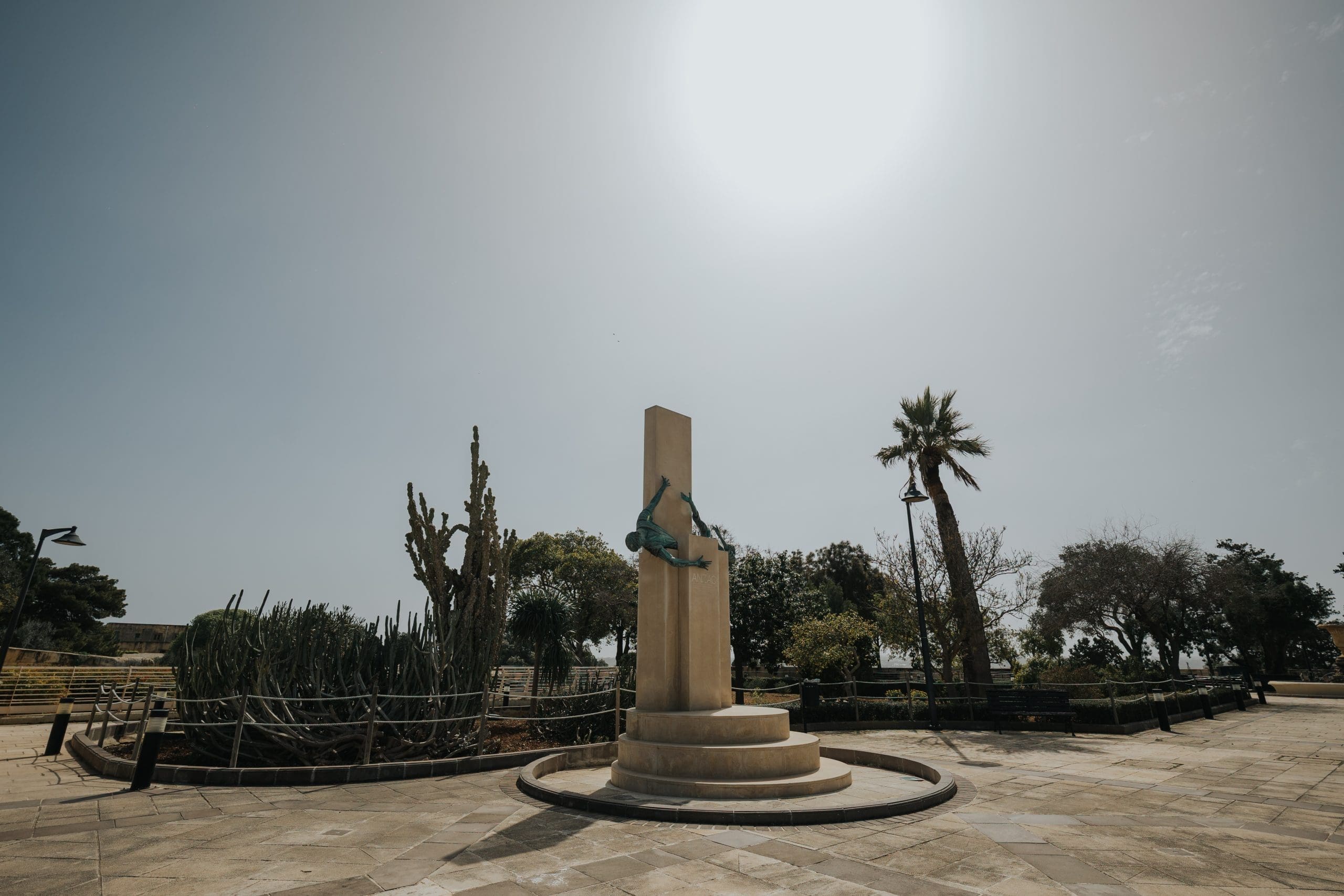
This year, this sense of placeness is being strengthened through a Memorandum of Understanding between Festivals Malta and the Floriana Local Council that makes it easier for these two public entities to collaborate in making the festival a success.
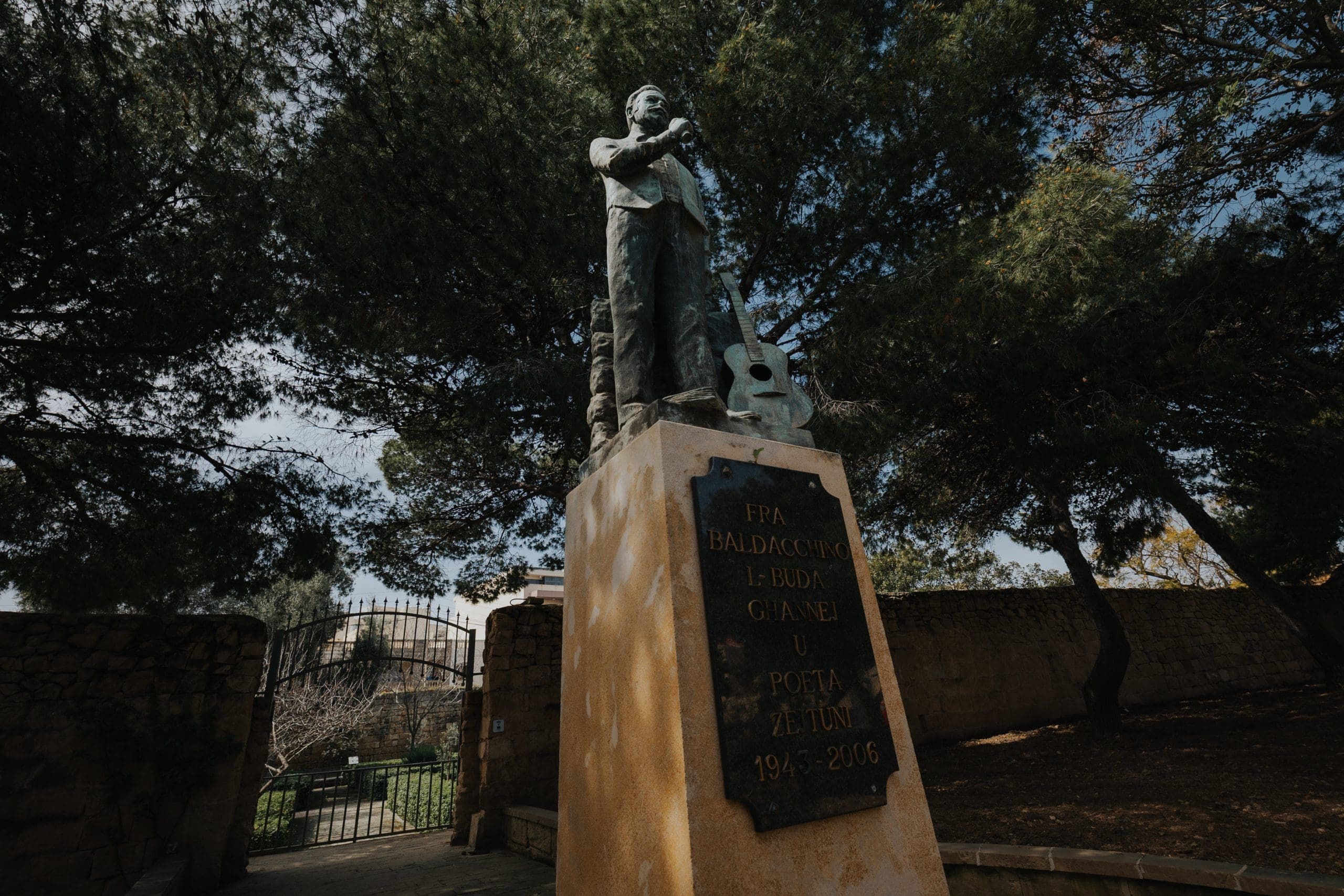
The second location, Ġnien l-Għannejja Żwieten in Żejtun, was also a natural choice for the festival. Its connections with għana run deep, becoming somewhat of a shrine over the years with permanent memorials of celebrated għannejja, including Frans Baldacchino l-Budaj, Żaren Mifsud ta’ Vestru, and his son Frans ta’ Vestru, as well as Angela Mifsud iċ-Ċalija. A performance area developed by the town’s local council some time ago further strengthens this connection.


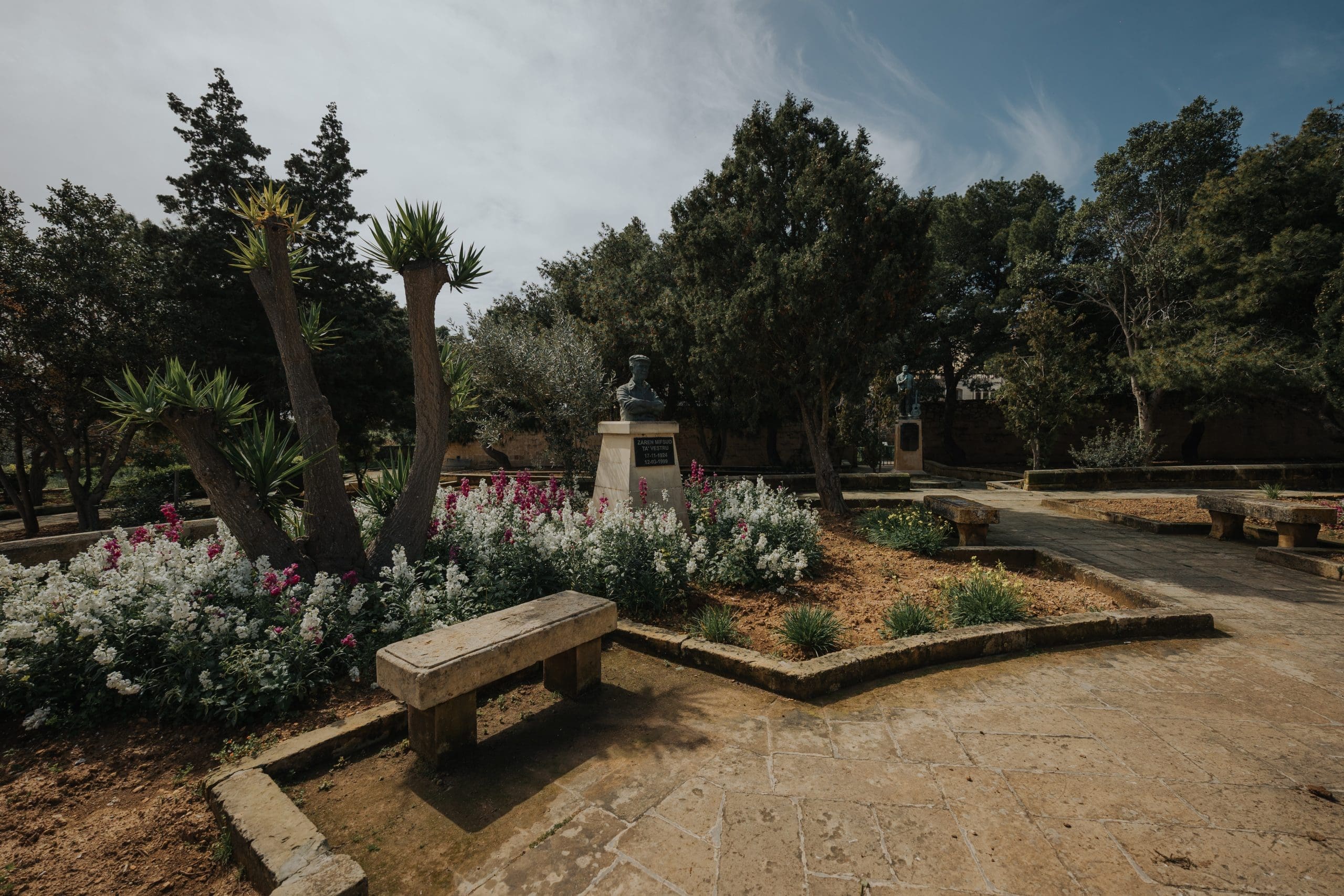
“Moreover, Melbourne-based Manuel Casha, who passed away in early 2026, dubbed Żejtun the ‘cradle of għana’, and so it’s only natural that the first edition of Festgħana should return to this place.”
Creating a line of succession
Upon his appointment as Artistic Director last summer, Toni established a series of għana training sessions for young people which attracted pop and rock singers who want to learn about għana, remote descendants and direct offspring of well-known għannejja, as well as those interested in the genre but have no idea where to start.
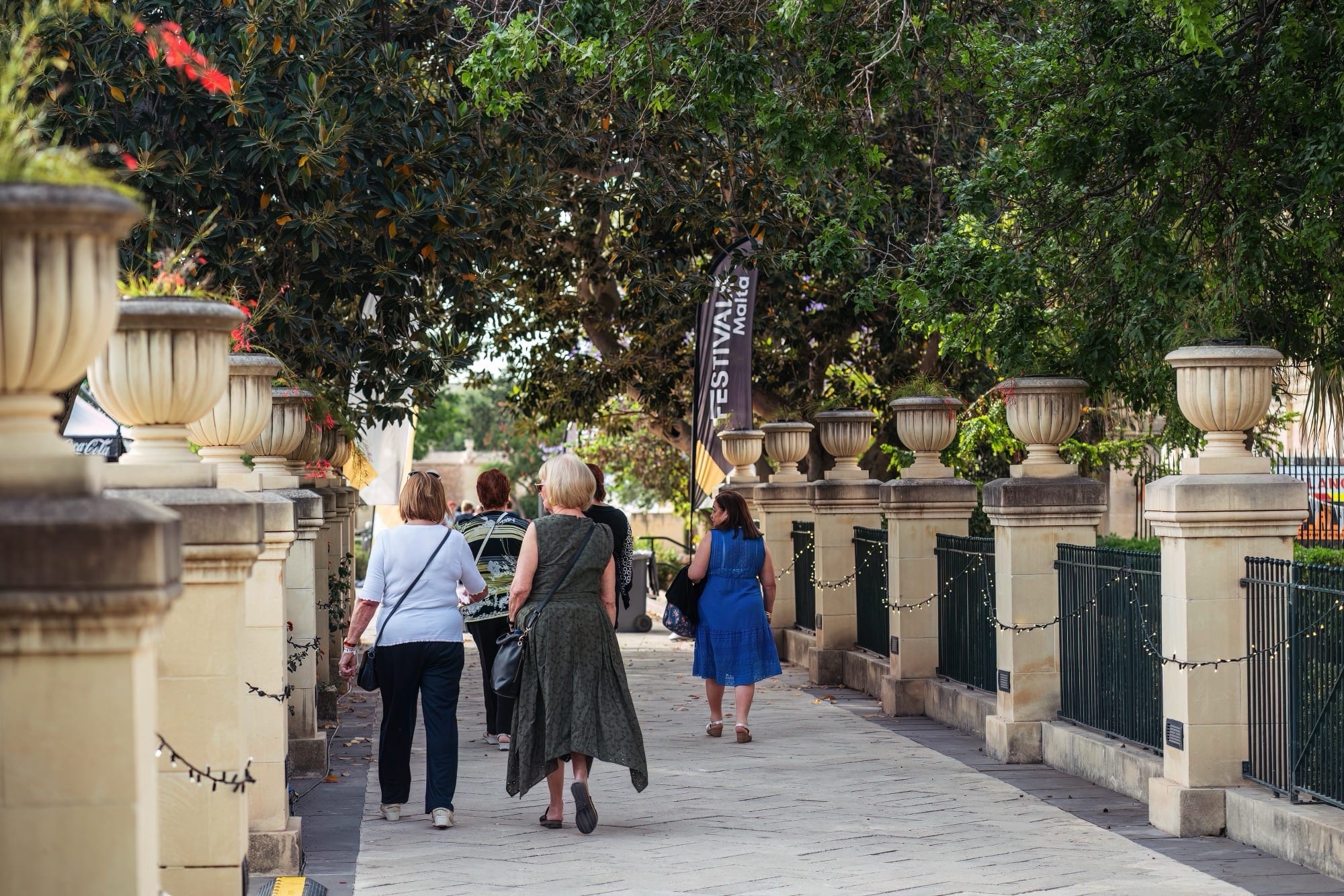
“Għana is very much alive today, but in recent years it’s gone a little more underground than it deserves to be,” says Toni who notes another way to ensure għana is kept alive today is to connect with the natural descendants of celebrated għannejja and invite them to take part in the festival.
“We have a number of these participating this year, notably a descendant of Ġanmarì Spiteri Amletu (1907–1962), a popular għannej who was greatly admired before his early demise at the age of 45. The road that runs along Qormi Valley bears his name.”
The festival will represent various types of għana, including għana tal-fatt, described as tragic or historical ballads that invite newcomers to develop a love for għana, as well as spirtu pront, considered the default version of this song that will feature significantly on the final day of the festival, “along with some għana la Bormliża with Mikiel Cumbo l-Iżgej and Anġlu Theuma il-Kina, two of the best performers of this type of high-pitched għana.”
All in all, the revamped Festgħana “will celebrate għana as a living genre of traditional music which continues to refresh itself with new generations of performers and audiences,” says Toni. “We will also treasure its legacy by paying tribute to some of the many performers who distinguished themselves over the past century.”
Festgħana 2026 will take place from 21st to 24th May. It is organised by Festivals Malta in collaboration with the Reġjun Port, with the support of the Ministry for Culture, Lands and Local Government, and sponsored by Coca-Cola. This event is being held in collaboration with the Culture Directorate. Discover the full programme here.
Main image by Shaun Spiteri via Project Green