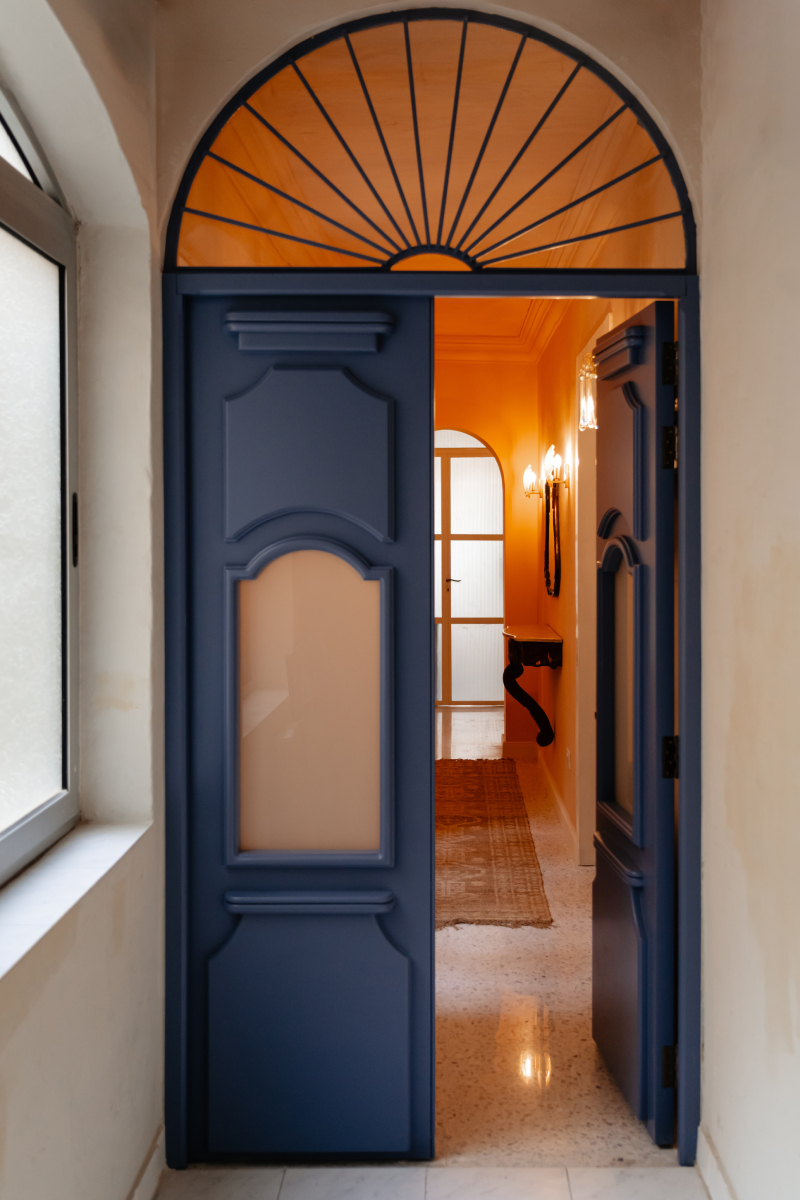
Nestled within a 1920s apartment block in Floriana – and with a charming front door that provides a glimpse of what lies behind it – is La Rêverie, a space aptly named ‘daydream’ in French, imagined and designed by Artemis Interiors.
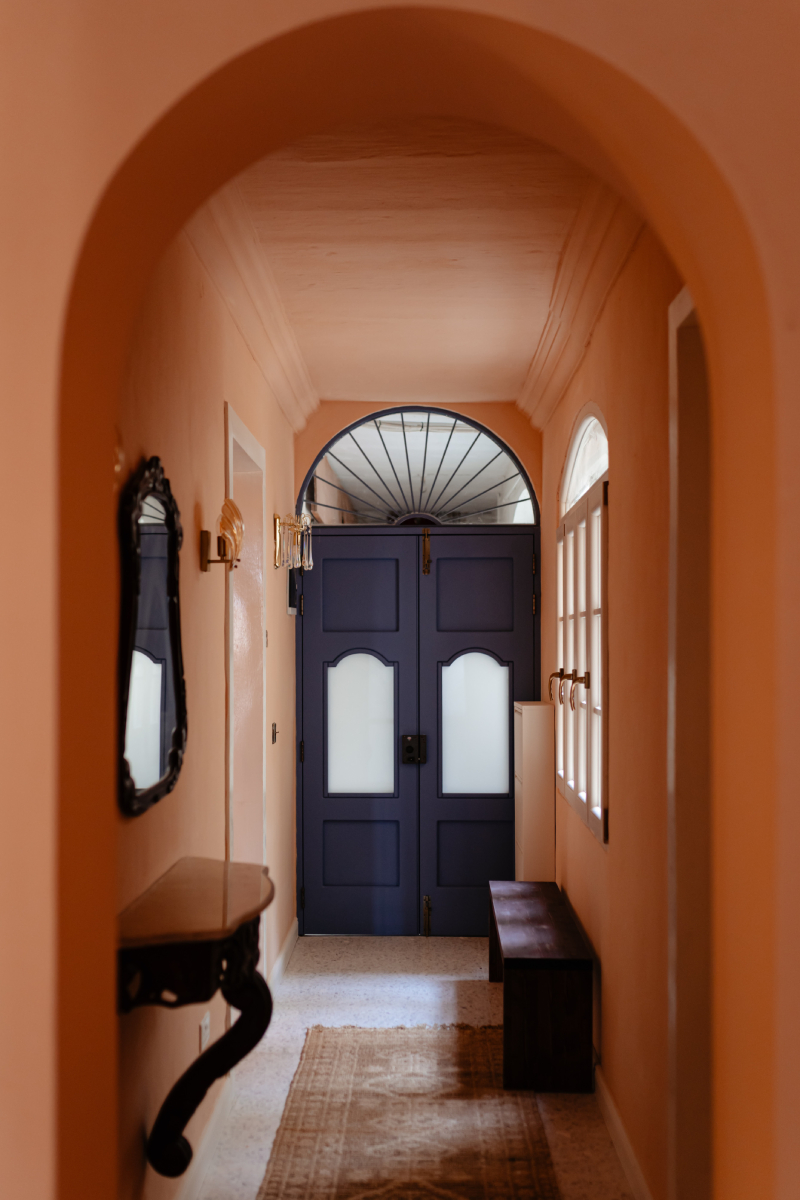
This project, designed by studio founder and creative director, Shalise Barnes, took off from a unique starting point – one that both the designer and her client were drawn to.
“The client came to me wanting a home that had a modern, bold feel without losing the imperfection of its heritage,” says Shalise who turned to the romantic playfulness of The Swing by Jean-Honoré Fragonard as a design reference. “That painting became our emotional compass: the whimsy, pastel palette and sense of fantasy.”
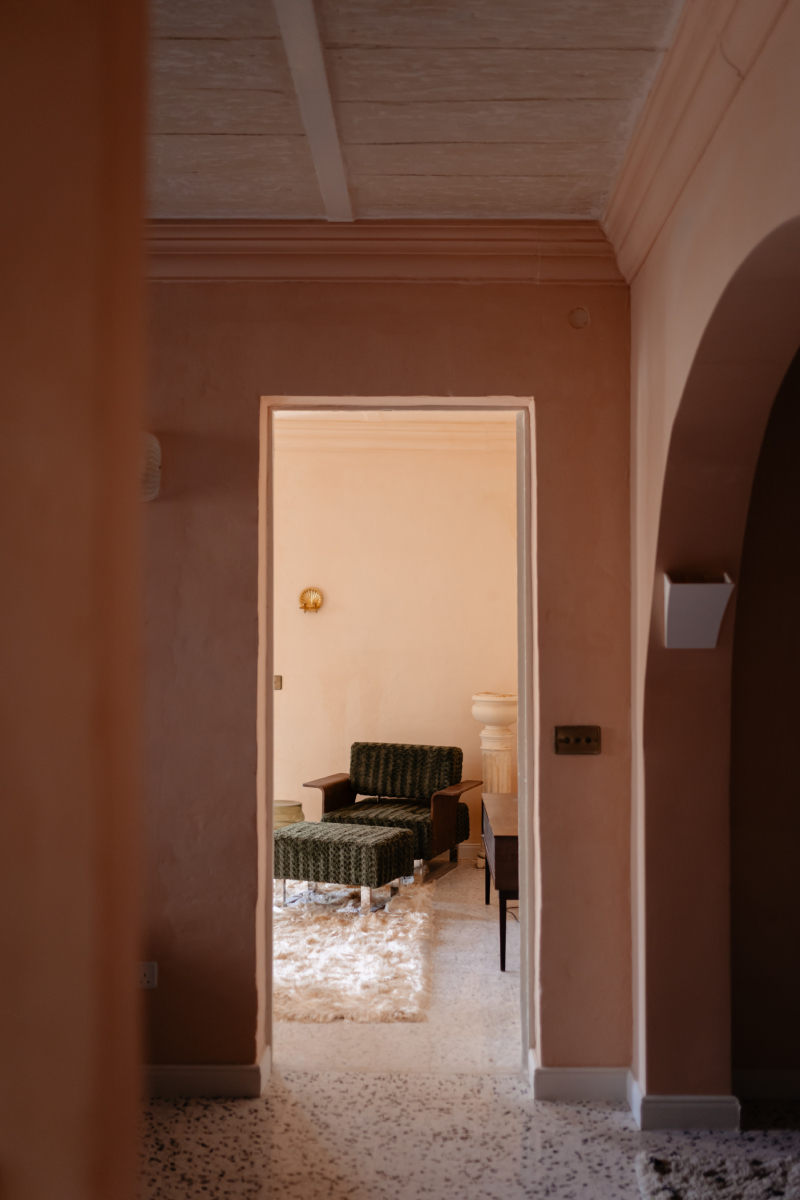
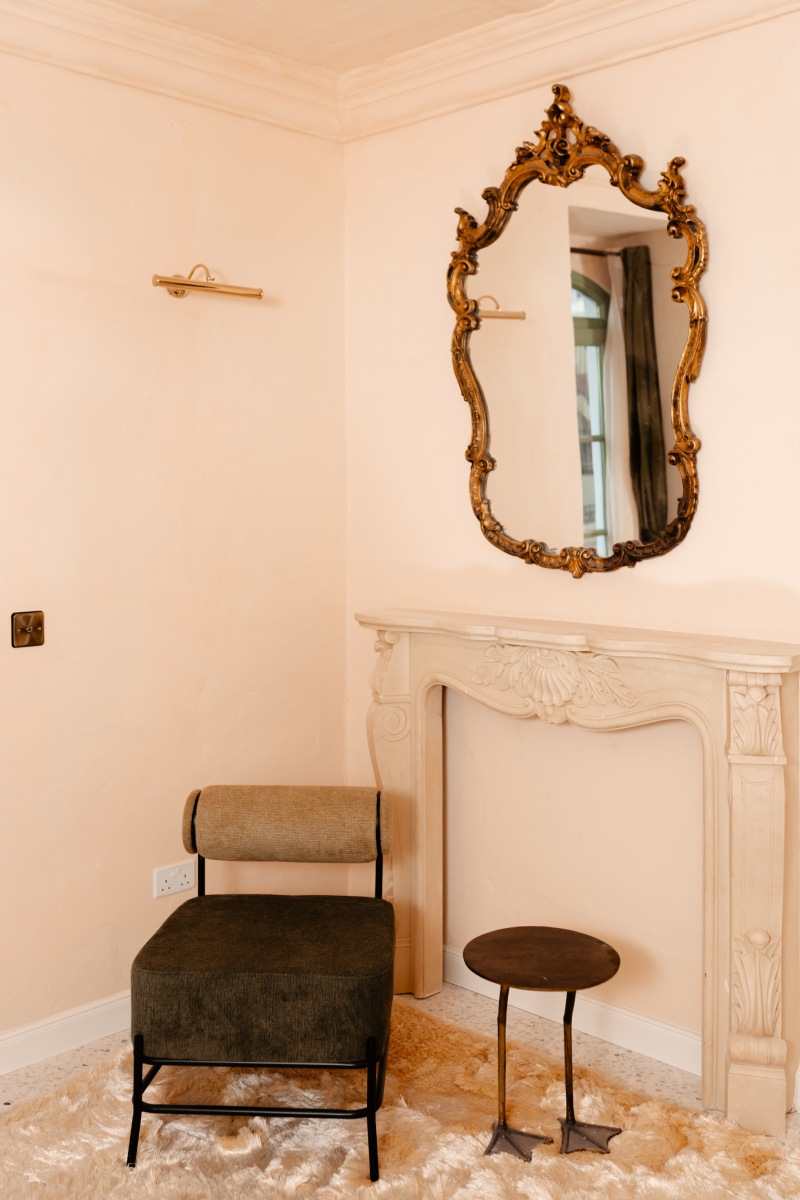
Her vision for the apartment became fuelled by the idea of stepping into a daydream, where colour, texture, shadow and detail contributed to a mood, more than a style.
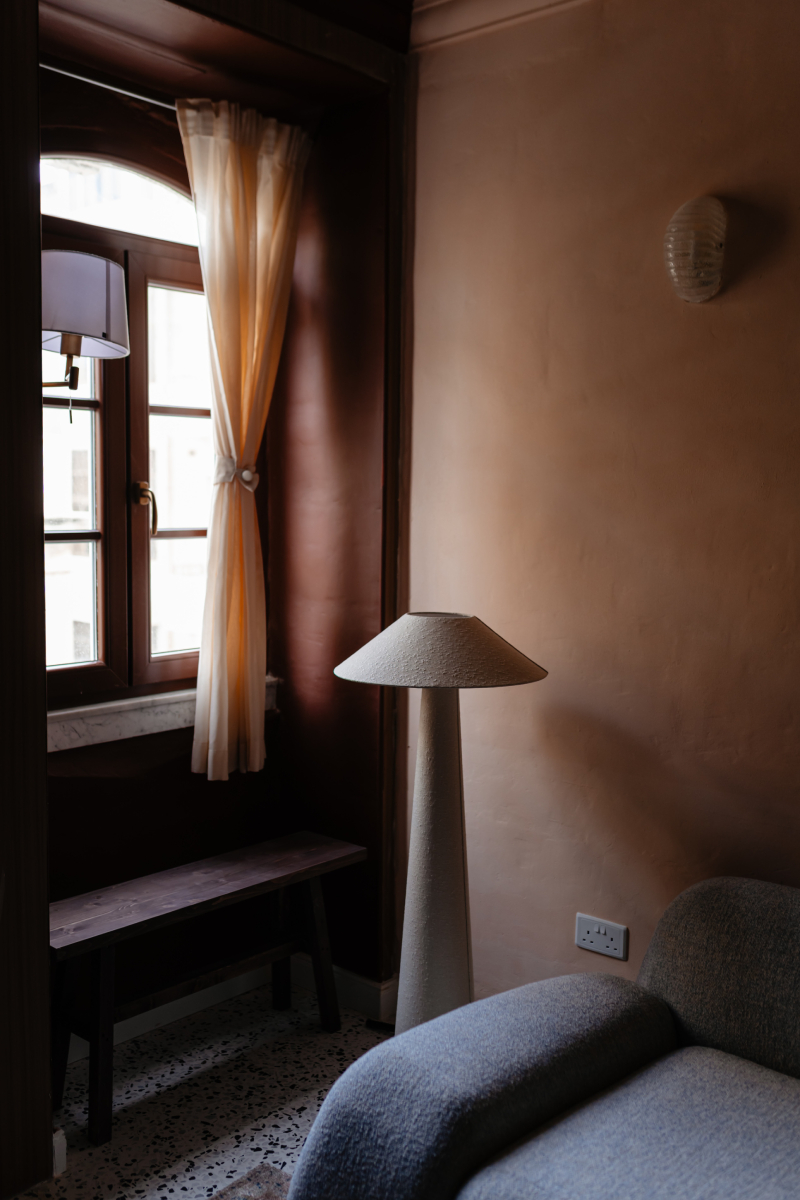
“The goal wasn’t to replicate the past, but to reimagine it. The materials are tactile and honest: hand-finished paint directly over rough plaster, natural stone, unlacquered brass. There’s a sensuality in the imperfections – a kind of quiet elegance that only age and craftsmanship can create.”
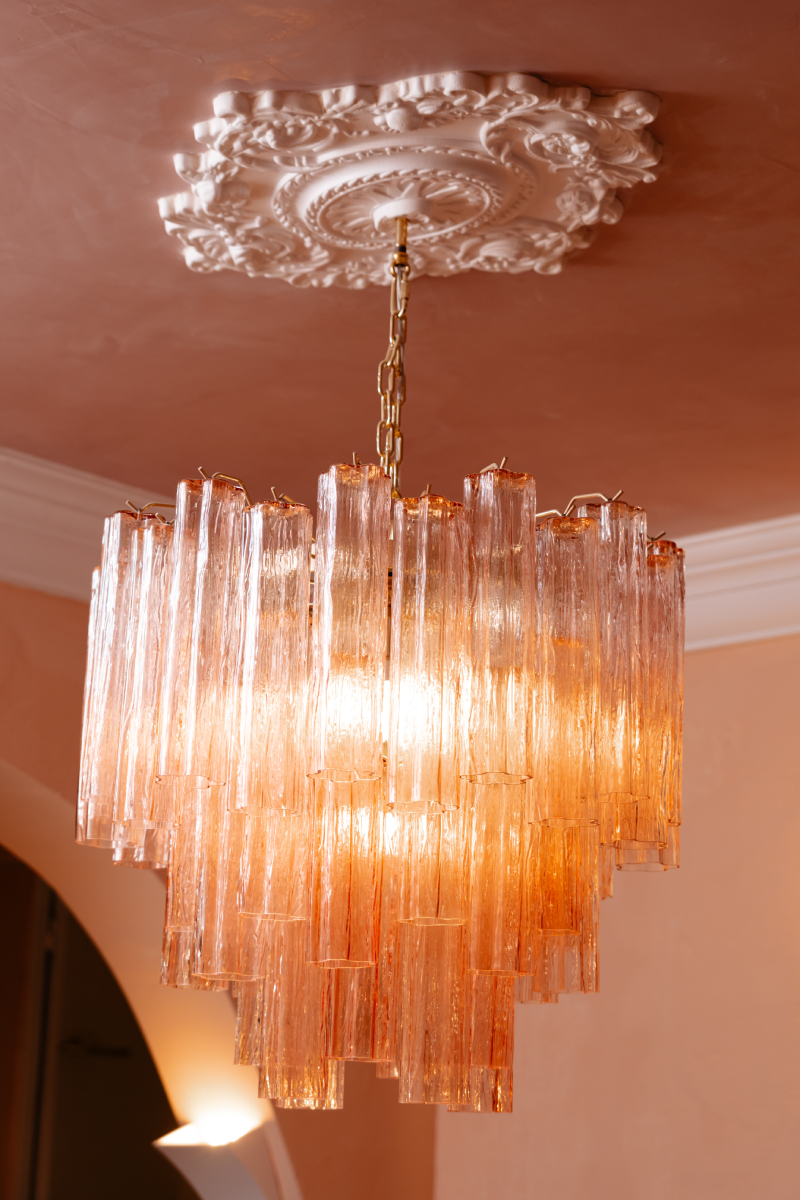
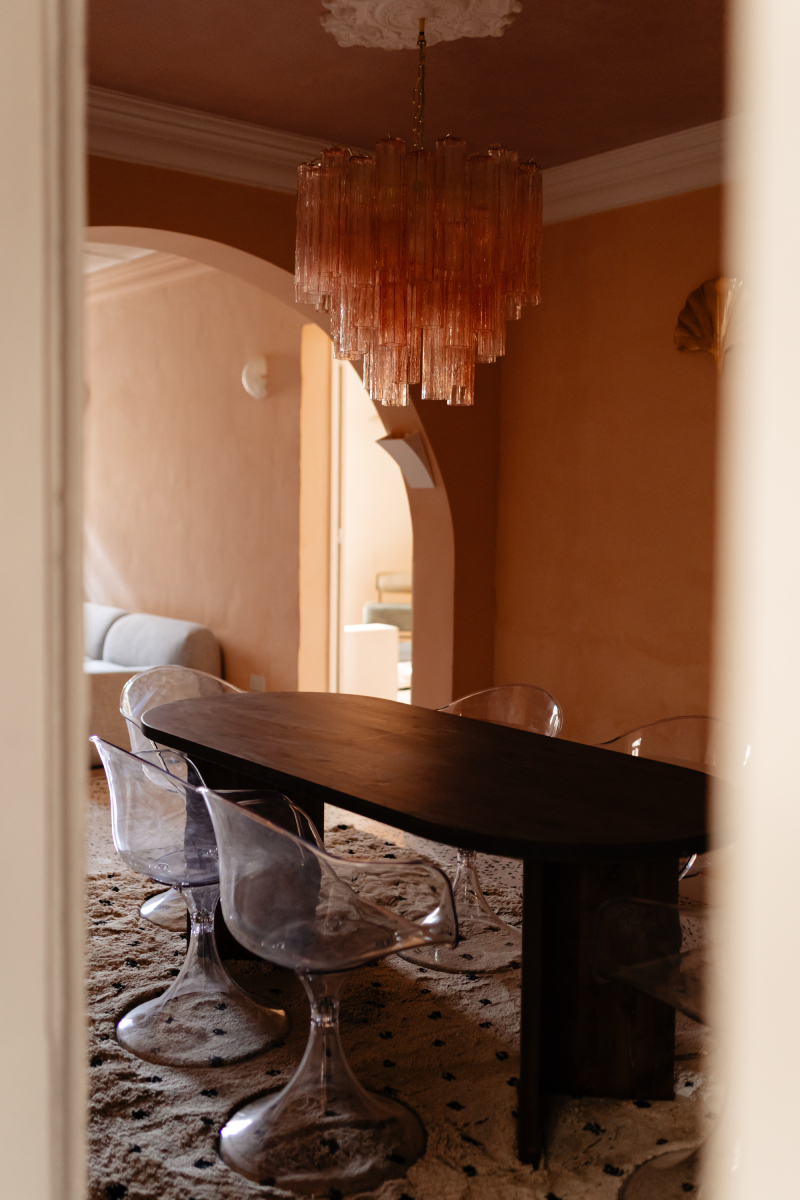
Her design sought to place the joy, lightness and elegance of the French Rococo style into a contemporary Maltese context, characterised by blush, blue, and green tones that echo those in the painting, glass, vintage finds, and hand-crafted details, complemented with sustainable restoration.
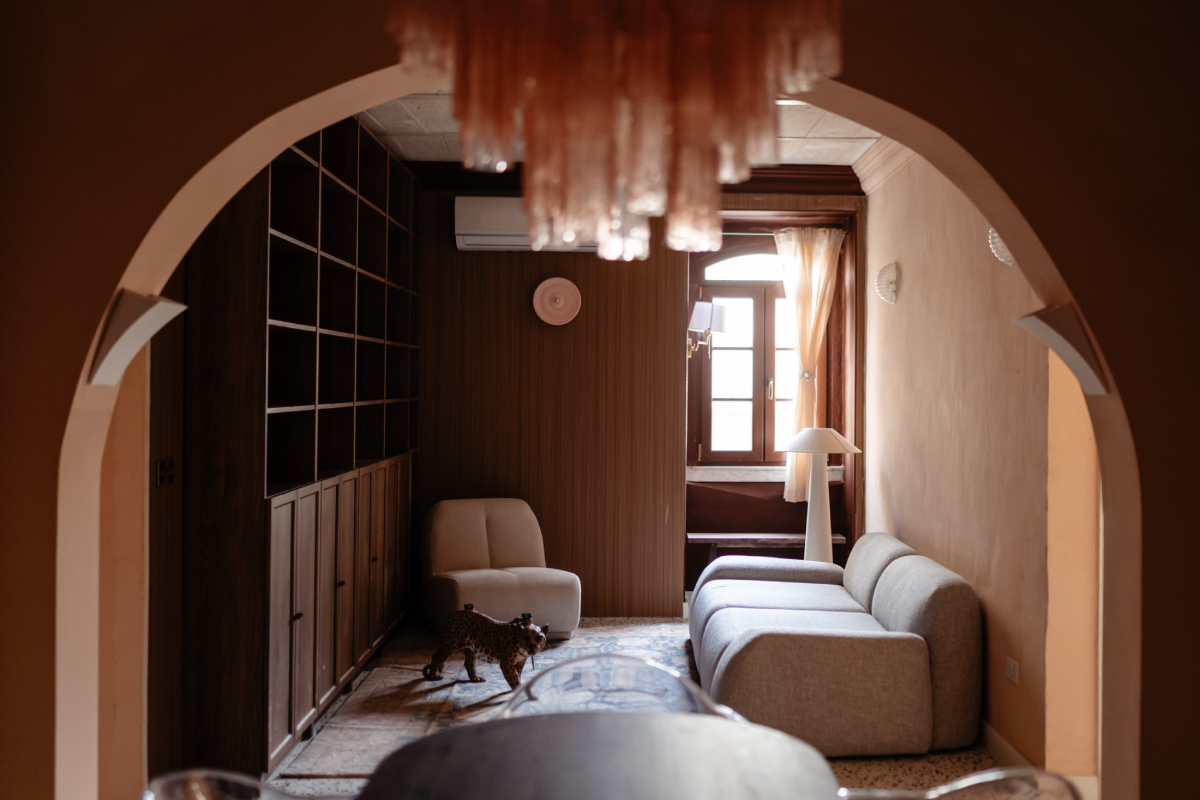
Each room in the apartment is arranged around the library and dining room, where the latter glows beneath a custom Murano glass chandelier in iridescent tones that recall the soft radiance of Fragonard’s work. The adjoining library, with its walnut wood panelling and adapted bookcase, creates a space for quiet reflection amid the whimsy.
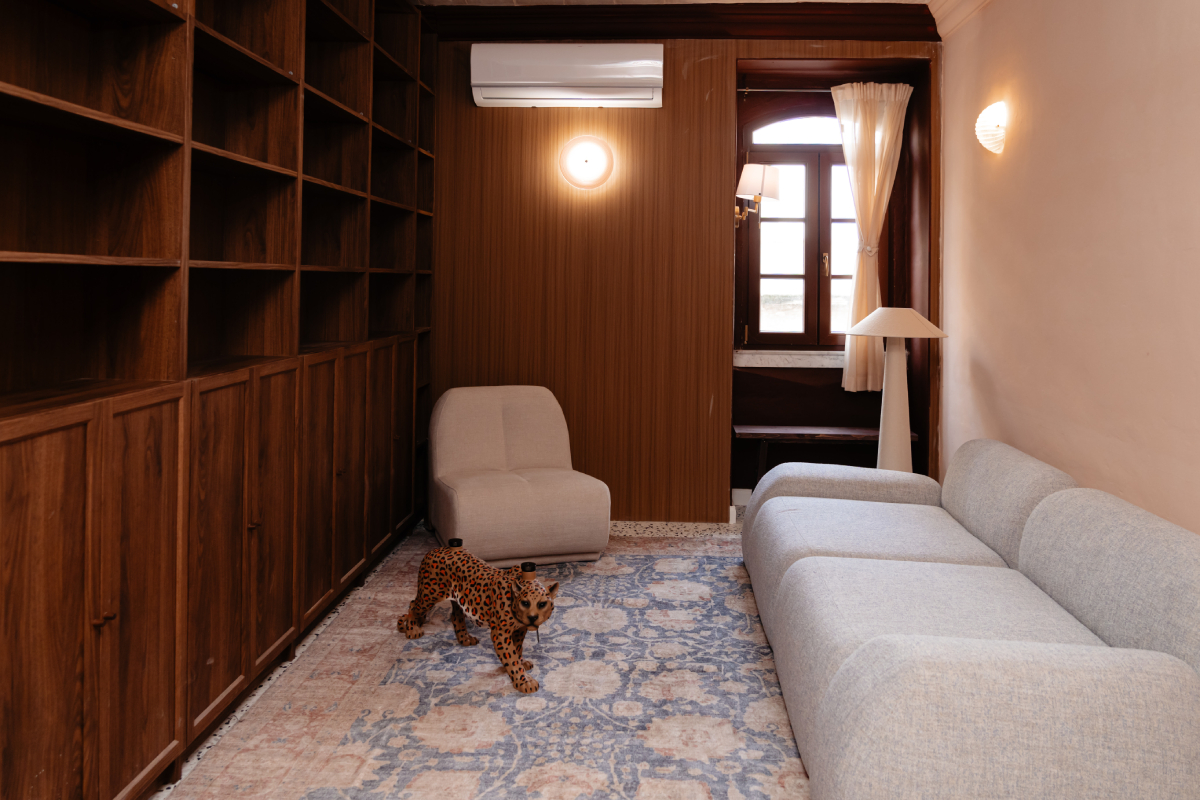

“My favourite moment is the transition from the library – with its warm wood panelling and unapologetically wild leopard coffee table – to the dining room, crowned by the custom Murano chandelier,” says Shalise.
“The lighting throughout is, for me, the soul of the project. Every fixture was intentionally chosen and positioned to choreograph emotion, to let the atmosphere shift from serene to cinematic.”
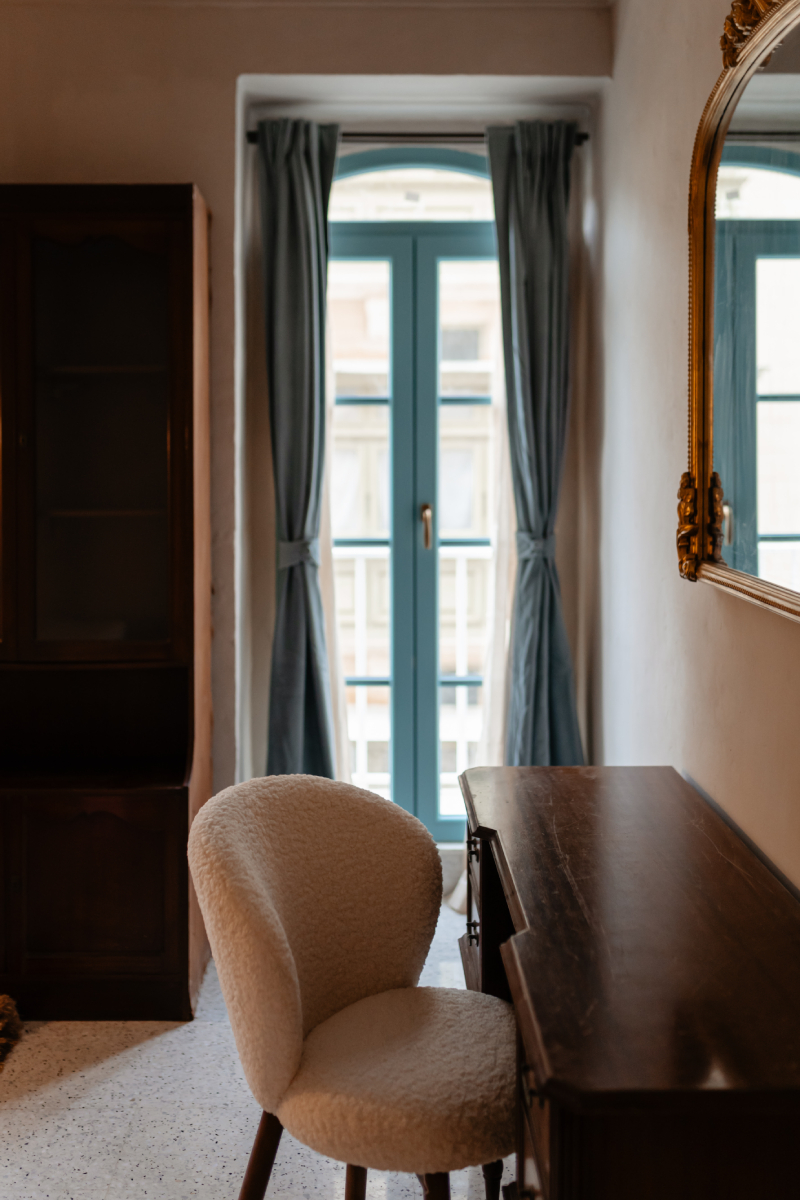
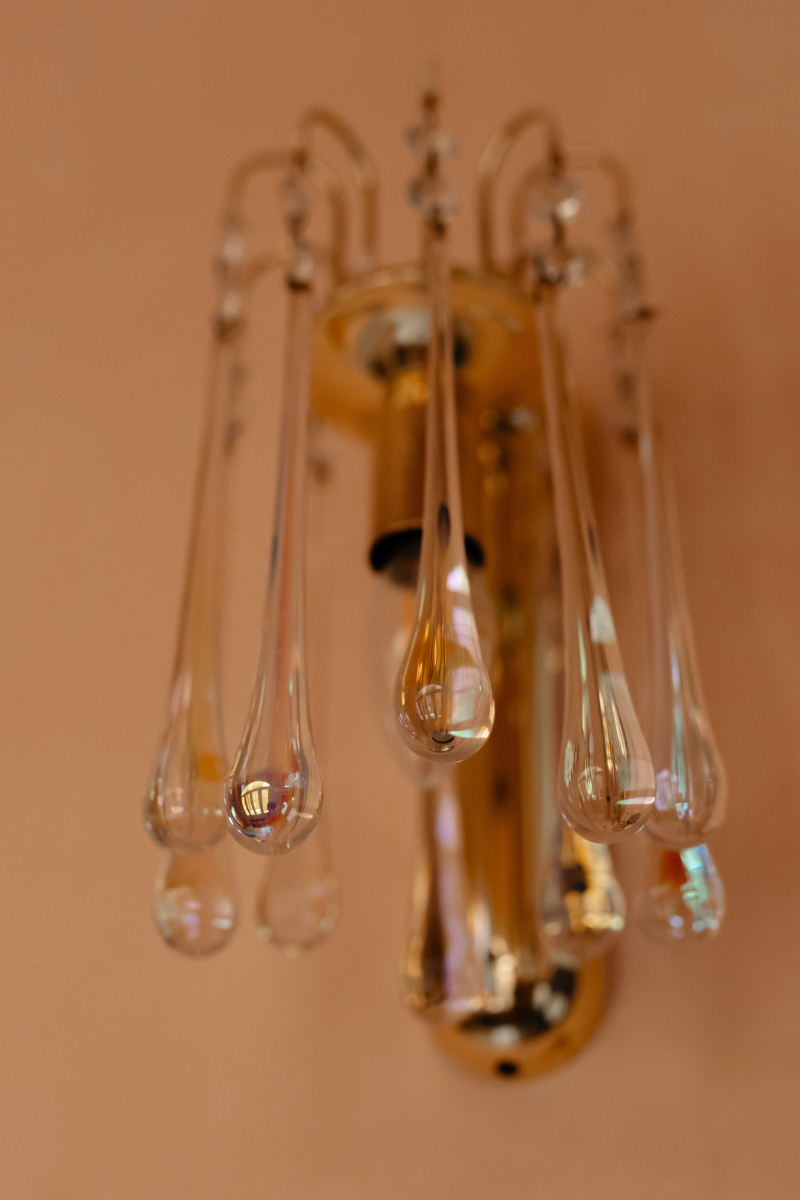
The designer took a bold decision to eliminate nearly all overhead lighting. “Initially, it felt radical. Even the contractor doubted it would work,” she says. “But now, when the space glows only from layered sconces and lamps, there’s this quiet alchemy, it feels intimate, almost theatrical.”
“It proved how powerful light can be when treated as a material, not an afterthought. I love that it challenges convention – it’s a little rebellious, and I think that’s where design gets interesting.”
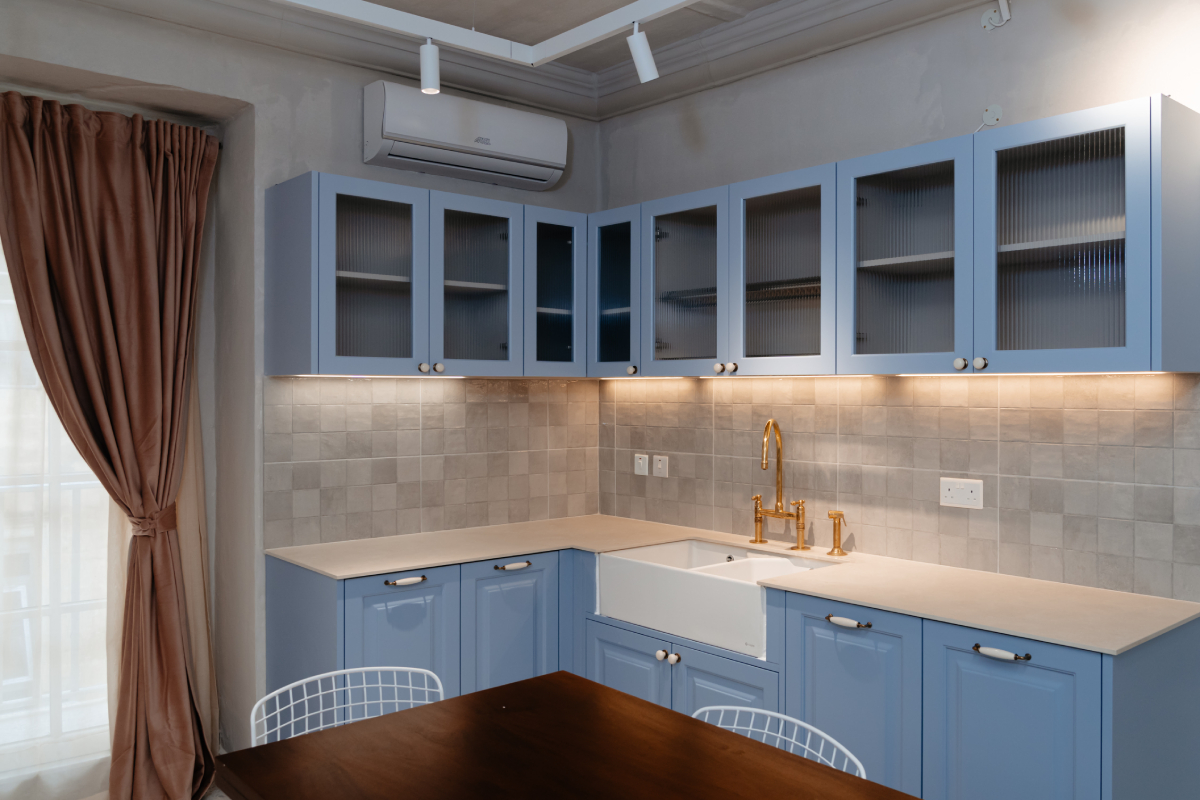
For the kitchen, Shalise playfully reimagined traditional design through two-tone shaker-style cabinetry, fluted glass, ceramic handles, and antique appliances, grounding nostalgia in practicality.
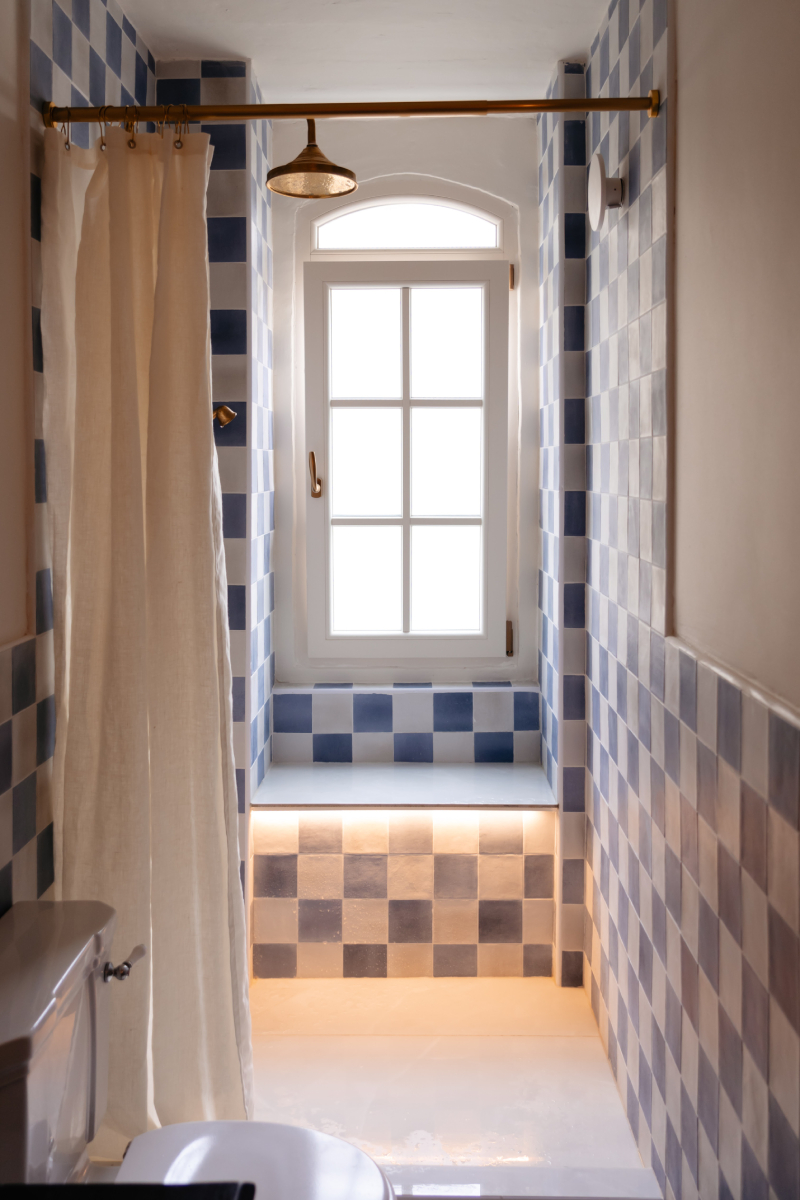
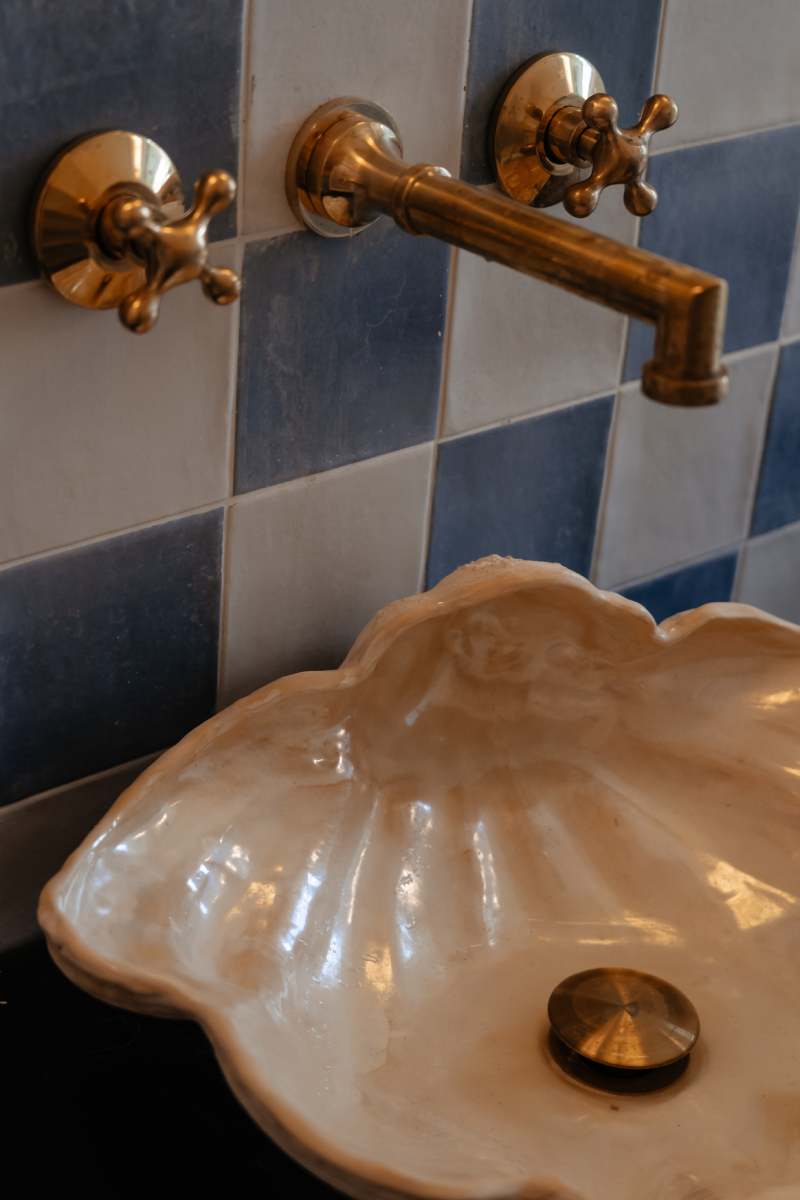
The main bathroom carries this familiar and consistent colour scheme with blue-and-white chequered tiles, an artisanal shell-shaped sink in mother-of-pearl, and an antique table reborn as a vanity.
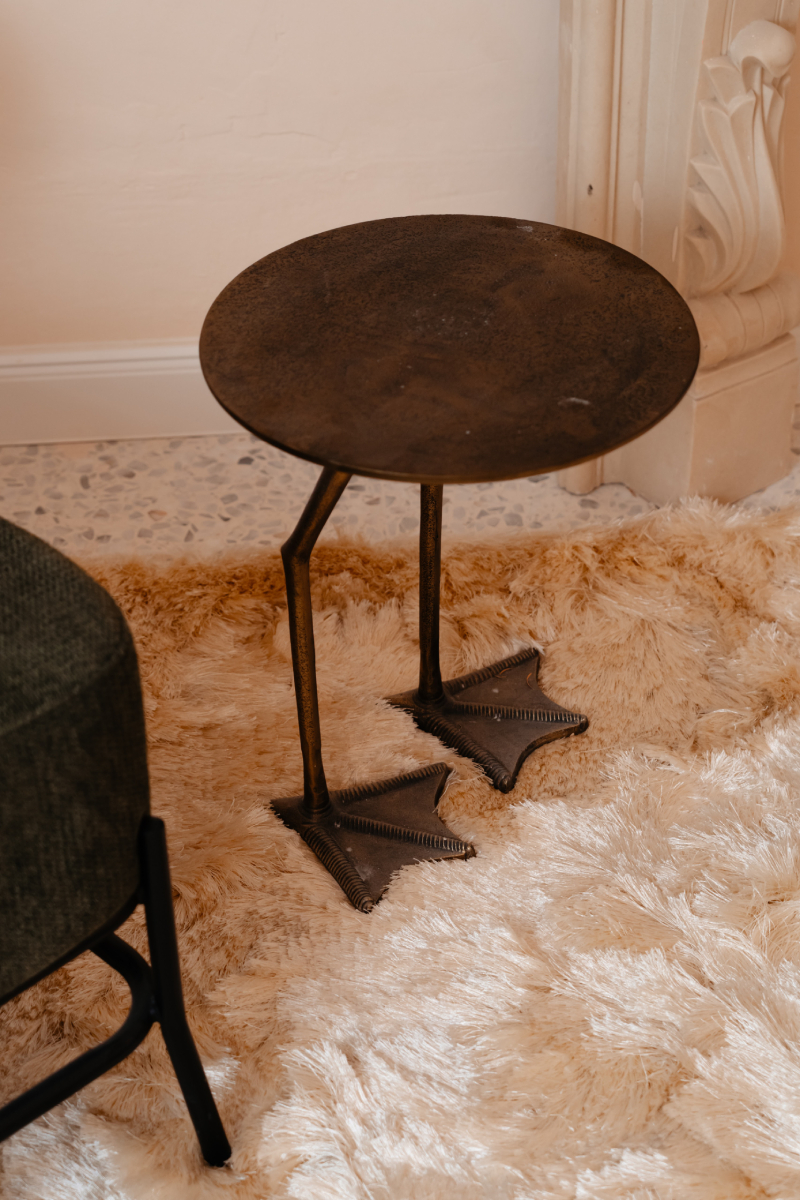
In the conservatory, materials and textures overlap to create a space of eccentric leisure – a marble mantelpiece with a brass mirror hanging above it, a mirrored coffee table, a plush shag carpet, a vintage record player, and a quirky side table with webbed feet.
“The design philosophy was guided by the idea of honouring history while embracing comfort. Every aperture was designed in-house, double-glazed for energy efficiency yet faithful to 1920s joinery, and a number of lighting pieces were custom-made to fulfil the client’s wish for warmth over brightness.”
Many of the apartment’s furnishings and light fixtures were antiques sourced locally and overseas, chosen to ensure that each piece carries its own story.
“The idea of La Rêverie was always emotional before it was aesthetic. It’s about escapism – the dream of stepping out of the world and into a space that feels suspended in time,” says Shalise.
“I wanted to capture that fleeting softness of nostalgia, but in a way that still feels alive and contemporary. It’s not about perfection; it’s about atmosphere. A room should make you feel something before you even know why.”
Photography: Olha Ruccya