When a restaurant is in its second decade of operation, it’s a telling sign of success. Between the grit of its team, the loyalty of its customers, and the consistent cuisine, Tartarun in Marsaxlokk remains a highly sought after eatery which, after 15 years, was ready to step into a new season with a refreshed appearance.
At the heart of the team’s design brief was continuity – and Krystie Gerada, Founder of Saveria Design Studio, had a clear starting point.
“Tartarun is a fixture in Malta’s dining scene. The ask from the client was clear: bring the space into its next chapter without losing the Tartarun narrative and identity. Refined elegance guided every decision. Nothing that competes with the food, nothing that dates,” says Krystie.
The project kicked off by addressing a series of technical and experiential challenges before any aesthetic decisions could be made. Chief among them: the acoustics.
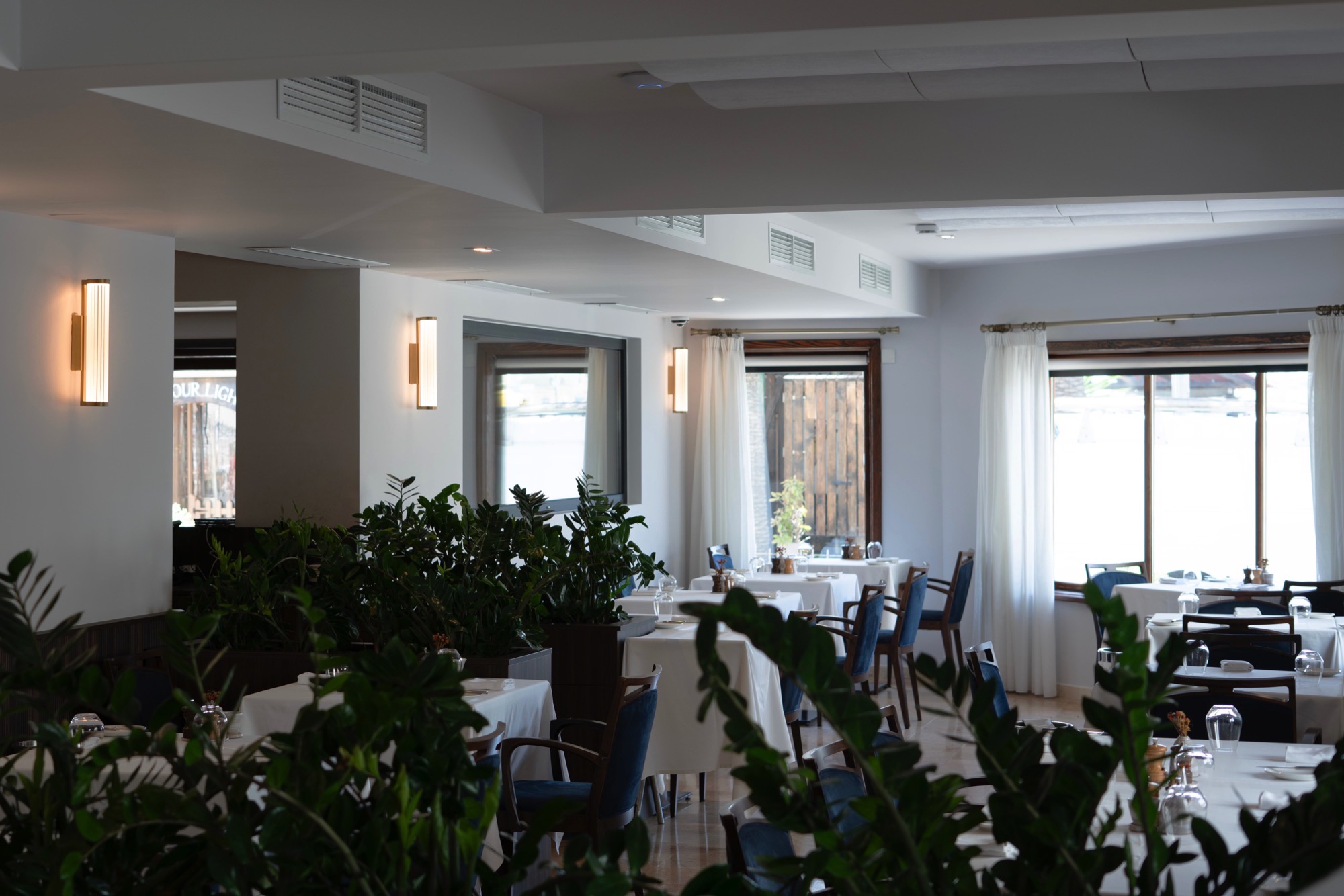
“The restaurant facade is largely glazed, and the bouncing of sound across hard surfaces had become a significant problem. In a full dining room, the noise levels were working against the kind of refined experience the restaurant is known for,” says Krystie.
The existing air conditioning system needed an overhaul too which had to be resolved in coordination with the acoustic treatment, all while working around a complex arrangement of existing ceiling beams.
Acoustic panels were installed across the ceiling to absorb and control sound, resolving both issues in one intervention.
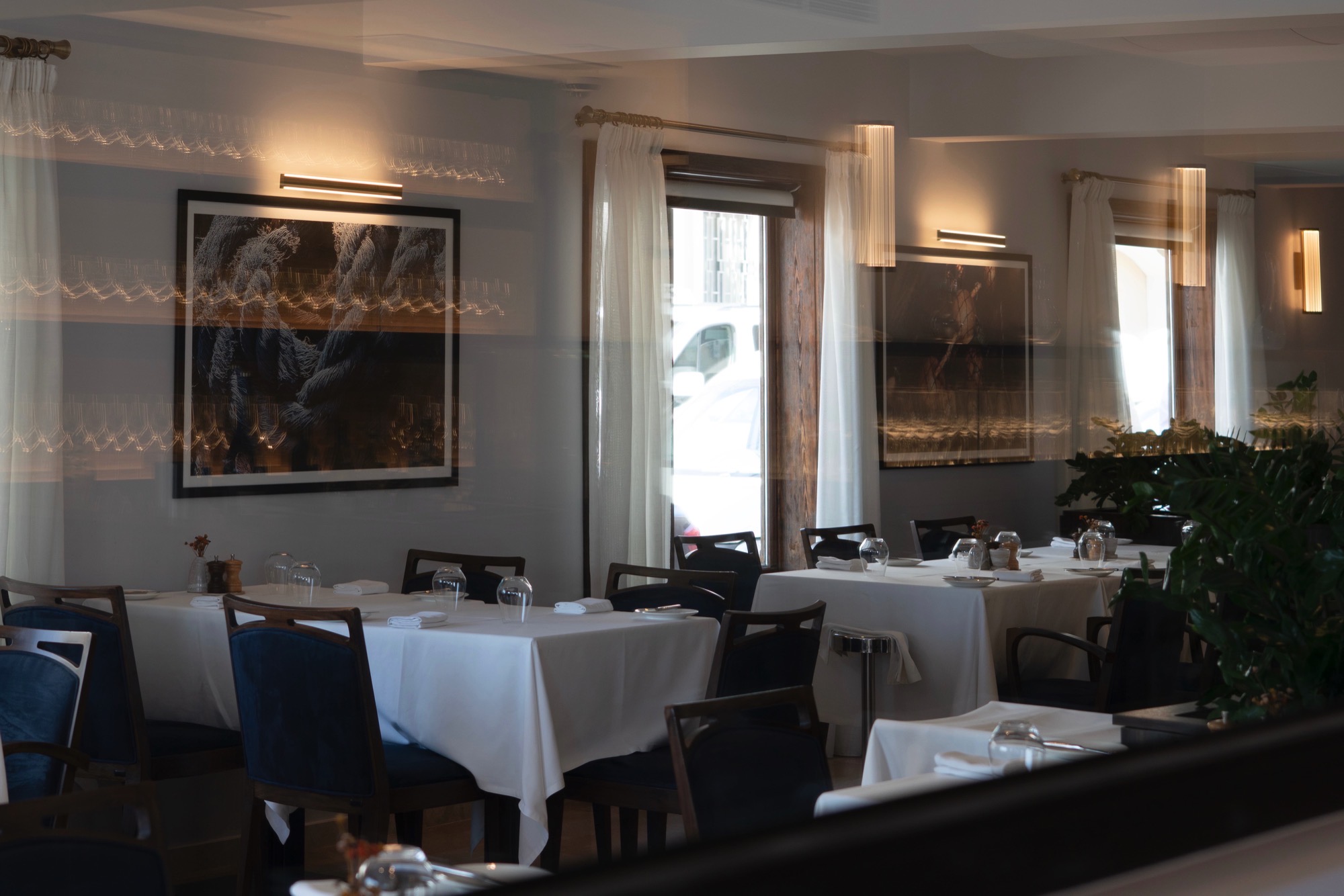
Circulation posed another drawback, particularly how it impacted the fresh fish trolley presentation which is a distinctive moment of the Tartarun dining experience. “The existing floor plan did not allow enough ease of movement for this. The elevated floor section was therefore extended outwards, giving the trolley room to move around with ease.”
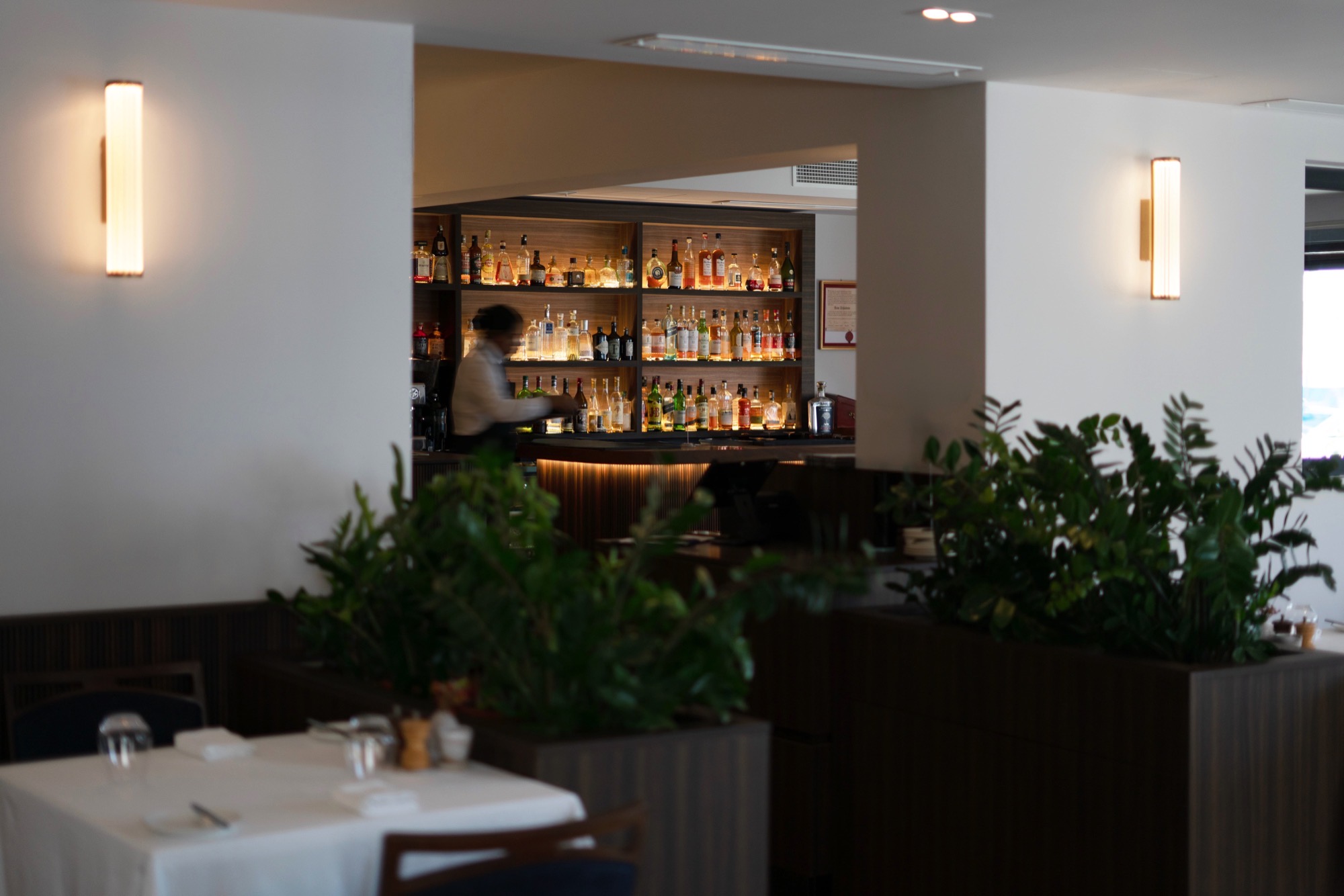
A booth was also added within the bar area for guests looking for a lighter or shorter dining experience. “Modular planters were used to create flexible spatial separation, allowing front of house to open or close the floor plan depending on the seating requirements without any fixed architectural changes.”

Underpinning the refurbishment was the need for a refreshed aesthetic that reflected the standard of what was being served.
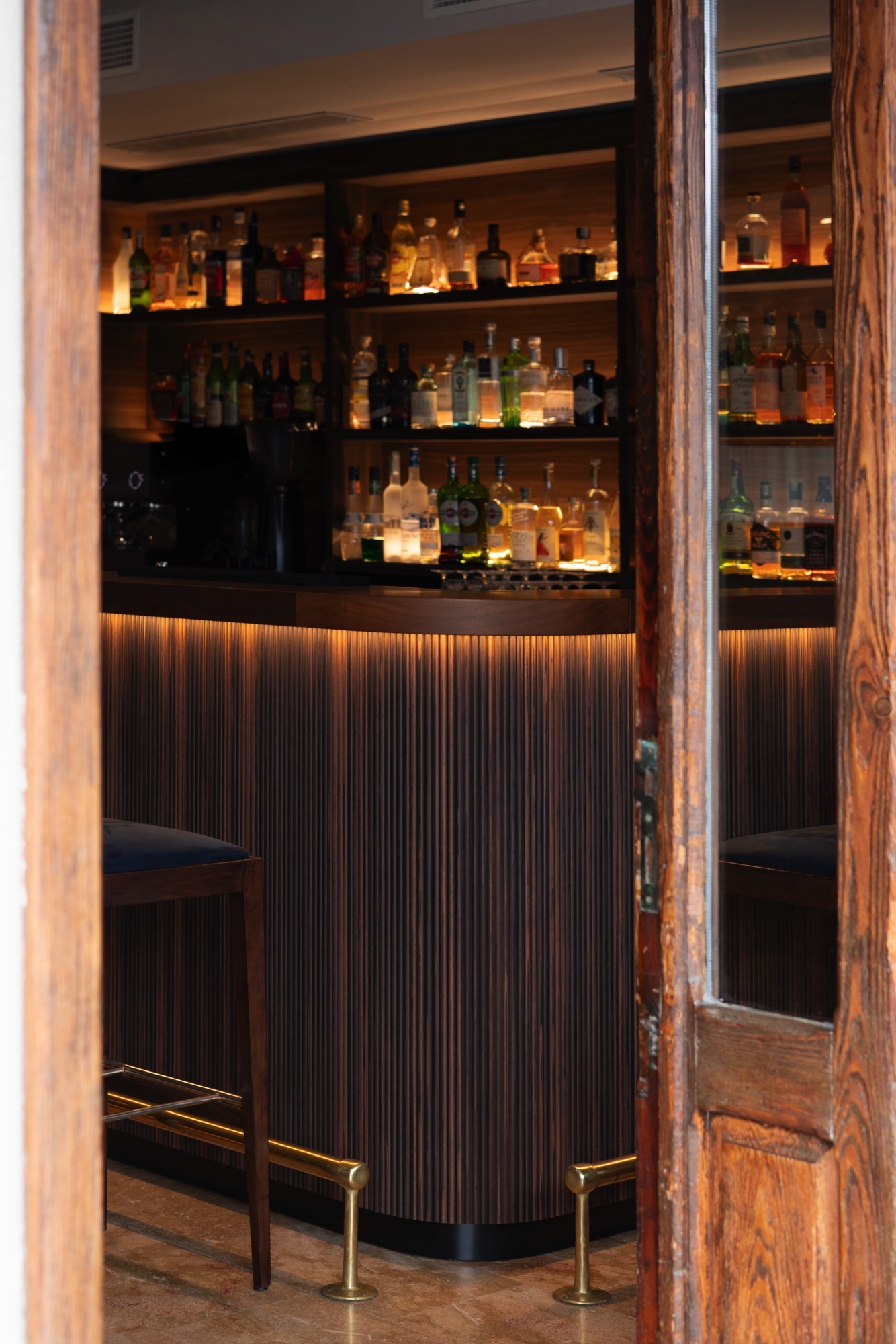
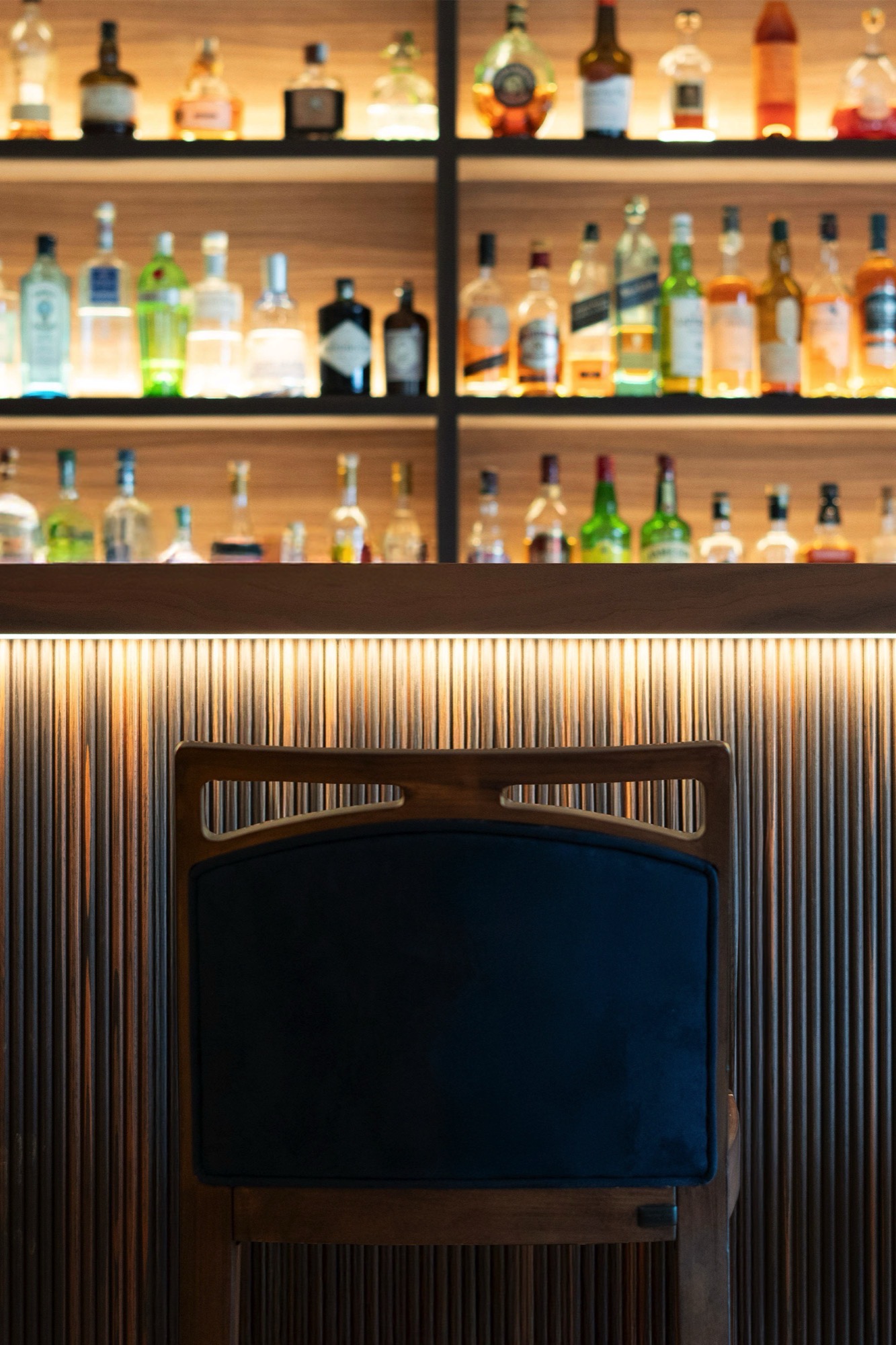
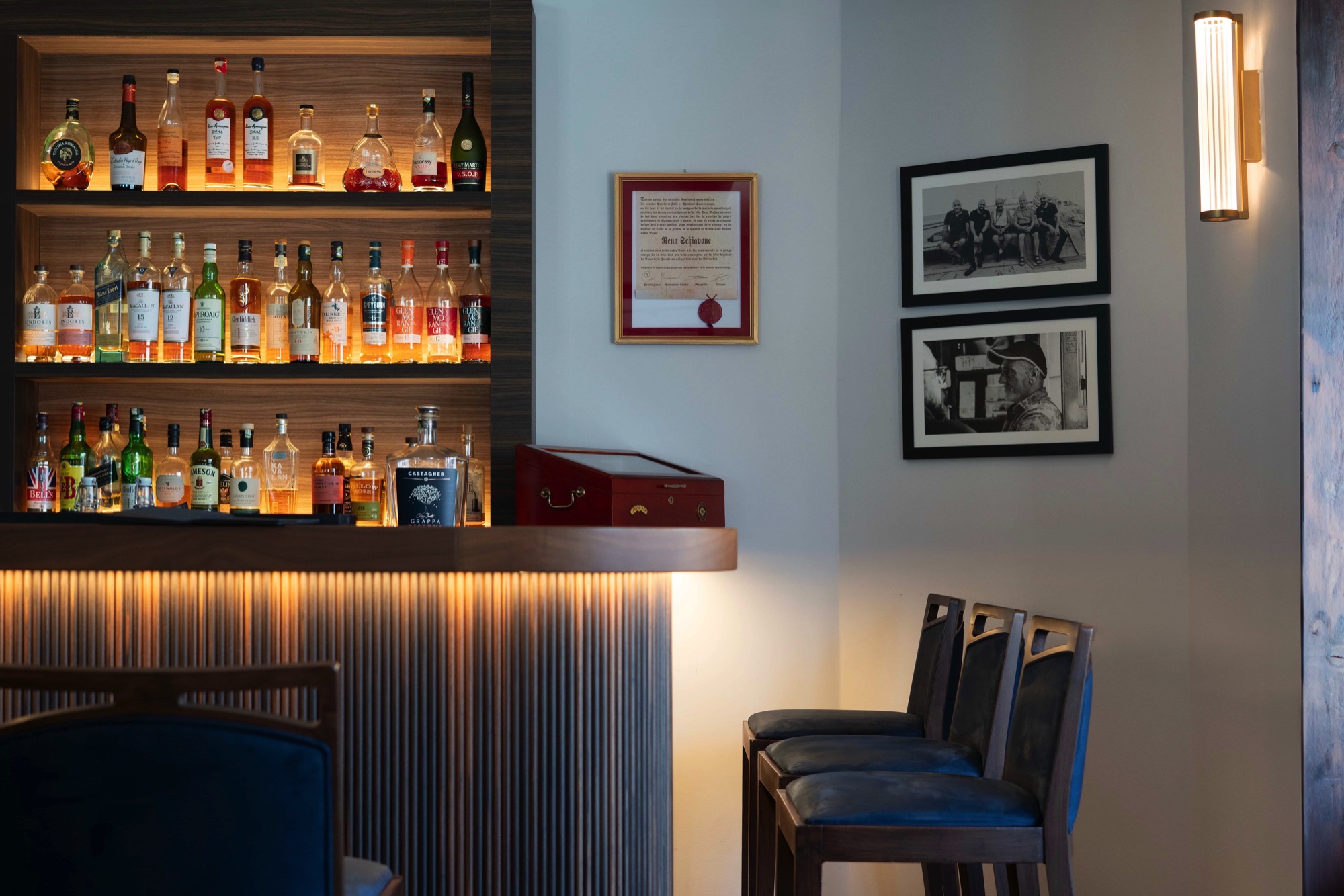
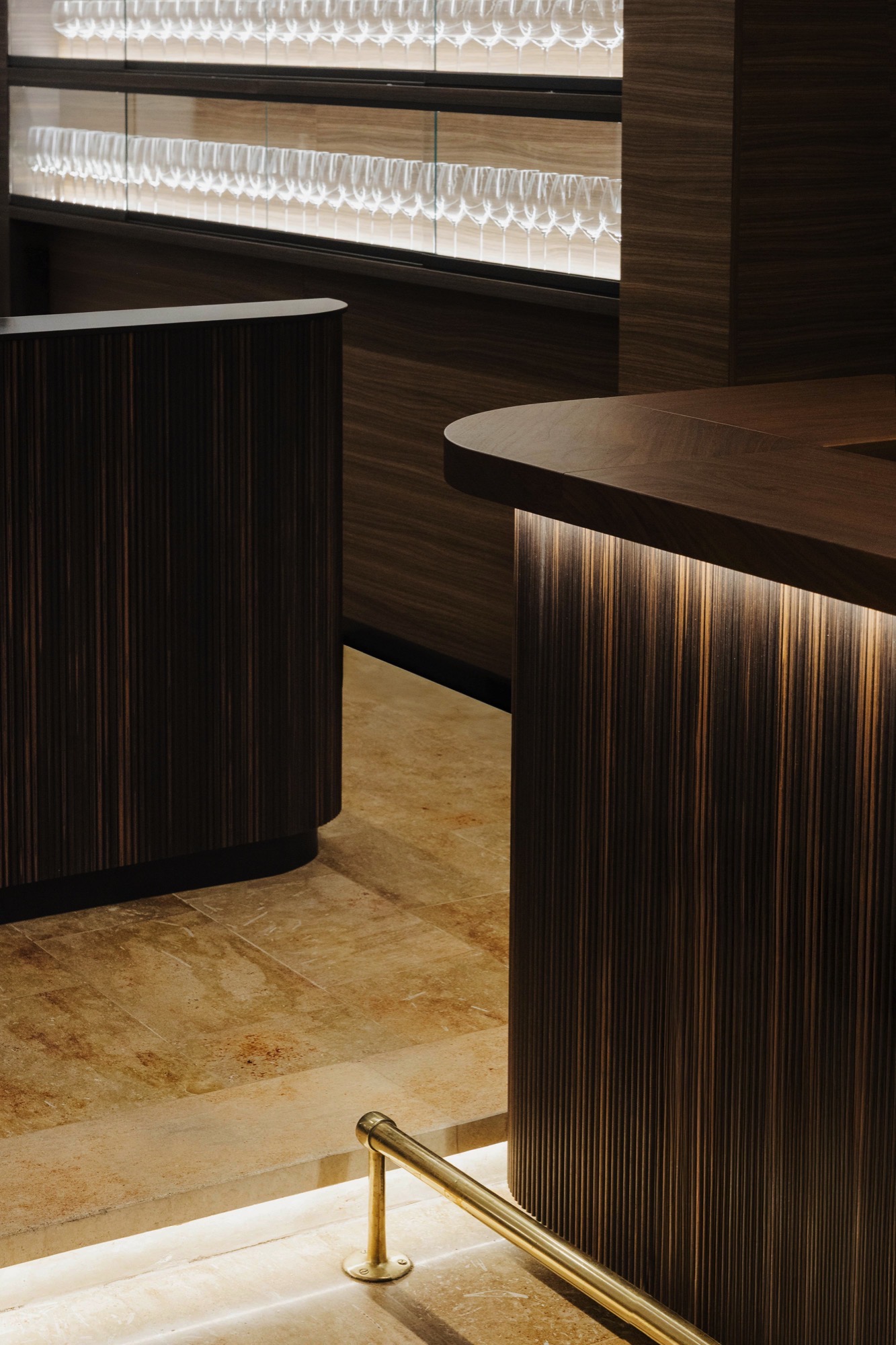
The studio reclad the bar in a dark fluted timber veneer, a material chosen for its depth and its ability to age well. “The use of dark wood was a core part of the old Tartarun palette which we wanted to make sure still took centre stage.”
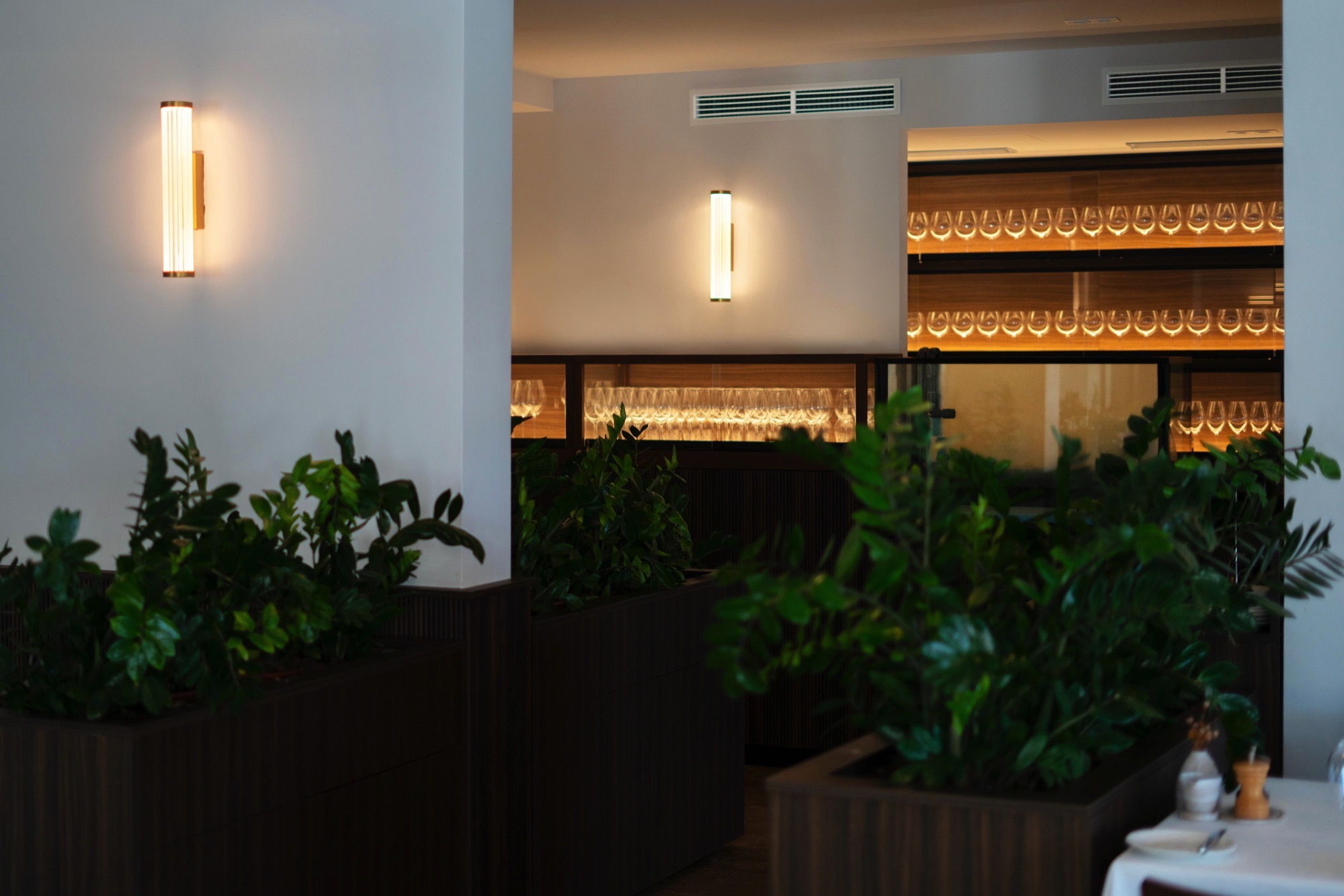
Wine was also given prominence through an illuminated display of wine glasses running along the wall, catching the light as you move through the space and drawing guests to the back of the restaurant, where a wine cellar and a newly introduced wine library were set up. A sommelier station also greets guests at the entrance.
“The palette was retained and reinterpreted rather than replaced. The space was made significantly brighter while keeping its warmth and dark toned woods,” Krystie explains.
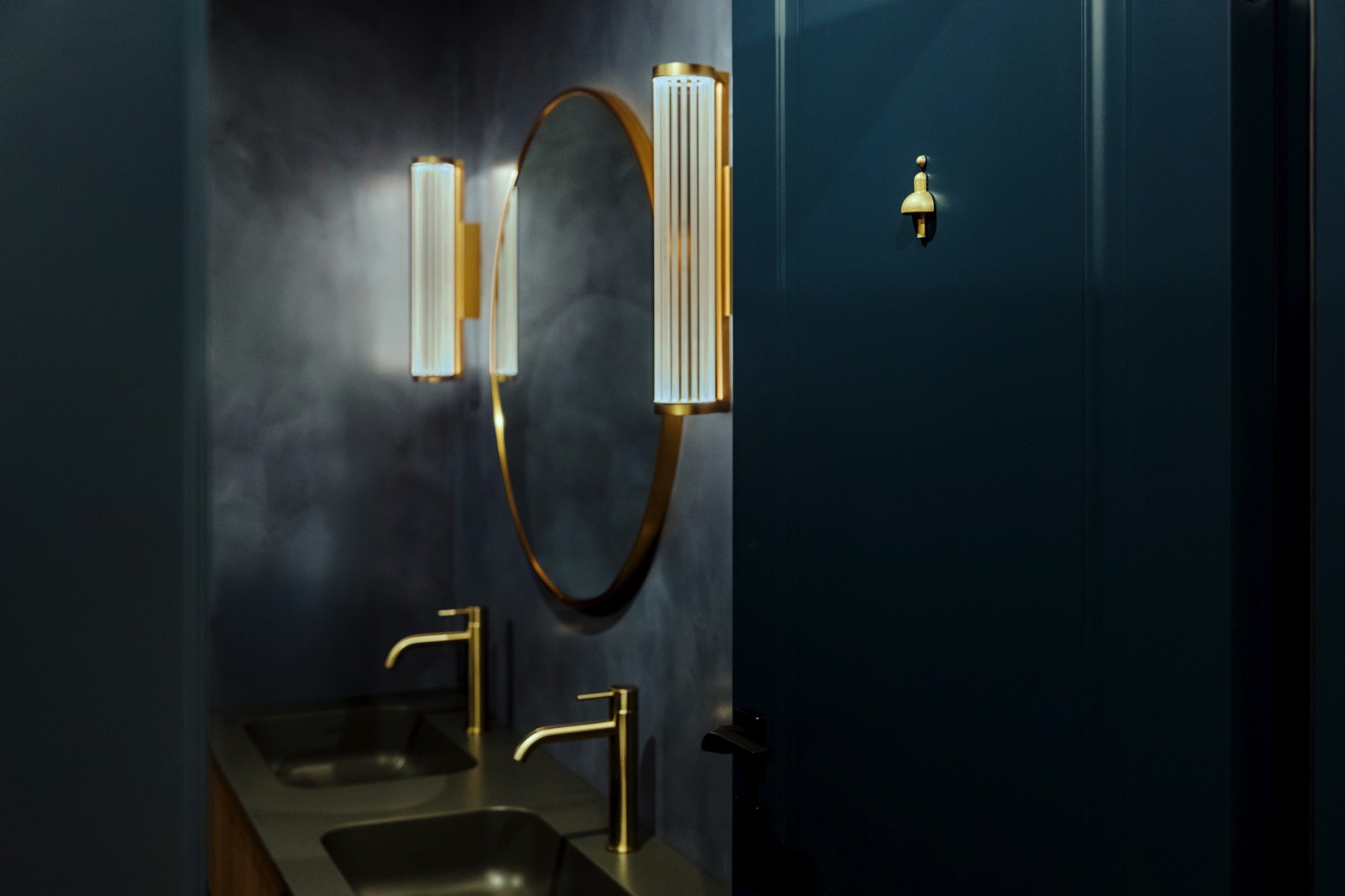
For the restrooms, Krystie opted to drench the space in midnight blue. “Rather than allowing it to read as a predictable seaside reference in the dining room, it was concentrated in this one immersive space, where floor-to-ceiling microcement, and brass and glass wall lights maintain the thread of refined elegance.”
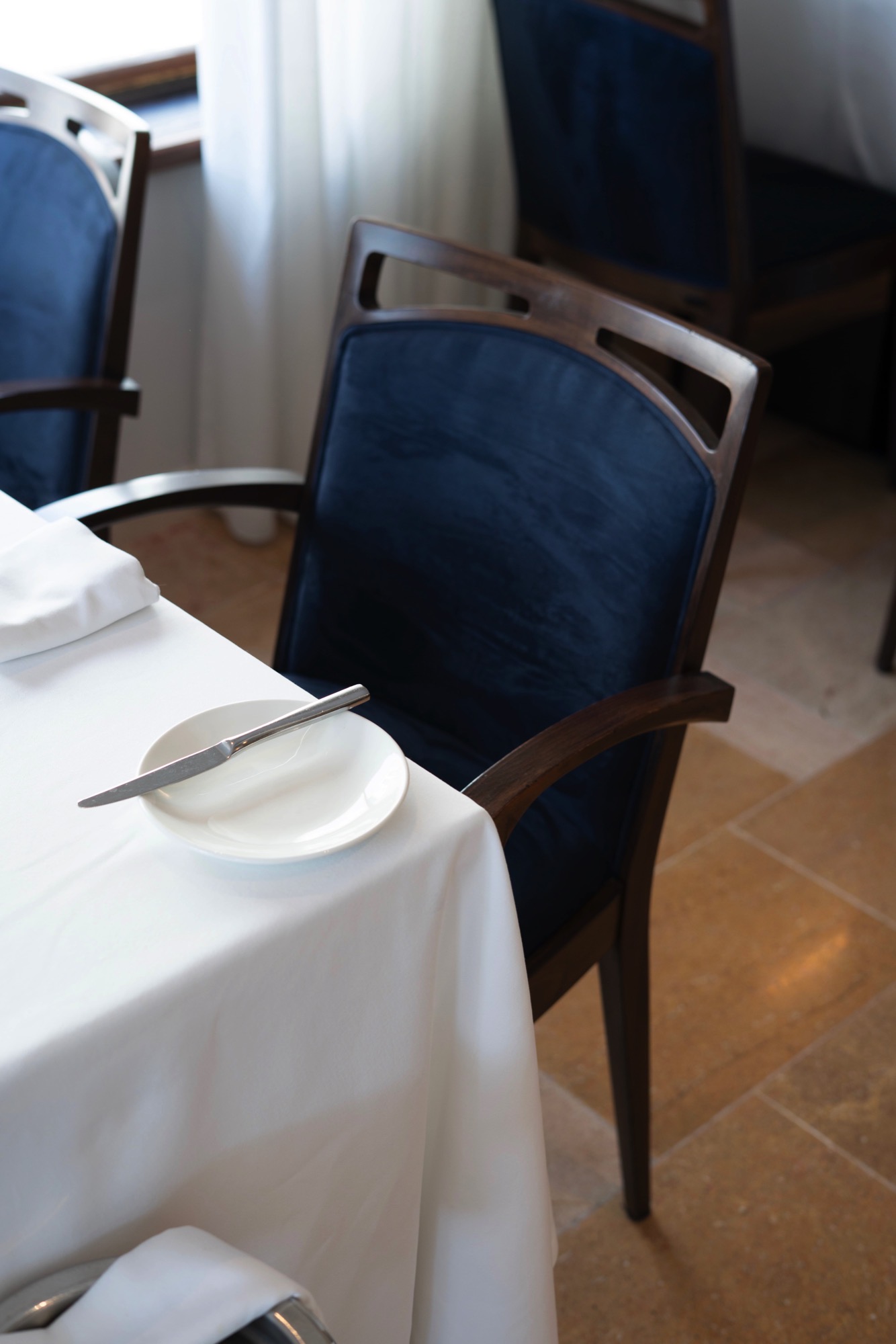
The original dining chairs were re-upholstered, while the brass footrail along the bar stayed exactly where it was. The Maltese hardstone floor, which had always given the space a strong visual and cultural identity, was preserved in full and extended further into the restaurant.
“We believe that in a project of this nature, what you keep matters as much as what you change.”
As the first project entrusted to Saveria Design Studio, Krystie’s measure of success was whether the clients felt proud of what they built together.
“The feedback that has stayed with me most came from their regulars, guests saying unprompted that the space still feels like Tartarun. In addition, since completion, the restaurant has been recognised in the Michelin Guide 2026.”
Main image: Saveria Design Studio