Occupying a corner of Somerset House – the large, neo-classical art gallery in central London – is a quietly radical installation that forms the heart of Malta’s pavilion for the London Design Biennale 2025 taking place throughout the month of June.
For months, the team – composed of curator and architect Andrew Borg Wirth, architects Anthony Bonnici, Tanil Raif, and Thomas Mifsud, art director Matthew Attard Navarro, filmmaker Stephanie Sant, and photographer Anne Immelé – worked on a design narrative that centres on the subject of cremation, while inviting the public to rethink rituals around burial and the disposition of human remains.
Malta’s installation responds to the Biennale’s theme, ‘Surface Reflections’, that prompts the exploration of how identity, memory and ritual shape the landscapes we inhabit.
“URNA is a chance for design to rethink the way we deal with dying; to create a culturally rich, historically significant and sustainably innovative way to memorialise human life,” notes Arts Council Malta who led and commissioned the team.
“In creating a universal system, it establishes itself within the contemporary and proposes a radical future which derives from our Mediterranean roots but has global ambitions.”

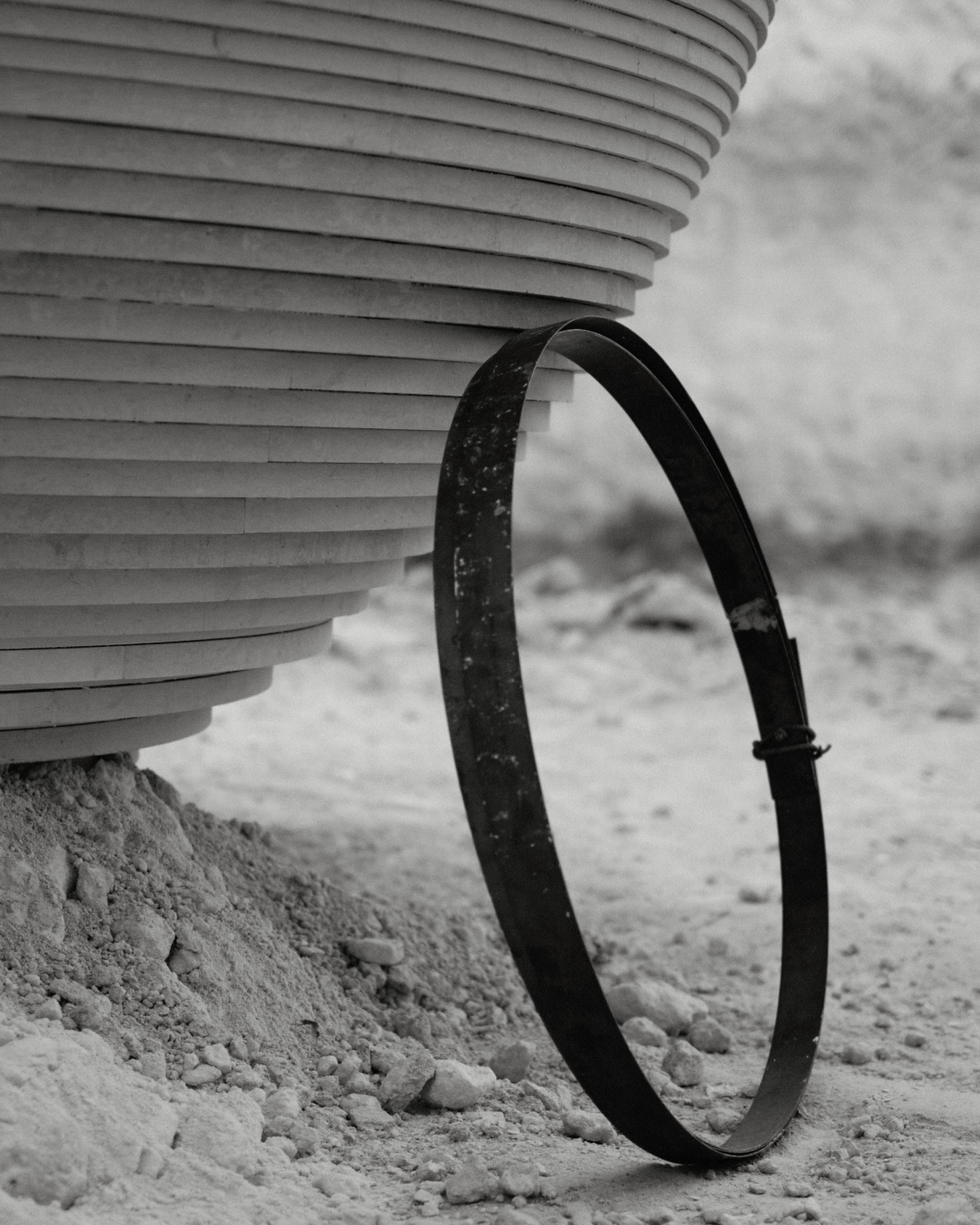
At the heart of the installation is a large, sculptural sphere representing the urn, or the very vessel that holds cremated remains.
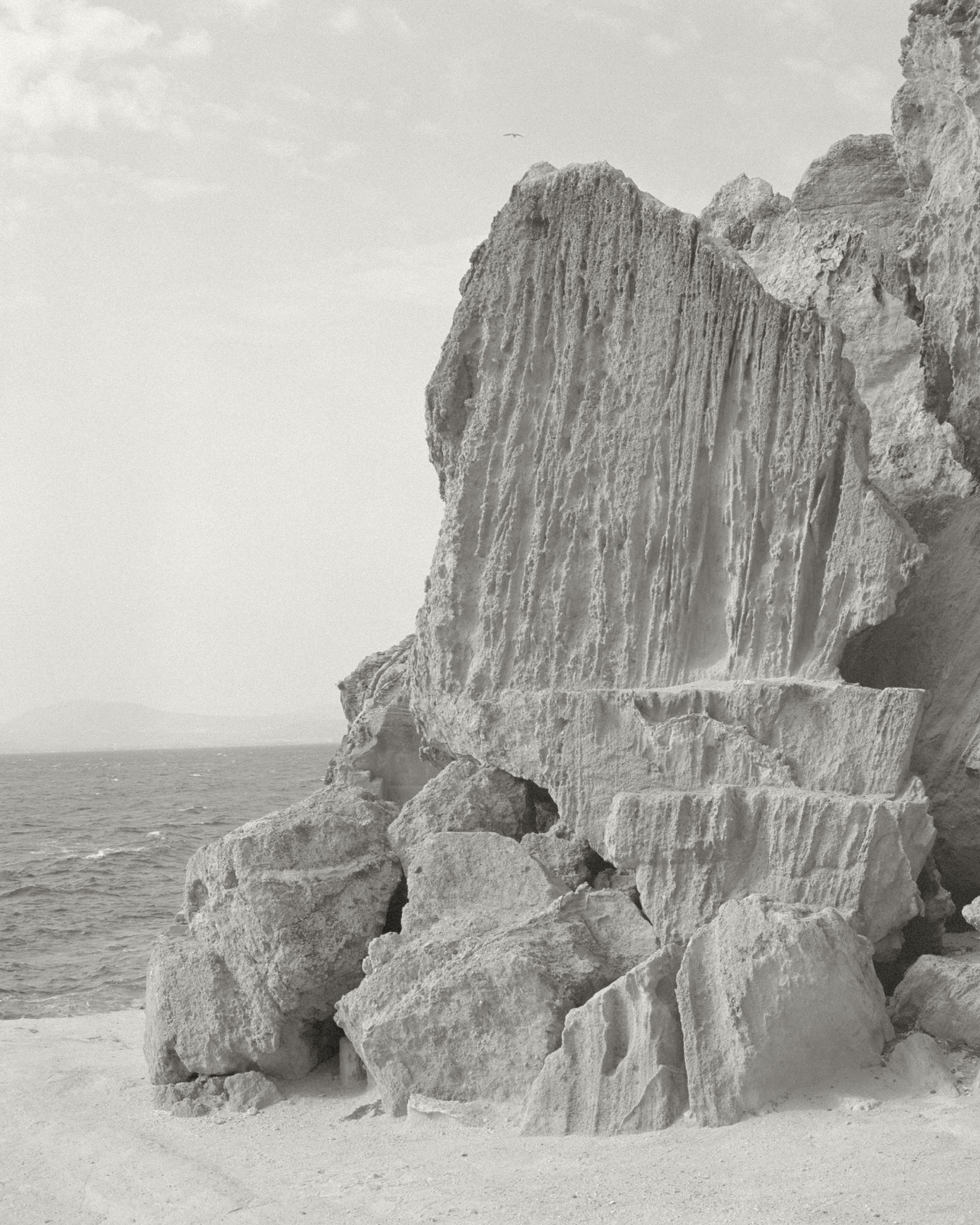
Developed by Halman Vella, it was created from layers of reconstituted limestone extracted from a Mosta quarry – drawing further connections to Malta’s architecture and identity, yet presented in a thought-provoking way that challenges tradition, customs and norms around death.
Accompanying the installation at Somerset House is a satellite urn in the quarry, a book that documents the process behind this project, and a film that was shot on location.
The London Design Biennale is being held between 5th and 29th June.
Main image: Render by Urna Malta via Spaces