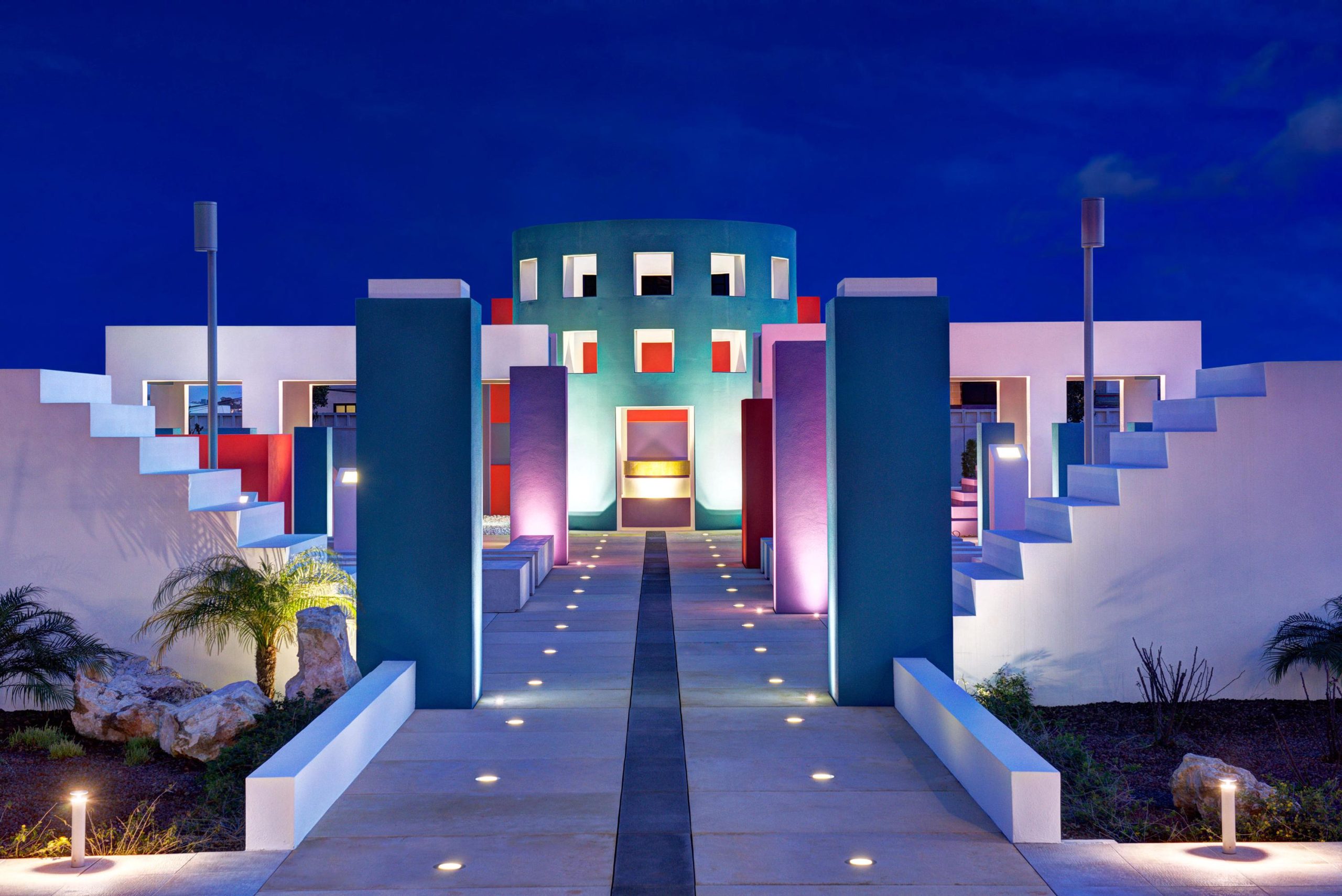
Throughout the course of this week, Malta will serve as a backdrop and an inspiration for Ħaġra Festival 2025, an event that will bring together architects and the wider community to participate in the ever-evolving discourse of contemporary architecture in the Mediterranean Basin.
Ħaġra is the brainchild of Prof. Alex Torpiano, an architect and distinguished academic who served 16 years as Dean of the Faculty for the Built Environment at the University of Malta as well as former Executive President of Din l-Art Ħelwa.
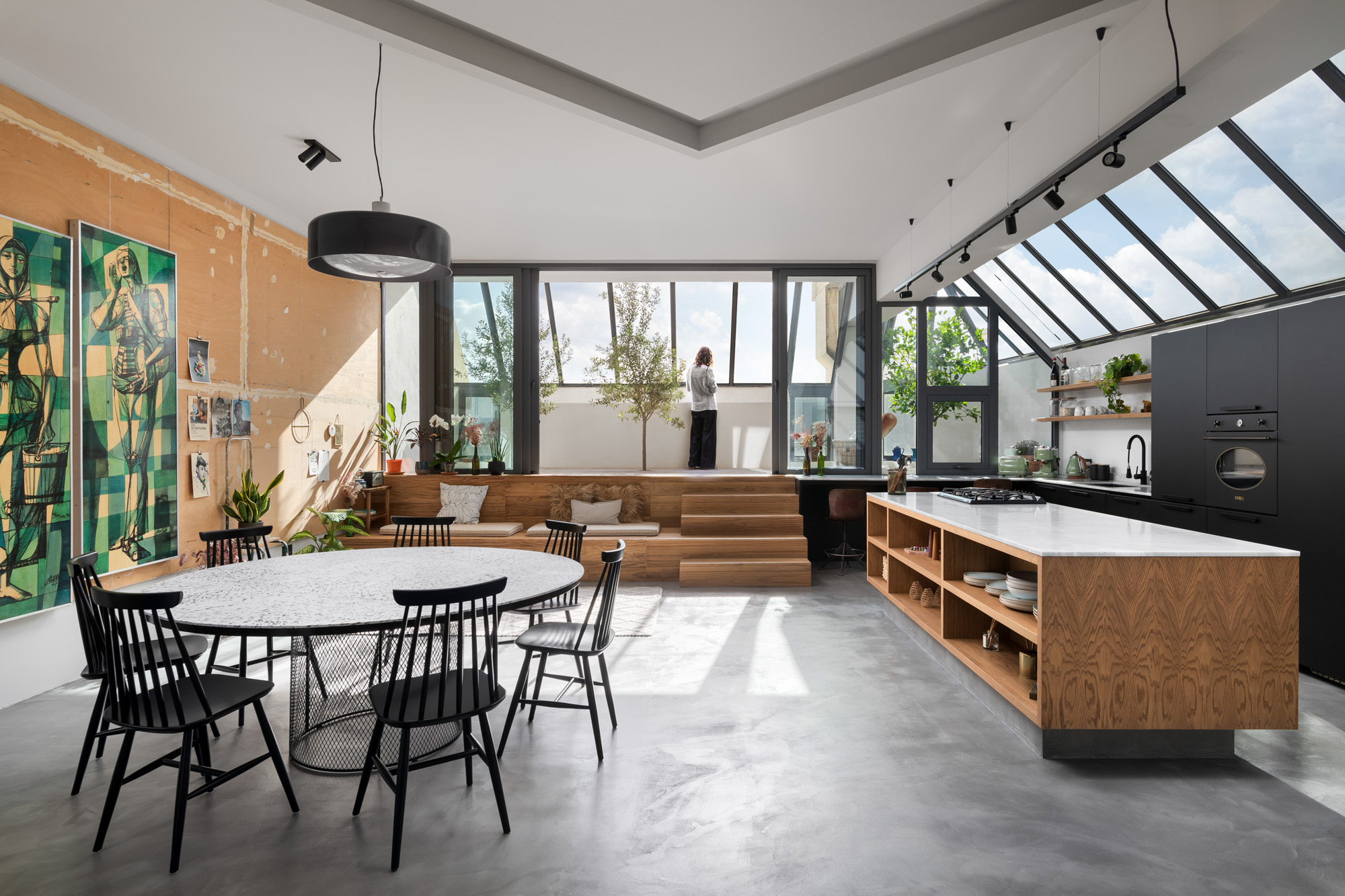
While the event forms part of the NGO’s 60th anniversary celebrations, it is intended to offer a space for dialogue, innovation, and reflection through a curated programme of discussions, panel debates, exhibitions, and site-specific interventions about the present and future of architecture practice in the region.
A period of unprecedented challenges
As a region that has historically served as a crossroad of cultures and ideas, with Malta positioned at its heart, the Mediterranean has long been seen as a region of exchange and resilience which today faces unprecedented challenges, from the climate crisis and resource scarcity to political instability, urban expansion, and the delicate balance between heritage, preservation and modernisation.
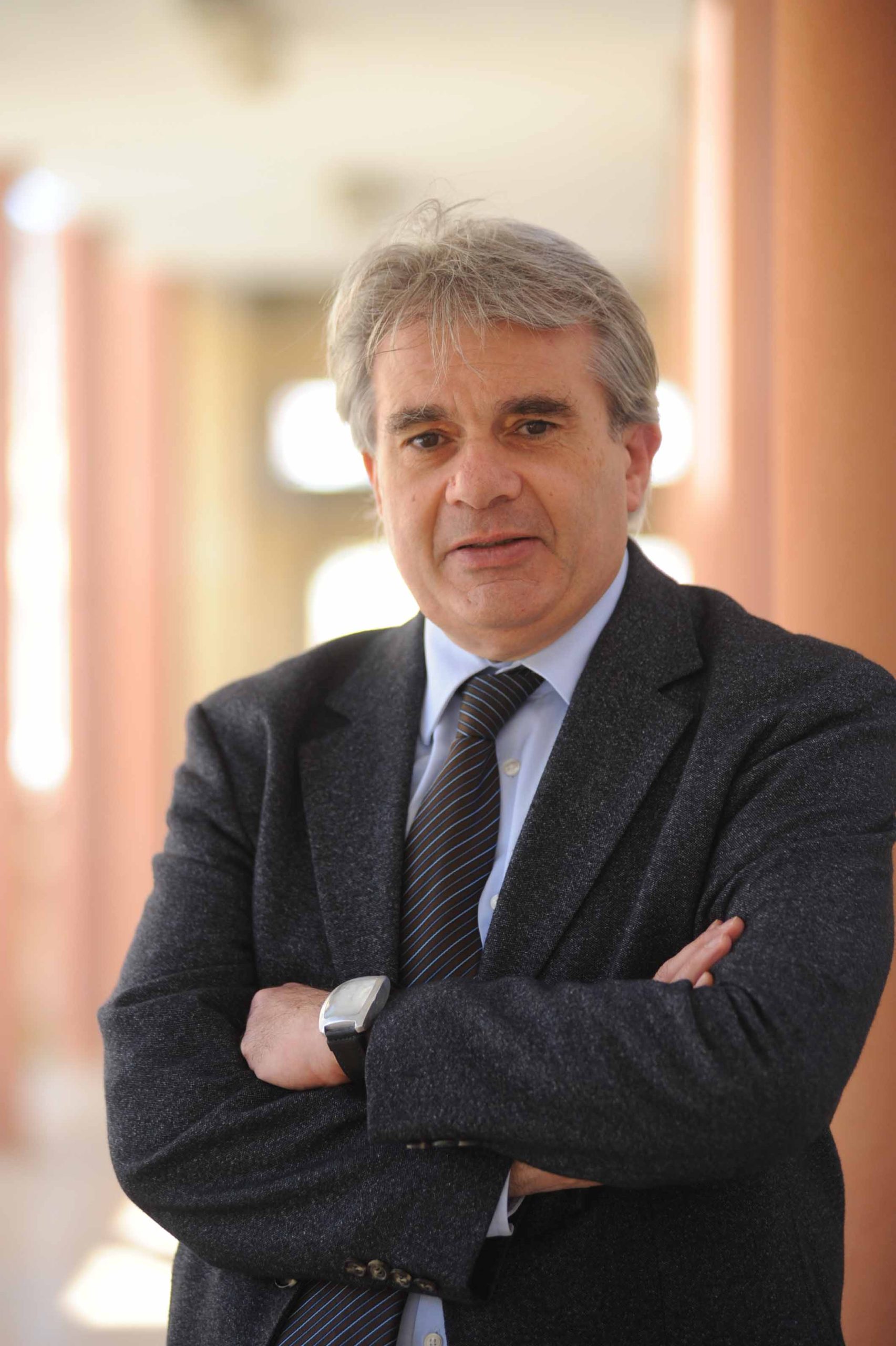
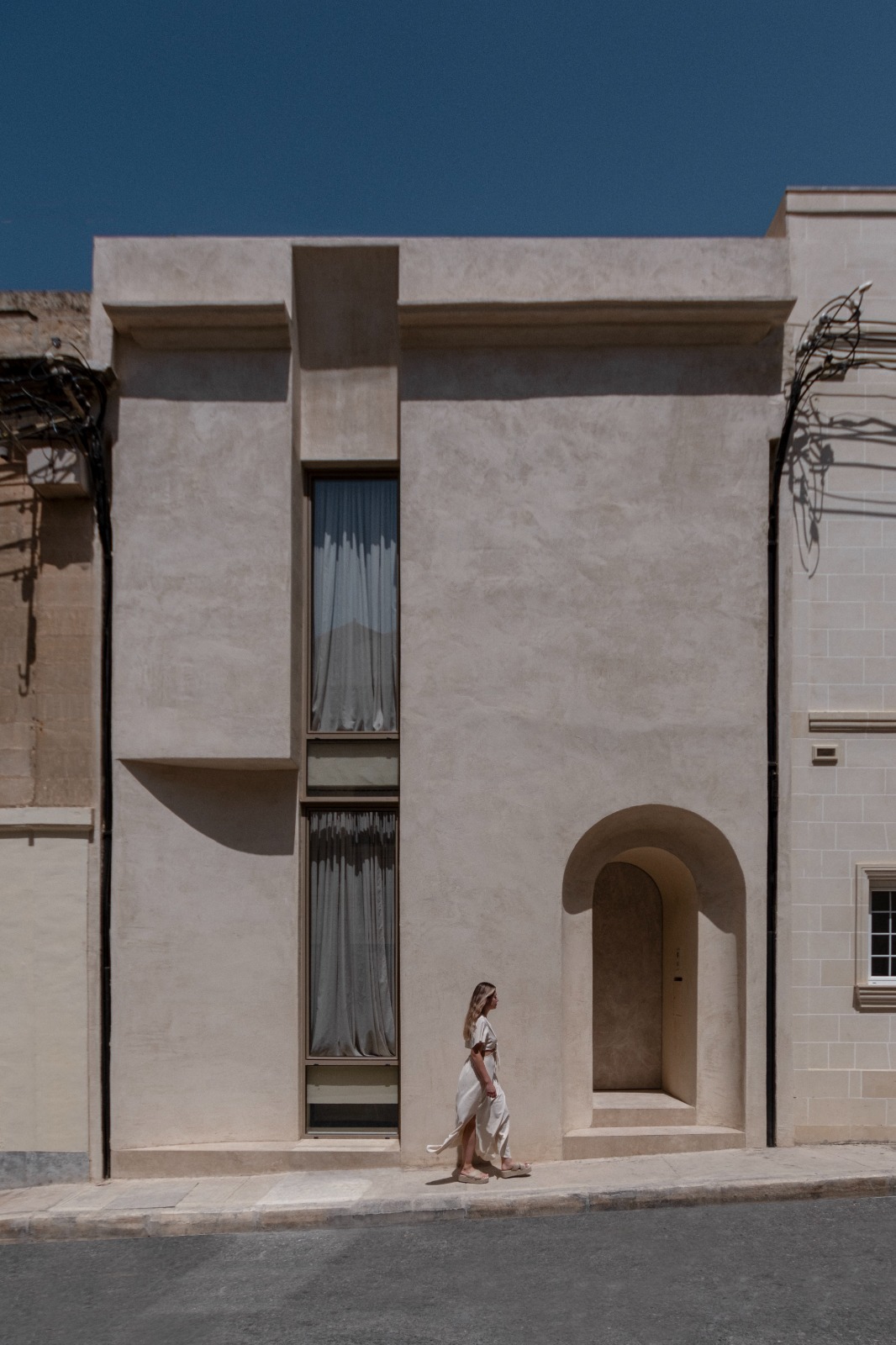
In exclusive comments to DesignDispatch, Prof. Torpiano notes that “the proper motivation for becoming an architect is the desire to make the world one lives in a better place. It is quite distinct from mere building.”
“After working for many years as an architect, and as a teacher for architects, I can say that the pursuit of architecture in Malta has become lost in the frenzy of building; and the consequence has been a disconnect between contemporary architectural design and public appreciation,” he says. “The public no longer expects that current buildings are effectively the architectural heritage of the future.”
When Din l-Art Ħelwa was founded 60 years ago, its mission in the context of post-independence rapid urban development was to prevent the loss of Malta’s urban and architectural heritage.
“In spite of the fact that Din l-Art Ħelwa is associated with the protection of existing built and natural heritage, and with on-going campaigns against what we believe is inappropriate building development, Din l-Art Ħelwa has never been against built development, that is, development of good quality,” says Prof. Torpiano.

He adds that this is reflected in the Architectural Heritage Awards hosted by the NGO every year. However, the team wished to further raise the awareness of the potential of contemporary architecture – as well as Malta’s existing modernist heritage – by showing what other leading architects from the Mediterranean Basin were doing in their own countries; specifically, countries with the same climate, with similar building traditions, as well as with linked cultural traditions and socio-economic conditions.
“Just as concerts offer music from different musical traditions, we wished our festival to offer architecture from an area with different cultural backgrounds, but with characteristics which we can also recognise.”
Promoting quality contemporary architecture
The driving force behind Ħaġra, as Prof. Torpiano notes, is “to promote good quality contemporary architecture in Malta. My personal ambition would be to have a similar event organised on a biennial or triennial basis, and that would be very good for the local architectural scene.”
“It would be an added bonus if the event became recognised also at regional level. Most of the architects whom we invited expressed their excitement at this type of event, and their agreement that it was an important initiative for the region,” he adds. “Beyond Din l-Art Ħelwa, my own personal ambition is that it could spur the long-promised adoption of an Architectural Policy for Malta to promote good quality architecture at public level.”
Featured in the week-long festival are guided tours to the Frank Portelli Archives and The Brewhouse; presentations by local and international architects showcasing projects and design philosophies from Maltese studios and architects from Palestine, Morocco, Sicily, France, Spain, Greece and Turkey; roundtable discussions focusing on key issues for architects in Malta; and the launch of Malta Modernista, an initiative aimed at addressing the neglect of local modernist architecture.
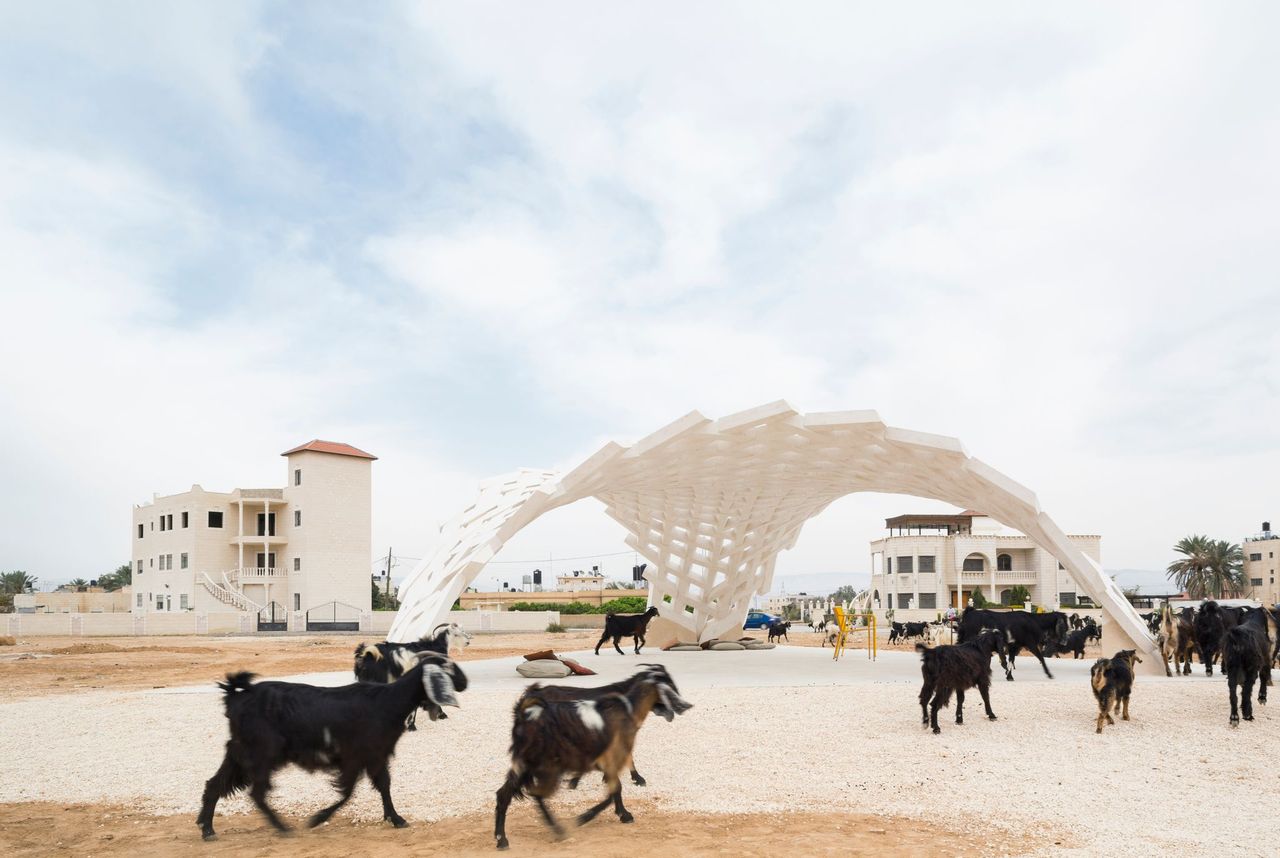
Asked to share a personal highlight from the week ahead, Prof. Torpiano says all the architects’ contributions are of interest, “however, we are particularly looking forward to an online contribution from Yousef and Elias Anastas, brothers and architects from Betlehem, who unfortunately found it difficult to travel to Malta in the current situation. War is, unfortunately, also a feature in our part of the world. I hope that the technology will work!”
Ħaġra Festival will be held from Monday 12th to Sunday 18th May. View the full programme here.
Photography courtesy of Ħaġra Festival