Across the globe, bridges are both a celebrated feat of engineering and architectural attractions in their own right. From Florence’s Ponte Vecchio and Charles Bridge in Prague to Paris’s Pont Neuf or Brooklyn Bridge in New York City, these magnificent structures are a product of place and time which, at their core, are intended to connect towns, streets and people.
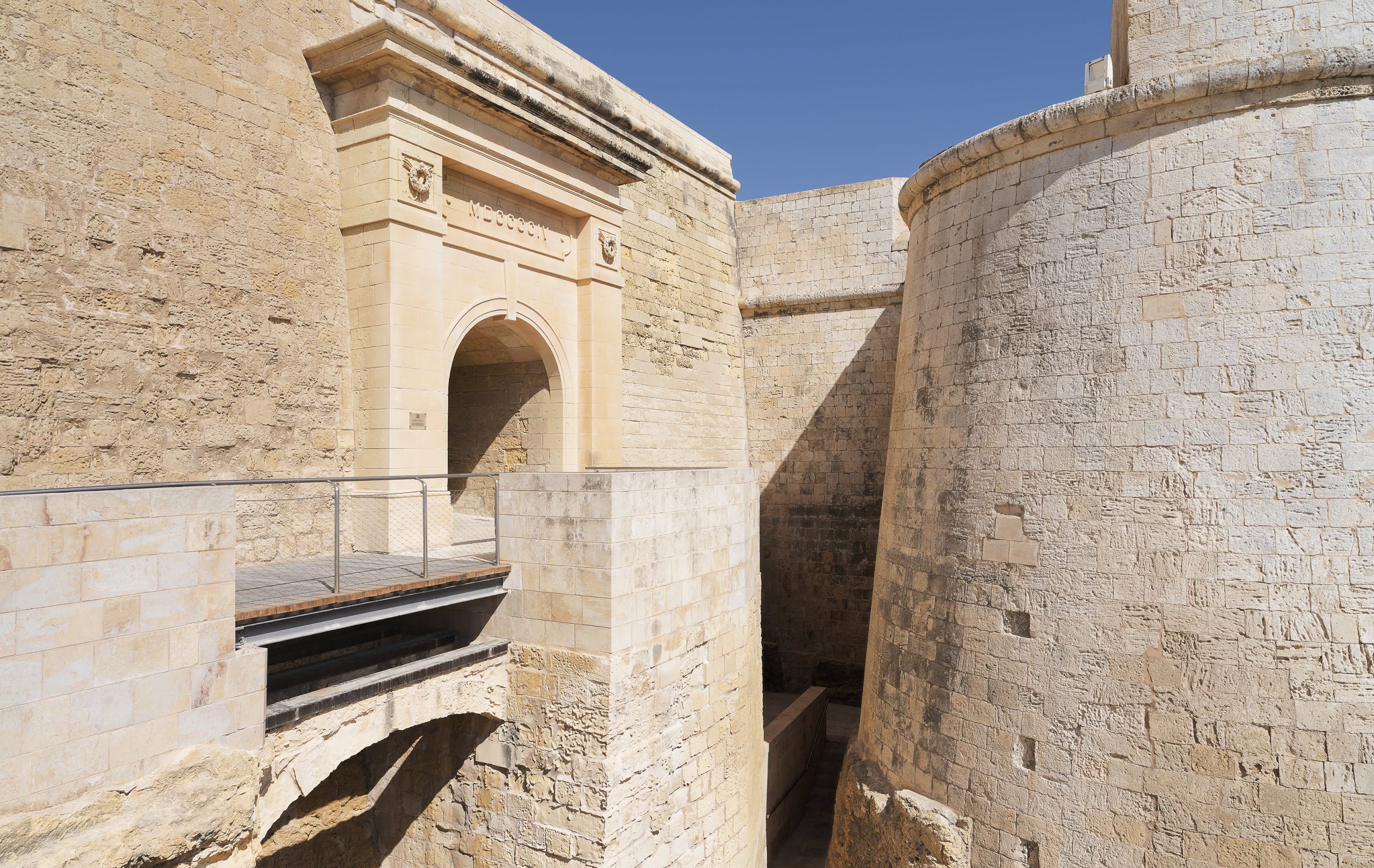
While Malta’s bridges may be far smaller in scale, a new book published by Kite Group, featuring the photographic work of Alex Attard and a study on bridges by architect Conrad Thake, demonstrates the diversity of such structures across the island.
The volume of images captures bridges in fortifications, cities, the countryside, as part of buildings and infrastructure, the latter being the reason for a spike in the construction of bridges in recent years following major transformations to Malta’s road network.
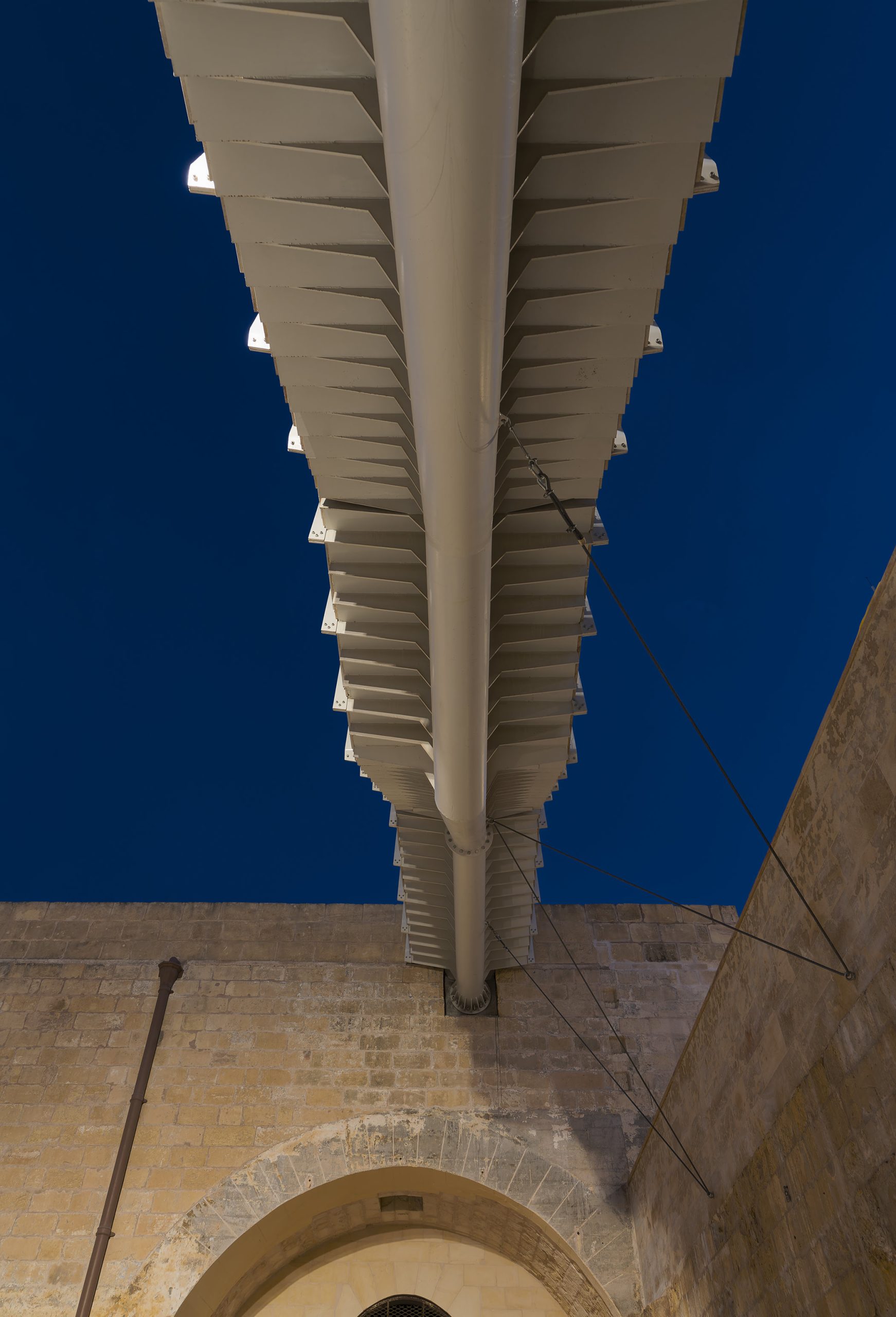
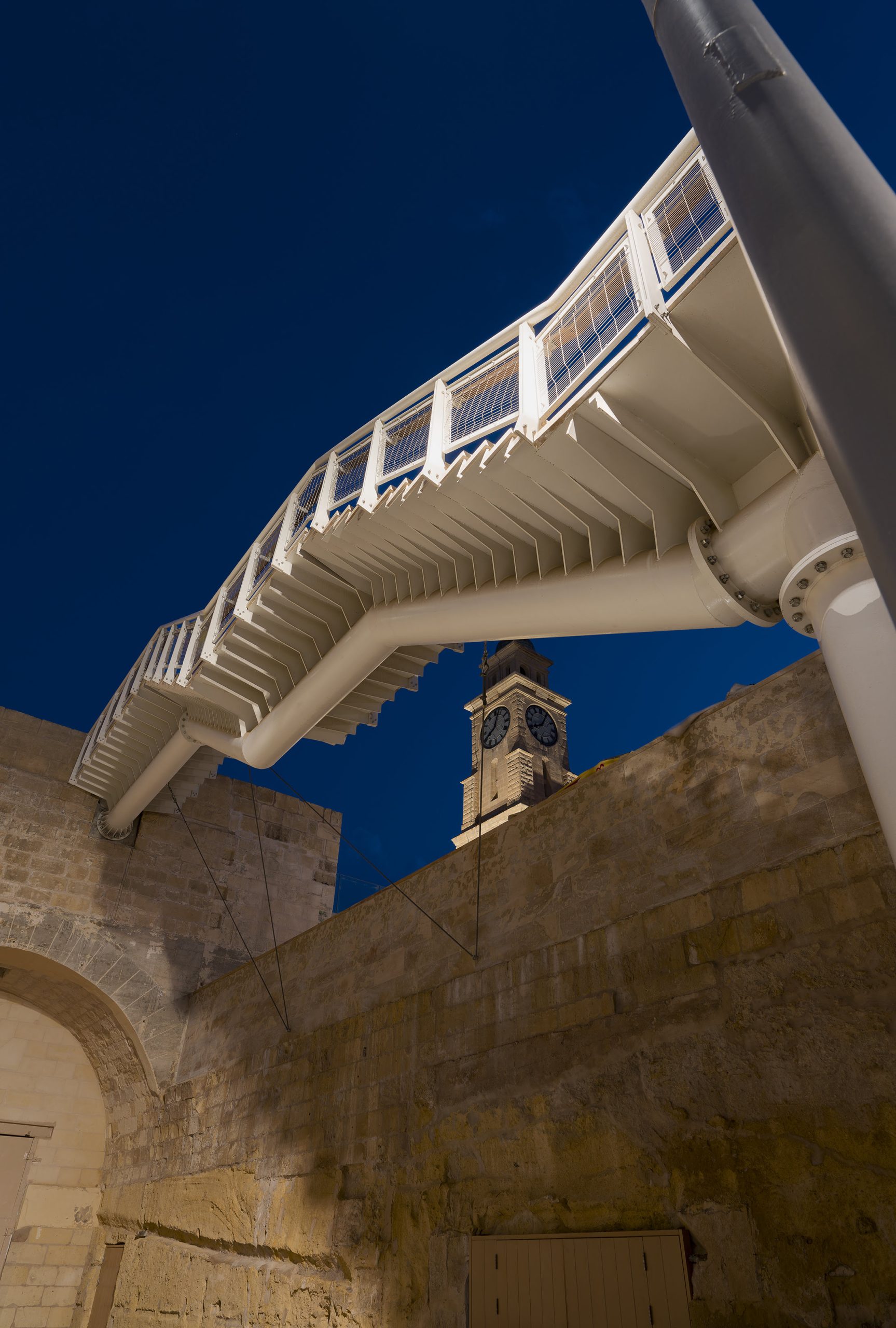
“I was asked by my publisher if I would be interested in working on a photography-based book documenting bridges in Malta. I was thrilled,” Alex writes in the book.
“One initial concern was whether there were enough bridges in Malta to create a compelling and engaging book about the subject. So, one day, together with architect Conrad Thake, and Gordon Pisani of Kite Group we brainstormed the idea for a way forward.”
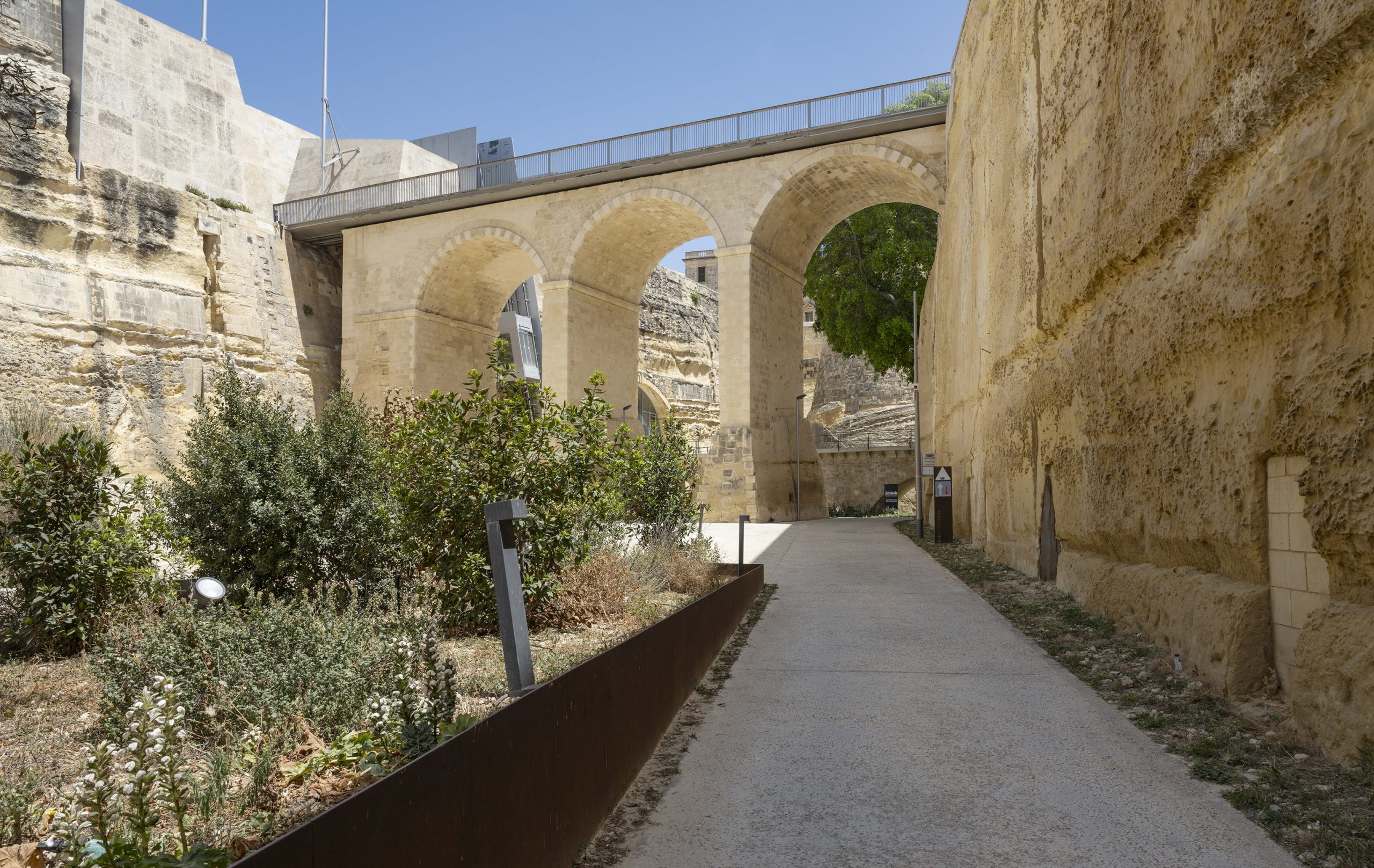
The team was pleasantly surprised at the number of bridges they could locate, kicking off “an exciting and interesting journey of discovery visiting over 70 sites in over 50 locations multiple times and at different times of day.”
“Although this is not a comprehensive inventory of bridges in Malta and Gozo, it provides a representative selection of bridges of various styles, in different environments and periods in time,” he adds.


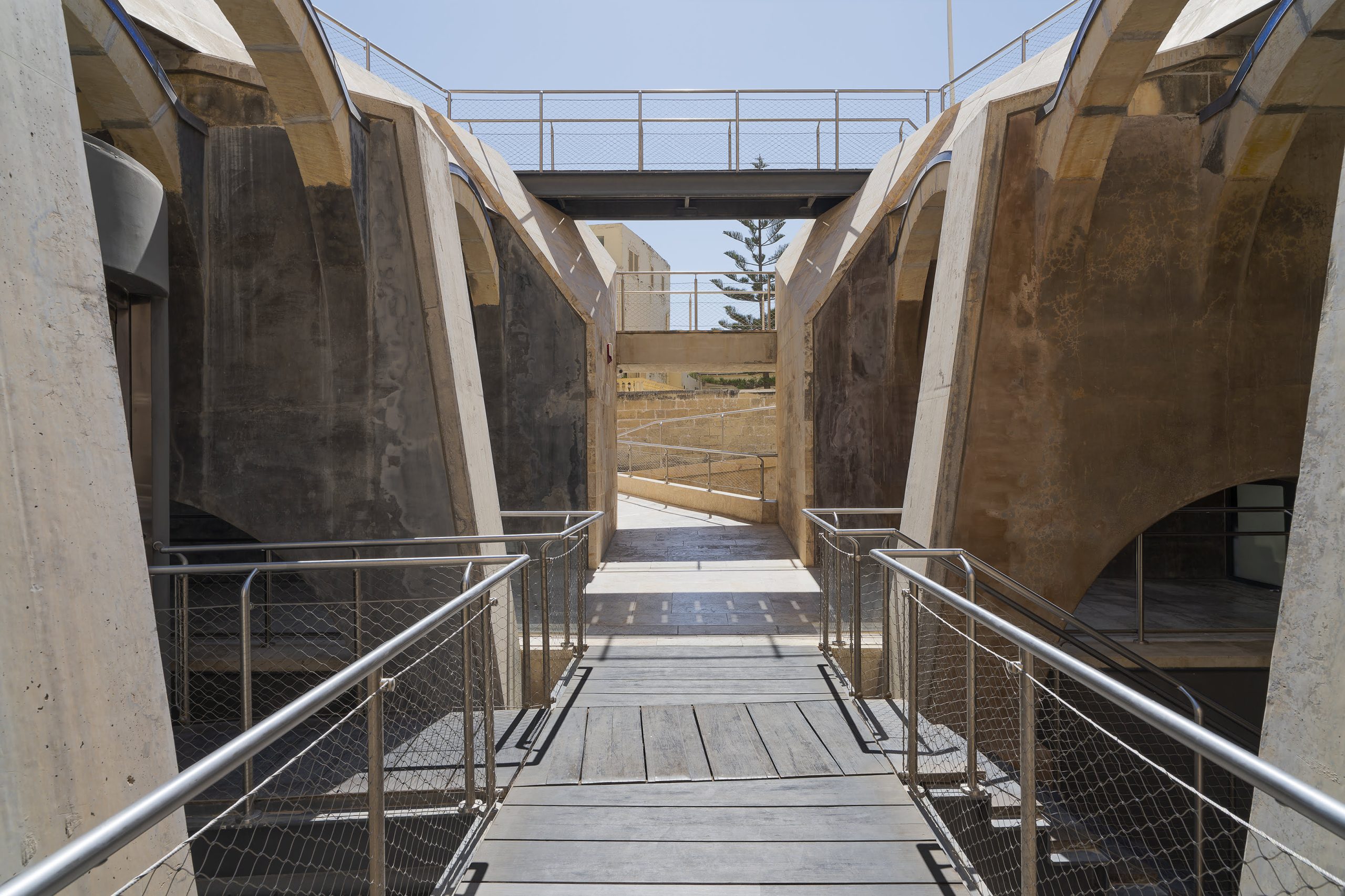
Every group of images reveals glimpses into Malta’s past and present. In the countryside, bridges predominantly built from stone “speak of the craftsmanship of bygone eras and the harmony between man and nature.”
In fortifications, bridges and drawbridges symbolised safety, a crossover between the security of the fort and the outside world, and contemporary interventions – such as architect Martin Xuereb’s designs for the Cittadella in Gozo and Renzo Piano’s City Gate project for Valletta – make it possible for the public to experience these sites today.
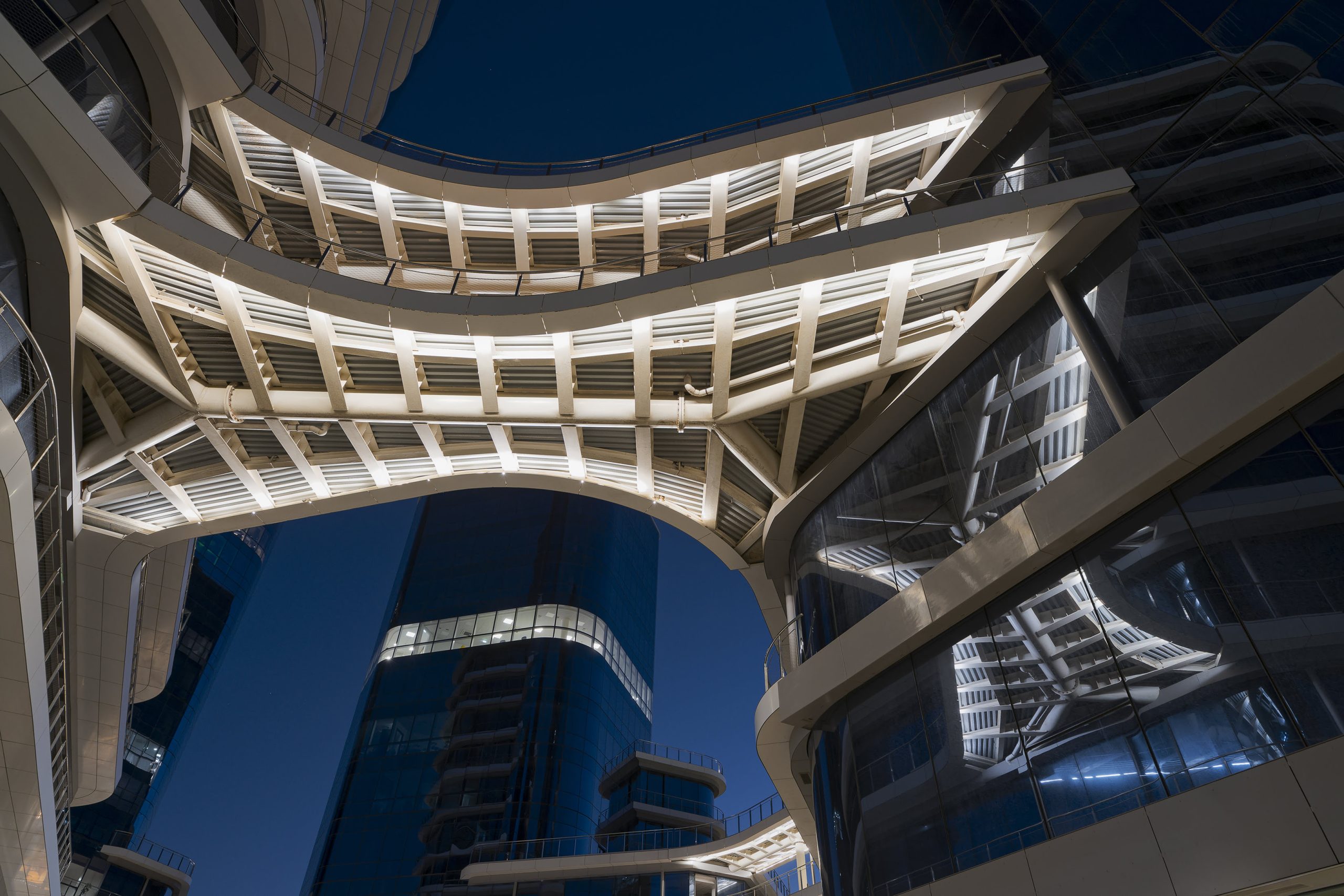
‘Bridges in Malta’ captures the multi-faceted value of these enduring structures – their role in urban development, accessibility and social connection, and their aesthetic contribution to the spaces around them.
“Ultimately, bridges represent more than mere connections; they symbolise the enduring spirit of collaboration, innovation, and hope that drives humanity forward,” says Alex.
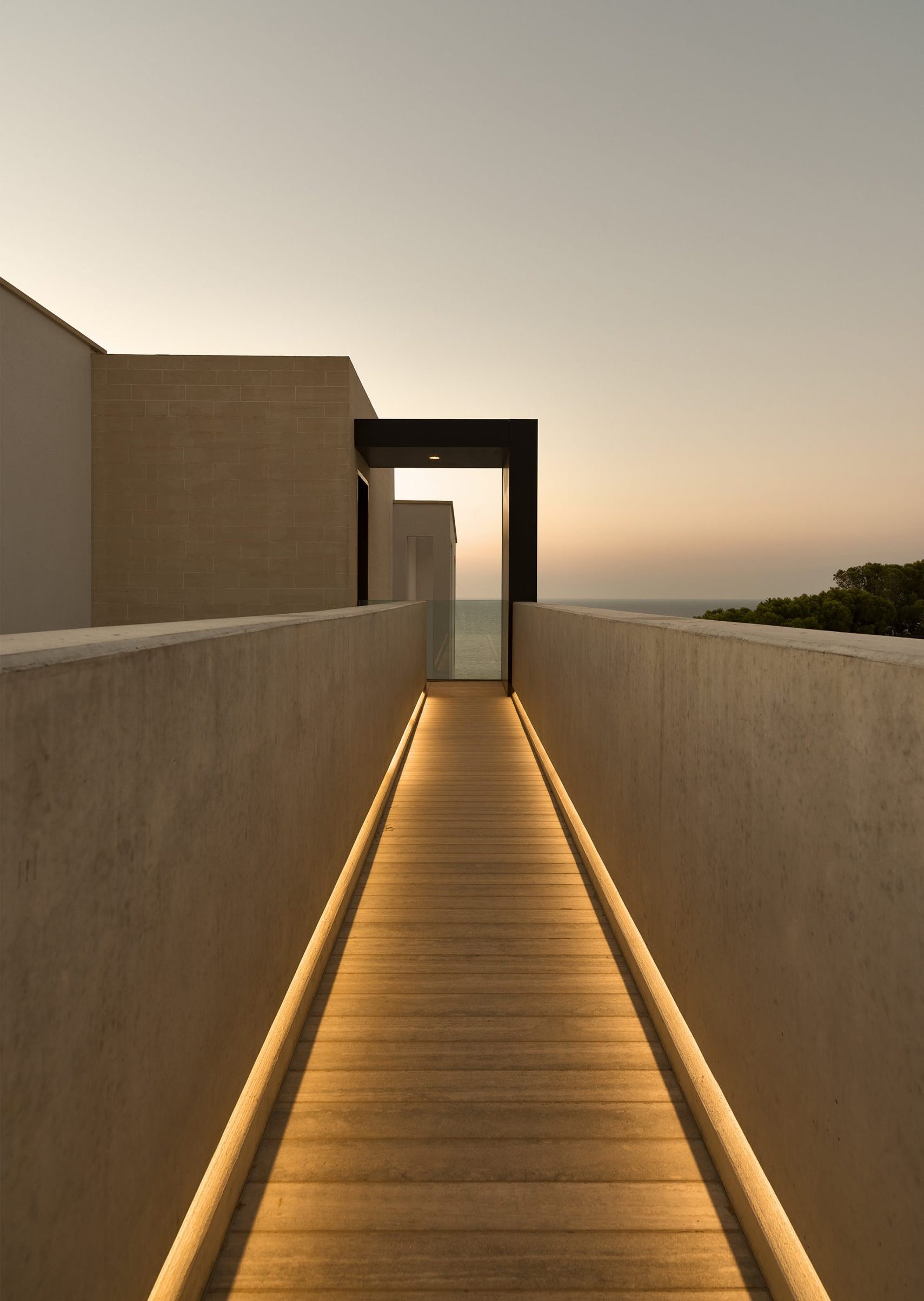
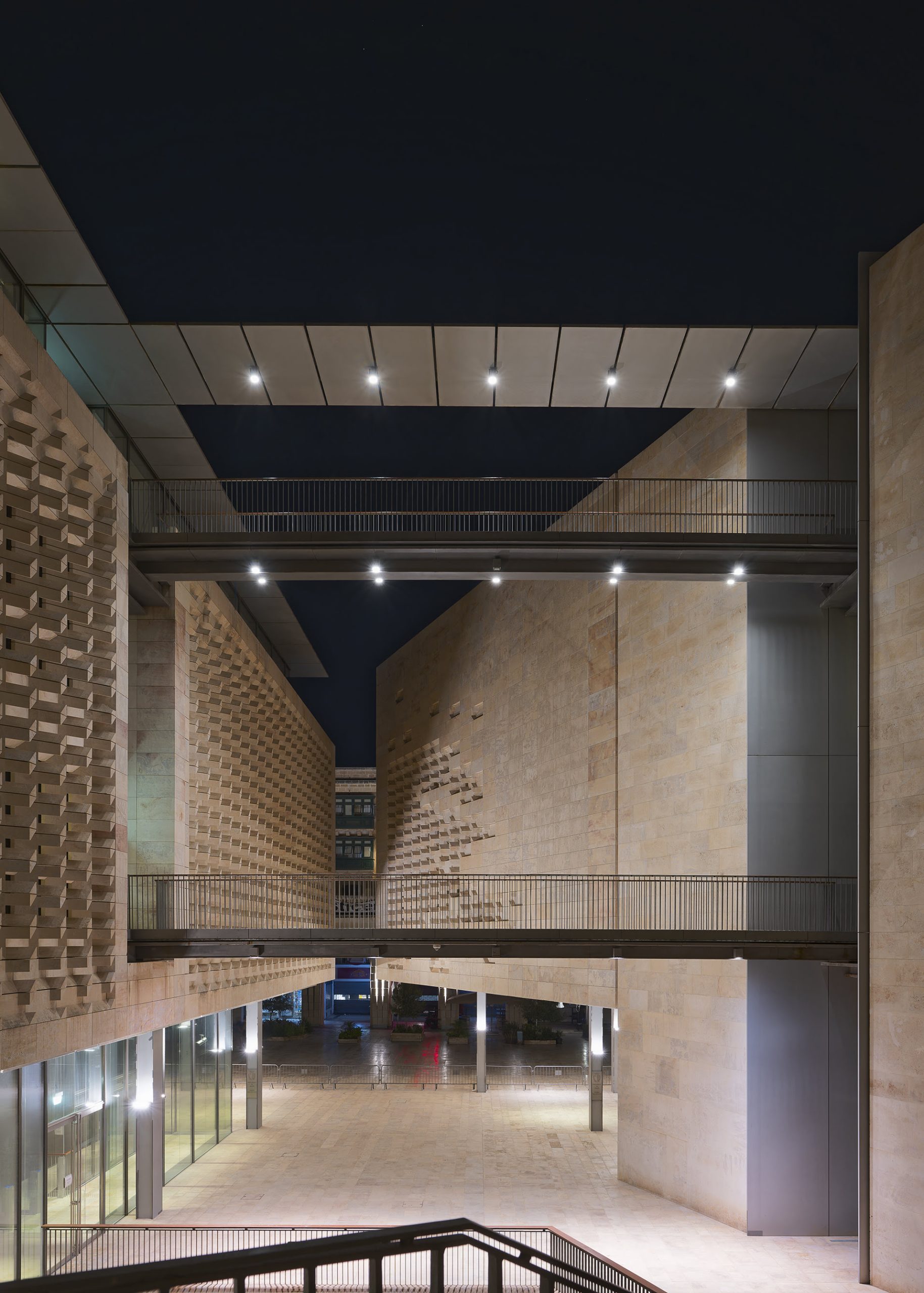
Prof. Conrad Thake adds that the main objective of the book is not only to document bridges in the Maltese landscape, “but also to bring to light the human endeavour that went into their planning, design, and construction.”
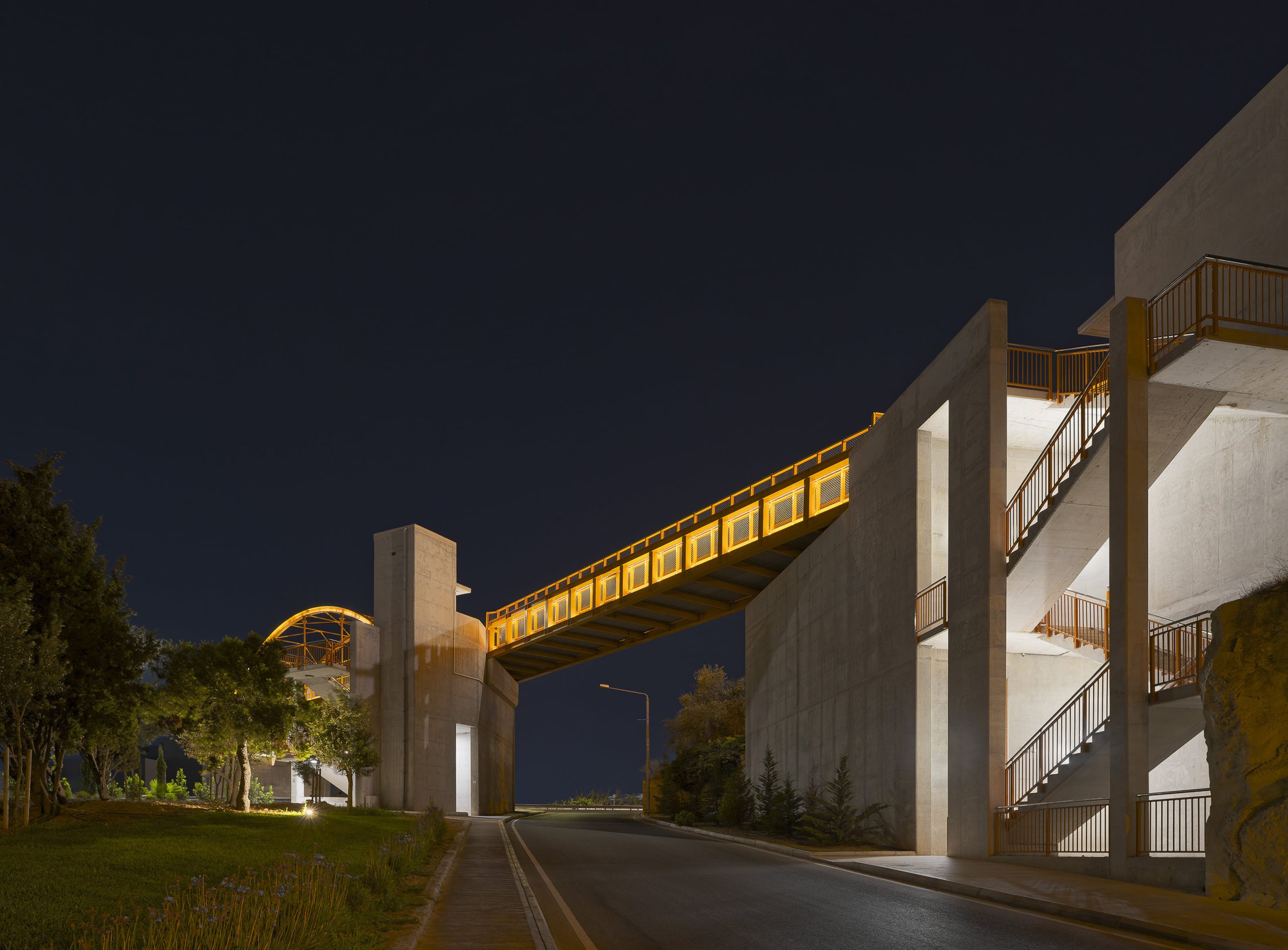
“Although these bridges were motivated and conceived primarily for a utilitarian purpose, there was also a concerted effort to create structures that were aesthetically appealing. It is within this optic that bridge-making can be considered as the embodiment of the Vitruvius triad where the overall architectural quality is derived from the synergy between firmitas (structural soundness), utilitas (function), and venustas (aesthetic quality).”
Main photo: Albert Town, Marsa / Alex Attard