2024 is proving to be an unforgettable year for Corinthia Hotels. Hot on the heels of the opening of The Surrey in New York – the hospitality group’s first property in North America – comes the opening of the Corinthia Grand Hotel Astoria; a majestic building nestled on Rue Royale in Brussels with a story that started in 1910, was suspended with the hotel’s closure in 2007, and resumes again today after 17 years in disrepair.
Regarded as a Belle Époque gem designed by Belgian architect Henri van Dievoet, the Grand Hotel Astoria has hosted royalty, dignitaries, artists and famed personalities throughout the first phase of its lifetime, while bearing witness to the epochs and events that shaped Brussels.
Today, it is reborn as Corinthia Brussels, bearing the brand’s trademark of classical elegance following a lengthy restoration and renovation process that brought it back to its former splendour and beyond.
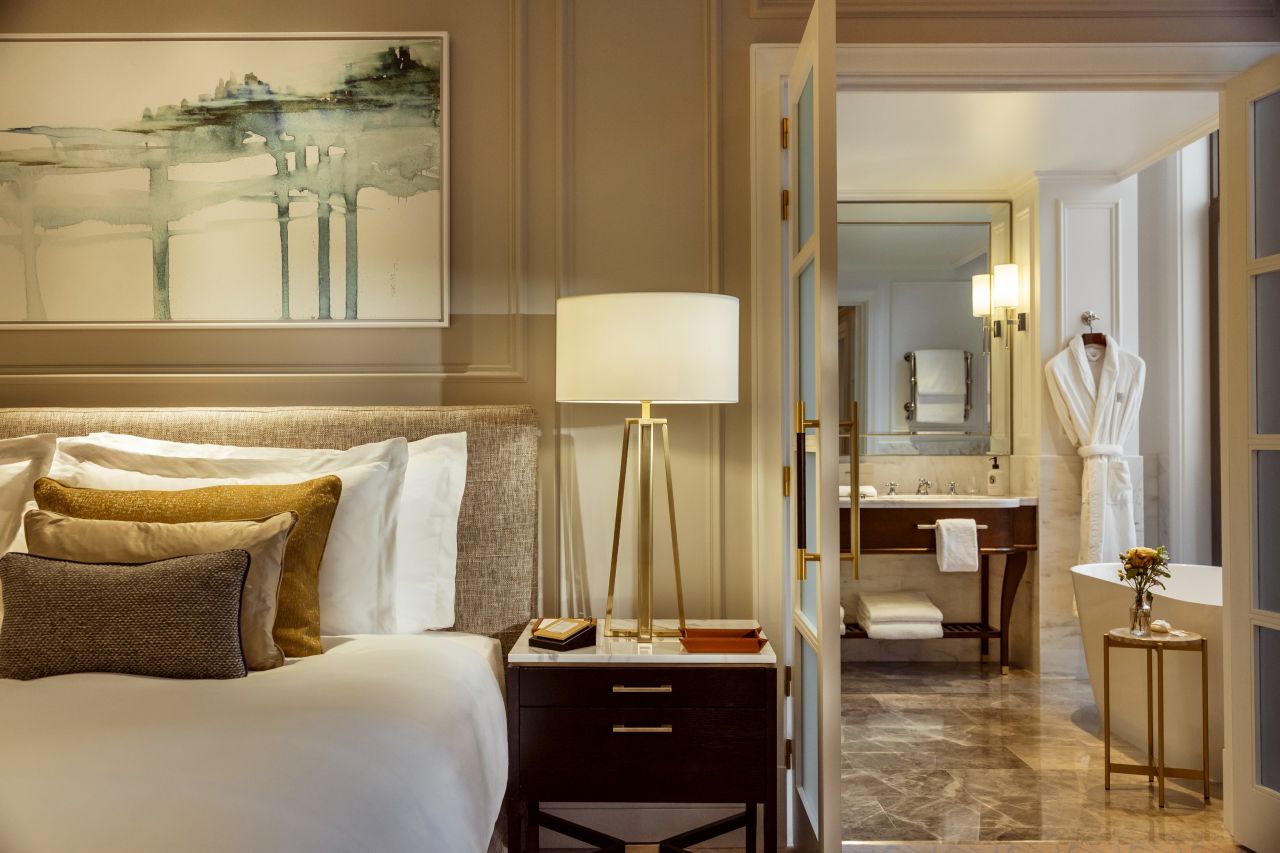
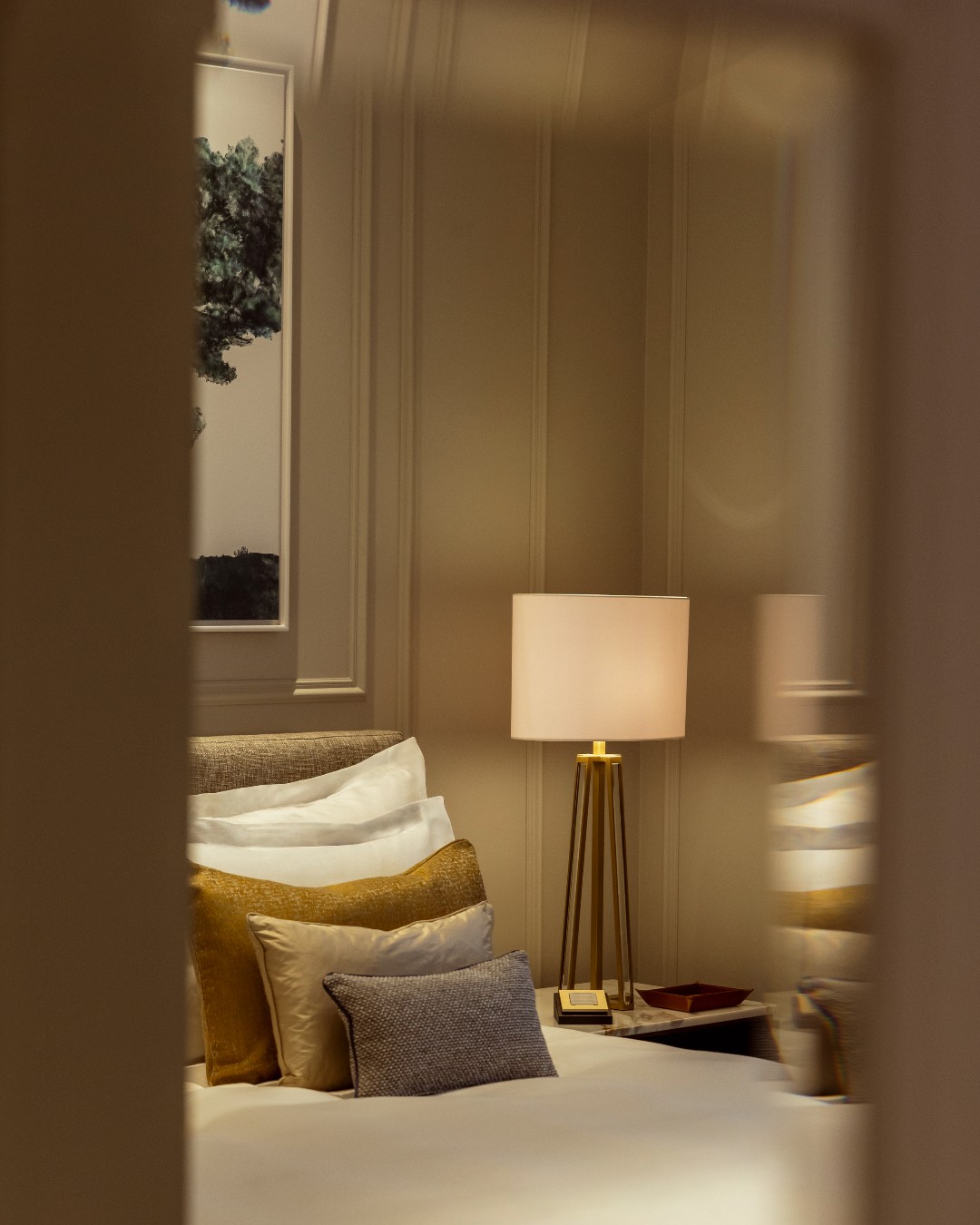
Corinthia Brussels features 126 rooms, including 90 standard rooms and 36 suites. Among the suites is a handful of lavish penthouses, from the Grand Masters penthouse to the Belle Vue, each with its own private gym, extensive terraces and sweeping views.
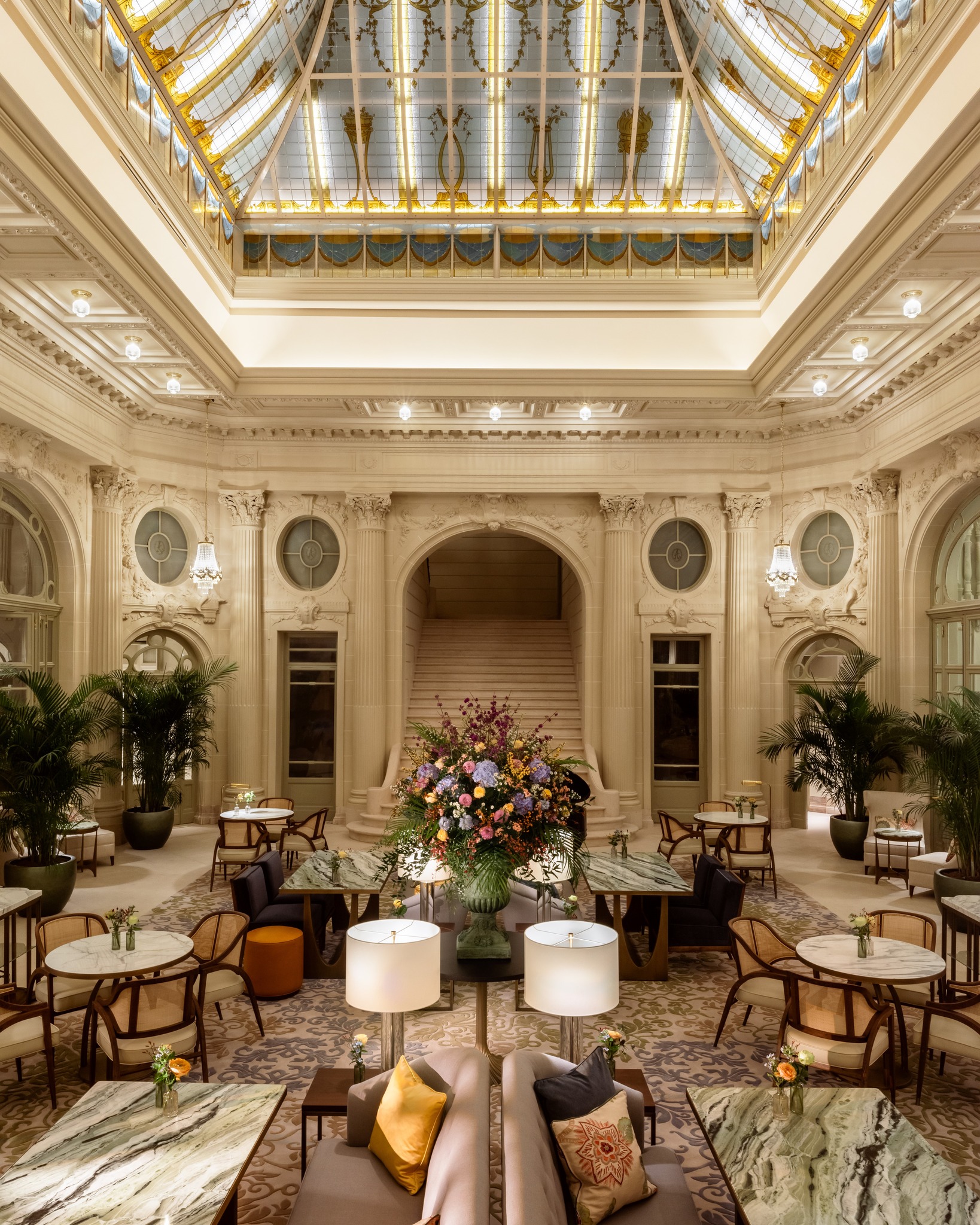
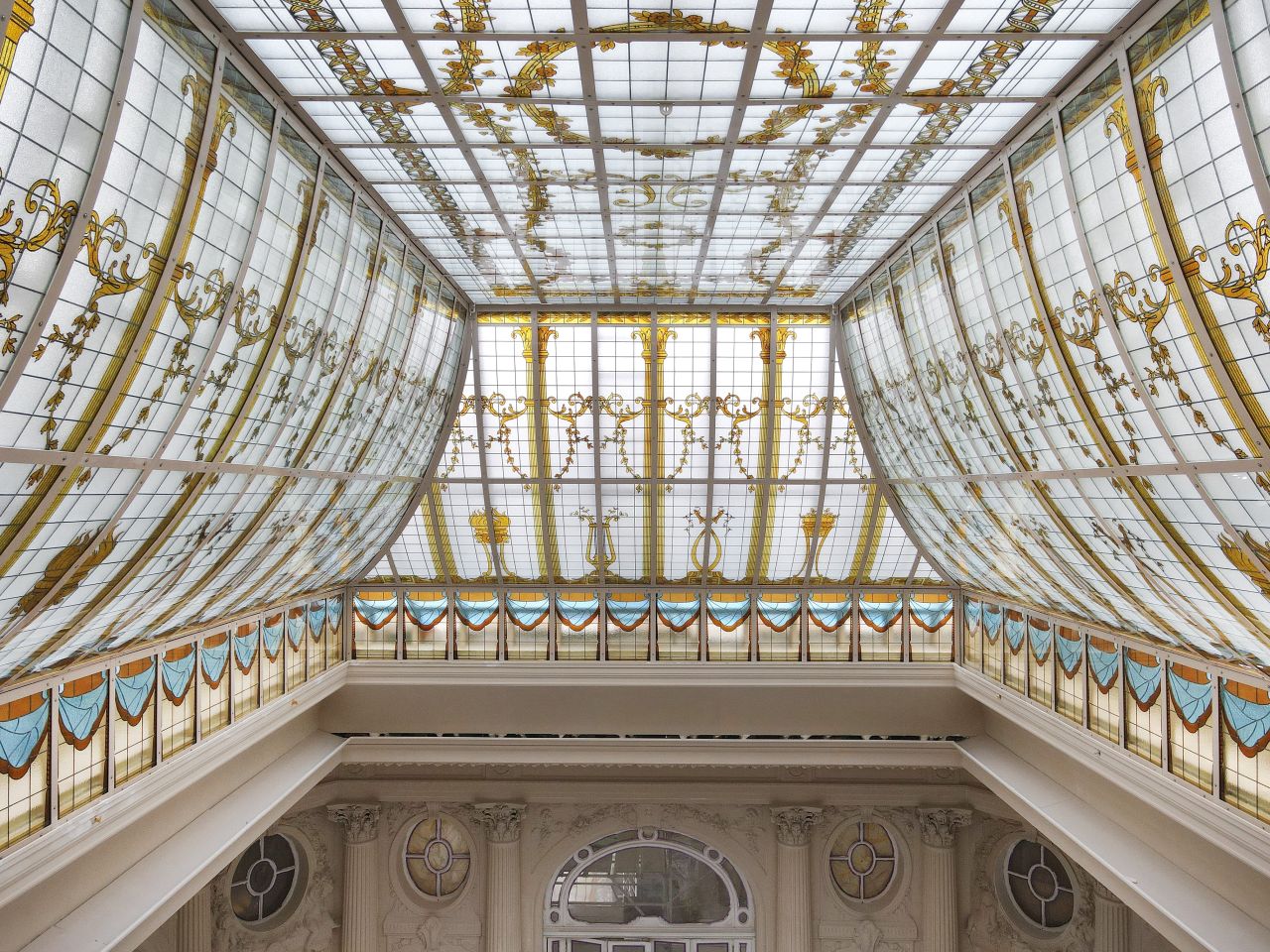
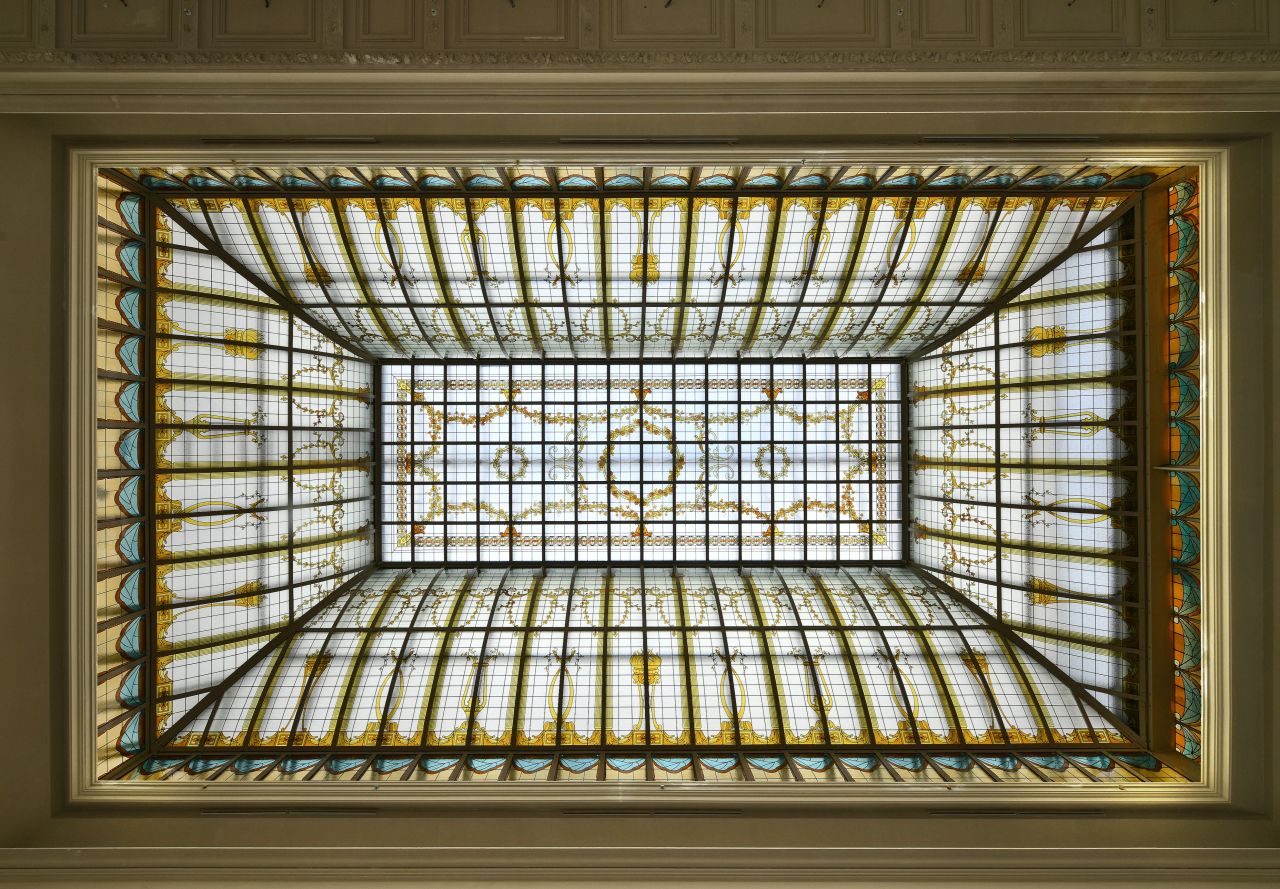
Among the hotel’s many impressive architectural elements, not least its grand neo-classical facade, is the stunning glass roof, named as a monumental feat of the hotel’s restoration.
Architect Francis Metzger, who specialises in restoring heritage buildings, shared how the iconic skylight needed to be reimagined from a long-lost piece of history to a breathtaking architectural feature that captivates at first sight.


“The large glass roof is a key element in the design, not necessarily because of its overwhelming presence, but also because it brings in natural light. When you enter the hotel today, you can see that light reaches all the way to the back, giving a sense of depth. Light is an essential element in the composition of space so it’s up to us to work with both space and light. That’s why this glass roof is so crucial,” he explained.
The team’s first challenge was designing it – they relied on not more than three photos of the roof from the time it was originally built, and used descriptive geometry based on those photos to create a digital 3D model.
Another challenge was installing it – given its position in the middle of a block, the roof had to be brought in and built in stages. Following this, a second layer of glass was added for waterproofing. “The roof is insulated today, which it wasn’t back then.”
Adding to its complexity, the expansive project comprised the cohesive combination of five buildings that allowed for its enlargement. In an interview with The Brussels Times, the architect said, “we had to create something coherent out of elements that had different heights, floors which didn’t match up, etc. We had to preserve what made [it] work and at the same time, bring it into the 21st century with a quality that people who can afford these hotels demand today.”
Photography: Courtesy of Corinthia Hotels
If you enjoyed this article, you might also be interested in: An arching roof composed of overlapping petals makes a striking oasis of this yoga centre