Last November, the Dolmen hotel, previously a hospitality institution in Qawra, closed its doors for a complete refurbishment and rebranding, making way for a fresh cookie – a confection this new chain is renowned for serving to its guests – on the block: DoubleTree by Hilton.
The four-star accommodation – an American hotel chain managed by Hilton Worldwide with a presence of over 500 hotels across the globe – has planted its first flag in Malta with a fresh and Mediterranean-inspired lodging. It includes 485 rooms, cafes and restaurants, a lounge bar in the lobby, and a swim-up pool bar called Limonata.

The hotel’s refurbishment and design overhaul – which involved various studios, including Greta Design for the suites, DAAA Haus for the communal spaces, as well as Hilton Enterprise and the hotel’s appointed team – aimed to embody a harmonious blend of nature and culture, “seamlessly bringing the outdoors inside to create an inviting and warm Mediterranean ambiance,” the DAAA Haus team asserts.
“This project, rooted in the authenticity of the prehistoric ruins and natural environment, integrates a variety of unpretentious elements to reflect the true spirit of Malta, ensuring that every visitor feels welcomed and connected to the surroundings,” the studio adds, referencing a site on the hotel’s grounds occupied by a Neolithic temple dating back to Malta’s Tarxien phase.

This well-preserved structure offers guests a glimpse into Malta’s prehistoric past, where much of the temple’s coralline limestone facade can still be seen. The site was excavated in 1928, and intriguing discoveries singled out by the hotel include two stone blocks, one of which is believed to have been an altar.
The site’s historic connections were also a prime source of inspiration for Greta Apap Bologna, interior designer and founder of Greta Design, who sought to combine “contemporary luxury with ancient allure, deeply rooted in Malta’s rich Neolithic heritage. We meticulously crafted the suites to blend modern comfort with historical inspiration.”

Greta explains the aim of her design concept was to reconnect the space with its roots, particularly the Bugibba Temple located on the hotel grounds. “This connection to the past is evident in every aspect of the suites, from the choice of materials to the color palette.”
This includes wall paints in tones of blue and jade green, faux tan leather for bed upholstery, dim-out curtains and sheer fabrics, and textured fabric cushions with piping that feature designs inspired by bas-reliefs found on temple stones. One in particular features a fish, and the original stone with the referenced design is currently conserved at the National Museum of Archaeology in Valletta.
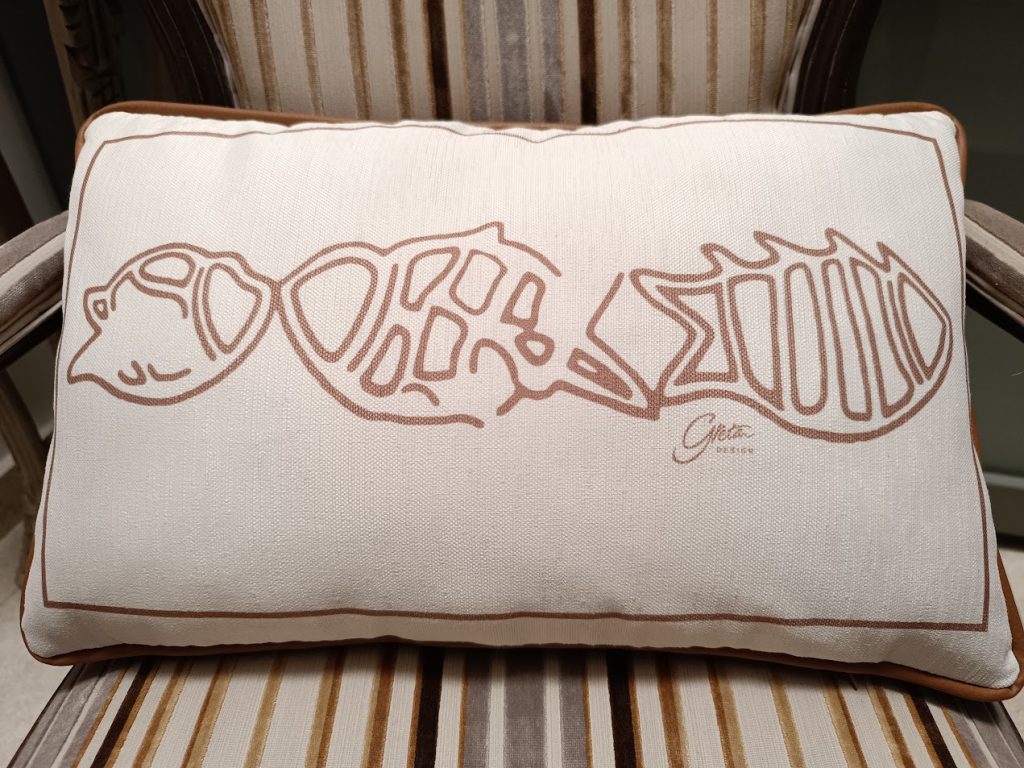
All elements came together to offer guests a serene escape while creating a deep connection to Malta’s cultural heritage, interpreted with a modern twist. “The design pays homage to the island’s prehistoric architecture, ensuring that guests feel a sense of place and history during their stay. The refurbishment of the Dolmen Hotel into the DoubleTree by Hilton is a testament to the timeless appeal of Malta’s ancient past.”
For the shared spaces at the hotel’s entrance, DAAA Haus developed an interior concept that centres on harnessing the natural beauty of the Mediterranean.

“To achieve this, several natural elements were incorporated, including semi-artificial trees, light oak woods, and intricately reproduced motifs on raw materials like clay-finished decorative renderings and textured laminates.”
“These features evoke the traditional Maltese handmade lace, renowned for its exquisite craftsmanship and timeless essence of the region, providing visitors with a genuine sense of place.”


An earth-tone colour palette dominates the space enhanced by hints of terracotta that emphasise the natural elements of the site’s surroundings. DAAA Haus explains that this palette creates a hospitable environment that resonates with the hotel’s Mediterranean location.
“The lighting design plays a crucial role in enhancing the overall concept,” it adds. “Lighting fixtures highlight and complement the organic features throughout the common areas. The lighting accentuates the texture and depth of the materials used, creating a calm and serene atmosphere.”

A stand-out section of the lobby is occupied by Juniper Lounge Bar, which extends from the reception area and beckons guests to its easy, intimate and elegant settings.
“This is emphasised through the use of different textures, such as velvety upholstery, rich wooden finishes, and organic textiles; all contributing to a cohesive and inviting setting. The green palette is balanced with contrasting black accents, which not only add a touch of sophistication, but also help transition the ambiance from day to night, making the space versatile and dynamic,” the studio says.
The layout of Juniper creates distinct zones within the hotel’s lobby and common areas – guests can choose to lounge next to or at the bar with its high stools and sleek counter, or avail of the modular sofa with plush seating and low tables. “This zoning creates a flexible environment that caters to different needs and moods, enhancing the overall guest experience.”

Among the hotel’s outdoor amenities are two outdoor pools and a sundeck overlooking St Paul’s Bay, while a private beach club with views of St Paul’s islands is slated for opening in 2025.
Main image: Diana Iskander