For Rory Apap Brown, the greatest responsibility of his profession lies in understanding and respecting the context in which one builds. As Interior Design Director at AP Valletta, which he joined in 2006, he has been involved in the design, planning and oversight of several projects carried out by the architecture firm, particularly ones concerning the adaptive reuse of old and historic buildings, including the renovation of AP’s own offices, Four Sappers Street, into a mixed-use office and residential project located on St Michael’s Bastion.
In the first of a series of interviews with architects and designers on our islands, DesignDispatch catches up with the AP Director, who is also a founding member of the Malta Interior Design Association (MIDA).
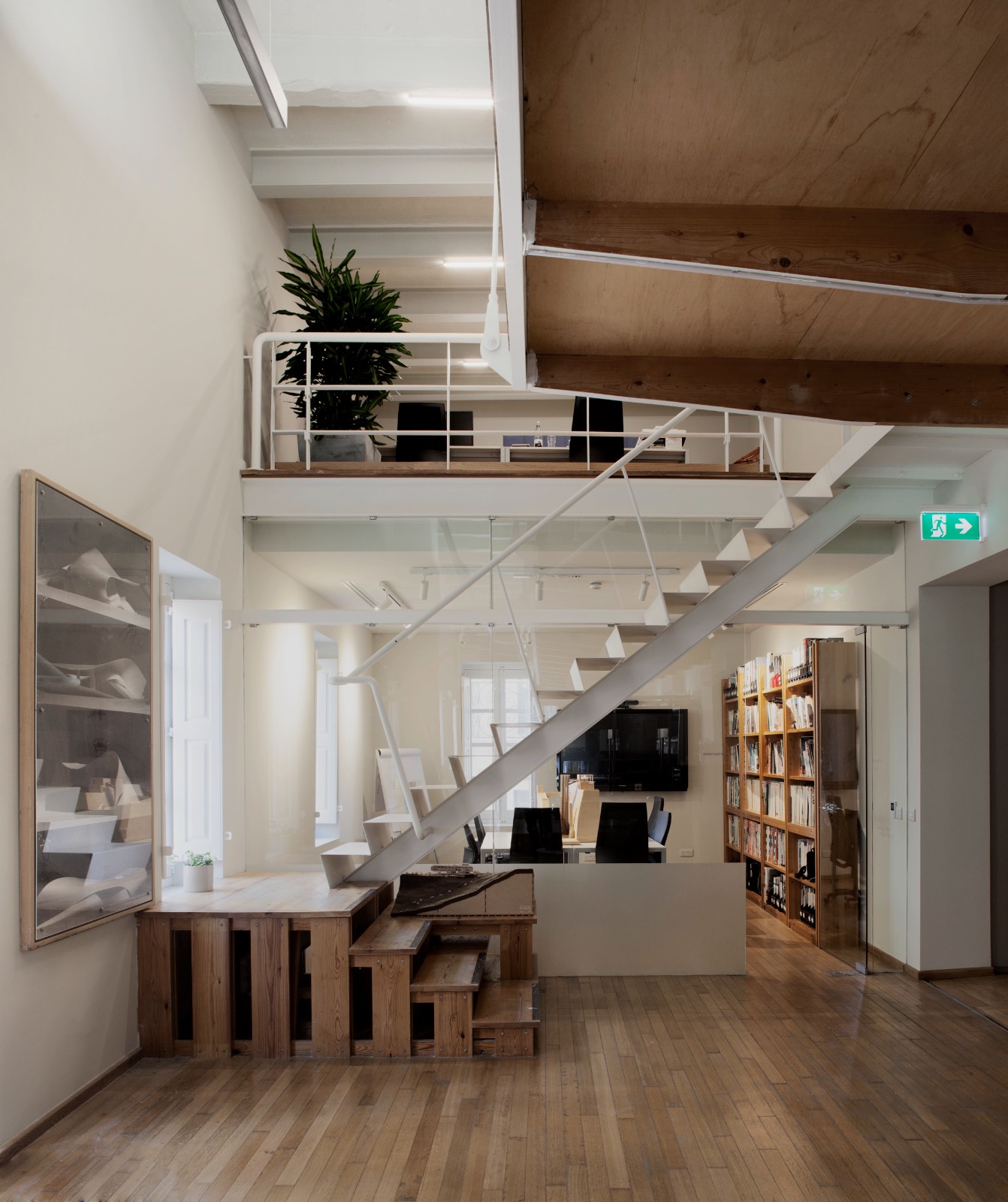
“The greatest responsibility in architecture, I believe, lies in understanding and respecting the context in which we build.”
Rory shares how, as architects, every design choice made has a ripple effect on the community, the environment, and even on future generations. “Our buildings must not only be aesthetically pleasing but also sustainable, inclusive, and sensitive to the cultural and historical fabric of their surroundings.”
“As architects, we have the power to shape not just physical spaces, but also the quality of life and interactions that occur within those spaces. Therefore, our paramount responsibility is to design with empathy and foresight, creating spaces that enhance human experiences while preserving our planet.”
Singling out a recent project that stands out to the architect for its sustainability is the Tåkern Visitor Centre in Sweden, designed by Wingårdh Arkitektkontor.
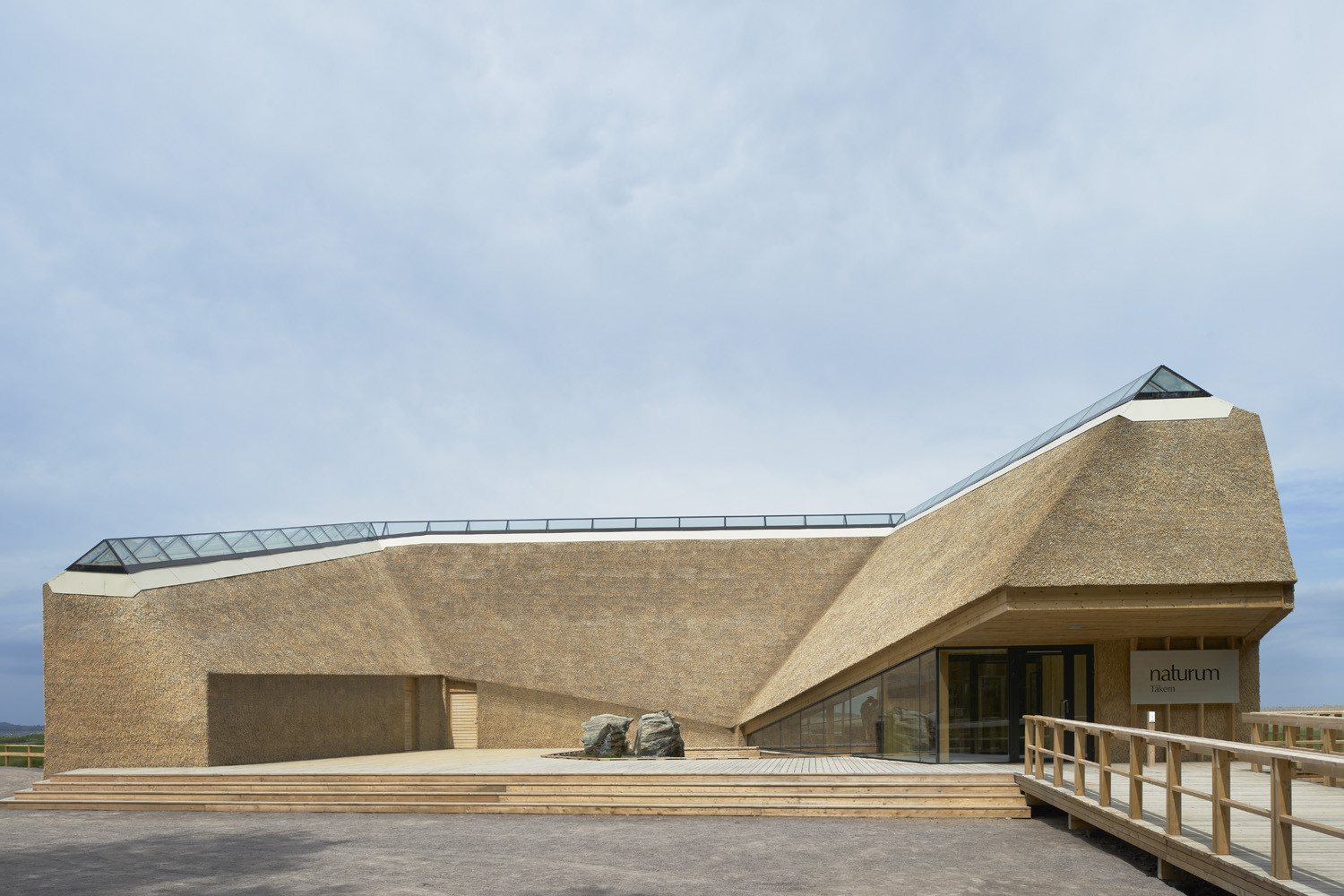
“This bird-watching facility is an excellent example of architecture that respects and enhances its natural setting. Built with local materials and designed to minimise energy consumption, it blends into the landscape while offering panoramic views of the nature reserve.”
“This project reflects a growing trend in architecture to design buildings that are not only functional and beautiful but also sustainable and in harmony with their environment. It’s a reminder that our buildings should coexist with nature, not compete against it.”
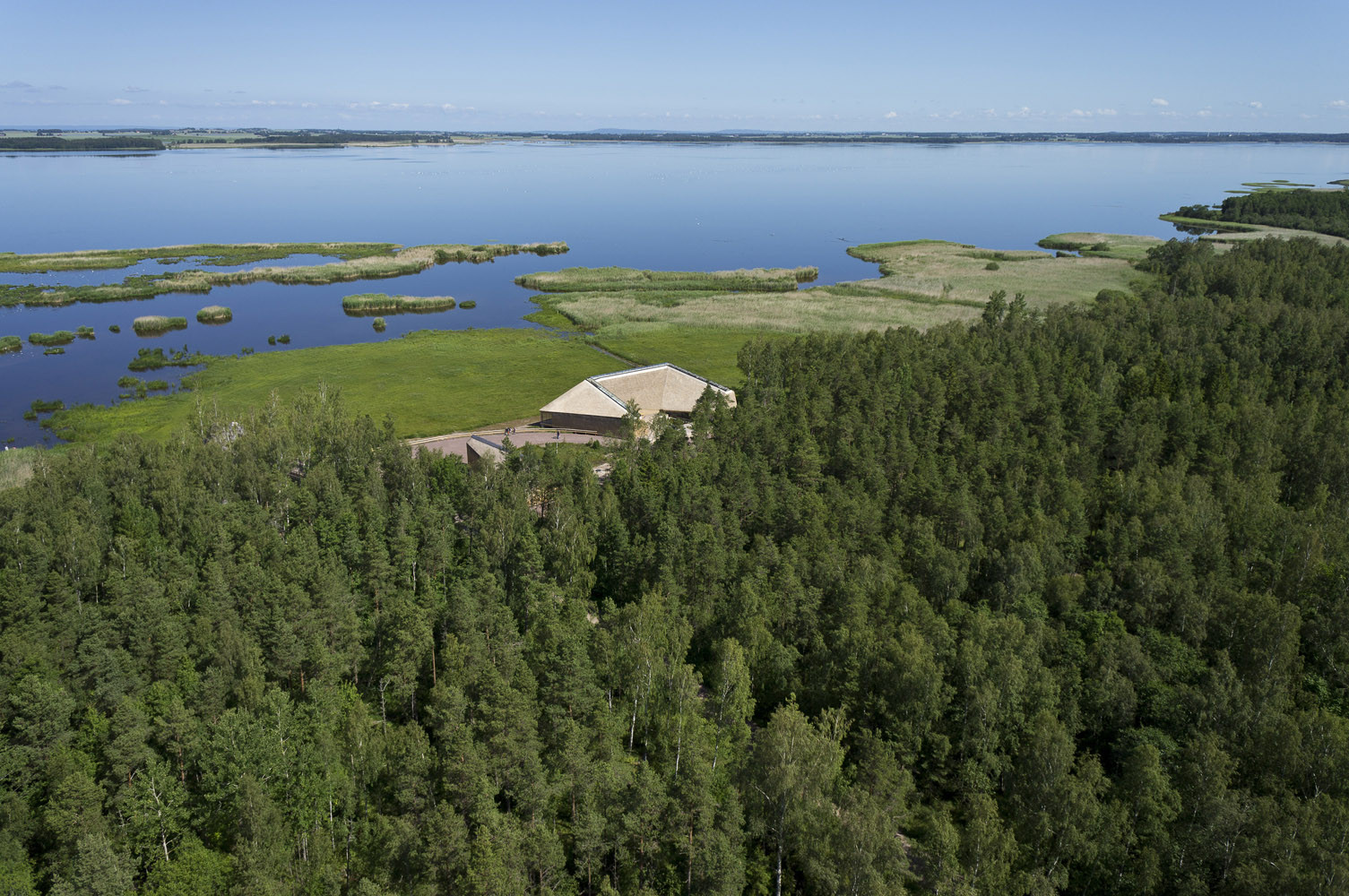
“Many of the projects we undertake are driven by the goal of adaptive reuse.”
The subjects of sustainability, preservation and rehabilitation rank high for Rory and the firm he forms part of. Founded in 1991, AP Valletta’s vast portfolio of projects includes the restoration of the Stock Exchange building, the design of the Barrakka lift and the rehabilitation of Teatru Manoel in Valletta, the landscaping of Dock 1 in Bormla, and currently, the design of a Museum of Literature housed within an old palazzo in Valletta.
Rory explains that the firm’s multi-disciplinary team aims “to redefine existing spaces, creating something innovative and functional while honouring their original essence. This approach not only conserves resources and heritage but also provides an opportunity to redefine spaces for contemporary society, blending history with modernity in a sustainable and creative way.”
Turning to his own aspirations, Rory shares that one type of building he is particularly eager to design is a community centre. “These spaces are vital as they serve as hubs for social interaction and community engagement.”
“The opportunity to create a space that can adapt to various community needs – from learning and recreation to arts and social services – is both challenging and rewarding. Designing such a space means creating a place that can bring people together, promote inclusivity, and strengthen community bonds.”

“The core of architecture…remains deeply human”
Throughout the past year, discussions around the use of Artificial Intelligence in all spheres of work and life appear to have reached new heights, including in the realm of architecture, where its value and consequences to the profession have been widely dissected.
“Technology and artificial intelligence are transforming many industries, and architecture is no exception. However, I don’t believe they pose a threat to our profession; instead, they present new opportunities for growth and innovation,” Rory shares.
“AI and advanced software can aid in solving complex design problems and make the construction process more sustainable and efficient. These tools are extensions of the architect’s mind, helping to realise visions that were once impossible or impractical.”
“The core of architecture – understanding human needs and translating them into spatial art – remains deeply human, something that technology is far from replicating.”
The draw of Scandinavian design
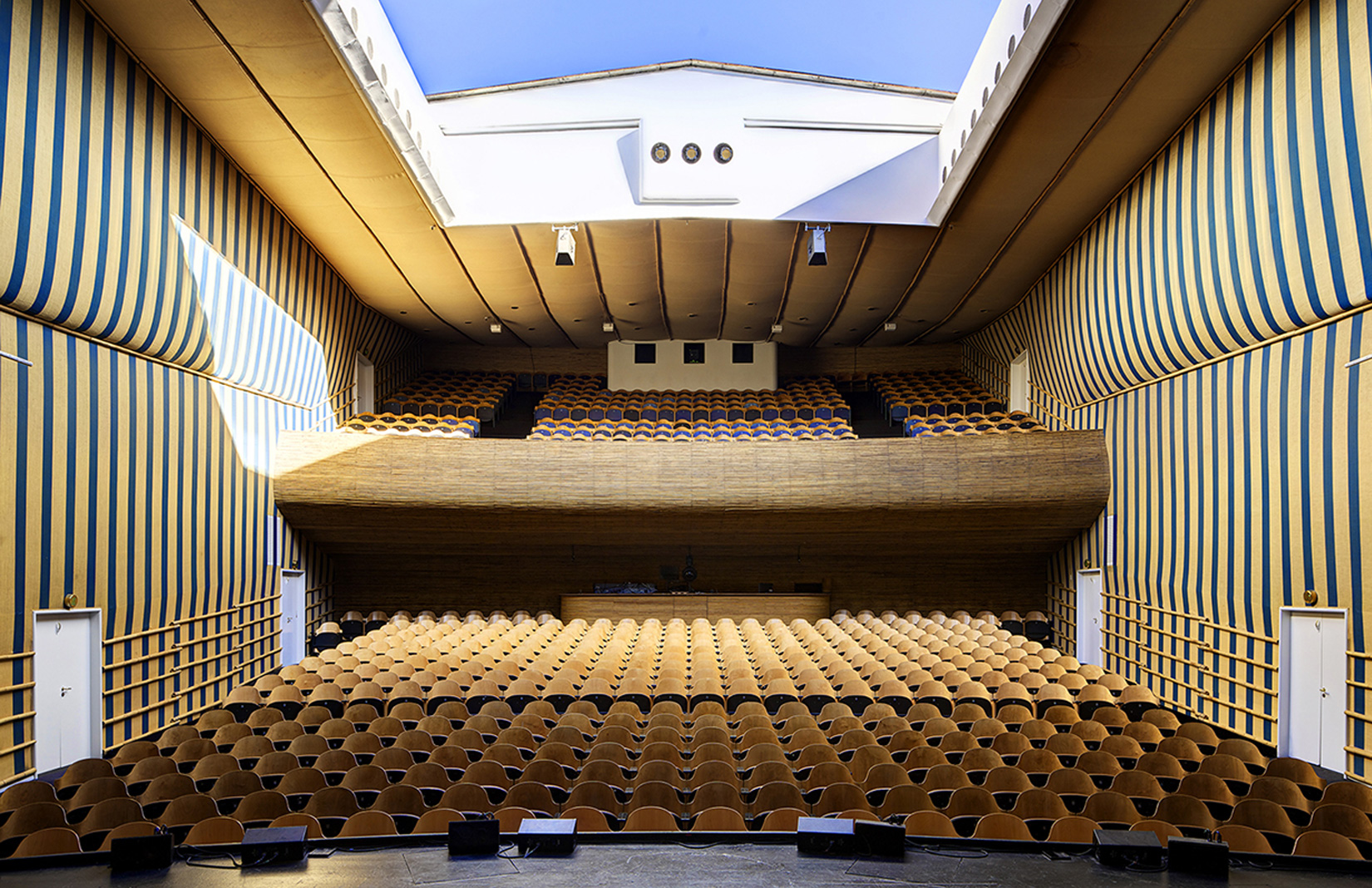
Sharing a design movement through history that shapes his own work and design method, Rory singles out the Scandinavian design movement, particularly in the mid-20th century, which profoundly influences his approach to architecture.
“Its core principles of functionality, simplicity, and connection to nature are aspects I strive to embed in my designs. The way Scandinavian design combines beauty and practicality in a minimalist fashion, without unnecessary embellishments, resonates with my design ethos.”
“There’s also a deep respect for natural materials and craftsmanship in this movement, which aligns with my focus on sustainability and creating spaces that are in harmony with their surroundings. The understated elegance and emphasis on creating warm, human-centric spaces are what make Scandinavian design timeless and continually inspiring for me.”