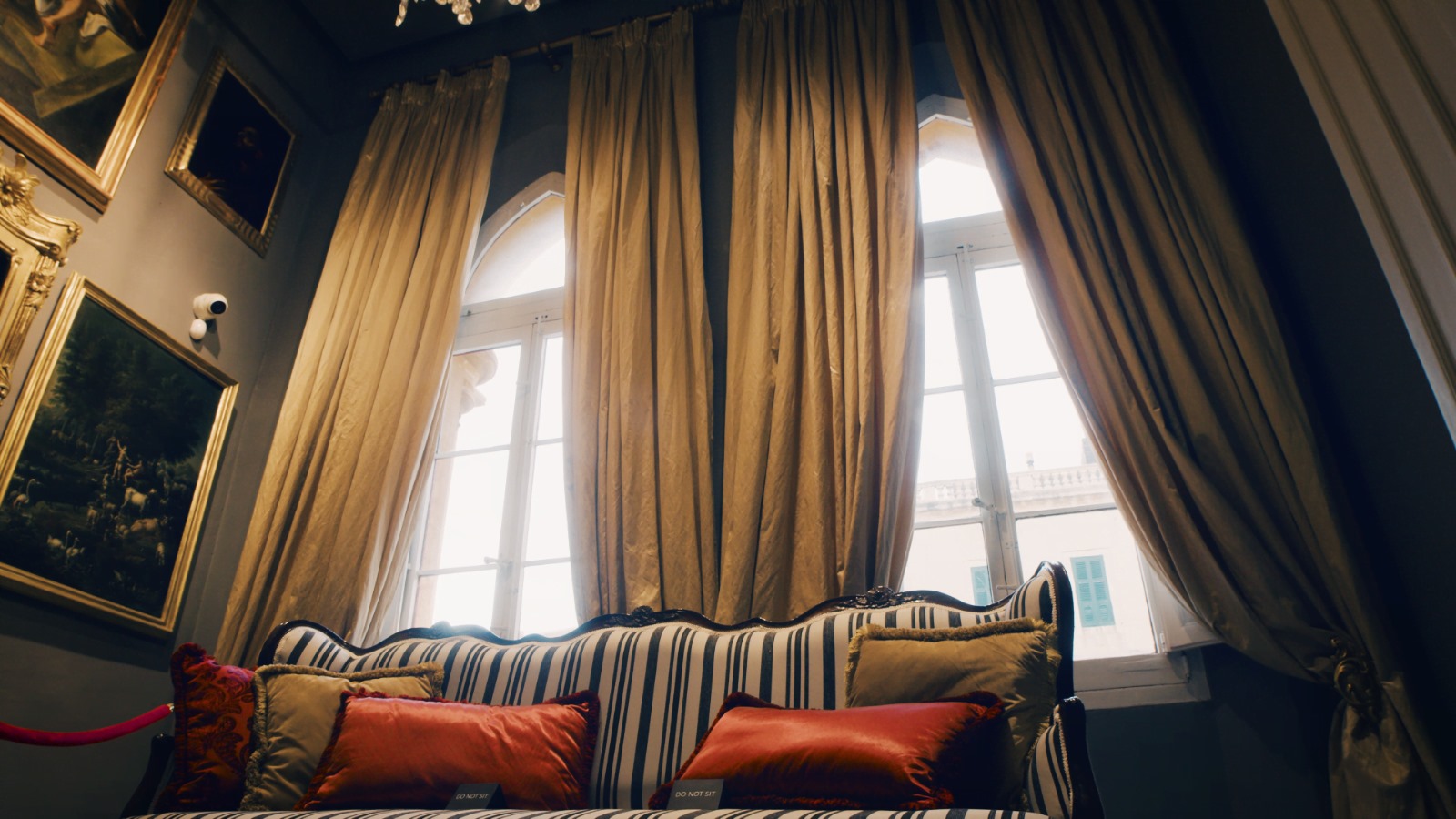
In Mdina’s main square, a home that has fascinated passers-by for decades – not least for its unique neo-gothic architecture – has, to the delight of many, opened its doors to the public. The 19th century building, Casa Gourgion, which served as the residence for Baron Giuseppe De Piro Gourgion, has been restored and preserved as a house museum with no detail spared to bring the building back to its former glory. Forming part of the extensive team for this project is Fabric Malta, a third-generation family business and studio rooted in the provision of high-quality soft furnishings. It was commissioned to create tailored curtains for the large windows in a number of Casa Gourgion’s stately rooms, which needed to embody the grandeur of the house itself.
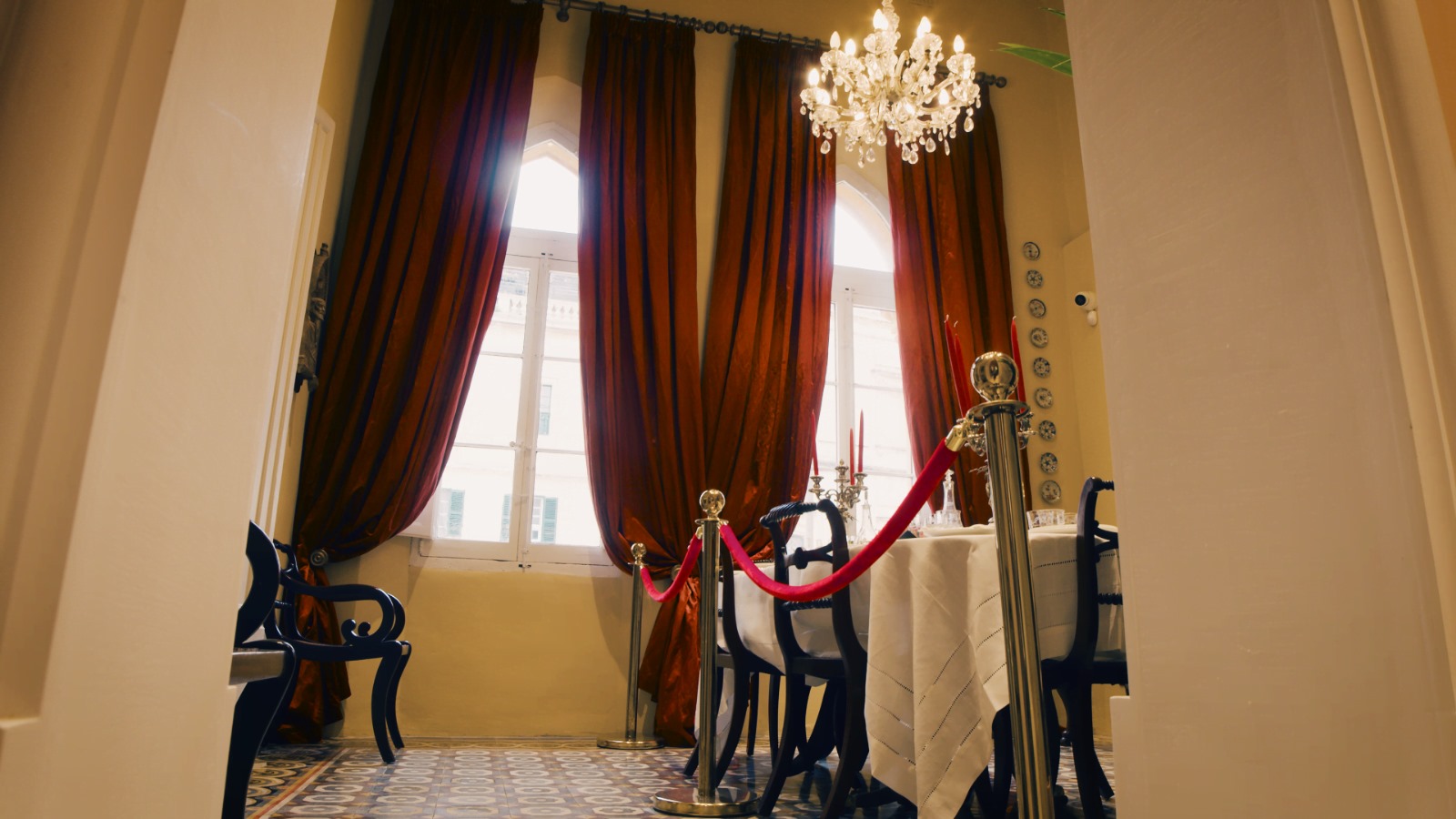
“Taking into context a neo-gothic building in the heart of Malta’s oldest city, one can easily understand the style in which these rooms were originally decorated,” says Isaac Muscat, interior stylist at Fabric. “The Victorian-era style was one of ornamental excess and overstuffed rooms.”
However, the mid-19th century saw a major change with the invention of synthetic dyes, which introduced new colours such as violet, green, gold and the red dye, alizarin. “These synthetic colours greatly influenced prevailing decorative styles as well as the fabric colours selected for curtains and draperies of the time,” says Isaac.
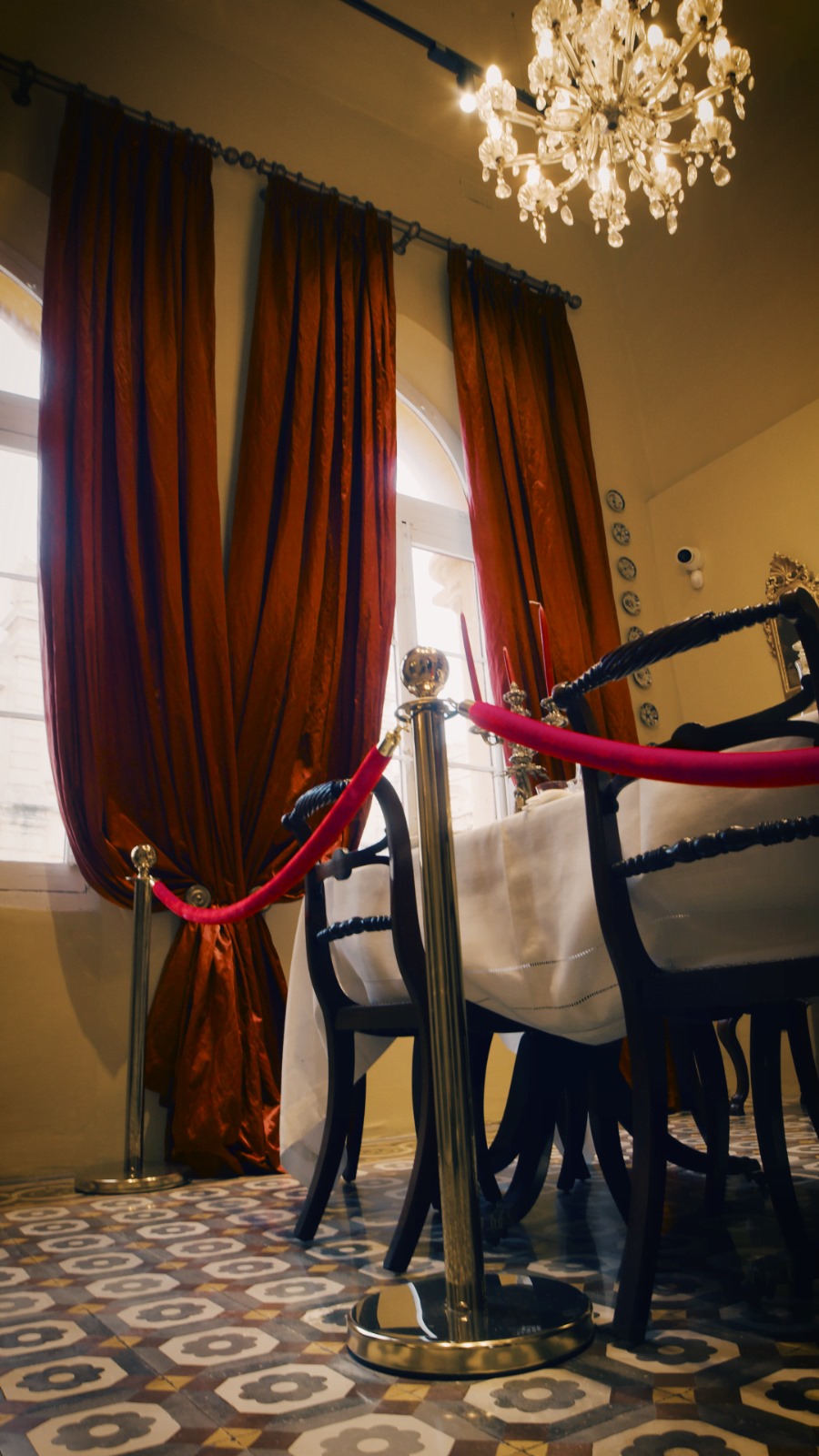
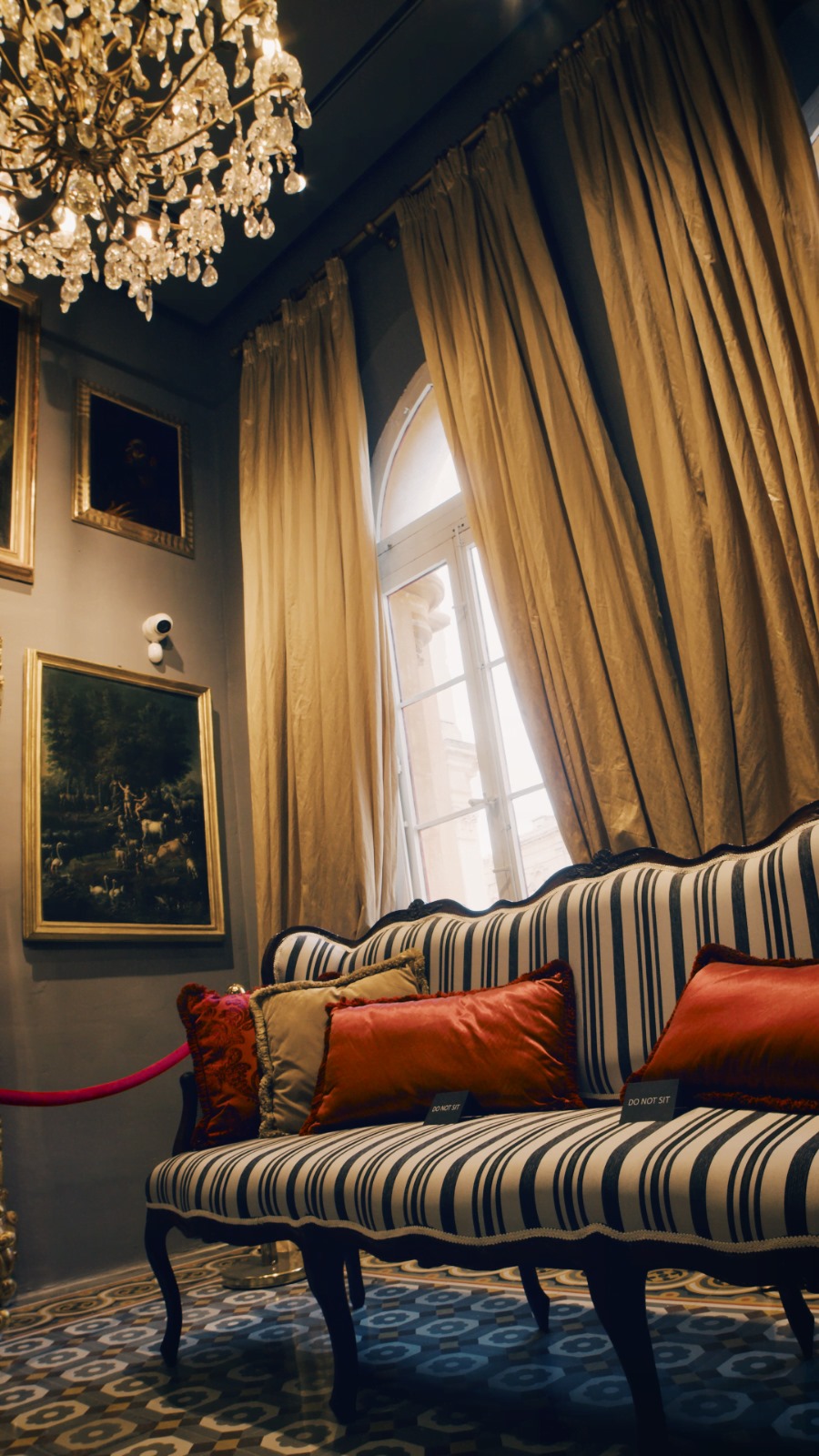
“It was with this in mind that gold and Bordeaux red were carefully chosen to reflect the fabrics of the time, which were regarded as ‘high-tech’ in the late Victorian era. The smooth texture of satin, coupled with the choice of colour, enhance the ornate furniture of the period, amplifying the stunning visual appeal of Casa Gourgion’s rooms.”
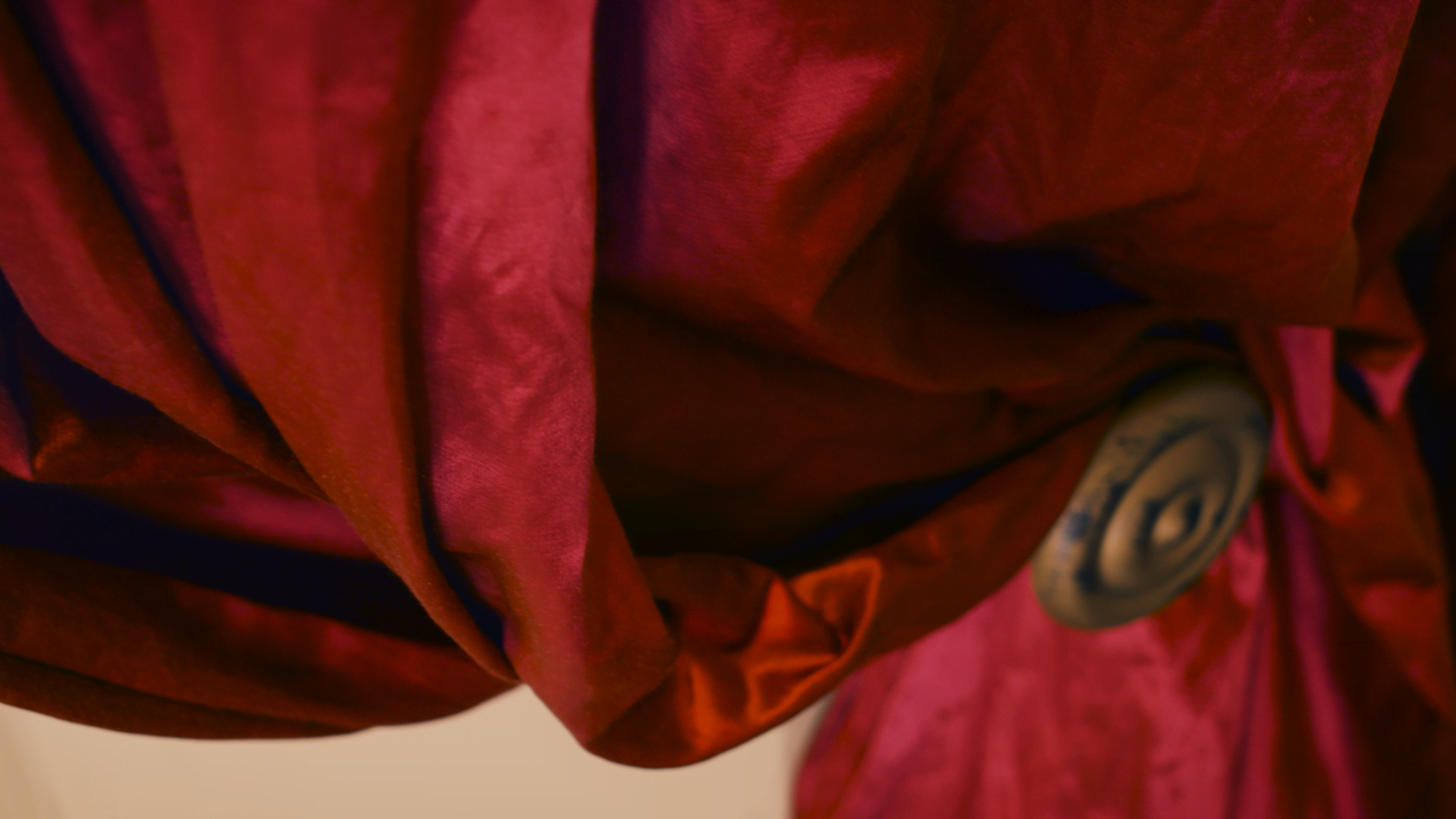
A heavy-bodied, high-thread count satin with an even, glossy surface and luxurious feel was chosen to embellish some of the large windows of this double-fronted palazzo.
“The owners wanted the furnishings to blend seamlessly with the elaborate, gilded 19th century furniture, evoking a sense of mid-century authenticity,” says Isaac.

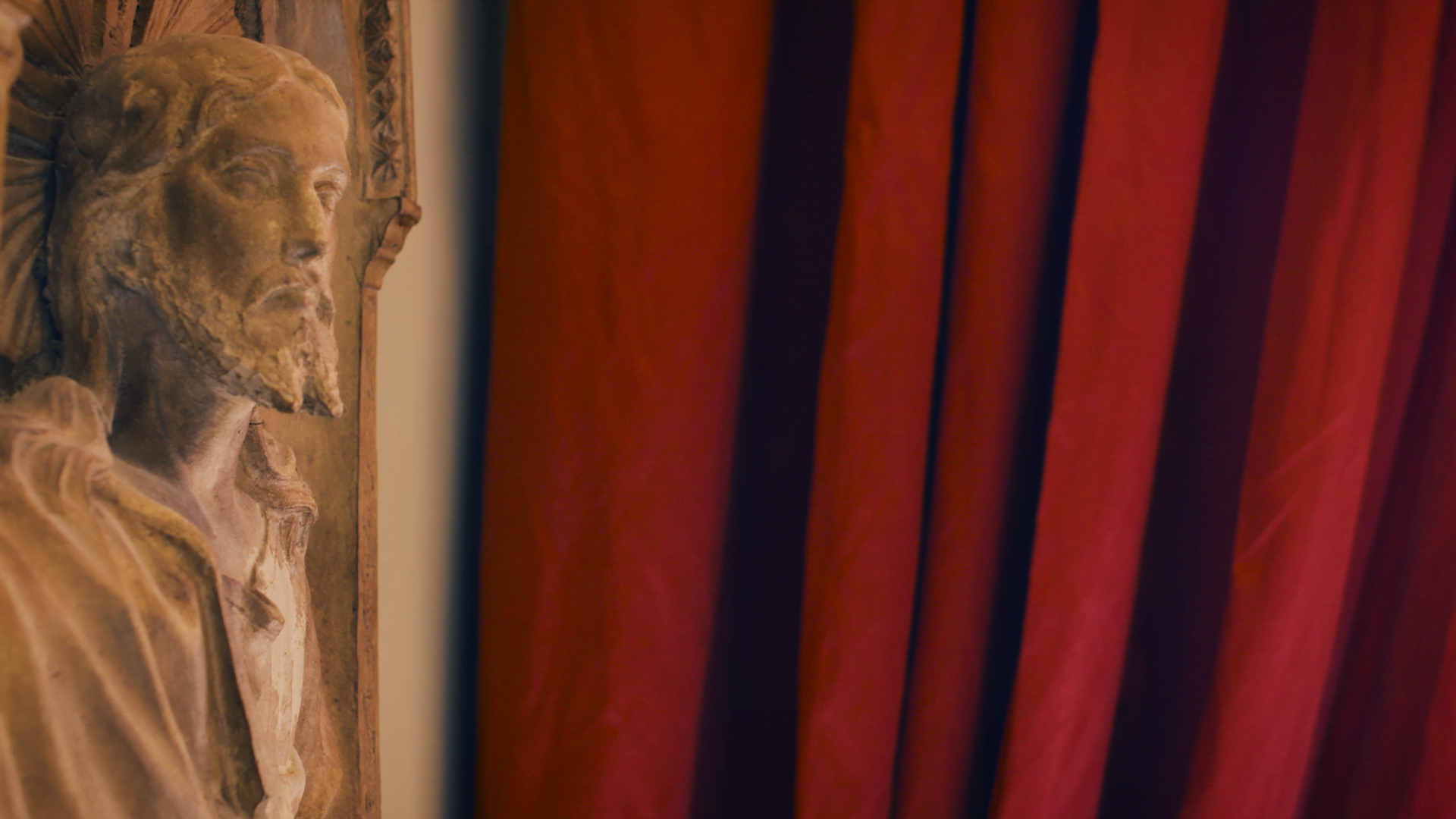
The finished curtains were hung on solid wooden rods in an antique gold finish that complement the furniture within the museum’s walls.
“The 500mm-diameter, classical rods were the ideal choice for the rooms with their high ceilings – the added thickness of the rods was instrumental in achieving aesthetic precision.”
Completed with a satin lining, the drapes were hung in a deep pencil pleat, a technique for gathering fabric to create dramatic folds that adds to their voluminous appearance, complimenting the extra high ceilings of these rooms.
From the material selection process to the creation of these fine window dressings using a specific type of heavy satin, Isaac describes this project as a truly rewarding one.
“We are delighted to have been entrusted with this job, designing and creating stunning furnishings for such a prestigious, historical property in the heart of Mdina.”
Take a closer look
Photography: Fabric