The Venice Architecture Biennale is among the most anticipated events on the European – if not global – architecture, art and design calendar, drawing renowned names and crowds to its shores every two years. And this year, a new studio will be flying the Malta flag with an installation of its own, created by interior designer and founder of Studio NiCHE, Martina Fenech Adami.
In this interview with DesignDispatch, Martina shares how she couldn’t quite believe she was asked to participate in the event – one she’s often visited and been in awe of. “It’s a major achievement to be part of such a prolific event, and I think a part of me won’t fully believe it until I’m standing in Venice, in front of my own work in the coming days, shoulder to shoulder with such respected international firms.”
Rethinking space and waste
Through her installation, Reform, and in line with the curatorial theme, Martina questions how we engage with our surroundings, “not just as users, but as contributors, disruptors, and re-imaginers. For me, these aren’t abstract notions – they’re lived, physical realities that define how we occupy the world and what we leave behind.”
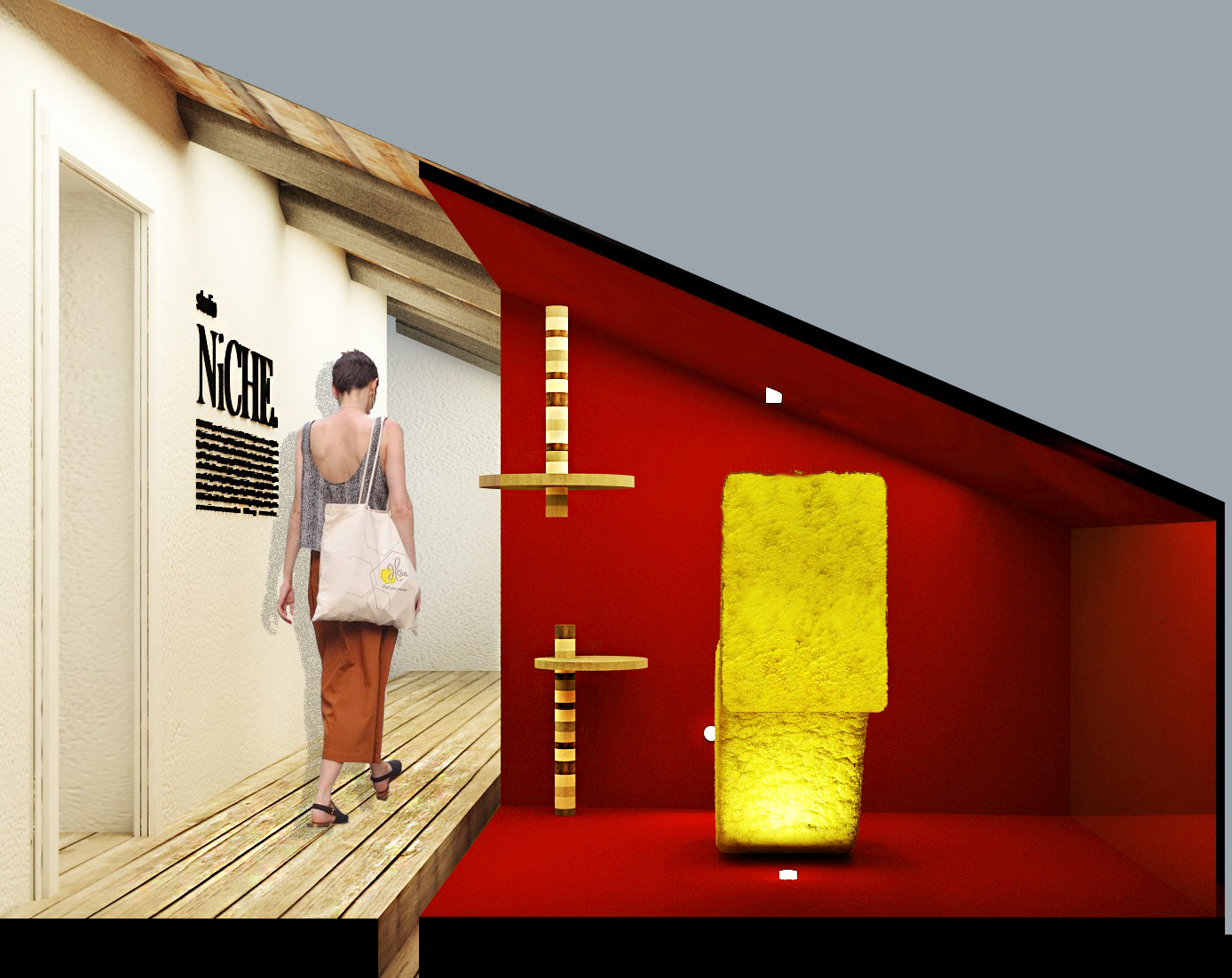
Which led her to explore two connected ideas: how to rethink space and waste. “The installation exists as a dialogue between those two concepts; an architectural provocation that confronts the designer’s own role in creating material excess.” Using only offcuts and leftovers from her own studio, she therefore questions what happens when the waste becomes the medium.
Martina was also interested in how spatial disruption can heighten sensory awareness, and drew inspiration from Danish architect and designer Verner Panton’s experimental spirit.
“Reform challenges the familiar forms of domesticity – tables, seating, thresholds – and reconstructs them into a sculptural, sensory environment. It’s intentionally ambiguous and tactile. It asks visitors to feel their way through, to reorient, to reconsider the boundaries of function and beauty,” says Martina.
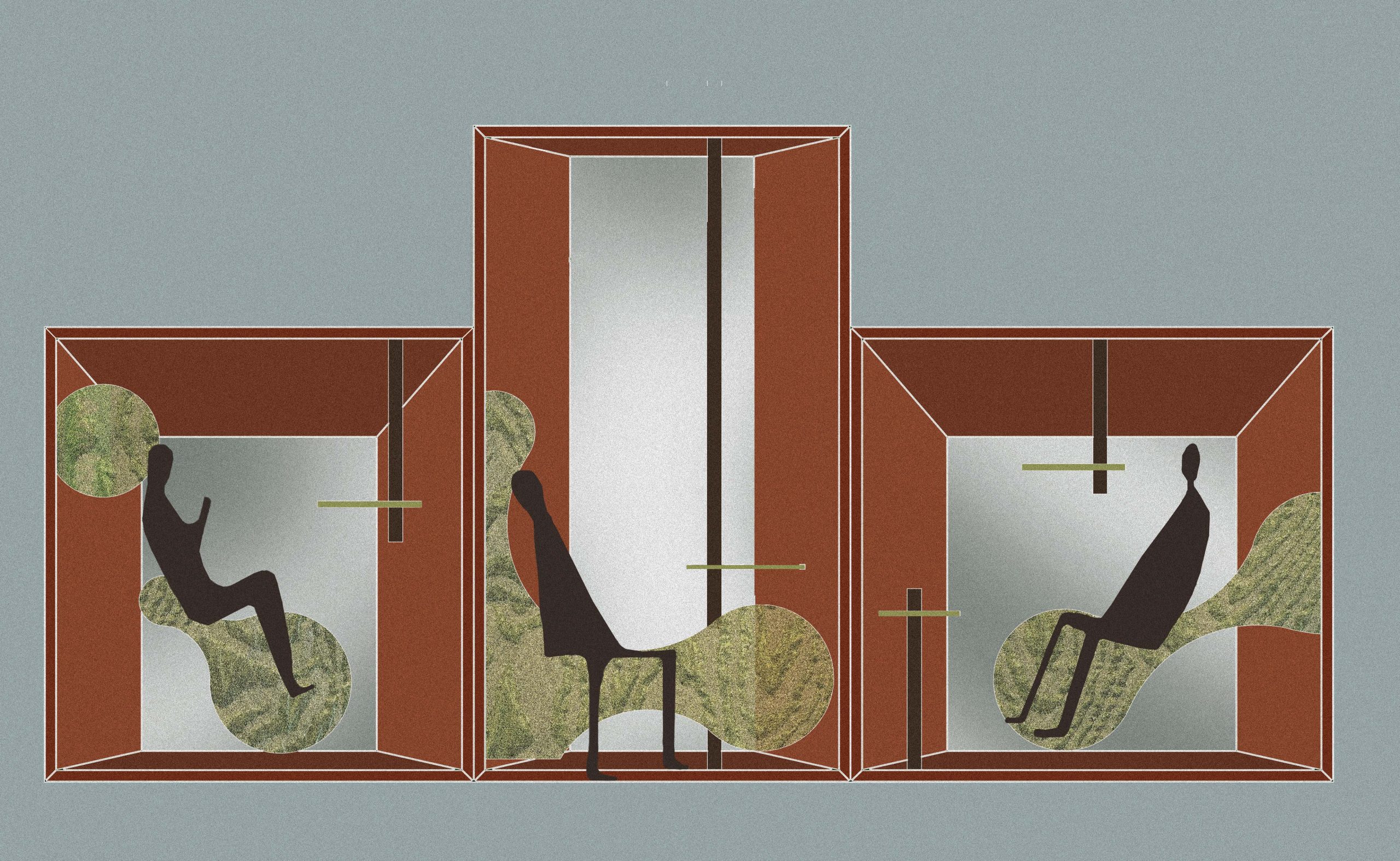
“Ultimately, Reform is about transformation,” she adds. “It’s a quiet rebellion against passive design and a call to engage more deeply with what we build and what we throw away.”
The message in the medium
The designer notes how every element used in the design of Reform – all of which are sourced from waste, specifically from her own studio – is central to both its message and its experience.
“Joinery offcuts, broken prototypes, surplus fabrics, and even sea-recovered plastics were all repurposed and reimagined into the installation,” says Martina.
“This choice was intentional and deeply personal. I wanted to hold myself accountable as a designer – acknowledging that even the most conscious creative practices leave behind material traces. By using my own waste, I transformed what was once overlooked or discarded into the very foundation of the work.”

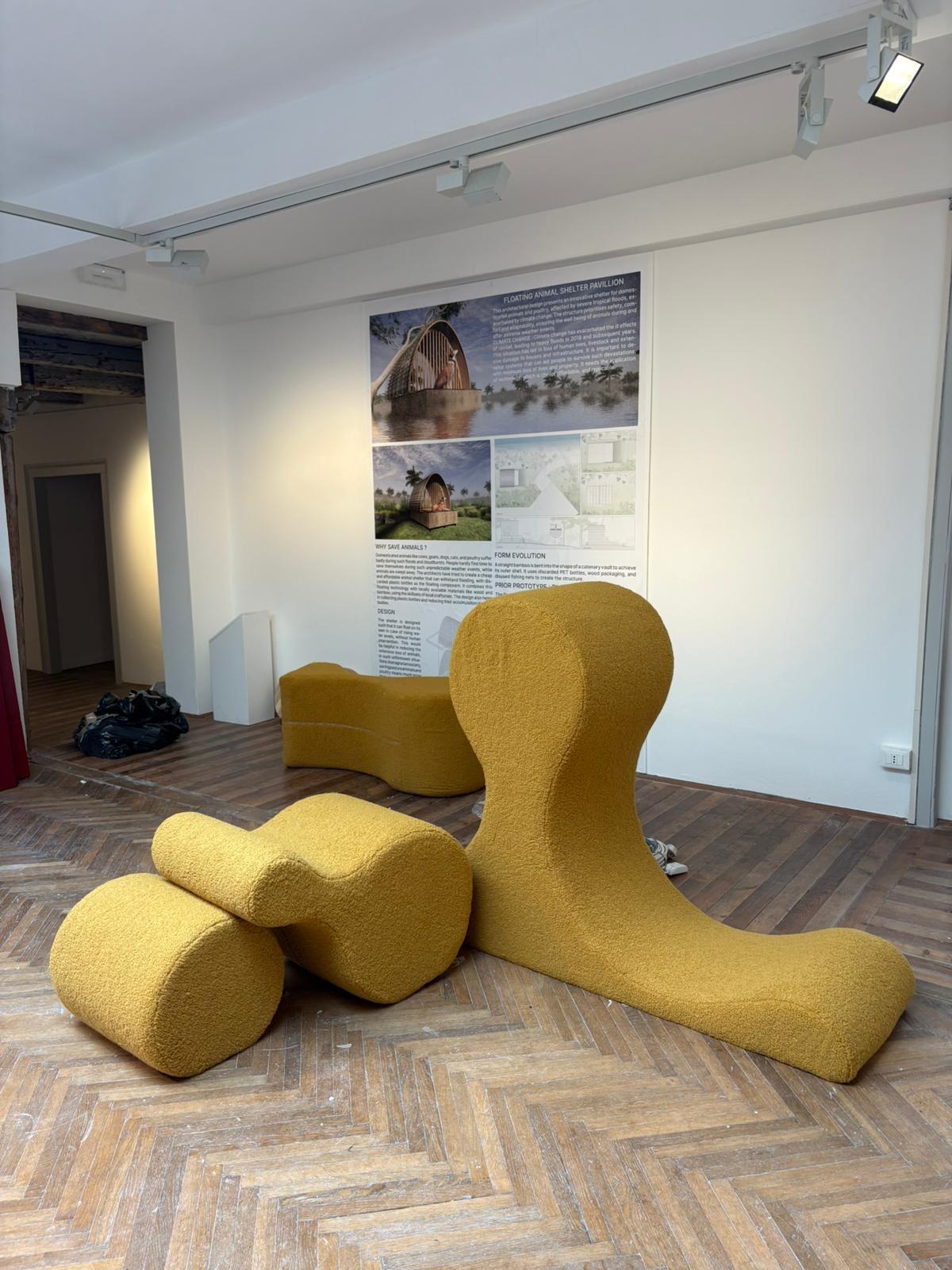
This approach is one she believes holds enormous potential to be explored at a mass production and commercial level. But for it to succeed, it requires a shift in mindset and collaboration.
“As architects and designers, we need to work more closely with craftspeople, fabricators, and material innovators to reframe what’s considered ‘waste.’ It’s no longer acceptable to view discarded material as the end of a cycle – it’s simply the beginning of another,” says Martina.
“At Studio NiCHE, this thinking is already being woven into our process. But more broadly, I think the future of design is undoubtedly moving in this direction. Repurposed materials offer not just environmental value but creative opportunity. It’s time we stop seeing waste as a problem, and start seeing it as potential.”
An invitation to play
With Reform, the designer hopes to provoke a moment of pause, intrigue and an interruption to the usual way we move through space.

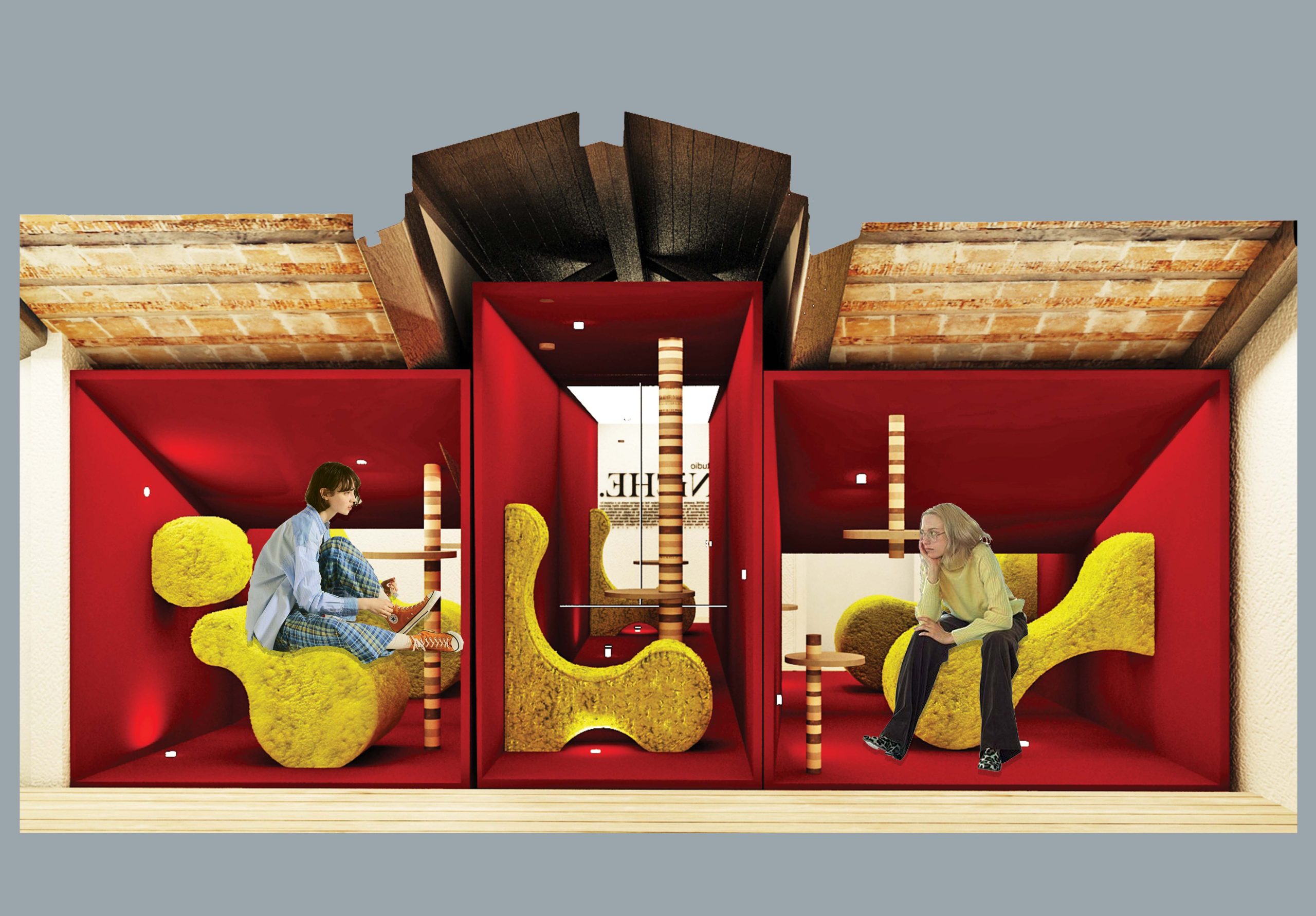
“The ambiguity is intentional. It opens up space for curiosity and reflection,” says Martina. “On a tactile level, I want visitors to reconnect with the physicality of materials. We’ve become so accustomed to streamlined, hyper-polished environments that we often forget the rawness, weight, and origin of the materials that shape our spaces.”
Beyond the Biennale, she hopes the installation lingers as a question: What are we building, and at what cost? “If someone walks away reconsidering how design can be both beautiful and responsible – how waste might be reimagined as a resource, how space can be felt rather than simply seen – then Reform has done its job.”
On a personal level, Martina shares how this moment carries immense weight to her. “As a woman in a predominantly male industry, as a designer navigating the world of architecture, and as someone who started from the very bottom of the design world, this isn’t just a career milestone, it’s a full-circle moment. It represents years of persistence, resilience, and belief in a vision that didn’t always fit the mould,” she shares.

“To be standing among global voices at the Biennale feels both surreal and incredibly validating. It’s a moment I carry with gratitude, pride, and a deep sense of responsibility to keep pushing forward –not just for myself, but for others who are still carving their path.”
The 2025 Venice Biennale will take place from 10th May to 23rd November 2025 in Venice, Italy.
Photography courtesy of Studio NiCHE