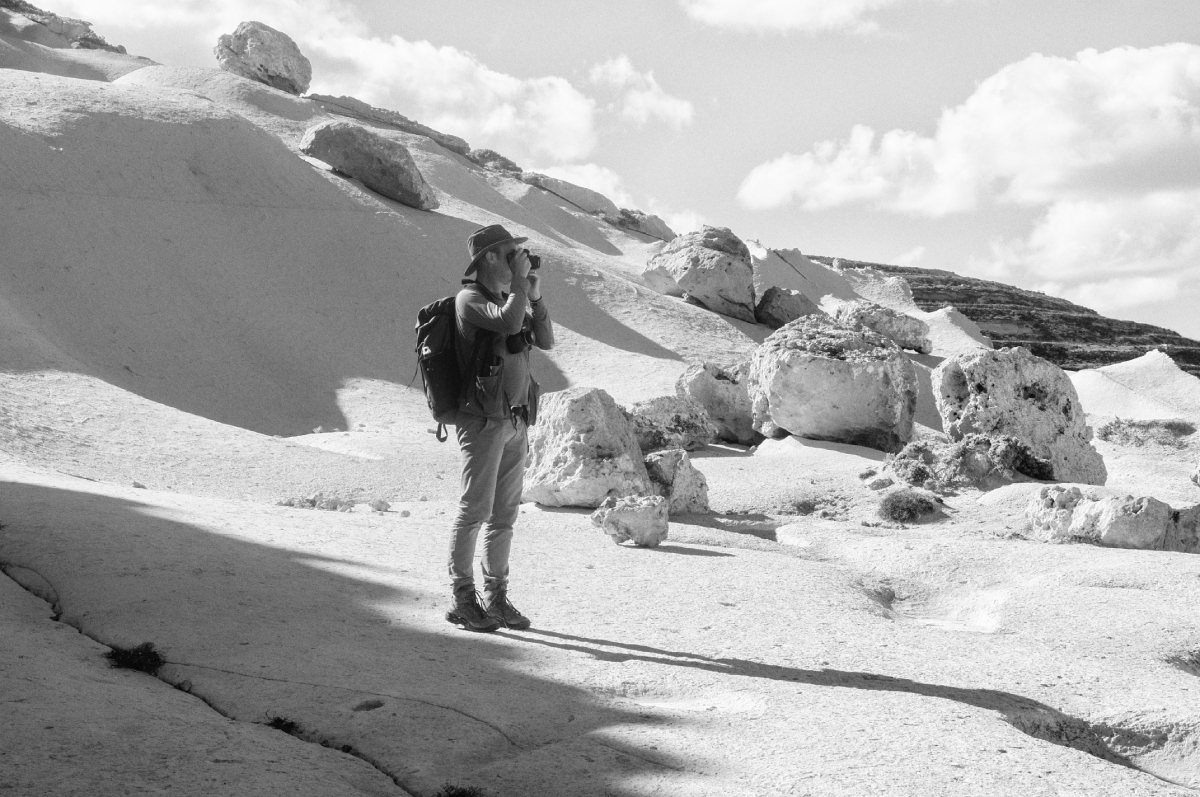
“Gozo is a very important place to me,” says Inigo Taylor, who for the last 15 years has not only made Gozo (and later, Malta) his home, but captured several aspects of life on these islands through his lens, offering a rich yet personal visual exploration of the country’s spaces and its inhabitants.
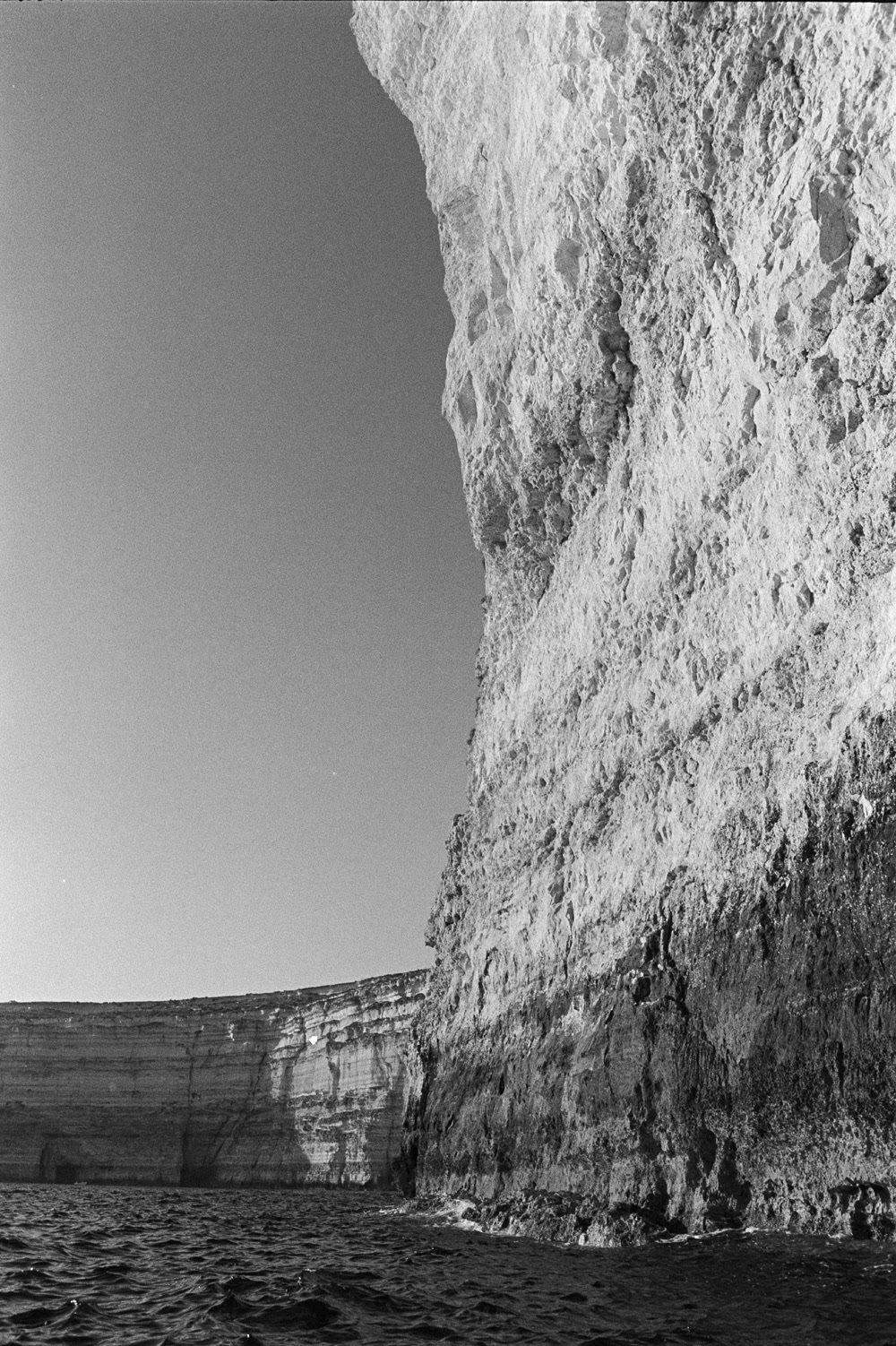
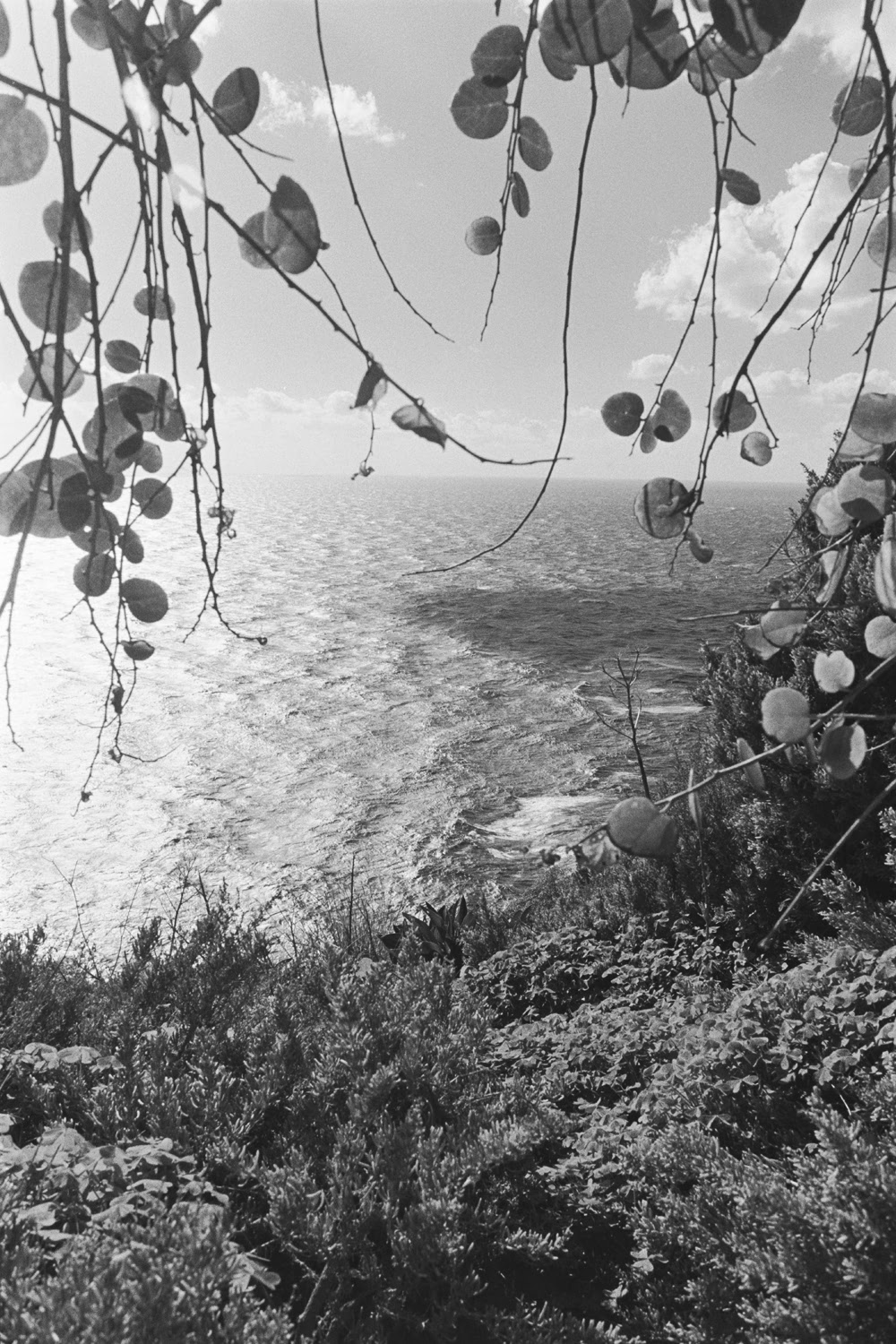
It seems only fitting therefore that now, ten years since he left Gozo to settle in Malta, it becomes the muse and subject of his latest photographic quest – which is set to become a book – drawing attention to the sea cliffs that stretch between Mgarr ix-Xini in the south of the island and Wied il-Mielah on the North coast.
This project was spurred by a previous one of Inigo’s. Between the spring of 2022 and autumn of 2023, he photographed a section of Malta’s west coast, edited the collection down to 46 images, and self published the work as a photobook, Lbiċ, last summer, which is available to buy from Valletta Contemporary and Il-Lokal. This time, however, he’s on the look out for a publisher.
“I committed most of my spare time to the project. The coastline was right on my doorstep and exploring a relatively small stretch of coast was a very rewarding experience,” says Inigo.
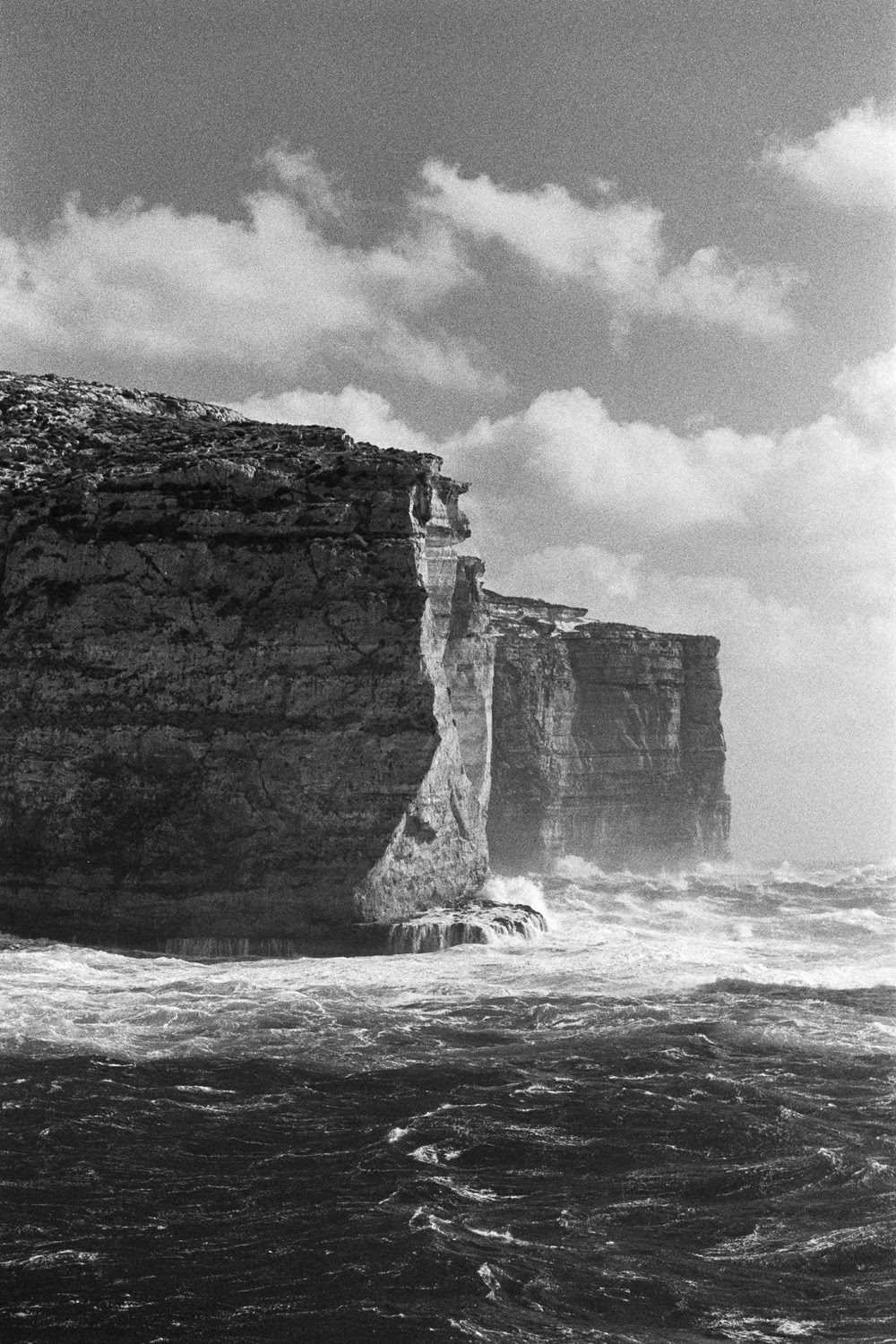
“I knew half way through that I wanted to make more coastal photographs on a bigger scale, which is when my mind began to wander to the sea cliffs of Gozo. I have a long story with Gozo – my grandfather lived there for many years and my earliest memories are from long summer holidays swimming at Ramla, Qbajjar and Dwejra.”
A love story with Gozo
Upon his move there in 2010, Inigo met a seasoned rock climber and the two spent several winters on the sea cliffs and in the caves.
“Many of our days out were above wild and crashing sea. It left a visceral impression on me – for a novice climber I was certainly out of my depth on more than a few occasions,” he notes. “The grandeur and epic nature of the sea cliffs felt like the perfect subject to do justice to the island.”
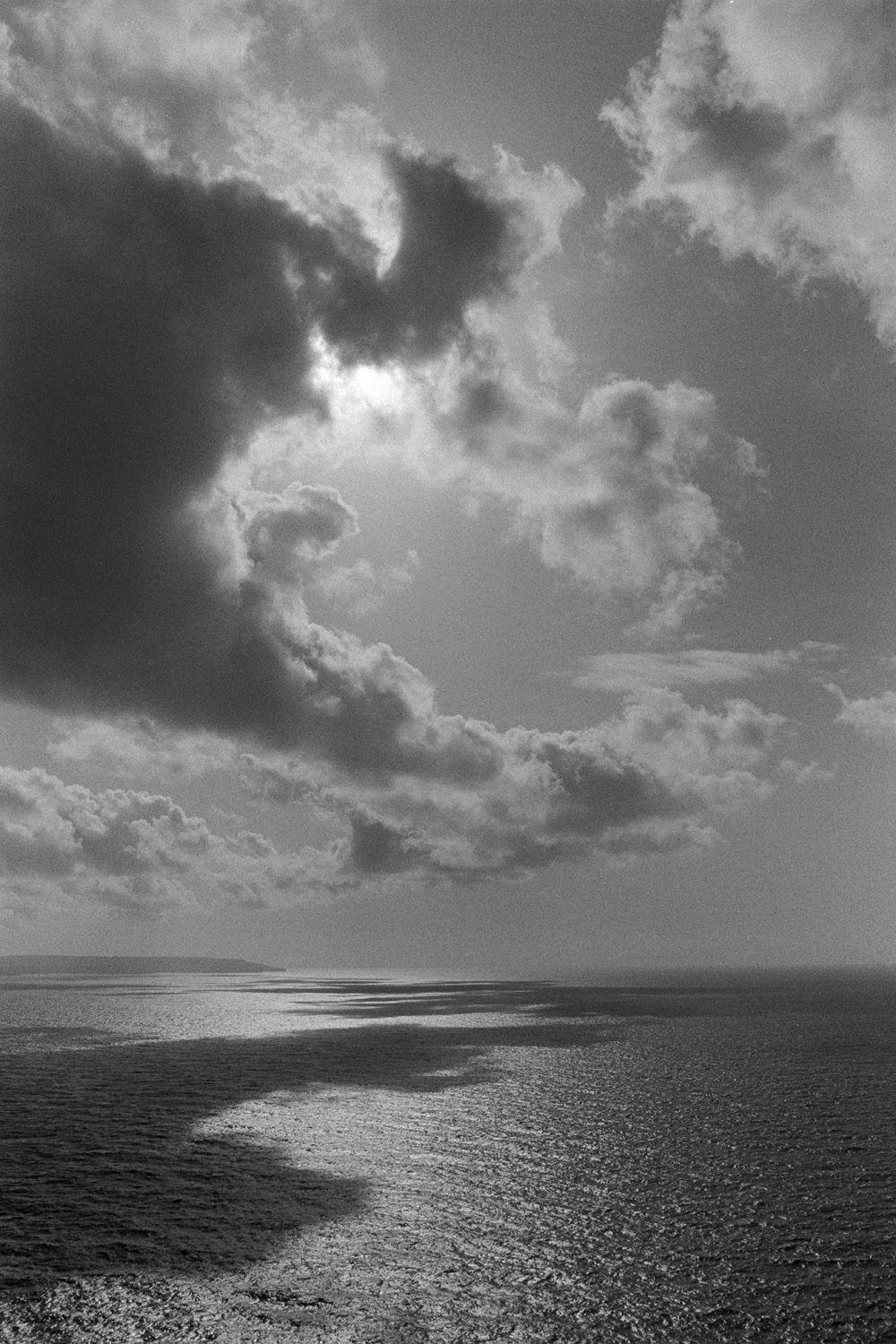
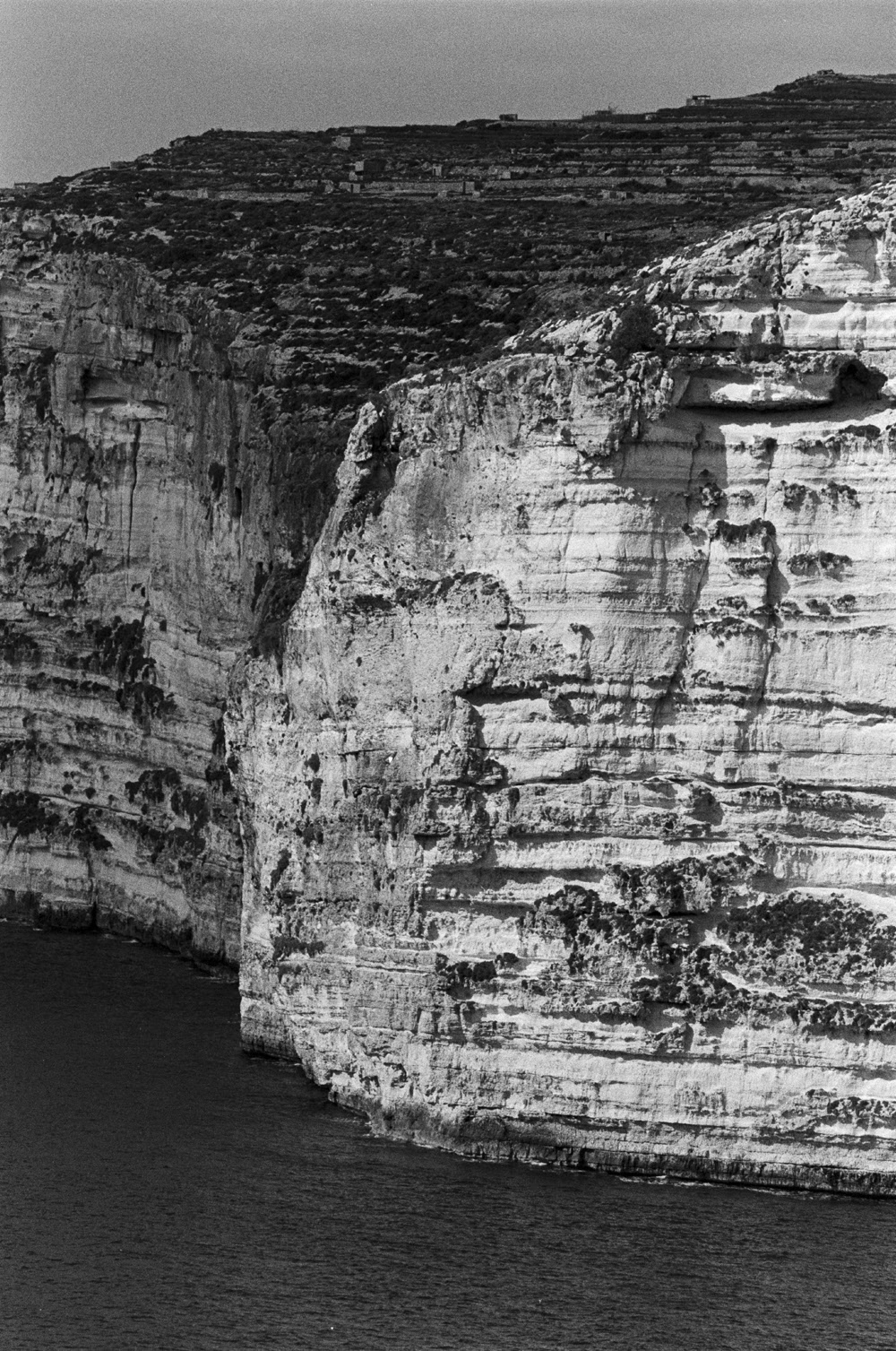
This project, titled Bastion, draws on various references – the architectural meaning of the word and its significance in Maltese history, as well the symbolic nature of these mammoth walls.
“For me, the name references the idea that the precipitous nature of the sea cliffs is a wild frontier on islands where seemingly every square inch of horizontal earth is either desperately under threat or off limits for members of the public because of its use in hunting and trapping,” says Inigo.
“At the edge of the cliff, you can feel free, and under it you can feel utterly in awe at the millions upon millions of years that made those immense limestone walls.”


A humbling adventure
Equipped with a canoe, 35mm camera and rolls of black and white film, Inigo set out to capture Gozo’s cliffs, which he describes as “on a completely different scale” to the stretch of Maltese coast he worked on previously.
He recounts one particular day of shooting when he caught the bus to Sannat and followed the cliffs on foot all the way to Dwejra. It was a spring day with brilliant light, and he had 40 minutes until his bus arrived.
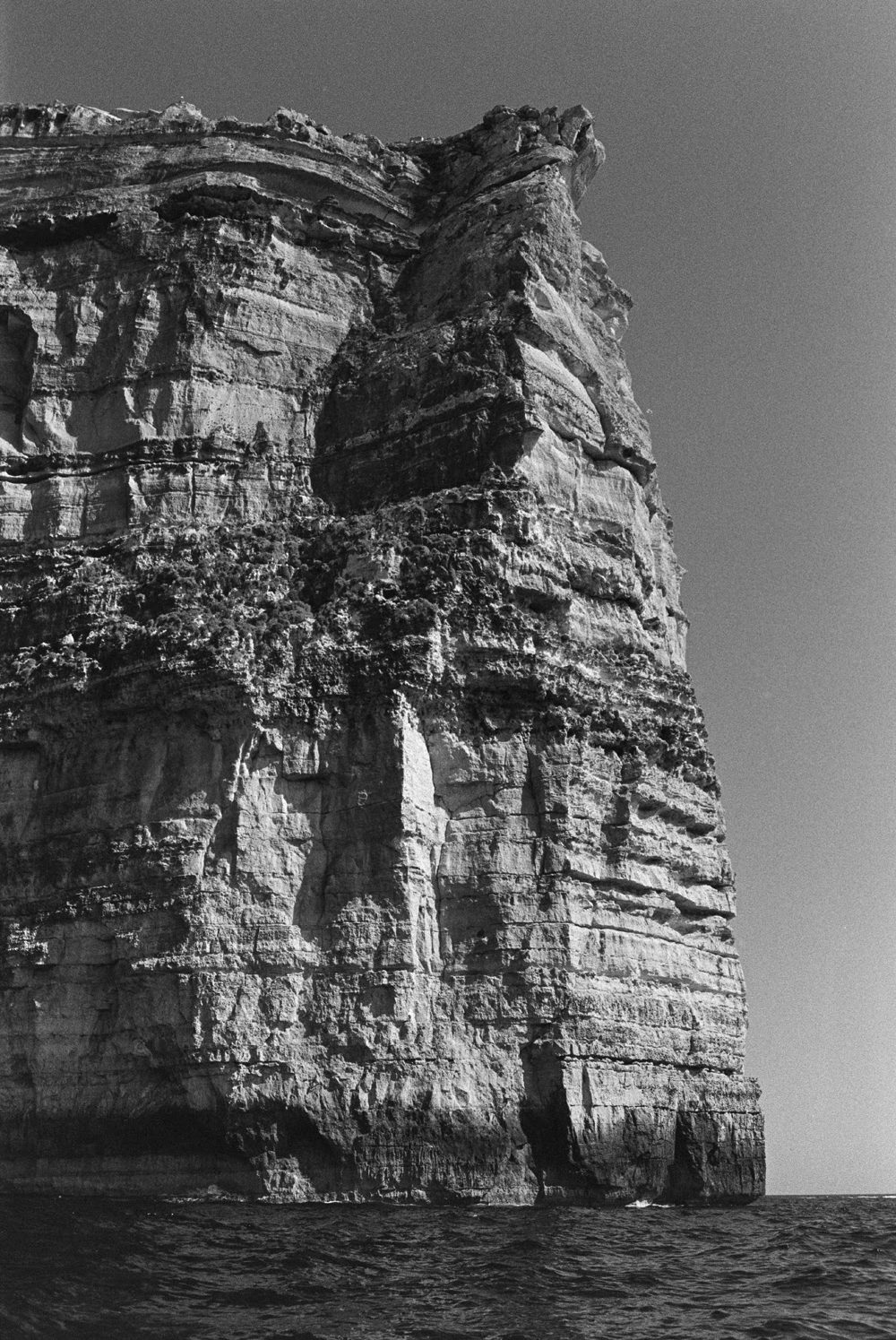
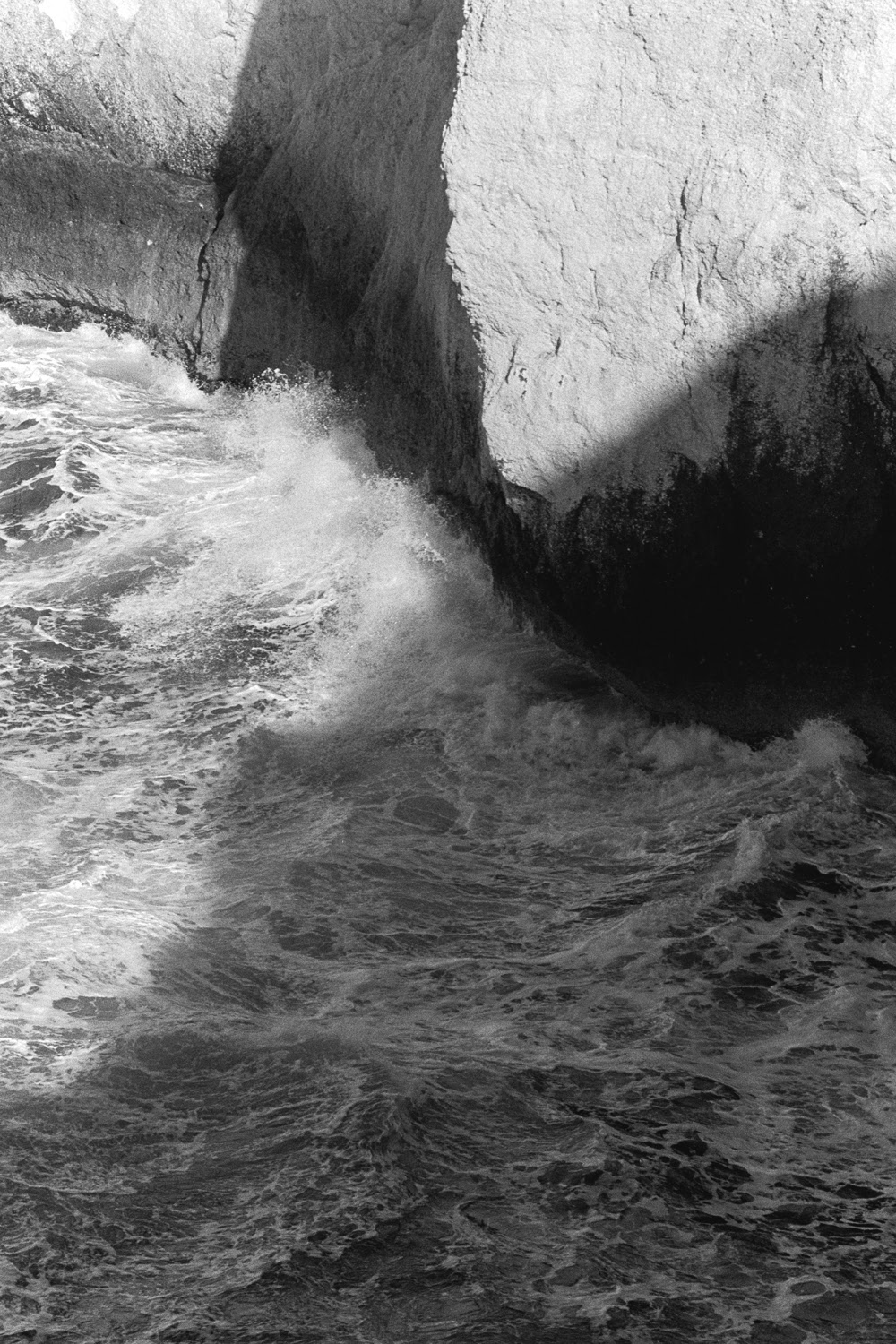
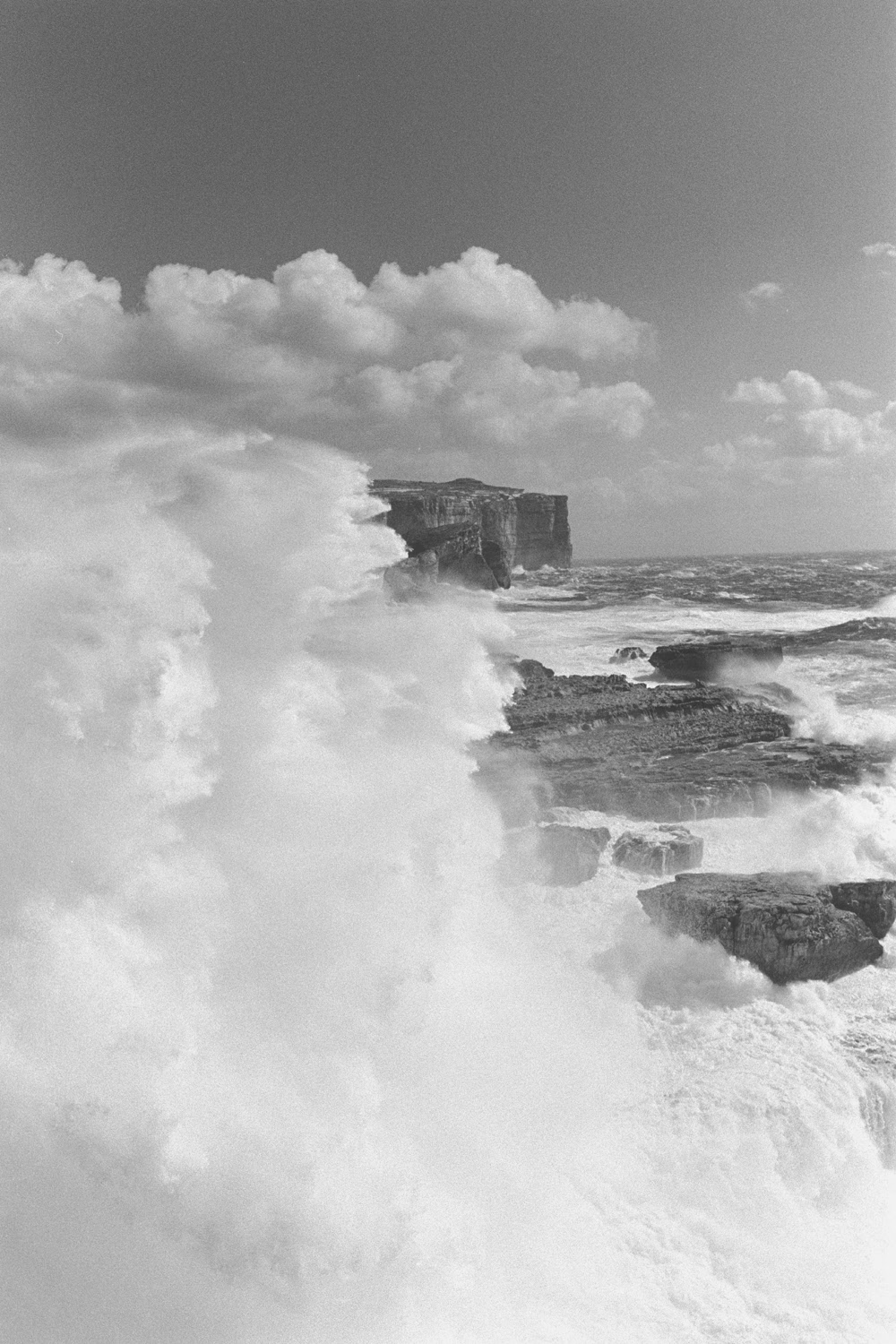
“The waves got bigger and bigger as I made my way along the cliffs. After finally reaching Dwejra, I put on my waterproofs and I went to a spot I knew that was safe and proceeded to have an incredible half an hour of snapping,” says Inigo.
“On my canoe, I caught myself regularly letting out expletives at just how majestic the cliffs are from underneath. I’m sure people on speedboats and jet skis enjoy the view, but slowly paddling under your own steam on those stretches of coast is humbling to say the least.”
For his previous coastal project, Inigo was provided with a set of maps, meticulously produced by Alex Camilleri, that named every boulder, valley, headland and shoreline on that stretch of Maltese coast. He endeavoured to do the same for this Gozo project and gained access to detailed coastal maps of Gozo that add a layer of historical value to his final photographs.
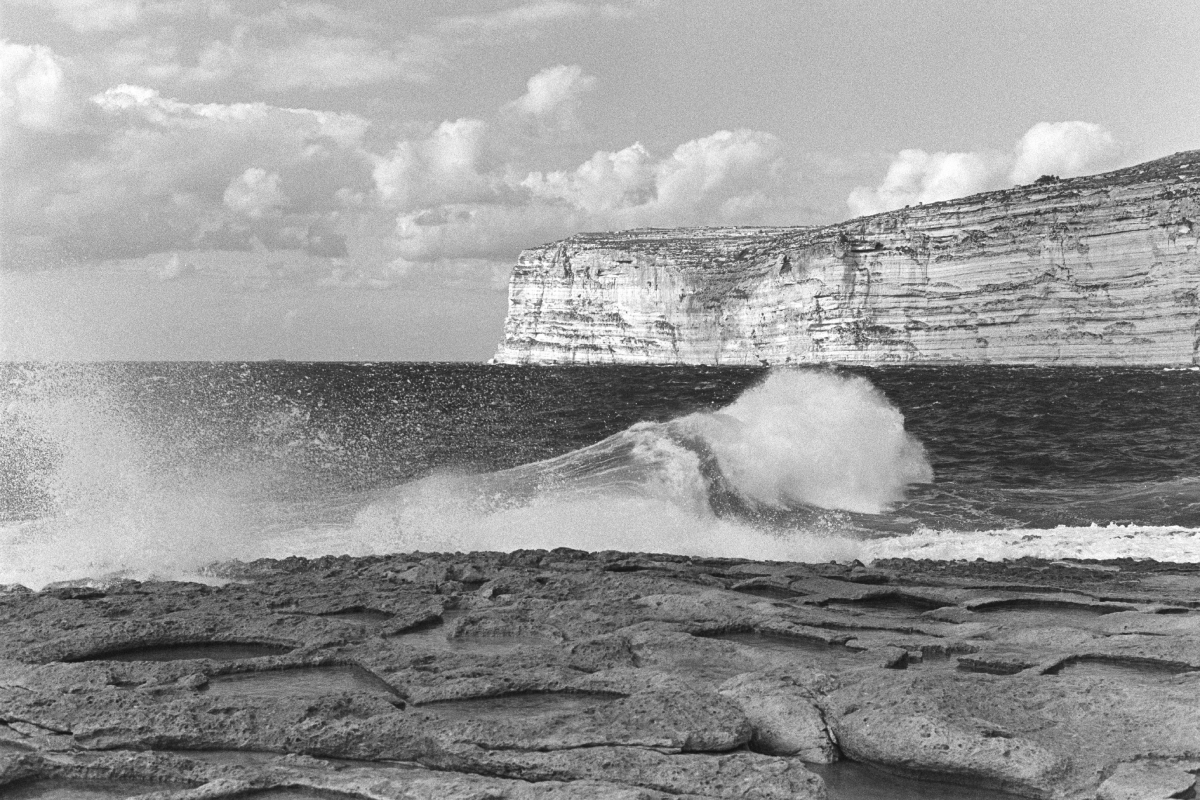
“As Malta seemingly moves further and further away from its pastoral heritage and connection with the elements and seasons, these names speak of times when the weather, the landscape, the trees and the animals the people shared them with were integral part of daily life,” he explains.
“Some of the names are relatively banal and some have mysterious and fascinating back stories. This rich cultural and linguistic heritage adds real depth and poetry to our landscape and for me, has added another layer of fascination for my subject.”
The allure of black and white
Shot entirely in black and white, the photographer says the decision to shoot in this way was an instinctive one, and complements the trajectory of his landscape and nature work which, since 2020, has been captured in black and white.
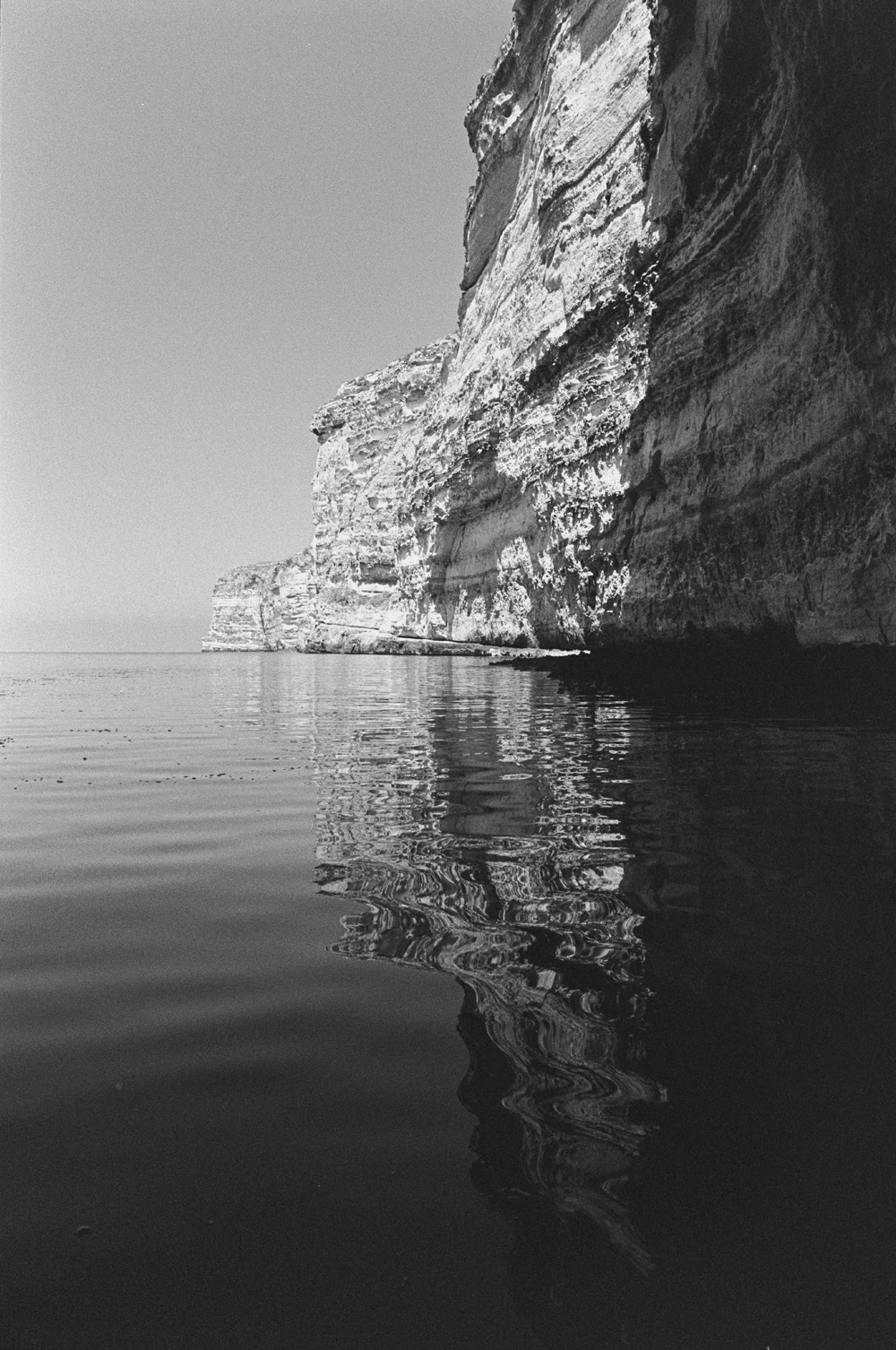
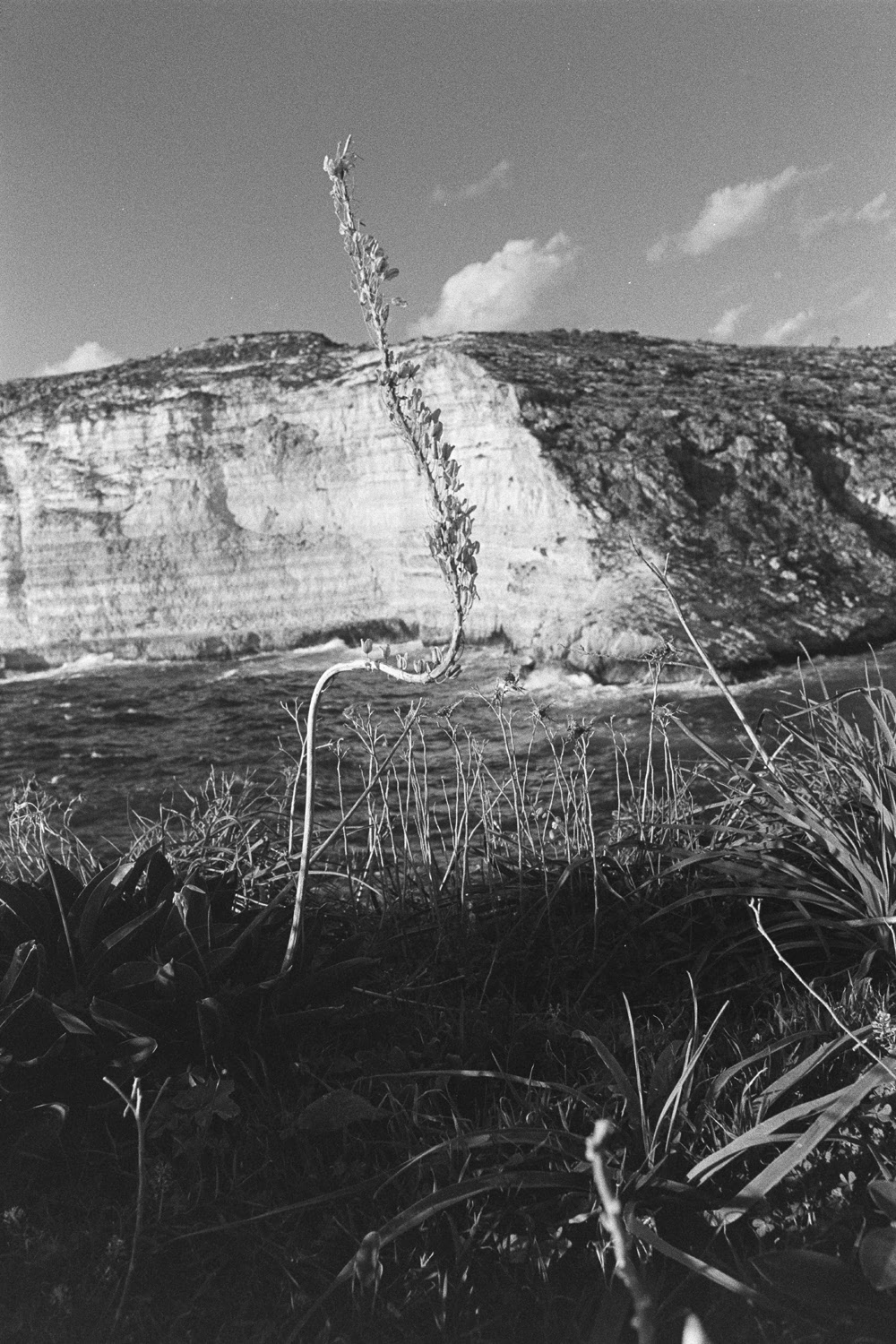
“It is a very hard question to answer, why black and white,” says Inigo. “With the photography I have made over the last several years, I seem to find myself interested in trying to find a glimpse of what I could describe as the soul of the places I choose to photograph – the power, resilience and sadness, and of course the Mediterranean light that as an Englishman from the North I will never take for granted,” he notes.
“With a body of work like this, it is black and white that articulates these feelings for me.”
Photography: Inigo Taylor