We needn’t look too far back to a time when commissioning a bespoke kitchen, library or any type of furniture was seen as standard practice; a time before the diverse range of imported brands opened up a world of choice, and became the new standard.
Yet the inherent value of bespoke furniture outweighs its ready-made counterpart, knowing that it is the only one of its kind, was designed and created by hand – and specifically for your home.
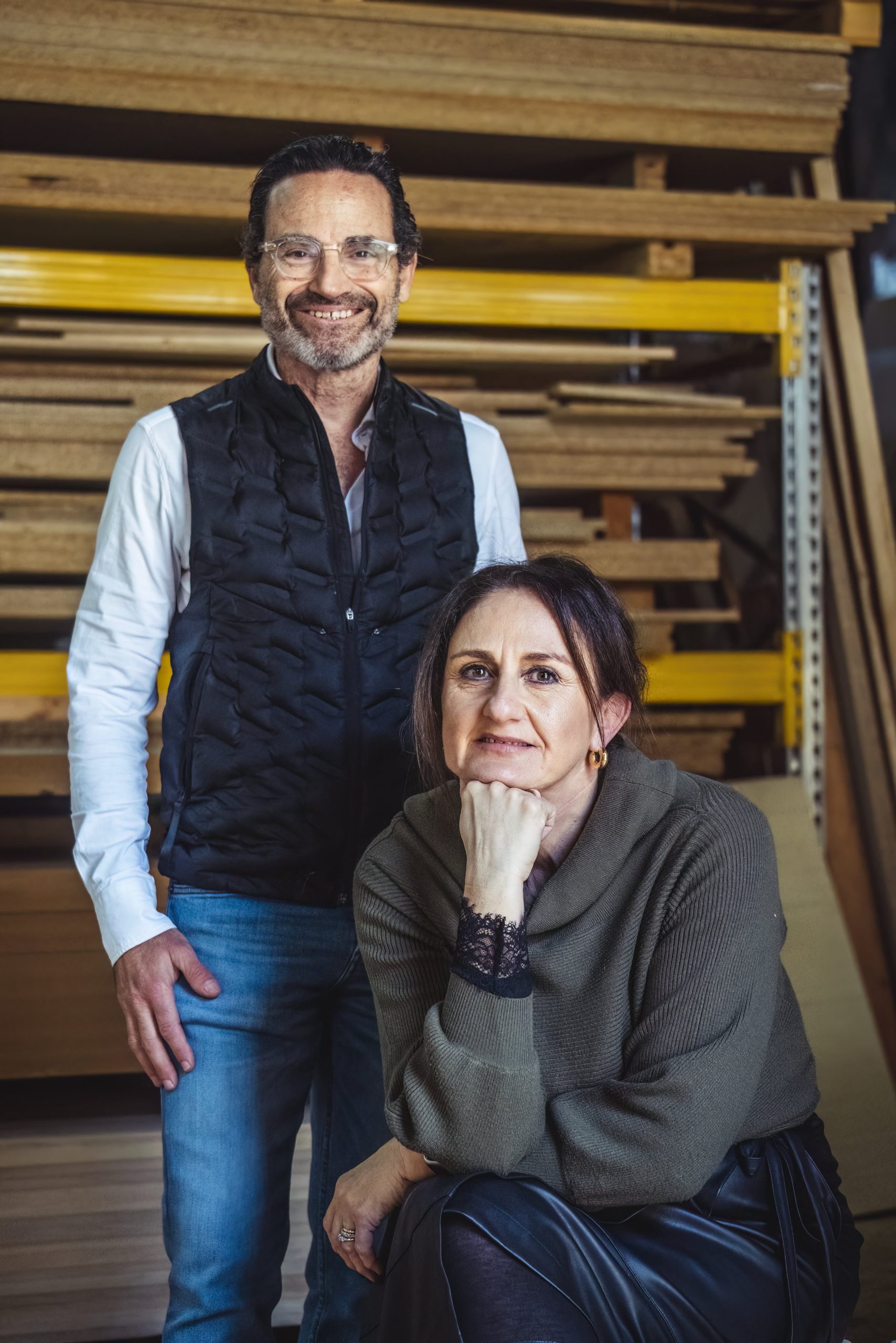
This industry is a familiar one for Chris Vassallo Cesareo, managing director of Domestica, a second-generation family business (that’s moving into the third), founded by his father Leo in 1969, under the name Abbott and Dominic Malta. What started as a furniture importation business soon became a fully-fledged workshop employing a diverse group of carpenters.
“At the time, my father’s brother-in-law was in the real estate business and they decided to set up a company that would provide custom furniture for the properties they were selling. Instead, they ended up selling to their friends, friends of friends, and so on. My father, with his entrepreneurial mind, pursued it further, changing the company name to Domestica in the mid-1970s,” Chris explains.
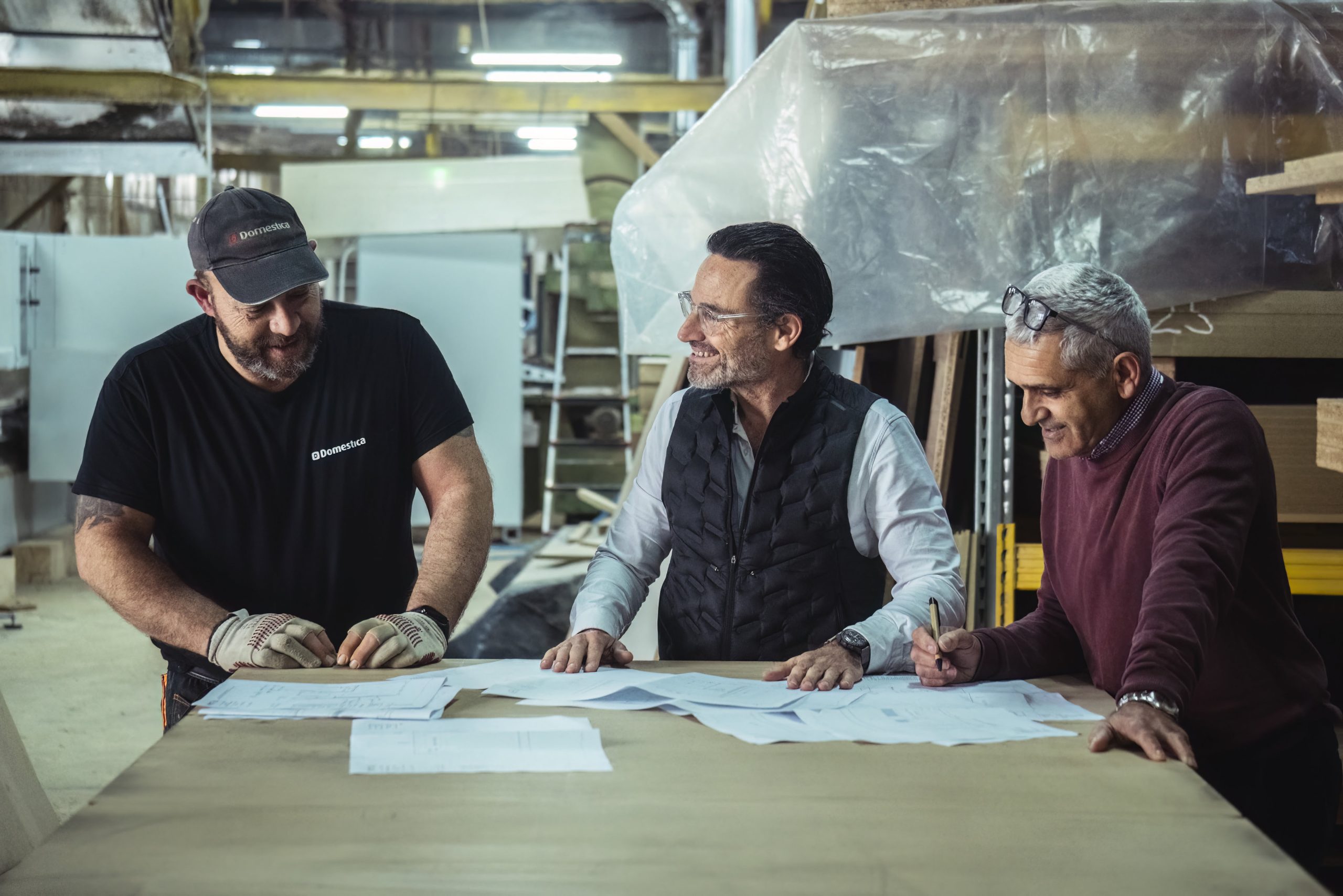
The name Domestica was inspired by the strong influence of Italian design and furniture at the time. “He wanted a name with international flair that also relates to the home. Today, we’re one of the few still standing, offering fully-fledged furniture importation with a Domestica showroom in Valley Road, Birkirkara, and a 3,000sqm factory – both of which are very important sides to our business.”
The custom evolution
One of the most exciting elements of designing a custom piece today is the sheer choice of materials available – a luxury which, until a few decades ago, wasn’t available.
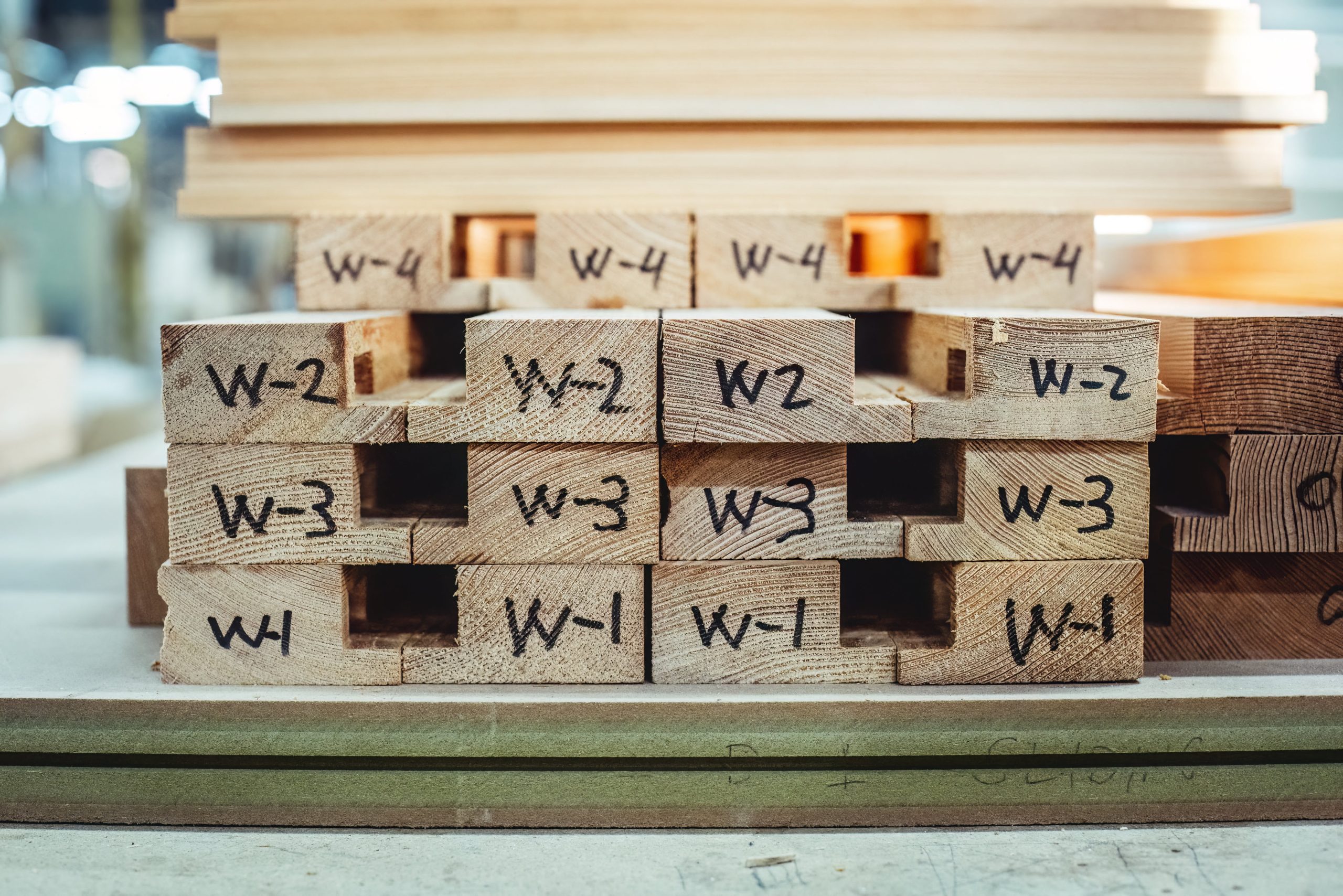
“In the earlier years, our production centred on furniture made from darker woods, like mahogany, which many might recall seeing in their parents’ or grandparents’ Regency-style dining room,” says Chris. “Today, we have access to a bigger choice of materials, both in the selection of wood but also sprays and finishes.”
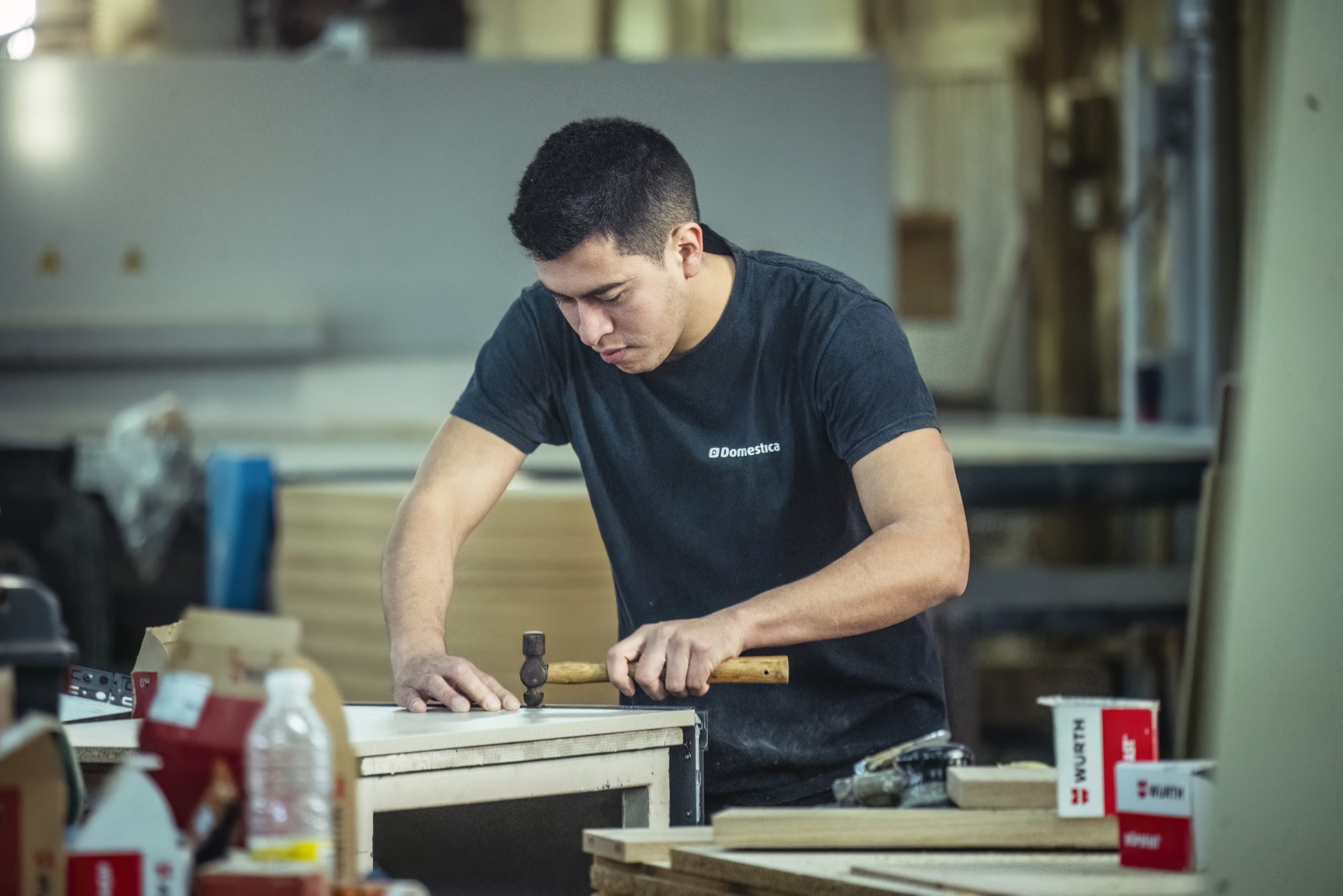
“This variety makes our life interesting too – ultimately, being a carpenter is being a craftsman, an artist. Artists want their skills and creativity to be challenged, and every job we’re asked to create is different, making it an enjoyable challenge for us too.”

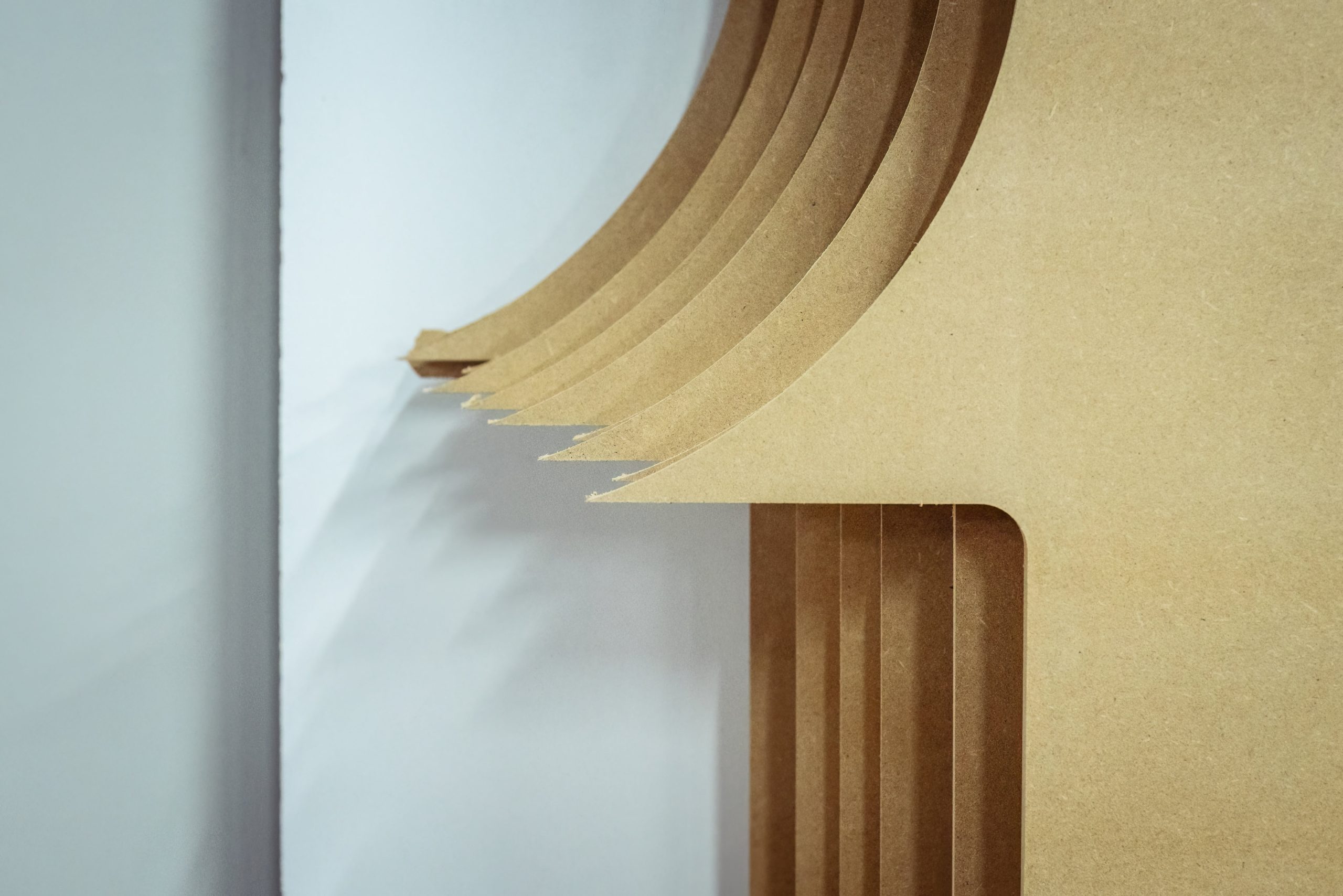
Of late, there’s been a shift in style, away from the sleek and minimalist look towards wood vein furniture, predominantly in oak, says Chris. “Oak has received a boost in popularity. Before, you mention oak and people think of panelled kitchen doors, but today, oak is enjoying a revival through flush panels with solid beading or ribbed oak panels that can be curved around a column and stained in a variety of shades.”
The execution of such designs is a combination of craftmanship and current technology. “Technology has given us as the manufactures, as well as architects and designers the possibility to be even more creative,” says Chris.
Trusting the process
From the first appointment to the last visit, the process of commissioning a bespoke piece of furniture is one of trust – “no matter how many designs or drawings we show, the final product is never seen until the very end of the process,” says Chris.
It begins with a chat with a sales assistant and an exploratory sketch of the client’s wishes, followed by an exchange with the production team to explore potential technical issues and improvements, before moving on to selecting materials, spray colours and the preparation of the final quote.
“Once ordered, one of our surveyors double checks all measurements, switches and light points before the design is passed on to production. During production, the client is given an appointment to visit the factory for a last chance to tweak or add an element before their item is completed.”
This level of involvement helps to ensure the best possible outcome for each item made, and for the client receiving their design. To this end, the beauty of a bespoke piece as against a pre-set option is that it is truly unique and intended for the space inside your home. “No two pieces can or will be the same.”
Photography: Elisa Von Brockdorff