The centuries-old Japanese philosophy of wabi-sabi is, broadly speaking, a reference for a state of being that embraces change, that shows awareness of the transient nature of things on Earth.
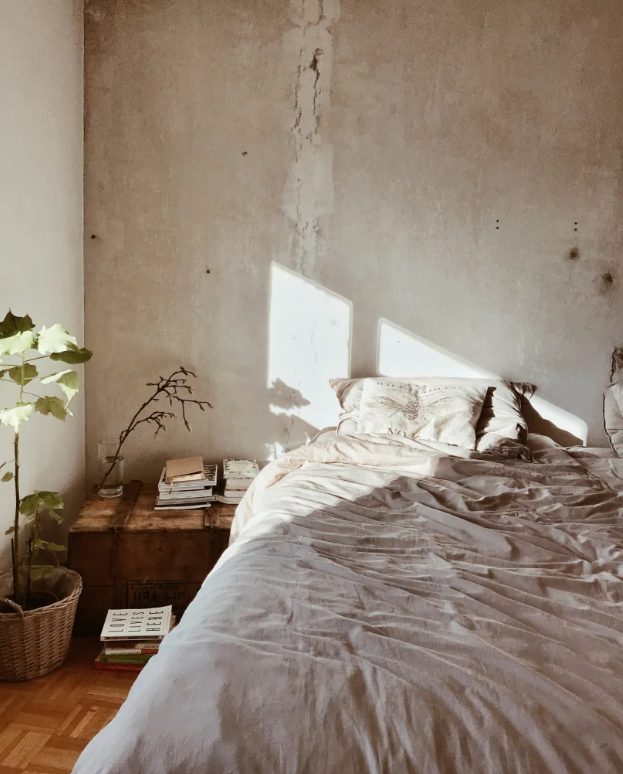
In the world of interiors, this philosophy has been translated into a style that searches for simplicity, imperfection and impermanence, as well as beauty in the passage of time. A worn wooden table, stains on an old mirror, an unglazed or unpolished vase – natural wear and tear is there to be shown.

Some experts refer to the style as a reaction to the highly decorative trends that were popular before it, which relied heavily on ornamentation, detailing and the use of rare and rich materials; others as a way to bring in a sense of calm amidst chaotic and uncertain times.
Design Dispatch turns to interior designer Enrica de Gabriele, founder of EDG interiors, to demystify this design style and explore how to apply it within our own spaces.
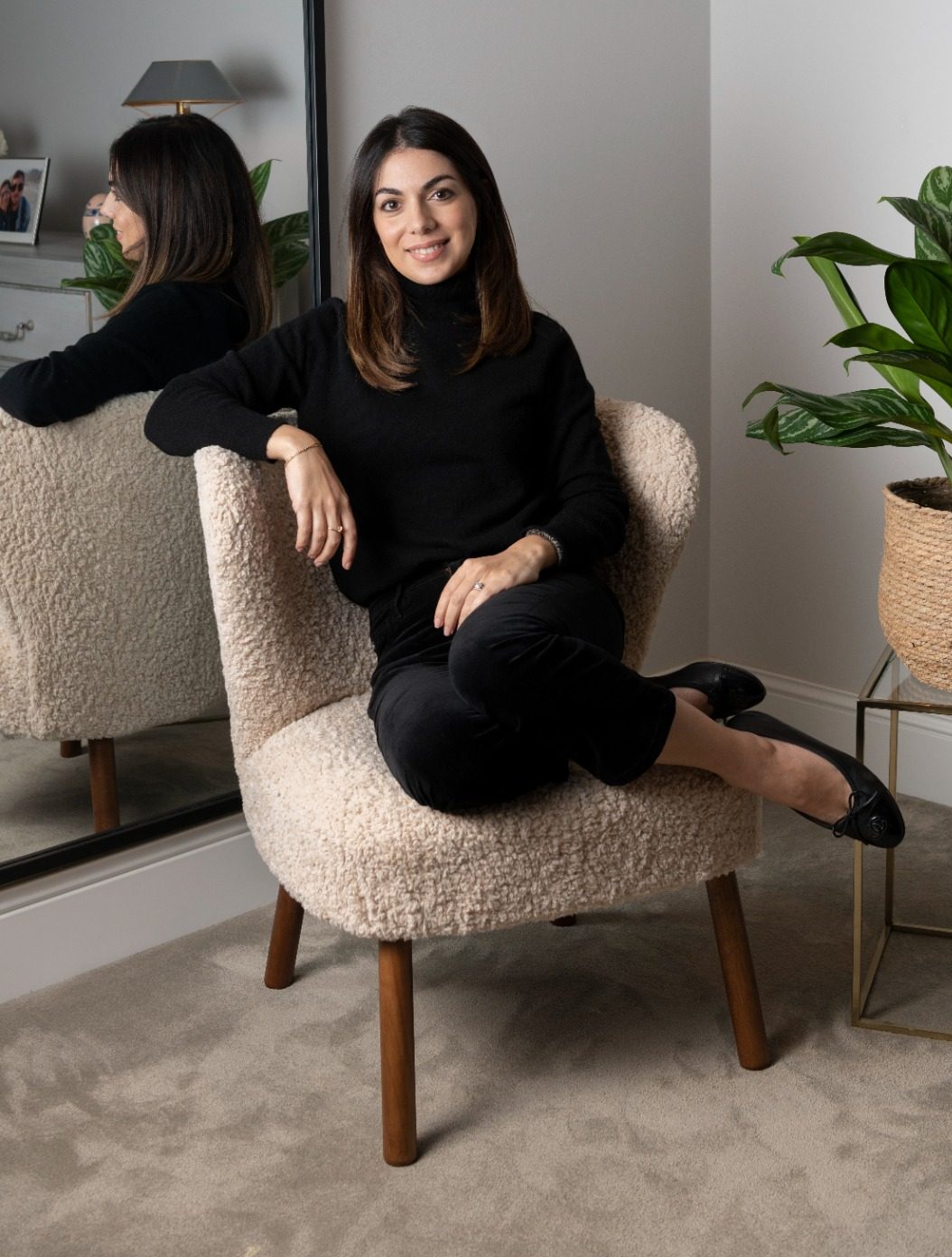
“Wabi-sabi is a Japanese concept of embracing imperfections and elements from nature. It’s a style that wants to eliminate newness and focus on texture, simplicity, roughness and authenticity,” she explains.
“In interiors, this is expressed through natural elements of oak and stone, cream-colored walls adorned with plants, and antique finds that have an evident patina.”
“Wabi-sabi can be considered to be a minimal and uncluttered style and focuses on the harmony between the materials and colours used.”
Visual references of this style revolve around a colour scheme that is largely neutral, almost monochromatic, where various shades of the same colours are used consistently around the space. “The wabi-sabi style generally focuses on colours derived from nature; the natural colour of stone, shades of green and dark elements from materials such as volcanic rock.”
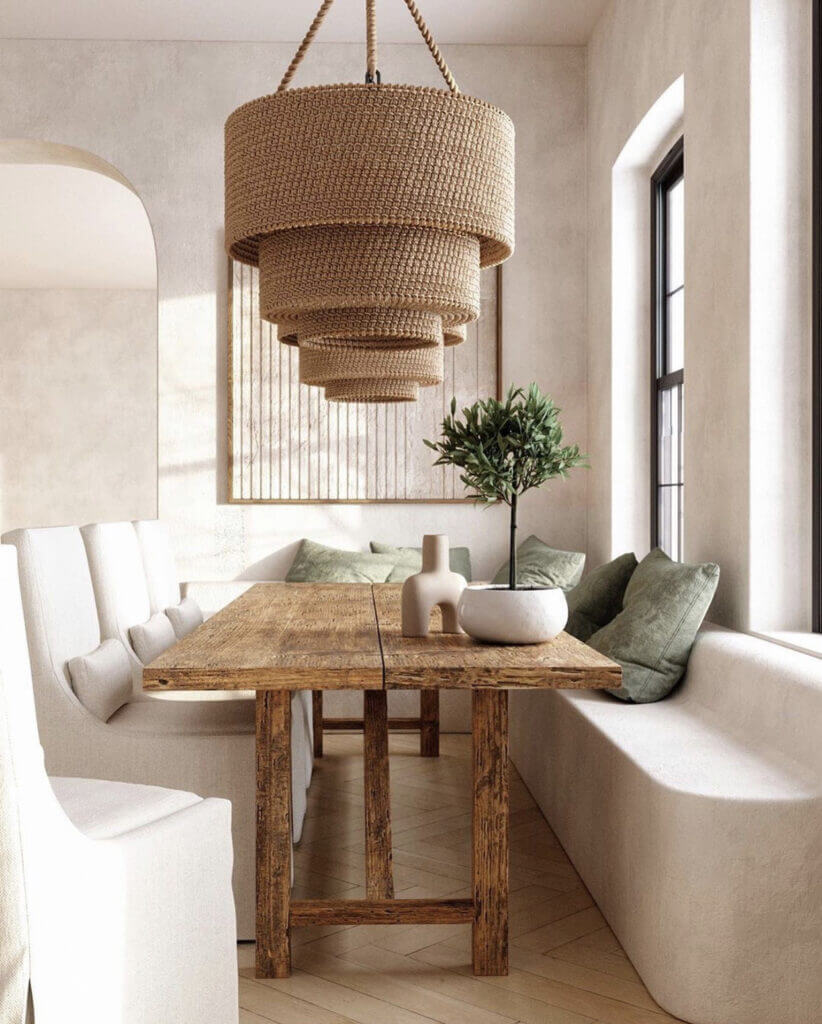
While decorative details could bring in a taste of this style, a holistic wabi-sabi aesthetic is best achieved when considered at the early stages of a project’s design or renovation.
“If this is the style that you want to pursue, a decision has to be made early on. The structure of certain walls would follow an organic style, possibly with round edges or arches and integrated shelves using gypsum and having it finished in a micro cement. This gives a natural finish to the carcass of the home before adding furniture and other materials,” says Enrica.
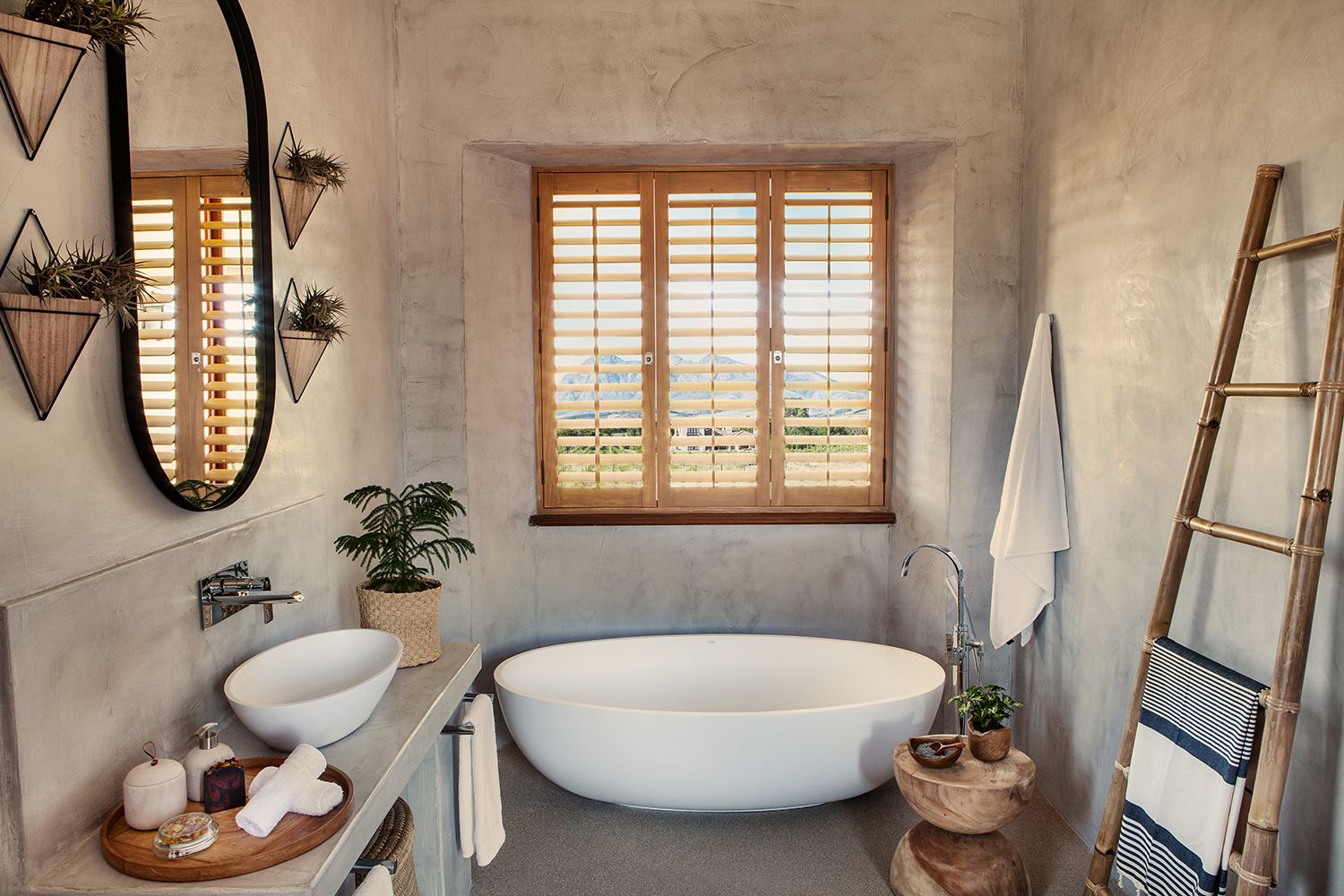
Does it work well with other existing design styles within the home? “Wabi-sabi would work beautifully with a Mediterranean-style home as both follow the same organic characteristics and materials,” the interior designer says.
“Over the past decade, we’ve seen the classic-contemporary style make a big come back, which I believe is still with us, but people are slowly moving away from highly decorative elements and moving towards a cleaner and more minimal style. It comes across as a way to create a sense of zen amidst the fast-paced lives we are living.”
Main photo: Design by Axel Vervoordt via Emily Henderson