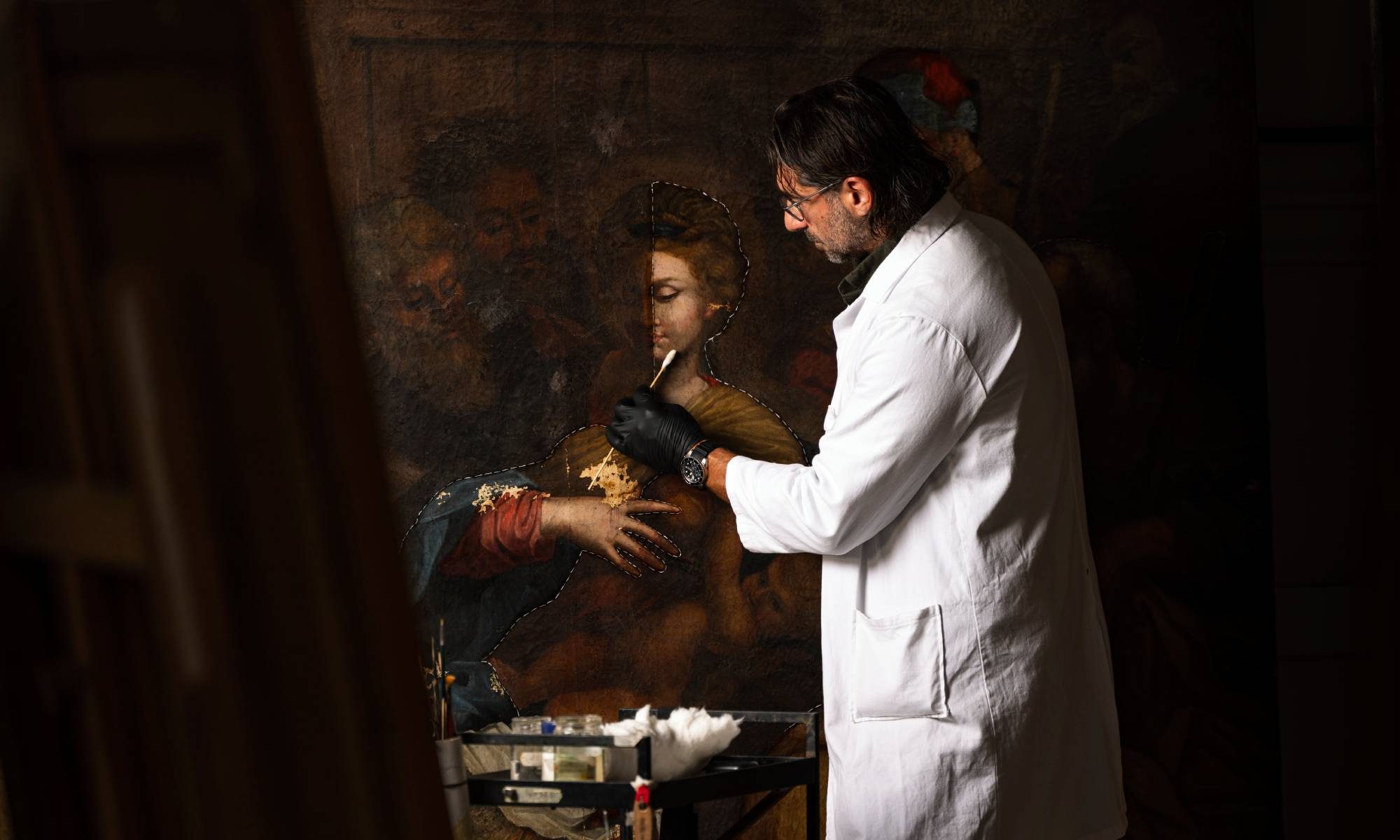
Towards the end of a tour around the lab of art restoration company PrevArti, its founder, Pierre Bugeja, wheels out an extraordinary 17th century painting by a prolific Italian baroque artist that belongs to a private collector. At over 300 years old, the painting was in near-perfect condition, and this was the first time it was being restored.
I can’t help but ask him, having been in the business for 20 years, how it feels to hold a painting like this one in his hands. “With time, you get adjusted. But it’s always emotional, especially when you’re working on an old master’s painting,” says Pierre.
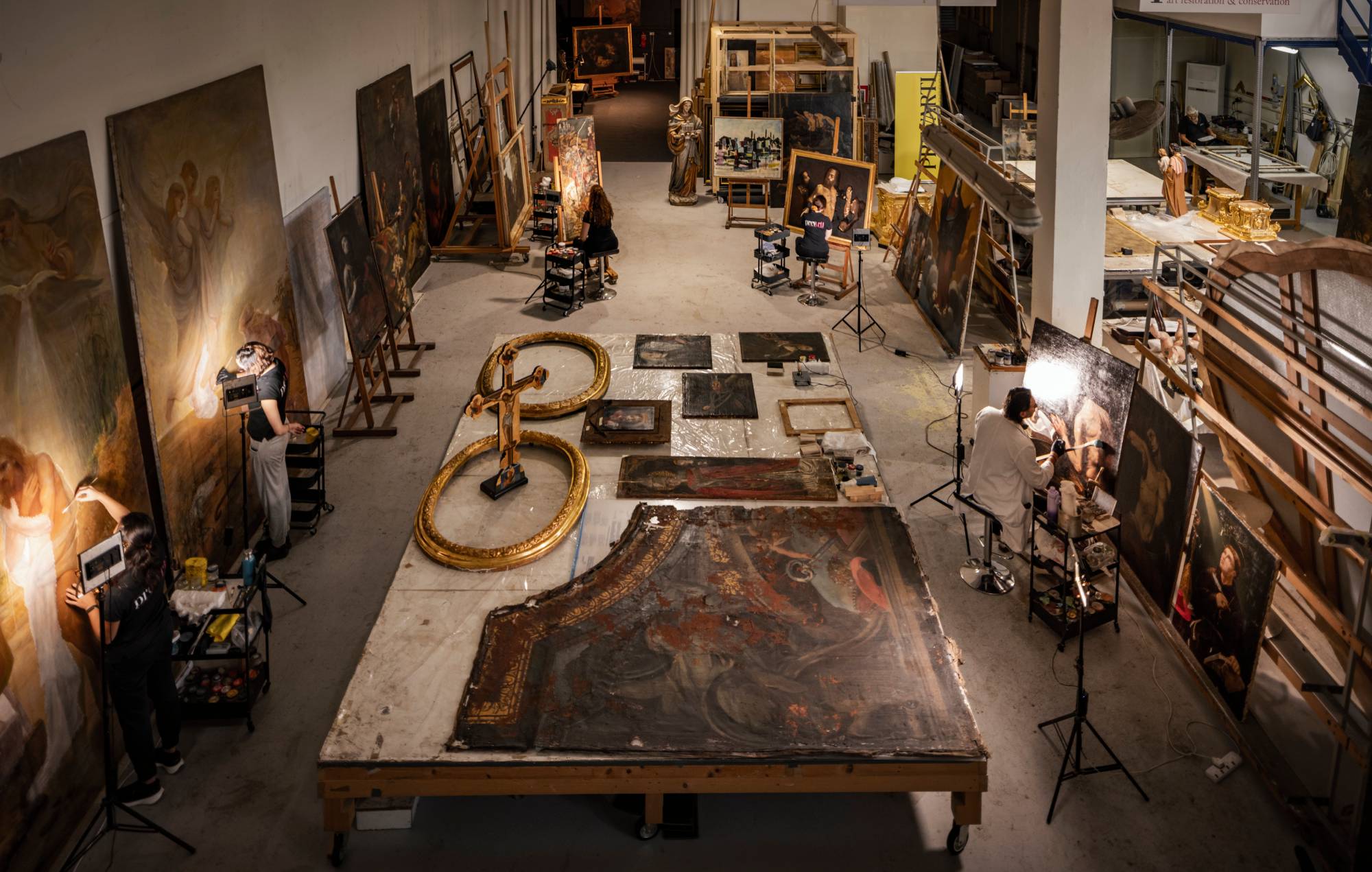
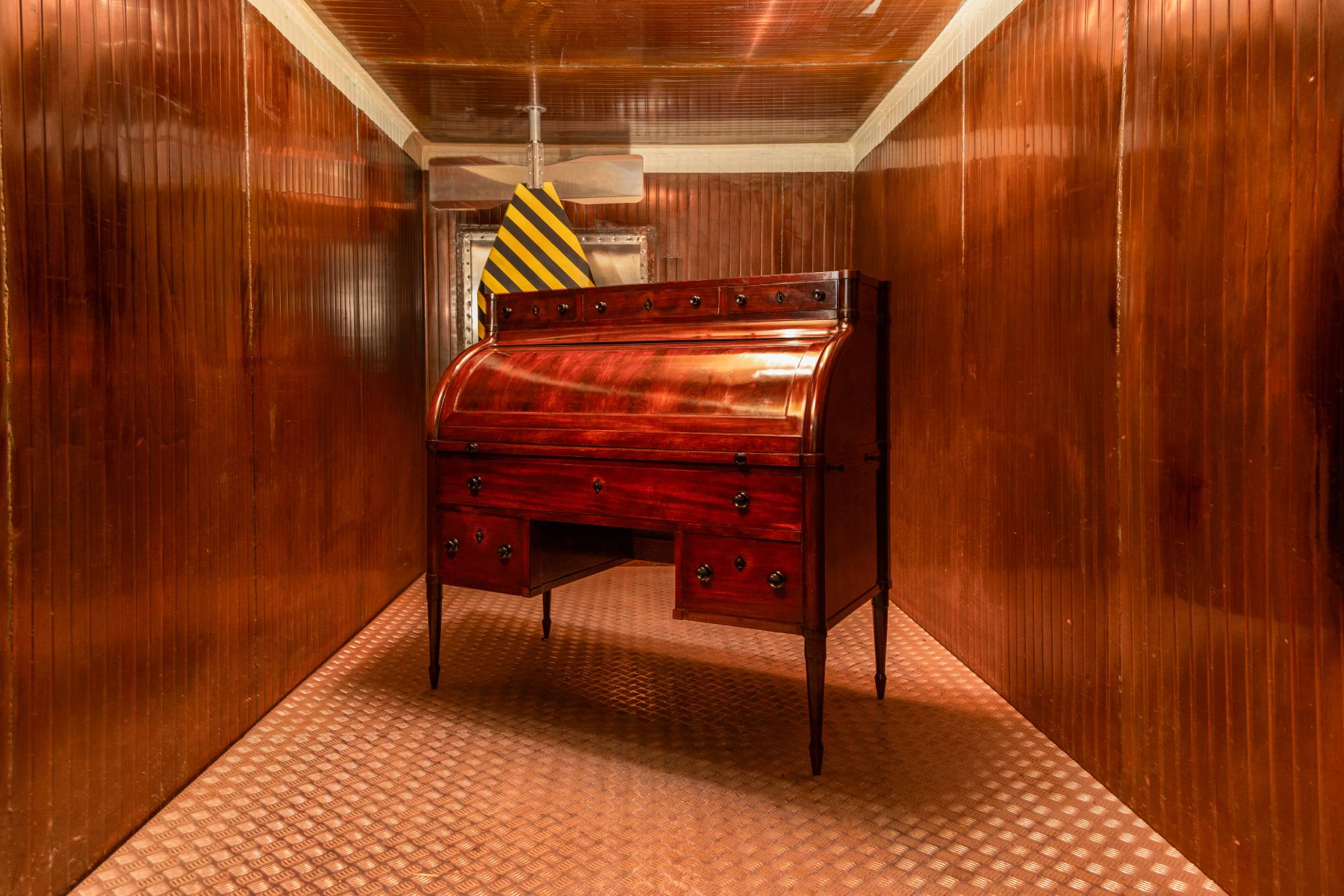
“When everyone leaves the lab, I like to spend time with the paintings, not just seeing what fixes they need but sitting with them, enjoying them, valuing them if you will.” And within the walls of this double-height lab – home to art and paper restoration as well as disinfestation facilities – there is ample to value.
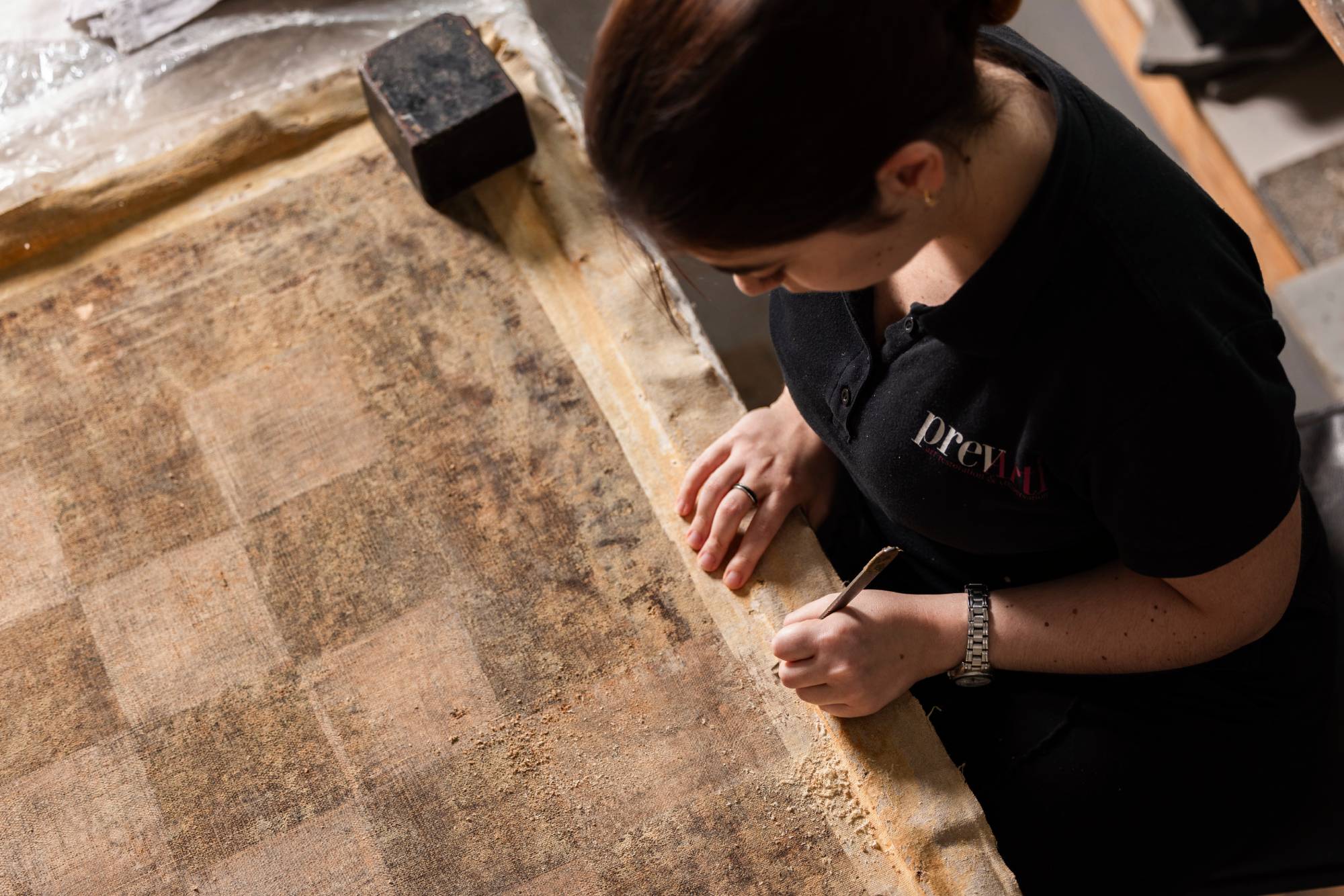
A humble beginning
For Pierre, the calling towards an art-related profession was always there, but few job opportunities existed when he completed his studies in 2005.
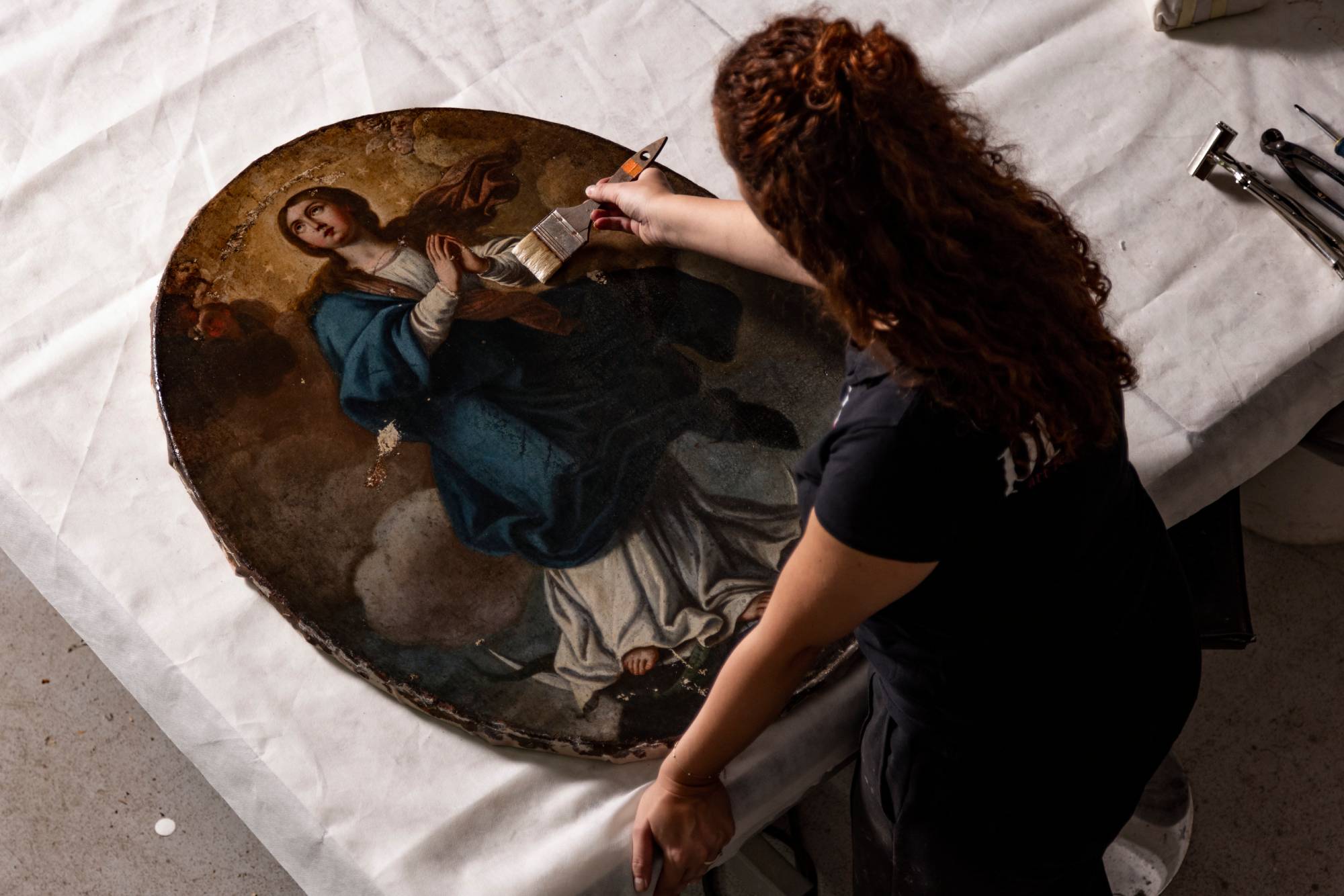
“I had to knock on a few doors to find work in this field,” says Pierre. “I came across a part-time vacancy with a frame-maker, who found me to be overqualified but saw an opportunity to create a new line of business, so I started out at his workshop.”
Work trickled in and more restorers joined. “We outgrew the space and moved into another laboratory. We stayed for another two years before moving here, where we set up a complete laboratory for restoration and disinfestation.”
Located within the Mosta Technopark, PrevArti is today a household name in this field, and a look around the lab proves its reputation. From a Neapolitan portable wooden organ dating back to 1744 – only two of which are known to exist in Malta – belonging to the convent of the Benedictine nuns in Mdina, to a large painting of St Ignatius belonging to the Jesuits’ church in Valletta by 17th century artist Giovanni Francesco Romanelli, the art that passes through these doors could only be described as invaluable.
Patience & Perseverance
Pointing at the painting of St Ignatius, Pierre says it’s not the first time it’s being restored, but the original paint is still evident.


“The colours of this painting are rich and saturated – the blue that was used was made from lapis lazuli, a very expensive material, which tells you that the family who commissioned it was wealthy and wanted their family name to be hung and visible on the altar of the Jesuits’ church,” says Pierre.
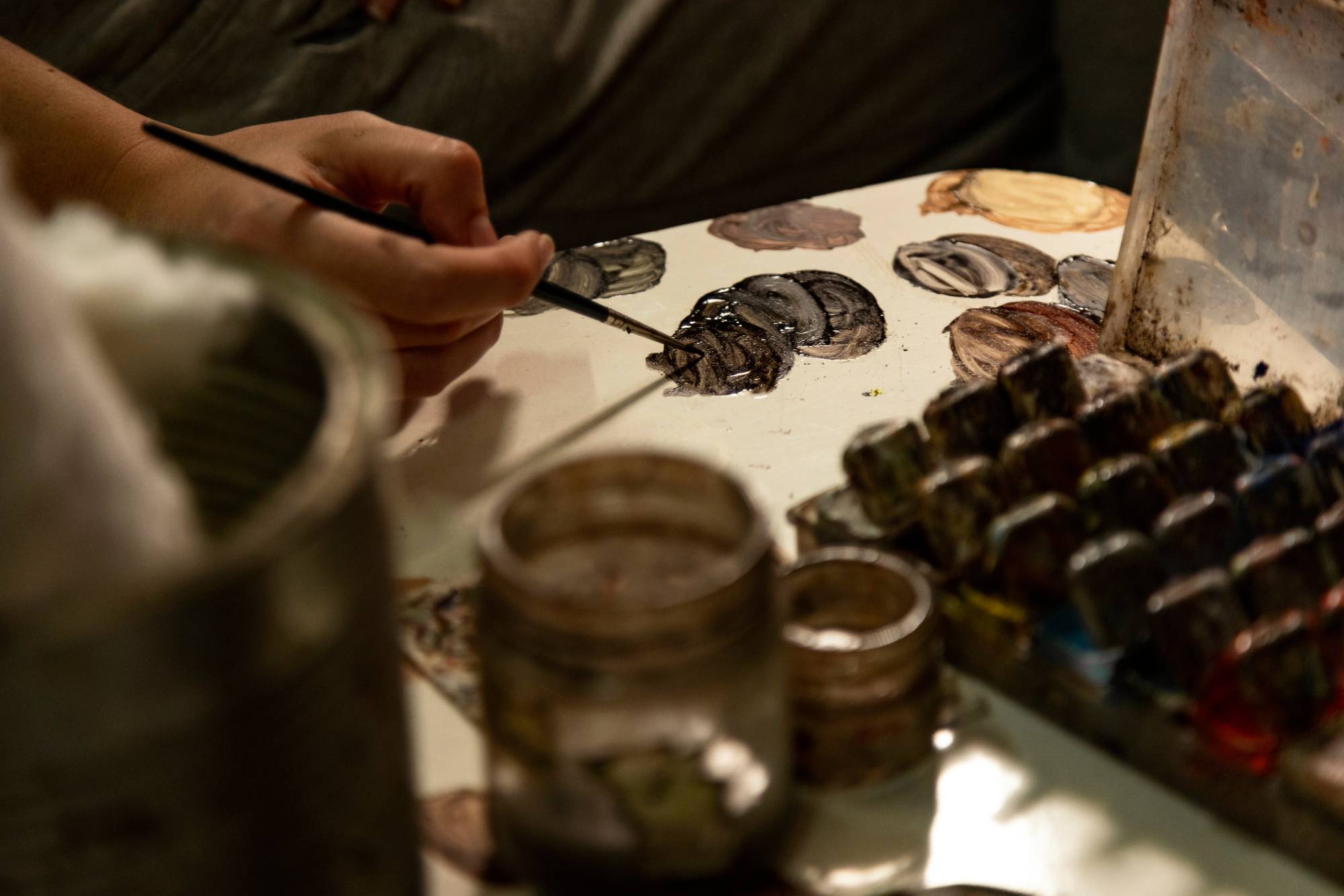
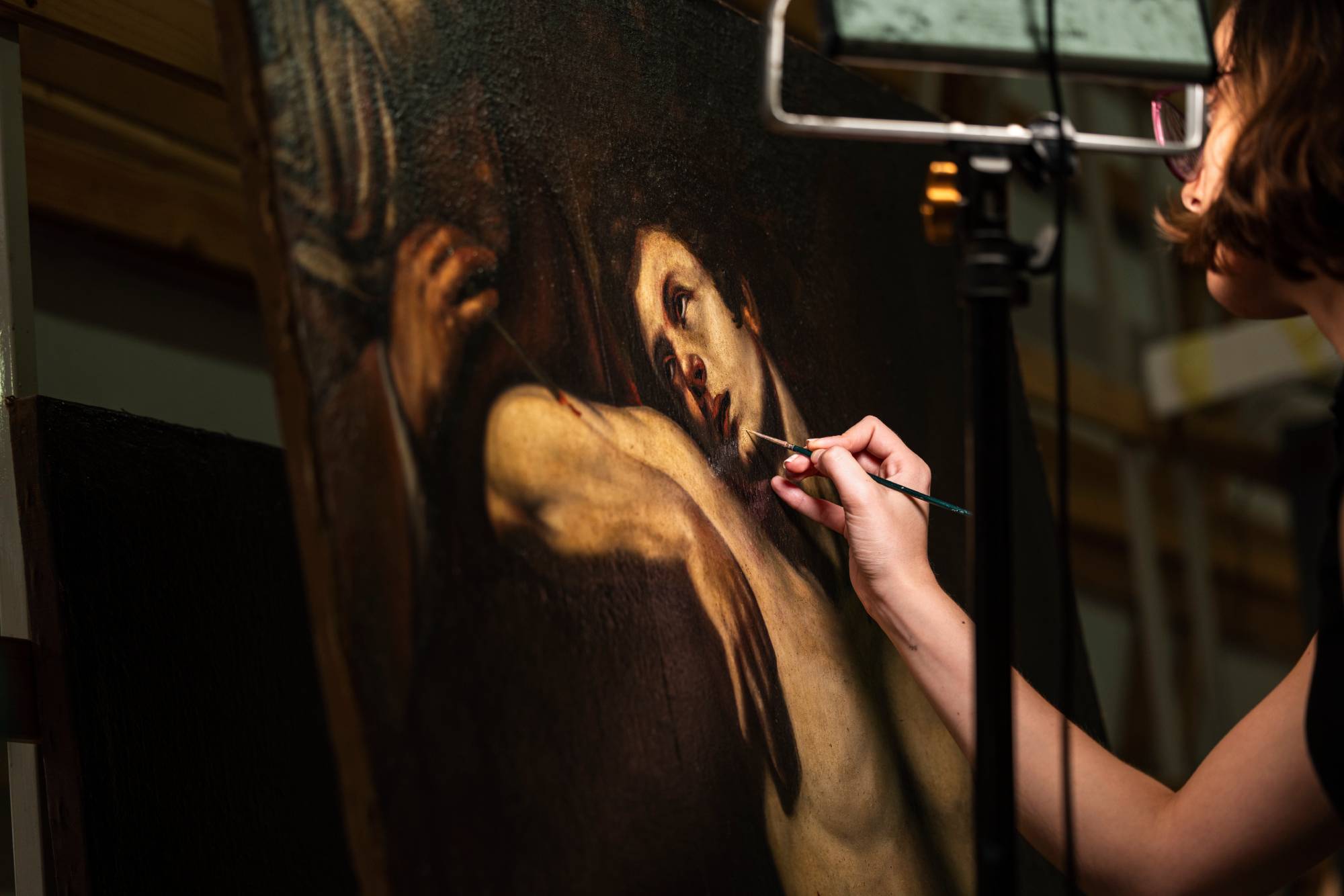
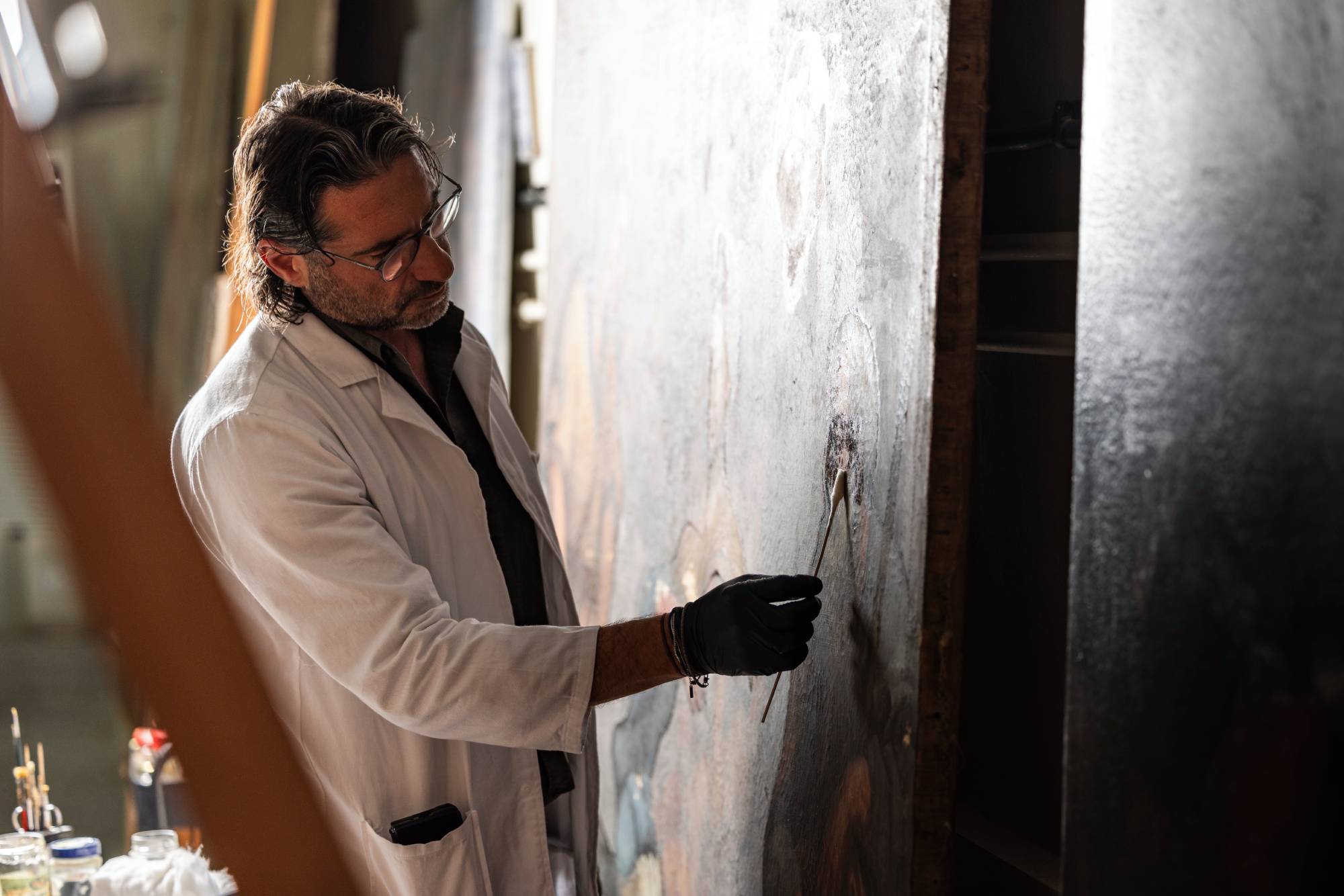
Following a thorough cleaning process, the painting is retouched using a light varnish that helps to reveal what touch-ups are needed, which are then applied onto the varnish and not directly onto the painting itself, creating a barrier between the original work and that of the restorer.
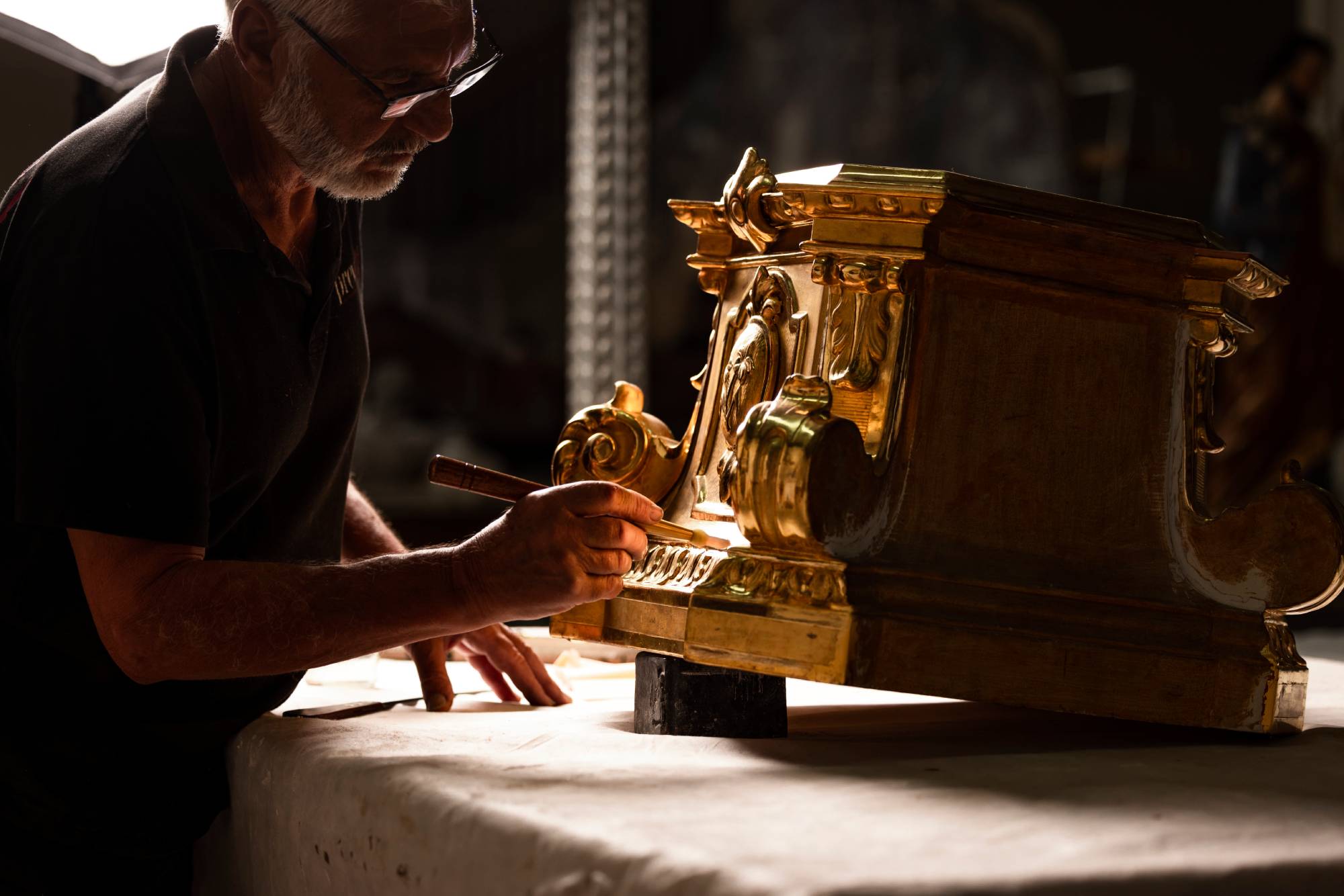
Ultra-violet light is used to assess the level of damage beneath the layers, which doesn’t always reveal the full extent of it. Experience then comes into play for a more accurate assessment of the work involved; including the extent of the damage, as well as the cost and time to restore it.
“This job is a synthesis between science and the arts which are constantly interplaying together. There is also a cycle of research to investigate external damages that require superficial treatments and also structural interventions,” says Pierre.
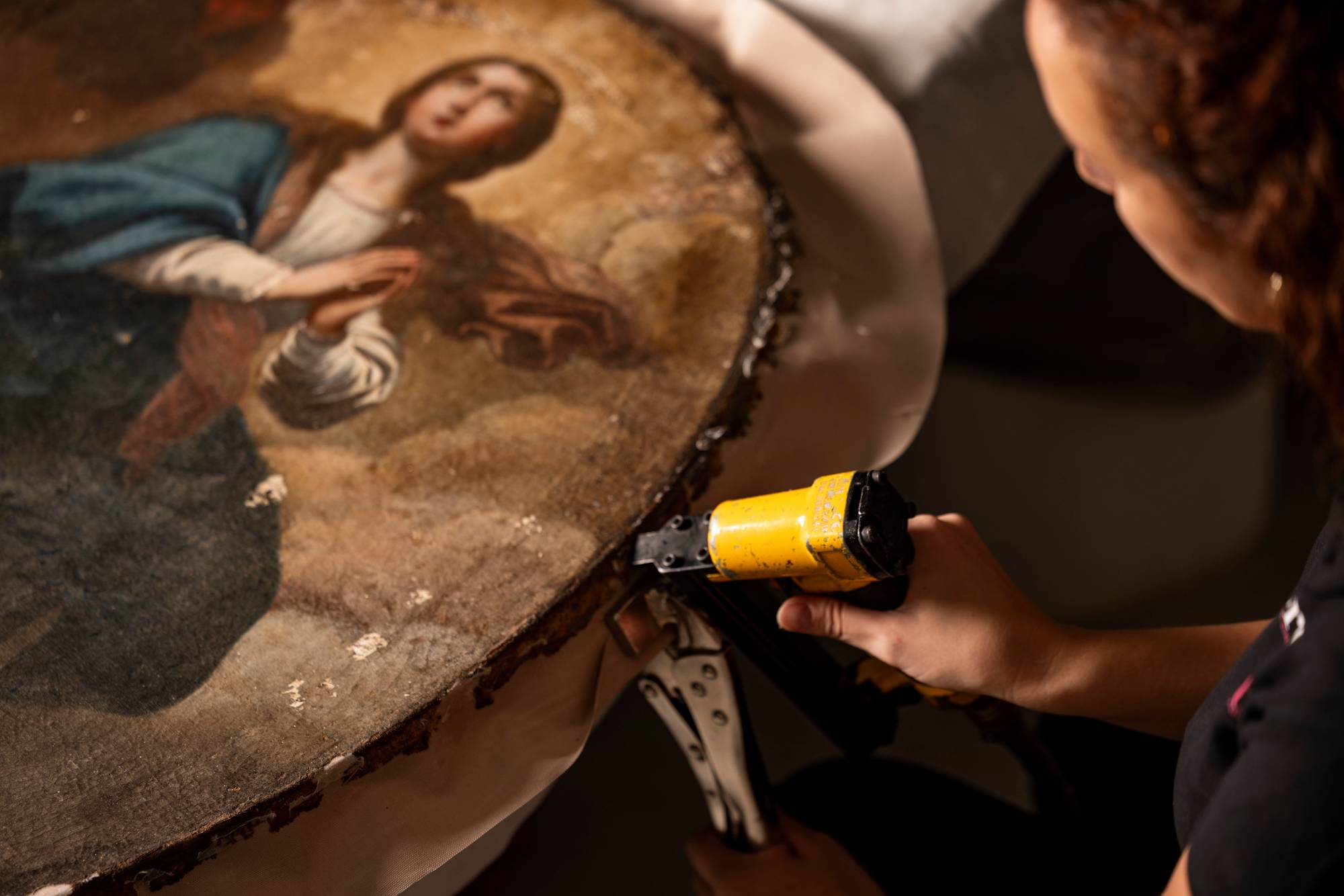
“A restorer could at one moment be working on the surface of a painting, and repairing a damaged canvas the next. Every restorer has a favourite part of the process, but they are equipped to handle all aspects of restoration.”
Two decades of preservation
20 years on from the founding of PrevArti, Pierre feels fortunate to have interacted with countless invaluable pieces of art throughout the years, and becoming a part of their history. “Our work is documented – just as we research works carried out by previous restorers – and so it forms part of the history of that artwork for future restorers to refer to. That is quite incredible.”
He takes great pride in working on religious artworks belonging to myriad churches around Malta and Gozo, ensuring that not only is the artwork restored, but also the message it is trying to convey.
“Many projects remain quite memorable, such as the works we carried out on the Grandmasters’ Palace in Valletta. It took a team of around 25 restorers and four years to complete. It was an enormous challenge that I’ll never forget,” says Pierre.
“The restoration of the cupola of Gozo’s Cittadella was unforgettable too. It was a risky project – we had to access the cupola, which has the illusion of a dome but is actually flat, 20 metres above ground via a tiny window and walk along a narrow passage along the ceiling. We couldn’t see the height as long as the painting was in place, but it was complicated to dismantle and bring down; both from a safety perspective as well as the responsibility of handling a very prestigious piece of history at that height.”
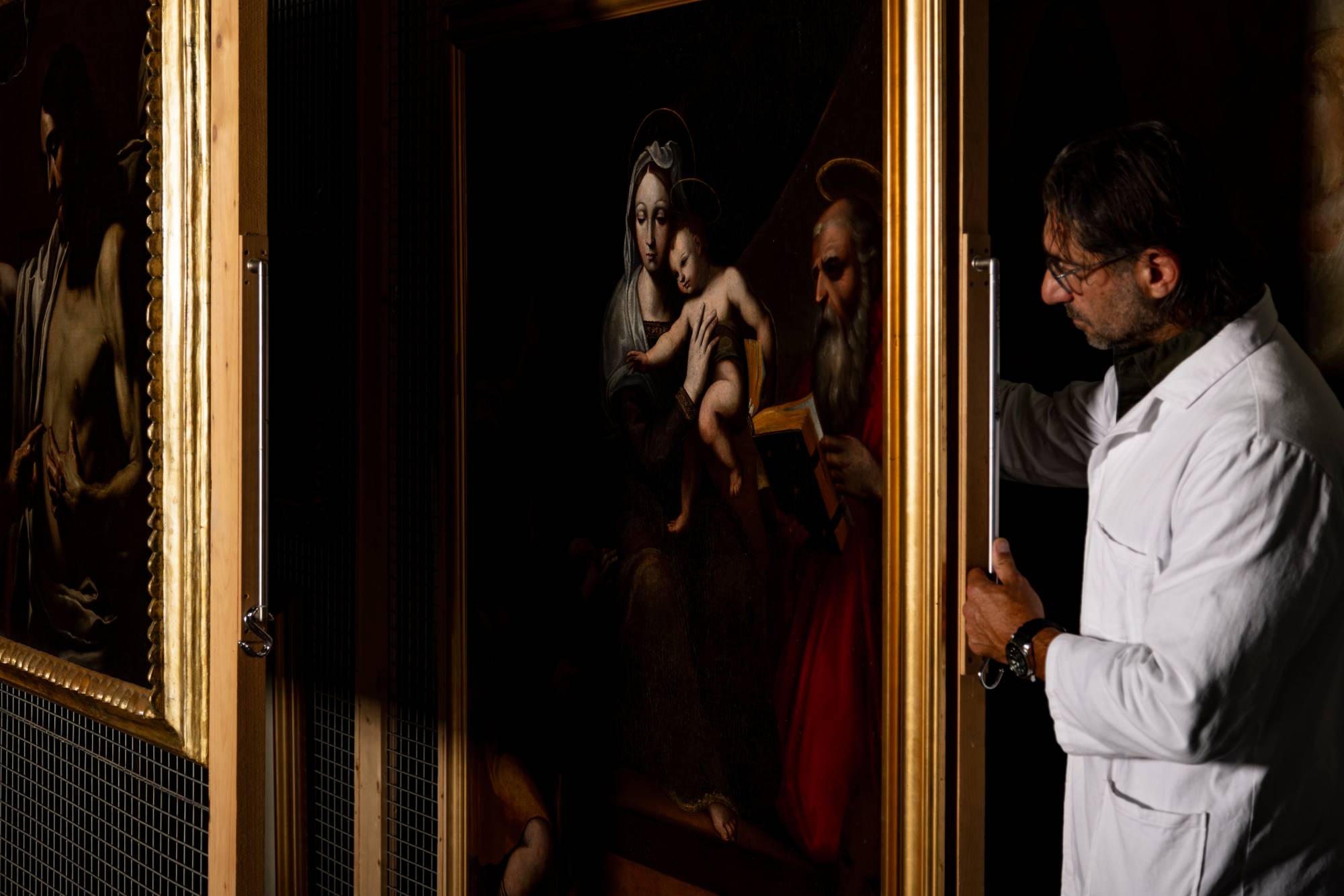
Several exciting projects are still in the works too, such as Villa Luginsland in Rabat, where the PrevArti team is restoring prestigious wall paintings by Giuseppe Cali, while Pierre continues to expand the services offered by his lab. At the heart of it, however, his pride always lies in “giving an artwork a new lease on life, and ultimately having the opportunity to be a part of its history.”
Photography: Jean Karl Izzo / Projet Noir