Buying art can be an intimidating process. Almost invariably, novices to the art scene – or to the process of buying and collecting art in general – are faced with the very basic question: where do I start?
Should the decision to buy be based on an emotional reaction to a piece? On its value as an investment? Or perhaps a bit of both? DesignDispatch reached out to Maria Galea, cultural strategist, curator and art advisor, and owner of Marie Gallery 5 in Sliema, for some answers and insight into the process of buying art for the home.
The starting point, she says, is the actual interest and curiosity in art and artists themselves, the willingness to discover what the works really mean, the artistic journey and interest in developing a connection with the artwork itself.
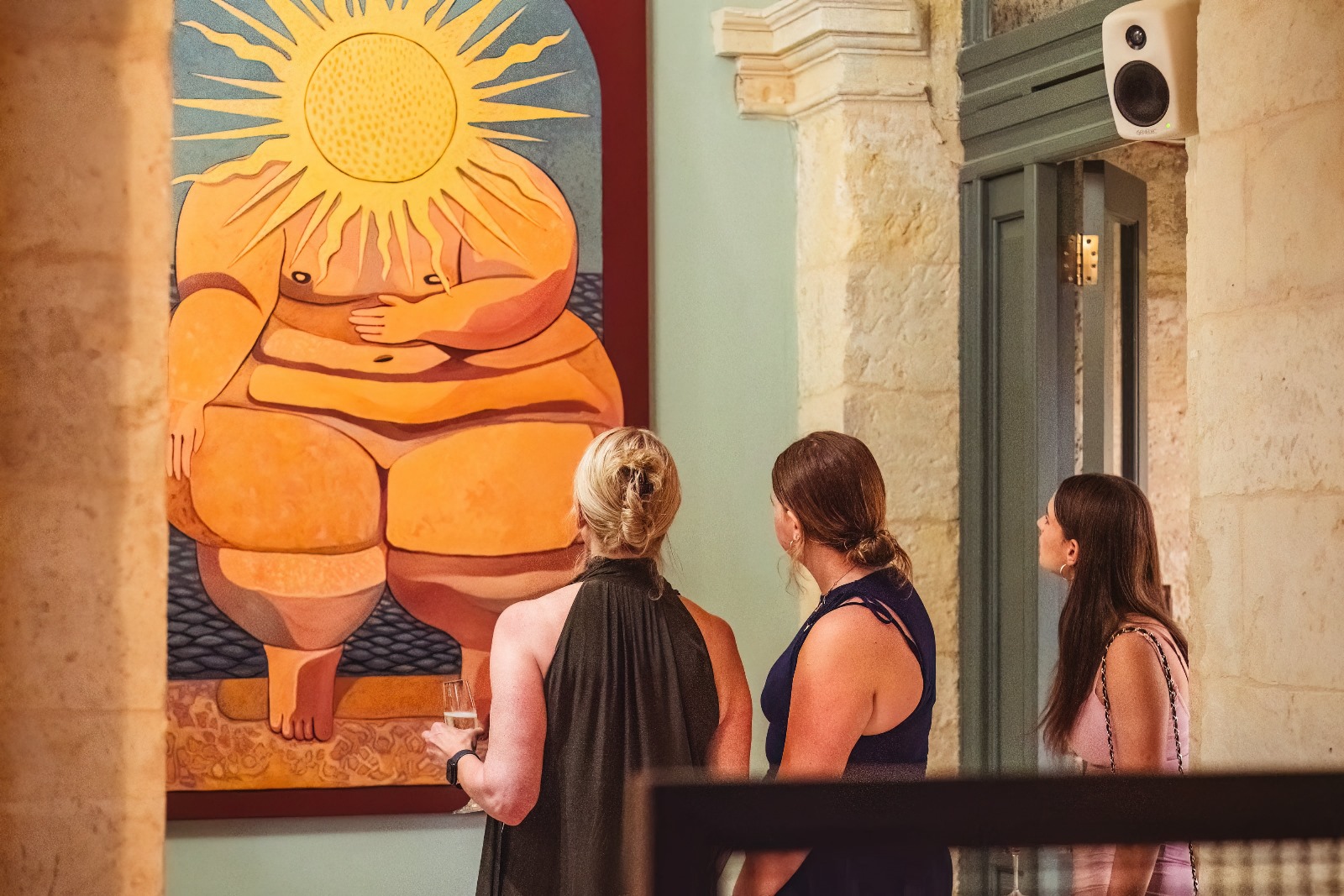
“The second starting point is knowing and setting your own realistic budget for your first art purchases to narrow down your choices. Educating one’s self about the art market, different art movements, mediums and artists’ profiles and reputation can help understand the value and potential appreciation of artworks,” says Maria.
Learn the markets
Delving into the buying process, the art advisor points towards understanding the differences between primary and secondary markets.
“The primary market refers to the first sale of an artwork, directly from the artist or through a representative gallery. These pieces are often fresh, sometimes unseen, and can provide an opportunity to discover emerging talent. Purchasing from the primary market can be a rewarding experience, as it allows you to support artists directly and become part of their journey from the beginning.”
The secondary market involves the resale of artworks that have previously been owned, typically through auction houses, galleries, or dealers and art advisors through private sales.
“The secondary market can offer a range of established and historically significant works, often with a proven track record in terms of value and provenance. Additionally, it is especially important in the secondary market to always verify the authenticity and provenance of the artwork,” says Maria, who recommends taking time, educating yourself, getting advice and trusting your instincts when looking around.
A matter of taste
In her professional world, Maria often encounters clients overwhelmed by what to choose, which artist to support or invest in.
“Art has a way of catching your eye and evokes an instant emotional response. if it does stir something within you, then that is a good indicator of your taste,” she explains. “Reflect what is being conveyed by the artwork, what it stands for or what your personal interpretation is. Pieces with narratives or concepts that resonate with you personally can be particularly fulfilling. Don’t rush the process.”

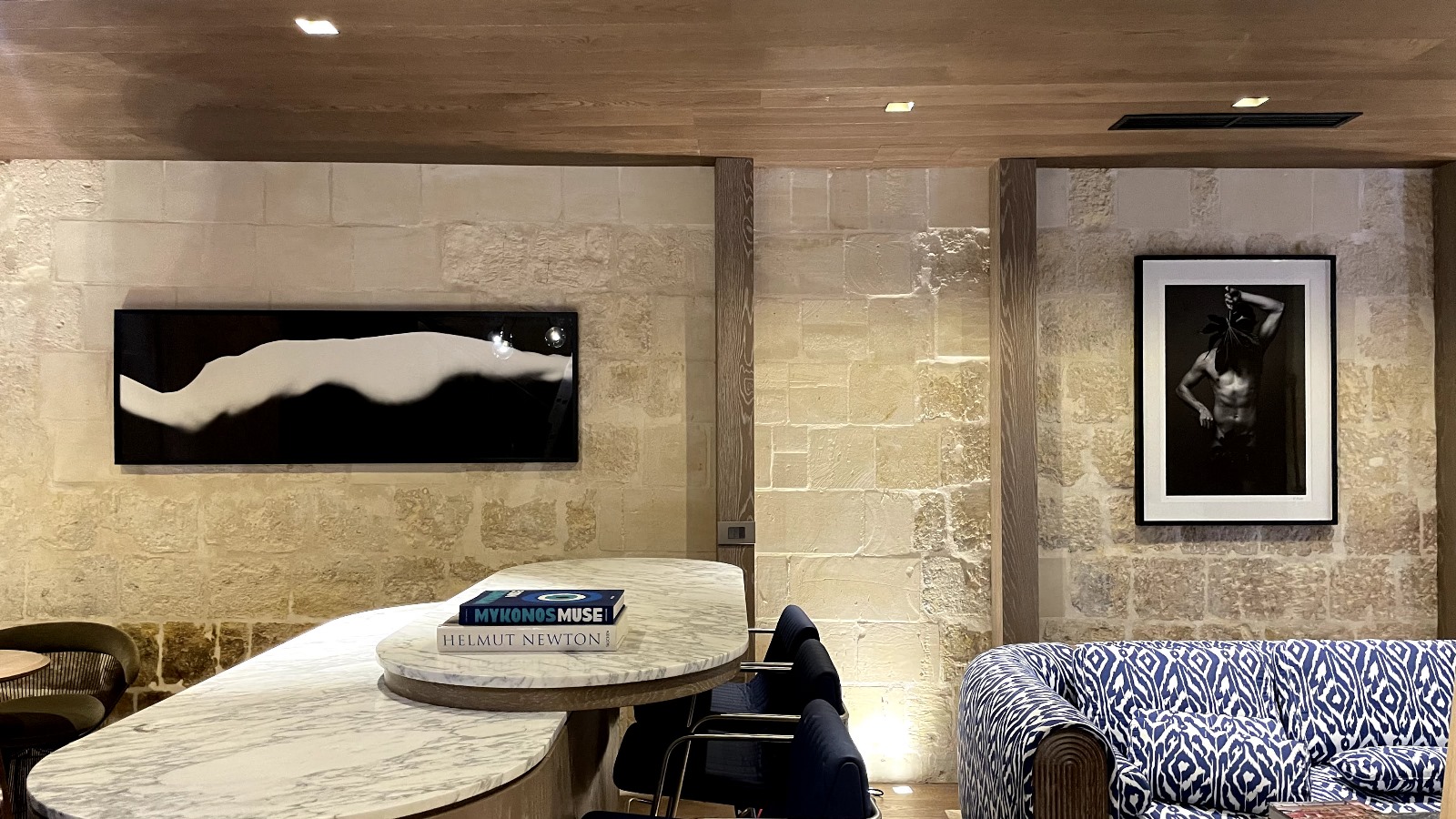
Maria advises spending time in galleries, museums and art fairs, particularly when travelling, to gain exposure to a wider range of works. “This can be a really interesting experience of self-exploration. Locally, look out for exhibitions, visit galleries and follow and support artists online.”
There is also the investment perspective. “A collection I worked on several years ago for a client increased in value by 60 per cent over nine years. This is a remarkable return when compared to other investments. For context, the average annual return of the stock market is about 7-10 per cent over the long term. Art, when chosen wisely, not only enhances your living space but also offers significant financial appreciation, making it a valuable addition to a diversified investment portfolio.”
Art in your home
After setting your sights on a particular piece, should you consider its placement before confirming your investment? Should location influence your choice? Maria believes the relationship between artwork and space can go either way.
“If you already have a significant piece of art, it can serve as a focal point, guiding the design and layout of the room. Conversely, if starting with an empty space, consider the overall design aesthetic and choose art that complements and enhances that vision,” she states. “The key is to achieve a cohesive look where the art and design support each other. Personally, I do not recommend buying art just for the sake of aesthetics.”

The function of a room too can play a part in the decision-making process, but it doesn’t have to dictate a permanent placement.
“While the living room, as a social space, might benefit from engaging and conversation-starting pieces, and the bedroom might be suited to calming and soothing artworks, these choices need not be fixed,” she explains. “Art collecting can be a dynamic process, with pieces moving between rooms as tastes and moods change. Many collectors enjoy rotating their artworks to keep their environment fresh and stimulating, ensuring that the art remains a dynamic part of their living space.”
In the end, Maria recommends trusting your instincts and buying art that resonates with you beyond the layer of aesthetics. “Art is not just a decoration; it’s a dialogue, a reflection of different views,” she says. “I encourage homeowners and aspiring collectors to delve deeper than colour and design, seeking the multifaceted value of each piece as both an asset, a testament to authenticity and culture.”
Main image by Justine Ellul, featuring works by Paul Scerri and George Muscat
If you enjoyed this article, you might also be interested in: DAAA Haus launches art consultancy service with a mission to harness ‘the power of artistic expression’