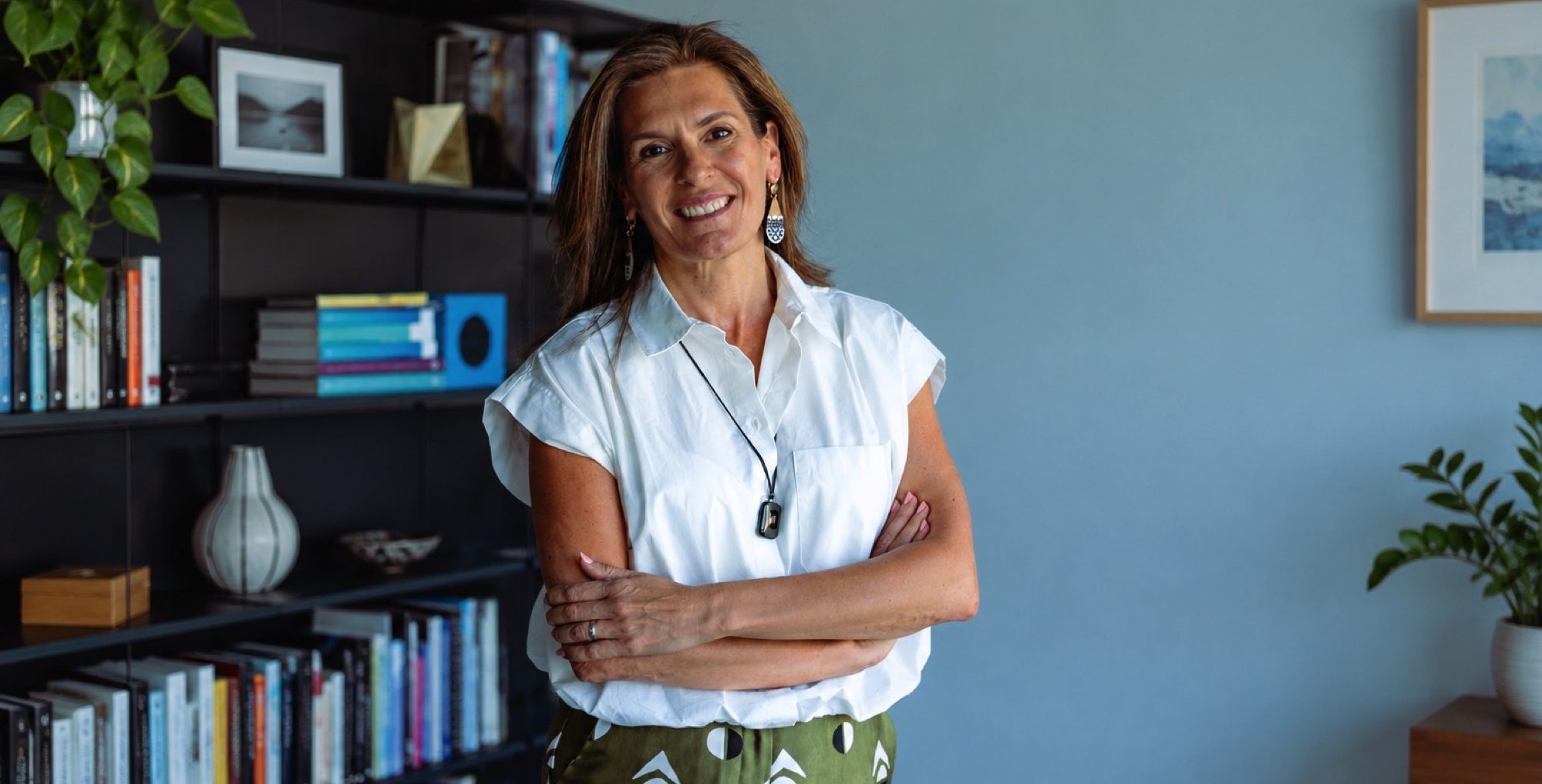
“Historic urban centres like Birgu were never designed around the car. Their scale, proportions and spatial qualities are inherently pedestrian in nature,” says Perit Dorianne Cachia.
“Over time, many of these places adapted to accommodate increasing traffic demands, but often at the expense of public life.”
That conviction shaped every aspect of the Piazza Vittoriosa project in Birgu, led by Dorianne on behalf of architecture practice Studjurban, which went on to receive a Special Mention at the internationally recognised Architizer A+ Awards.
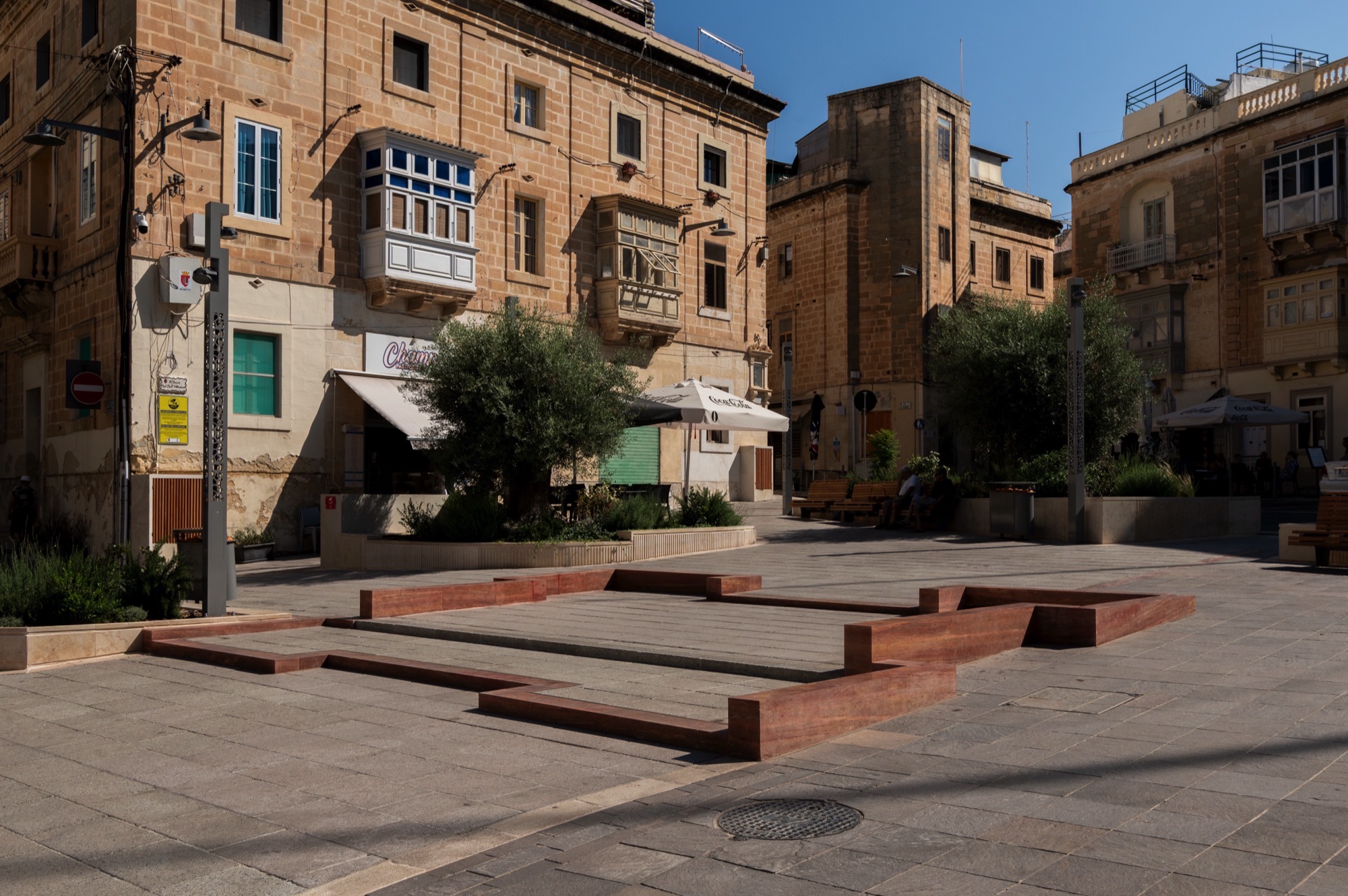
However, the accolade was about more than architectural excellence. According to the lead architect, the recognition reflects a growing international appreciation for projects that reclaim public space for people while respecting the historic fabric of cities.
“I believe the project resonated internationally because it addresses a challenge that many historic cities around the world are currently facing: how to reclaim public space from excessive vehicular domination while safeguarding heritage and strengthening everyday urban life,” she says.
The regeneration of Birgu’s main square was never intended as a cosmetic upgrade, “but fundamentally about changing how people interact with the space and with each other,” she explains.
A historic piazza overlooked
The starting point of the project was an undeniable fact: that one of Malta’s most historically significant urban spaces had gradually become overwhelmed by traffic.
“The condition of the square before the intervention made the issue very evident,” Dorianne recalls, where it gradually become overwhelmed by circulating vehicles and surface parking.
“It is a fact that the true value of the square is not in its ability to move vehicles efficiently, but in its ability to host civic life. By giving space back to people, we not only enhanced functionality but also restored the square’s original dignity.”
Reducing road space and parking in historic town centres can be politically sensitive, particularly in communities where accessibility is a longstanding concern. Rather than imposing solutions, the team prioritised consultation and engaged with different stakeholders throughout the project, including the local council, residents, local businesses and authorities.
“A key aspect was communicating that the intention was not to make the area inaccessible, but to rebalance priorities in a more sustainable way,” Dorianne notes, adding that over time, the conversation changed.
Reclaiming the square as a civic space
Central to the regeneration was the idea that the square should once again function as a civic space. “A transit space is one through which people move as quickly as possible. A civic space is somewhere people choose to stay,” she says.
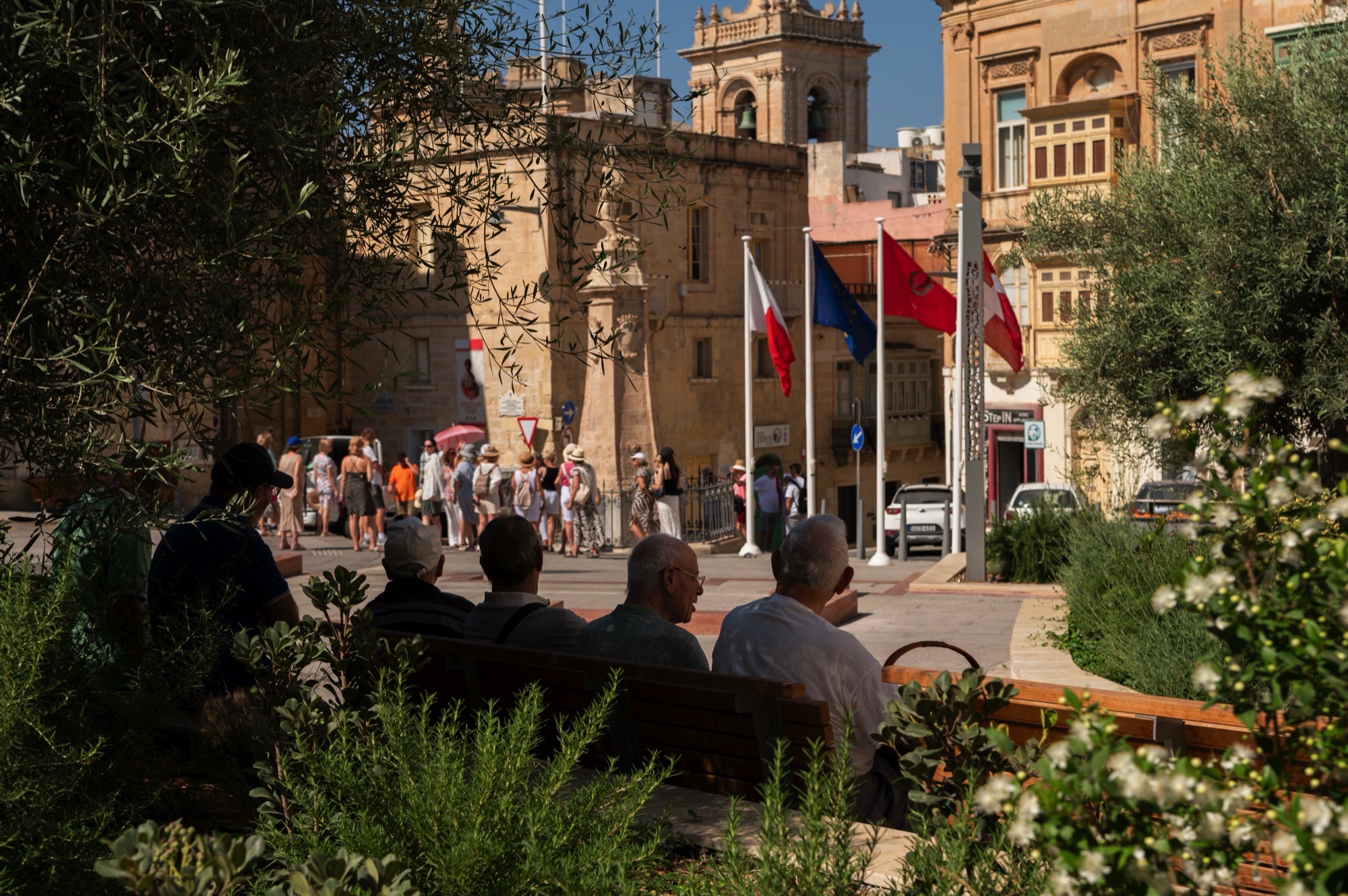
Dorianne explains that the success of a civic space is often measured through ordinary daily activity such as children playing, elderly residents sitting comfortably, people meeting informally, outdoor cultural activity or simply individuals spending time in the square without needing a specific reason.
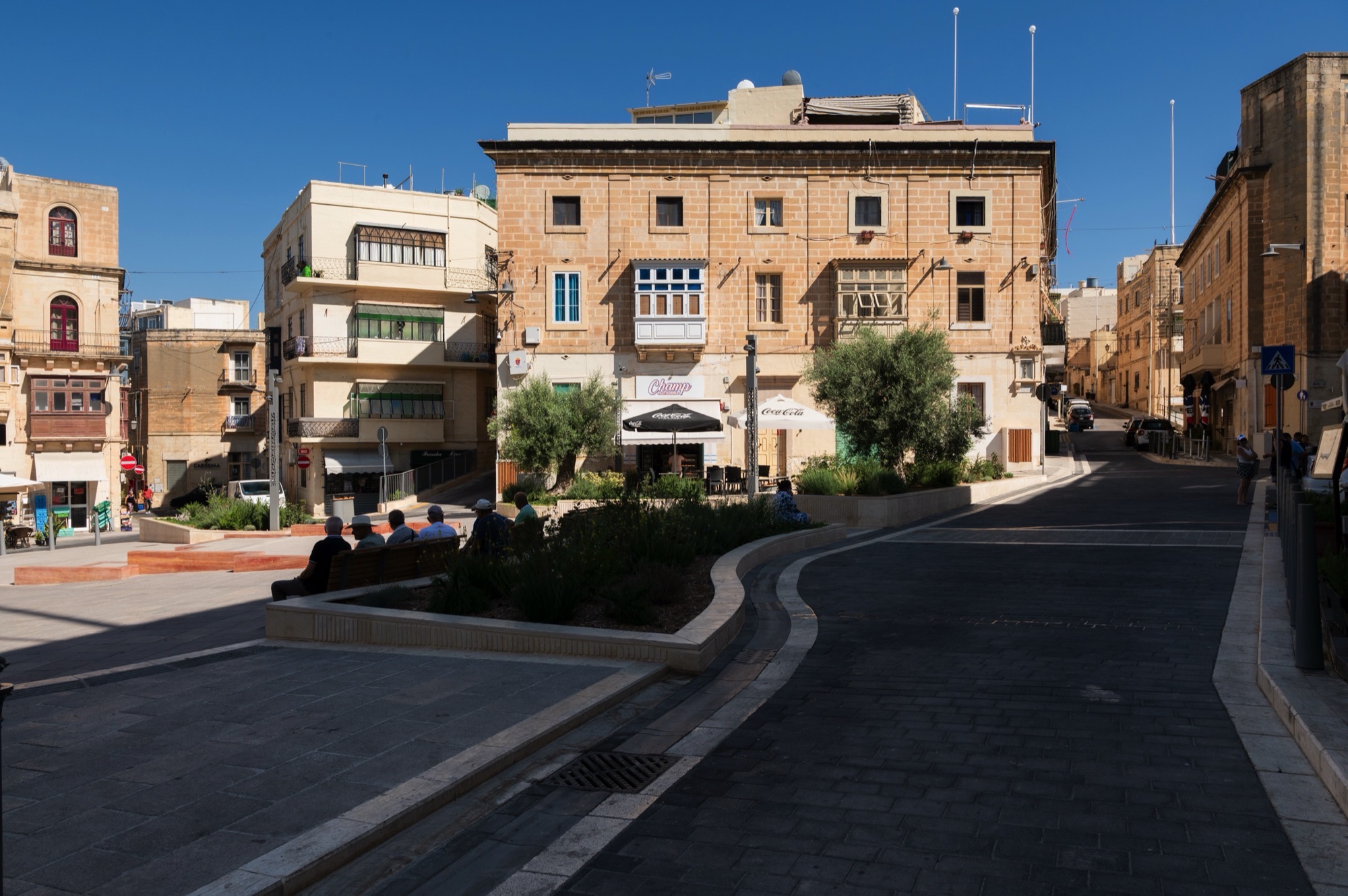
Importantly, the redesign did not come at the expense of Birgu’s traditions and the piazza continues to host all the previous ceremonies and events, including the locality’s feasts and the popular Irxoxt procession.
The project was not without its challenges – mainly due to the archaeological discoveries made during excavation works where the team uncovered wells, foundations of historic dwellings, remains of the former watchtower and sections of the original foul-water system.
“These discoveries were never viewed as obstacles but as part of the responsibility and privilege of working within such an important historic context. In fact, rather than concealing the findings, elements of the final design were adapted to reflect them.”
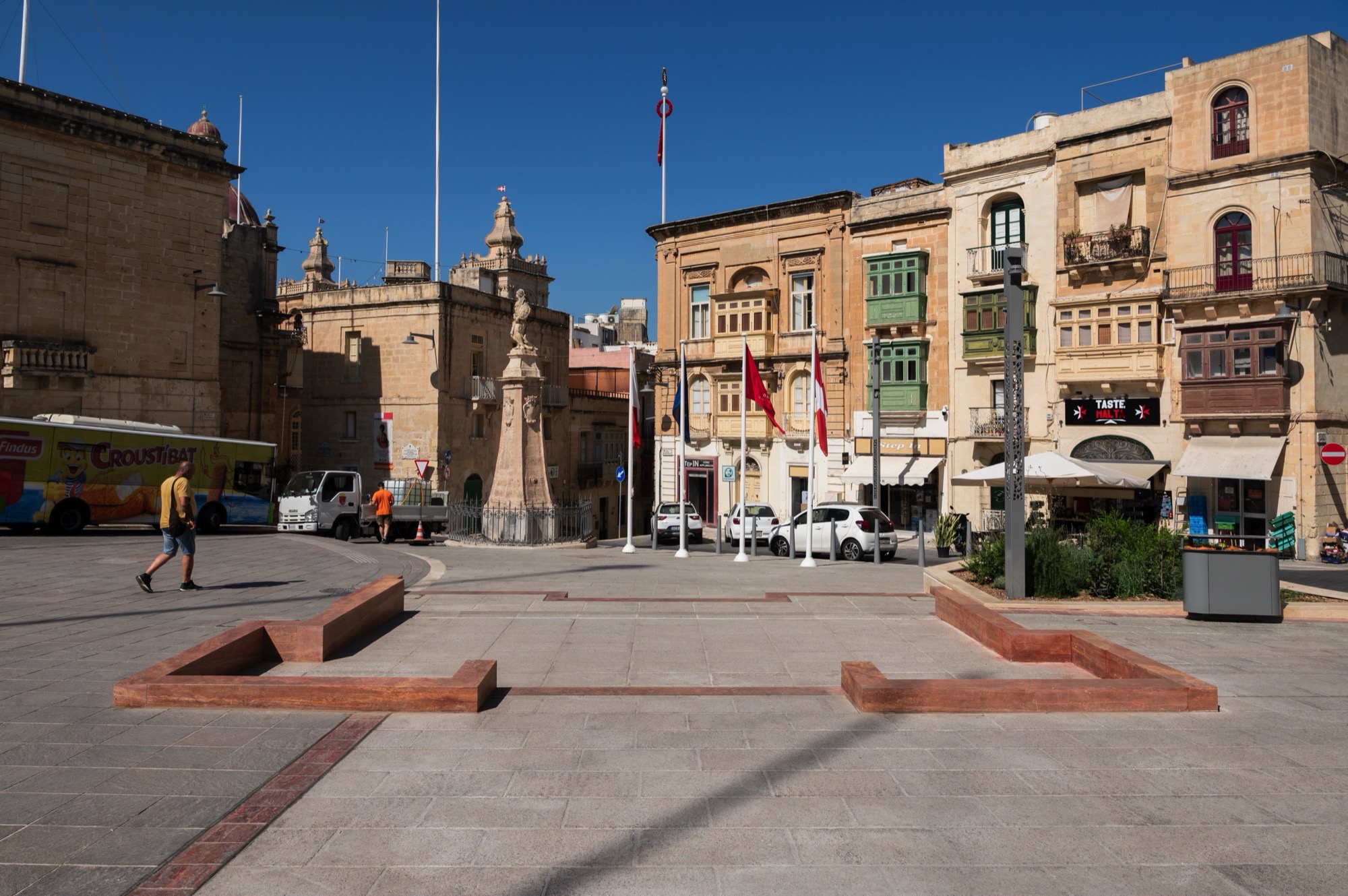
Nonetheless, the most rewarding aspect of the project has been observing how differently the square is now occupied and experienced, and how the broader lesson extends beyond Birgu alone.
“I believe projects like this contribute to a growing awareness that public space can be approached differently in Malta,” Dorianne notes.
“People-centred urban design is not about being anti-traffic but about recognising that public space is one of the most valuable collective resources a society possesses. Besides international recognition for our Pjazza Vittoriosa project, this, to me, is the greatest achievement.”
Project photography by Sean Mallia