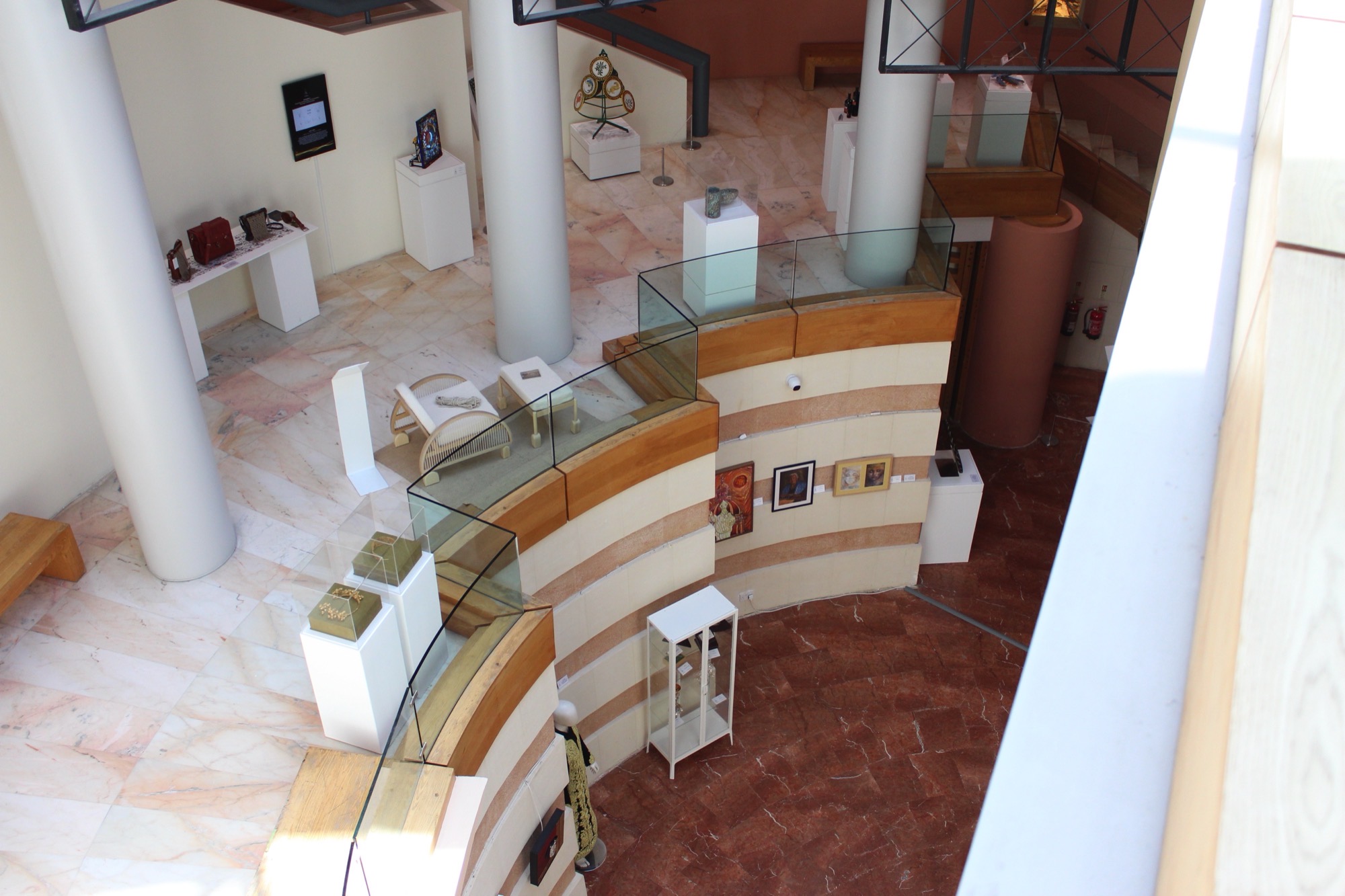
In the age of machines and artificial intelligence, authentic craftsmanship is at an all-time premium. We are parched for authentic creativity, the eye for detail, and finishing touches where fingers have truly left their mark. When this is not done in isolation, but as a collaborative endeavour between a group of artists, the results can push the boundaries of what is possible even further – offering a human counter-argument which is most compelling.
The Malta Crafts Foundation’s Premju Ġieħ l-Artiġjanat Malti has a special award – Category 2 – devoted precisely to cultivating collaboration between different artisans and designers thereby fostering innovation.
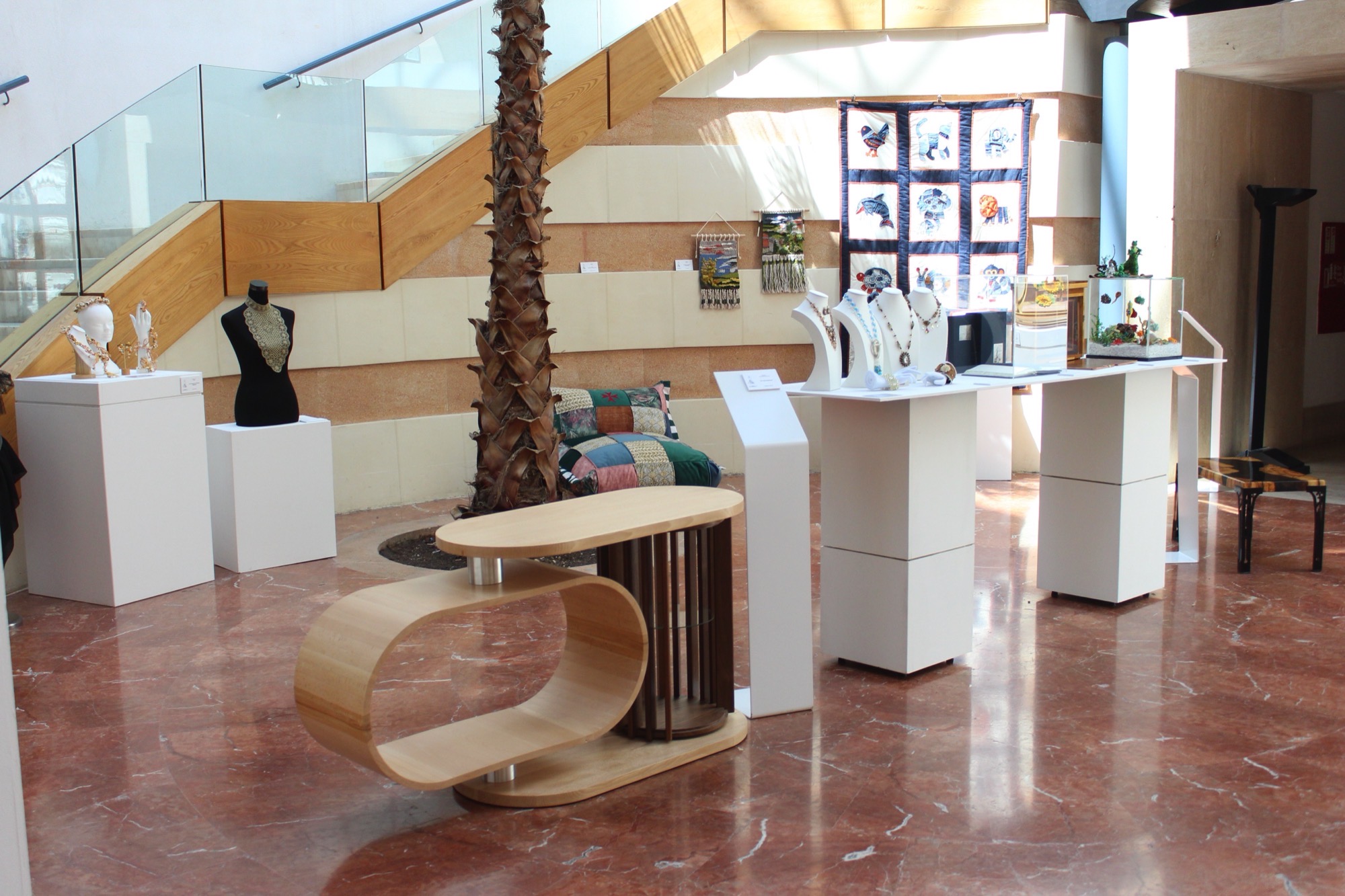
By funding these partnerships, the initiative encourages creatives to venture into new markets, elevating local craftsmanship so it can comfortably compete on the international design stage.
Now on display as part of the Premju Ġieħ l-Artiġjanat Malti exhibition at Spazju Kreattiv, two completed standout furniture projects from the previous edition showcase the tangible power of this funding. Here’s a closer look at Ġgant and The Opuntia Project that translate Malta’s rich cultural identity into functional, forward-looking design.
Sitting on the shoulders of giants
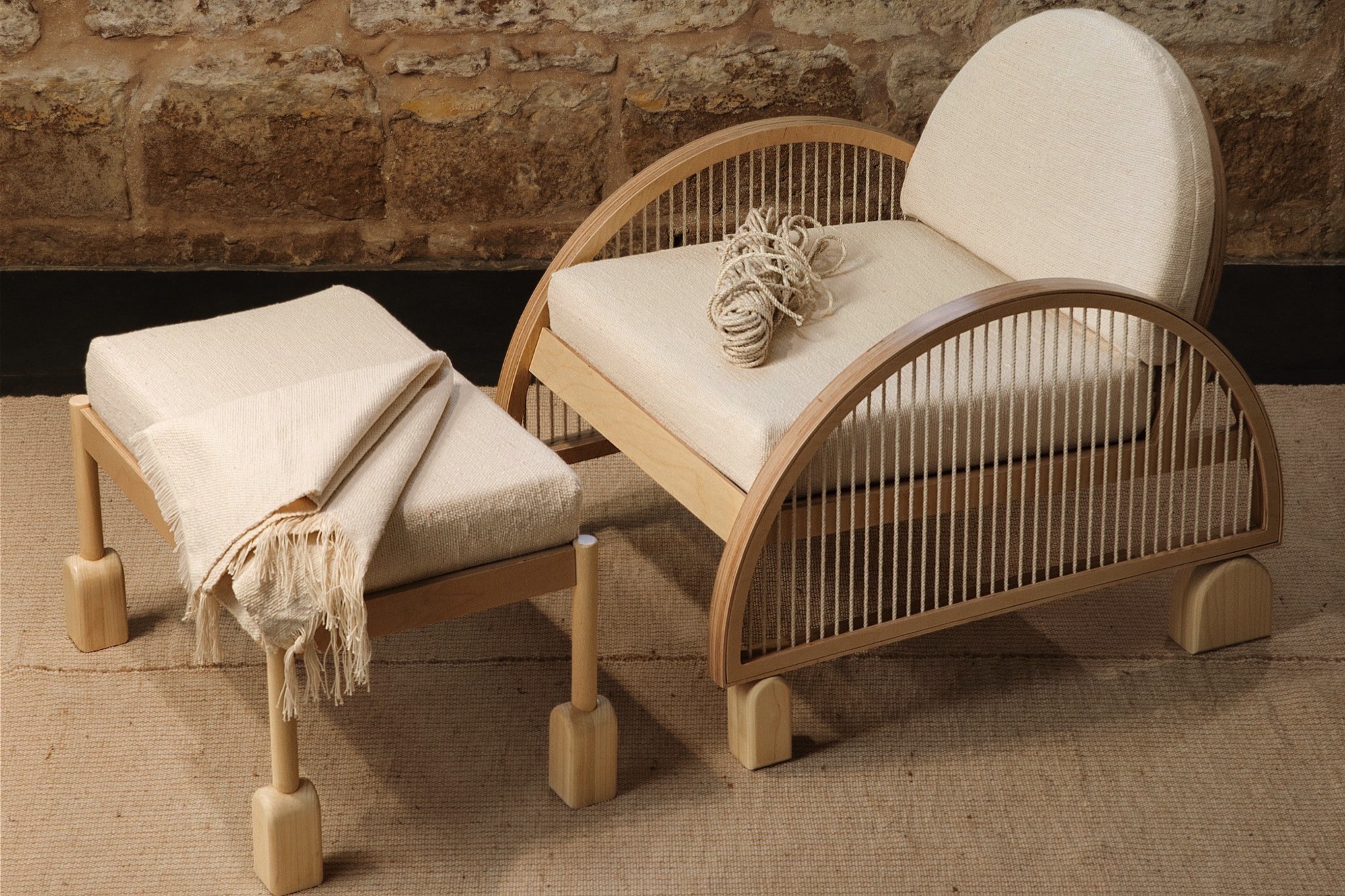
Megalithic architecture – defined by its staggering weight, raw stone, and immutable permanence – is perhaps the last thing one associates with the comfort of an armchair and footstool. Yet, in Ġgant, Interior Architect Davina Preca has managed to distill the profound emotional and spatial qualities of Malta’s prehistoric temples into a contemporary furniture collection that radiates warmth.
“The collection draws from the atmosphere, materiality, and structural logic of these ancient spaces,” Davina explains. “I was particularly inspired by the sense of weight, grounding, and permanence found within the temples, as well as the way massive stones were carefully balanced and assembled using simple mechanical principles.”
This structural mimicry is perceptible in Ġgant’s design details. The rounded legs of the furniture, for instance, are direct abstractions of the ancient stone spheres once used by prehistoric builders to roll massive boulders across the terrain.
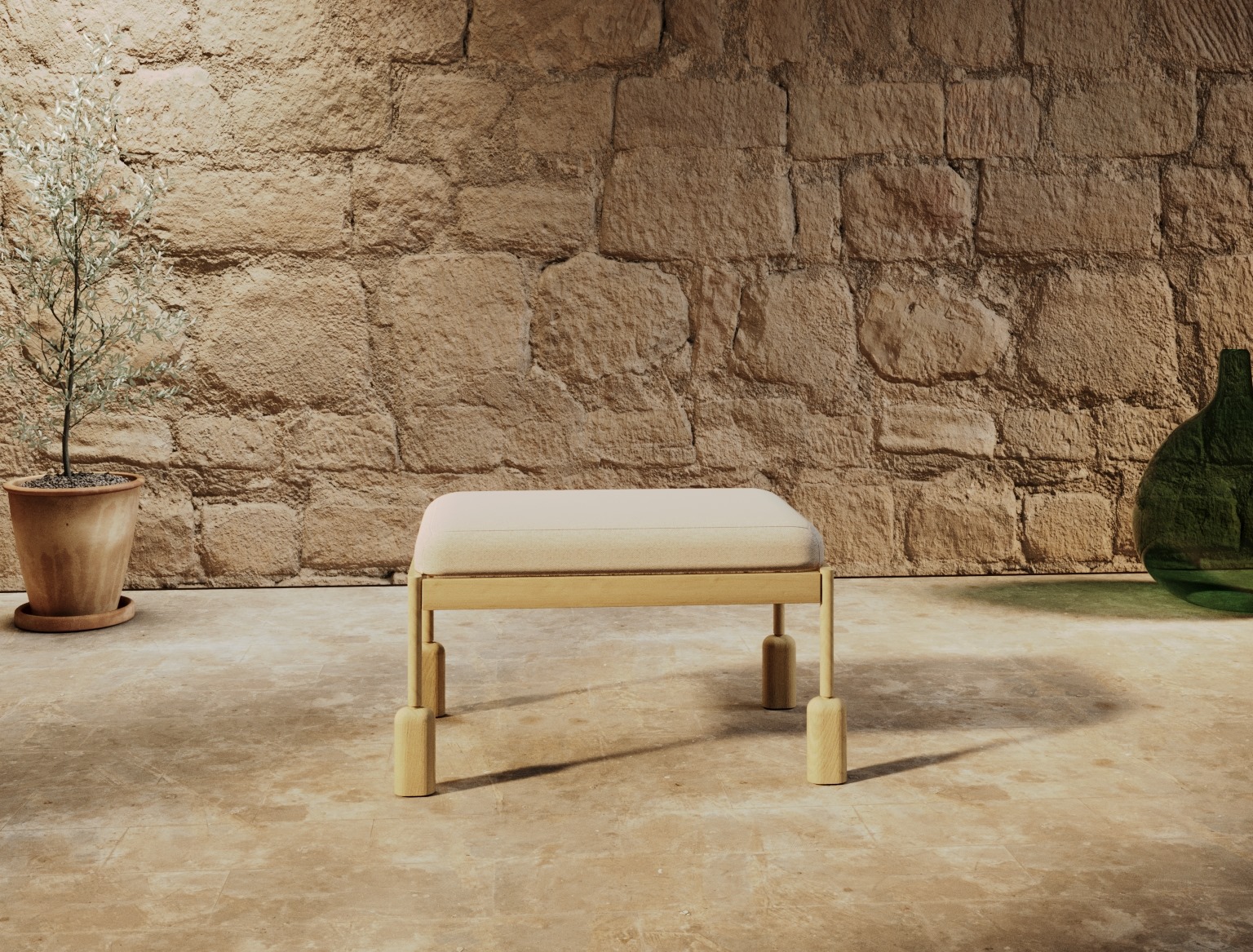
To ensure the armchair genuinely invites rest and comfort, a great deal of attention was given to proportions, ergonomics, tactility, and material warmth. “I believe furniture should first and foremost support human experience – physically, emotionally, and sensorially,” Davina notes.
But to make a Ġgant, one must sit – metaphorically this time – on the shoulders of master artisans and the wealth of techniques they keep alive generationally. Utilising modern CNC routing for the timber framework, the project truly found its soul through manual artisan interventions. Collaborative sessions with Andrew Gingell Littlejohn of Custom Workshop, master weaver Alda Bugeja of Gozo Weaving and Creations, and Daniel Ferrigi of Tahabel allowed the materials to dictate the final outcome.
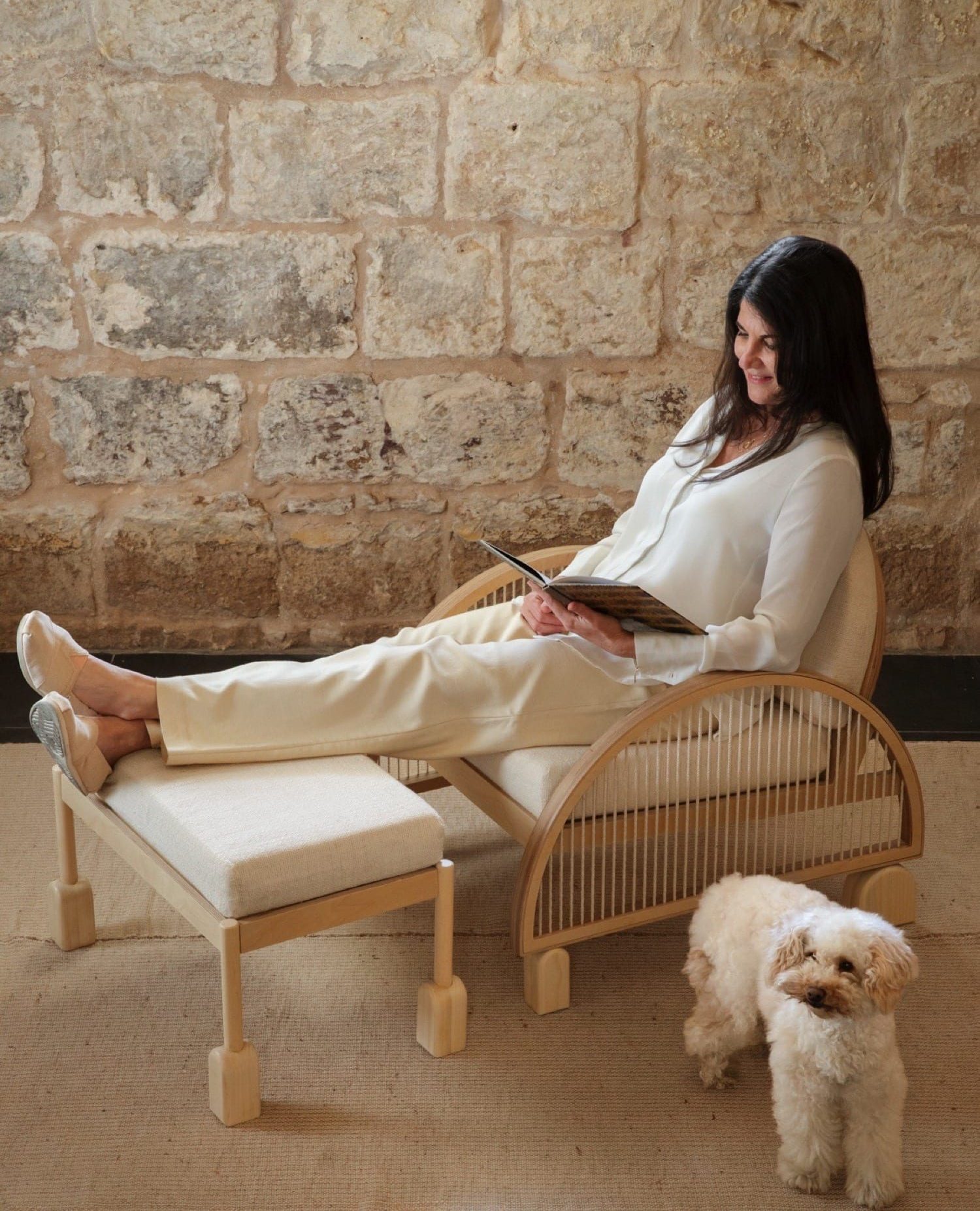
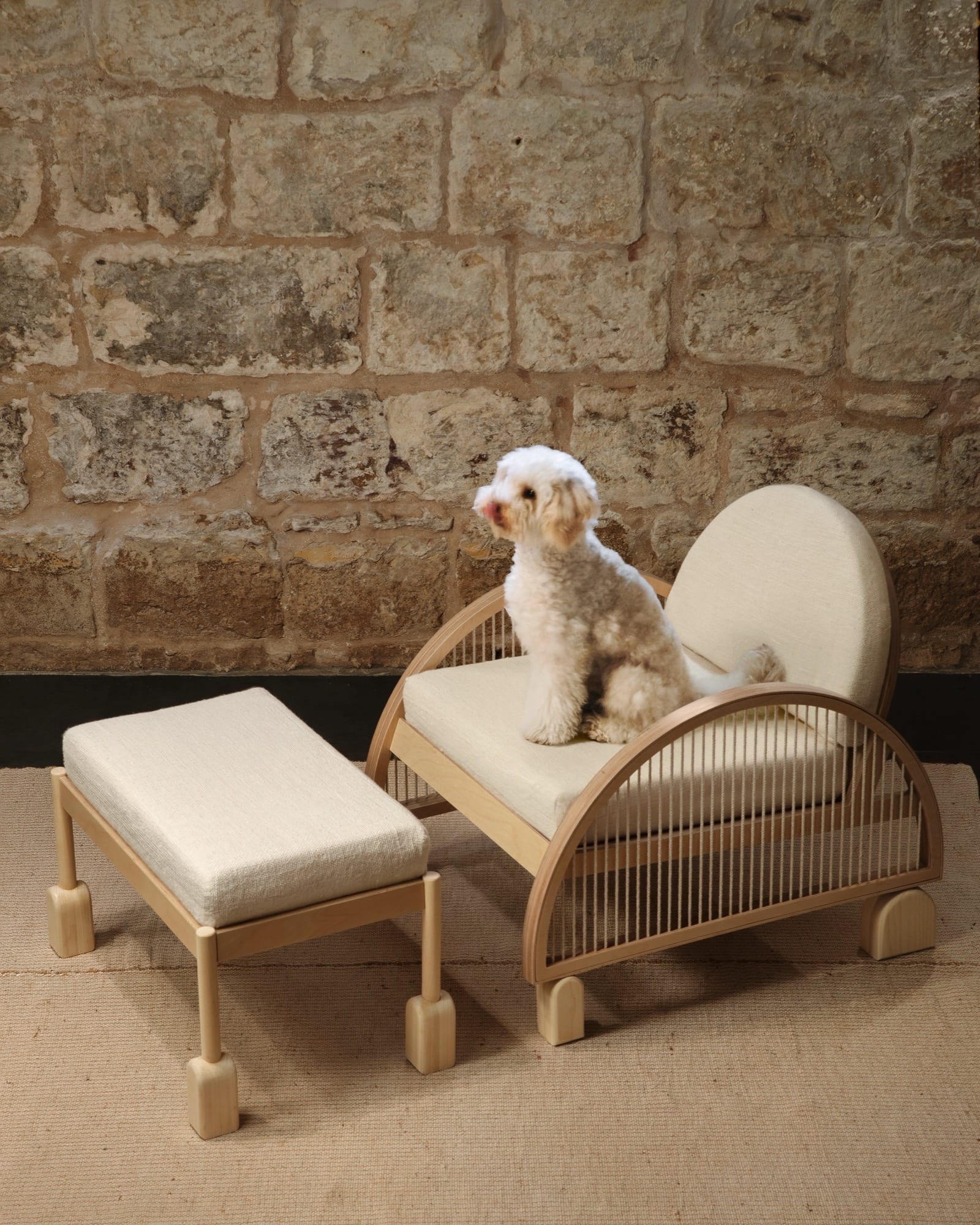


The cotton rope detailing introduces tactility and rhythmic tension that mirrors ancient construction methods while injecting a contemporary softness. Coupled with bespoke, hand-loomed cotton fabric, no two iterations of the chair are identical.
“Rather than designing purely digitally, the process evolved through testing, making, refining, and understanding how the materials behaved in reality,” reflects Davina. “This collaborative approach brought a richness and authenticity to the collection that would not have been possible otherwise.”
Gathering round a table
While Ġgant draws inspiration from prehistoric structures, The Opuntia Project – spearheaded by designer Owen Axisa and Christian Bezzina of Medina Steels – is rooted in Malta’s natural landscape. The result is a coffee table which brings together metalwork, woodwork, leather craftsmanship, and integrated wireless charging technology.
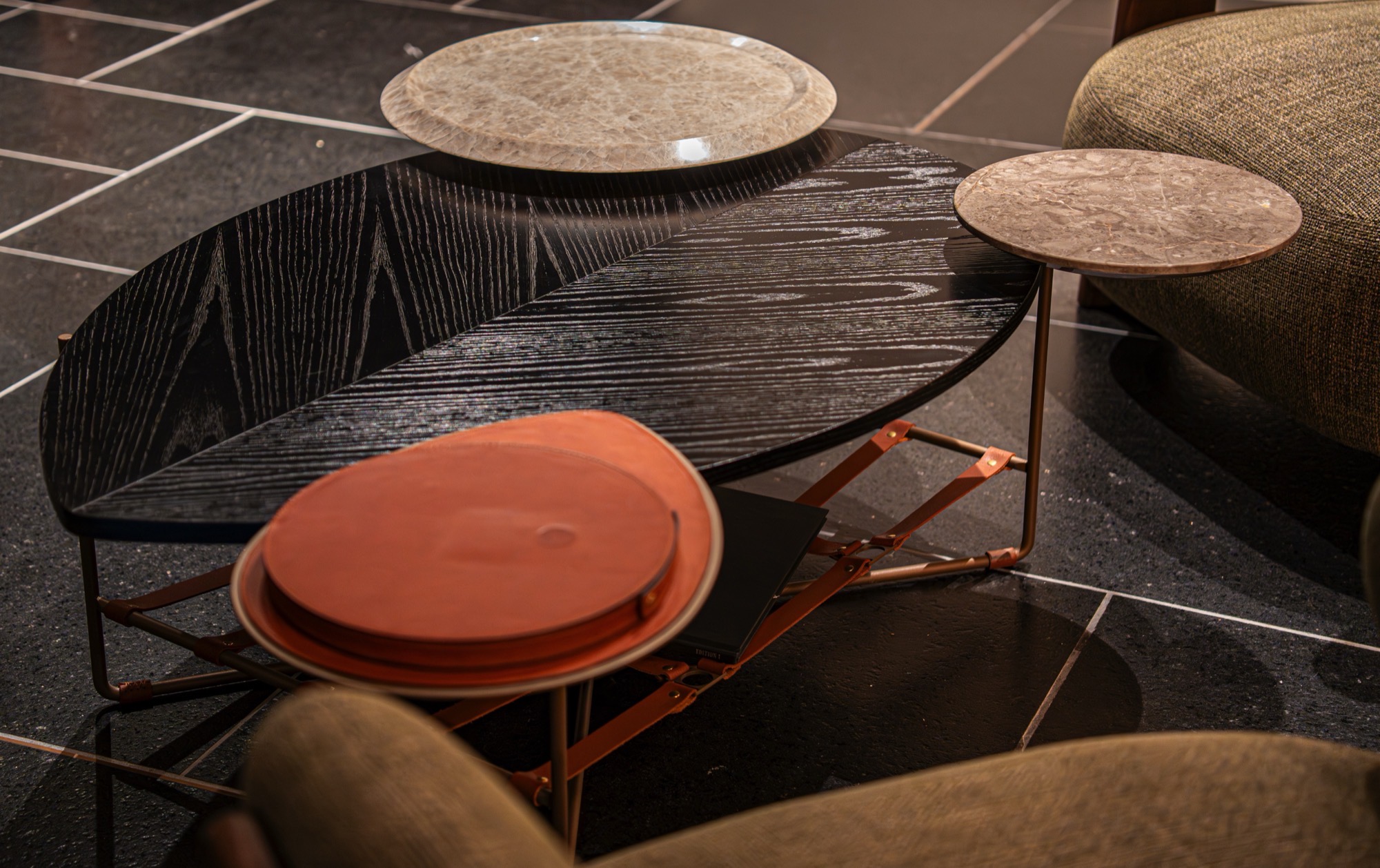
“It began with the intention of creating a form that represents our nation, and my first instinct was to use the Maltese Cross,” Owen shares. “But because it’s become so widely used in contemporary designs, I wanted to explore it differently rather than repeat it.”
By experimentally connecting the points of the traditional cross, the geometry shifted under Owen’s pen, morphing into a form that mirrored the overlapping pads of the Opuntia ficus-indica – the prickly pear cactus which characterises Malta’s rural landscape.
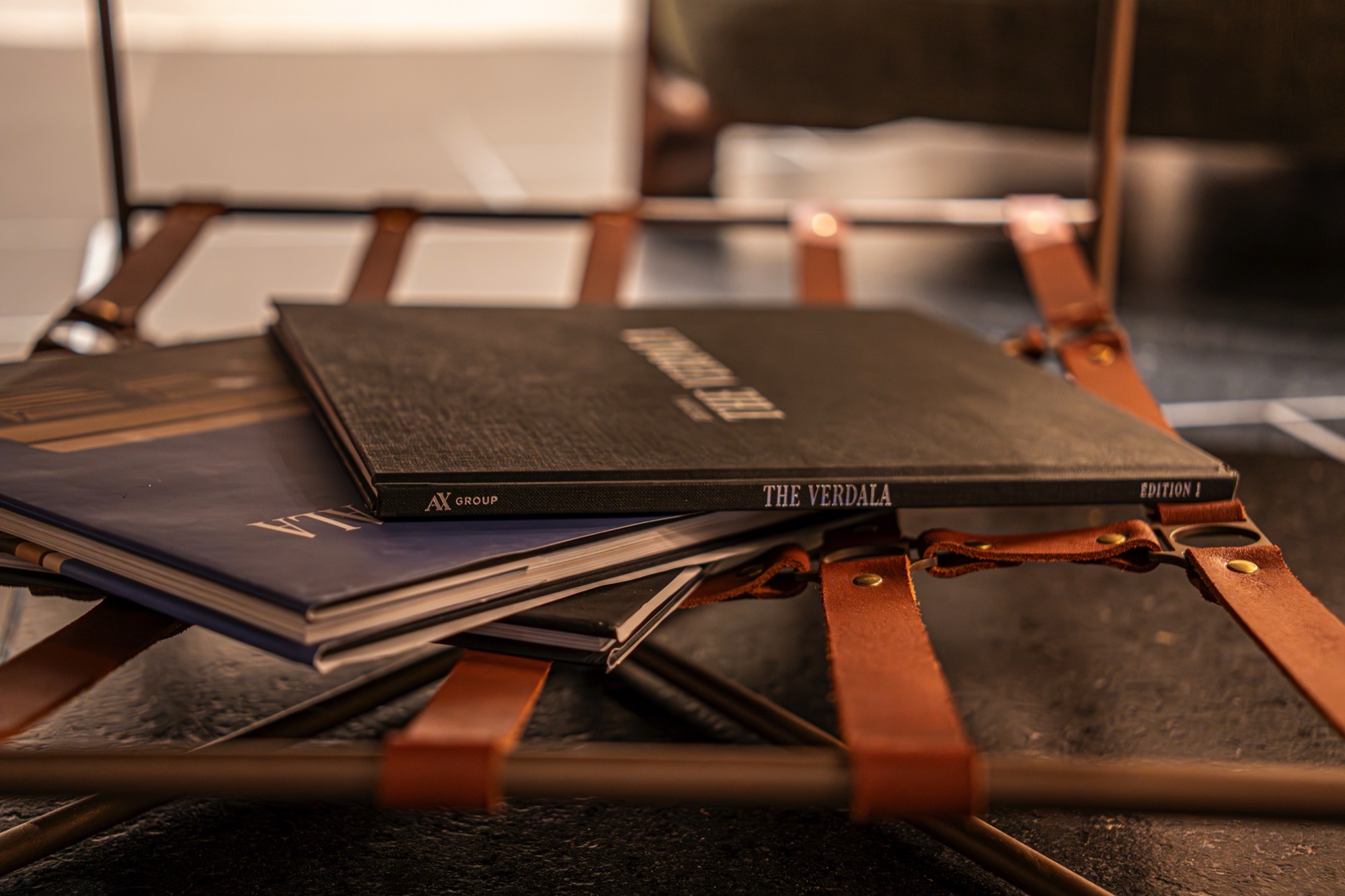
Executing this required an intense, multi-disciplinary effort. As Owen explains, “The project went through two iterations of steel prototypes and revised the bearing design twice throughout the development process. The marble tops were also refined, with the design being adjusted on two separate occasions.” In this way, despite being built across different workshops, the coffee table served as a meeting ground for disparate trades.
The leather element posed a particularly interesting challenge, with the artisans creatively solving the issue of its thickness in relation to the charging pad. As Owen remarks, “However, despite these adjustments along the way, we ultimately stayed true to the original concept and overall plan.”
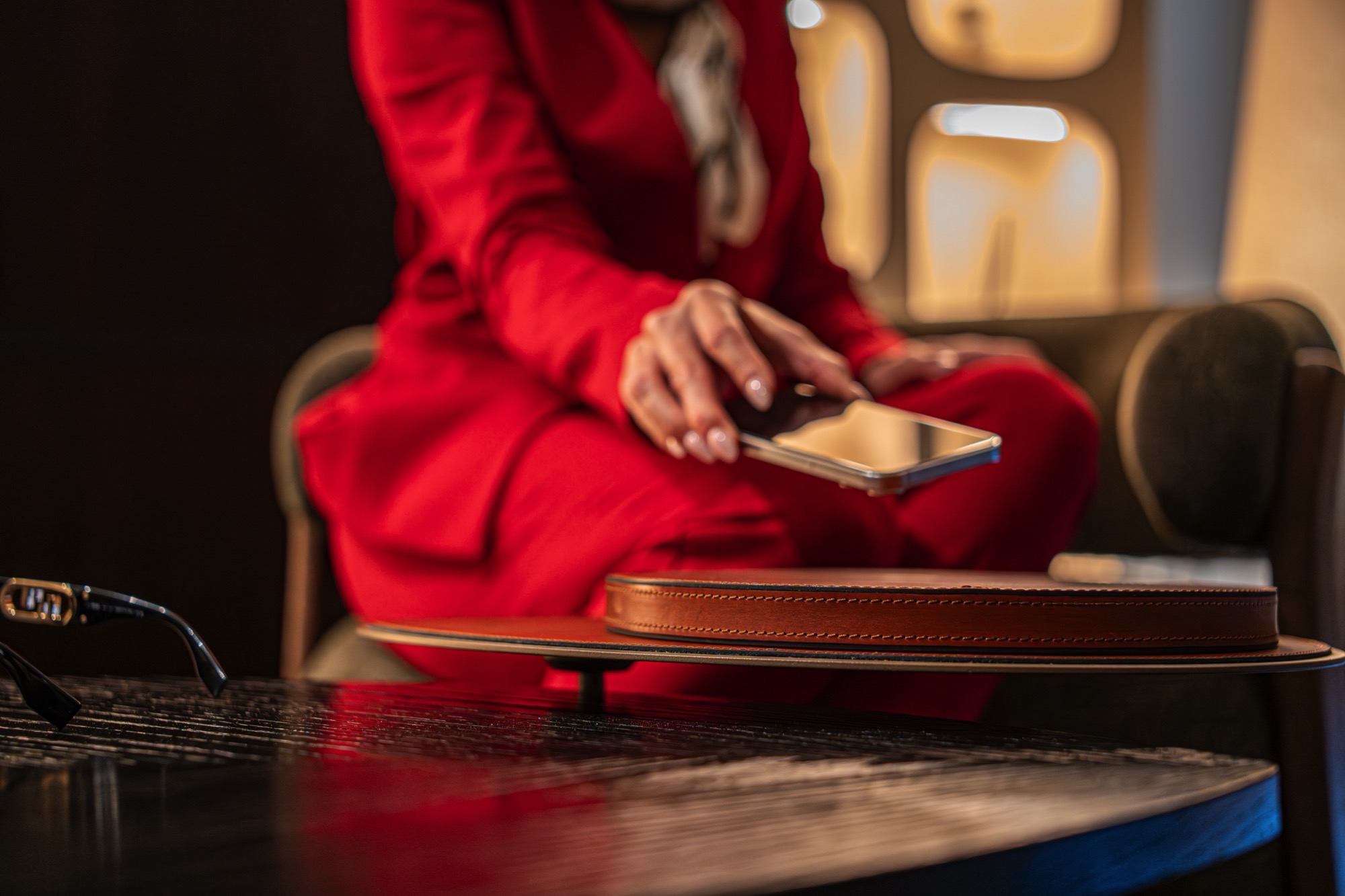
Beyond the end result, the real takeaway from this project for Owen is finding similarly switched-on creatives with whom to brainstorm new ideas around a coffee table. “Through this process, I’ve met craftspeople I will continue to work with, both now and in the future. That is what matters most. It doesn’t end here; in fact, it begins here. Yesterday it was a coffee table, tomorrow, who knows what it might become.”
The exhibition showcasing these projects and more will remain open until 28th June 2026 at Spazju Kreattiv.