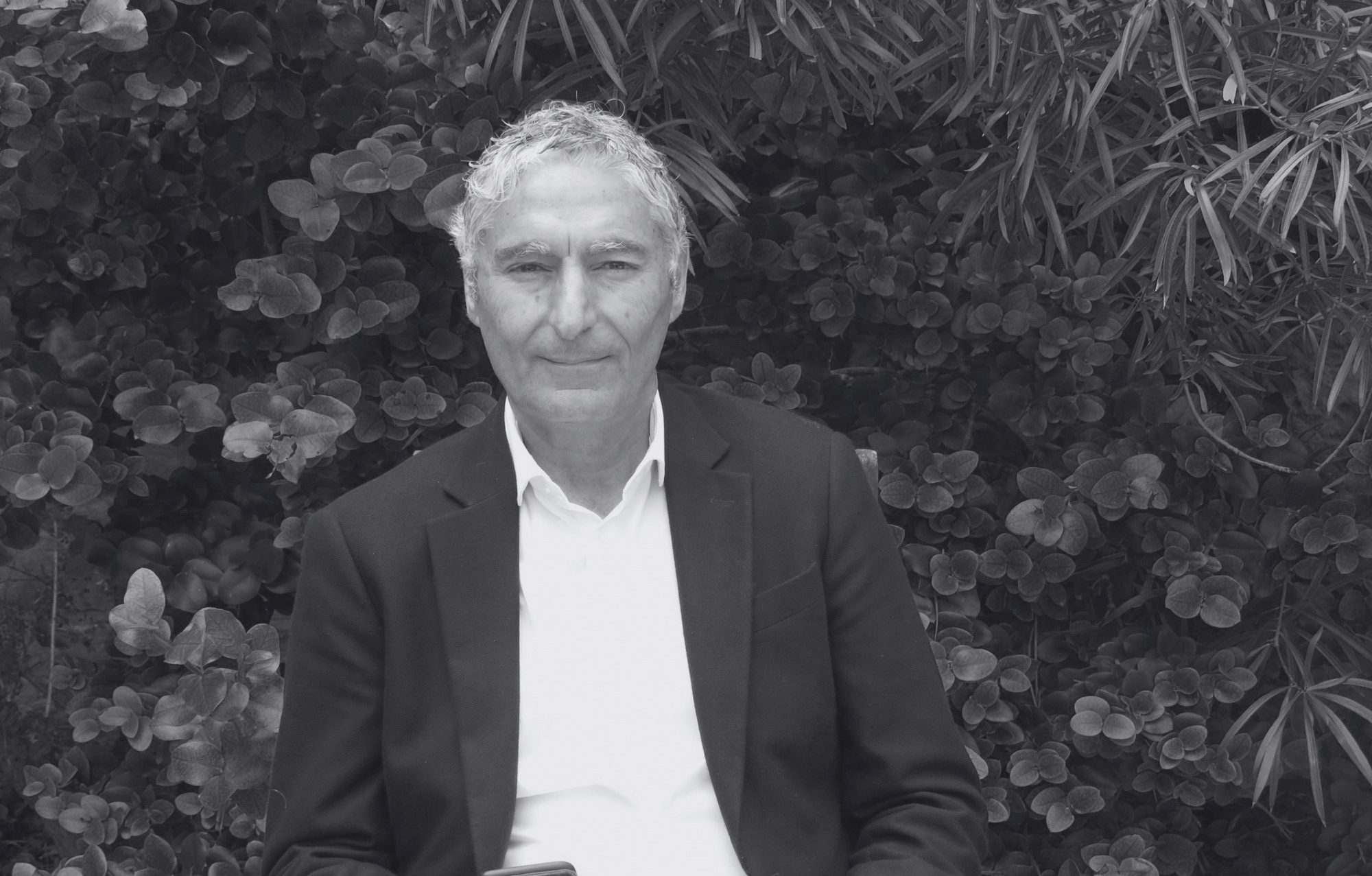
Design can have a profound impact on people, but for a particularly design-attuned mind, these effects can become instigators in their own right. For Patrick Calleja – a successful architect and civil engineer who now serves as the Executive President of Din l-Art Ħelwa (DLĦ) – this sensitivity has shaped the trajectory of his entire life.
Inspired by a university prospectus image of students working on the model of a building, Patrick moved from observer to architect. Today, that same appreciation for beautiful design motivates him to lead one of Malta’s oldest environmental NGOs.
Early Influences
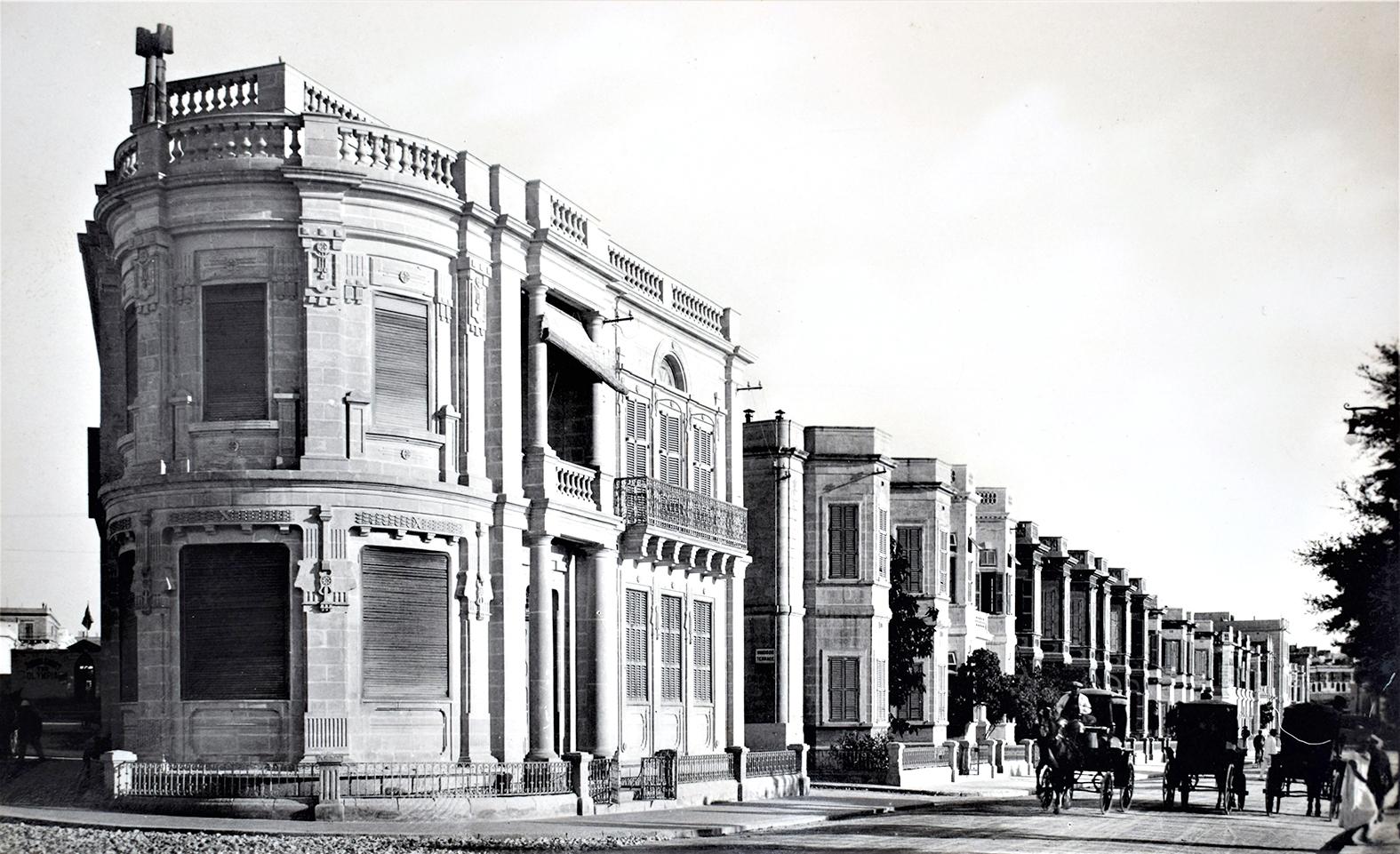
His career began with a sense of loss. Living in Sliema, he watched the Art Nouveau and fin-de-siècle buildings of the waterfront disappear. “I still remember going and taking photos of some of the buildings… this was a bit of a shock,” he recalls.
His formative years as a student worker were spent at the Antiquities Unit of the Public Works. At the time, the Lascaris War Rooms were at the preliminary stages of being turned into a heritage site, and this provided Patrick with a unique opportunity to work closely with Peter Durnford, who was a former Spitfire pilot. Such unforgettable experiences enabled him to acquire technical skills while forging in him a deep appreciation for Malta’s heritage.
A look back at his portfolio reveals work on some of Malta’s most culturally sensitive sites, often requiring innovative solutions or intense structural challenges.
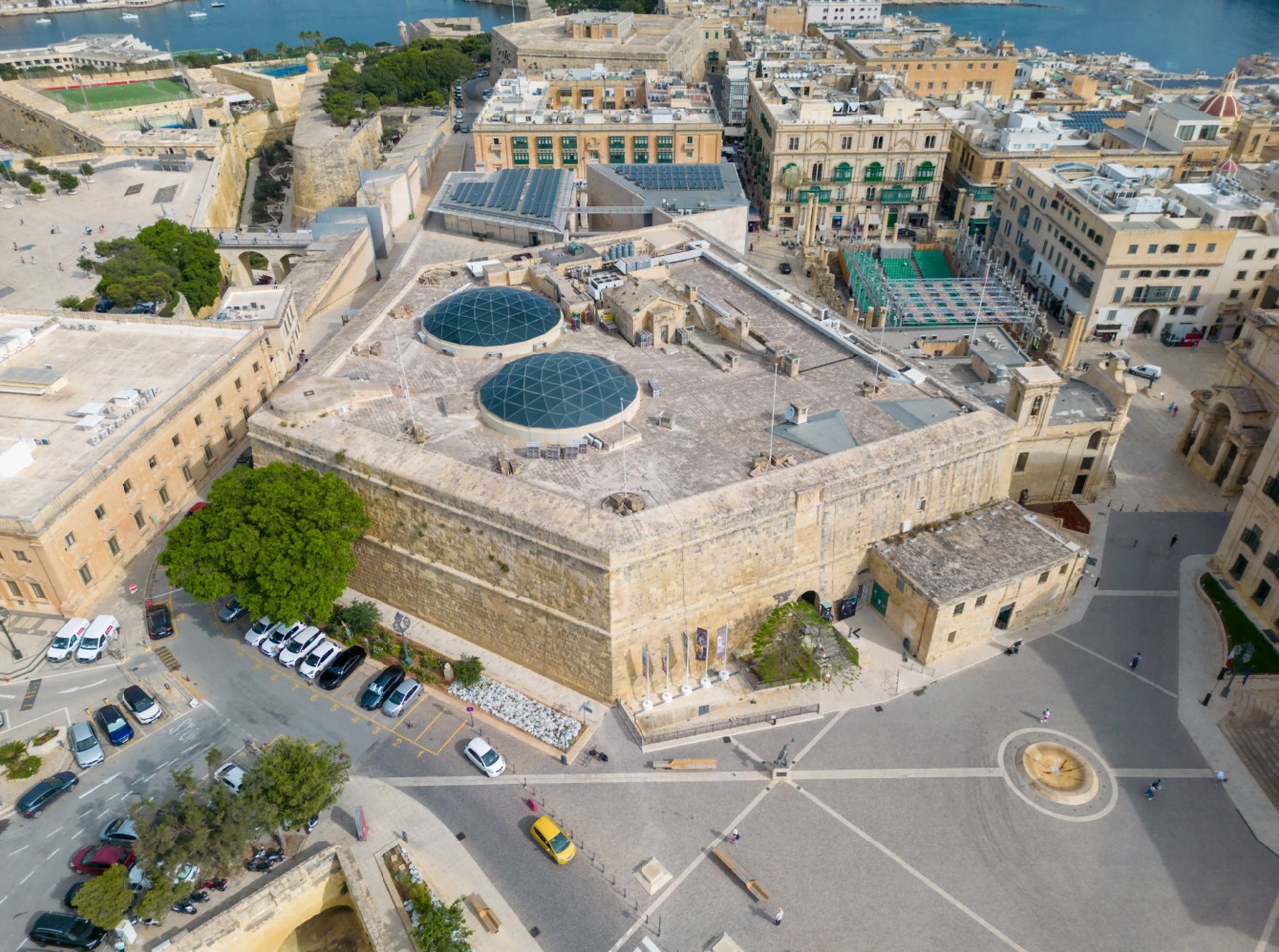
A prime example is his work on Malta’s Millennium project, St James Cavalier. Executing the designs of Richard England, Patrick led the complex conversion of a massive water reservoir into a modern theatre and the excavation of a second reservoir to create a contemporary exhibition space.
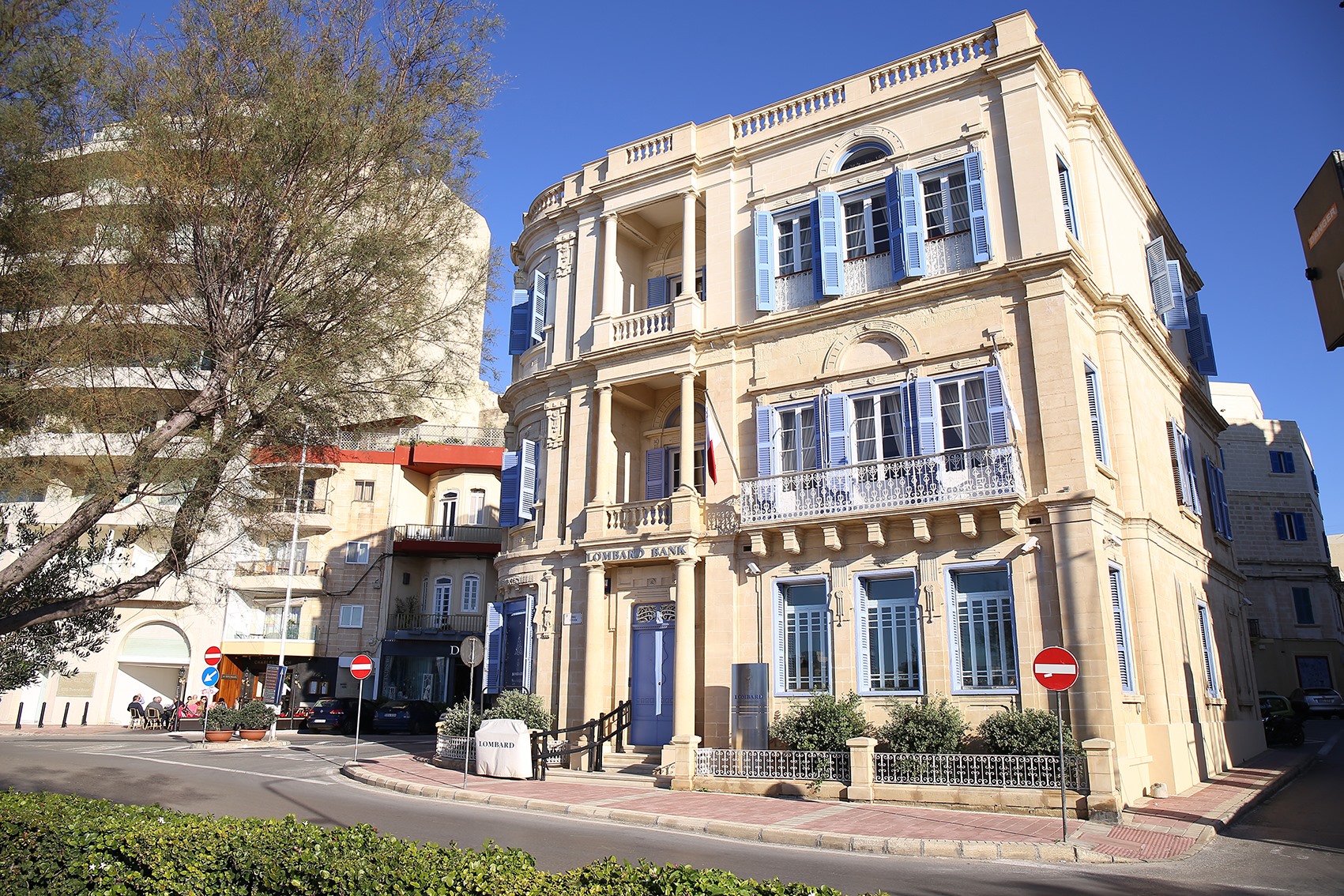
He also worked on the Sliema branch of Lombard Bank. The task of propping up this historic building to allow for the bank vault to be dug underneath required ingenuity. For him – already marked by the waterfront’s fate – this project was a lesson in architectural humility.
“I didn’t want to impose something of myself on it,” he says of the building. While the interior is contemporary, the exterior respects the original surroundings so that it still “holds a certain pride.”


A Turning Point
By the end of 2023, Patrick had decided to wind down his practice to write a play. However, the plot twist came when he was instead invited to lead DLĦ – a request he welcomingly accepted, due to his growing exasperation with the bureaucracy and box-ticking processes from the regulatory authorities.
“I think the age when you had an architect running a small office or working on a project has finished, because it’s impossible for an architect on his own or in a small office to cope.”
Today, he leads DLĦ as it battles massive developments like Villa Rosa and Fort Chambray. He echoes the warnings of Quentin Hughes, who led the architectural school within the University of Malta in the late 1960s: “it is just as important to protect the surroundings of these sites as much as it is to protect the site itself,” he explains.
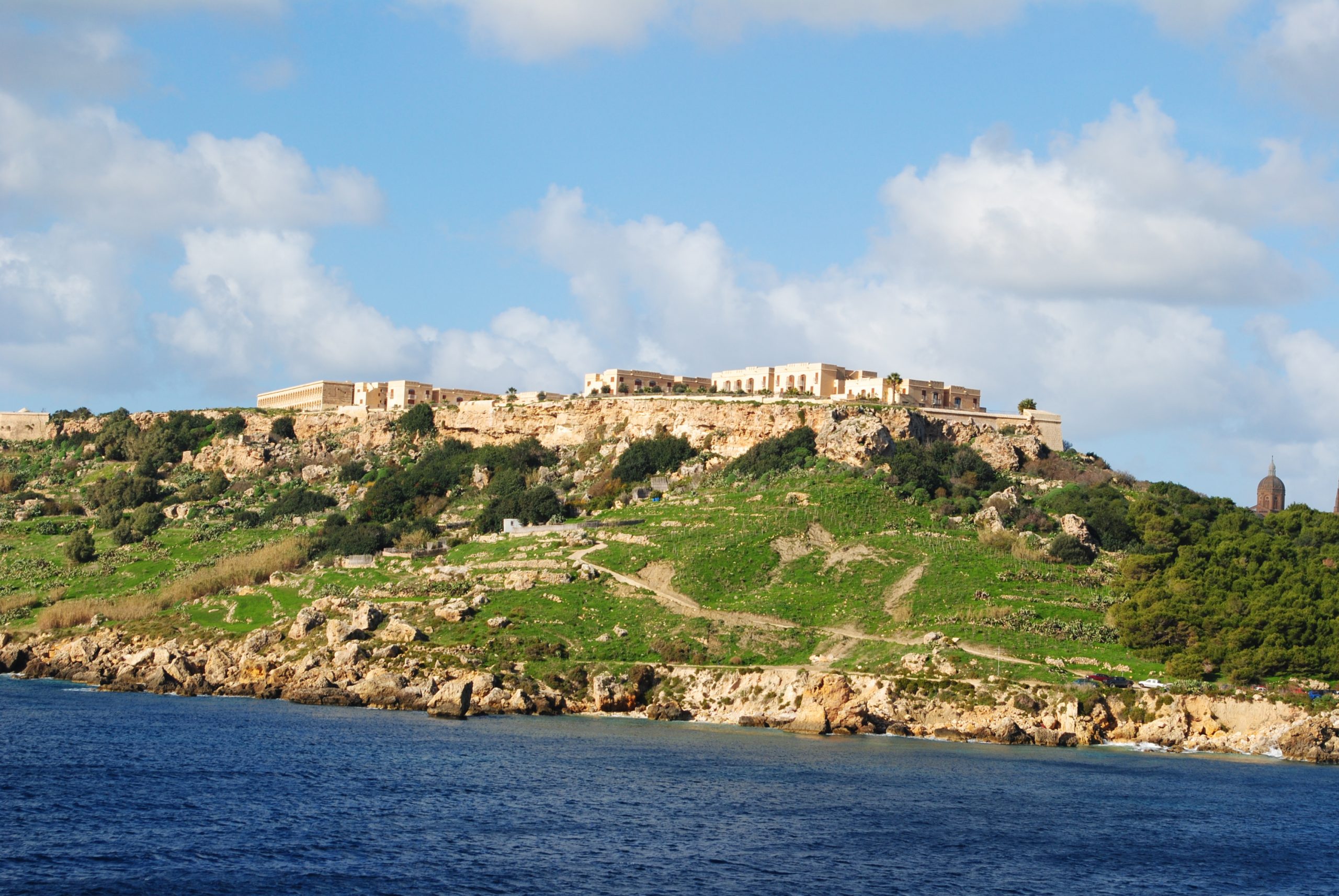
At Fort Chambray, DLĦ successfully campaigned to have the British Barracks placed on the “7 Most Endangered” heritage sites in Europe. “You don’t remove a historic building to get a better view for your residential unit”, he states.
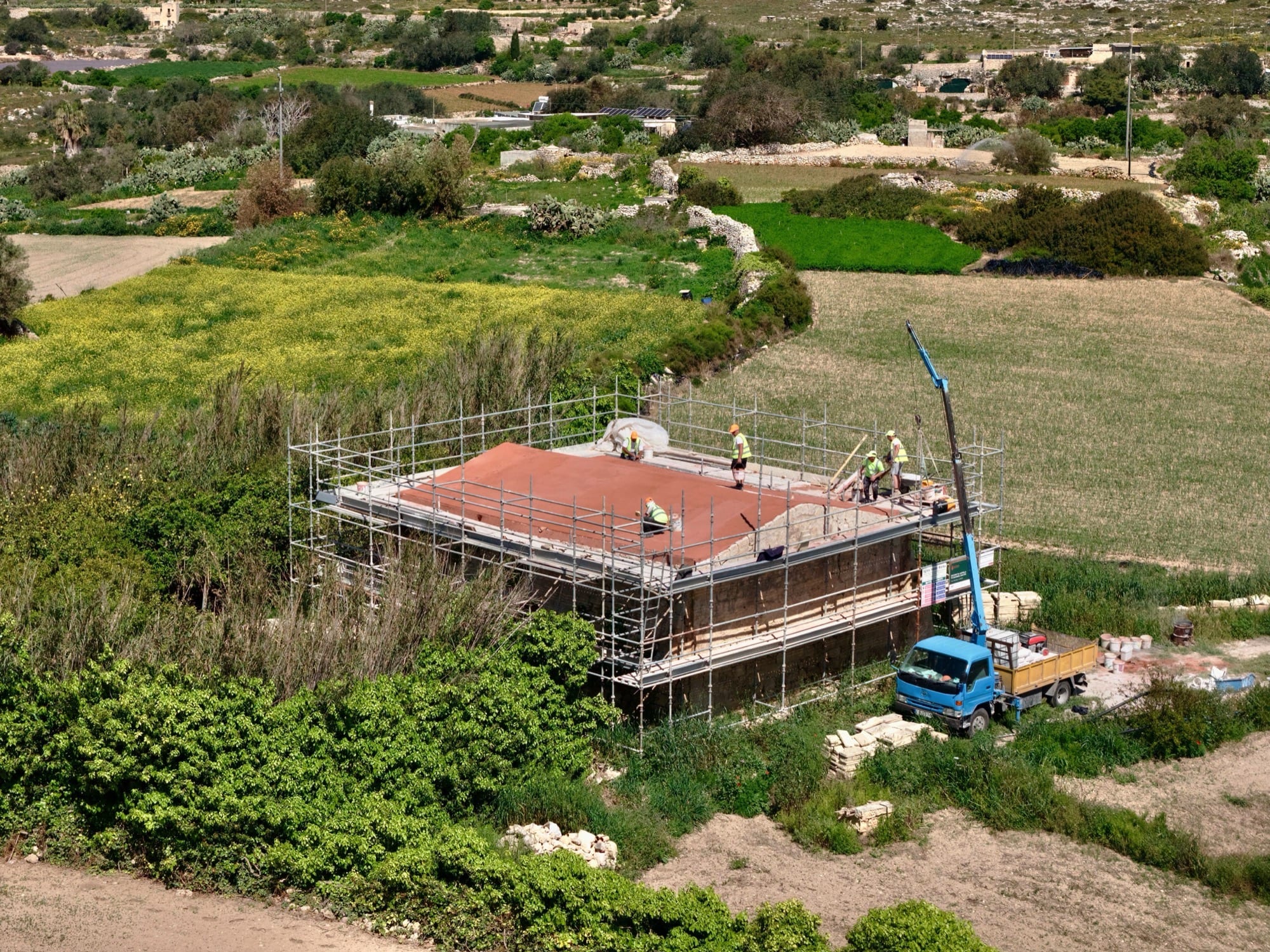
Qbajjar Battery – of which DLĦ is set to take guardianship following its recent roof collapse – poses yet another challenge. Alongside the San Ċir chapel near Rabat, Qbajjar is the next priority for the organisation’s restoration efforts. It is a constant cycle of care, as these projects are added to open ones like the Australian Bungalow, or completed ones which still need to be maintained.
Civic Pride
Despite the uphill battle, Patrick finds hope in the growing power of civil society. He notes that about 15 resident associations have recently appeared across Malta, a surge he attributes to the increasing social pressure within a densely populated island.
“It’s like Brownian motion. When you have a fixed container, a fixed volume, and you have more particles there, the pressure increases. I think it’s the same in Malta.”
On a personal level, his contribution to this awakening is his greatest source of pride. The role has brought him unexpected fulfilment: “I didn’t realise how much better activism would make me feel emotionally and psychologically”.
When he finally does sit down to write his play, his experiences on the conservation front line suggest there will be a different writer behind the pen.