In the world of Richard England – Malta’s pre-eminent architect with a glittering career that has taken him all over the world over the course of six decades – creativity, or the need to create, is a constant and quiet calling that finds its outlet in myriad ways; a poem, a book, a sketch, or a building.

All disciplines are about creating as much as they are about building, he says. “Architecture is a relationship of solid and void. Writing and poetry is about sound and silence. There isn’t much of a difference between the activities,” he says in an exclusive interview with DesignDispatch as part of StudioTalks, conversations with Malta’s architects and designers. He classes drawing differently, however, prompting him to share a word of caution to younger architects:
“Don’t let the mouse kill the pencil. What you draw with your hand, the sketch, is a living thing. Drawing with a computer is dead on – it doesn’t lead you anywhere. Using your hands is one of the most important things.”
Architecture started at home
In his youth, Richard accompanied his father, who was an architect, on building sites and to places of cultural significance, such as the islands’ Neolithic temples – visits he believes were influential to him being drawn to the same profession – although he was more interested in becoming a sculptor or artist initially.
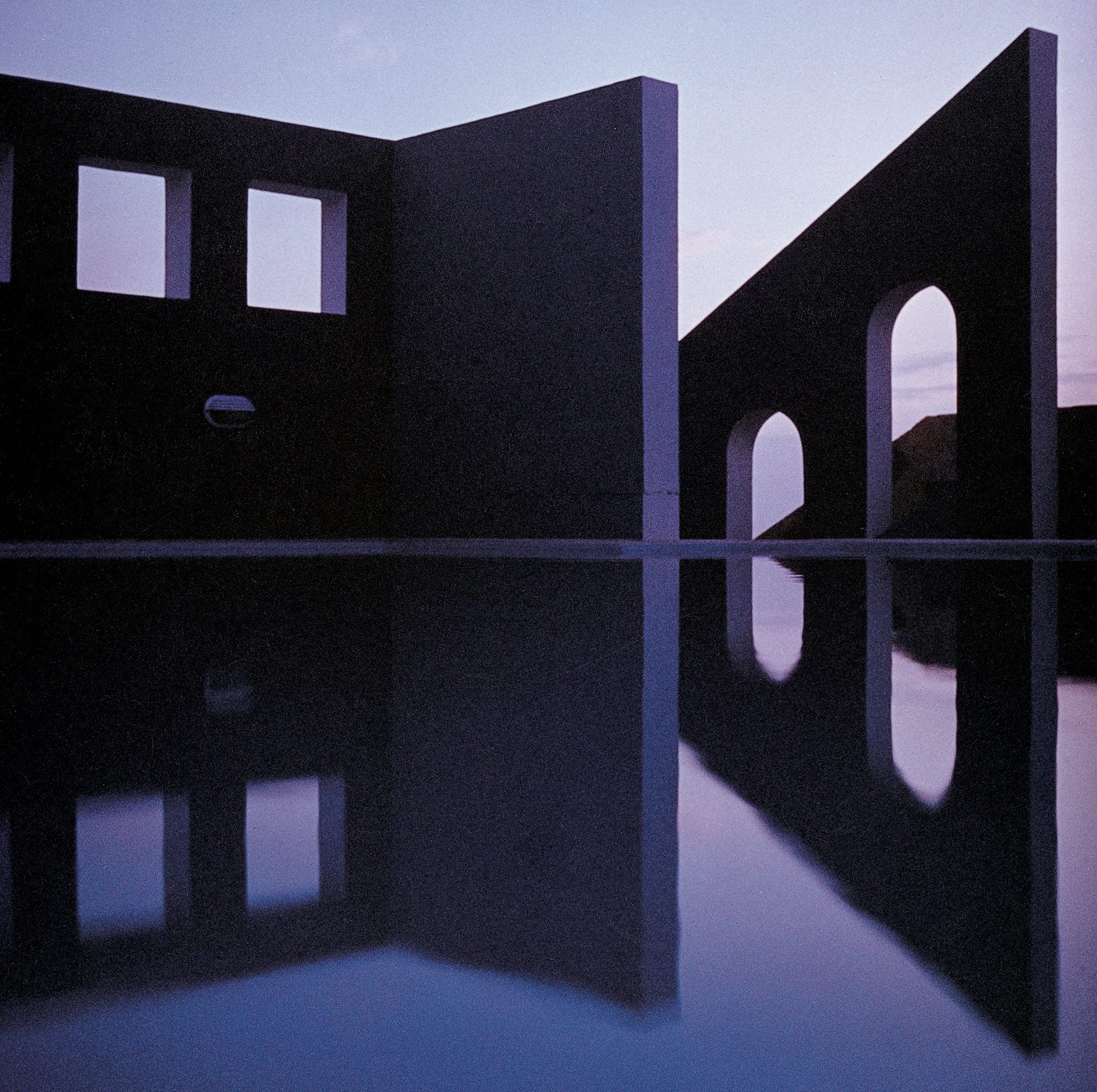
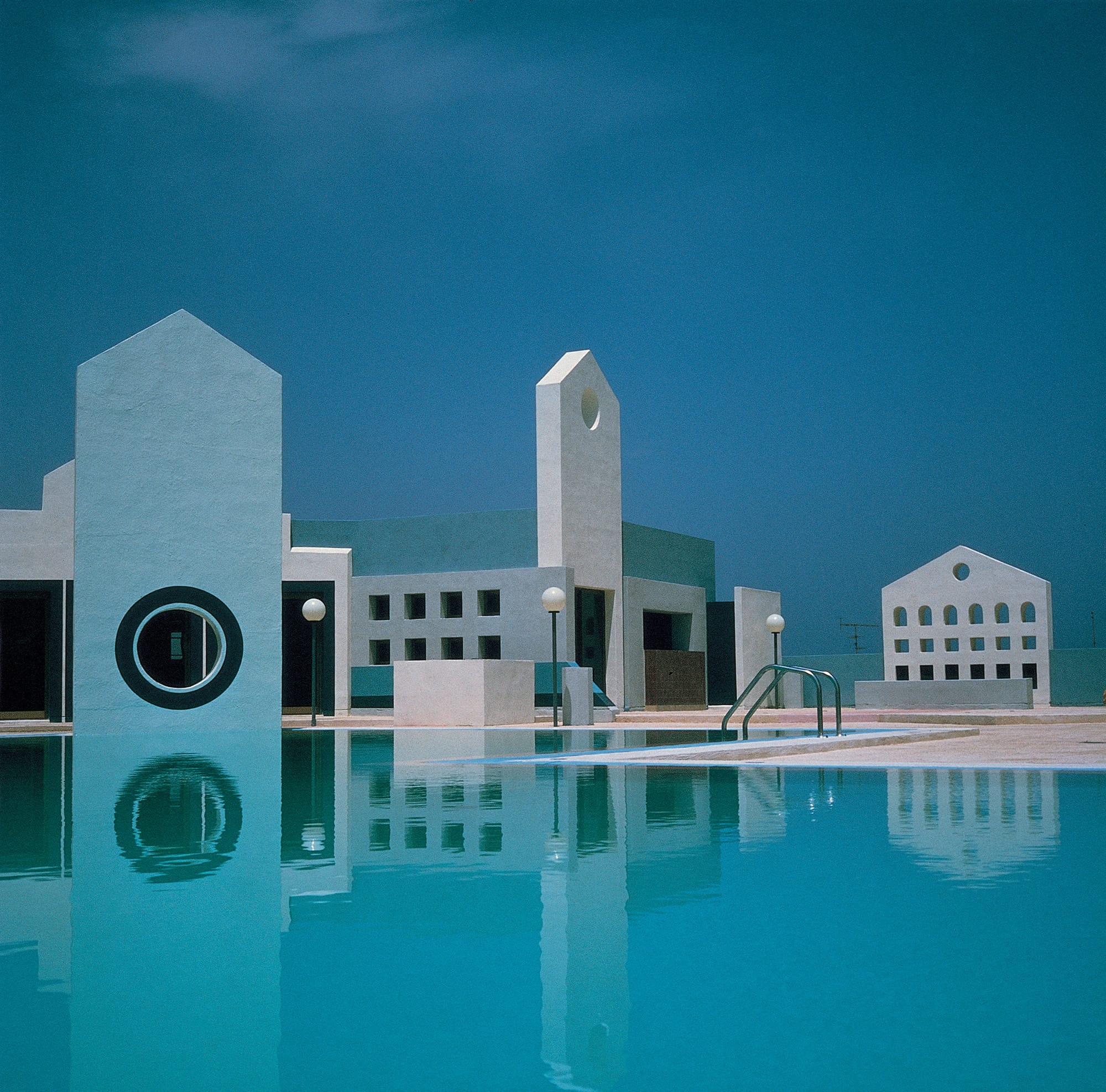
“He introduced me to the vernacular architecture. In other words, an architecture without architects, and there are wonderful lessons to learn from people who were building with the sole building material at the time; stone. In a sense, a maximum utilisation of minimal resources.”
At university, he became fascinated with classical buildings, especially those in Greece, but while he credits his father as being very influential, he never pushed him to be an architect, “which was probably the right thing to do, because if you push young people in one direction, they tend to go towards the other.”
After seven years at the University of Malta, Richard had the opportunity to work in the studio of master architect and designer, Gio Ponti. “This was the golden period of Italian architecture with great names like Pierluigi Nervi, [Luigi] Moretti, Ponti himself and Carlo Scarpa.”
These personalities frequently visited the studio, as Ponti was editor of art and design magazine Domus at the time, so the young architect actually met them. “Unlike today, when you’re working in a big architecture firm and hardly ever meet the master designer or architect, in those days, when I was on the drawing board, Ponti would come every day and correct,” says Richard.
“So, every day, you had a personal masterclass, and that’s something which at that age you assimilate and it actually becomes a foundation for your future way of thinking – not copying his design, but adhering to the philosophy of how he arrived at his design.”

The making of Manikata
Back from his stint in Italy, Richard was presented with an opportunity by his father that would become a career-defining moment. “He gave me a commission that he had received for a church in Manikata as a gift upon my return. In a way, it was the handing over of a baton to a younger architect. Regretfully, my father never saw it completed, but that was another extraordinary lesson.”
The church, for a small village of around 500 people, was to be built by the villagers themselves, but the young architect was shocked to find out upon showing them the drawings that they couldn’t read. “I came to realise it was a wonderful opportunity not to draw a building, but to make a building. I often tell my students that once in their lifetime, they should try and make a building with their hands.”
He acknowledges many people thought the church’s form was inspired by the temples, or the curved traditional tool shed (girna). “These things were somewhere stuck in my mind,” he notes, but the idea of the two semicircles embracing themselves was more about connecting the congregation to the celebrant – making them participants, rather than spectators.
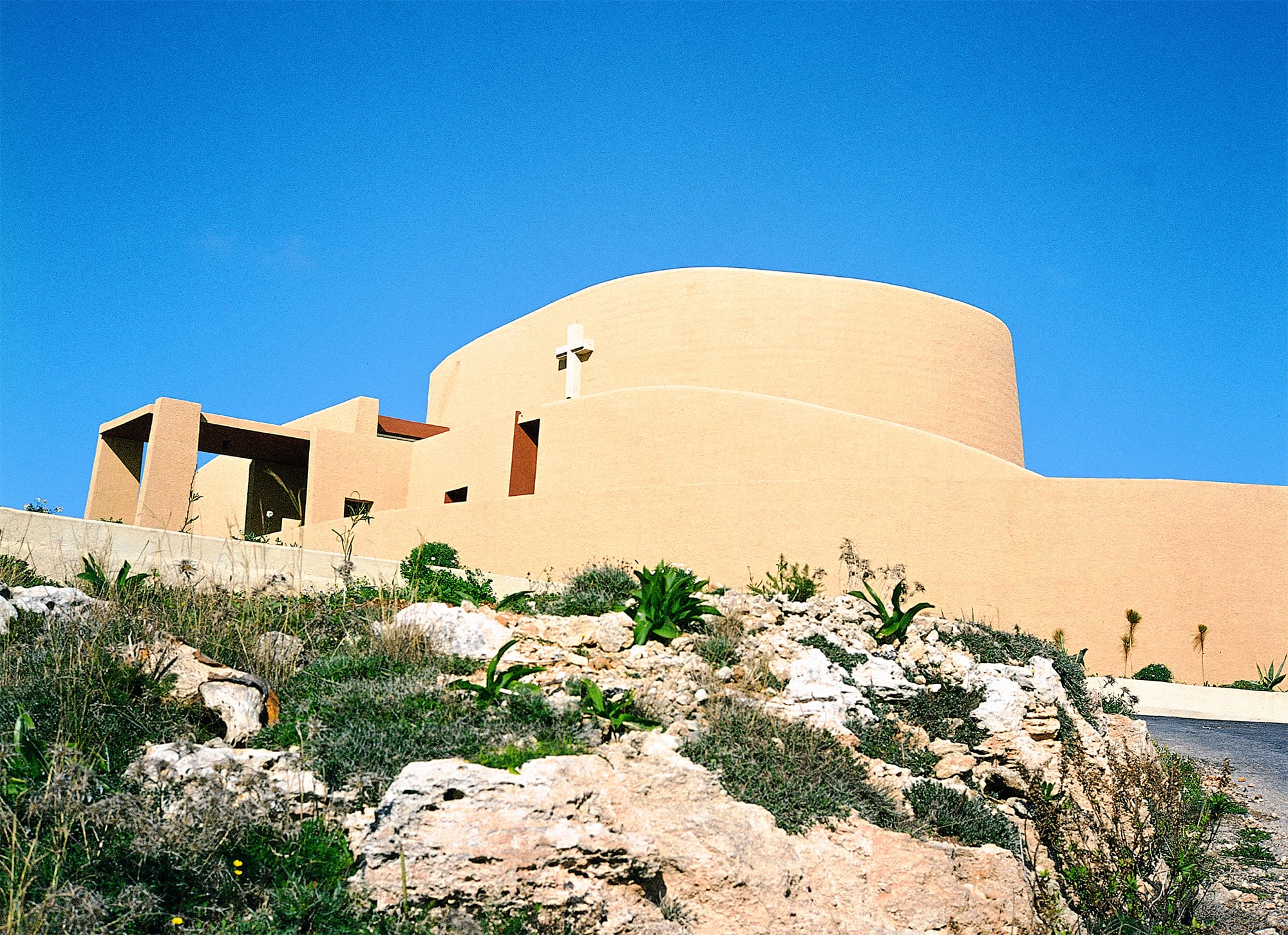
The building took 12 years to complete, and received a lukewarm response from the villagers who wanted a church with a larger dome than that of neighbouring Mgarr. “But the building got published in a number of architectural magazines, as a model, and that gave them a sense of one upmanship.”
Architecture of place
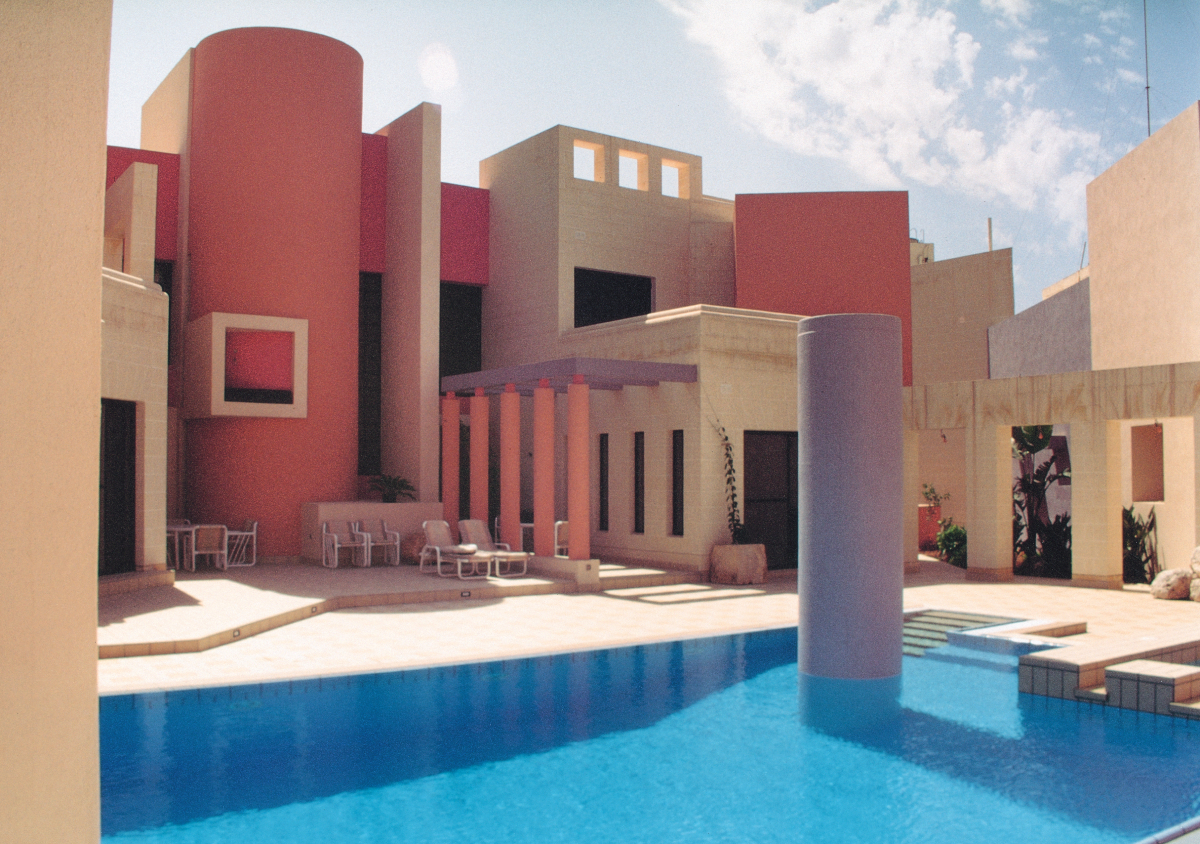
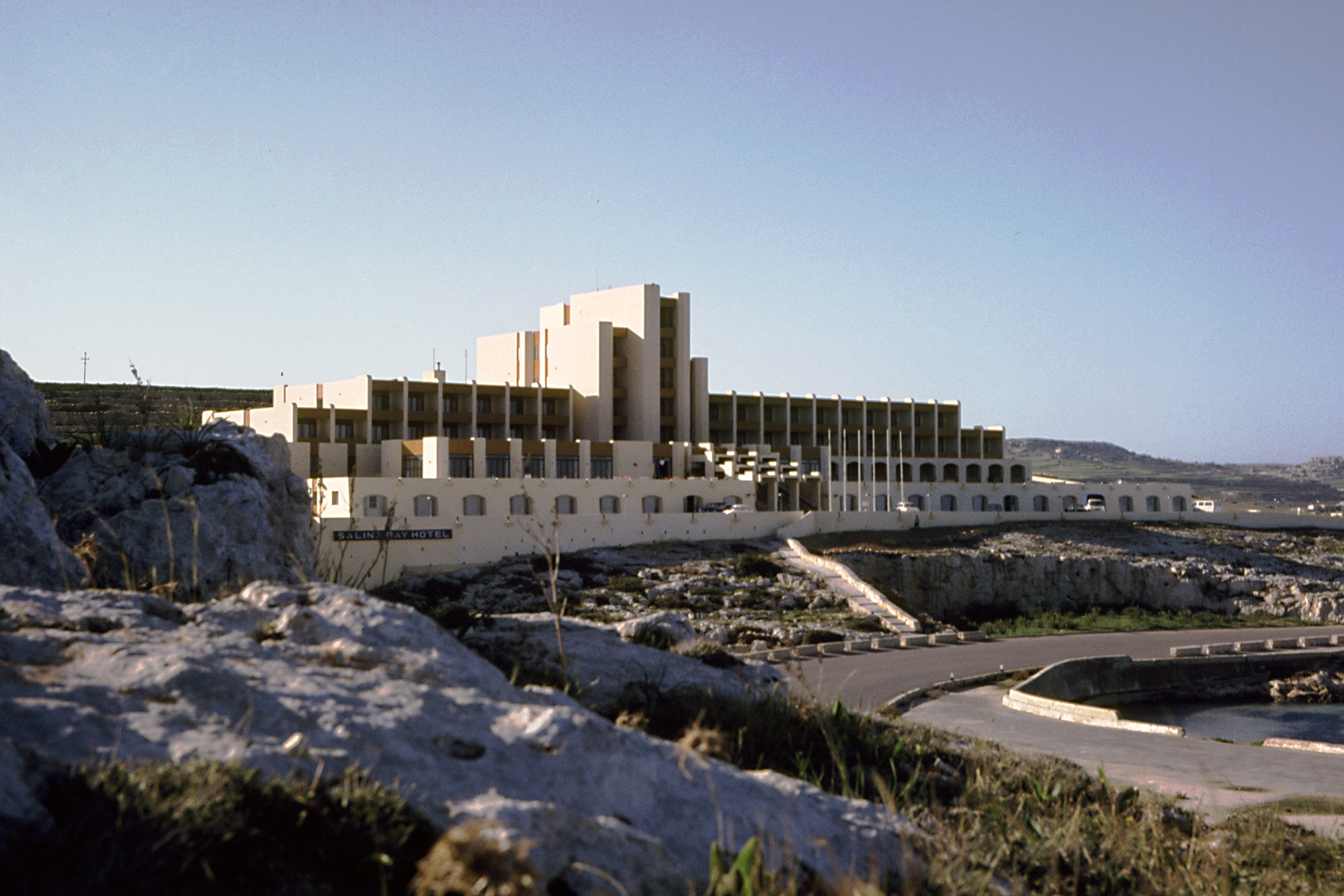
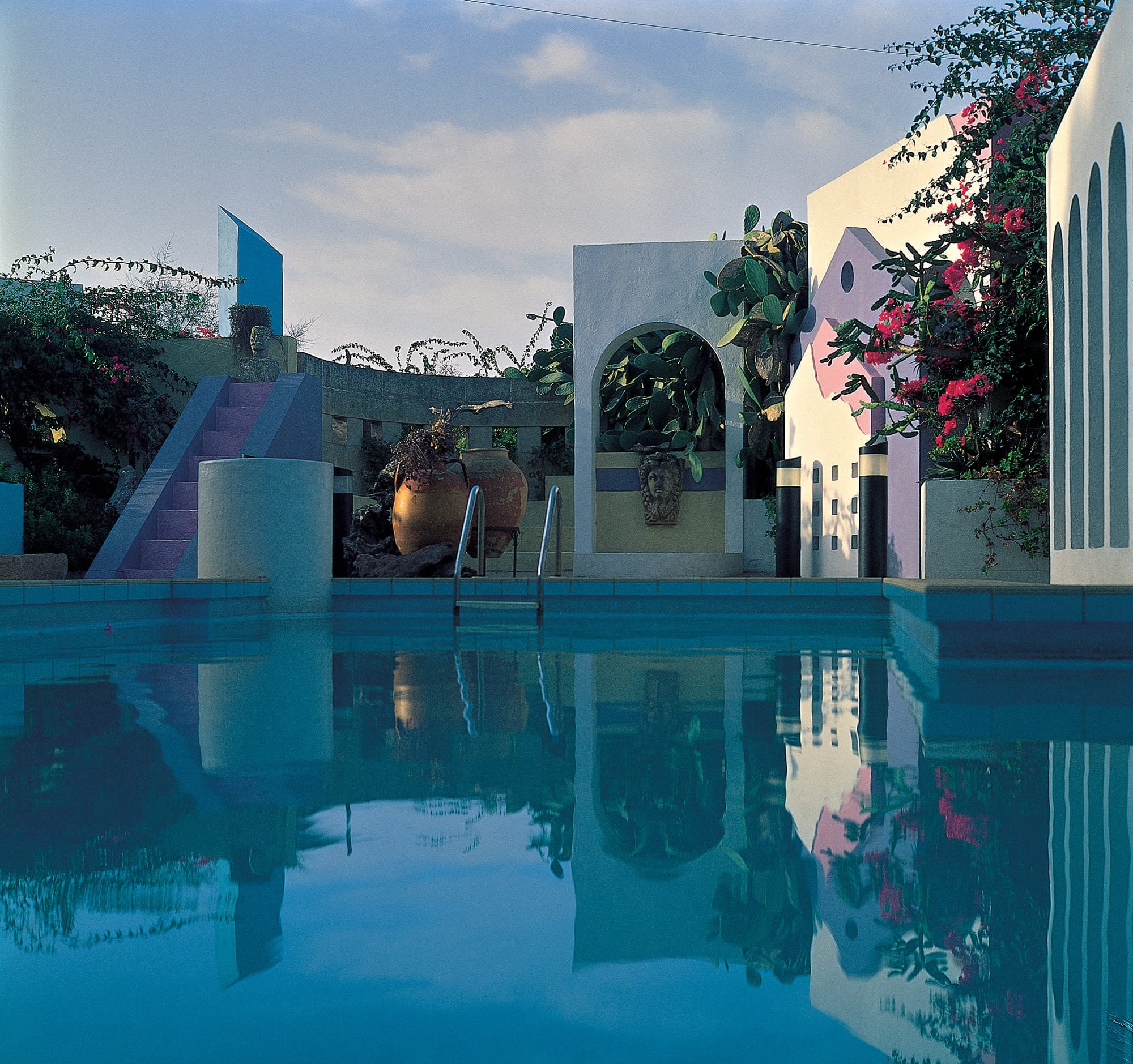
Through decades of work, Richard maintained a mantra that, in a way, became his design language: “wherever you’re building, make sure that the architecture you produce belongs to the place” – an approach he learned during his time working in Iraq with prominent regionalist architect Rifat Chadirji.
“When I started in Malta with my hotels and other major projects, they adhered to this formula of trying to create something which belonged to Malta.” It wasn’t a popular move at the time, when modernism was rampant, but he believes we are now realising – “although we don’t practice it” – that building in relationship to the memory of the place is about sustaining the spirit of place, “which is what we’re losing in Malta and Gozo.”
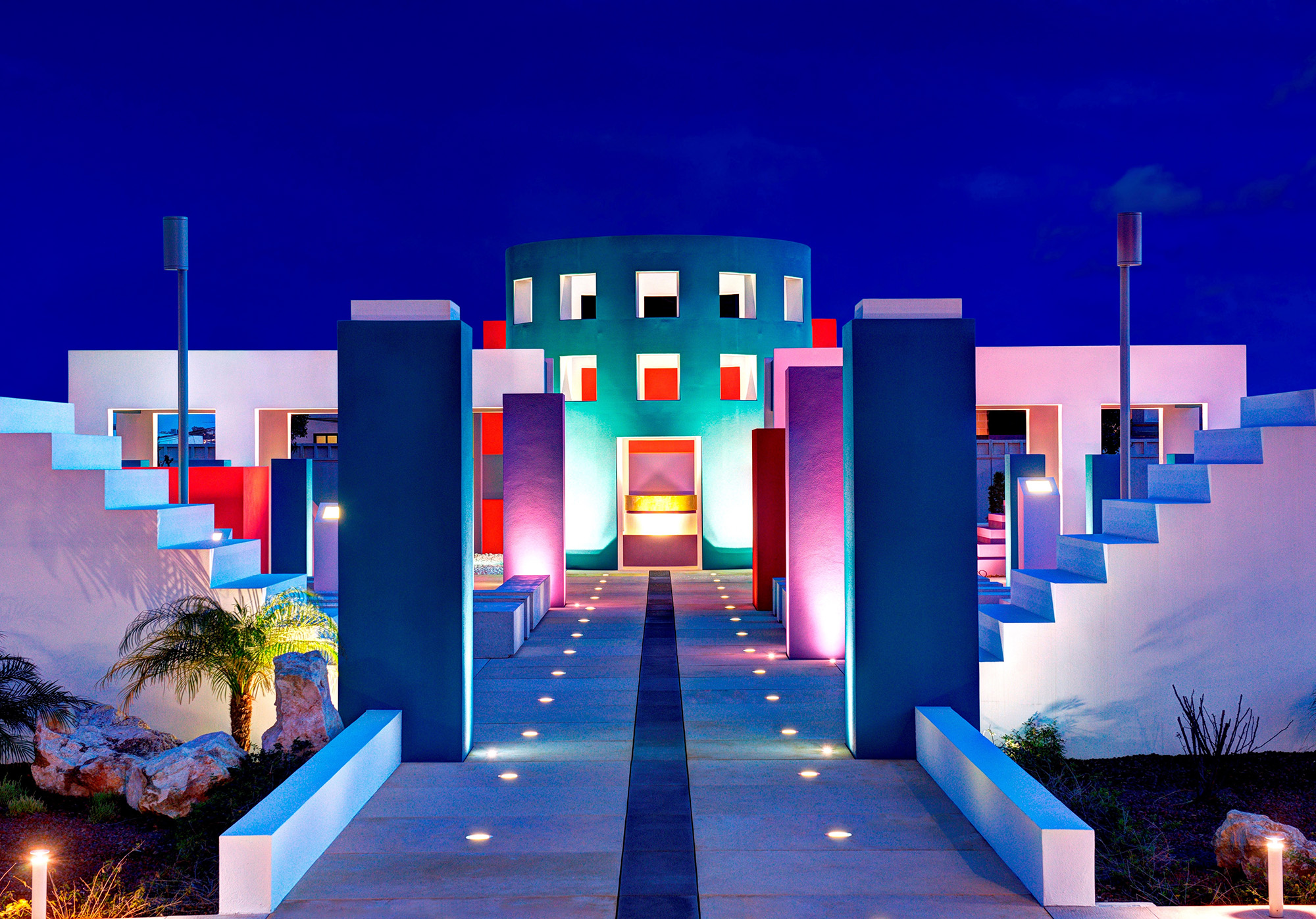
He emphasises the responsibility that architects carry for producing the environments within which we live, work, and also as we approach our deaths. “In the end, I think the most important thing is to try and create an architecture which somehow or other moves the soul and gives a lift to the spirit. Even more so in the world we live in today.”
To this end, he urges younger generations of architects to be humble, stick to your principles, and build sustainably – “we need to learn to tread gently on the planet so the planet will tread gently over us. We have declared war against nature, and nature will win.”
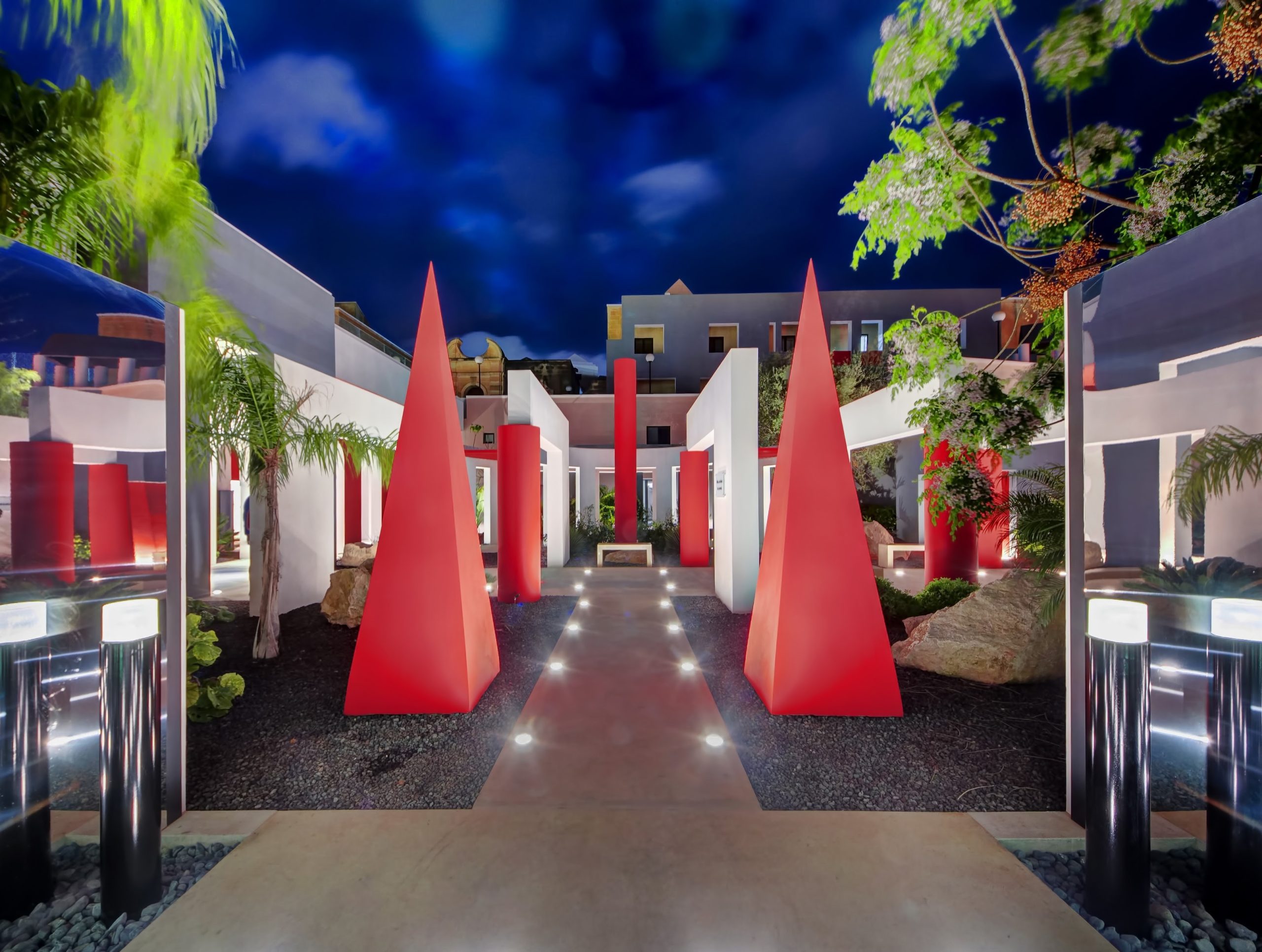
“What I would like to see and [what I wanted to do] with the last project I’ve done, the Dar Il-Hanin Samaritan meditation garden, is to create a space where the floor is the earth, the walls are the wind and the ceiling is the sky.”
Main photo: Jake Bellizzi
Watch this episode of Studio Talks
Portrait by Jake Bellizzi
Studio Talks is sponsored by MAPFRE MSV Life | ESS – Electrical Supplies & Services | Vivendo Projects | JoinwellFxb | Form | Domestica