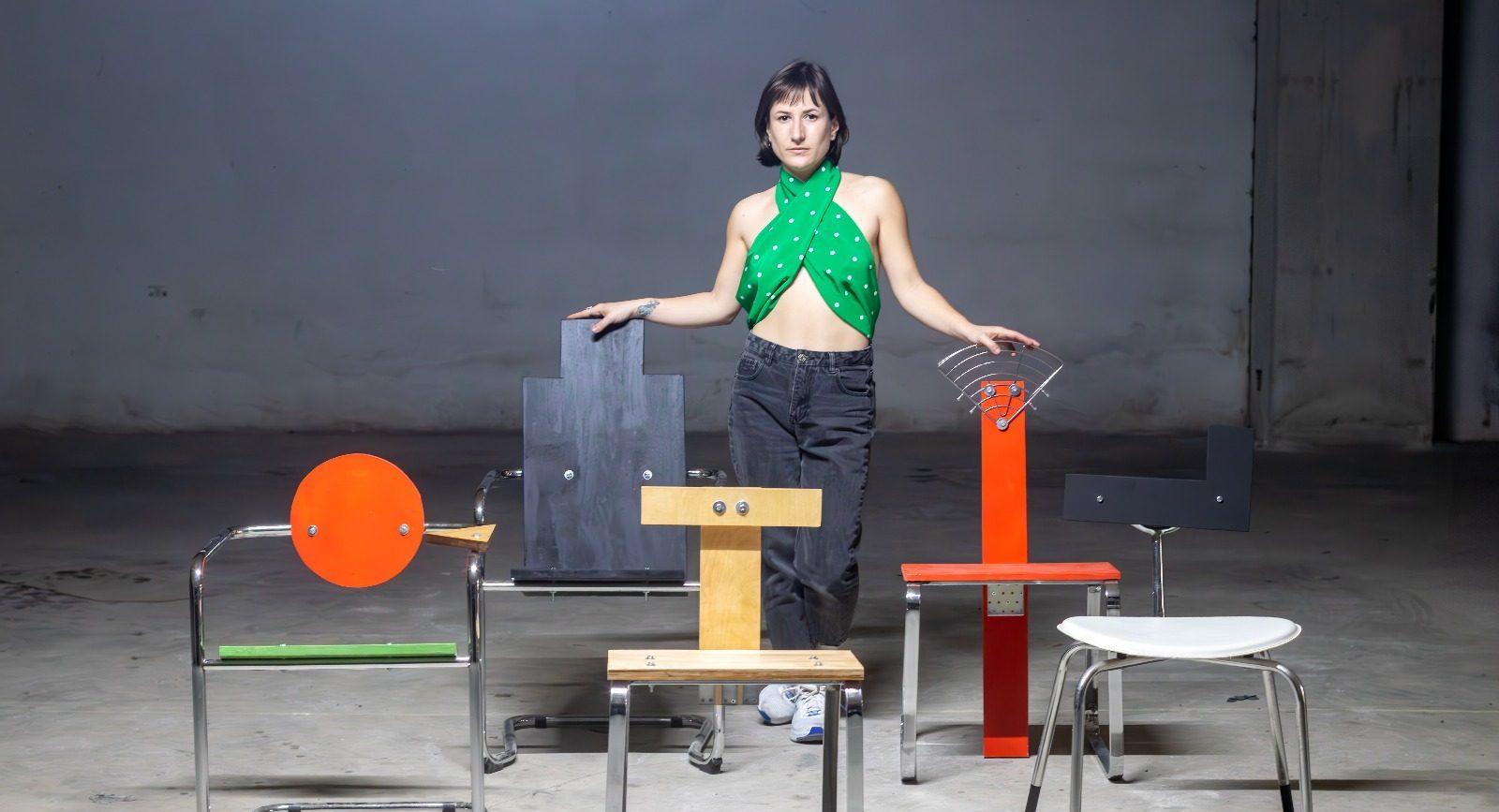
Two actors and a set of chairs. These are the main ingredients of Is-Siggijiet – the Maltese staging of Romanian-French playwright Eugène Ionesco’s piece The Chairs, first performed in Paris in 1952 – which will take audiences on a tragic-farcical journey at Spazju Kreattiv from 11th to 19th April.
As the only props in the play, which become characters in their own right as the story unfolds, the design of a collection of chairs for Is-Siggijiet was central to this production – a job entrusted to Anna Horvath, a Hungarian architect and narrative designer, and founder of AHA Objects based in Malta and Hungary who was recently named among ‘the best designers in the world’ by Dwell Magazine.
“I was very pleased that Spazju Kreattiv thought of me for this production. It has been an amazing project that really fed into my specialty as a narrative designer and that offered room for creative freedom,” Anna tells Design Dispatch.
The design language
Ionesco’s play belongs to the theatre of the absurd, and is widely seen as an influential example of the genre that explored the futility of human existence. The plot centres on an elderly couple that greets invisible guests to their home, setting up chairs for them, but they never turn up – emphasising themes of loneliness and alienation.
Anna’s process into designing the set and a collection of almost 40 different chairs and stools began with analysing the Spazju Kreattiv Theatre at St James Cavalier – a striking, round theatre designed by eminent architect Richard England that formed part of the regeneration of the fort at the turn of the century.
“I’m a Richard England fan,” says Anna. “He creates environments with strong architectural elements. In this case, the theatre is round and so the audience is seeing the performance from every angle, the seats are purple, there’s widespread use of timber and a double height that requires thoughtful planning in order to give the audience sitting upstairs an equally effective experience.”
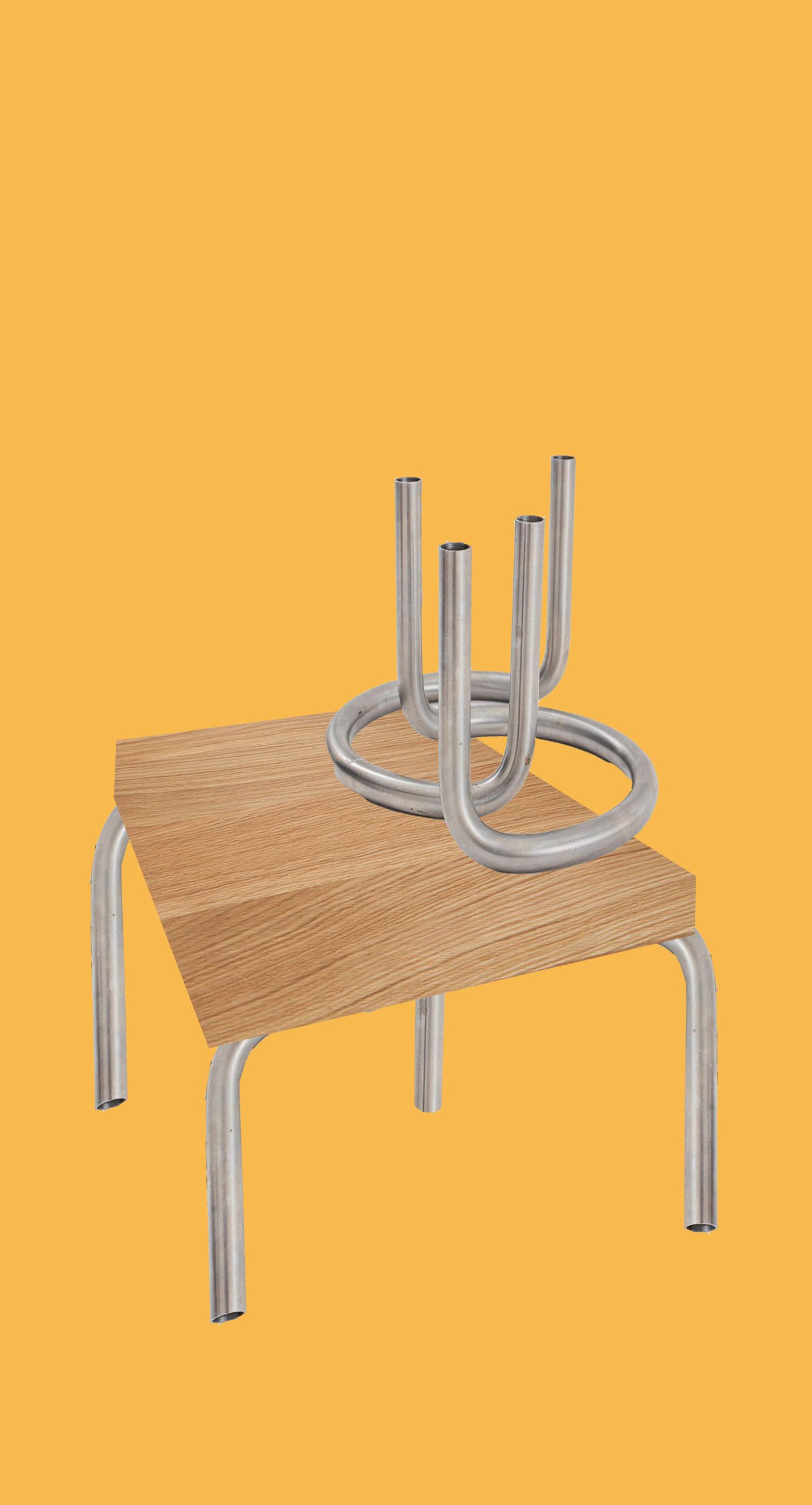
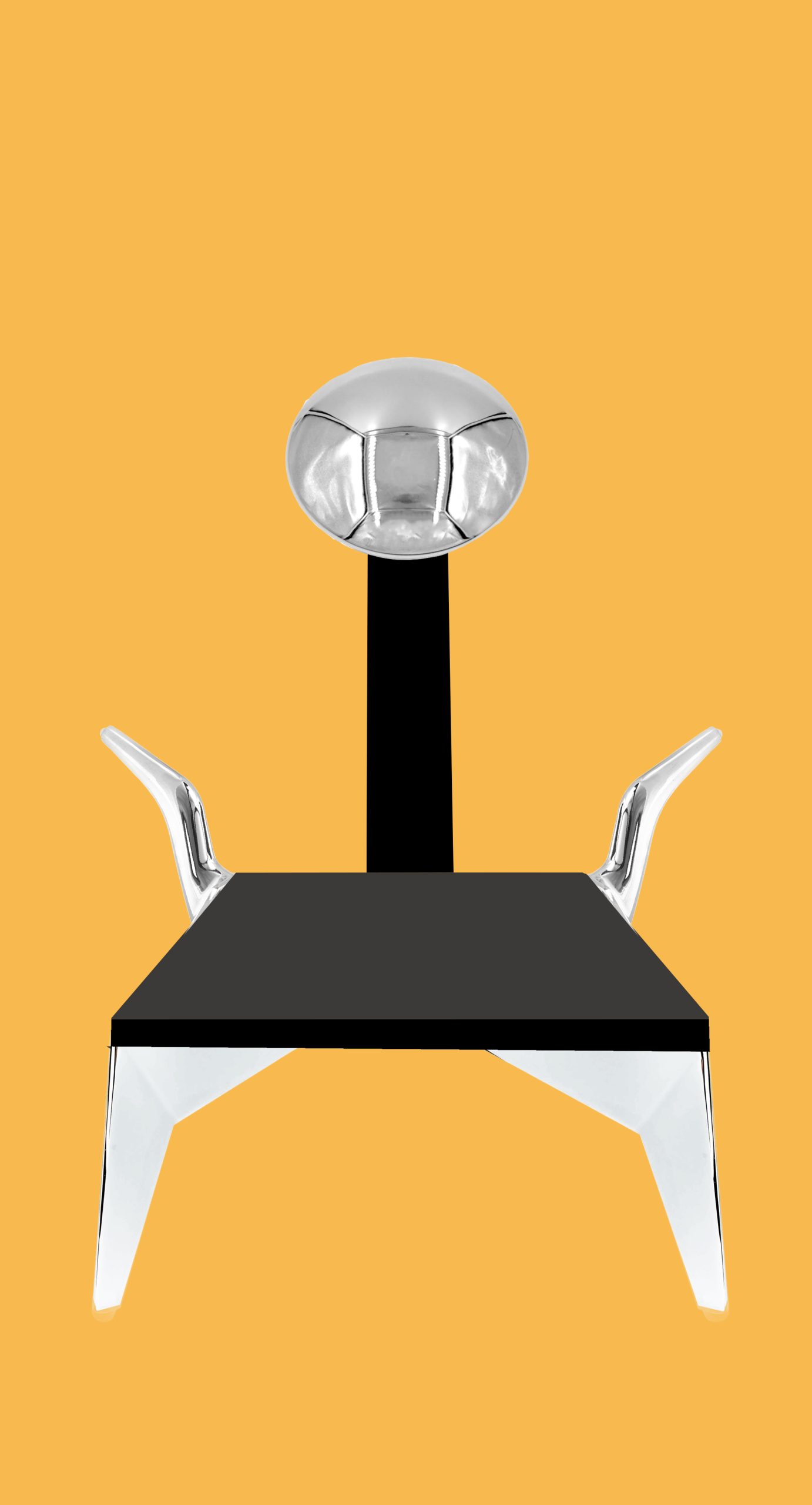
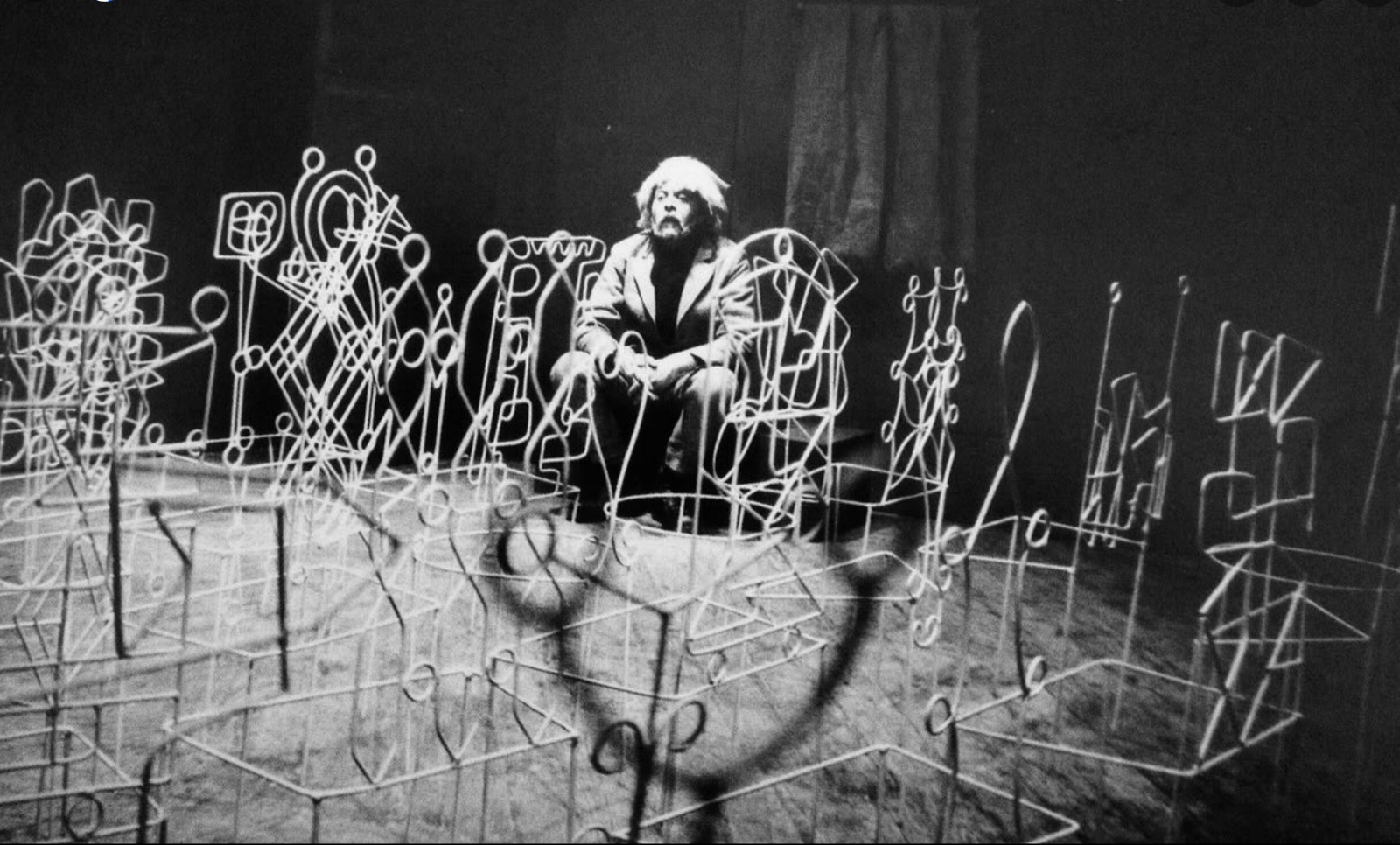
With all this in mind, Anna opted to design a set that continues with the existing design language of the theatre. She also turned to past productions of The Chairs for reference, with one in particular standing out to her – “It was staged in Tehran and artist Bahman Mohasses used metal rods to create a number of decorative and expressive chairs that, when placed together, suggest an abstract forest.”
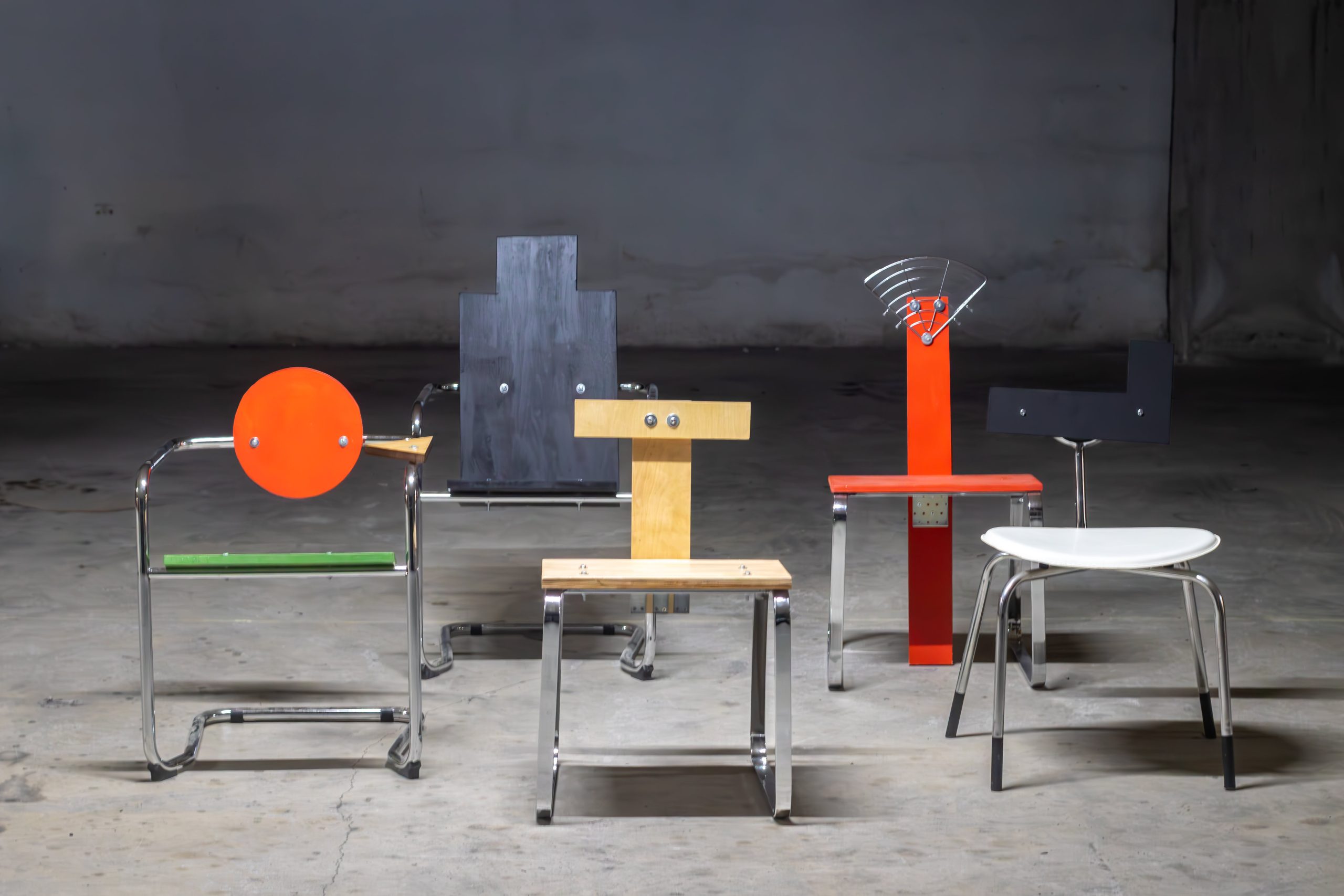
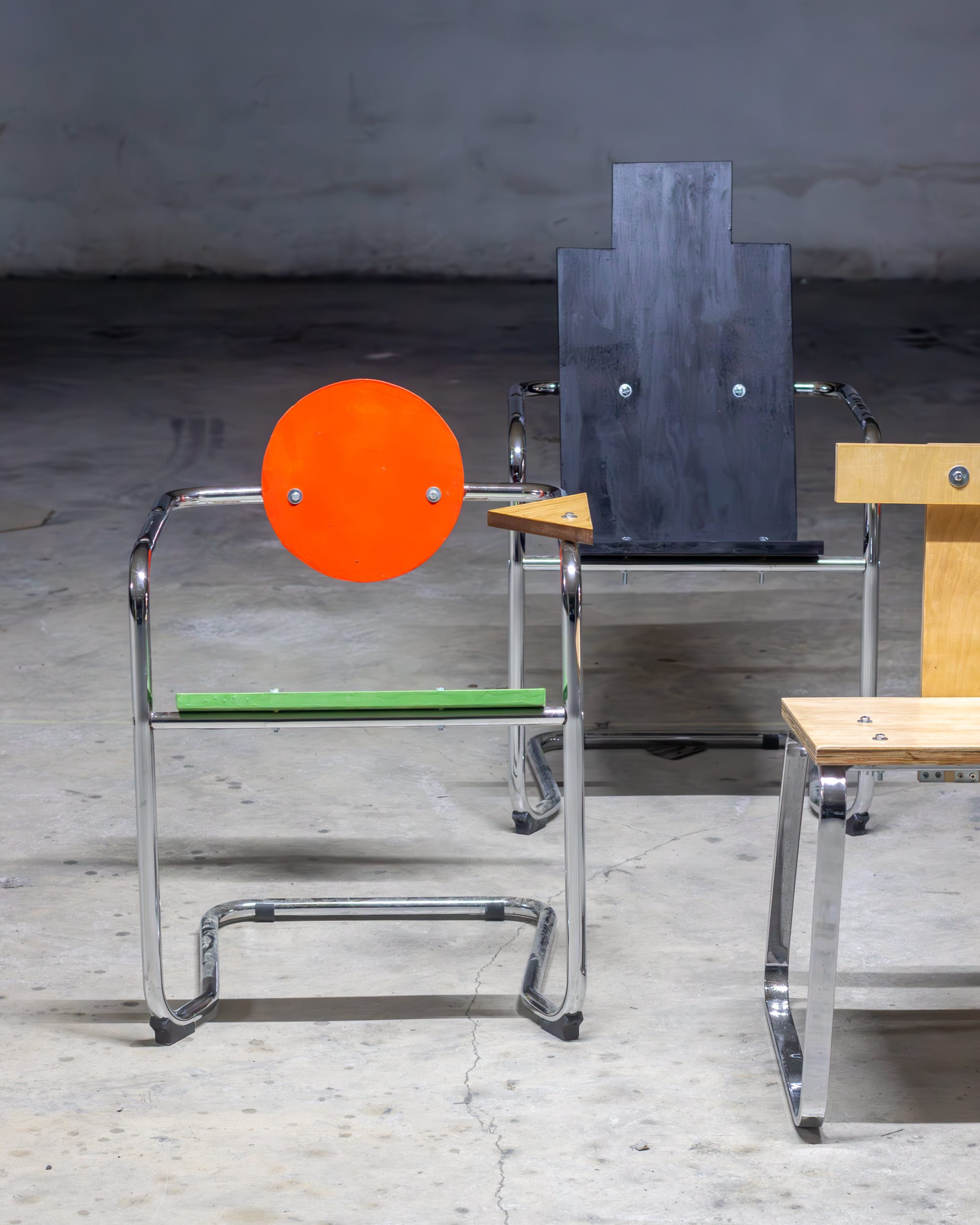
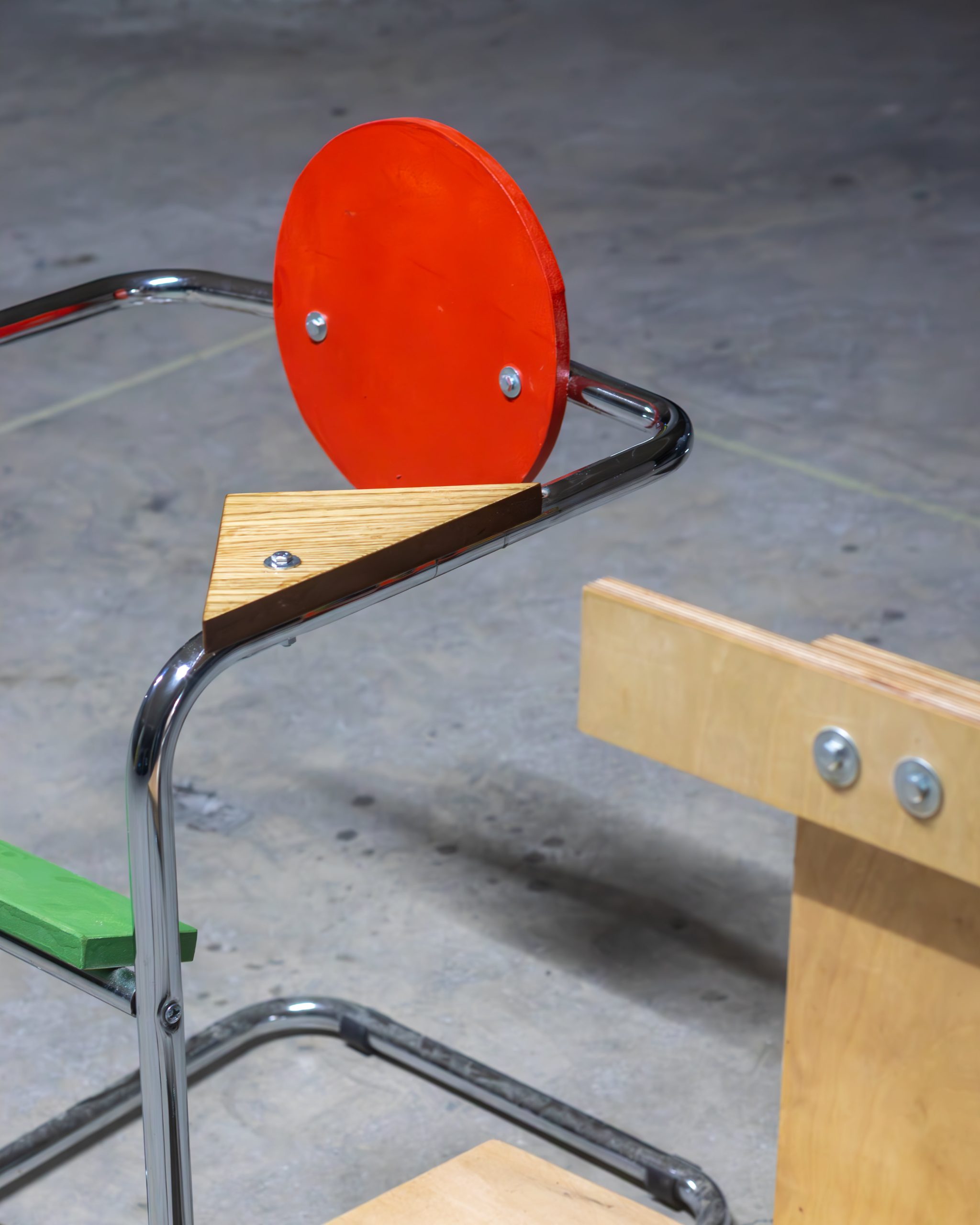
Anna’s approach revolved around turning the chairs into individual characters with unique qualities. “The chairs literally become the characters of these personalities – an attractive woman depicted through curved shapes or a colonel created through rigid, cubical forms, which also fit within the visual aesthetic of AHA Objects that’s based on vivid colours and minimal forms.”
“The script is what gives these characters a persona. I used furniture design to give the chairs their character by prototyping and combining different pieces together to create, for example, a face or a tall person. There was a lot of play involved,” she smiles.
Sustainable at heart
A strong believer in sustainability and the circular economy, Anna sought out materials that would otherwise be discarded as waste while ensuring they were a good fit for a theatre production.
“I was brainstorming materials for my chairs when – completely by accident – one of the crew members used a set of chairs for the promotional shoot which had a chrome frame and fake leather seats,” says Anna. “I thought the use of chrome could be a fitting material; I find that locals have quite an affinity for it, and it complemented the director’s vision of wanting to place the storyline in a contemporary Maltese setting.”
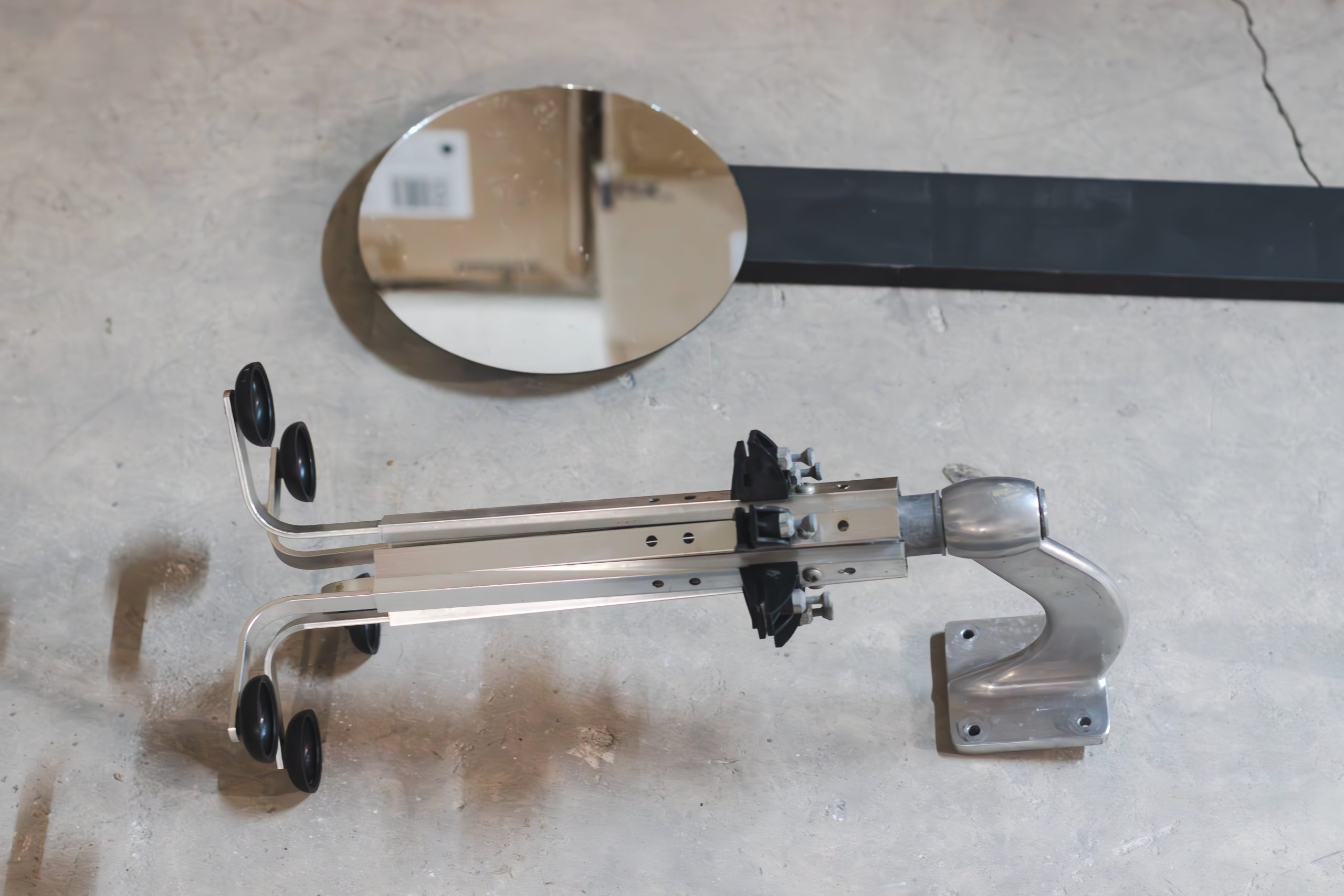
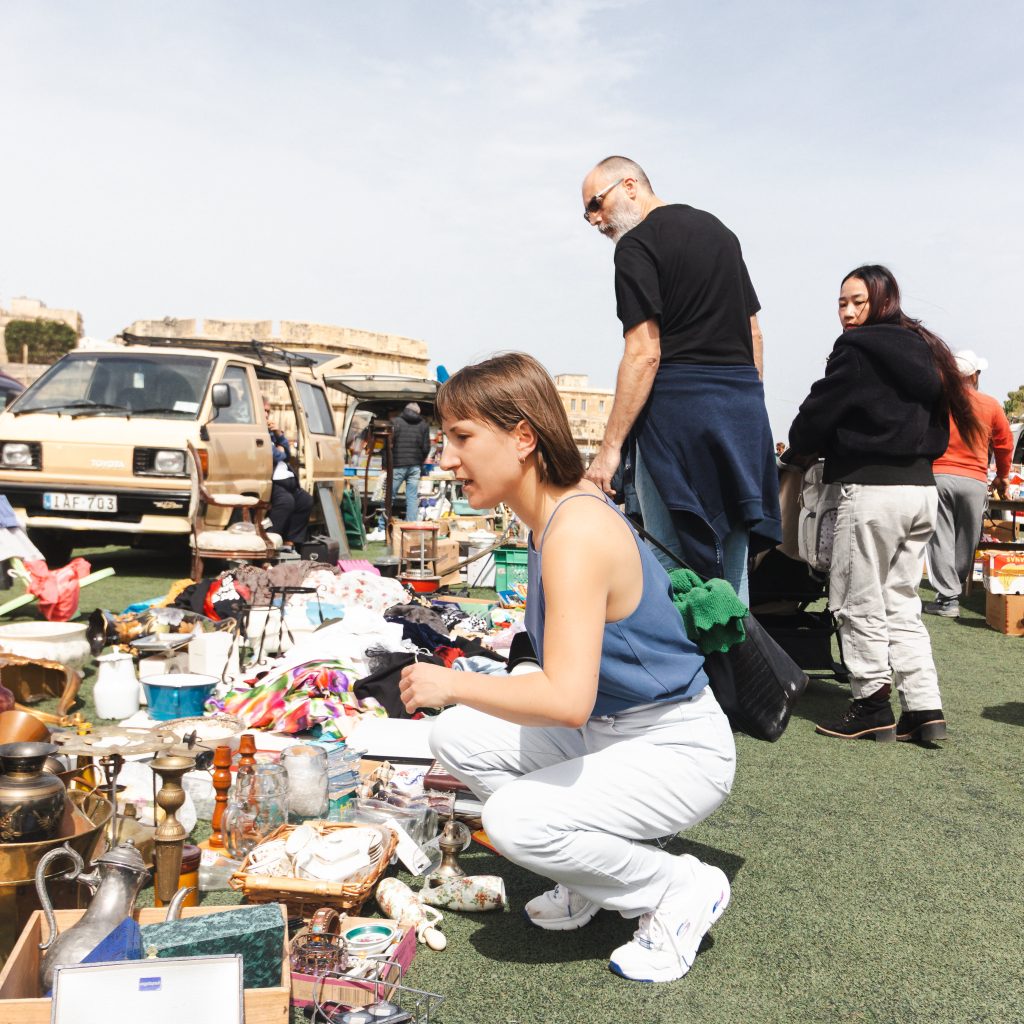
And so began her hunt for a slew of haphazard chrome objects, from statues and bits of machinery to mirrors. Some were sourced from Birgu’s flee market, others online, as well as from the leftover piles of local furniture companies. “I collaborated with Steve DeMicoli from fabrication company Matter Make and purchased their off-cuts and leftovers. We wanted to keep the project as sustainable as possible.”
Anna shares that working with chrome posed a few challenges – being a shiny and reflective material, she needed to consider how, where and how much of it to use on set to avoid it distracting the audience. However, designing for theatre proved to be a freeing experience.
“The end result doesn’t need to be long-lasting, and the focus wasn’t on the functionality of the chair, its comfort, size, dimensions and so on. This project involved creative freedom, playfulness, and a chance to experiment in a way that is very different to how I’d usually design for the home or public spaces.”
A collection of furniture for public spaces is just one of the many reasons why Anna’s star has been rising recently. One of her projects, SORĠI, completed in 2021, comprised a collection of benches inspired by local buildings made of recycled construction waste (from limestone and broken terrazzo to marble off-cuts and fragments of glass), prompting discussions on the need for tangible solutions to the volume of discarded materials on the island.
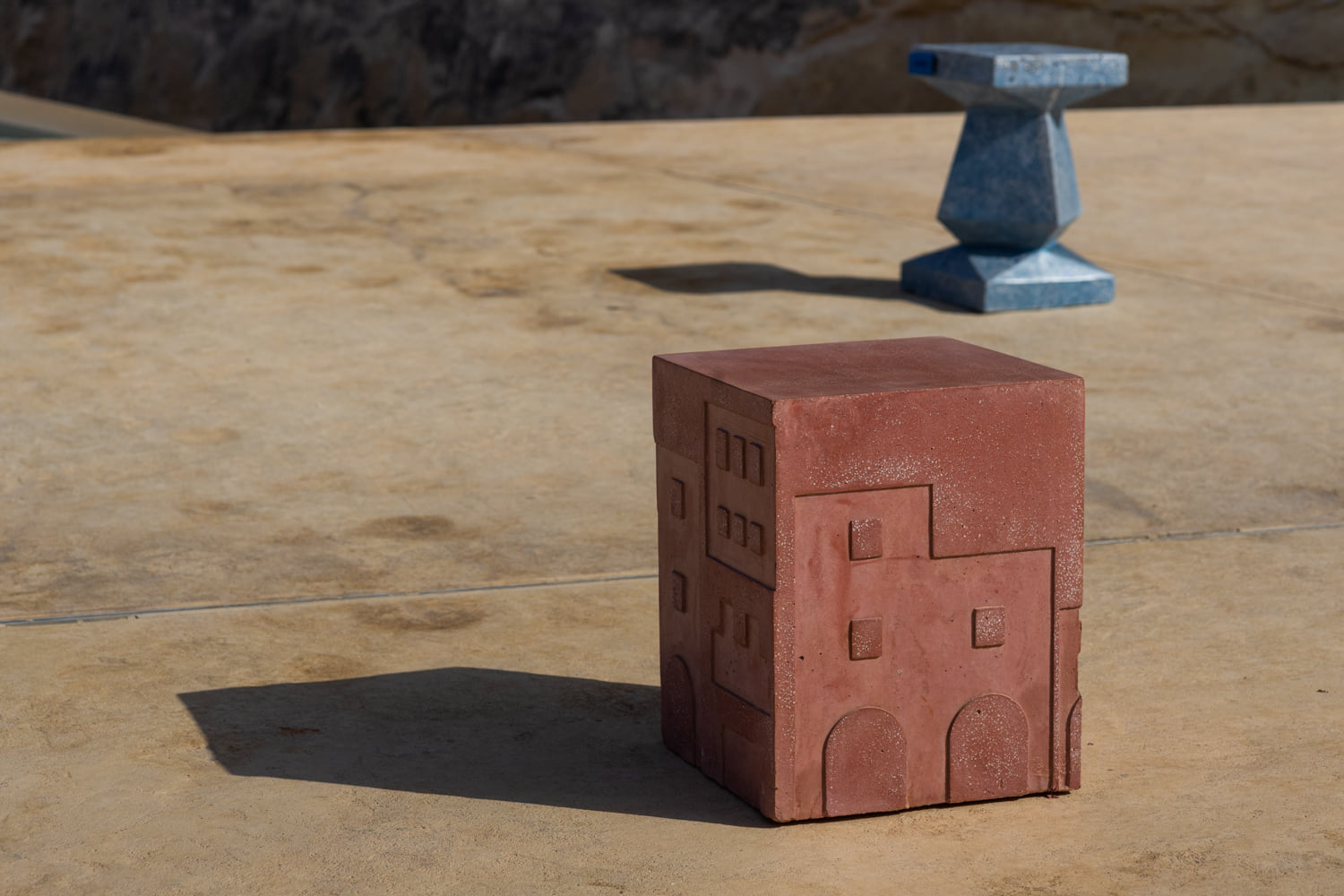
“As a narrative designer, I feel most driven when there is a story to tell, and I believe SORĠI really does say something about the construction industry and its impact. I’m very interested in using design as a way to engage and educate, and I’m proud of the end result as well as the scalable potential of this project, which will be going to Budapest next to develop functional and modular pieces for public spaces using local materials.”
For more information about the theatrical production Is-Siġġijiet at Spazju Kreattiv visit www.kreattivita.org
Main photo by Aleksander Gligic