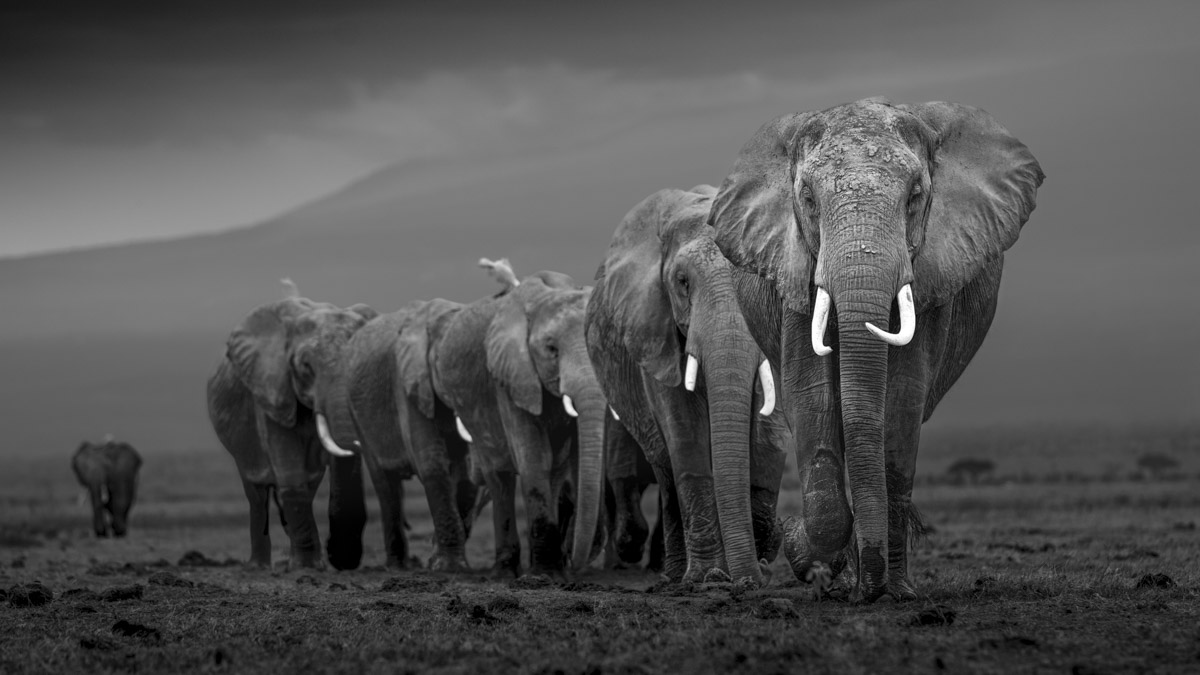
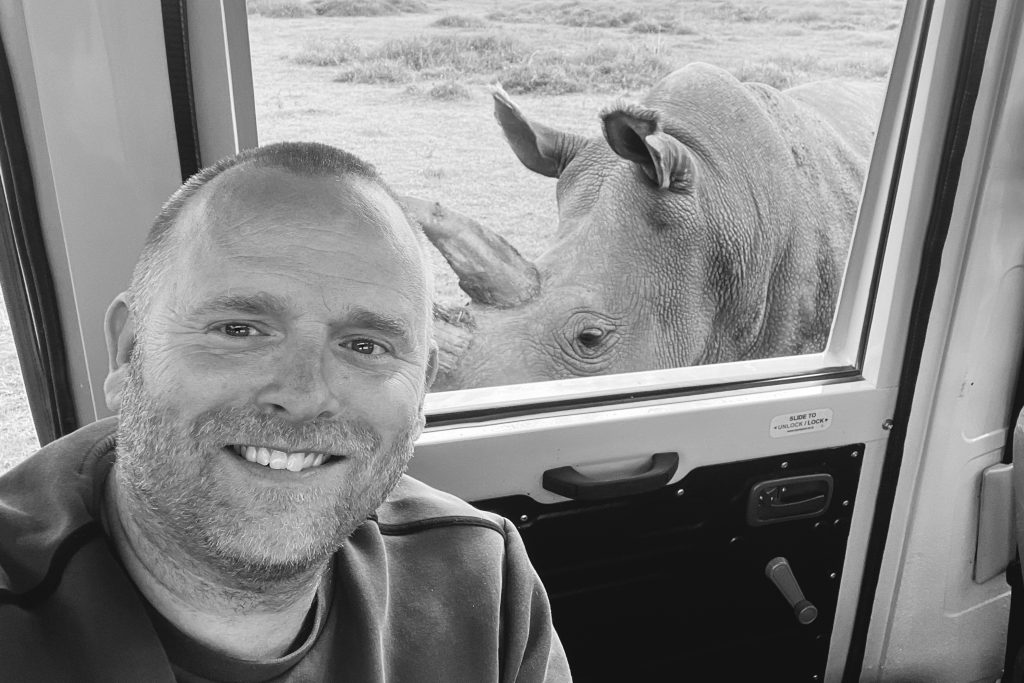
A photographic safari to Masai Mara National Park in Kenya in 2012 left a profound impact on Johan Siggesson – one that could be said changed the course of his life. Accompanied by the local safari guide and a professional photographer during the trip, Johan says “I came home with a new purpose in life. I remember telling my wife that this is what I want to do.”
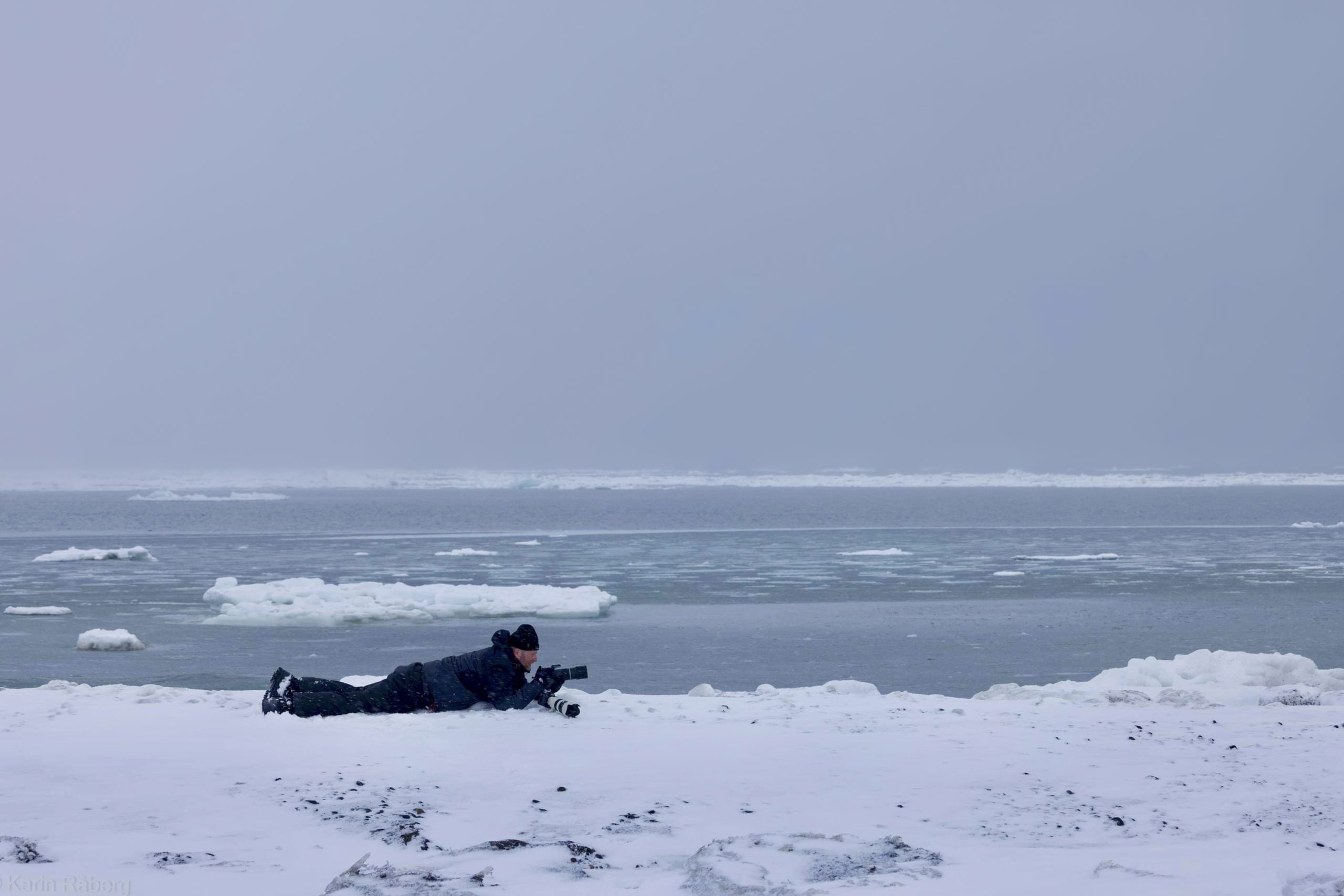
Until then, he had been living and working in Malta, having set up a graphic design studio with his wife years earlier. His transition into professional photography was a gradual one after that, but also the culmination of a life-long interest in both visual art and nature that was sparked during his younger years growing up in Sweden, with the forest as his playground.
The big shot
Fast forward a few decades and Johan fulfilled his childhood fascinations, turning them into a passion and profession with stunning results – albeit one which he admits is neither all fun nor as easy as one might think.
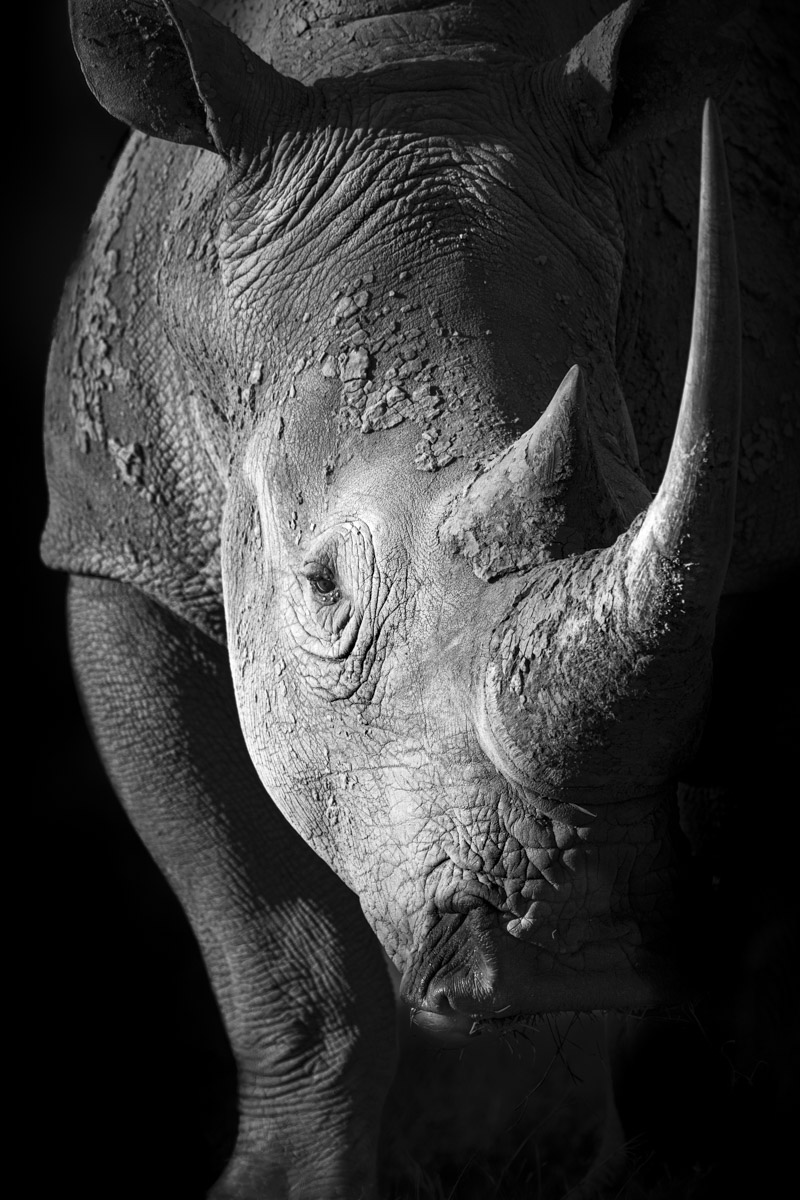
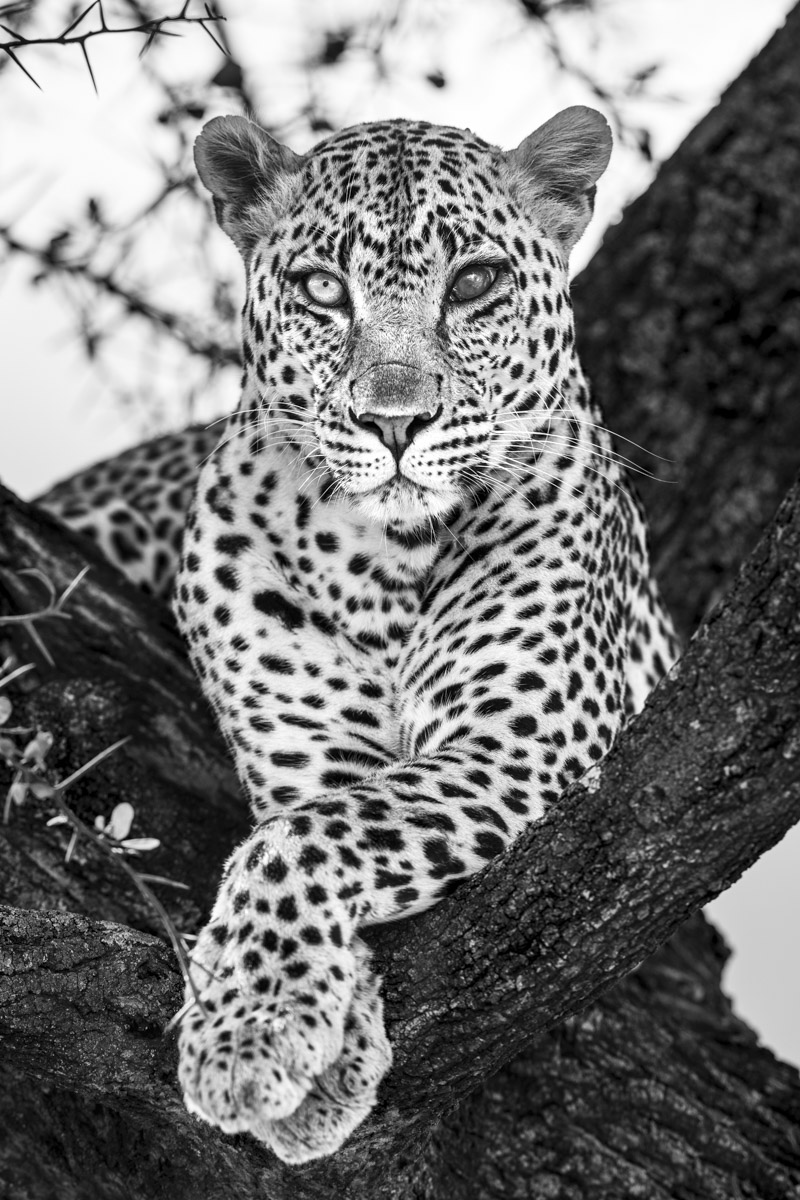
“During a safari, I often focus on the same species every day – drive the same route, see the same individual animal and I sit and wait for something to happen for hours on end. I love my work and doing what I do, but it is not all fun and joy. It is hard work with early mornings and late nights.”
Johan’s first decision ahead of an expedition is which animal to shoot, followed by thorough research to find the best location for the type of images he’s after as well as the best environment. “I have to balance those decisions with the fact that the best place might not be the most productive. What is the risk that I come home with nothing?”
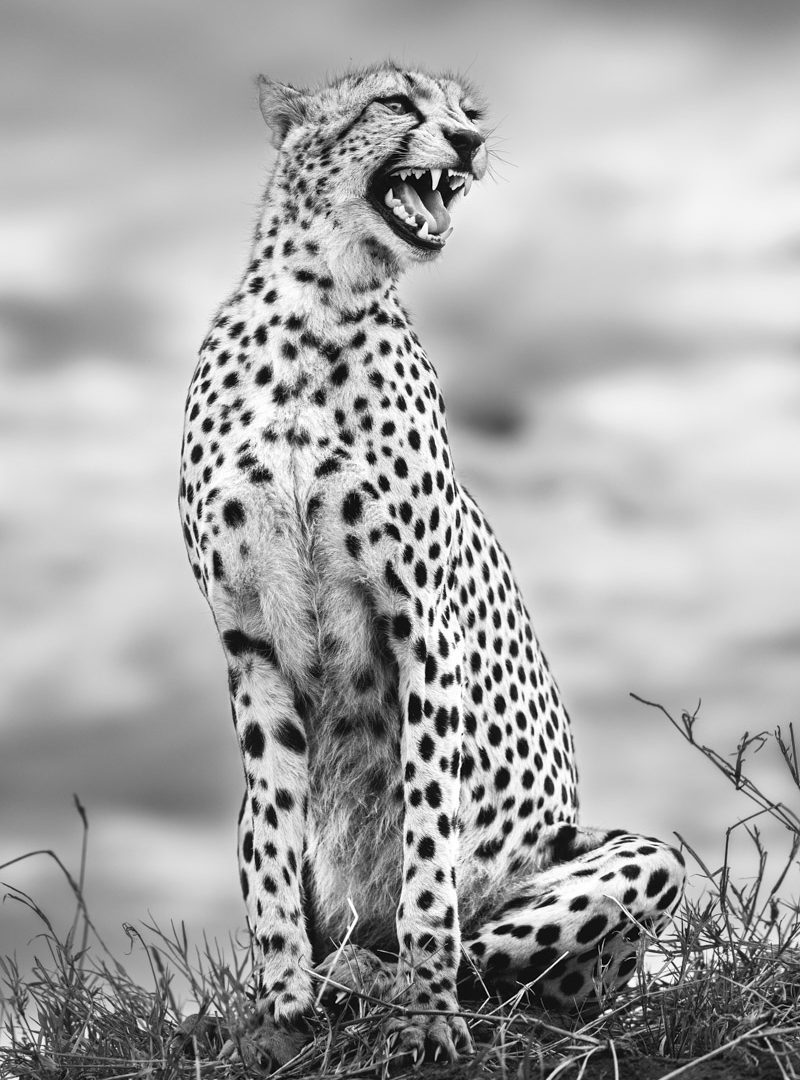
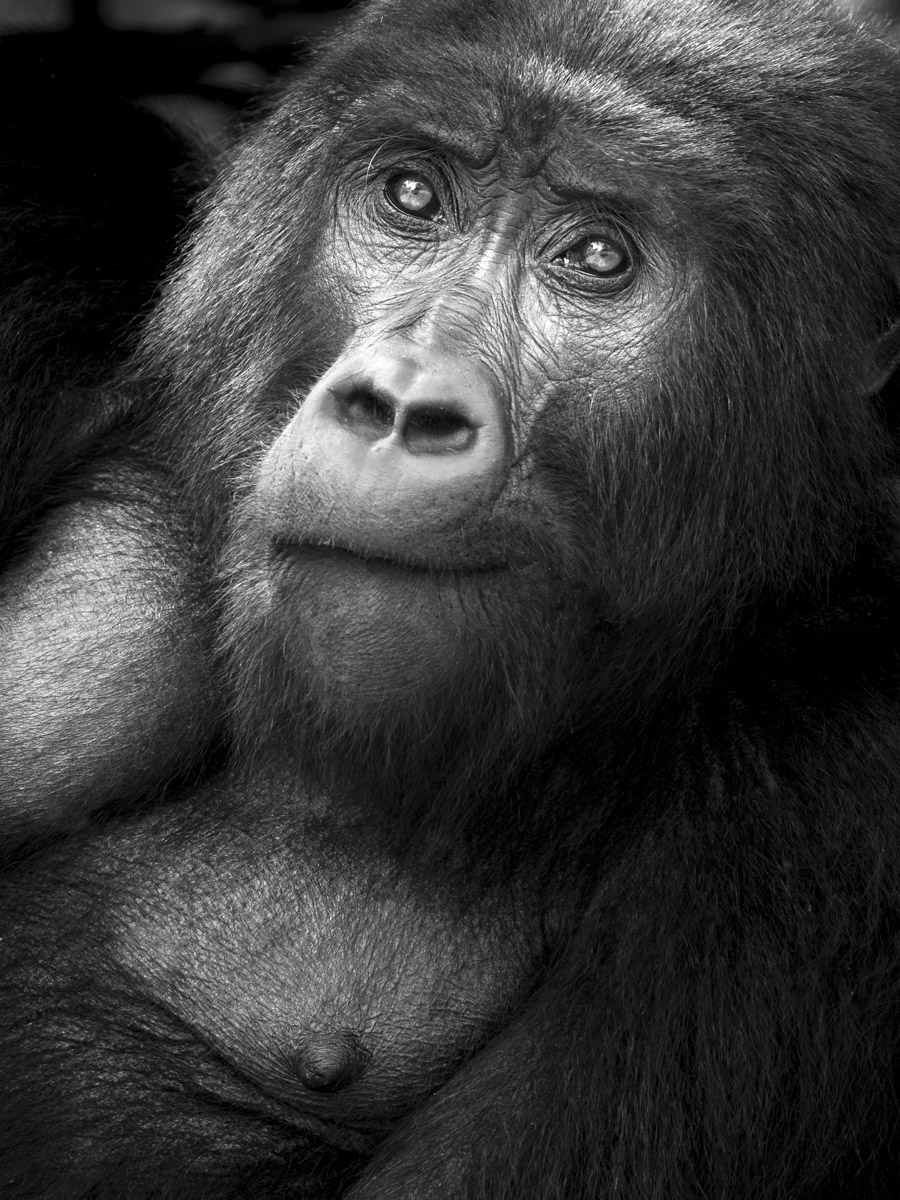
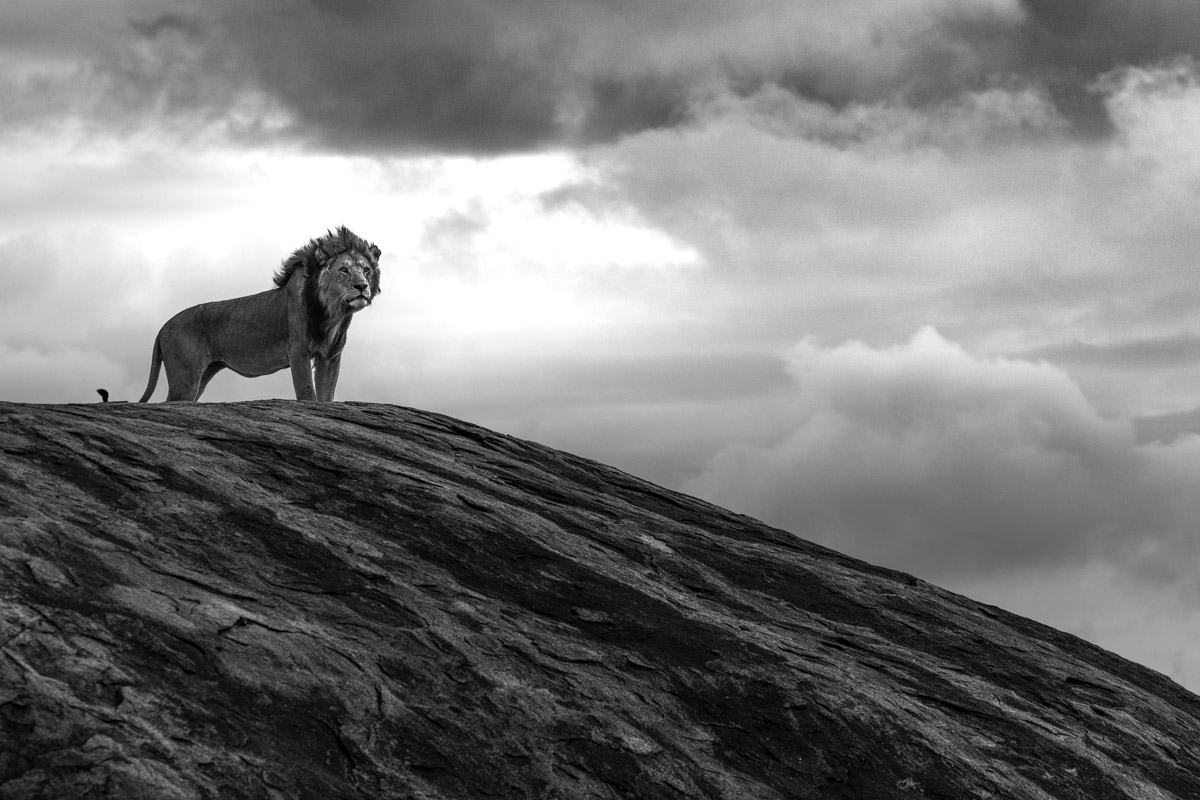
Following this, it’s deciding on the best time to go based on weather conditions, migratory patterns and accessibility to name a few, and then, “deciding on the best guide and vehicle for the location. The experience of the guide can break or make an expedition.”
With these decisions locked in, Johan prepares ahead for the kind of images he wants to achieve. “An example from my latest trip to Serengeti in Tanzania was a close-up image of a cheetah on top of a termite mound.”
“For days my driver and I drove around areas of termite mounds hoping to find a cheetah making their way to the top, in the right light, in the right position and comfortable enough with my presence to let me slowly work myself closer and closer until I am only a few meters away with our vehicle.”
“It is rare that all these factors coincide,” says Johan. “I used to say that if I come home with one or two very strong images that will stand the test of time, it is a very successful expedition.”
Photography as art
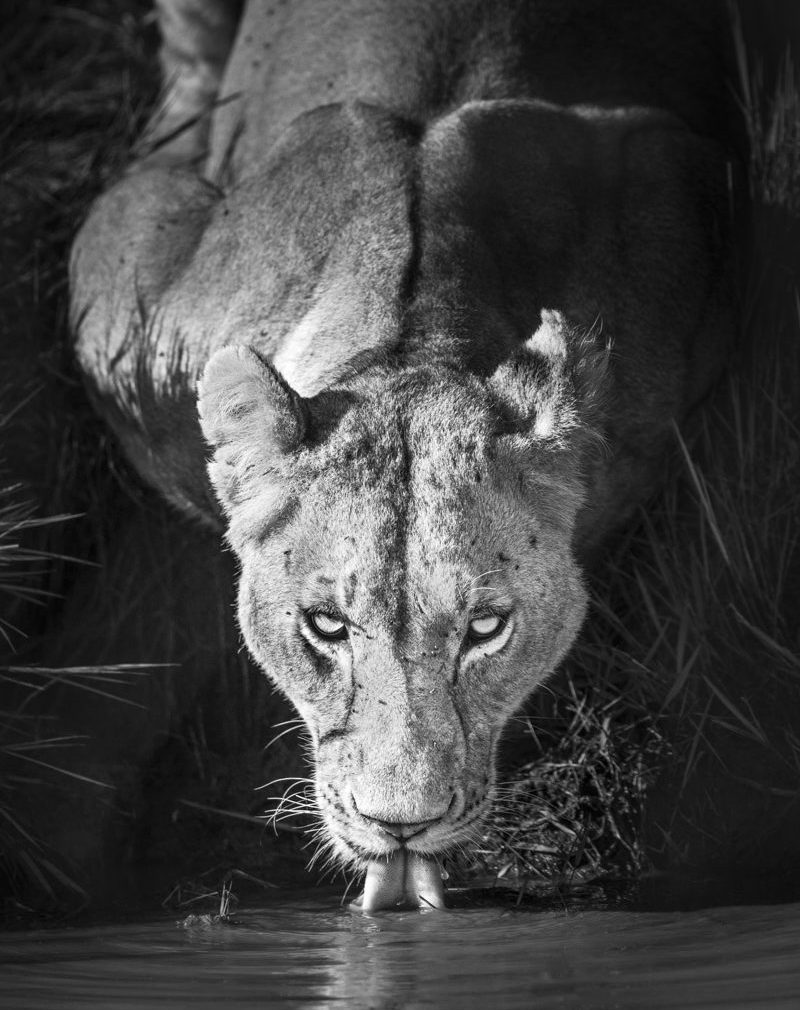
Through his photos, Johan’s intention is to draw the viewer into the scene, evoking an emotional response, rather than documenting rare animals and their behaviours, which are often high on the most-wanted lists of wildlife photographers. “In my opinion, those elements don’t necessarily create good wall art.”
“In my world, a good image is the one that you remember, and to make someone remember an image you need to evoke emotion. This isn’t so easy to achieve with photos of animals – so the challenge for me is to produce an image with subtle clues in posture, facial expressions, surroundings and so on that communicate something we can relate to.”

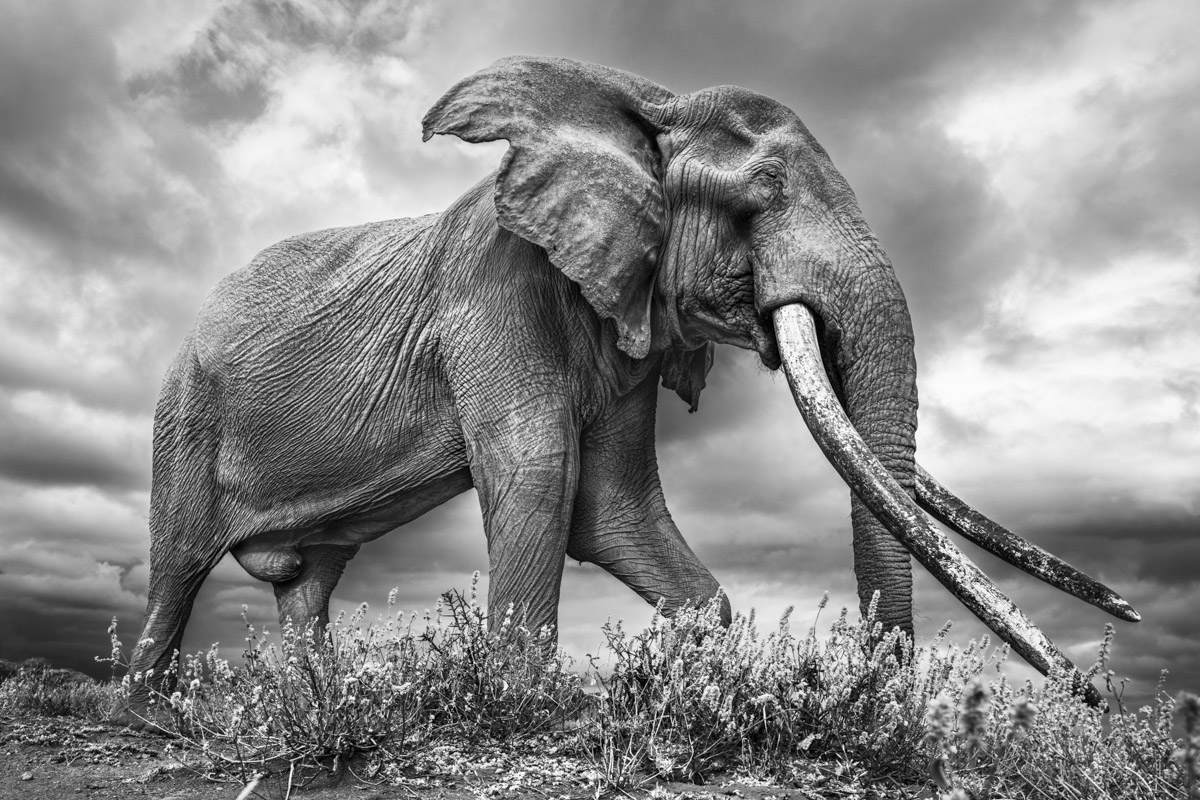
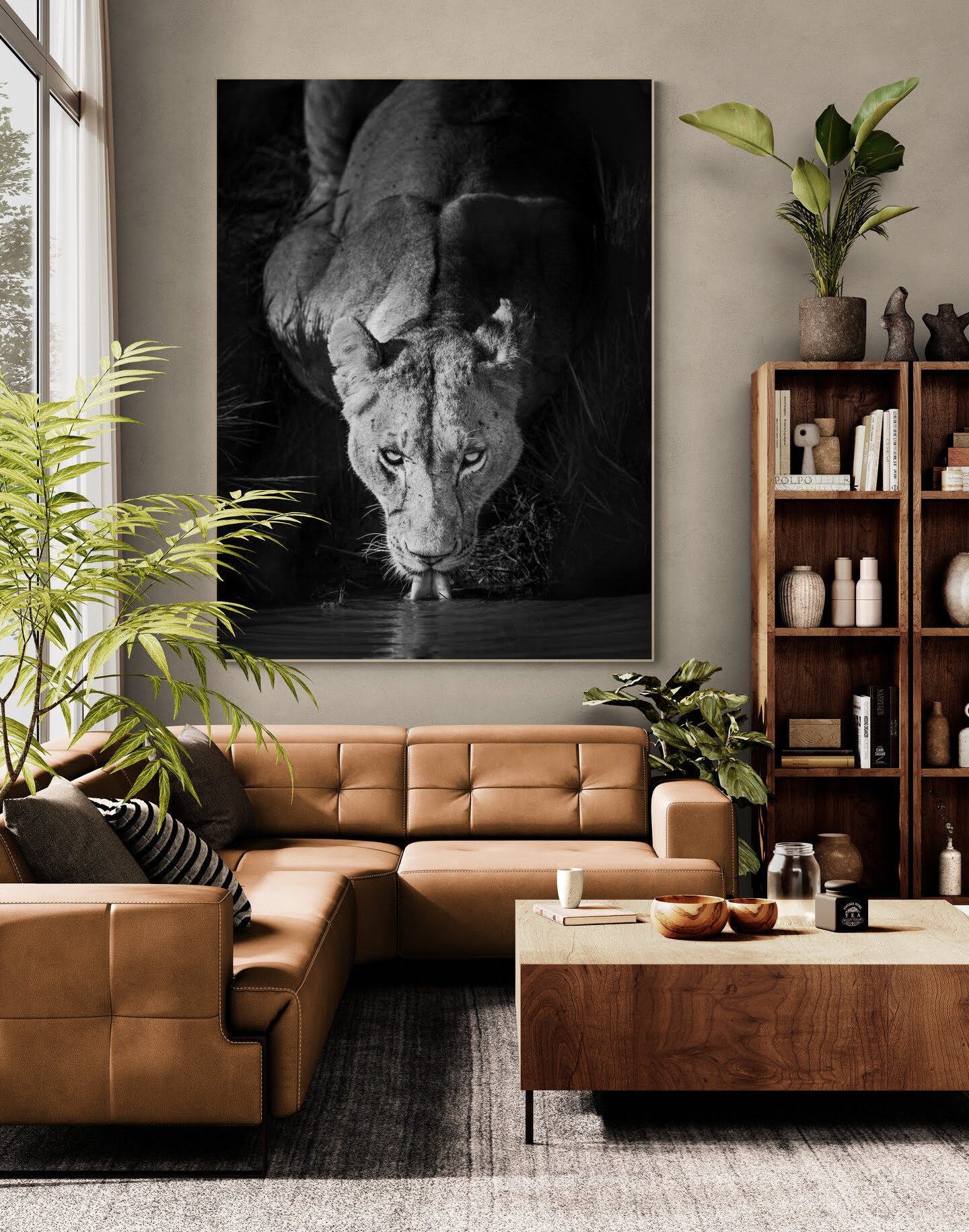
Relating and reacting to an image is at the heart of the decision-making process for investing in art for the home. “A powerful photograph should move you in some way. If it doesn’t, it risks adding to the visual noise we’re surrounded by every day. Will you remember it a month or two after the first time you viewed it? If an image stays with you, it’s because it stirred something inside you. There’s your answer!”
When looking at a piece as a long-term investment, however, it’s also important to consider the artist’s body of work and how their career and recognition are developing. “These factors play a big role in the potential future value of the piece,” says Johan. “Always make sure the piece comes as a limited edition to protect its long-term value and includes a Certificate of Authenticity to prove its origin and legitimacy.”
An iconic collection
One year after hosting his first photographic exhibition of iconic African animals, Johan has recently launched Icons II, an exhibition on display at Skyparks business Centre in Luqa until 30th June, which “celebrates the beauty and strength of Africa’s most iconic animals. Each carefully selected print is meant to showcase these animals as the fantastic creatures they truly are.”
He also hopes to spark an interest in wildlife conservation through his work – a much-needed call to action to ignite conversations about declining wildlife populations.
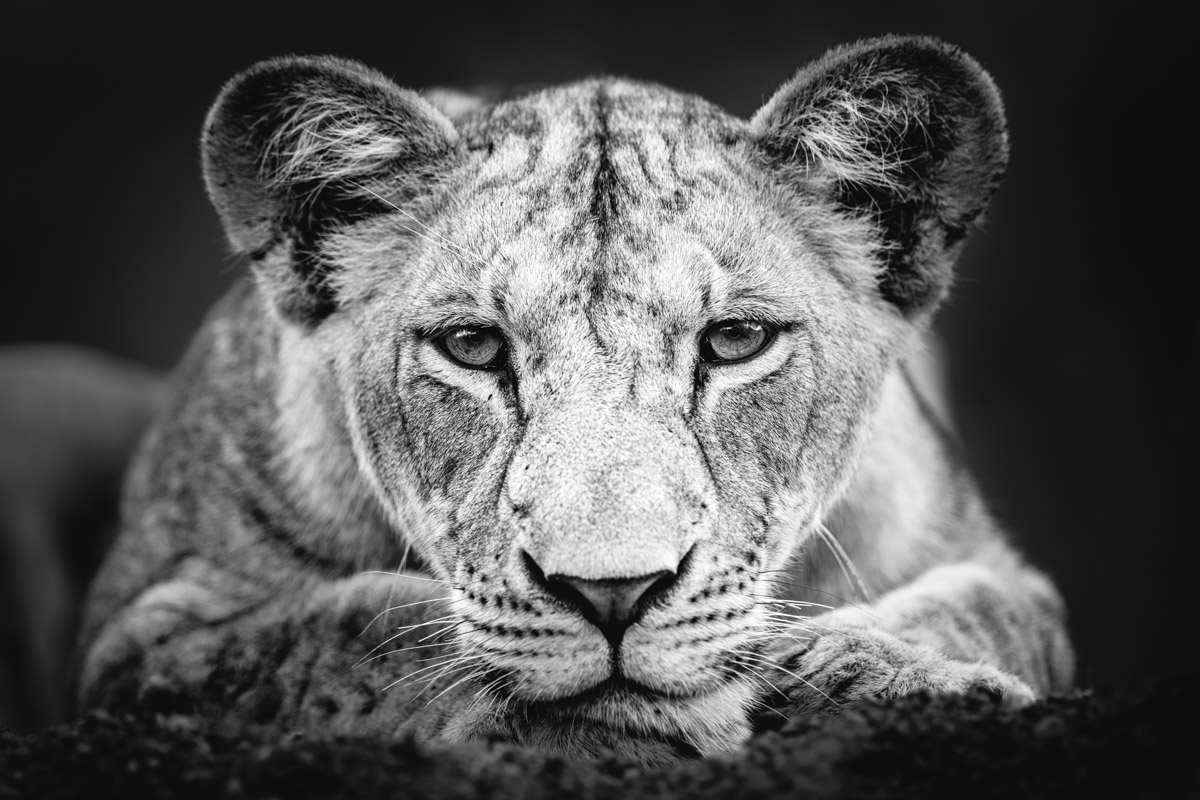
Throughout the rest of this year, Johan plans to travel to the south of France to photograph the semi-wild horses of Camargue, and to India to work with another iconic animal – the tiger. “It will be my first time both visiting India and photographing tigers, so I’m truly looking forward to the experience.”
Photography: Johan Siggesson
If you enjoyed this article, you might also be interested in: British photographer’s work depicting Malta’s architecture in the 1960s published in a new book