The thought of home renovations conjures mixed feelings of the most extreme kind – sheer excitement at the prospect of upgrades within the home, and utter dread at the thought of the dirt, dust and disruption works cause when you’re still living there. In the end, however, the effort tends to be worthwhile.
Fresh from completing the renovation of two bathrooms within a luxury Tigne apartment in Sliema, interior designer Justine Bartolo, founder of Lilie Helena Design House who is currently expanding her local practice to London, shares insight into the process of re-designing a bathroom – including getting a clear understanding of the brief and narrowing down your preferred style.

The project
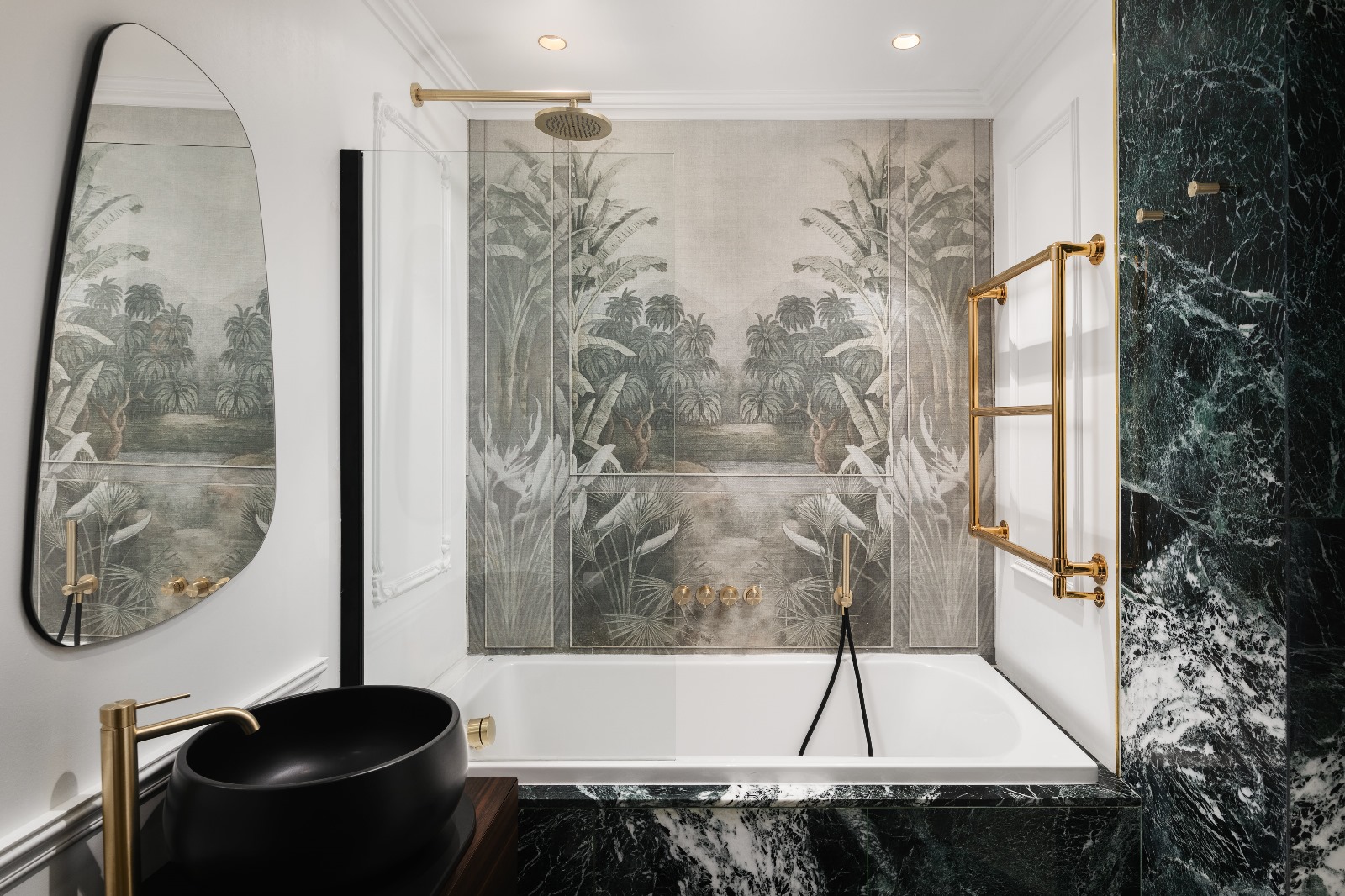
As the lead designer for the concurrent renovation of an en suite and main bathroom within the apartment of a young family, Justine’s vision was to create spaces that exude elegance and luxury while maintaining a cohesive design theme throughout.
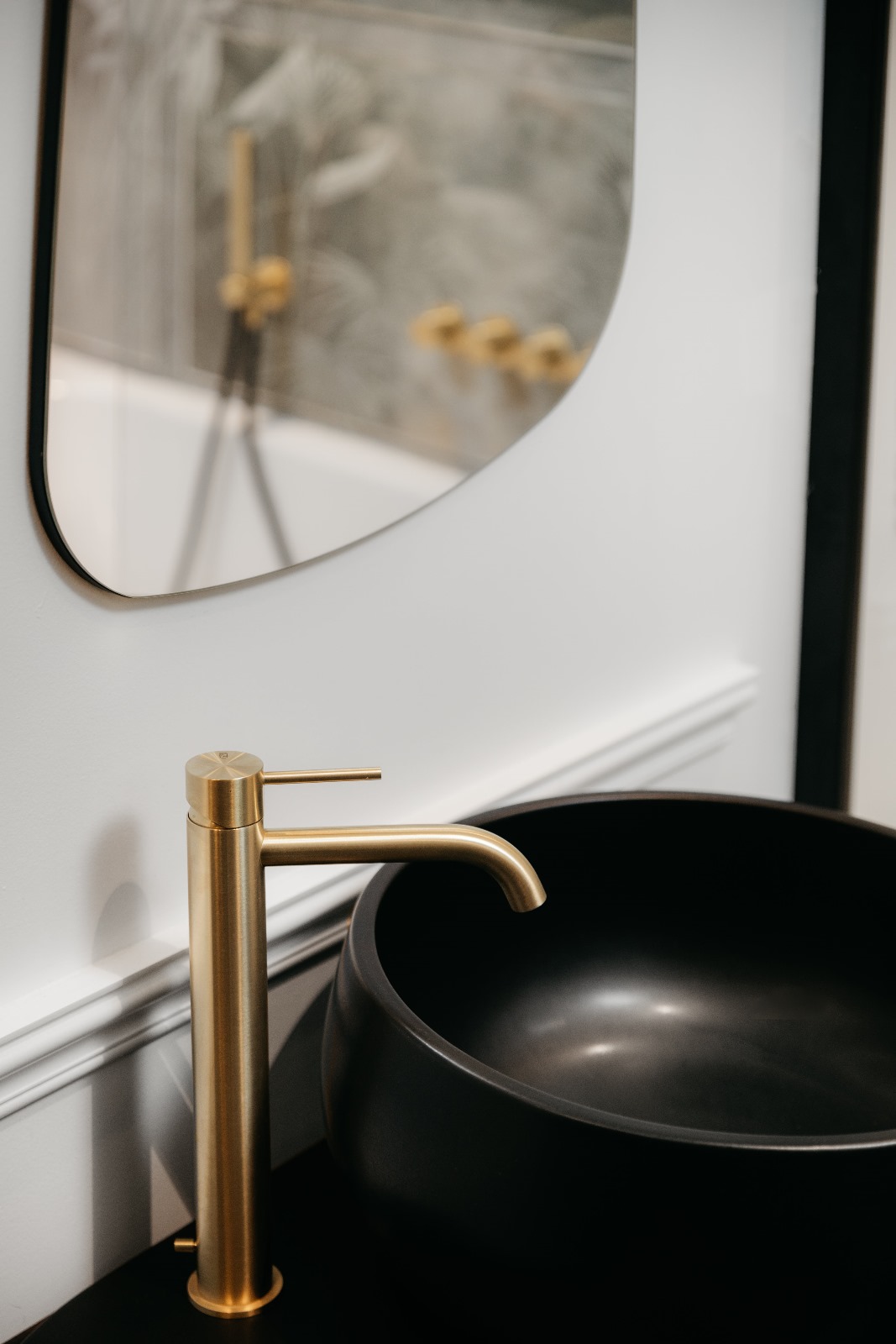
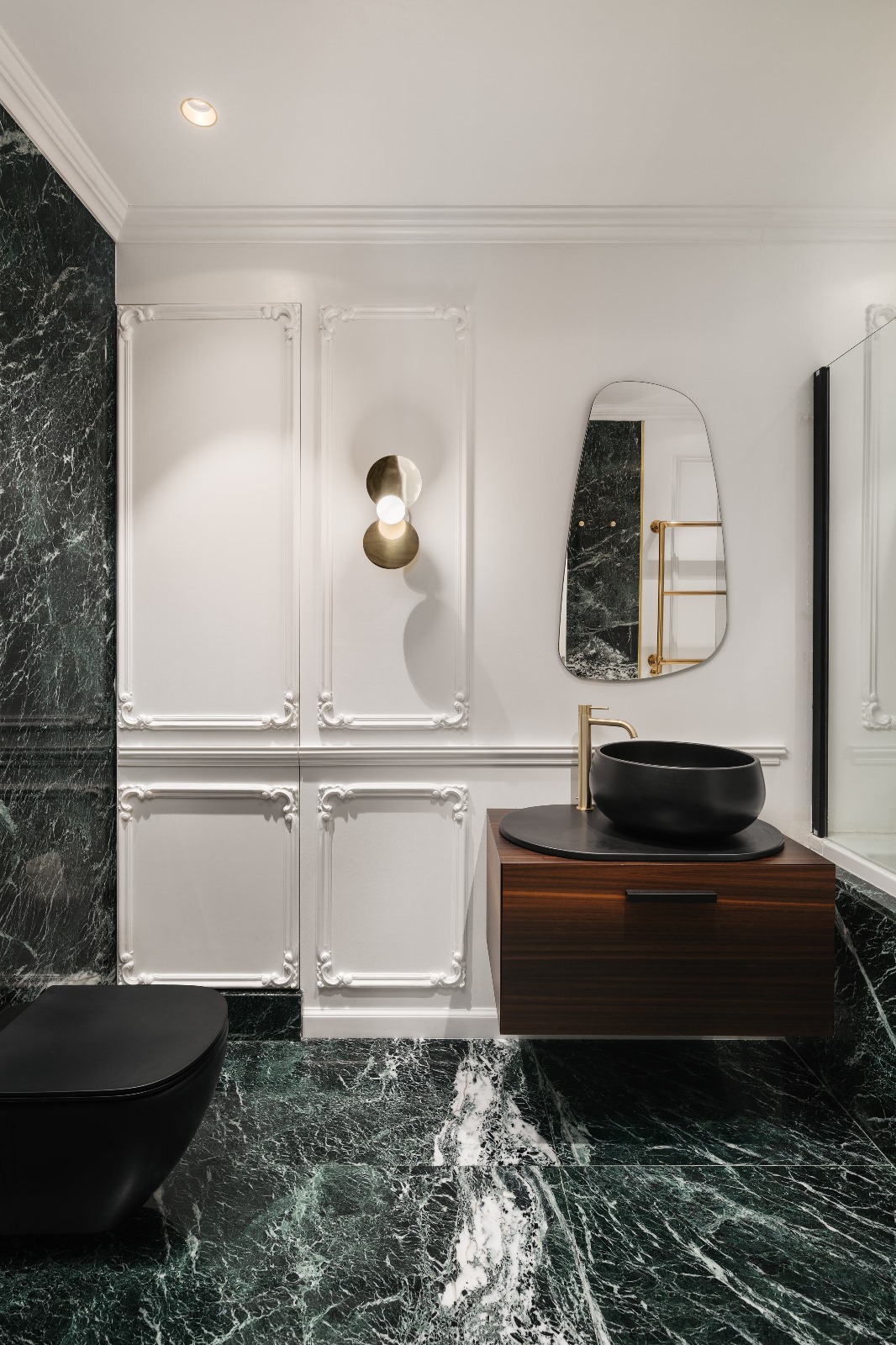
The main bathroom “is all about drama! Our client was after a classic style, oozing luxury, and looking straight out of a magazine,” says Justine, who opted for a Verde Alpi dark green Italian marble for the floor and walls complemented with moulding and Parisian-style cornices, brass fittings to contrast the marble, and a London Art wallcovering, available from Josies Bathroom, installed behind the bath.
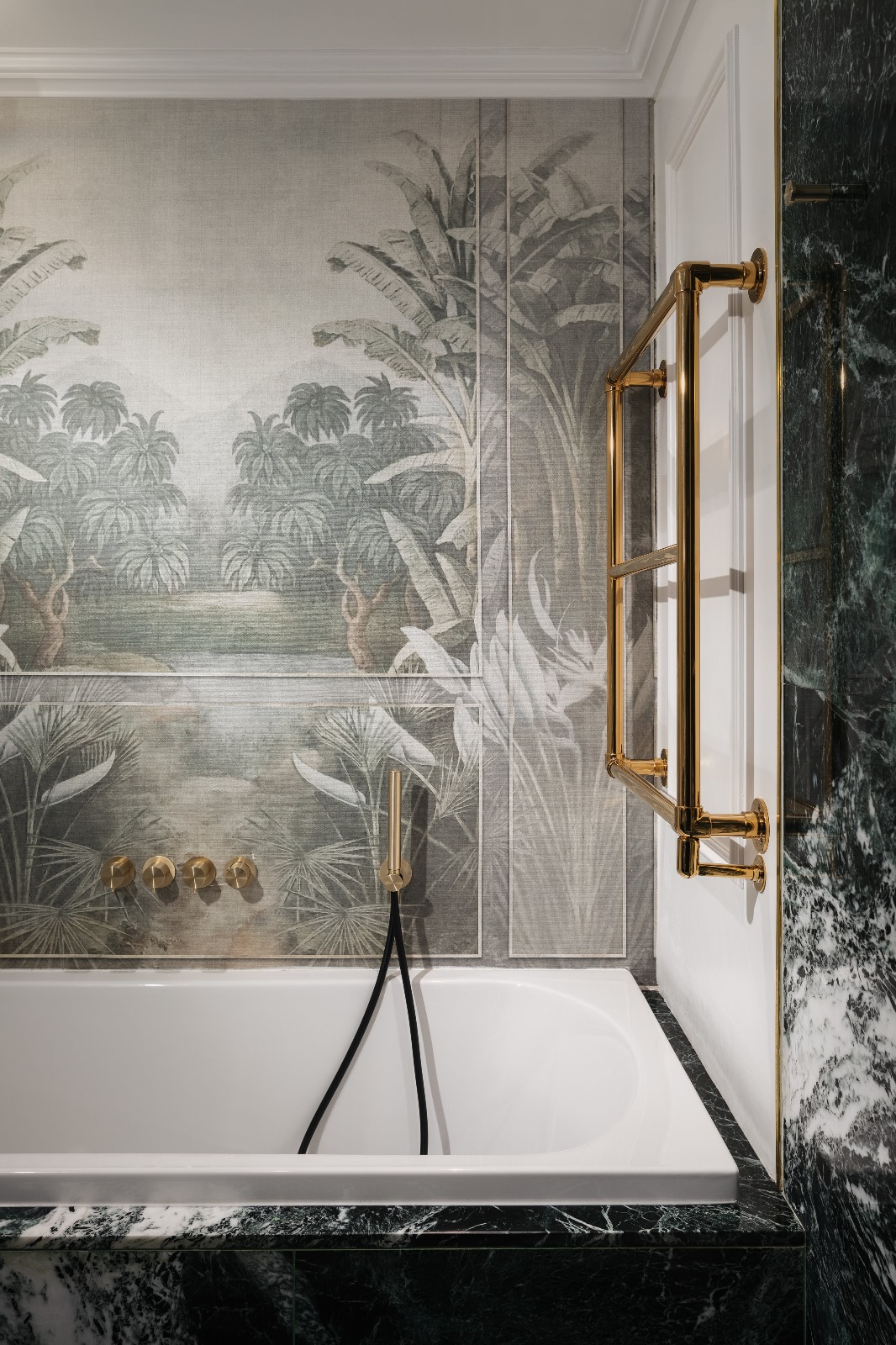
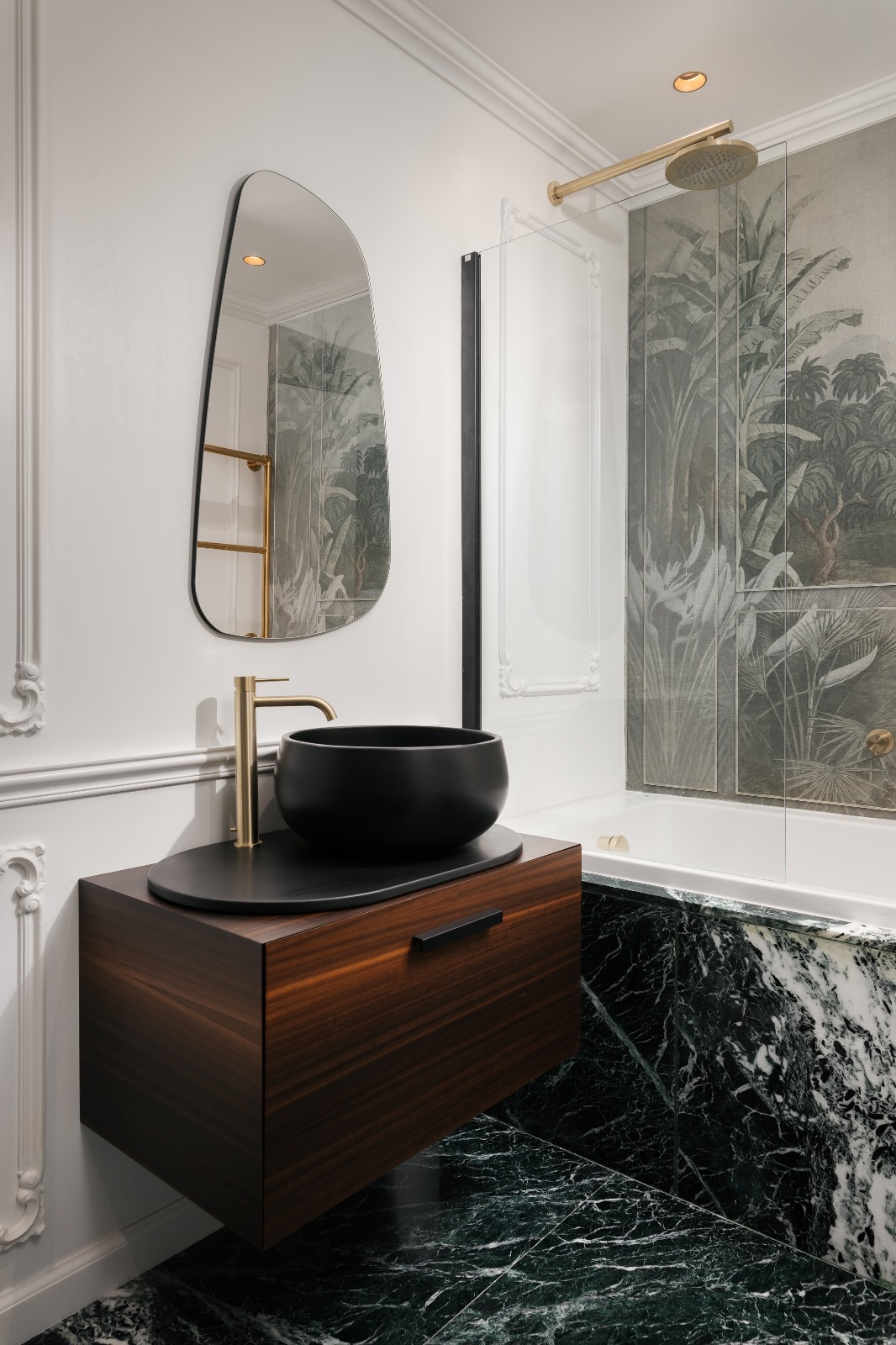
The mural, made from tiny glass particles, is an equally practical and aesthetically striking choice that became the designer’s favourite part of this room – “it gives the feeling of stepping into a green forest fairytale.”
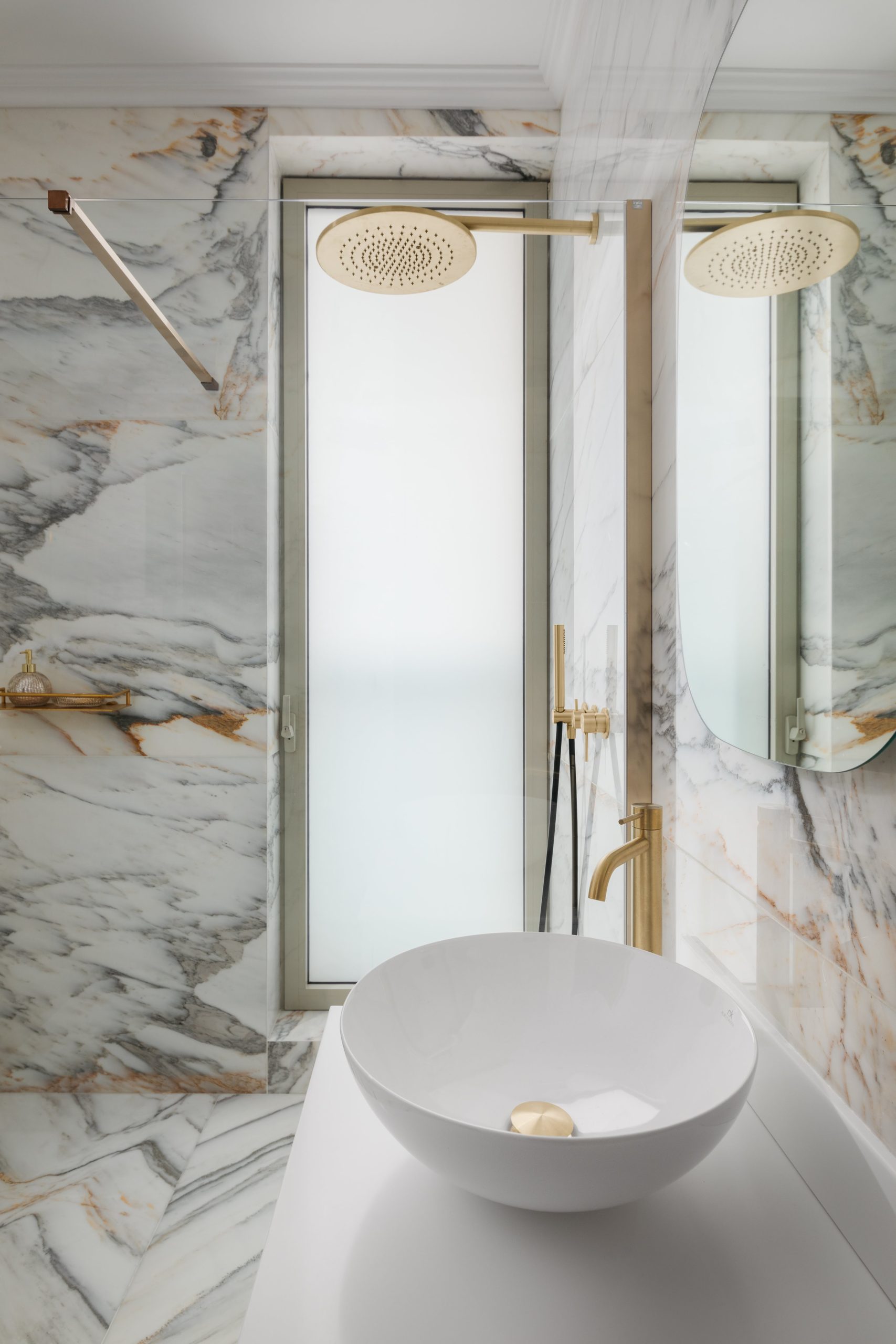
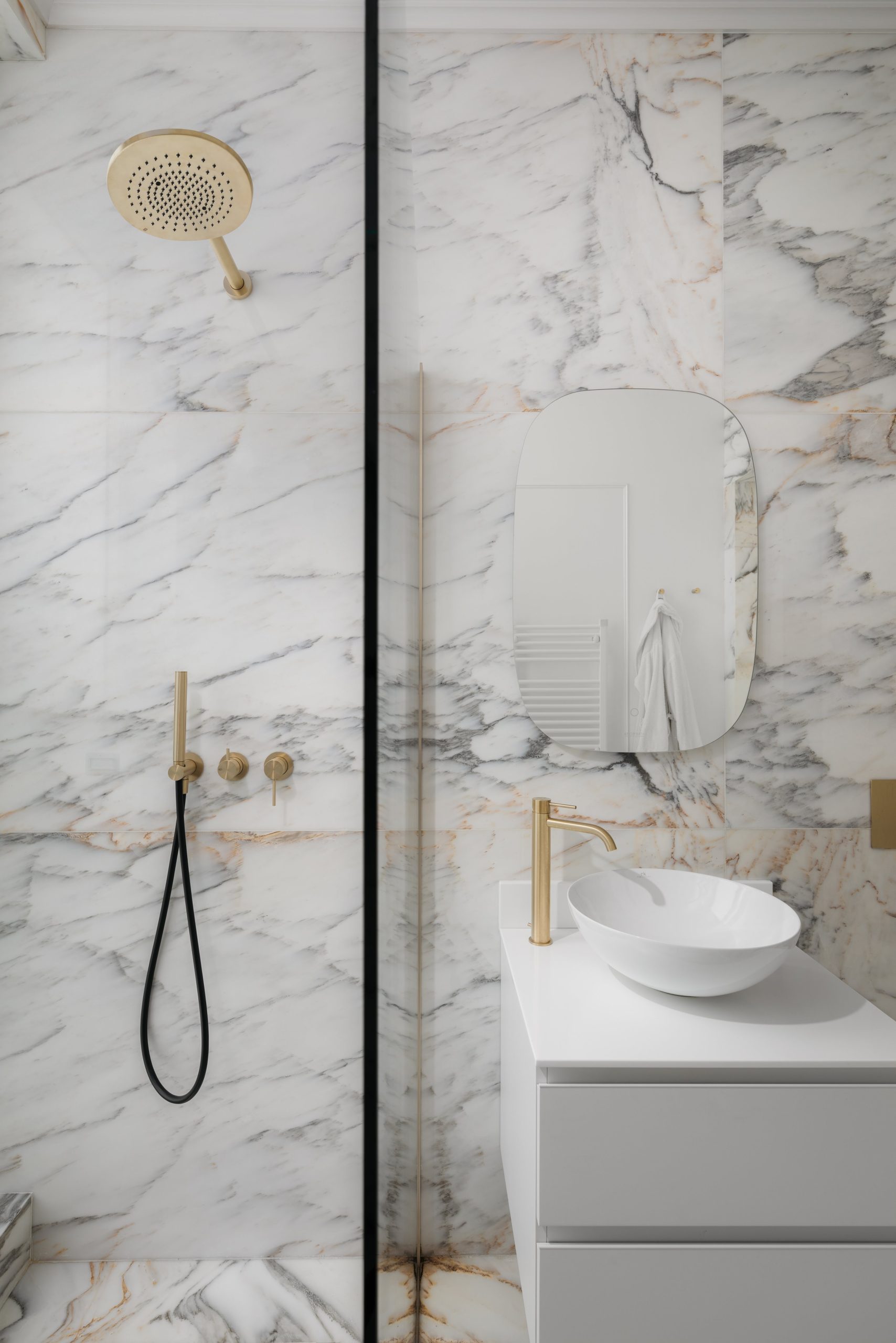
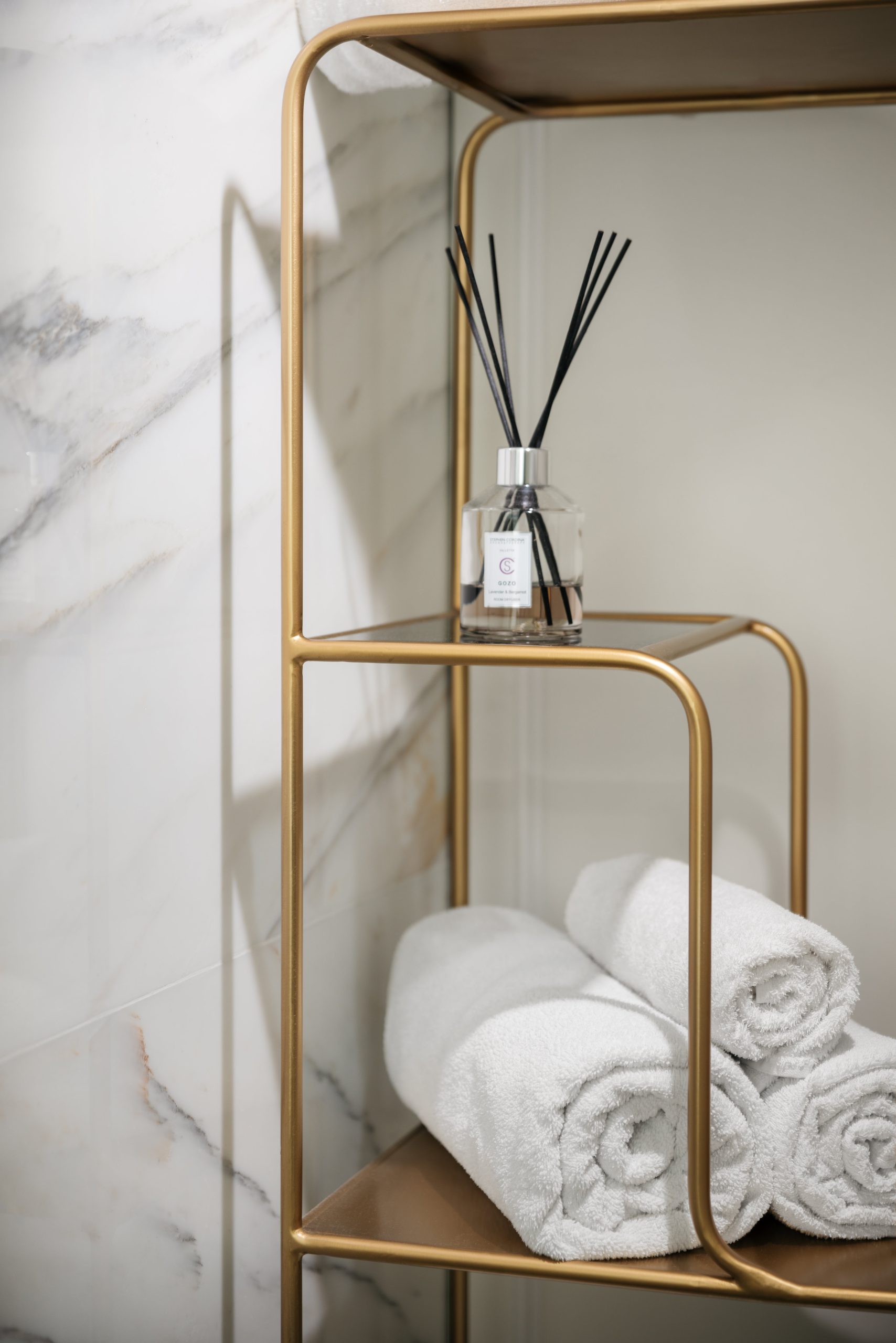
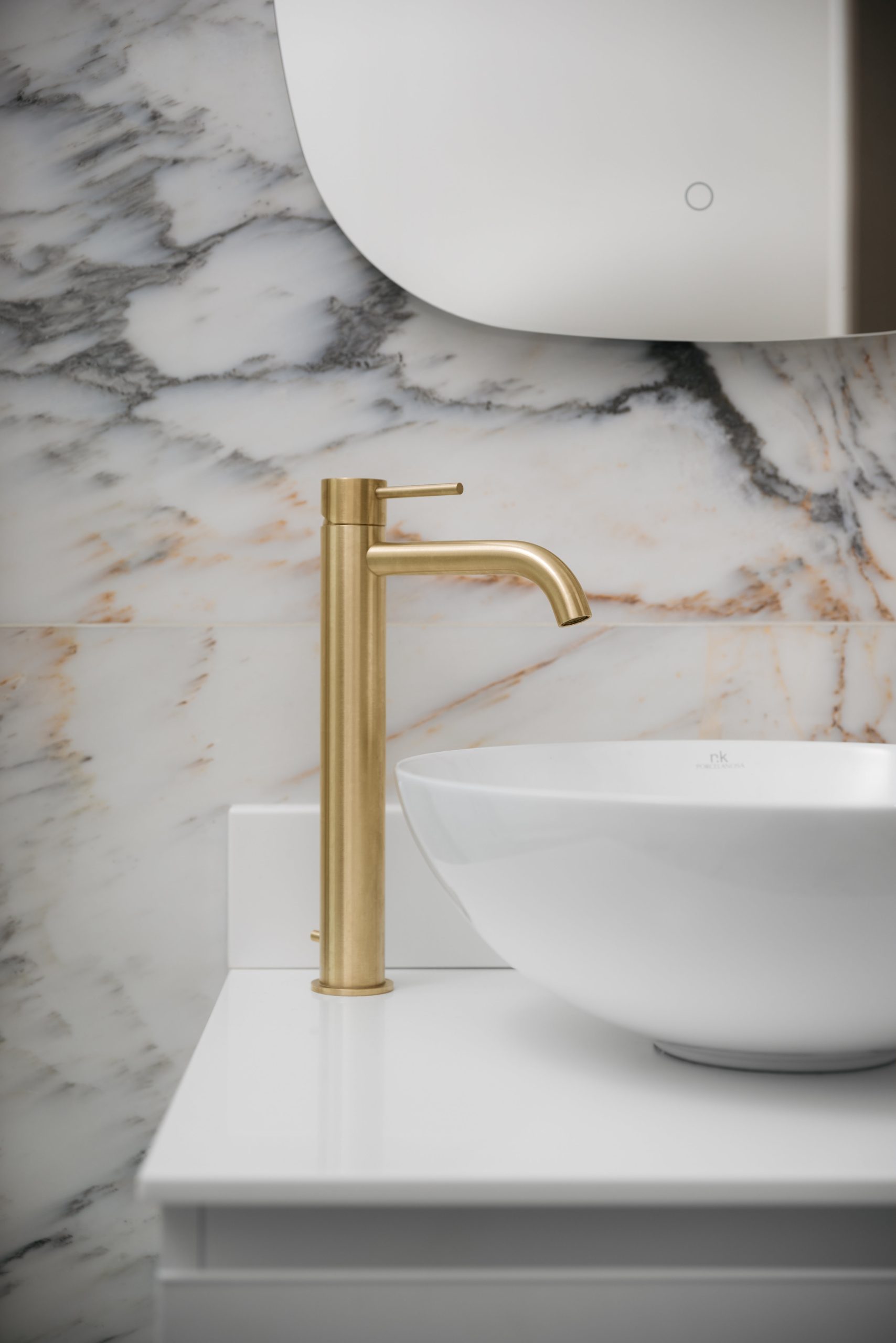
For the en suite, Justine took a softer approach, opting for Calacatta Oro marble with its elegant gold veining, along with brass fittings and decorative coving, complemented by gold-trimmed recessed lights that contribute to an overall stylish and tranquil ambience.
The brief
As with any project, Justine stresses that the starting point for the design “is always, always, getting a clear understanding of what the client is after. Without that, everything would be futile. For the main bathroom, the brief I received was classic, luxurious and dramatic. It’s not everyday that a residential client asks for ‘dramatic’! And honestly, what designer doesn’t love a bit of drama? Immediately I understood this can’t be designed with your run of the mill marble, we need something unique and beautiful.”

For the ensuite, the design of the master bedroom needed to be taken into consideration to ensure a flow that migrates from room to room. “I always start with a layout and once that has been confirmed, I move on to mood boards – they’re an excellent way of demonstrating the design concept to the client, they reflect every material and finish used, and the client can immediately see if it fits their own ideas.
The challenges
Designing a bathroom comes with its own unique set of challenges that differ to other spaces inside the home. “For one, we are working in a tight space as bathrooms tend to be the smallest sized rooms in our homes. Also, gutting out bathrooms is a big and dusty job, getting all the old tiles through someone’s home is no easy feat, especially when they’re living there and have young children.”
Additionally, she stresses that “your contractors read the plumbing specifications of your fittings properly, as if the plumbing is done wrongly, it can be an incredibly expensive mistake to fix!”
Choosing a style
Without a specific design in mind, choosing an aesthetic for your bathroom can be mind-boggling with the range of choice available for every element of a bathroom’s set-up, from tiles to vanities and fixtures. “Finding the right balance between aesthetics and function is a good place to start,” Justine advises. “Social media has unfortunately warped expectations, as what we see online is a lot of the time AI-generated or rendered, and not always a design that can be functional in your space.”
“I would say the first step is finding the aesthetic that is right for you. Going through different inspirational images would help, and eventually you’ll notice recurring patterns – maybe you’re drawn to a green or blue finish, or a certain type of marble or wood. Once you’ve curated your collection, go back and analyse it – this is how we can figure out what it is that our heart seems to be after!”
Once this hurdle has been overcome, the interior designer suggests checking and re-checking that it all makes sense in your space. “Don’t go for a double shower when you don’t have the space, or create dividers when the room is already badly lit. If you keep both form and function in mind, you’re likely to make better choices.”
Interior photography: Ramon Portelli / Portrait: Ruccya
If you enjoyed this article, you might also be interested in: These rich marble-clad bathrooms embrace striking vein patterns