The studio of modern artist Frank Portelli, which was recently redesigned into a living space for his granddaughter Tamara Fenech, will be used to host an interdisciplinary performance presented by the Frank Portelli Archives, called ‘Frank u Jien’.
The performance offers a glimpse into the mind of the pioneering modern artist and co-founder of the Malta Modern Art Circle, focusing on the pinnacle of his career during the 1950s.
During this time, he returned to Malta after a study period in London, started a family, and painted a work considered pivotal to his career – ‘La Vie’, completed in 1951, which depicts the death of his father.
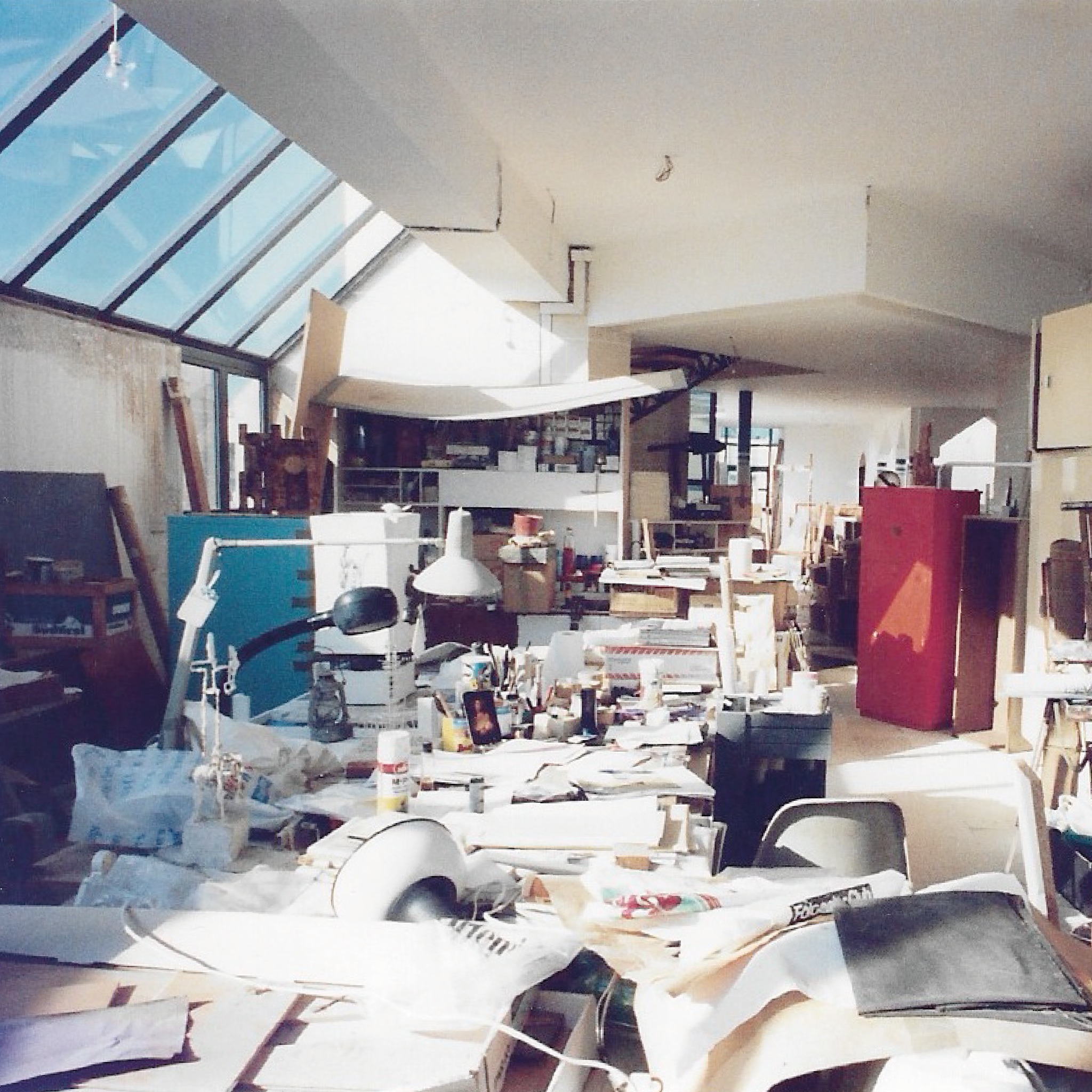
The studio, located within his home in Attard, is somewhat of a landmark in the area, distinguished by a reflective skylight that stands out from the street. Named La Serenissima, the building is described by the archiving team as “his ultimate artefact”.


“Portelli’s studio occupied half of the upstairs of the house, designed with a skylight along the sunrise and sunset axis of the building, giving him a constant flood of daylight. He spent countless hours there, knowingly or unknowingly kickstarting the archiving process for whoever would encounter his archive eventually.”


The decision to open up his studio to the public was a conflicted one, as the artist is described as a very private man by his granddaughter. However, “when someone leaves an archive like this behind, recorded in such a meticulous way, he had intentions for something to happen with it,” said Tamara in an interview with Times of Malta.
The archive included a treasure trove of discoveries besides his artworks, including diaries, photographs, film, and sketches. A selection of these were chosen as the basis for the script of the upcoming performance, and which will be used on stage as a window into Portelli’s life and work.

The sold-out performance, written by Maria Theuma, is taking place on 18th February, followed by a lecture on 20th February led by art historians Francesca Balzan and Isabelle Elisabeth Borg, and curator Andrew Borg Wirth.
Main photo: Frank Portelli Archives