The home has become more multi-faceted than ever before in this post-pandemic era, influencing design decisions in a way that makes them more strongly connected with emotions, rather than aesthetics or trends.
Which is where and why this current interior movement has taken root, with a name that quite clearly implies its intention. Labelled dopamine décor, it is about using interior techniques to create spaces that bring joy, that focus on the feeling. Design Dispatch digs in.
Perception

What’s seen as beautiful is entirely subjective. Tapping into a personal perception of beauty could transform the way in which home decorating is approached, and as a result impact our mental and emotional states from the moment you set foot inside your home.
Self-expression
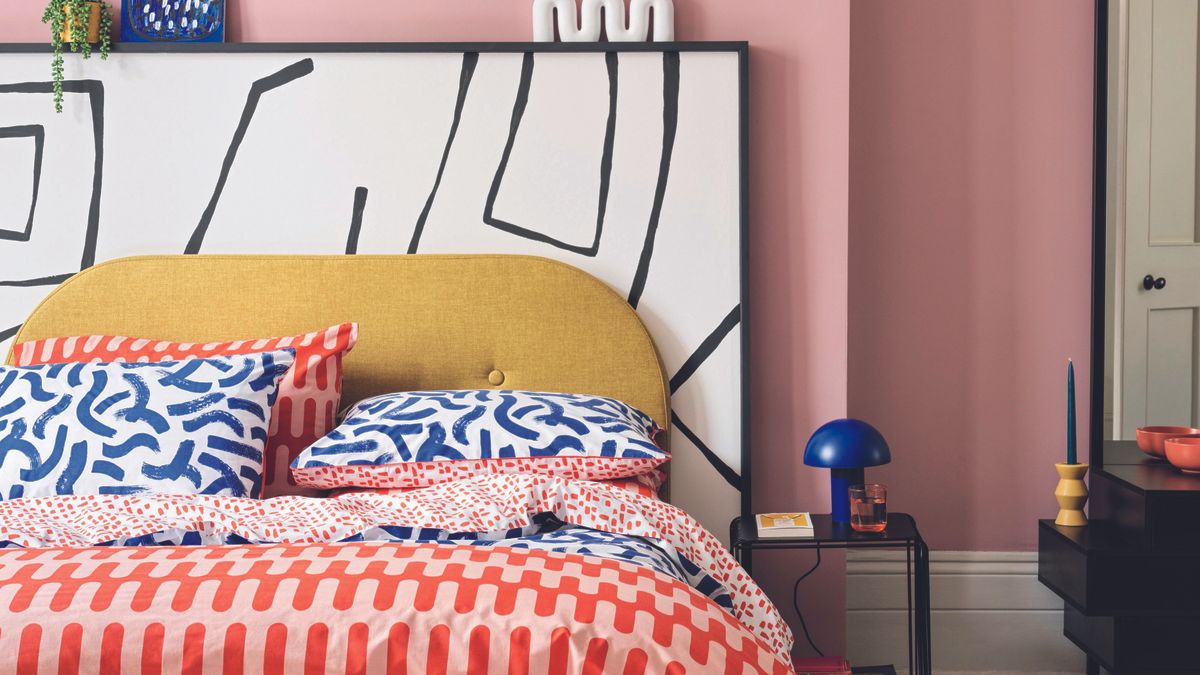
This trend endorses creativity when decorating, which could mean side-stepping design ‘rules’ and filling a space with personal touches, even if they’re over the top or were popular 10 years ago. If they infuse the home with a sense of happiness, they’re worth exploring.
Personalisation
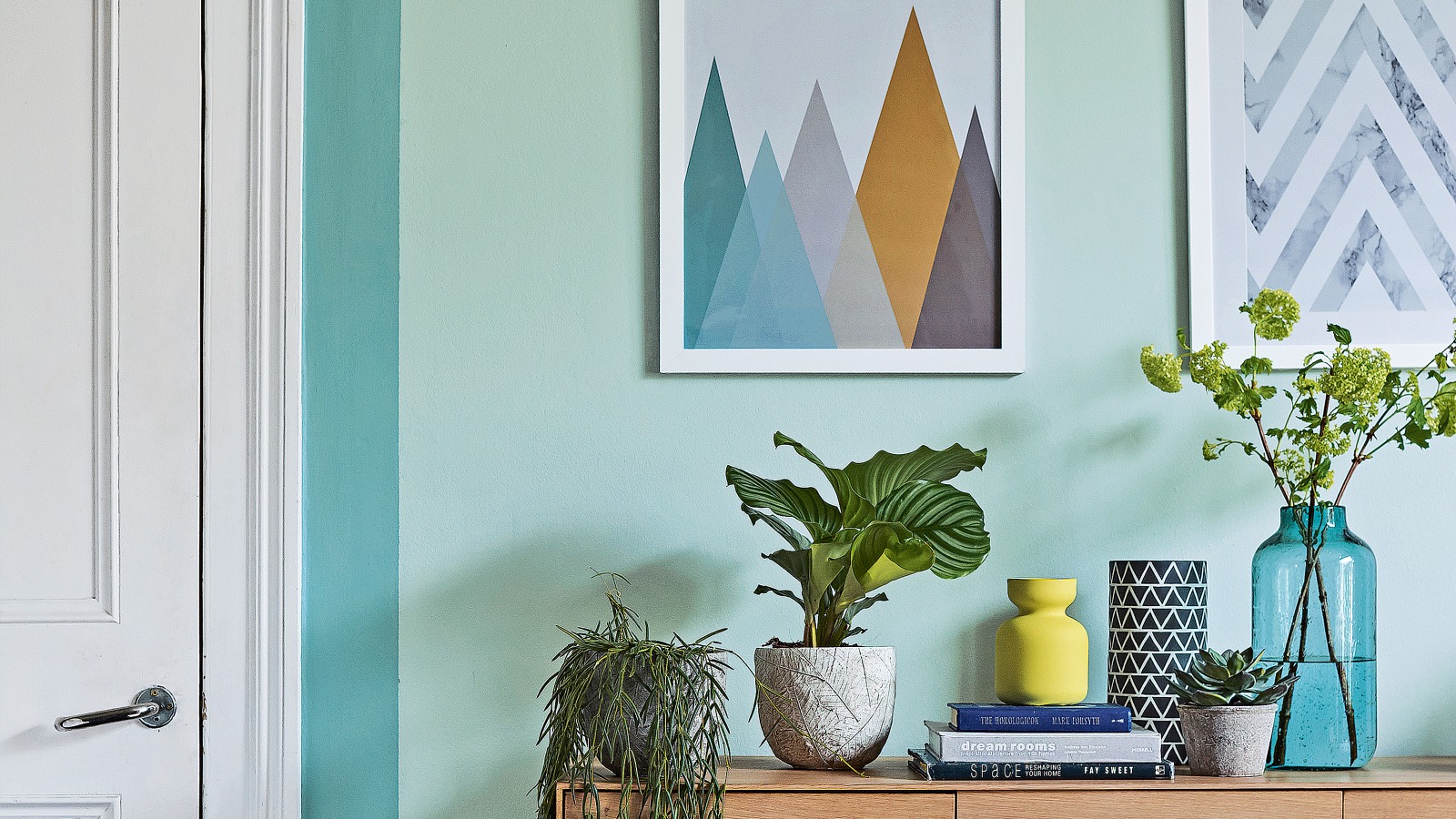
While dopamine décor is the antithesis of plain, it doesn’t mean taking bold choices for the sake of it. It can start with a piece of coloured furniture here or a brightly-painted wall there, before committing to bigger interior decisions that could end up having an adverse effect.

Inspiration

Creating a beautiful space is one challenge, but creating a space that’s beautiful and also personal can be harder. Dig into your mental archives to revive memories of places, people or spaces that provide feelings of contentment and relaxation, and use those as inspiration for décor.
Find a starting point
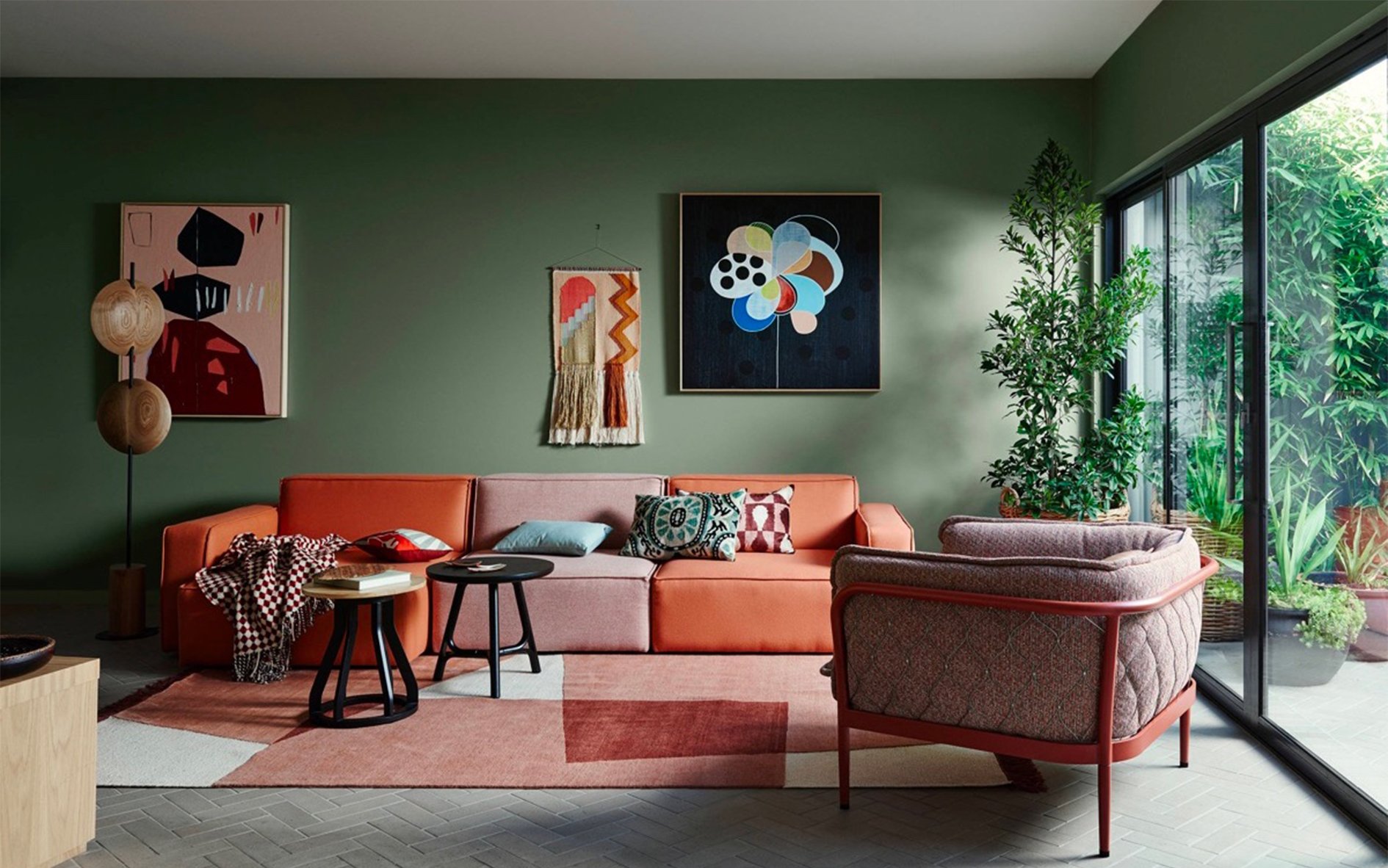
Embracing a new decorating movement such as this means starting from where you are, not from scratch. Use a favourite floor rug, piece of furniture or painting to set a new tone in a space, and experiment with the placement and combination of objects until you settle on an arrangement that heightens those feel-good feelings.
Main photo: Benjamin Moore via Lillarugs.com