What began as a movement among a minority of creative thinkers who sought to produce a fabric that imitates leather – but using materials that aren’t derived from animals, are more sustainable and environmentally conscious – is now a global movement that has the attention of many high-profile brands, from Adidas to Stella McCartney.
The new kid on the block is vegan leather, a more ethically made version of its hide-made counterpart, whose properties and desirability it aspires to mimic. According to Vantage Market Research, the global vegan leather market is currently valued at €56million – by 2030, it’s projected to reach a value of more than €96million.

It could be said there are two classes of vegan leather – the plant-based, which uses natural and organic ingredients, from cork to pineapple leaves or even food by-products, as its primary ingredient, and the synthetic, which uses various materials that form part of the plastics family. While the latter is cheaper to make, it is less sustainable and eco-friendly.
Which makes the idea behind plant-based fabrics equally curious and fascinating – a material that doesn’t impact animals, is less damaging to nature, and has a lower overall negative impact on planet Earth.
Among the foremost proponents of this so-called vegan leather is a material made from mushrooms or, more specifically, mycelium, the vegetative root section of a fungus. Innovative biotechnology methods have developed flexible materials made from mycelium, designed purposely to imitate and achieve the appeal and prestige of leather.
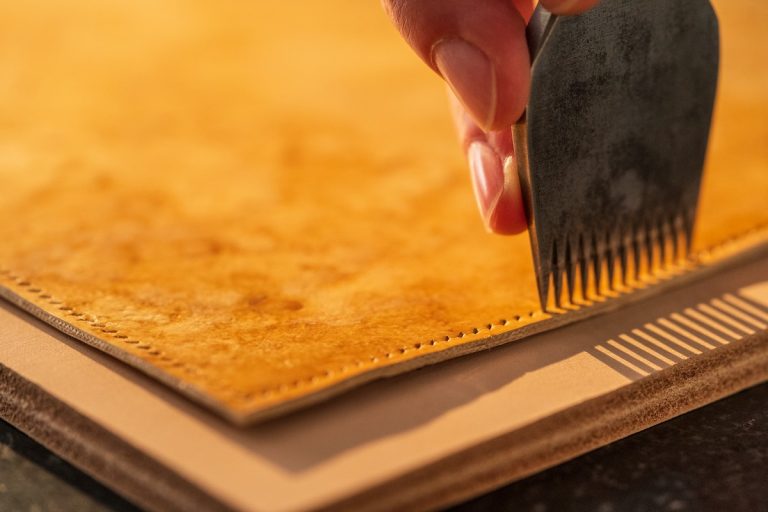


Biotech company MycoWorks, for instance, produces a leather-like material called Reishi™, made from its patented Fine Mycelium™, which ‘features the inherent strength, durability and hand-feel of the finest animal leathers with lower environmental impact’, it claims.
The material broke out of its laboratory confines and into the mainstream through a series of high-profile collaborations, including a Hermès bag and a limited-edition pair of pillows with French luxury furniture brand, Ligne Roset.
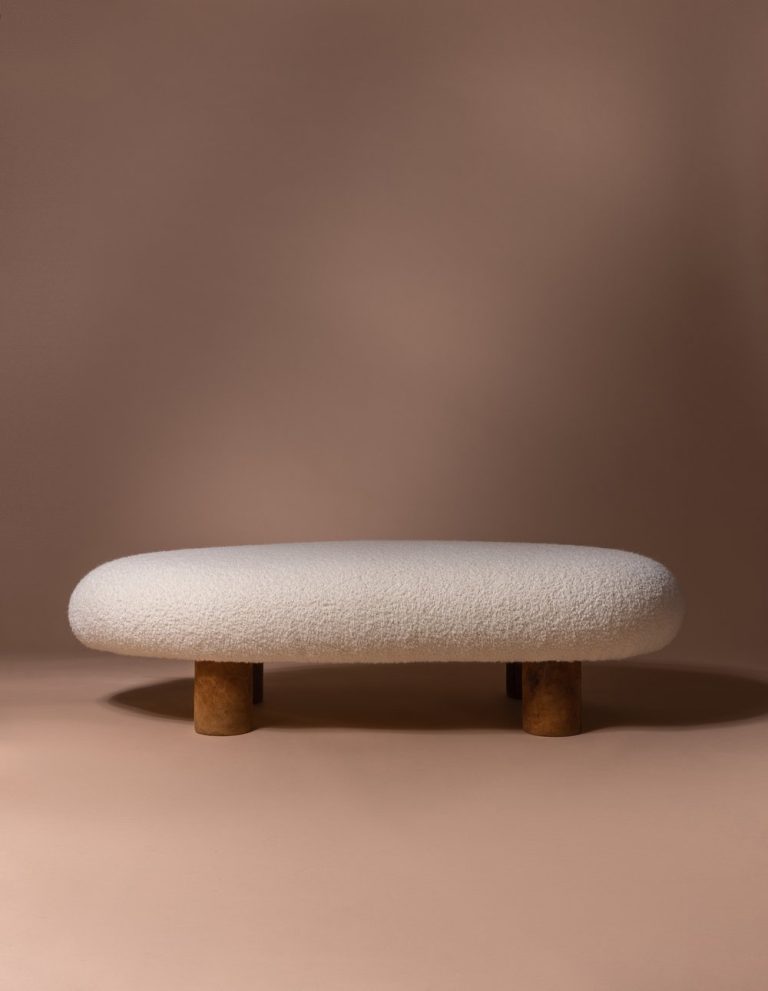
Within the furniture and homes market, vegan leather is starting to rise in popularity, forming part of the belief that ethical choices shouldn’t exclude your home, and therefore paving the way for businesses big and small to endorse vegan novelty fabrics.
US-based brand Albany Park is one of them, and uses distressed vegan leather as a fabric option for its sofas. Furniture designer Mari Koppanen revived age-old Romanian techniques to produce a kind of mushroom leather that resembles suede, to upholster her two-piece Fomes range as a substitute to animal leather.
Main image: Unsplash