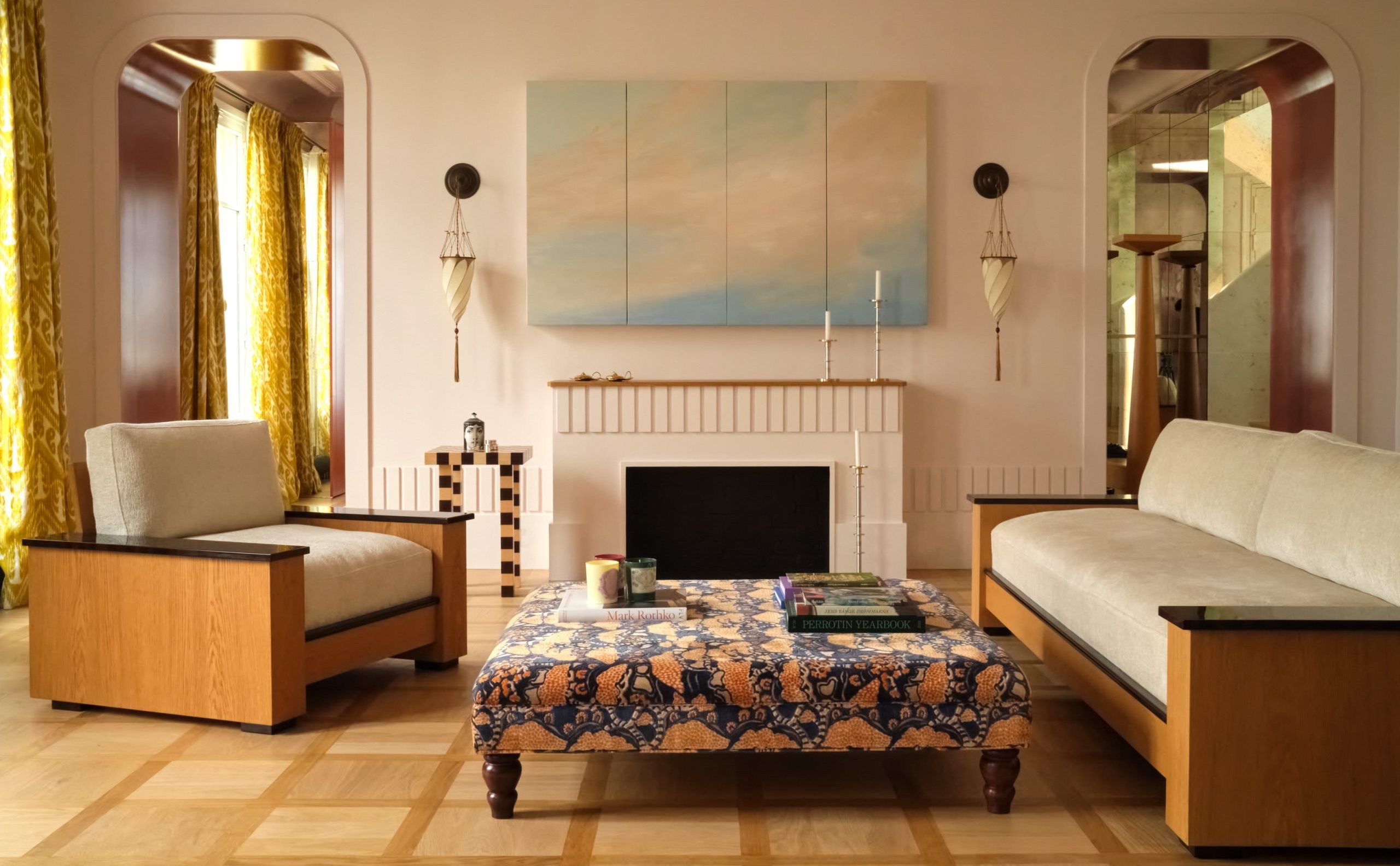
The start of a new year brings with it a certain excitement for the months ahead and with them the developments and trends that will shape our lives and homes. In 2025, there was a strong move towards creating lived-in spaces and interiors that felt personal, rather than popular – and it shows no signs of abating this year.
DesignDispatch spoke to local interior designers about trend forecasts for 2026 and what they believe will find relevance in people’s homes.
Interiors with individuality
Michele O’Reilly, Managing Director of The House Shop Interiors and design studio, sees interiors in 2026 building directly on the “emotional warmth and richness that defined 2025, moving even further away from cool minimalism and toward spaces that feel grounded, expressive, and collected over time.”
The result is spaces that feel immersive and personal, “where colour, texture, and craftsmanship work together to create depth, warmth, and a sense of lived-in character.”
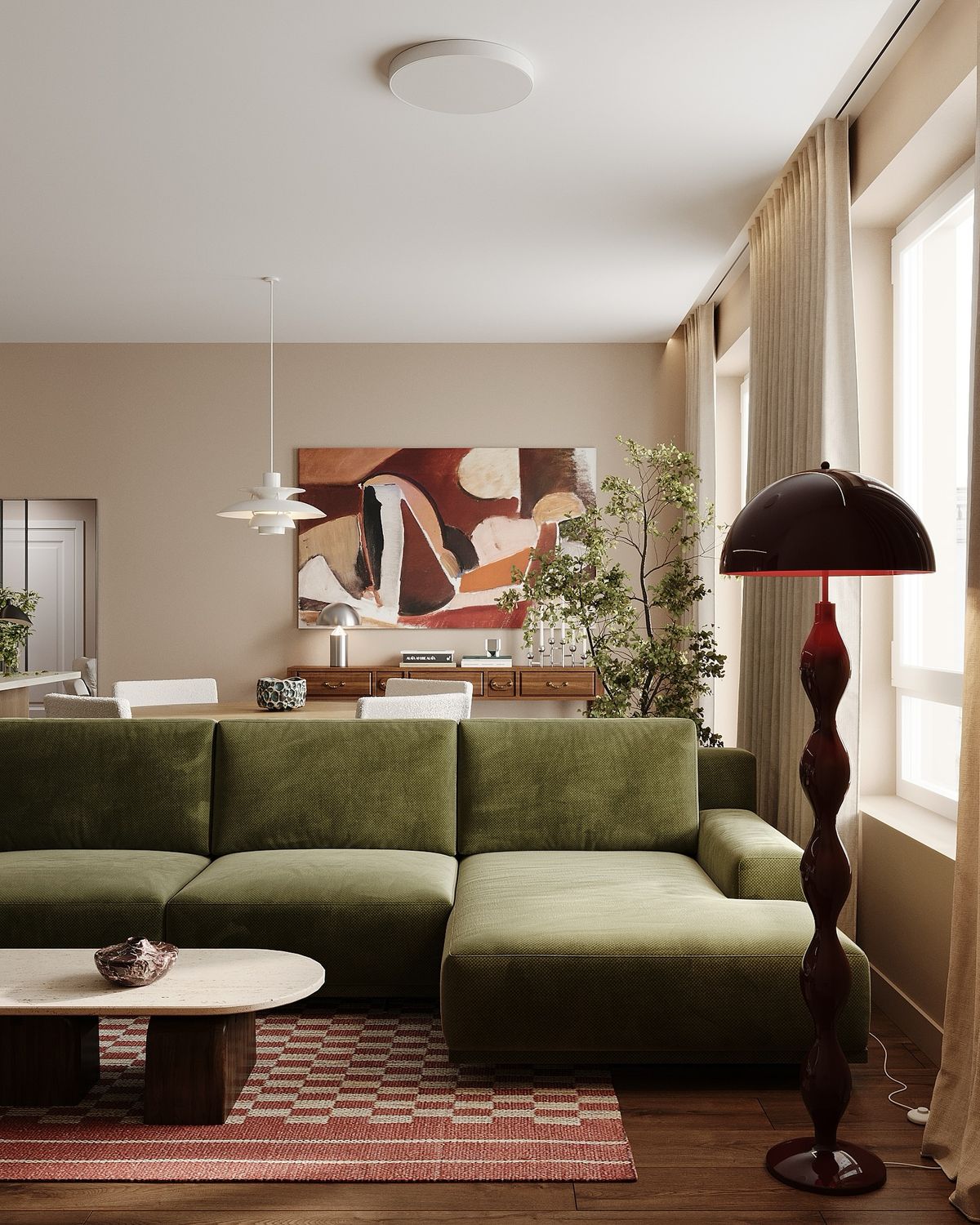
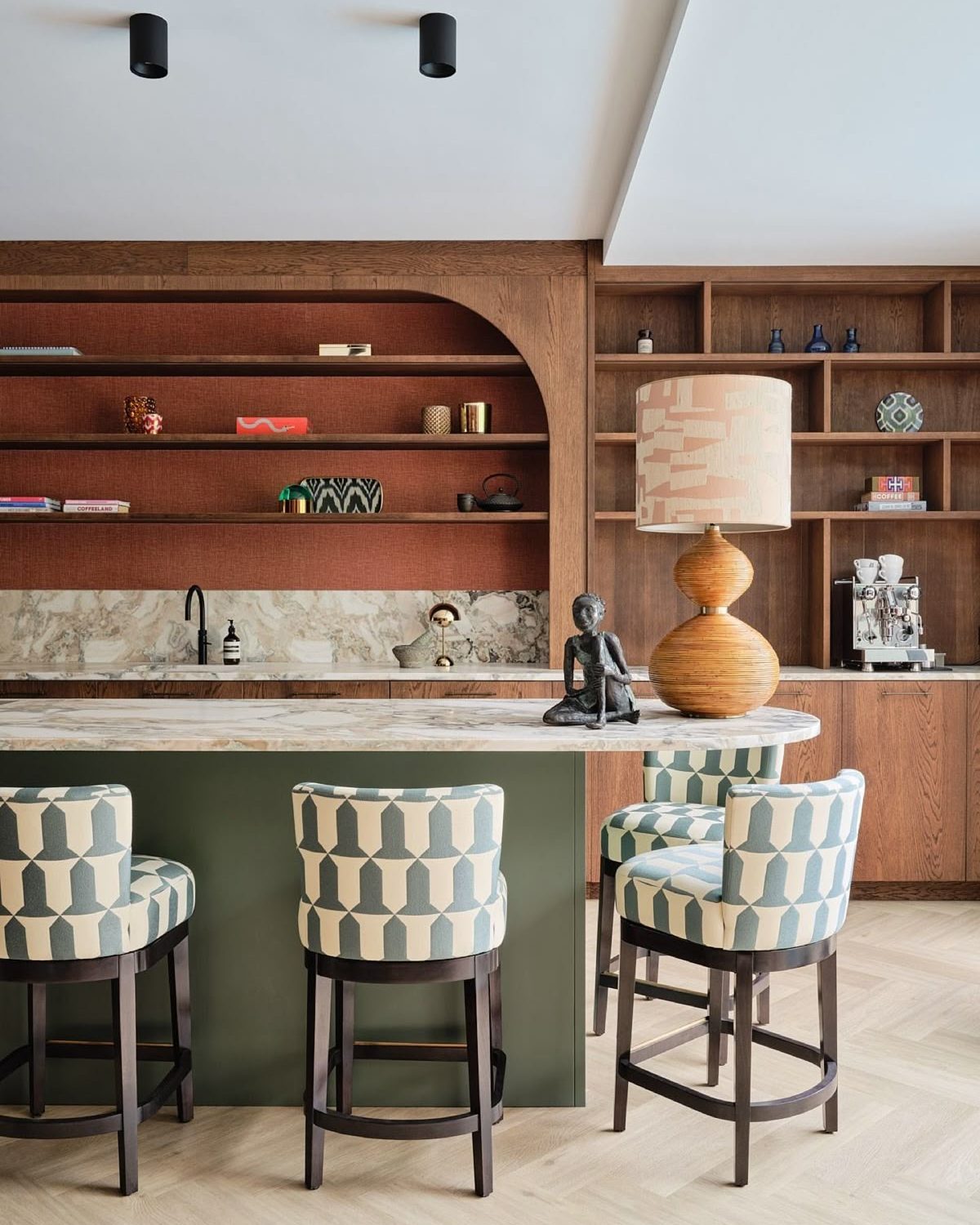
Kristine Bonnici, founder of Kristine Bonnici Design, believes we’ll see a surge of daring design and drama created through depth rather than noise. “Think sumptuous textiles, layered tactile pieces, and Mediterranean warmth – slubby linens, mohair and velvet, paired with earthy tones and confident contrasts. This ‘fearless’ approach is less about trend-led statement pieces and more about deliberate composition.”
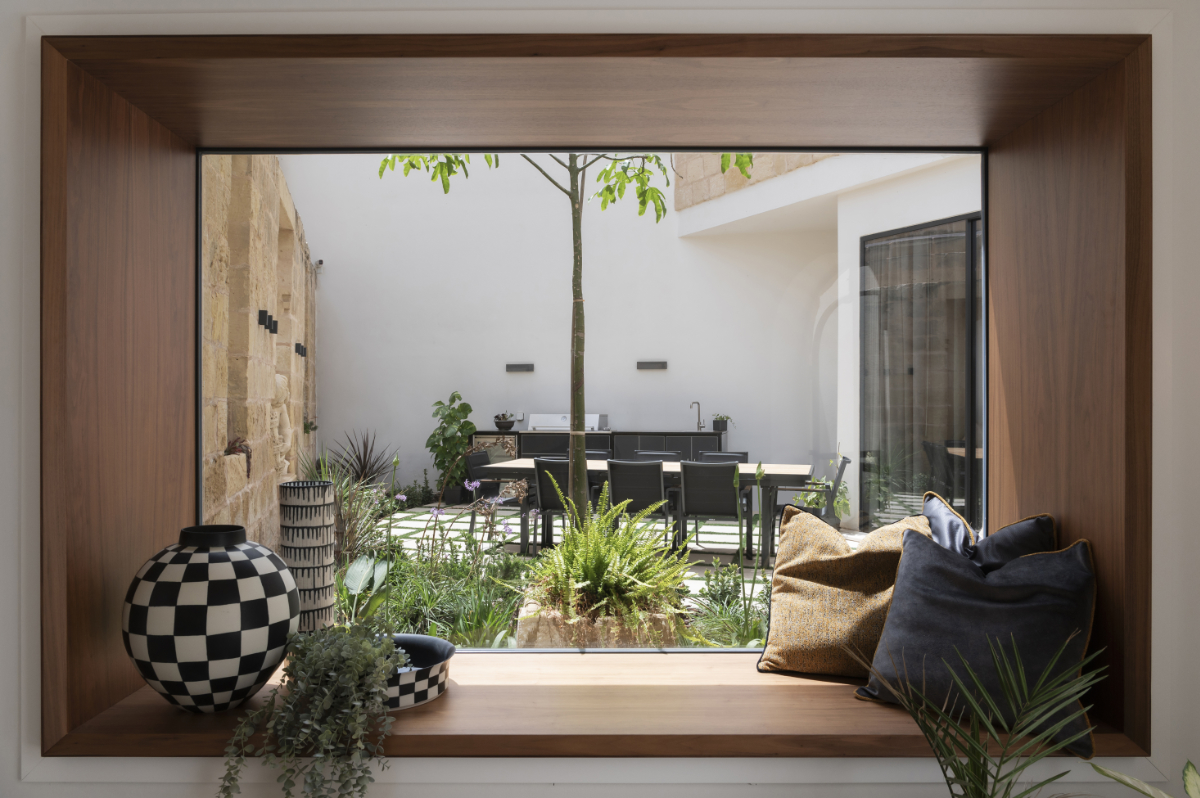
An appreciation for craftsmanship continues to rise, indeed becoming a defining marker of value, says Kristine. “In luxury interiors, we find our clients are increasingly drawn to the hand-touched and the imperfectly perfect: handpainted wallpaper, carved timber, inlaid stone, honed travertine, handmade clay, and hand-woven textiles.”
Mid-Century modern influence
The influence of mid-century modern design as well as heritage references will continue to shape interiors, prioritising comfort and authenticity, says Michele O’Reilly, while the colours and earthy materials that took centre stage last year will continue to dominate.
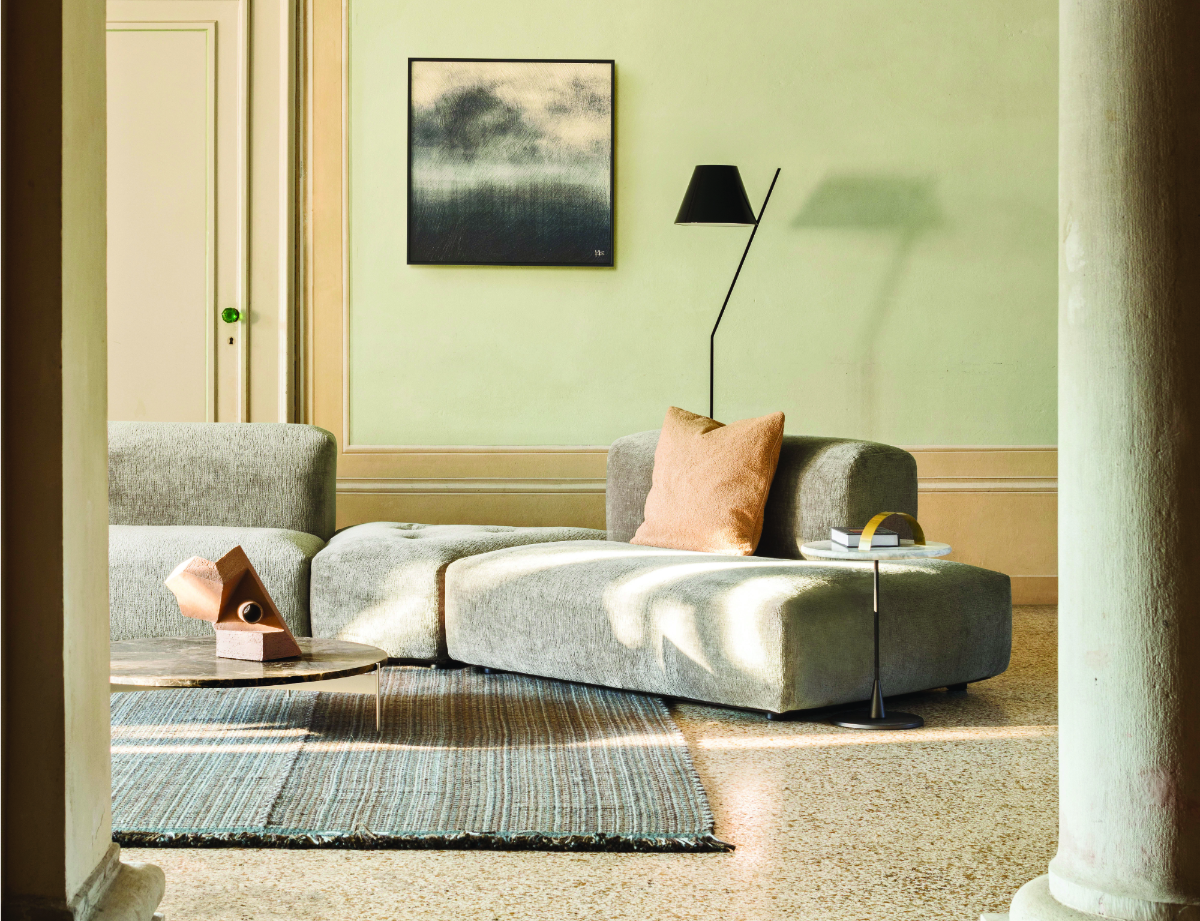
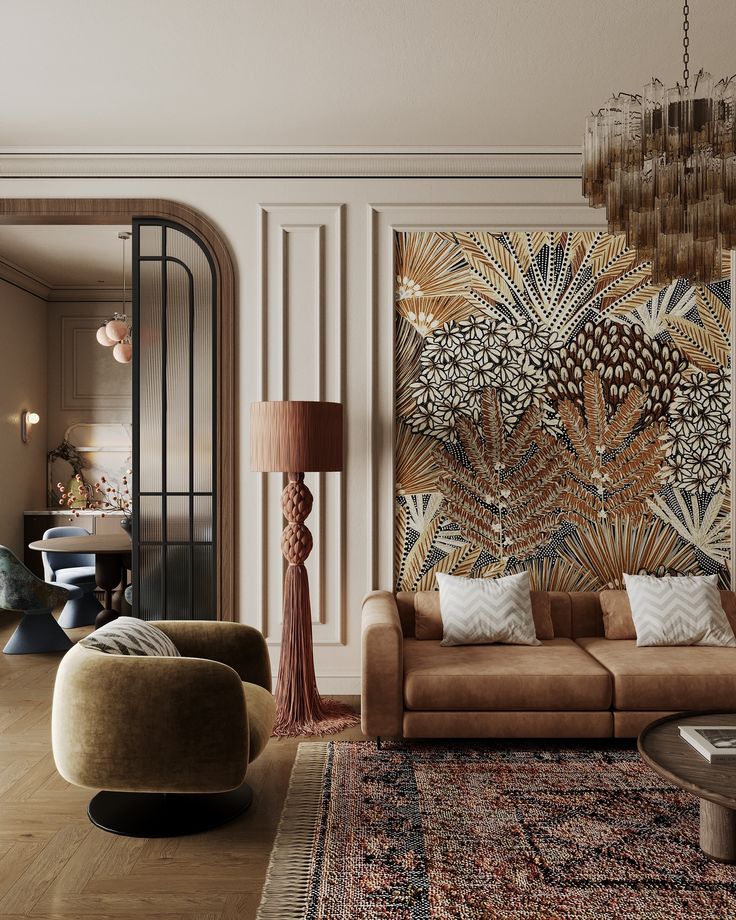
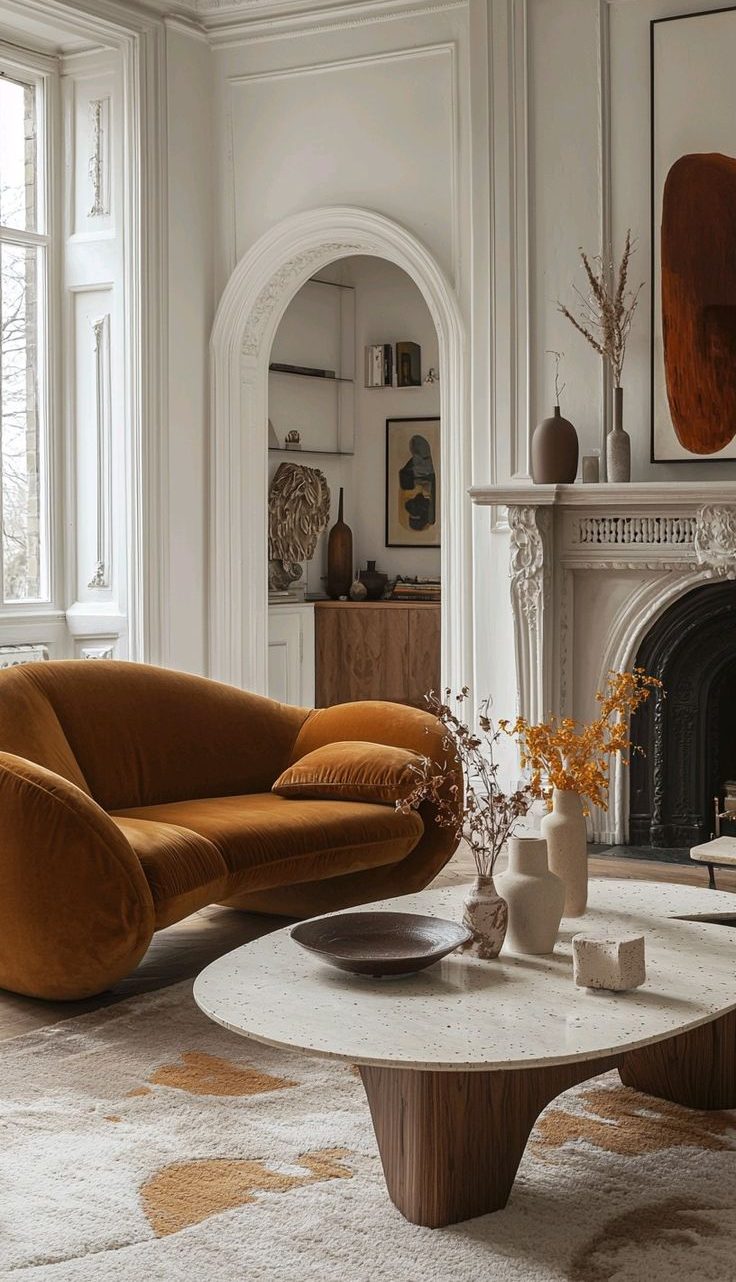
Louisa De Cesare, founder of Louisa De Cesare Interior Design Studio, notes how sofas, armchairs, and tables are embracing silhouettes rooted in mid-century design principles, where curved lines, organic forms, and exaggerated proportions take the place of rigid geometry.
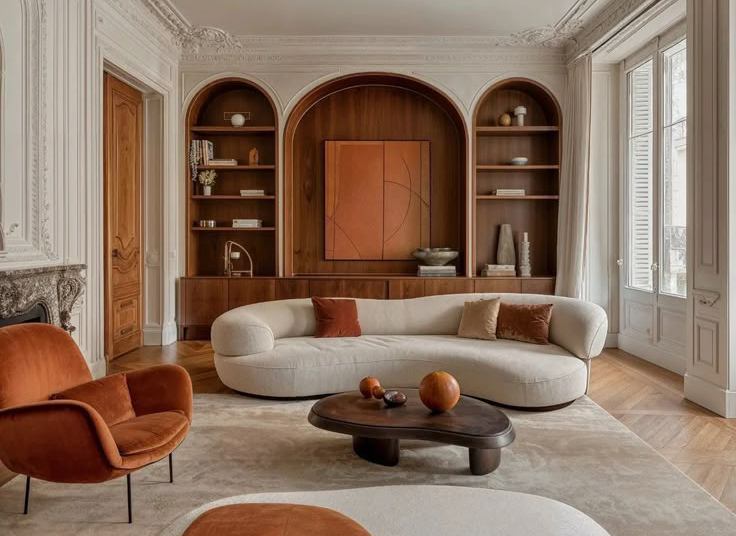
“Sculptural furniture allows a space to feel intentional without being overdesigned. One considered piece can anchor a room and define its atmosphere far more effectively than multiple decorative elements,” she explains, singling out statement coffee tables, lighting or bold seating that become focal points, much like an artwork.
“There’s a return to softer forms and a more relaxed approach to living. Mid-century influences bring a sense of ease and flow that feels very relevant to how we use our homes today.”
Expressive colours are the new neutrals
Caroline Cianter-Barbara, founder of CCB Interiors, sees 2026 moving away from restrained, formulaic schemes and towards spaces that embrace depth, emotion and character, where the use of colour will play a big part.
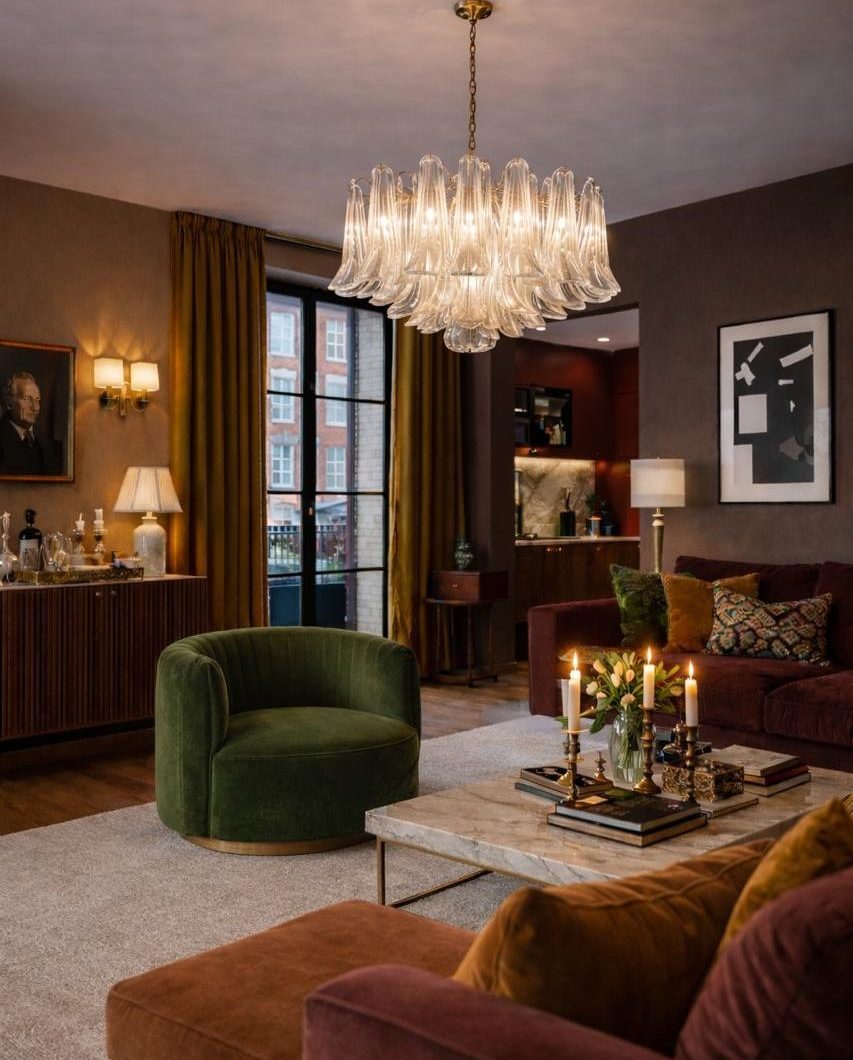
“Rich jewel tones the likes of burgundy, deep green, chocolate brown and mustard will make a comeback across upholstery, joinery and finishes, bringing warmth and visual weight back into living spaces.
Kristine Bonnici seconds that, noting that deep saturated tones are the new neutrals, including plum, aubergine, bitter chocolate, oxblood, ochre, olive, and smoky blue, “often applied in tonal layers to create depth. These shades pair beautifully with warm woods, honed stone, and patinated metals, delivering an enveloping calm that still feels natural and sophisticated.”
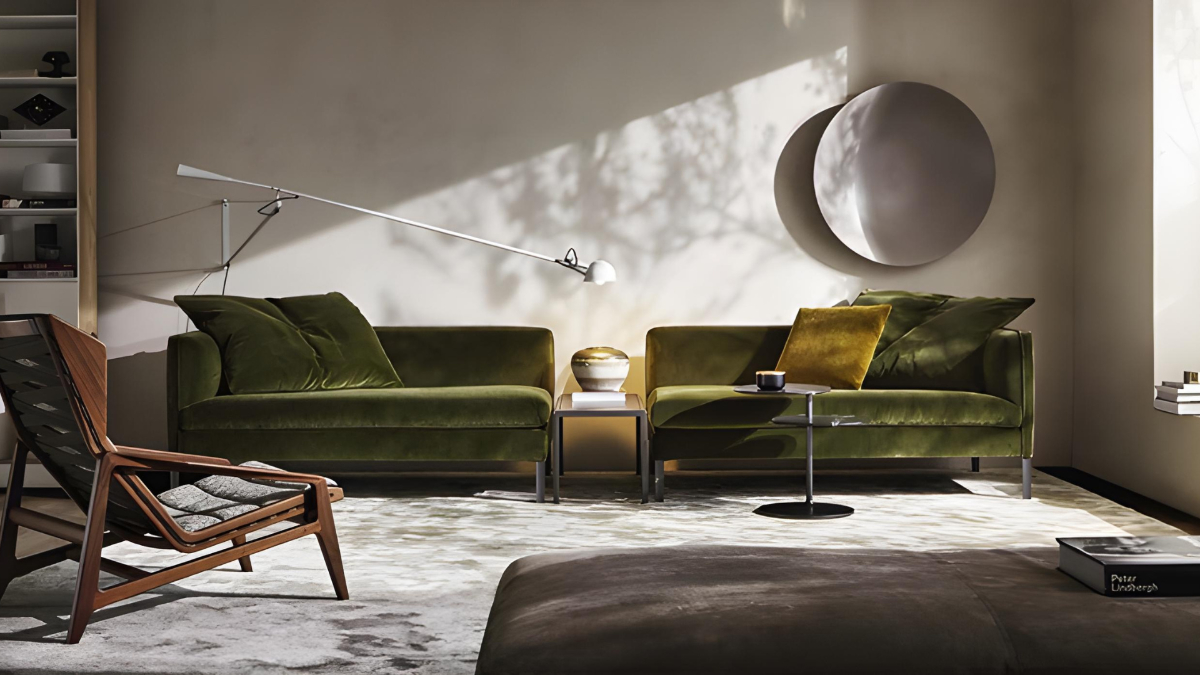
Lighter colours that still pack a punch won’t be replaced too easily, however, as Michele O’Reilly believes the draw towards sage or olive greens, terracotta or mellow reds and nuanced blues combined with natural and aged woods, bronze accents, stone, leather, linen, and woven textiles show no sign of fading.
Texture, pattern and personality
Caroline Ciantar-Barbara sees pattern being adopted more confidently, however layered rather than matched, creating rooms that feel lived-in.
“Materially, glossy lacquer finishes are making a quiet but confident return, used on cabinetry, furniture and accent pieces. Paired with warm woods or stone, they feel modern and intentional, with subtle Art Deco undertones rather than retro nostalgia.”
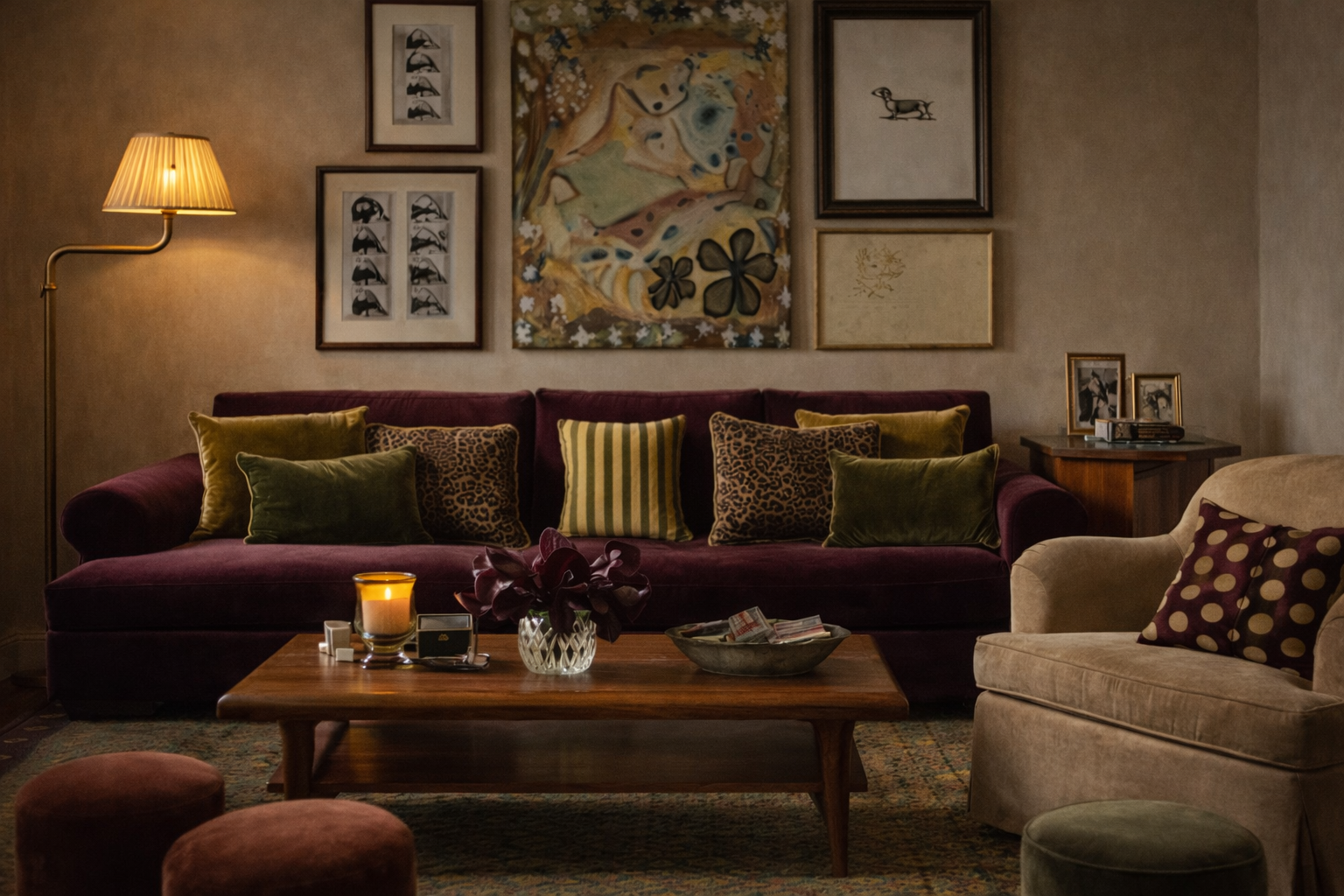
Decorative trims and trimmings are also re-emerging in a refined way. “Tassels, fringe and detailing appear sparingly on cushions, lampshades and upholstery, reflecting a renewed appreciation for ornament, craft and movement,” she adds.
Texture will be adopted widely in interiors through fluted and reeded details that introduce depth and craftsmanship without overwhelming a space, adds Louisa De Cesare. “They catch the light beautifully and add a tactile quality that feels timeless. Natural wood and fabrics such as bouclé, linen and wool blends further enhance this layered approach.”
Furniture as functional art
In 2026, furniture will be taking on a more expressive role with design choices shaped as much by artistry as by purpose, says Louisa. “The boundary between practical design and sculptural expression continues to soften, with pieces selected not only for their use, but for their ability to shape the character of a space.”
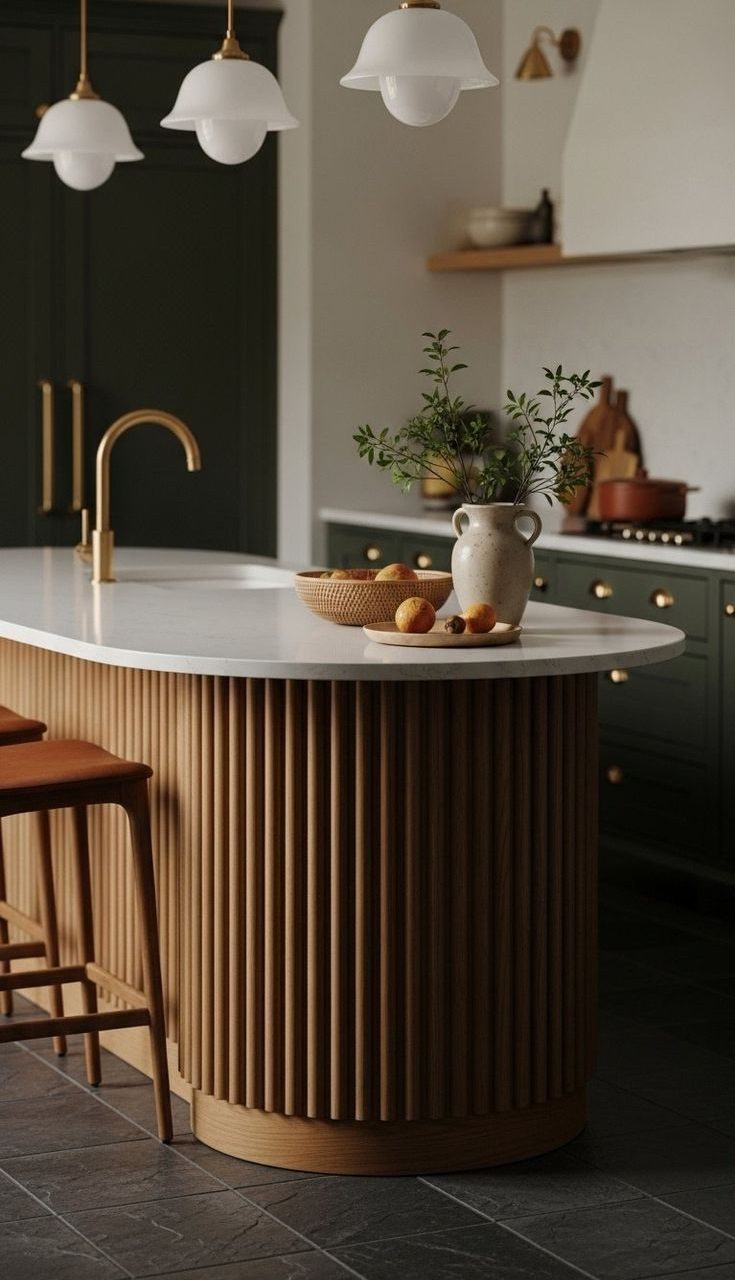
The presence of curved elements will also take hold in kitchen design along with arches and custom joinery. “Rounded islands and softened edges introduce a gentle design language, creating a natural rhythm throughout the home,” she notes. “At its core, this 2026 trend is about functional art shaped by mid-century ideals of form, comfort, and timelessness.”
Antiques and vintage pieces also sit at the heart of this movement of character-led interiors, says Caroline “offering patina, individuality and sustainability – qualities that cannot be replicated. The result is interiors designed to age beautifully rather than chase the moment.”
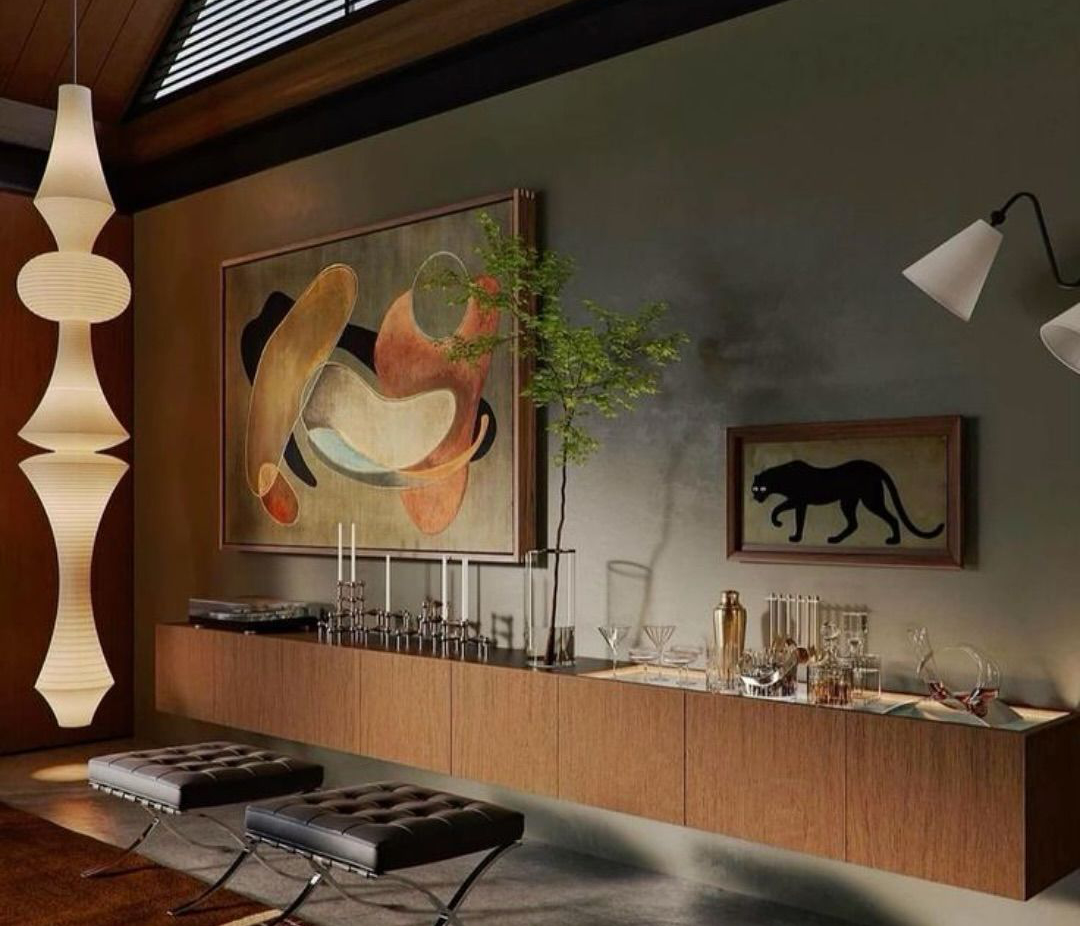
Kristine Bonnici adds that curves are maturing from a decorative motif into an architectural language, where rounded edges, arched openings, curved islands, softened cabinet profiles, and sculptural joinery are being used to create calmer, more welcoming spaces.
“Beyond aesthetics, soft geometry can improve how a space feels – more fluid, less rigid, and noticeably more serene, especially when paired with tactile finishes like limewash, plaster, timber and stone.”
Main image via Ideal Home