Since co-founding architecture studio A Collective in 2014, architect Patricia Risiott has been deeply involved in shaping the living and working spaces of several clients, steadfast in the objective of placing quality architecture above all else.
“Architects shape space, which in turn informs the way people live and interact,” she tells Design Dispatch as part of our interview series with Malta’s architects and designers. “The quality of the spaces we create leaves a perpetual impact on the end user. This is undoubtedly the greatest gift and responsibility which comes with our profession.”
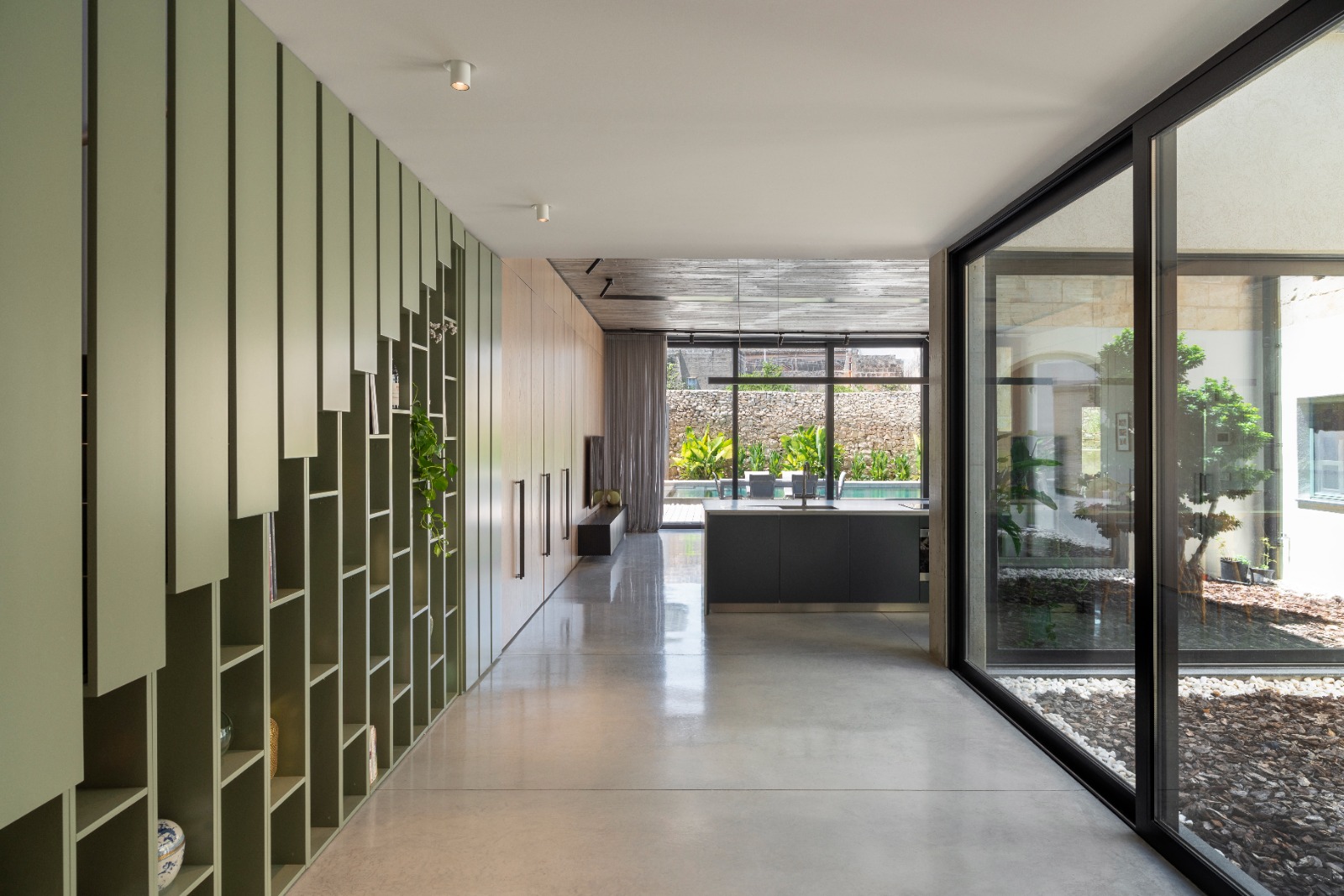
The construction debate
As our islands continue to grapple with the slew of consequences caused by overdevelopment – all while the global construction industry continues to emerge as the largest emitter of greenhouse gasses – architects too have a role to play to mitigate the negative impact of excessive building. For Patricia, the solution is in the approach.
“Whilst the damage has been done, there is a lot which can still be done to reduce on greenhouse gas emissions by a simple shift in mindset.”
“For starters we need to build to last, we need to build in such a way that is timeless. We need to build quality spaces which won’t need to be demolished and replaced too soon,” she asserts.
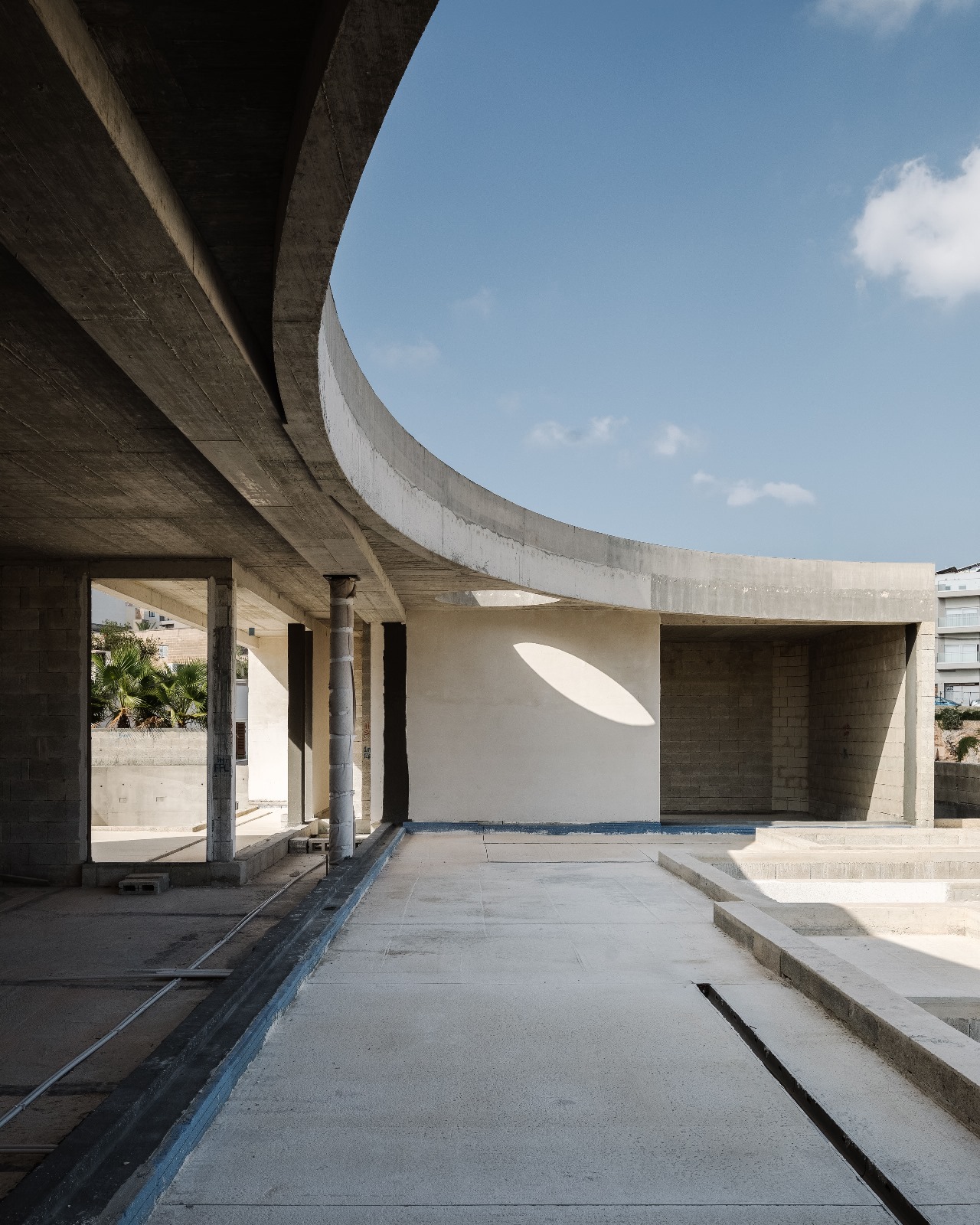
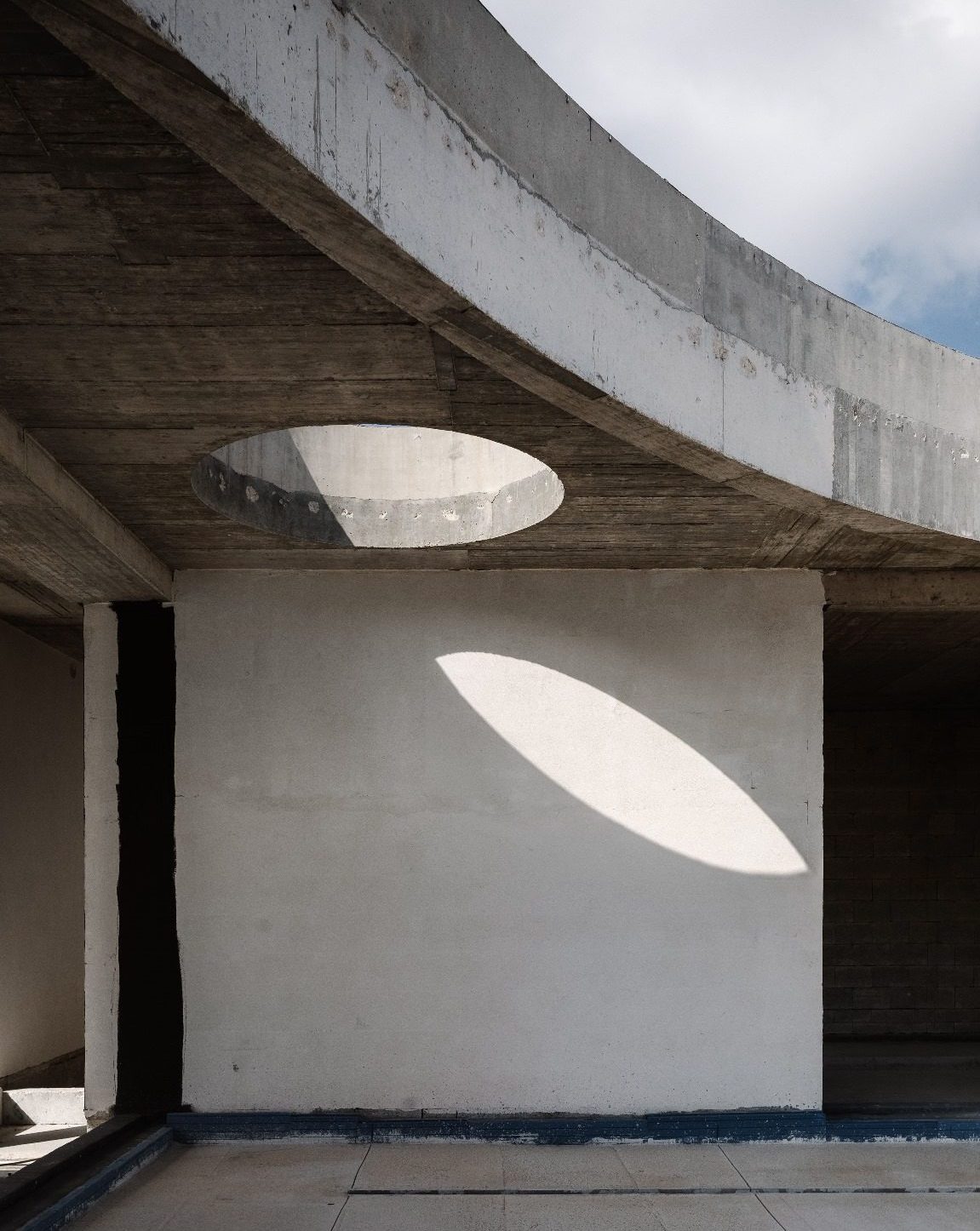
“We need to take a conscious decision to reduce on demolition and look to work within the existing fabric whilst using sustainable materials. Lastly, we need to look towards passive means of heating and cooling.”
This position isn’t dissimilar to the way she and her A Collective Partner, Steven Risiott, work. “With each and every project we embark on, we strive to maximise on the potential of the site; to shape spaces which are human centred.”

“Some of the most interesting places I experienced are found in the Philippines”
Rather than singling out an individual building that left an impact on the architect, Patricia shares she’s encountered many spaces through her travels that struck a chord, with some of the most interesting and memorable ones being in the Philippines, including a glamping site.
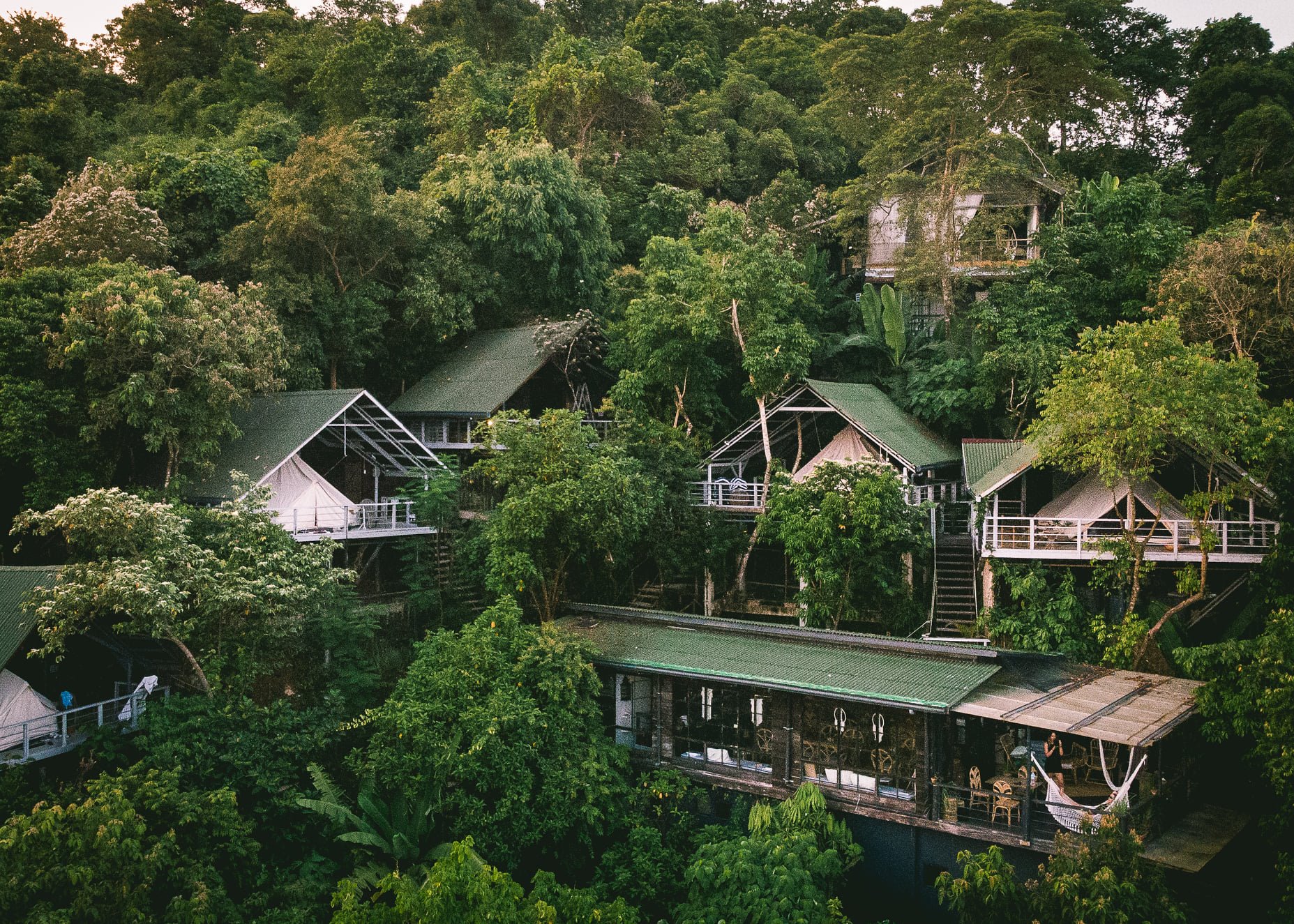
“The Birdhouse in El Nido is composed of a series of timber platforms with a minimal timber pitched roof above. Nestled in the trees, each platform sits in a perfect spot, framing the stunning, untainted views, completely immersed in nature.”
“Following this are some vernacular huts built on stilts dispersed across various islands in Palawan,” she says. “The huts are basic and rudimentary but they fit perfectly within the environment, the stilts accommodate the change in tide whilst the shape of the roofs allow for the wind to pass through, working with nature and respecting it.”
This connection with nature and the draw towards stillness and tranquillity is reflected in her professional aspirations too, as Patricia shares she would love to design “a meditation space, a space for reflection, where people can stop and find peace. My B.E&A dissertation was titled; ‘The Architecture of Silence’; the topic still fascinates me to this day.”
Issues of our times
Asked to share industry hot-topics that she expects will continue to spark debate as this year unfolds, the architect singles out emergency architecture resulting from the millions of people being displaced on a daily basis as a result of war or natural disasters.
“The world is littered with greed; this power struggle is creeping up everywhere and the situation is devastating. We need to stop housing people in shipping containers and make-shift tents and look into long term humane solutions,” she asserts.
“Secondly, AI – whilst it’s important to jump on the wagon and make use of all the technology available, I personally feel we must thread very carefully. Architecture must be centred around the end user, there’s a lot of emotion, tactile and psychological elements present which cannot be overlooked.”
Main photo: Therese Debono
If you enjoyed reading this article, you might also be interested in: A building must achieve a ‘level of self-sustainability’ to be deemed sustainable at all, says Mark Arrigo