With a known origin that dates back to pre-historic times, the traditional craft of weaving – among the oldest crafts to exist – was a vital one throughout Malta’s history; until the last century that is, when progress and development contributed to a drastic drop in its practice and popularity.
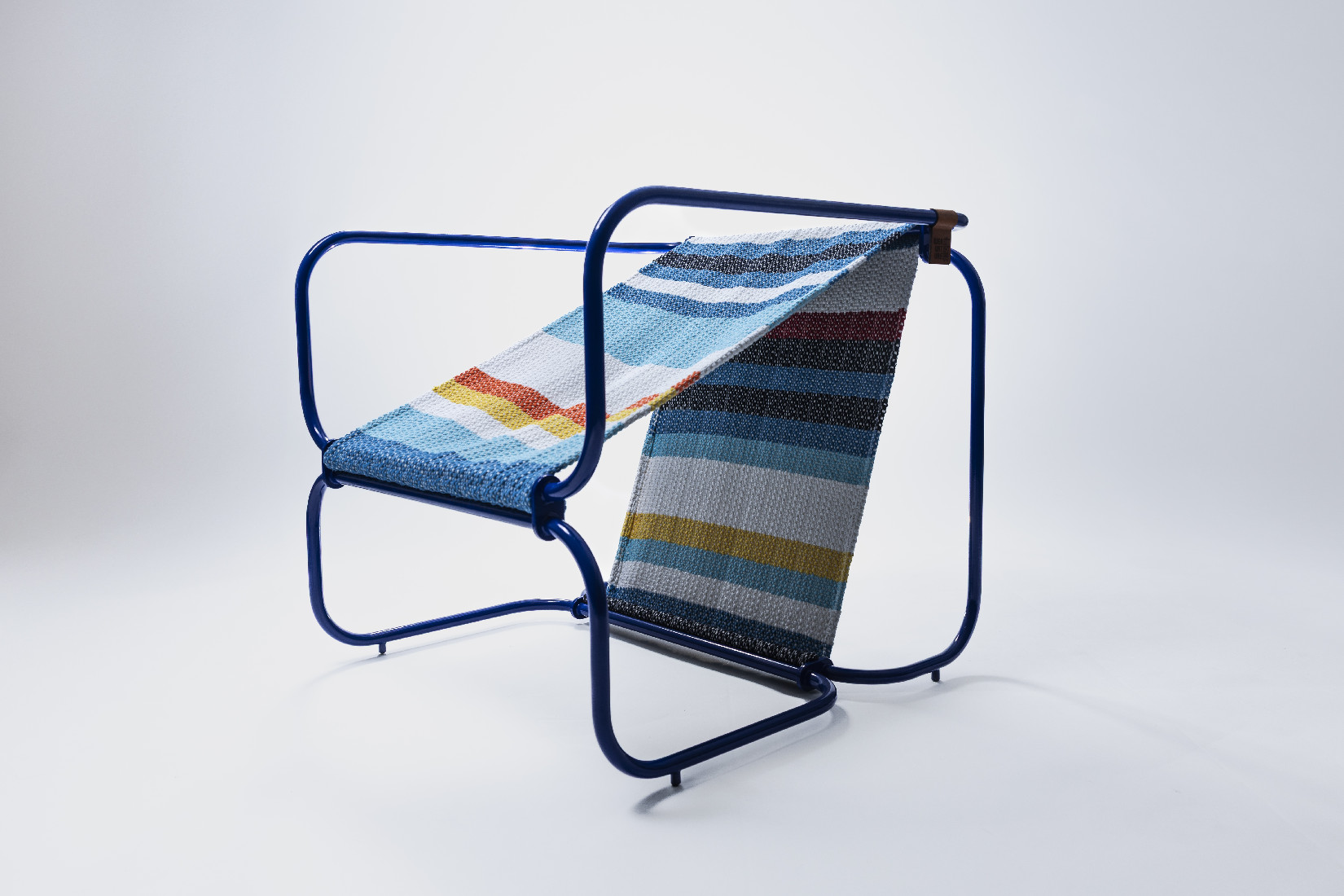
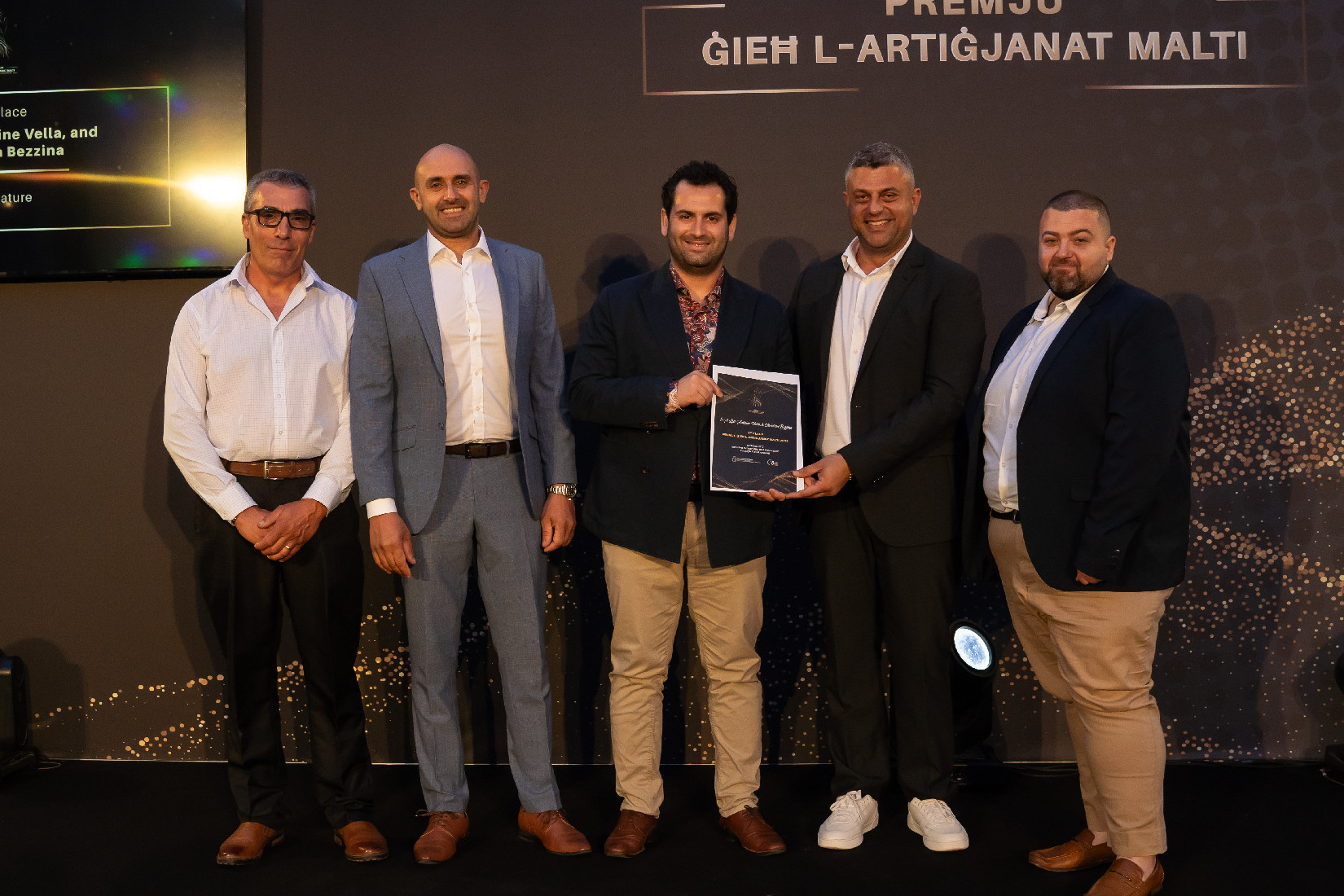
It could be said, however, that weaving is enjoying a re-awakening – at least through Weavature, a chair with a woven seat that challenges the notion that Mediterranean crafts are static heritage, and which was awarded 1st Prize for Inspiring Artisanship and Innovation through Collaboration at the Premju Ġieħ l-Artiġjanat Malti 2023.
“Weavature offers a different perspective, treating traditional Maltese weaving as an active design element, embedded with intent rather than nostalgia. The result is a steel-framed chair that balances structural clarity with cultural depth.”
This is the statement of the collaborators behind the project, with the support of the Malta Crafts Foundation, comprised of architectural design studio I+A, Antoine Vella of Weaving Malta, and Christian Bezzina of Medina Steels.
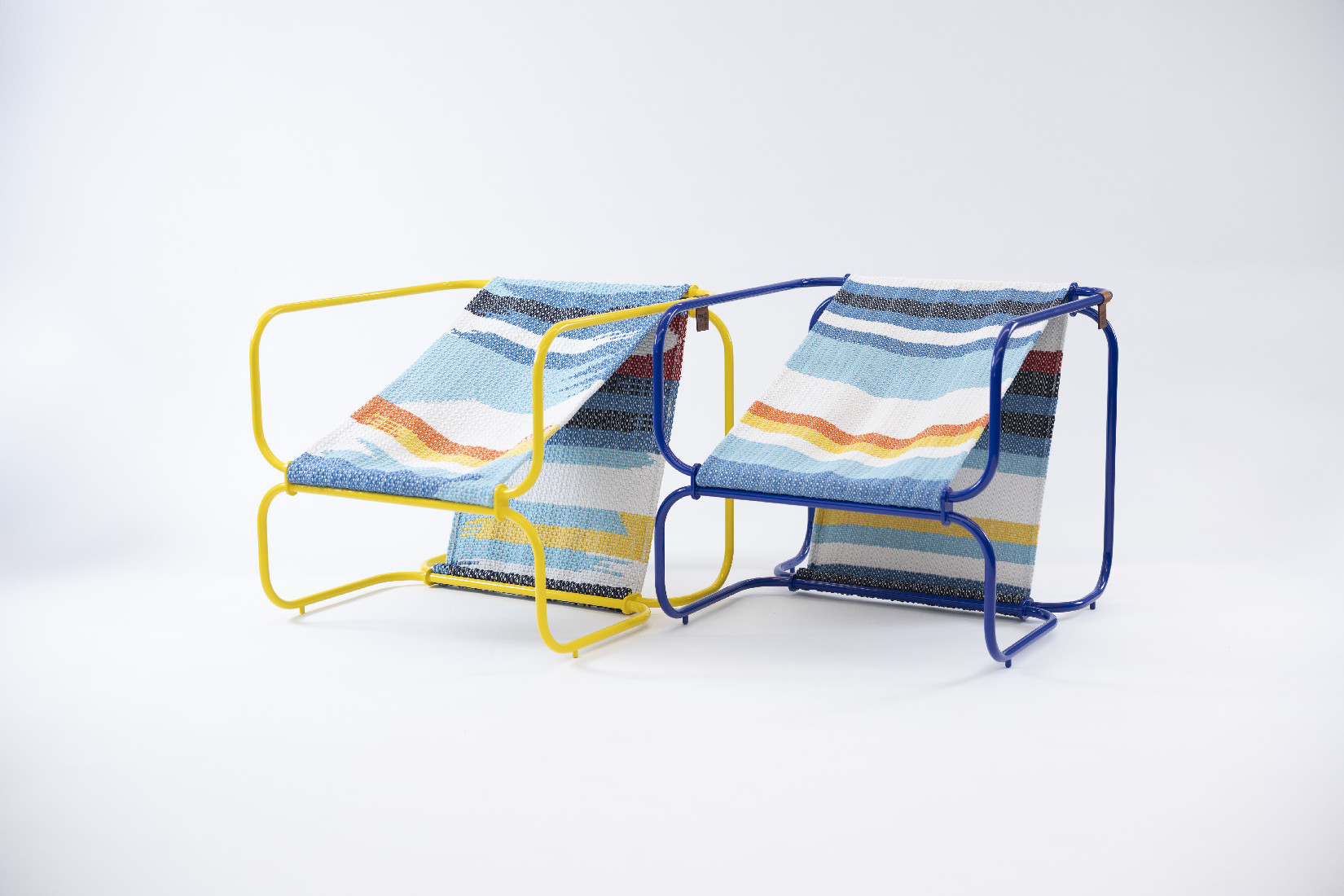
“In a way, Weavature is political. It quietly resists the idea that our craft traditions belong in museums or tourist shops. This is a piece designed for the present – rooted here, made with care, and intended to be used, lived with, and taken seriously,” Joeaby Vassallo, founding partner at I+A tells DesignDispatch.
A solid structure
To the layperson’s eye, the chair’s form appears simple: a slender steel frame supporting a woven seat. However, its design is grounded in a layered and repetitive process, with a frame that was developed using the same structural analysis methods typically adopted for steel buildings – “ensuring strength, precision and balance.”
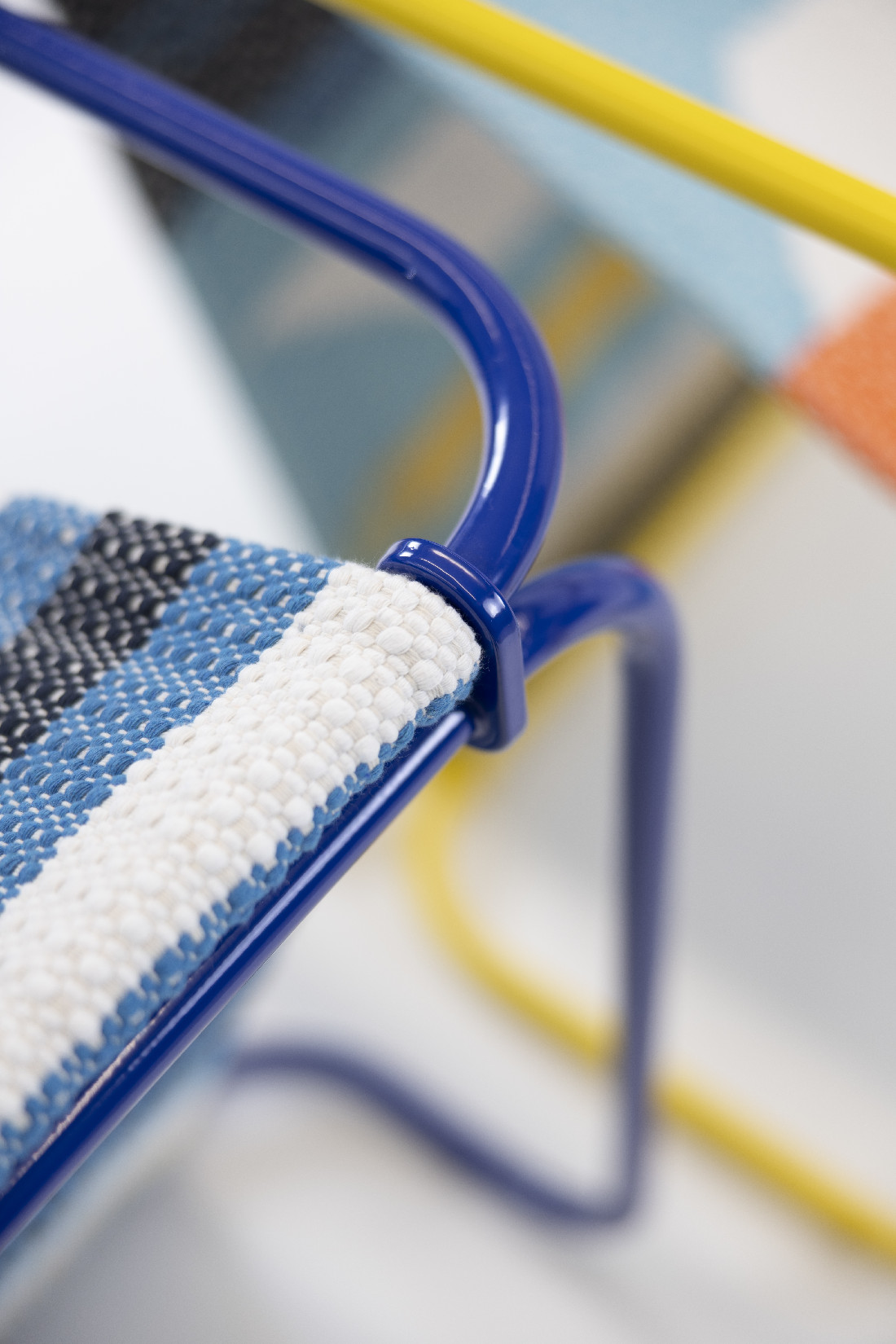
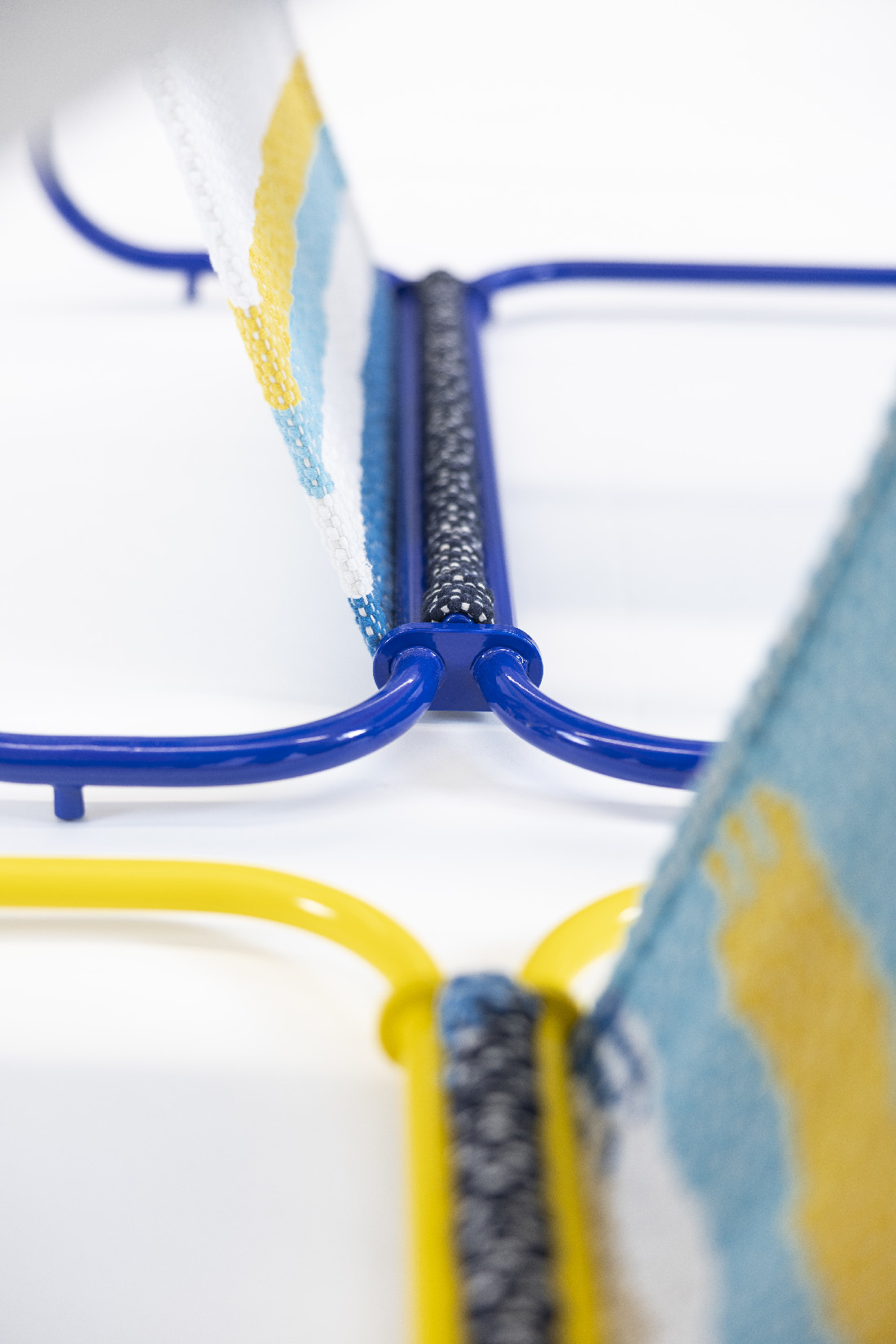

“Fixing points for the woven component were fully integrated into the structure from the start – designed not only for function, but also to maintain a clean, coherent aesthetic,” the studio explains.
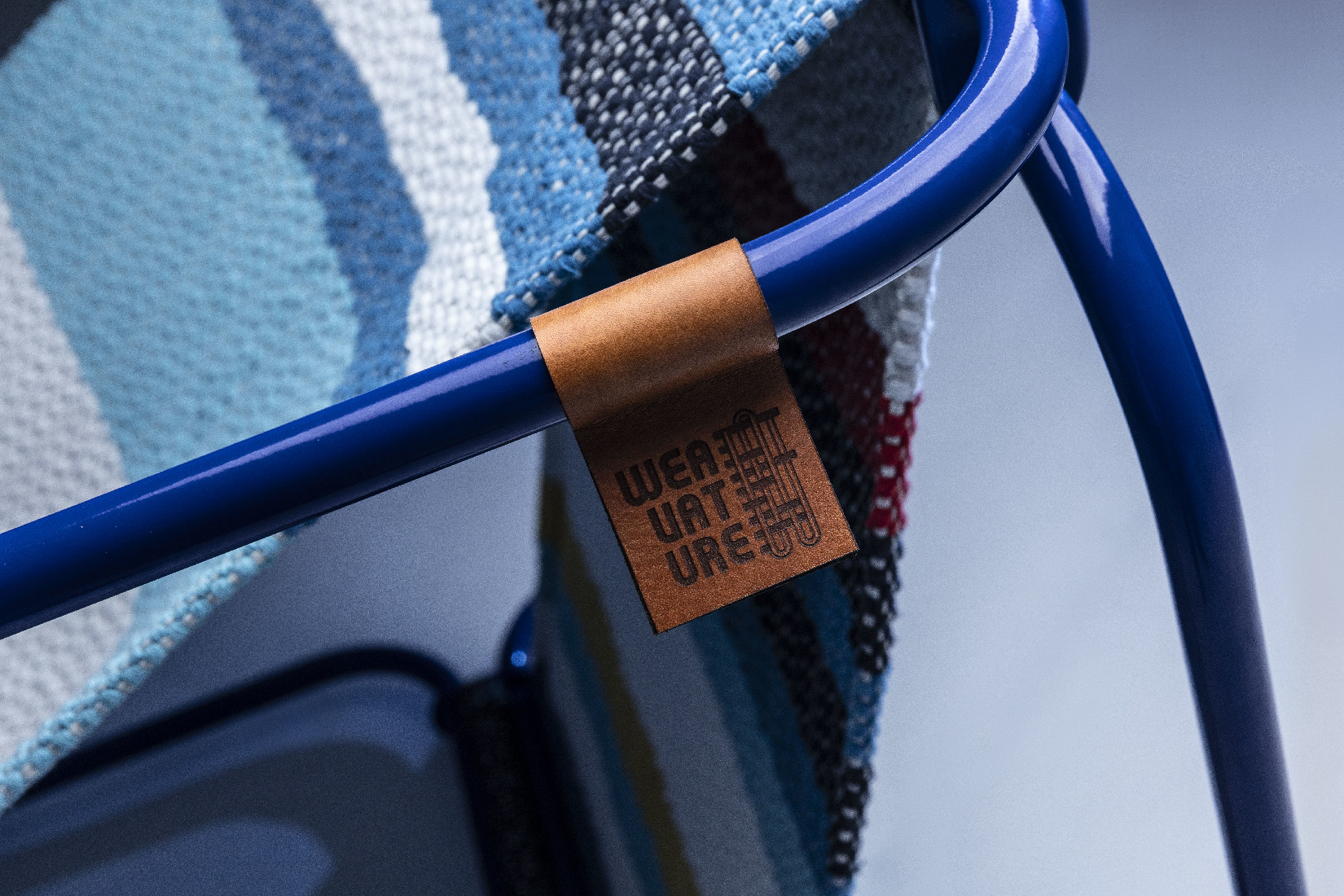
The structure of traditional Maltese weaving is incorporated into the seat. The studio created a parametrically-generated striped motif informed by local temperature data from 1950 to 2010, “embedding a quiet reference to climate into the language of craft.”
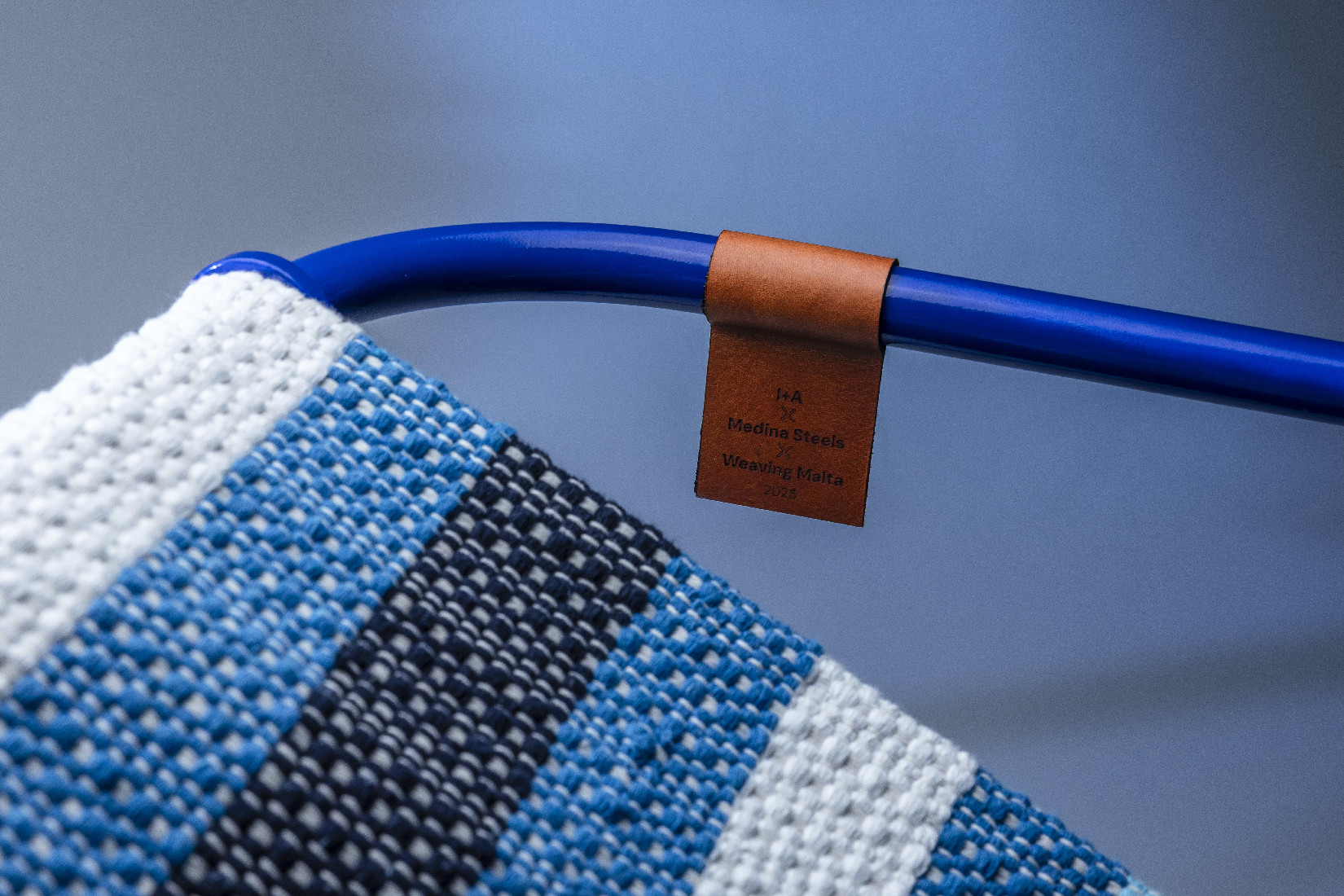
The weave was crafted by Antoine Vella – known as Antoine tan-newl – using traditional Maltese “newl” techniques.
“His contribution goes beyond execution — the weave carries load, holds tension, and anchors the chair’s visual rhythm,” says I+A. “In parallel, the steel frame, fabricated by Christian Bezzina, reflects I+A’s design intent with structural clarity and minimalism. Every curve, weld, and junction speak of restraint, refinement, and purpose.”
The bigger picture
This chair marks the beginning for Weavature; a first model driven by data. The team shares that future editions will offer customisable colours and patterns, making room for personal expression.
“The woven seat can be removed, washed or exchanged, allowing for easy maintenance and seasonal variation. Though built from durable materials, the chair is currently intended for indoor use, with outdoor variants and complementary pieces already in development.”
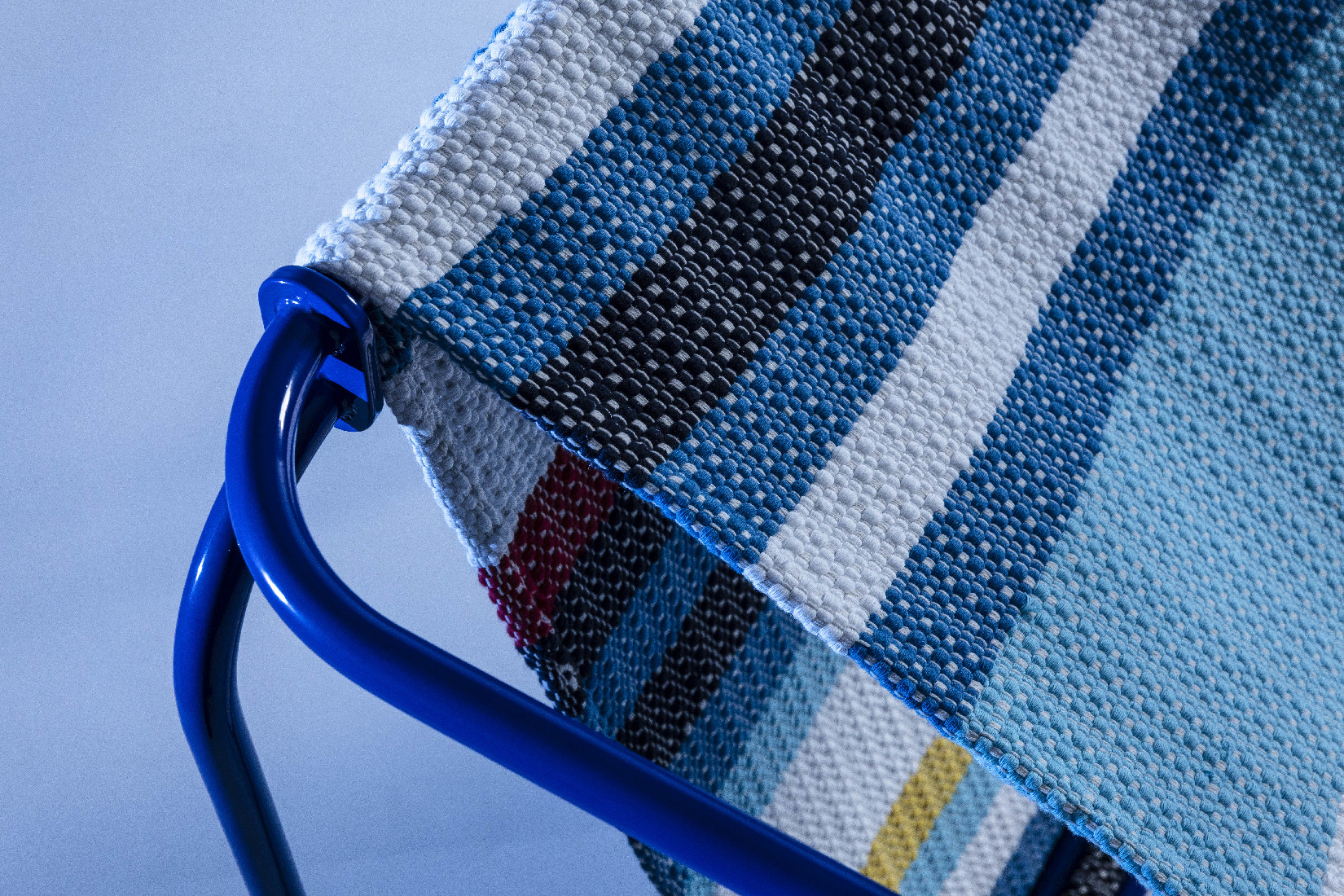
The pieces will also form part of I+A’s living spaces collection that extends the formal and material language of Weavature beyond the chair itself.
“Weavature is a reminder that craft is not a relic. Traditional methods like Maltese weaving can still shape the way we live today – not as souvenirs, but as adaptable, intelligent ways of making and living. The future of craft lies in how we choose to carry it forward.”
Photography: Jean Marc Zerafa