With a portfolio of work that spans from Malta to Jordan and Singapore to London, interior architect Simon Abela has enjoyed a diverse career that has led him to this particular junction – heading his own London-based practice, Studio Abela, which he founded during a particularly challenging climate, yet which has reaped him great rewards.
“Studio Abela came about shortly after the pandemic, admittedly a crazy time to start a business, but a time, nevertheless, of reflection and, in some cases, reassessment of life in general: the perfect prelude, therefore, to a fresh start,” he tells DesignDispatch in the latest of our interview series with Malta’s architects and designers.
His decision, however, followed years of experience working internationally, accumulating knowledge from the various places he’s studied and worked at around the world, beginning in his 4th year at the University of Malta, when he got the opportunity to benefit from a study exchange in the US.
“The exposure to different teaching methodologies and techniques from this experience gave me both massive motivation and drive to want to experience more of what architecture could offer beyond our shores,” says Simon, who handed in his thesis the following year and embarked on an internship in Valencia, Spain, which placed him in the deep end of coping with life in a foreign country with its own language, styles, design methodologies and building regulations.
The experience laid the foundation for his most significant move to date. “My move to London defined who I am and what I do today. Working with big names such as Anoushka Hempel and GA Design taught me not only different styles and approaches to design, but exposed me to projects in different regions of the world, from London to Singapore and the Philippines.”
“This was the best basis for lessons on how to incorporate, through the use of carefully selected finishes and details, local traditions and materials into contemporary projects.”
“As designers, we are the ones who should lead the way”
From working on apartments to luxury hotels, Simon’s designs have shaped his view on the characteristics that define quality in his profession. “It’s not only about the selection of finishes and detailing but also about the use of space, pedestrian flows, furniture layouts and the layering of spaces, materials and views.”
“It is the overall positive experience of the end user that really defines quality in design and space,” he shares. “You can choose to have the most intricate detail and the richest fabric, but if all the elements in the design do not come together harmoniously, the overall experience is unfortunately lost.”
This belief ties in with the broader discussion surrounding the quality of the spaces currently being built; a responsibility Simon believes designers must carry in order to create spaces “that are conducive to improving the brain power of the individual, improving productivity, aiding convalescence and contributing to a better standard of living and quality of life. Our greatest responsibility is to ensure that what is developed and built contributes positively to the world we live in.”


“I believe that this obligation does not lie solely in the hands of the architect. It is the responsibility of all involved, from the authorities to the architect, interior designer, engineer and builder. As designers, however, we are the ones who should lead the way.”
The quality versus quantity debate
The quality of new builds continues to be a subject of frequent debate, one which Simon believes is a contentious issue that will continue to spark discussion in professional circles for a while.
“The world today lays emphasis on economy and efficiency and buildings are designed to fit in as much space as possible without really considering the quality of the spaces being created and the impact they have on our quality of life. All this, of course, needs to be considered hand-in-hand with topics such as sustainability and aesthetics.”
The interior architect believes sustainable design should be a priority in all construction projects, and the question of whether we can re-use the building rather than demolish it should have pride of place. As for aesthetics – “the topic is on everyone’s lips”.
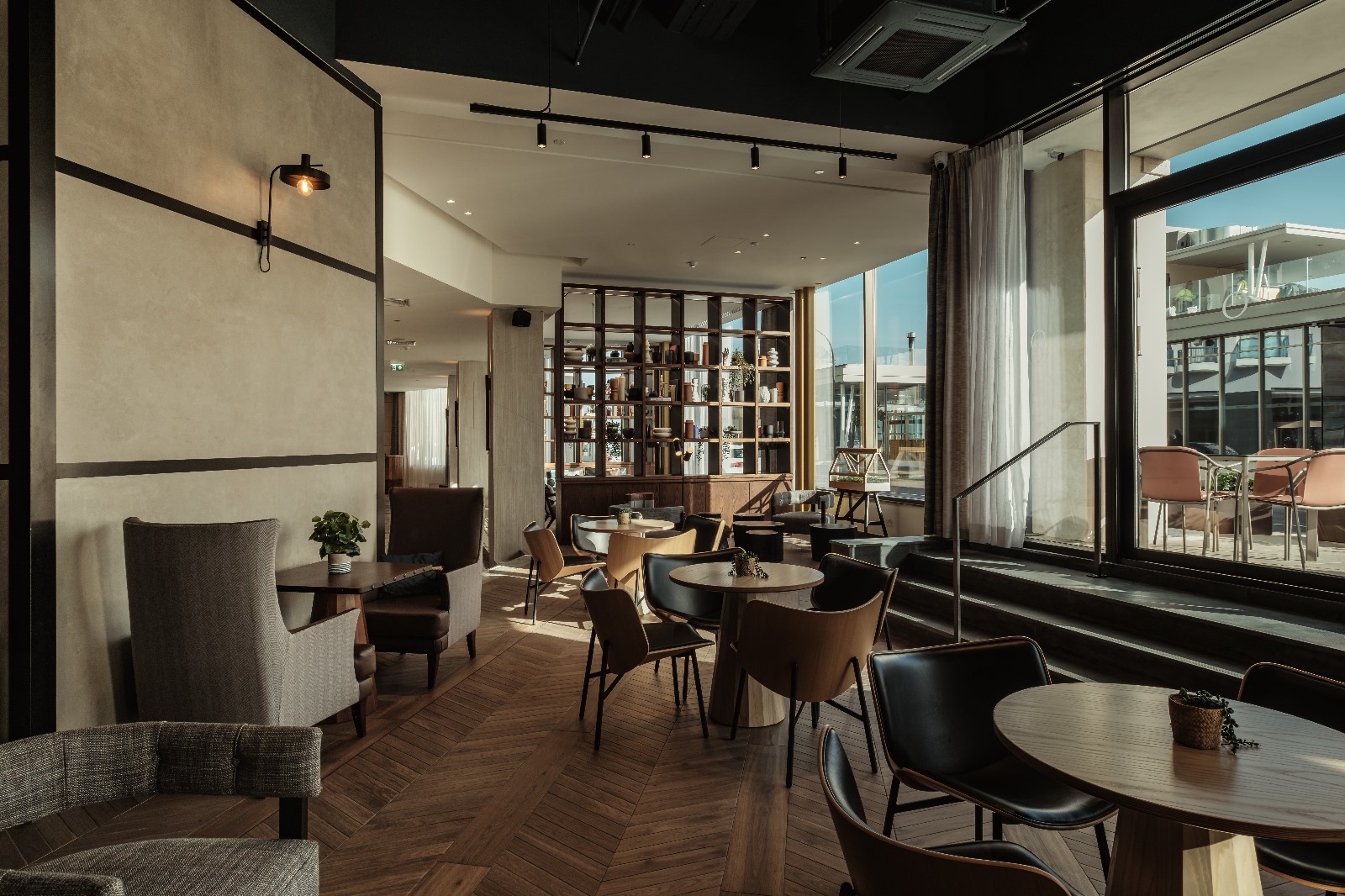
“People look back with nostalgia at the architecture of the past and question the lack of aesthetically pleasing buildings being erected today. In no way am I suggesting we should replicate styles of the past, but we need to be creating buildings with more interest and detail, and ones that in years to come, as with older buildings today, can be adapted and changed to meet the needs of the day.”
Of inspiration and aspirations
Tasked with singling out a design era in history that resonates with him, Simon says the immensity, craftmanship and detail of the Gothic era has always had him transfixed. “This was a time when the stone mason was simultaneously the craftsman and the architect.”
“I find nowadays that all the different professions involved in the building operation have become so specialised in their own field that their involvement, detached as it is from the overall process, does not give much thought to how to get from A to B, with the result that the quality of the final product suffers.”
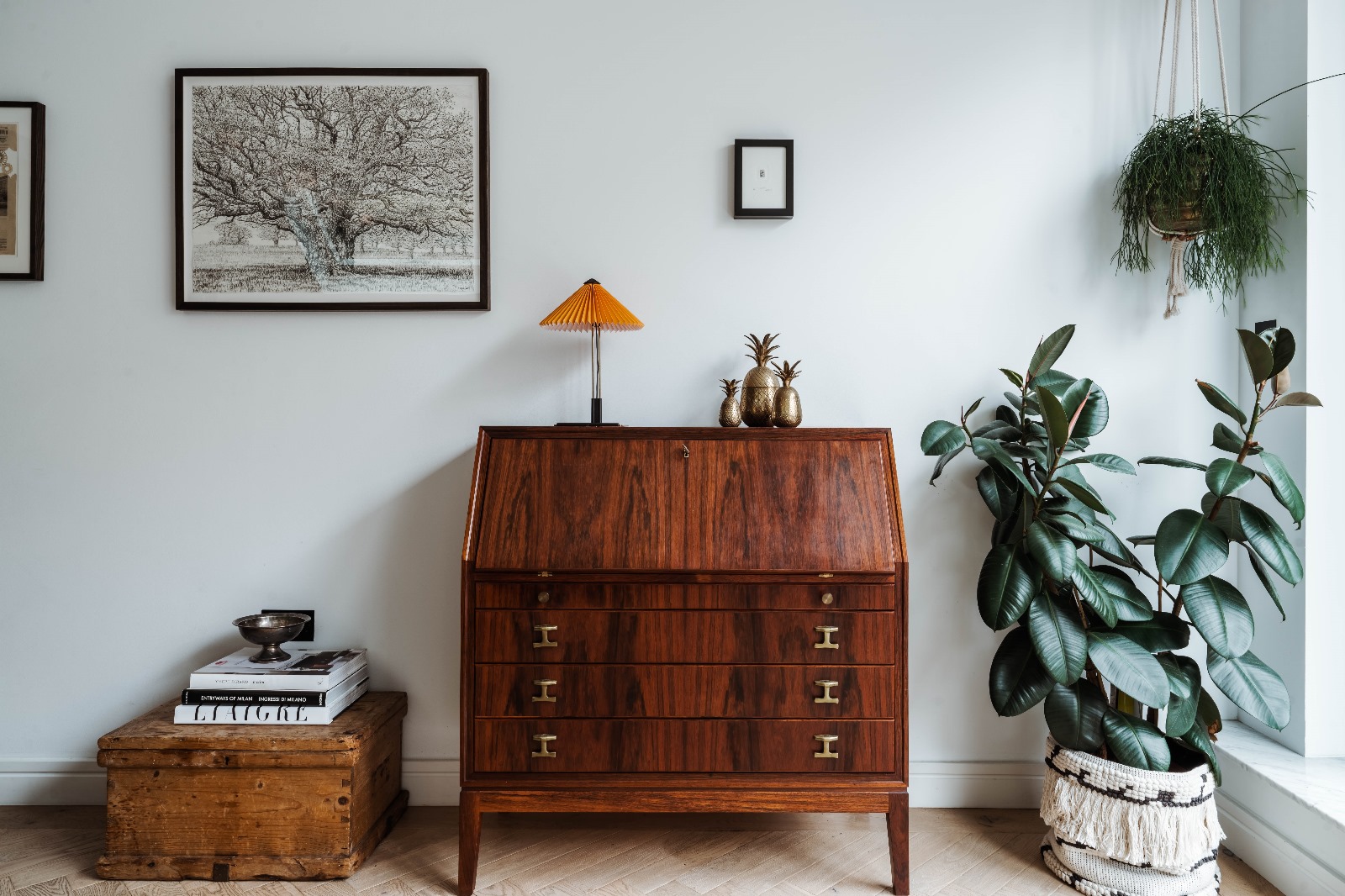
As for his own career aspirations, Simon asserts he would relish the opportunity to work on the renovation and change of use of existing buildings rather than on new ones. A specific challenge he’d like to take on is to give an unused church or chapel in Malta a new lease of life; similar to one of his first projects in the UK as a junior architect which saw the conversion of a chapel in Somerset.
“Nothing provides me with greater satisfaction than giving an old building a new lease of life, be it in the form of a change of use or a renovation.”
Main photo by Aleksandar Gligic