When three well-established architecture and creative design studios were approached in 2020 to be part of a confidential project spearheaded by furniture company Dari, it presented a novel opportunity for them to introduce their individual, Malta-inspired designs to a wider audience; a departure from the more familiar bespoke-design territory they’re accustomed to, with pleasantly unexpected and rewarding outcomes.
Design Dispatch caught up with studios Valentino Architects, A Collective, and Tom Van Malderen, the creative minds behind dell, Salini and DriTT respectively – a kitchen, bedroom and furniture range conceptualised and manufactured in Malta.
For these studios, the brief – proposed by interior architect and Dari’s design consultant, Jennifer Apap Brown – was one and the same: to design a made-in-Malta product that would test the abilities and limitations of the company’s new manufacturing plant, intended for the production and processing of laminated particle board.
“The project was being developed discretely by Dari, so we weren’t sure what the other designers were up to,” the team at Valentino Architects says. “We were pleased to discover towards the end of the process that all our designs – although they were developed independently – shared a similar spirit and thought process.”
“We weren’t required to complement each other’s ranges,” says architect and artist Tom Van Malderen. “Jennifer, who curated the Designer Collection, gave us as much freedom as possible within the framework that would tie our collections together: the production process and the use of melamine board as the prime material.”
Patricia and Steven Risiott, co-founders of A Collective, add that while the ranges were not required to work together, and the designs were only introduced to each other prior to the start of prototyping, “there is something uncanny about the way they actually do. A walk through the showroom is evidence of this.”
Salini by A Collective
For their bedroom range, architects Steven and Patricia Risiott turned to the natural resource that connects islanders together as a source of inspiration: the sea.
“We looked towards the geometrical patterns found in nature. Seemingly random but repetitive and organised. Patterns which are also echoed in manmade structures, such as the salt pans,” they explain, adding that the bedroom’s chosen colour range is also inspired by the local landscape.
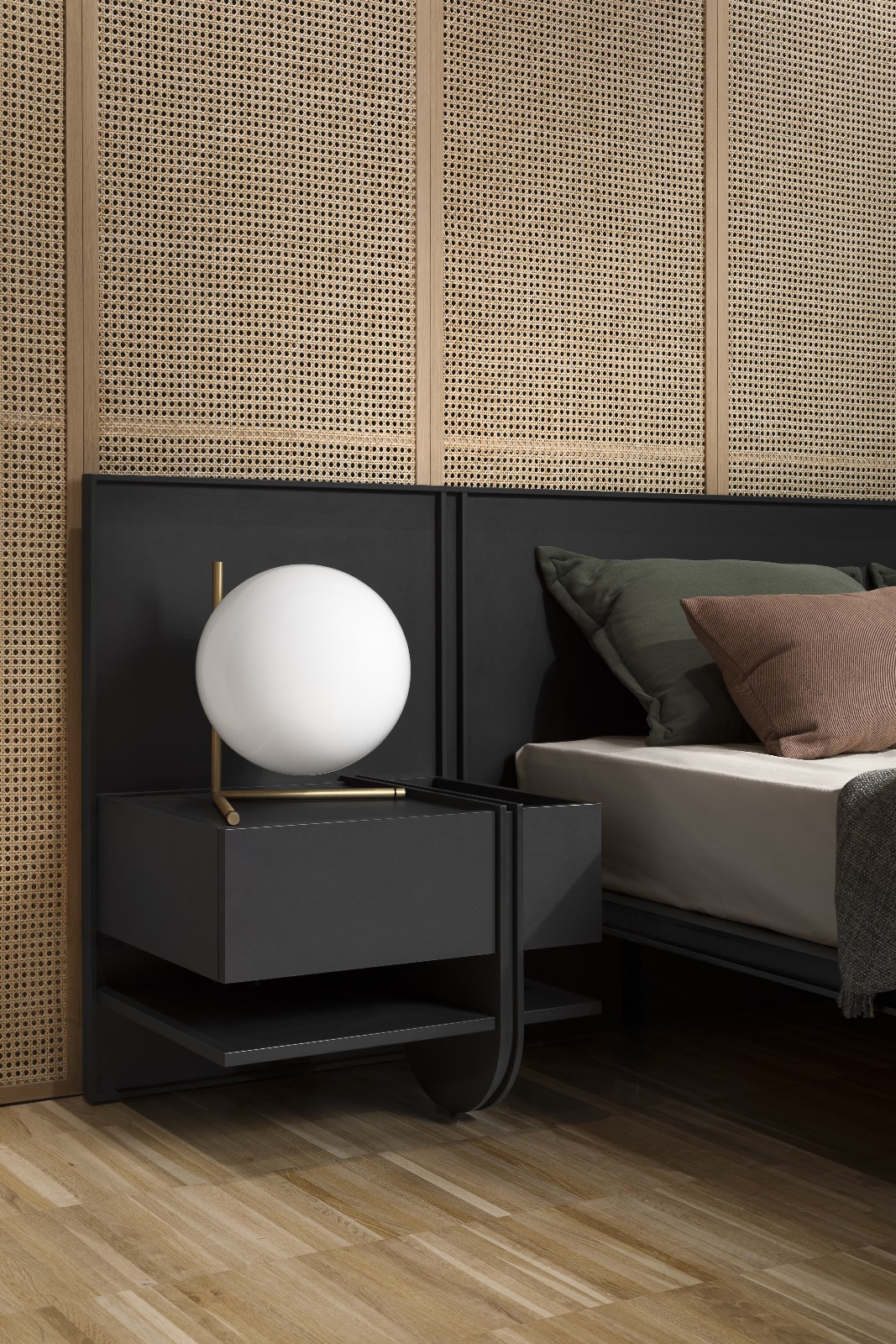
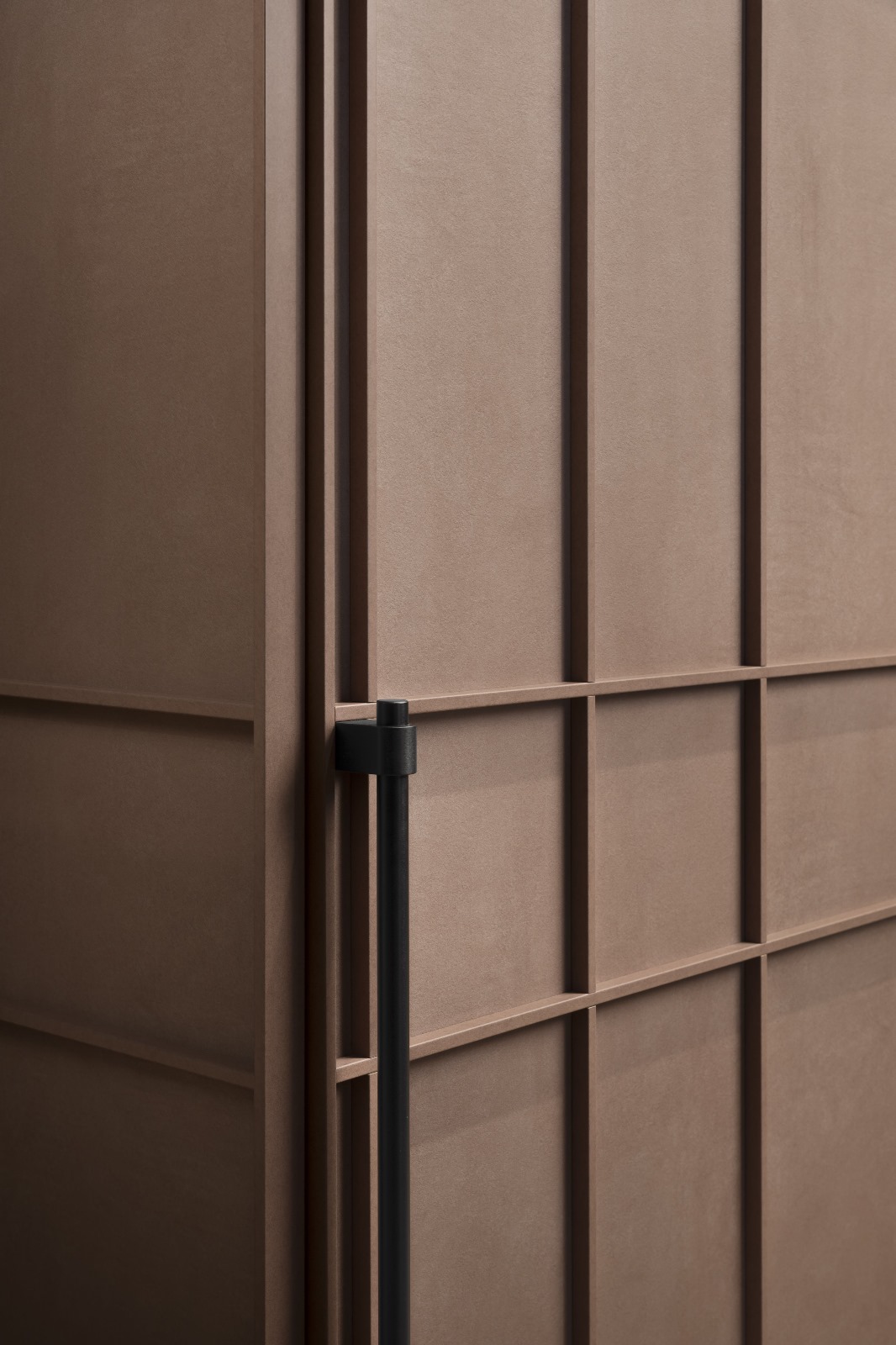
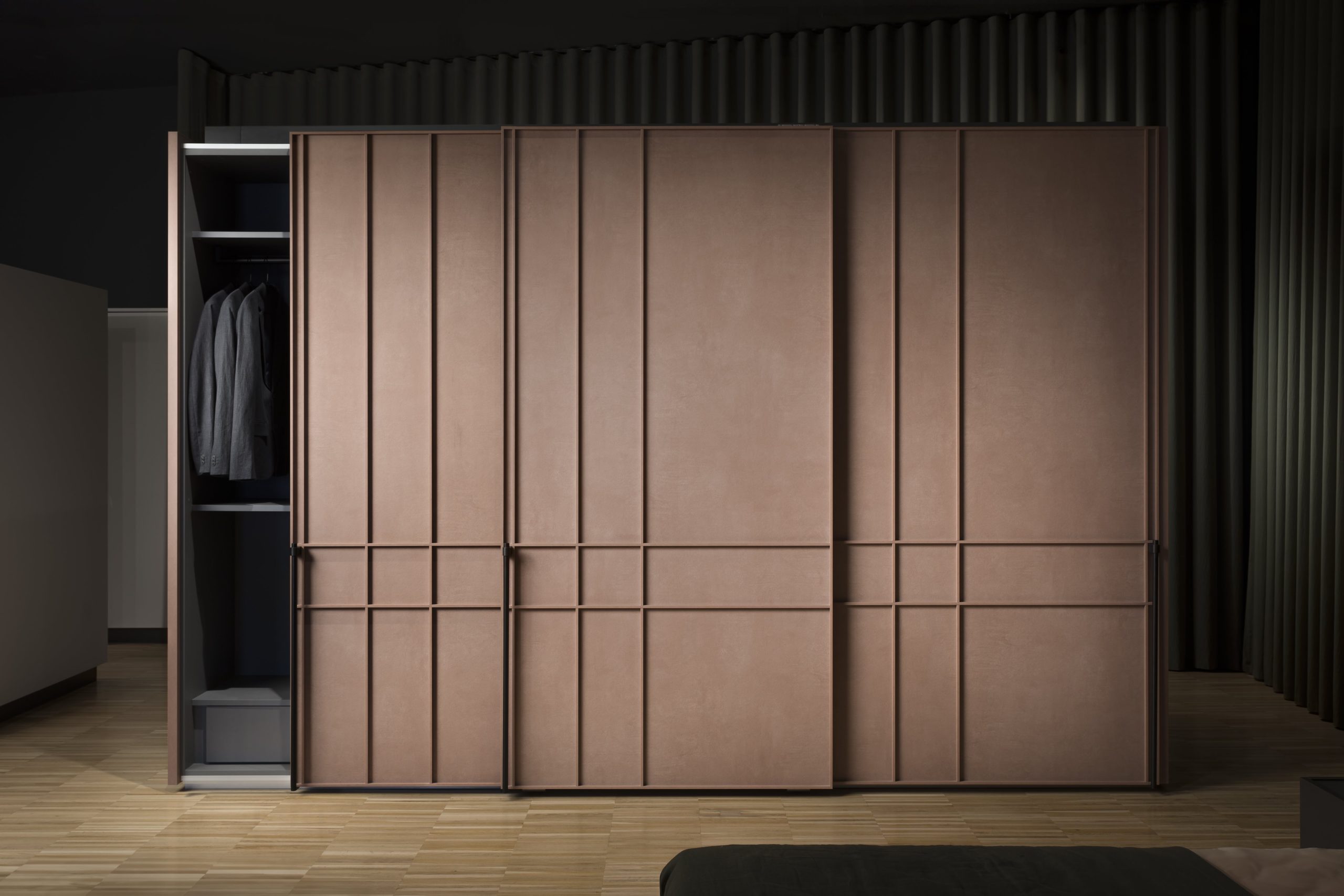
While the range is manufactured from flat panels, the design of Salini evokes depth, and seeks to “push within the limitations of the fabrication plant to create a unique range that is adaptable and allows for integration in various scenarios. It’s minimal and timeless.”
While the studio has built a reputation for designing bespoke furniture, Patricia says it was daunting at first to design without a specific client or context, but a challenge they were eager to take on. “We chose to take up the bedroom range as we felt that it was the most under developed on both the local and international market. The range currently available is only the start and there are several other pieces which we hope to launch in the near future to extend the collection.”
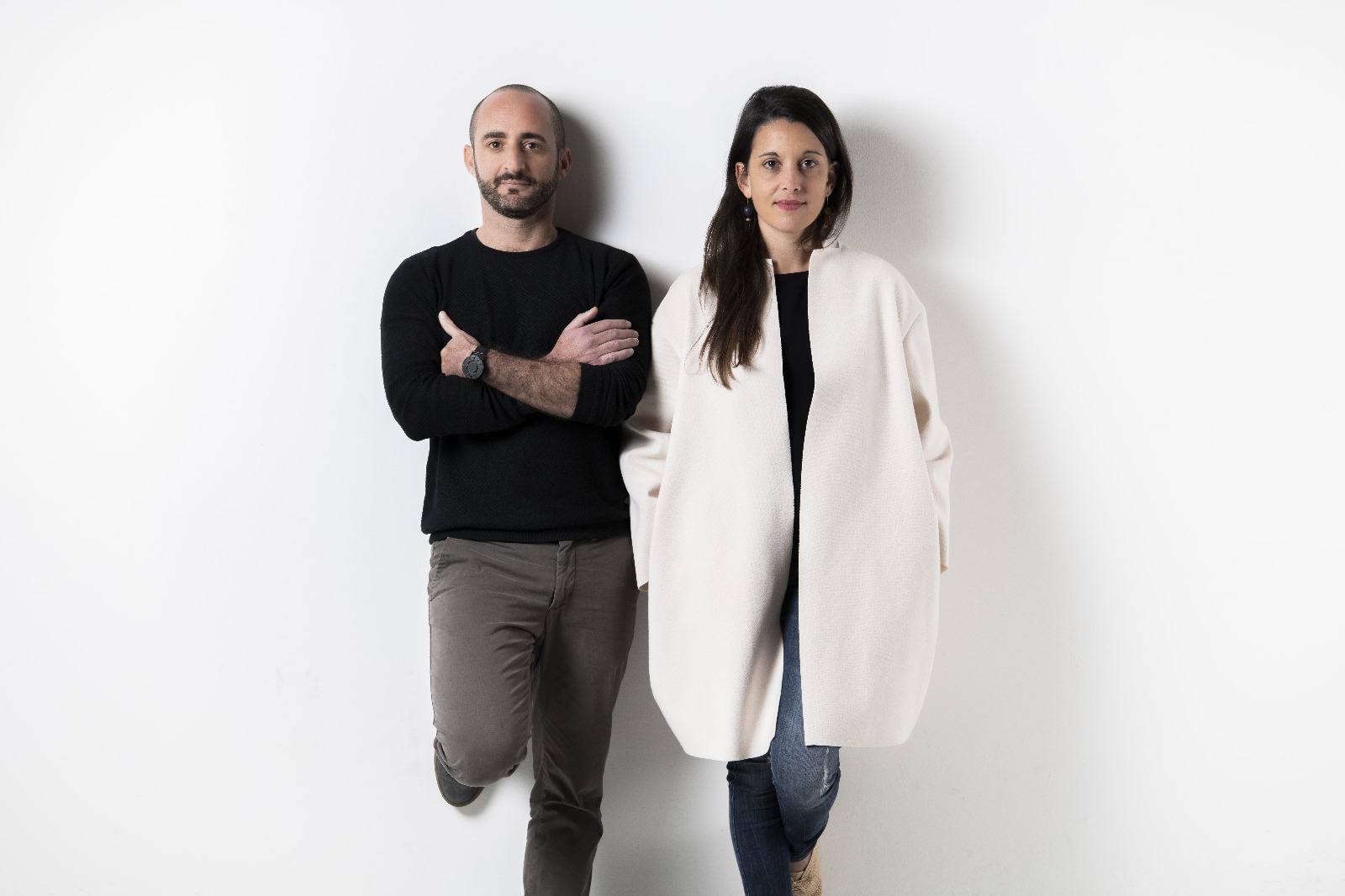
Personal highlight: “It was an exciting journey of new insight and knowledge which acquainted us with the world of product design, a field which our studio had not tapped into until recently. We have been left eager to explore new collaborations and develop concepts we have been designing behind the scenes.”
DriTT by Tom Van Malderen
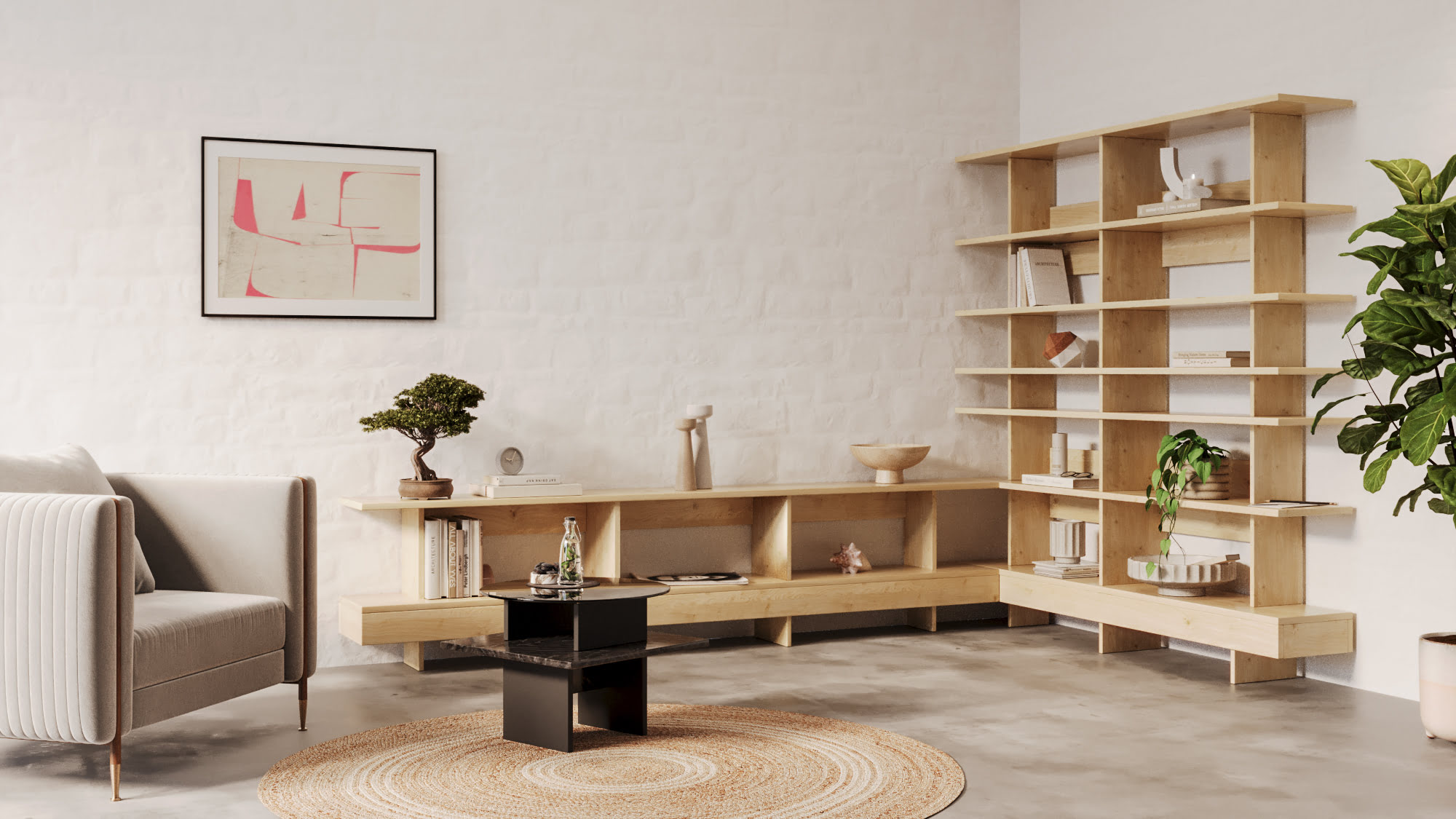
“My wish for DriTT was to create something I refer to as democratic luxuries, functional sculptures, and practical beauty,” says Tom Van Malderen, whose work explores the intersections between art, design, and architecture. “The final result is a line of furniture for the living areas, consisting of a series of tables, a shelving system, home desks, benches and stools.”
While the pieces could be broken down into a compilation of furniture panels through a process that is at once straightforward and sophisticated, Tom sought to transfer this combination into a quality for the collection itself.
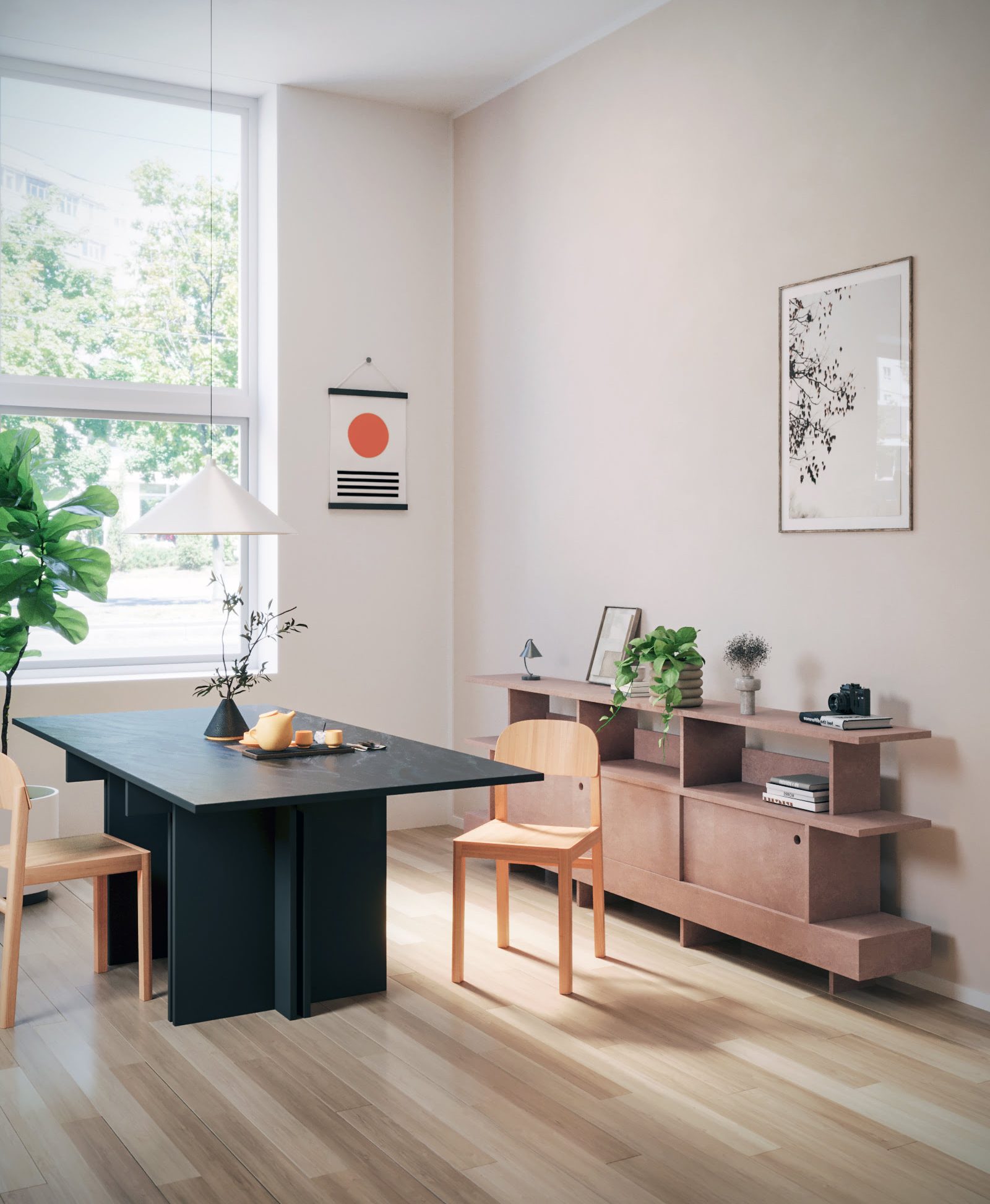

“With driTT (meaning ‘straight’ in Maltese), I wanted to introduce the pleasure of play and rhythm into the hyper-rational production process,” he explains, which resulted in a large family of furniture objects “that can work on their own or in combination; that can stand out or blend in; that come in different sizes, colours, materials, and textures to cater for different moods and tastes.”
This collection marked a unique opportunity for the Malta-based designer, who explains that “producing a range of furniture for a local brand means that the result needs to capture a larger audience with whom one doesn’t have a personal relation. The result needs to be specific, without being too specific.”
“The process is driven by the pragmatic – what I find exciting is how to turn the pragmatic and any limitations into an aesthetic of its own, making it peculiar and a delight,” says Tom. “Developing a line of furniture takes substantial time and energy. By making it a range of furniture, one can make it more sustainable and affordable.”
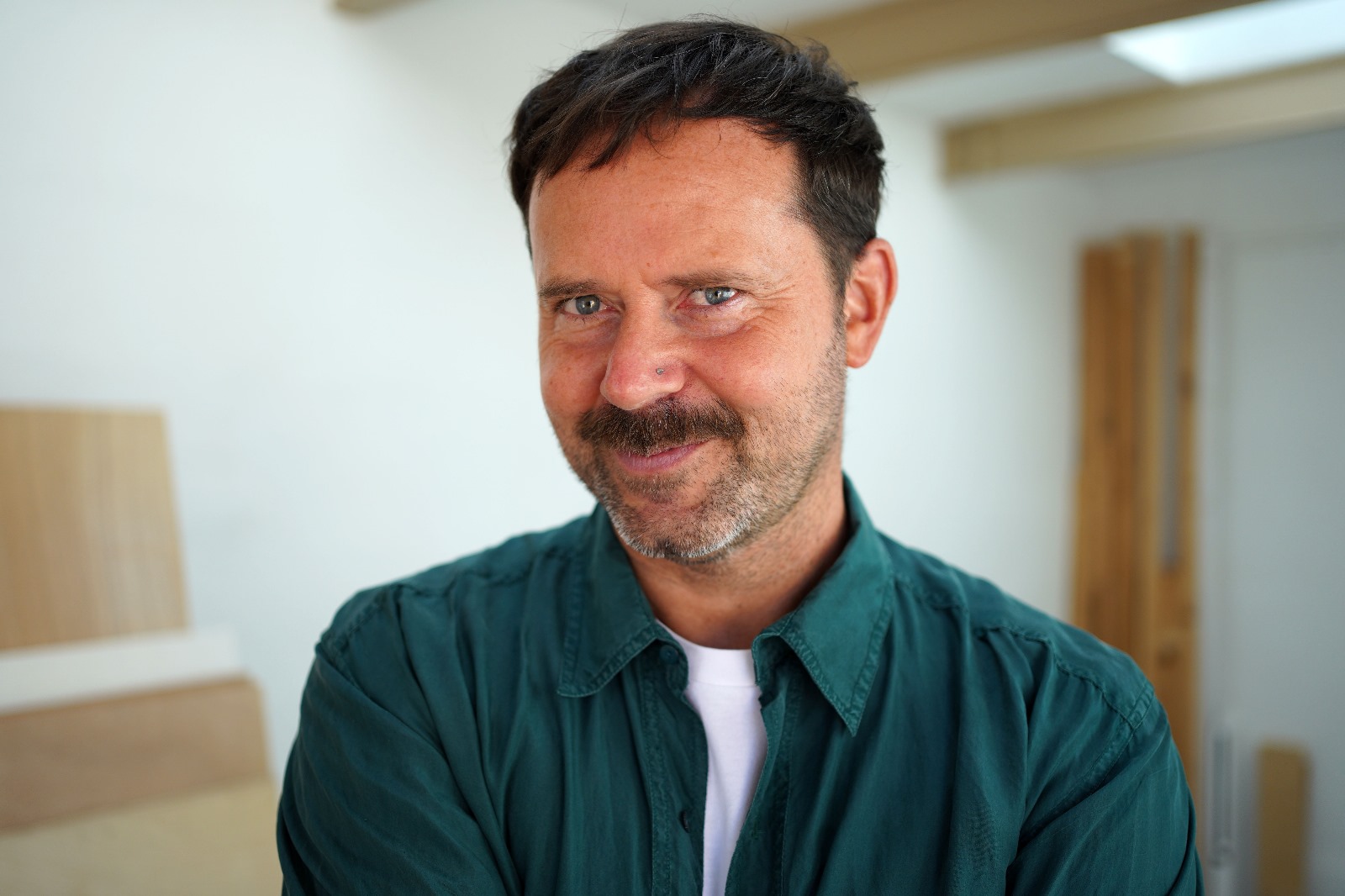
Personal highlight: “The diversity of the audience that have bought and made my furniture their own. To design is also to communicate a way of looking and thinking about things, and I find it extremely important that whoever takes them home or to work, can make them their own and start their own story.”
dell by Valentino Architects
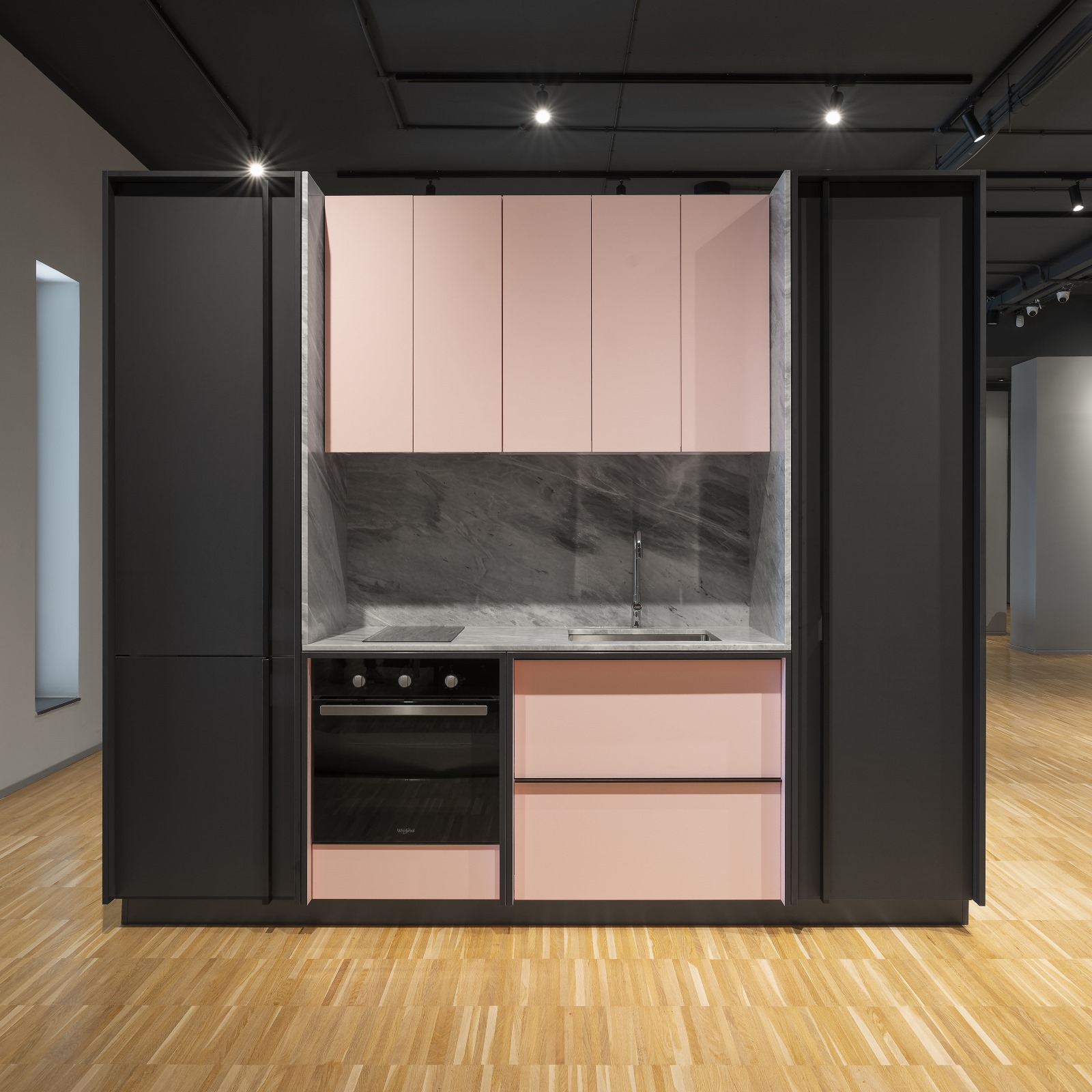
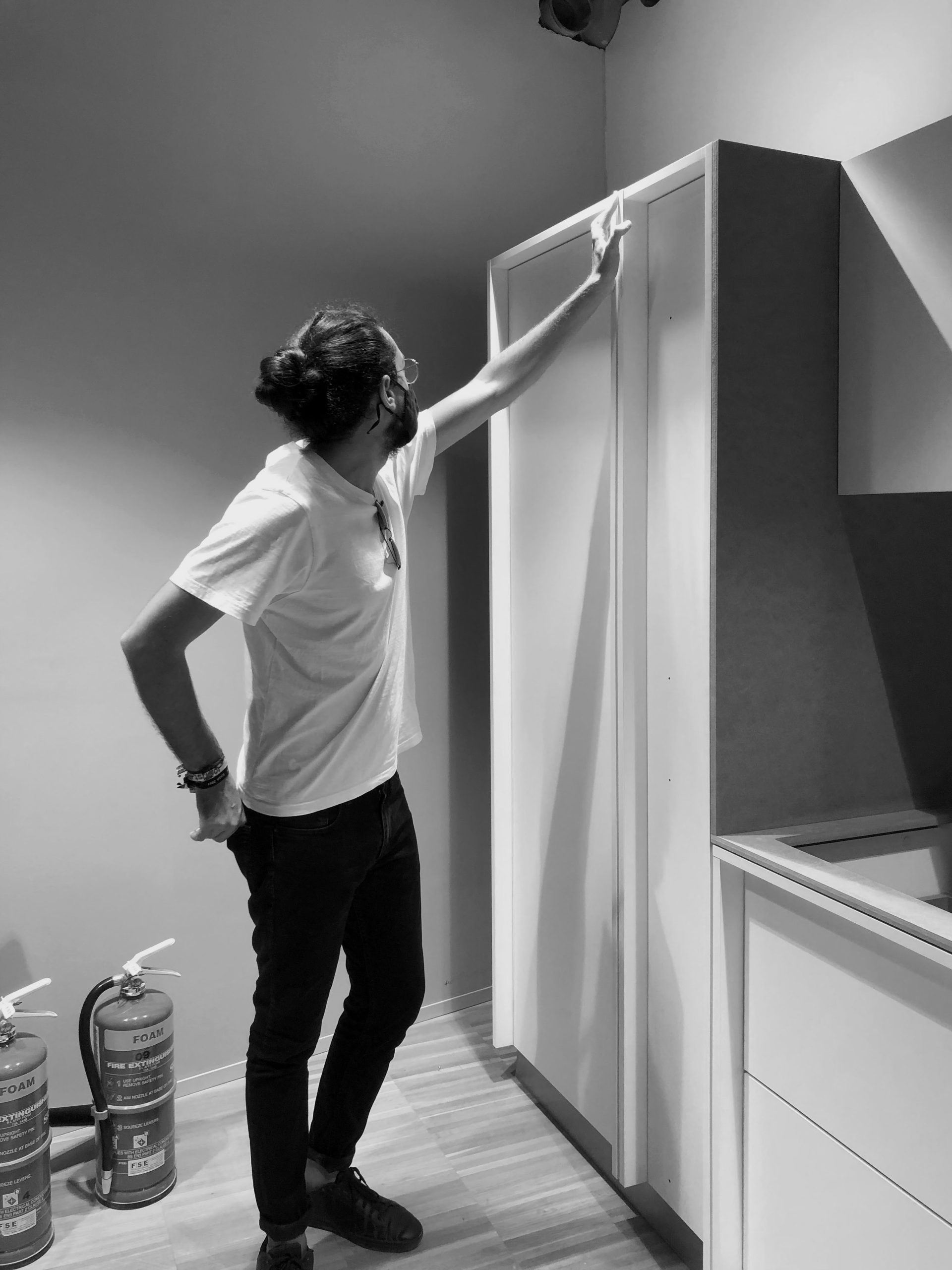
For the team at Valentino Architects, the dell range of kitchens set out to celebrate the production process and the material itself by exposing the ‘edge’ of the board, which is traditionally hidden in most contemporary kitchen designs by doors and kitchen fronts.
“The carcass and structure were exposed, leading to the creation of an architectural rhythm in the design of kitchen configurations, similar to the way a building’s façade could be assembled. This way of thinking was extended throughout, including in certain details such as the vertical handles,” the team explains.
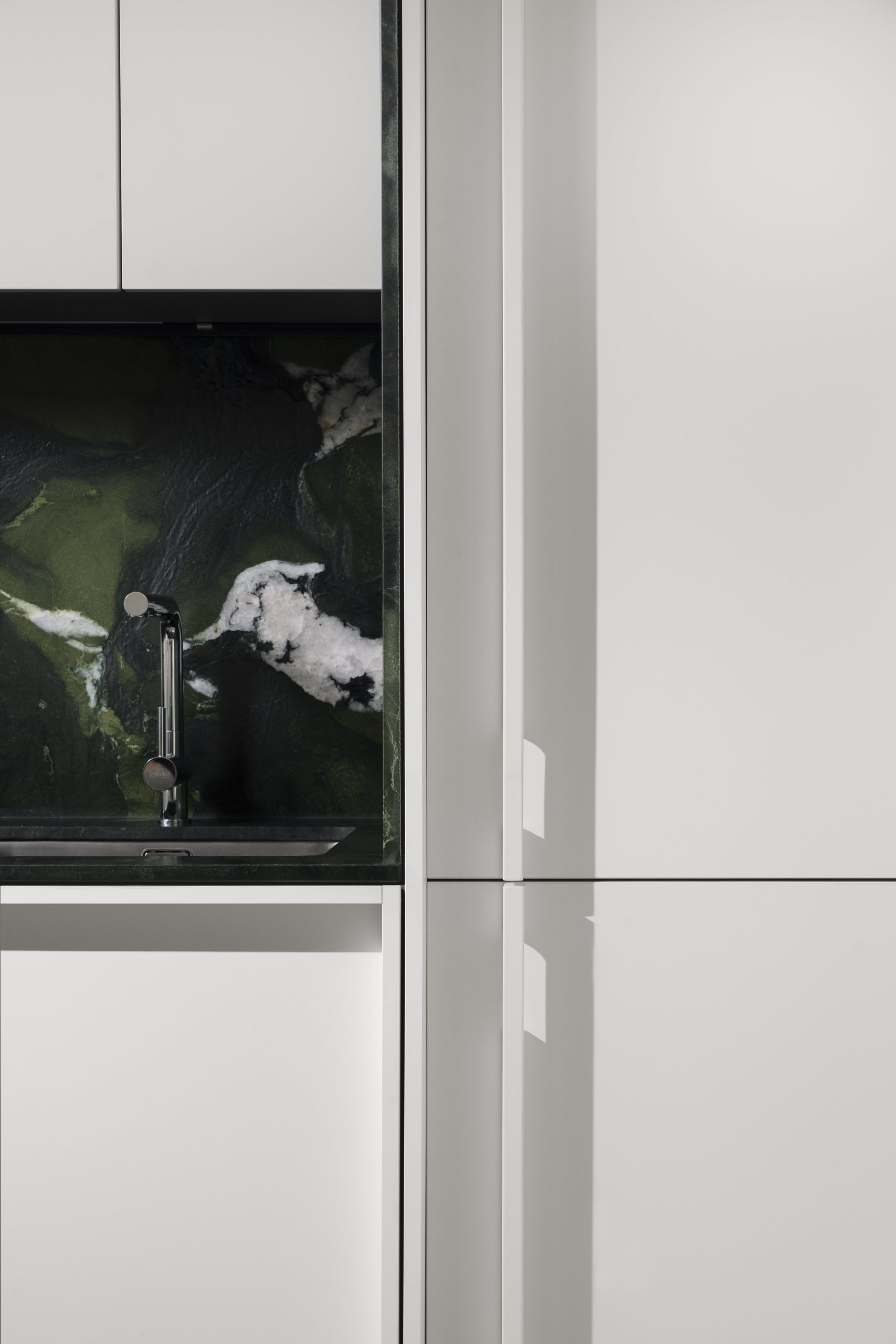
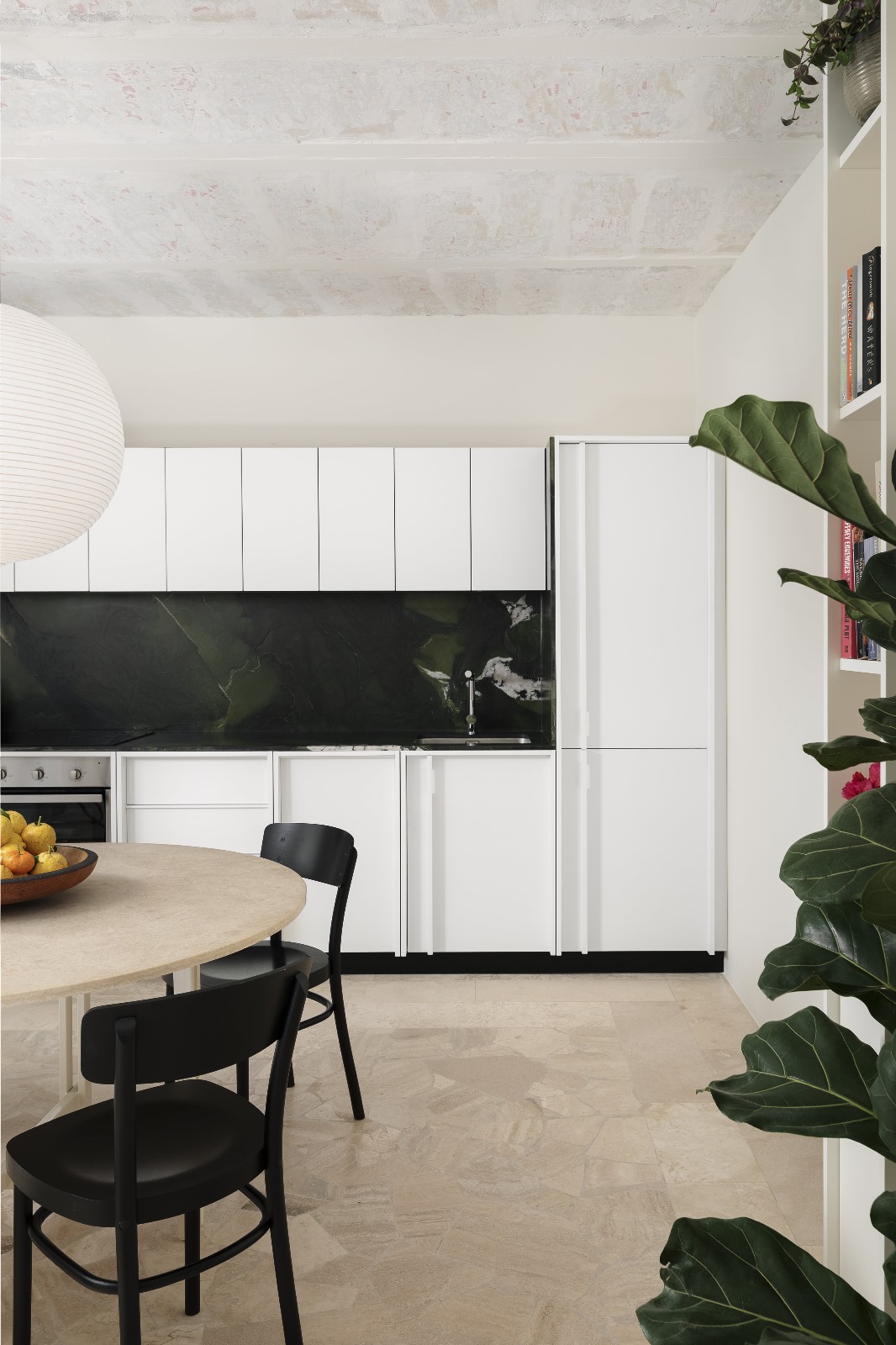
By creating different planes, “the design also references chiaroscuro, the contrast brought about by light and shade in our local architectural landscape, which inspired the name ‘dell’. The result is a range of kitchens which is versatile and accessible.”
Following this collaboration with Dari, the architects share how designing a modular range of kitchens requires a completely different way of thinking to designing custom-made pieces of furniture.
“It requires continuous collaboration between designer and manufacturer, prototyping after prototyping, discussions with the sales team and other stakeholders – processes which are applicable to all types and scales of projects – product, interior, and architectural,” say Valentino Architects.
“Adopting this cooperative approach to design has its benefits – one of the biggest ones being accessibility to wider markets. The greater the synergy between design and manufacture, the more accessible the product becomes – the fact that it is produced locally makes this even more true for the local market.”
Personal highlight: “Receiving an invitation for lunch at a friend’s house and eating at a driTT dining table with a dell kitchen as the backdrop!”
Main image: Dritt furniture by Tom Van Malderen / Vizwali