At the turn of the 21st century, the so-called Millenium Project, a Masterplan commissioned by the Maltese government in 1990 for the rehabilitation of Valletta and its environs, started to take shape with the restoration of a 16th-century fort, St James Cavalier, that was turned into a centre for the arts in Malta.
And now, 24 years later, Spazju Kreattiv remains one of Valletta’s most prominent cultural hubs, attracting practitioners from various arts disciplines as well as visitors from near and far within its historic walls, which were adapted for the next phase of its lifecycle by eminent architect Richard England.

A storied history
The Cavalier holds a unique place in Malta’s rich history, as a fortification strategically positioned in the heart of Valletta, which enjoys UNESCO World Heritage Site status.
Designed by Italian military engineer Francesco Laparelli and originally constructed by the Order of the Knights of St John, this bastion served as a crucial defensive structure, safeguarding the island against various threats throughout the centuries.
When Malta fell under British rule in the 19th century, the cavalier’s empty internal chambers and rooms – originally packed with earth and rubble to muffle the impact of enemy fire – were adapted into ones that would serve as an officer’s mess.

This required alterations to the building, most notably, turning a cannon ramp into a staircase, increasing the number of rooms which resulted in the construction of the iconic arched ceiling on the ground floor to create two floors, and the excavation of two reservoirs that stored water for the entire city of Valletta. During World War II, the fort was used as a bomb shelter and a food store for British forces. The old cannons were replaced by anti-aircraft guns, and three of their emplacements are still visible on the cavalier’s roof.
Decades later, in the 1970s, St James Cavalier became the new home for the government printing press, a purpose it would serve until 1995 when it was decided to have it moved to its current location in Marsa. This set the stage for a new chapter – its rebirth from a military structure to a cultural hub.
A new age
Richard England was tasked with a sensitive and complicated job, one he had said he approached with equal measures of pride and boldness in order to meet present needs while respecting the past. Nowhere is this more evident than in the dramatic atrium, built out of one of the reservoirs, which floods the building with light while giving its centre a new heart.
In an essay penned by the late author and journalist, Ann Monsarrat, she describes it as “indisputably a very modern piece of architecture, but it is certainly no brash intruder, its boldness and strength pay homage to the past.”

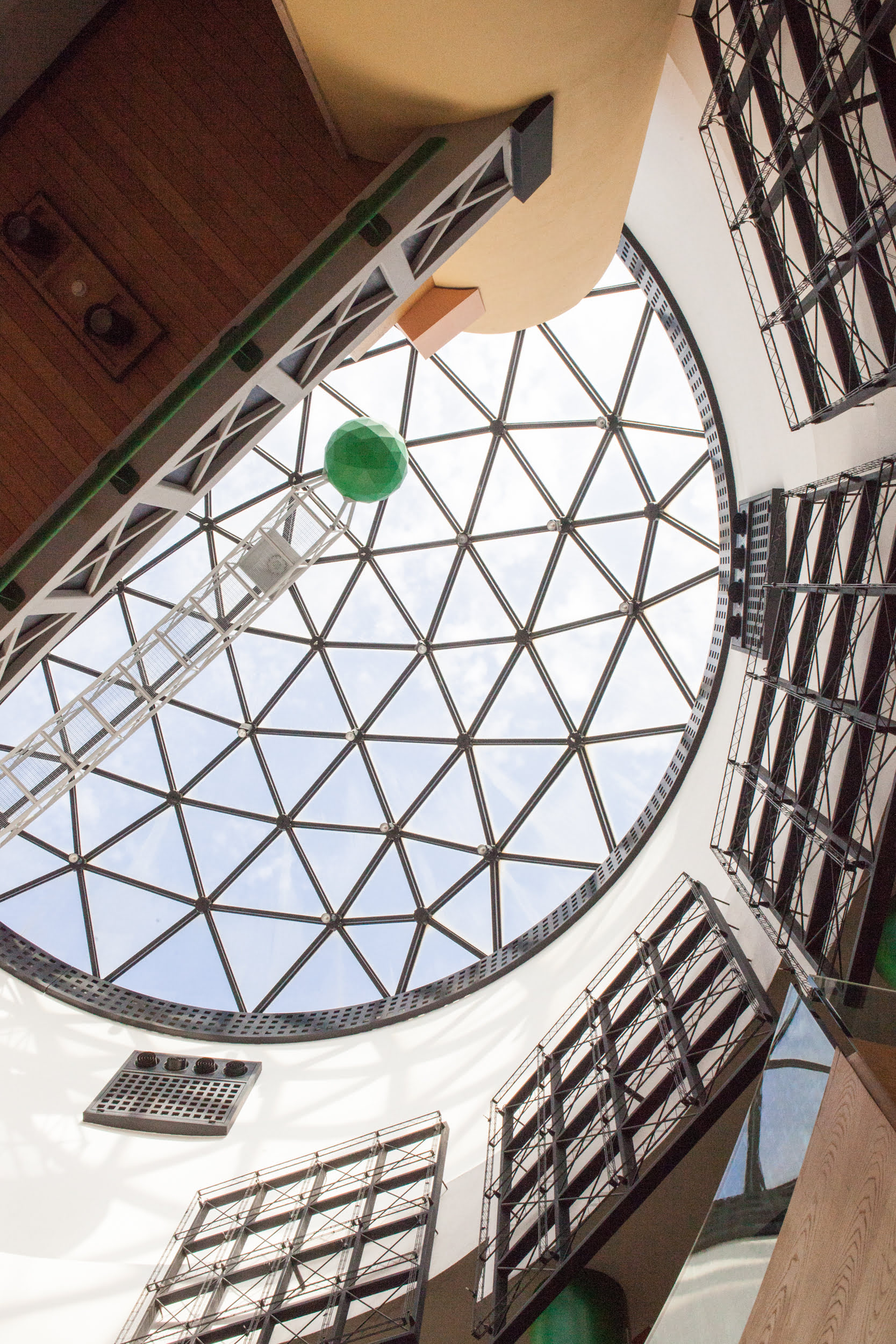
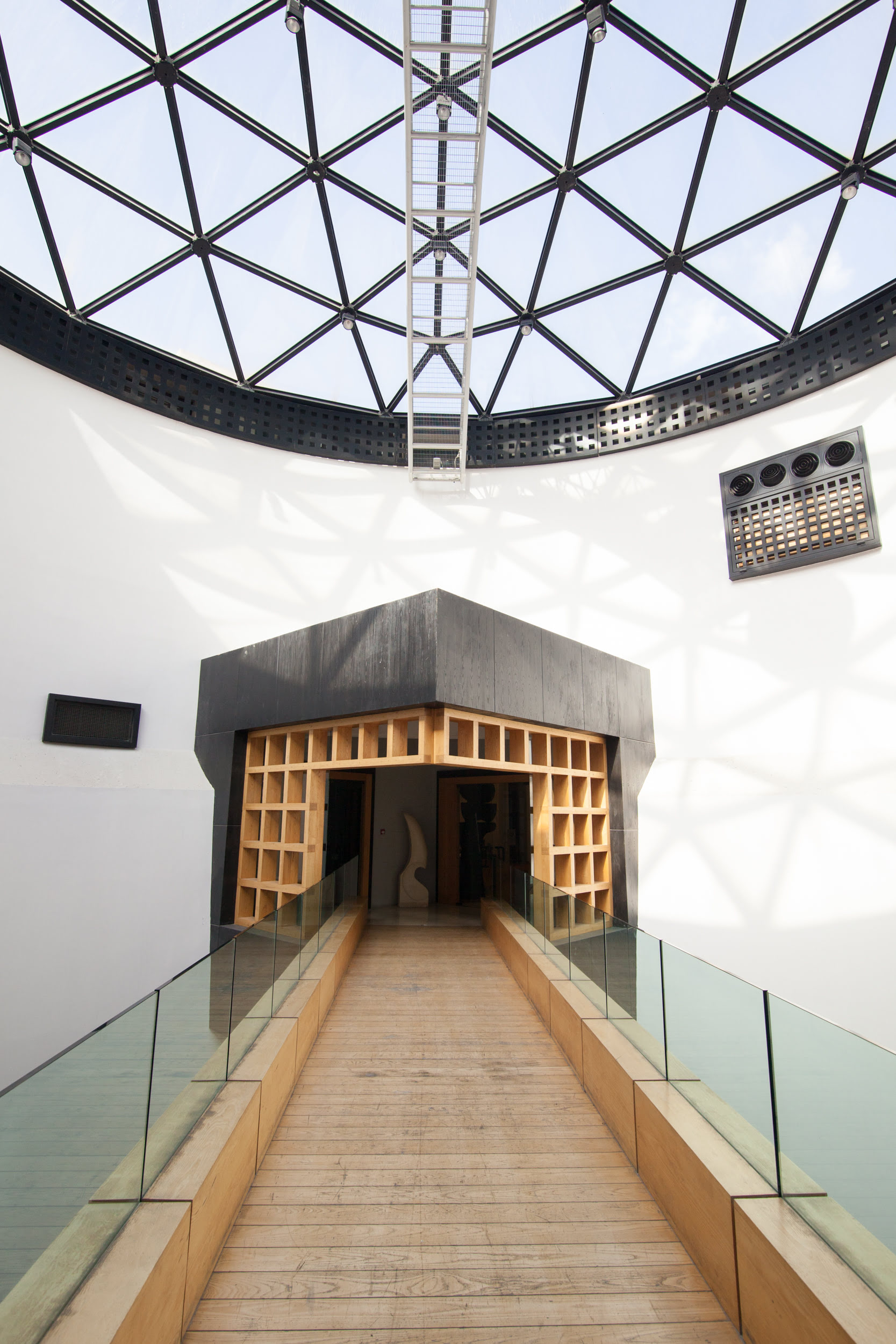
“Along the atrium stairs, which give access to the many levels of the cavalier, he has cut breaches into the interior of the walls, providing glimpses of the earth and rubble packing and the original masonry.”
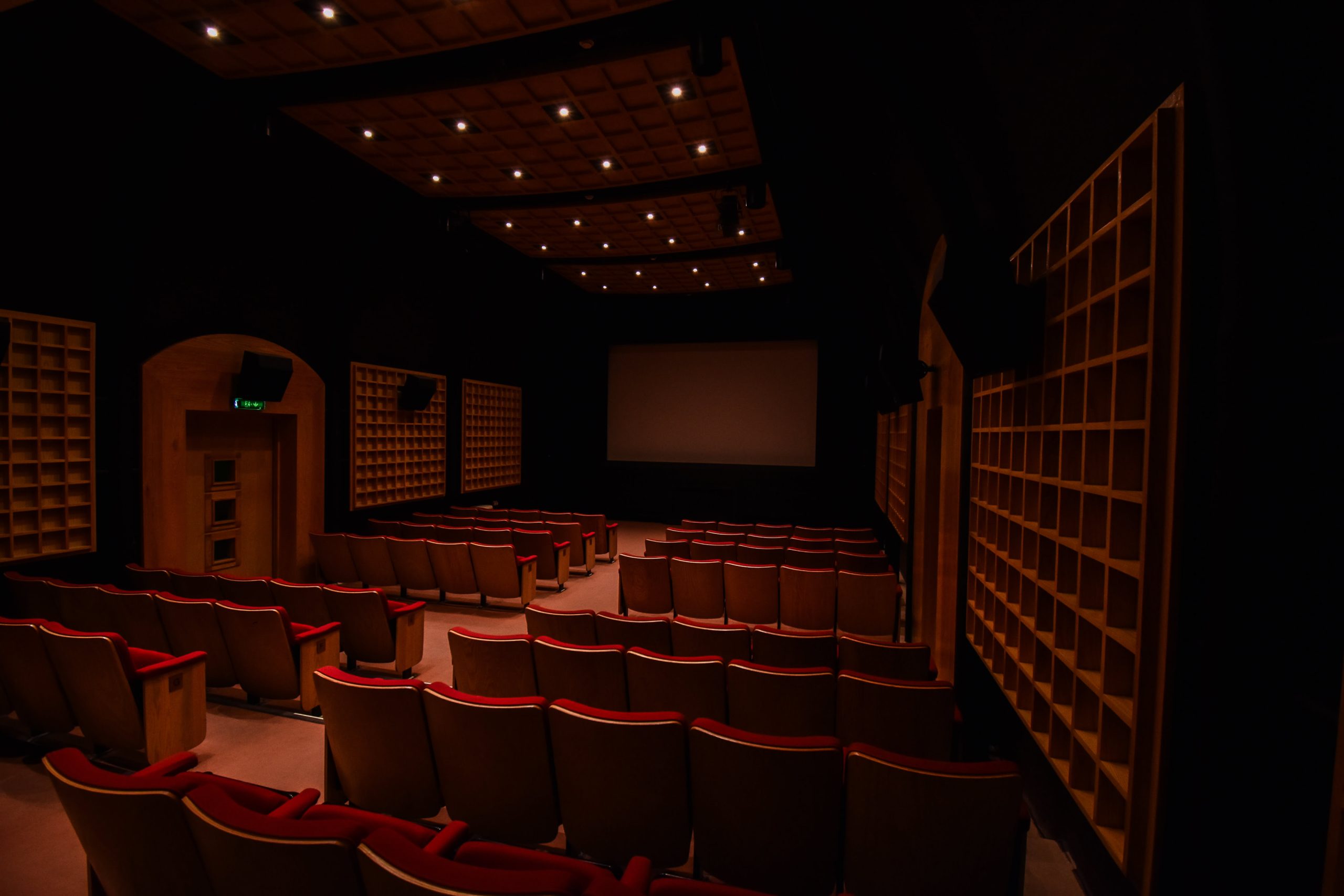
In the second reservoir, a round theatre was built, but evidence of the original stonework is visible, serving as a reminder of the building’s former use. On the upper level, four large rooms and a barrel-vaulted hall below became exhibition spaces, providing artists with an abundant blank canvas that can be adapted to individual needs, while two smaller areas were turned into an intimate music room and a cinema.
A multi-purpose venue
Upon its opening as St James Cavalier, National Centre for Creativity – later rebranded to Spazju Kreattiv – in September 2000, a formerly austere building became a thriving hub with a full artistic programme every season, featuring events that range from visual art exhibitions to theatre productions, indie cinema screenings, opera performances, artist residencies and festivals.

Apart from the venue’s architectural grandeur and fascinating history, the beauty of St James Cavalier today is its community-centred ethos and its sheer adaptability. The round theatre, with its 150 seats, can stage any style of performance, as well as a corporate meeting.
The Music Room, equipped with 98 seats, could be the perfect space for an up-and-coming musician’s debut recital, or the site for a cultural symposium. Similarly, the cinema, which provides seating for 105 visitors, can host film buffs for screenings of art house or foreign films, or set the scene for a corporate gala in a sophisticated setting.
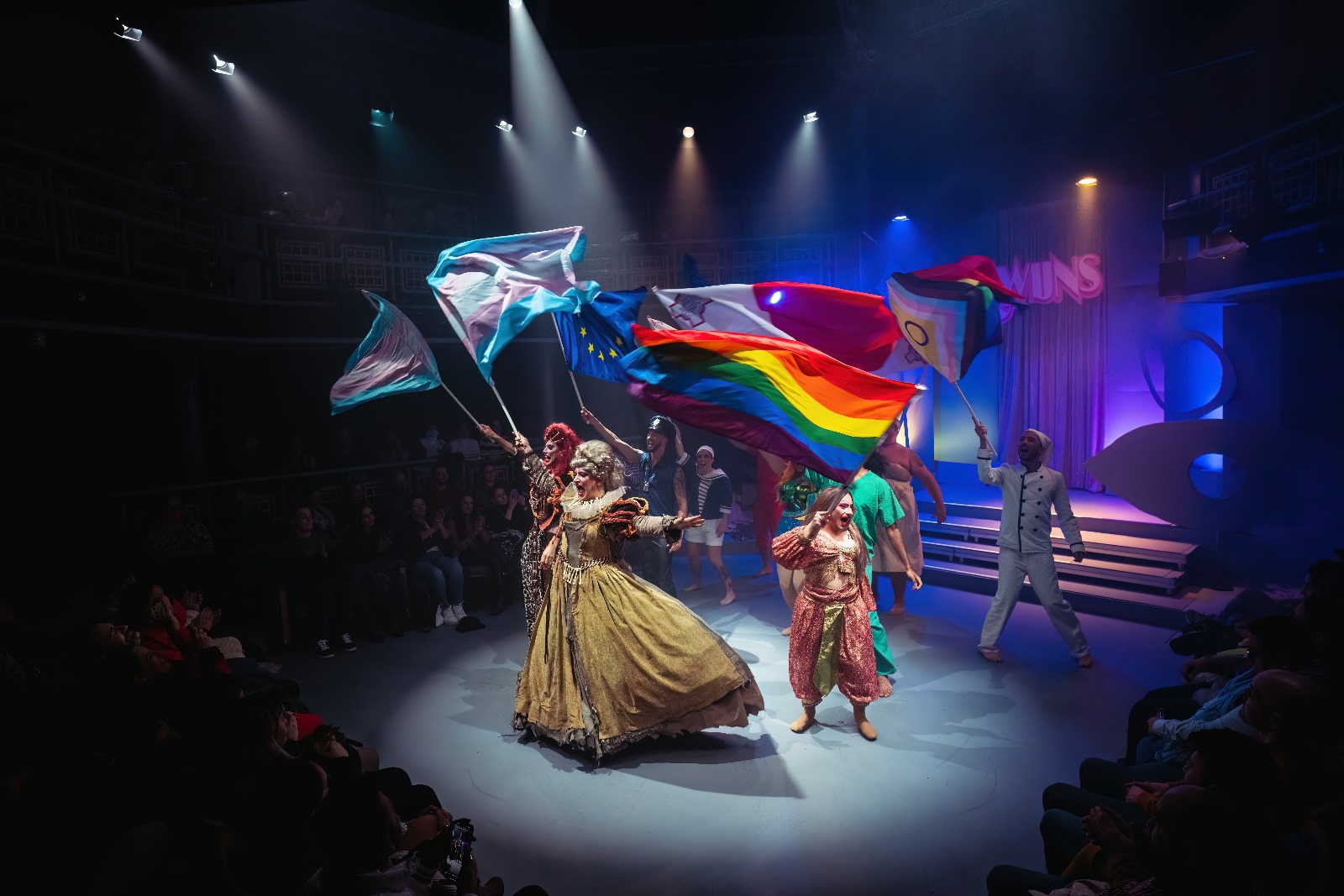
Its ability to morph into a venue for all types of events makes it an attraction on multiple levels, while such support directly contributes to the success of Fondazzjoni Kreattività’s programming, enabling it to continue showcasing local and international talent to audiences in Malta and beyond.
Photography: Spazju Kreattiv