In an age where trends and new developments could be relied upon as being in a constant state of change, it might seem antithetical that we should constantly embrace such rapid change inside our own homes – when our home should, in fact, be a reflection of ourselves, our lives, and our steady, gradual growth.
Which makes the non-trend of personality-driven interiors a particularly interesting one – and one that interior designer Caroline Ciantar Barbara advocates for. In this contribution for DesignDispatch, she delves into what this movement is all about, and how you can achieve it inside your home.
By Caroline Ciantar Barbara
A personalised design principle
Interior design trends may come and go, but 2025 is set to reinforce an important movement: the rise of personality-driven interiors. Over the past decade, homeowners have embraced a uniform aesthetic – none more dominant than millennial grey.
This monochrome palette, once seen as sleek and modern, became the default choice for everything, from floors to walls to sofas. While it provided a neutral base, many now feel it lacks warmth and individuality. As we move into the year, there is a clear shift towards richer, more expressive interiors, shaped by a need for uniqueness, comfort, and connection.
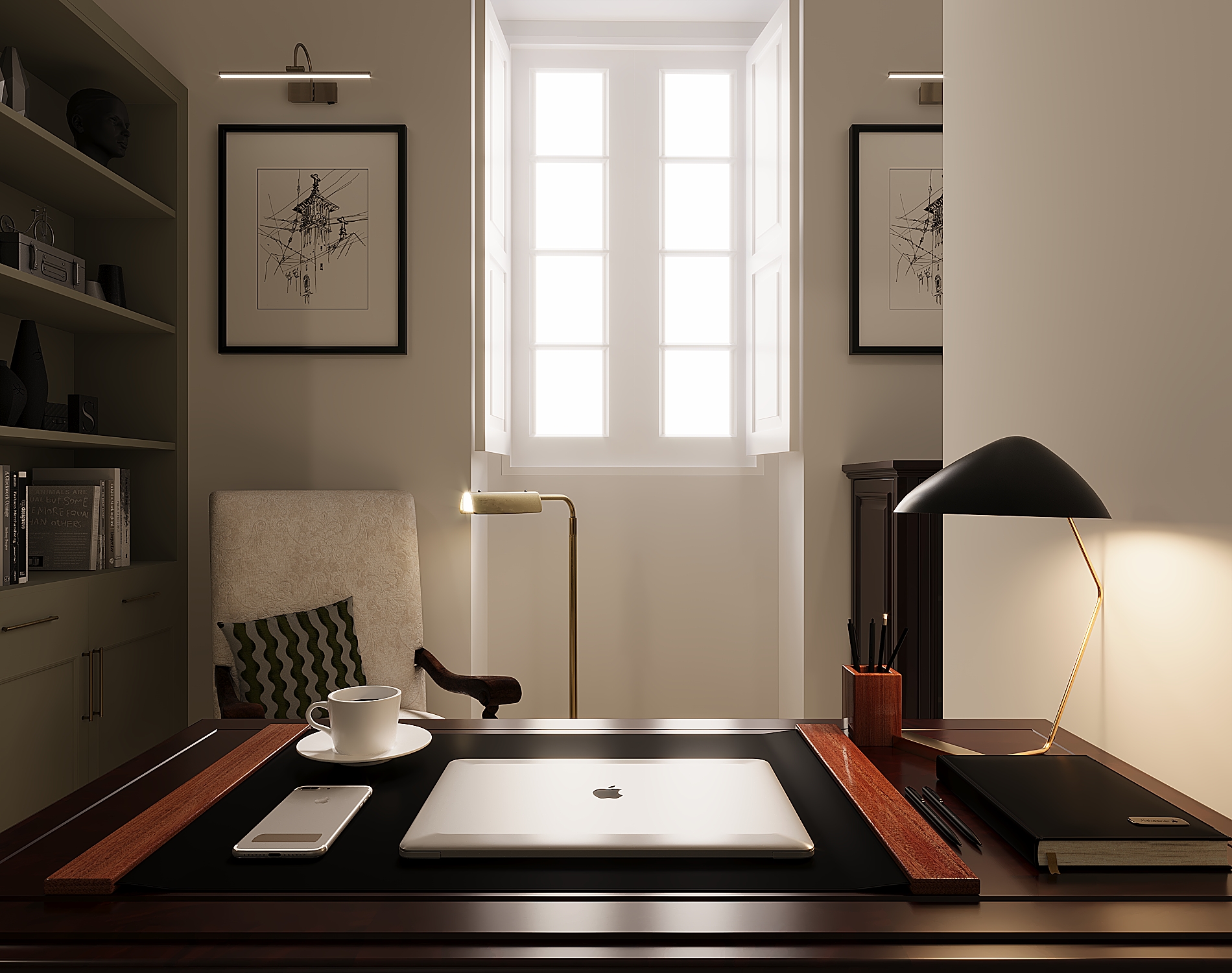
Homes are no longer just places to return to at the end of the day – they are workspaces, sanctuaries, and social hubs. As a result, there is a growing demand for interiors that feel personal, inviting, and adaptable to everyday life.
No trend, just individuality
Rather than adhering to a specific aesthetic, 2025 is about moving away from trends entirely. Instead, people are prioritising spaces that reflect their own tastes, experiences, and lifestyles. This shift is leading to greater experimentation with colour, pattern, texture, and unique furniture combinations, all chosen for personal appeal rather than for their popularity.
Key interior movements
1. Thoughtful, sustainable design – With a growing awareness of sustainability, home owners are prioritising quality over quantity, leaning towards well-crafted, timeless pieces rather than disposable fast furniture. Vintage and antique shopping has gained traction, not only as an eco-conscious choice but as a way to bring history and character into a space. A move towards custom upholstery, handmade decorative elements, and locally sourced materials is reshaping interiors.
2. Pockets of sanctuary – The demand for homes to function as retreats continues to grow and people are carving out small, intentional spaces designed for relaxation. Whether it’s a reading nook, a cosy bedroom, or a meditation area, these spaces provide a sense of calm. Biophilic design – integrating natural materials, plants and organic textures – is reinforcing the connection between home and well-being.
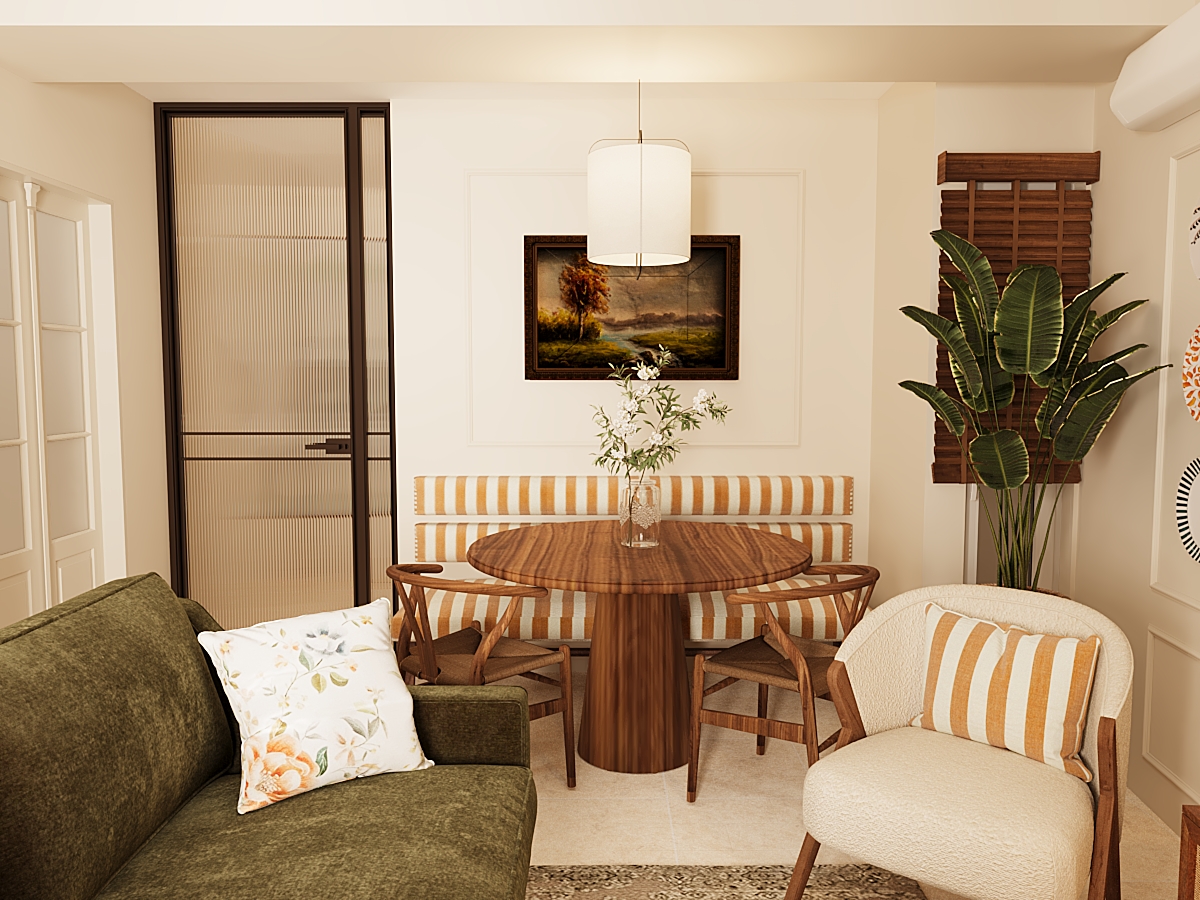
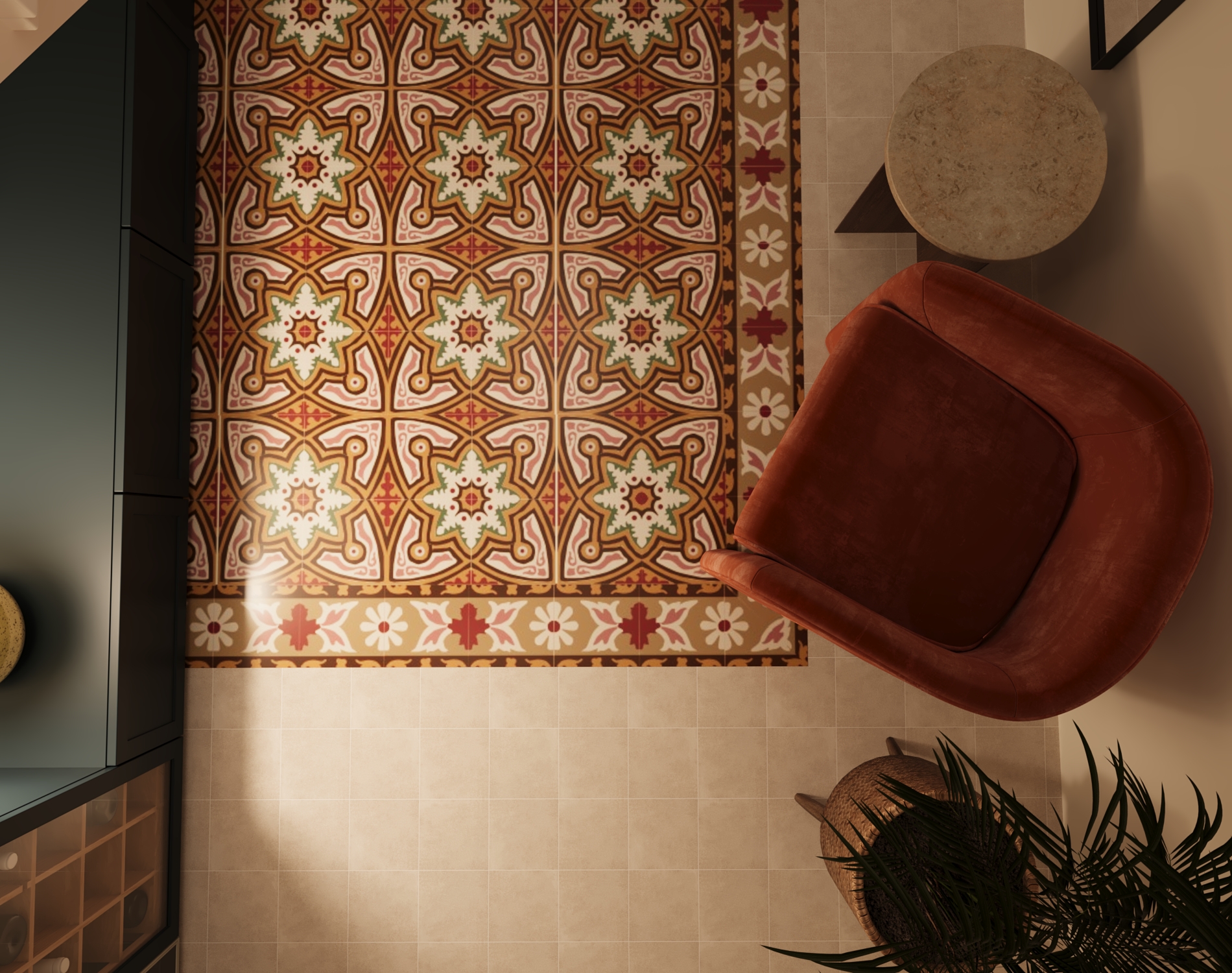
3. Warm colour palettes are back – Colour is making a strong comeback. A resurgence of retro-inspired palettes from the 1970s and 1980s has revived warm and earthy hues such as terracotta, mustard, deep greens, and rich browns, creating a welcoming atmosphere that stark grey interiors often lack.
4. Pattern drenching & bold prints – Minimalist interiors are giving way to a more expressive style, with pattern drenching emerging as a key movement. From classic stripes to vintage florals, layering patterns and textures is becoming a way for homeowners to infuse character into their spaces while maintaining harmony.
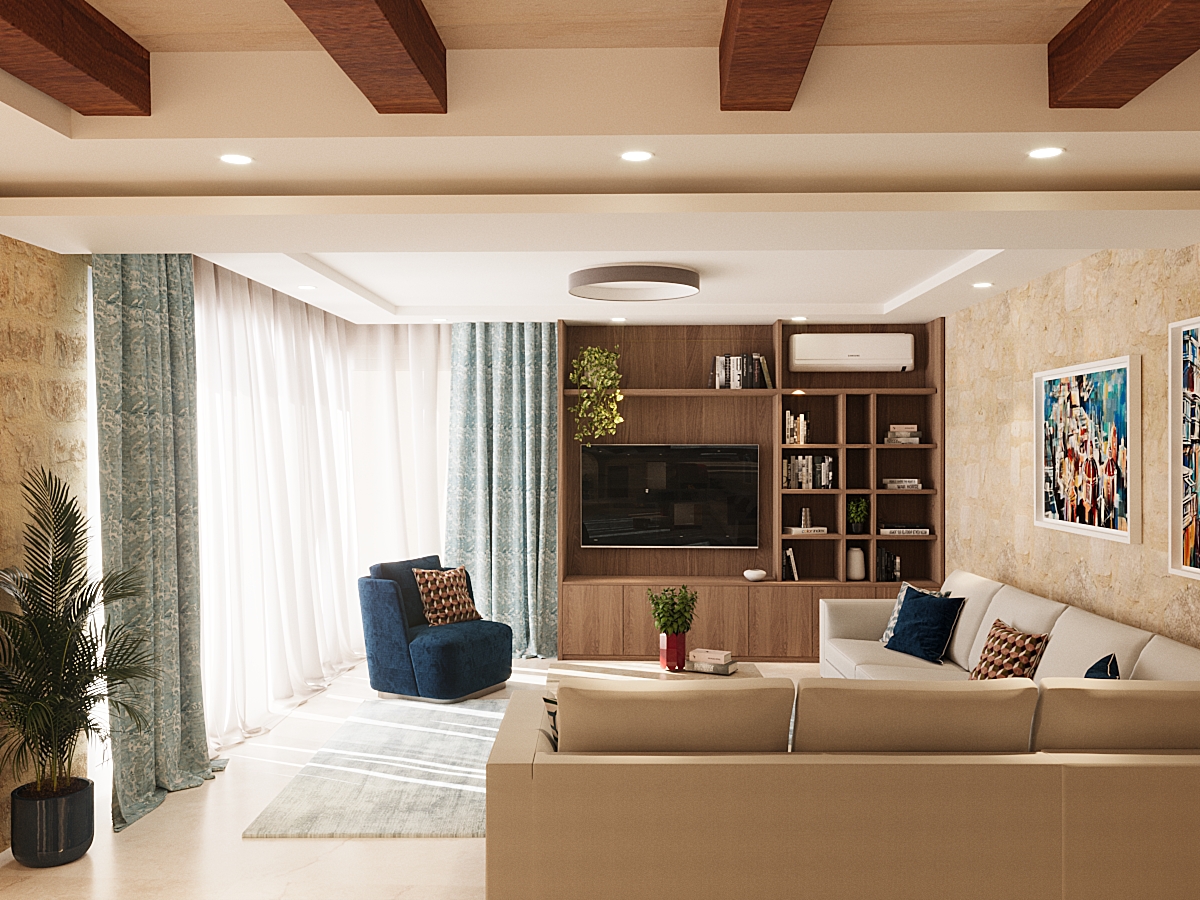
5. Organic shapes & mixed materials – Straight lines are being softened by the rise of curved furniture and wavy design elements. Rounded sofas, arched doorways, and scalloped edges bring a sense of fluidity and movement. People are also incorporating a variety of finishes, such as wood, stone, glass and metal, within the same space. This approach creates depth and visual interest.
How to achieve it
Bringing personality into your home can be as simple as incorporating stripes, layering patterns, and mixing textures. Enjoy the thrill of thrifting in antique shops or browsing online marketplaces for unique pieces that tell a story.
Keep family heirlooms – not only as a keepsake but also to add soul to your space. Choose handcrafted items over mass-produced decor, and embrace colour combinations that reflect your taste rather than trends.
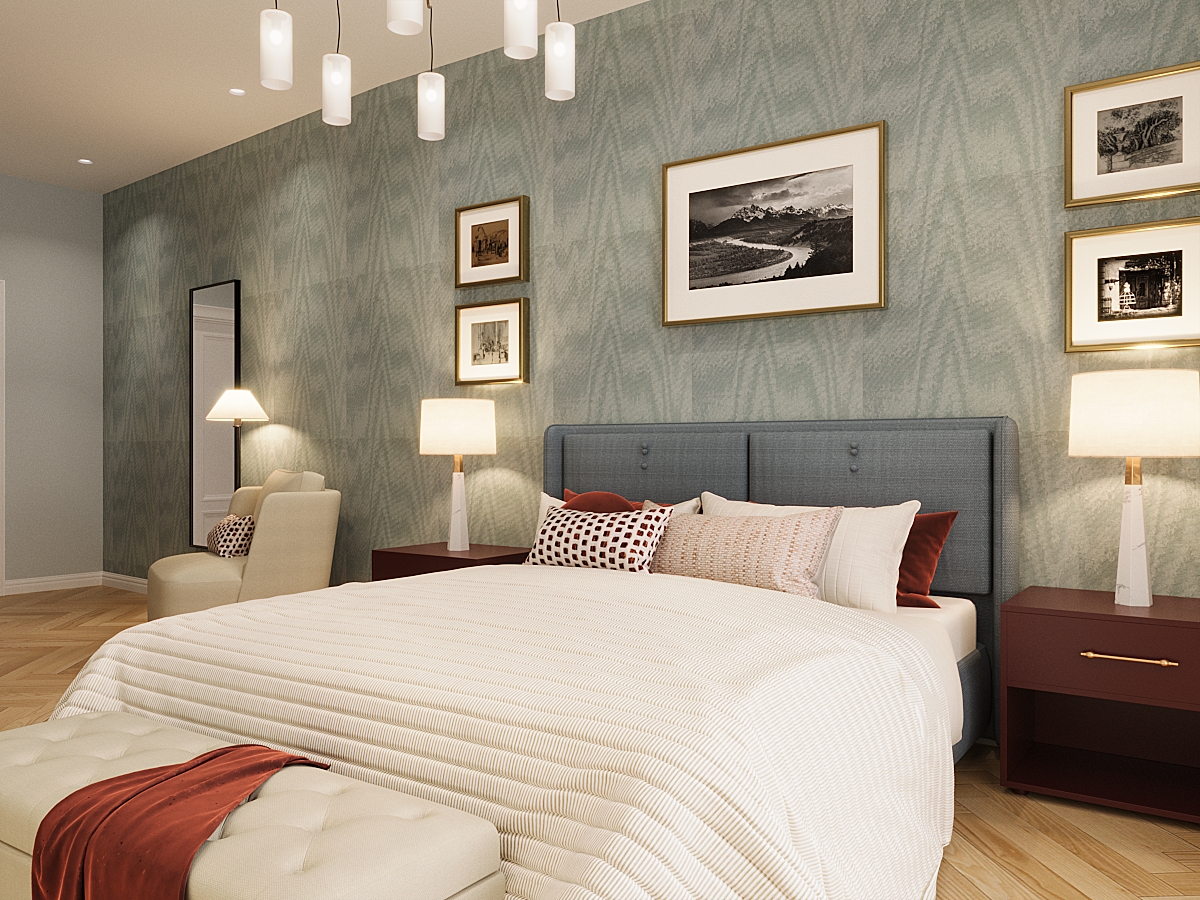
The shift towards personality-driven interiors is about creating spaces that feel authentic, meaningful, and designed for real life. As we move through 2025, the most successful interiors will be those that tell a story. This new era of design is not about following trends but about embracing individuality – and that is a movement that will stand the test of time.
Main photo: Kris Micallef / Interior images courtesy of Caroline Ciantar Barbara